
The Ultimate Toolkit for Instagram Marketing in 2026: Navigating Strategy, AI, and Analytics
As we head deeper into 2026, the Instagram landscape has evolved from a simple photo-sharing app into a complex, high-stakes ecosystem for global brands and creators. With the platform’s native capabilities expanding—particularly within the Professional Dashboard and integrated AI editing tools—marketers are facing a new reality: the "all-in-one" approach is no longer a luxury; it is a strategic necessity.
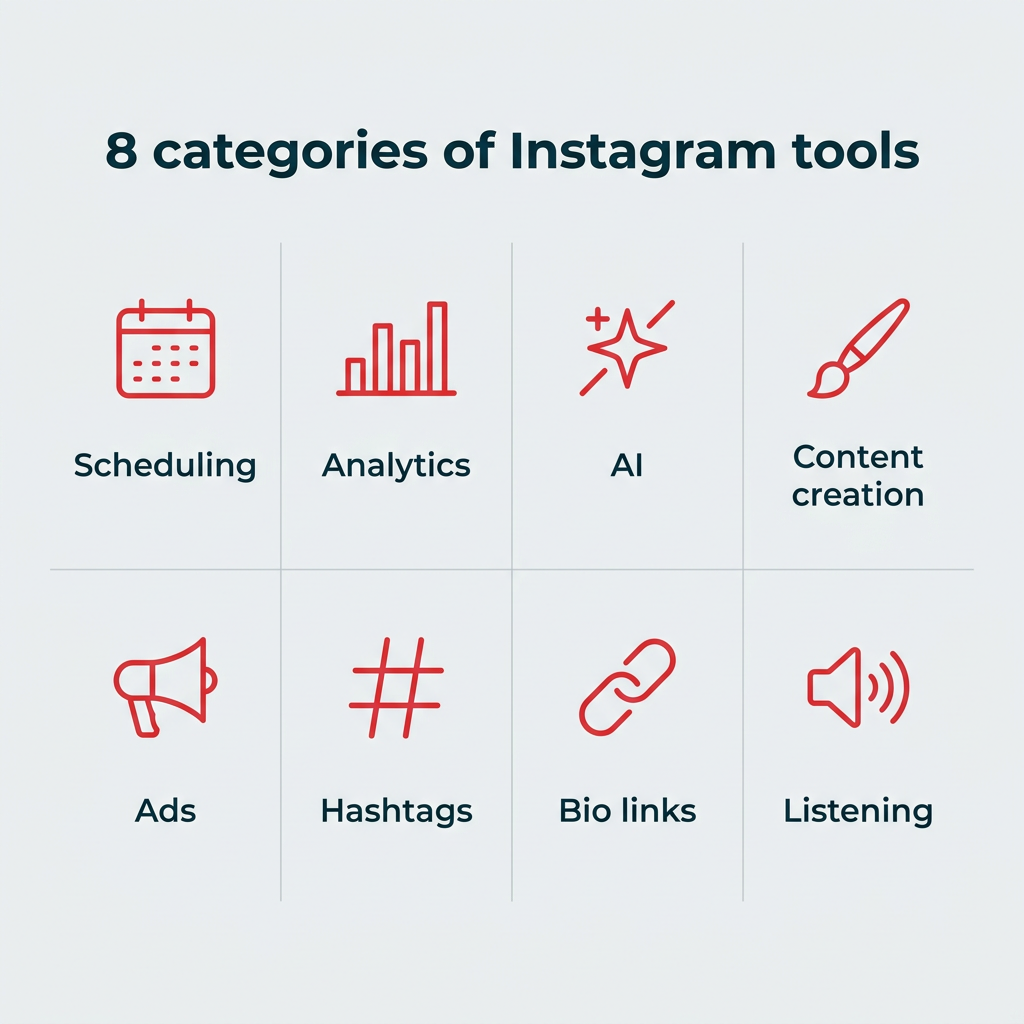
Whether you are a solo entrepreneur building a brand from the ground up or a social media manager navigating the demands of an enterprise marketing team, the sheer volume of available tools can be overwhelming. To help you streamline your workflow and maximize ROI, we have curated the 27 most essential Instagram tools for 2026, categorized by their core functionality.

The Evolving Landscape: Why You Need Specialized Tools in 2026
The primary shift in 2026 is the consolidation of Instagram’s native features. Meta has aggressively integrated editing tools, audio features, and basic performance metrics directly into the app. For the average hobbyist, these native tools are more than sufficient. However, for professional marketing teams, native tools often fall short in three key areas: long-term historical data, cross-platform competitive benchmarking, and team-based collaboration workflows.
Modern Instagram tools are no longer just "schedulers." They have transformed into sophisticated hubs that handle AI-assisted ideation, advanced social listening, and complex multi-channel reporting.

Chronology of Tool Selection: How We Filtered the Best
To ensure this list remains actionable for 2026, we applied a rigorous three-step evaluation:
- Maintenance & Availability: Every tool listed is actively supported and optimized for the current Instagram API environment.
- Workflow Utility: We excluded tools that simply mirror Instagram’s native UI. We prioritized software that solves specific "gaps"—such as bulk scheduling, sentiment analysis, or enterprise-level approval chains.
- Market Relevance: We evaluated each tool based on its current utility for professional teams, focusing on scalability and integration potential.
Comprehensive Comparison: The Top Tier
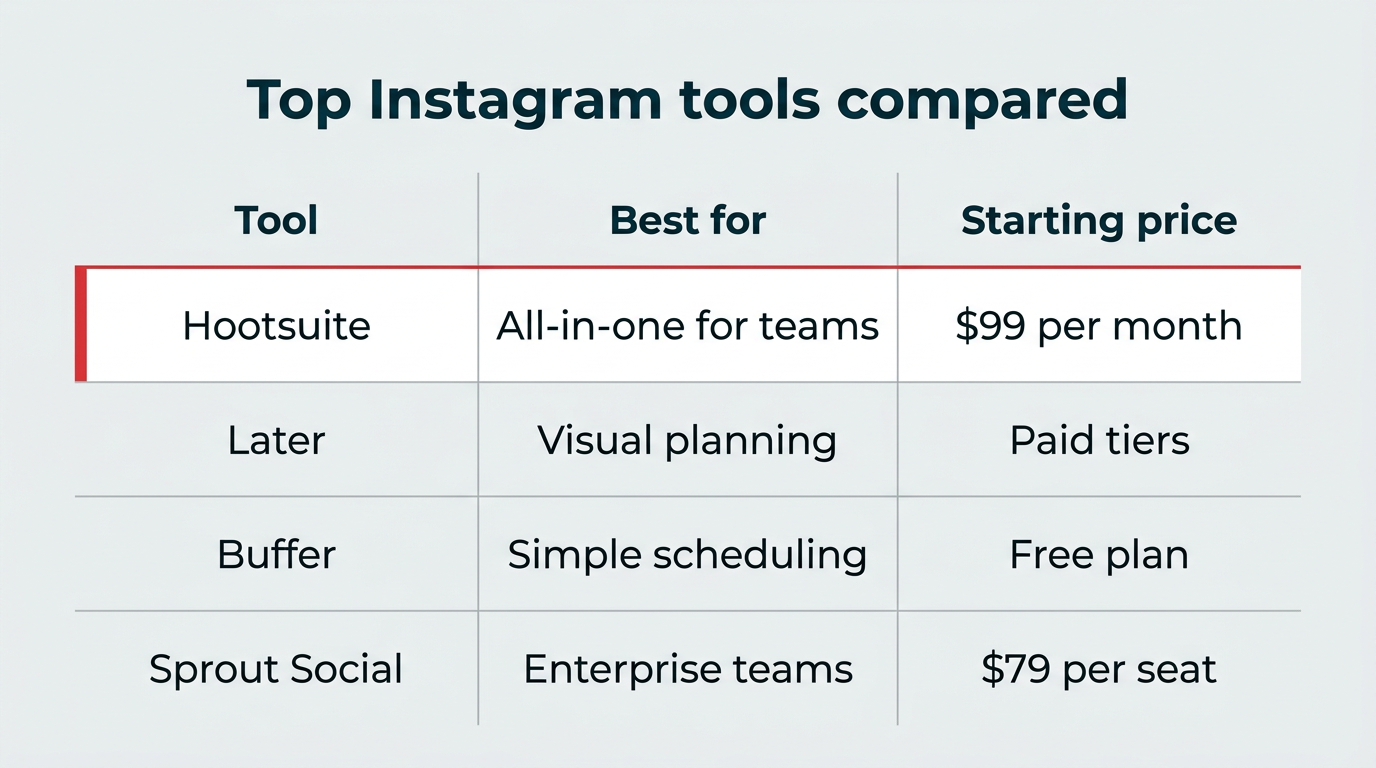
Before diving into the categories, consider this snapshot of the current market leaders:
| Tool | Best For | Starting Price |
|---|---|---|
| Hootsuite | Full-stack team management | $99/mo |
| Later | Visual-first planning | Varies |
| Buffer | Simple, cost-effective scheduling | Free/Tiered |
| Sprout Social | Enterprise workflows/Approvals | $79/seat/mo |
| Canva | Creative design & templates | Free/Paid |
Instagram Scheduling and Publishing Tools
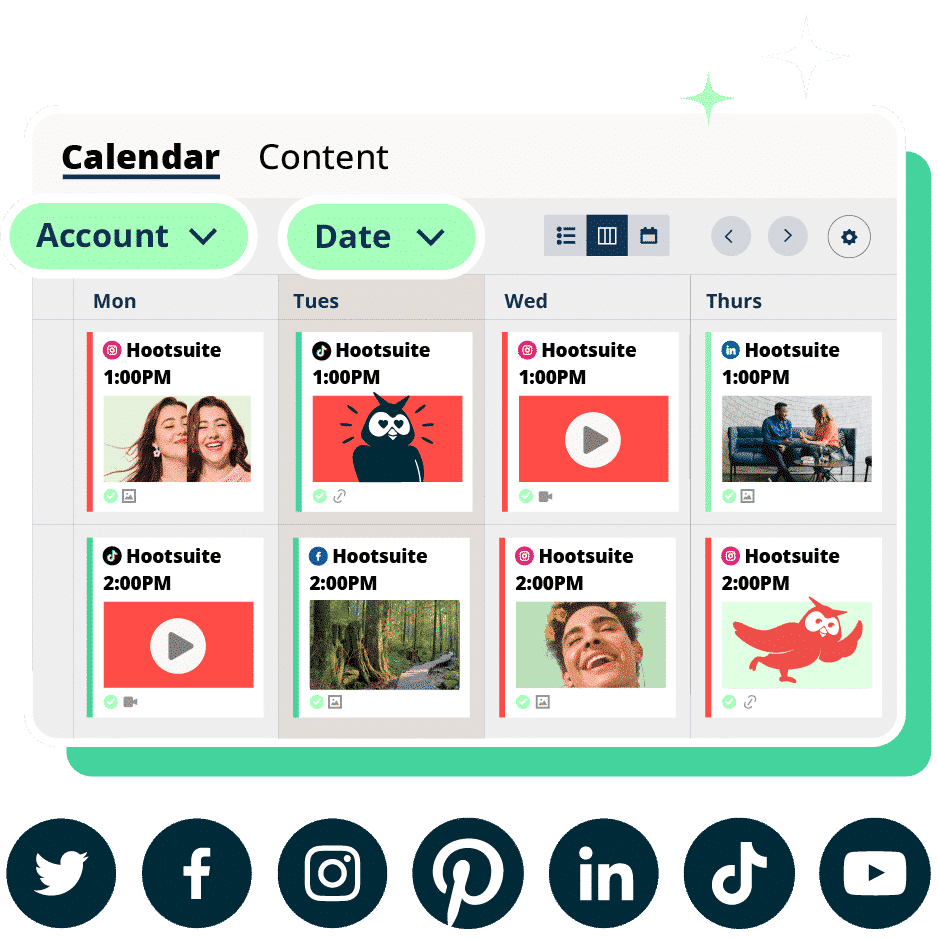
Consistency is the bedrock of Instagram growth. A robust scheduling tool allows you to move beyond "posting on the fly," enabling teams to plan campaigns weeks in advance.
1. Hootsuite: The Industry Standard
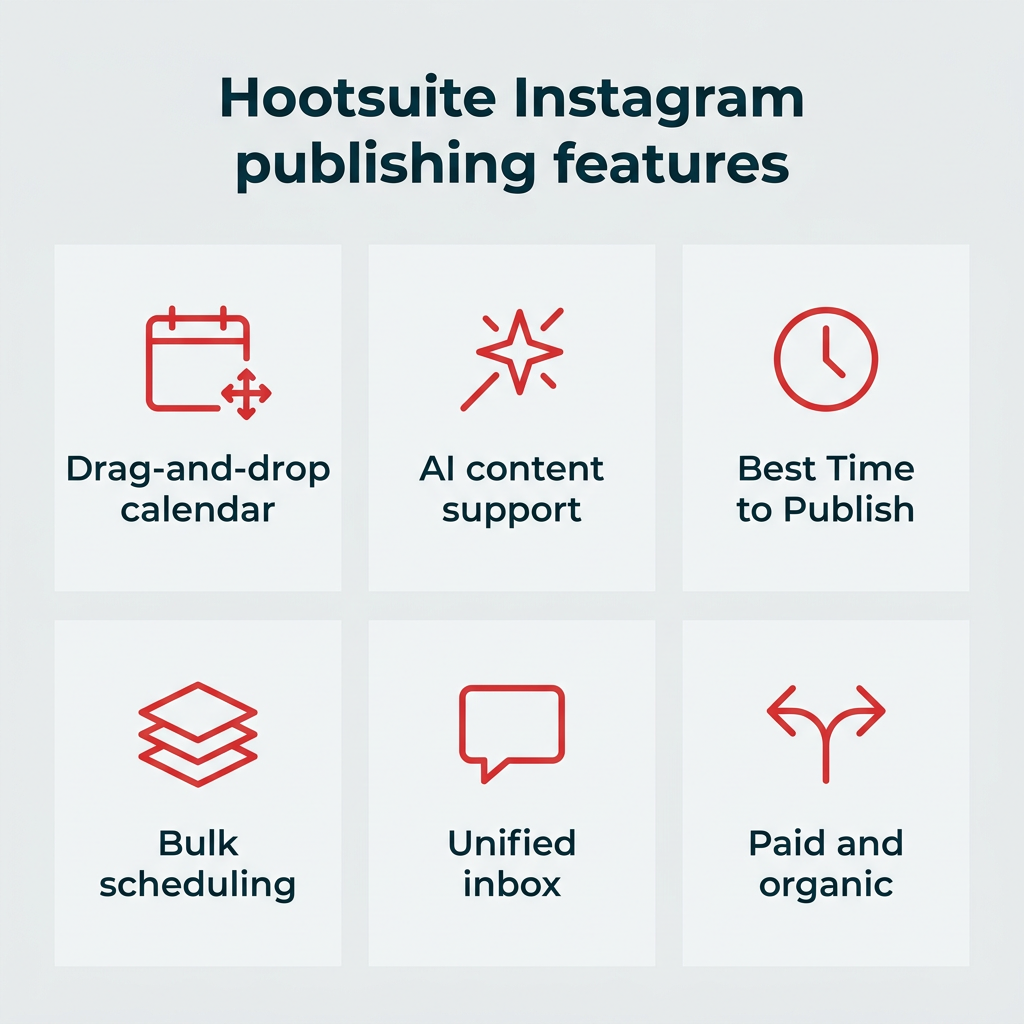
Hootsuite remains the most comprehensive platform for teams that need to manage Instagram alongside X, LinkedIn, and TikTok. Beyond simple scheduling, it offers "Best Time to Publish" algorithms, bulk scheduling for high-volume accounts, and a unified inbox that prevents engagement from slipping through the cracks.
2. Later: The Visual Specialist
If your brand’s aesthetic is your primary selling point, Later’s visual grid planner is unparalleled. It allows you to drag and drop content to see how your profile will look before a single post goes live.
3. Buffer: The Minimalist’s Choice
For small teams or individual creators, Buffer provides a clean, intuitive interface. It strips away the complexity of enterprise tools, making it an ideal starting point for those who want to schedule content without a steep learning curve.
The AI Revolution: Content Ideation and Production
AI has effectively eliminated the "blank page" syndrome. By leveraging large language models and generative AI, marketers can now produce high-quality drafts in seconds.
The Power of Wisdom (Hootsuite)
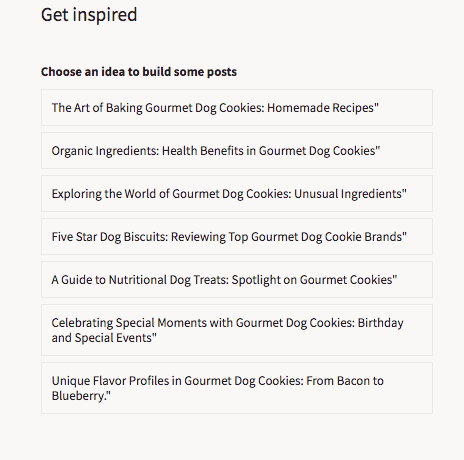
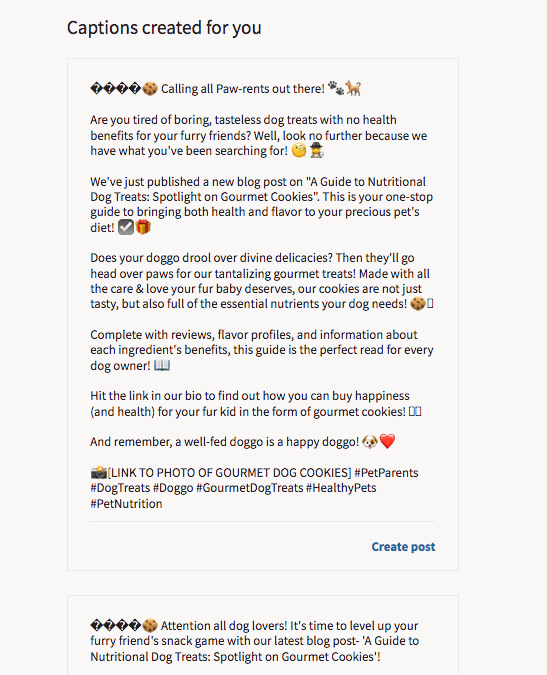
Wisdom (the evolution of OwlyWriter AI) is a game-changer for 2026. It doesn’t just generate captions; it suggests creative angles, summarizes industry trends, and creates hashtag clusters tailored to your specific niche.
Pictory: Text-to-Video
Video is no longer optional. Pictory enables lean teams to convert long-form blog posts or scripts into short-form, high-engagement Reels, effectively scaling your video production without the need for an in-house studio.
Analytics: Turning Data into Strategy
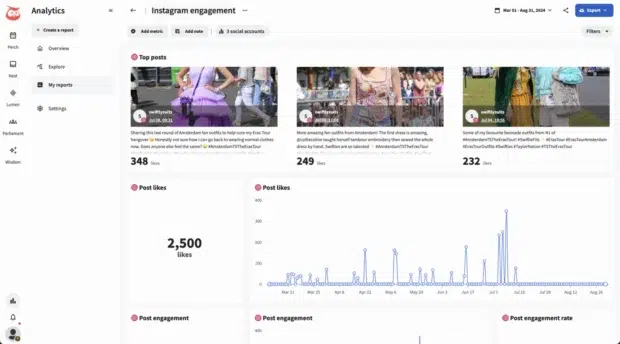
Native Instagram Insights are excellent for a quick check, but they disappear after 90 days. Professional tools provide the longitudinal data required for quarterly reporting.
Hootsuite Analytics vs. Iconosquare
- Hootsuite Analytics: Offers deep-dive capabilities, allowing you to correlate your Instagram growth with wider web traffic and ROI metrics.
- Iconosquare: Renowned for its in-depth profile audits. It is a favorite among agencies that need to provide clients with professional, white-labeled performance reports.
Content Creation and Editing: Visual Excellence
In 2026, the barrier to high-quality design is virtually zero. These tools are the industry standards for mobile-first content creation.
- Canva: The undisputed leader in design templates. Its integration with social platforms allows for a seamless "design-to-publish" workflow.
- Adobe Premiere Rush: For those who need more "oomph" than in-app Reels editing offers, Rush provides a professional-grade mobile editing suite that handles multi-track audio and color grading.
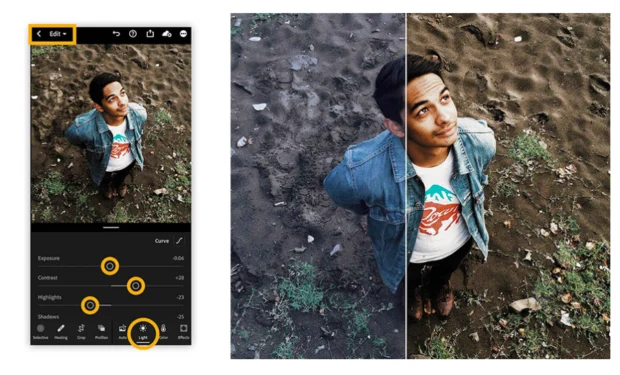
- Lightroom & VSCO: Still the gold standards for maintaining a consistent photographic "filter" or "preset," which is essential for brand recognition.
Implications: Building Your Tech Stack
Choosing the right tool is a strategic decision that impacts your team’s bottom line. When building your stack for 2026, consider these three pillars:
- Integration: Does the tool connect with your existing CRM or project management software? (e.g., Does your scheduling tool feed directly into your analytics dashboard?)
- Team Scalability: Does the tool offer role-based permissions? (Essential for preventing brand-safety issues during the approval process.)
- Engagement Depth: Can the tool handle DMs and comments? Responding to the community is just as important as publishing the content itself.
Frequently Asked Questions (FAQ)
Q: Do I really need a third-party management tool in 2026?
A: If you are managing multiple accounts or need historical data beyond 90 days, yes. Native tools are great for daily engagement, but they lack the reporting depth required for business-level decision-making.
Q: How has Instagram’s native AI changed the need for third-party apps?
A: Instagram’s native AI has improved basic editing, but it still lacks the "strategic" AI features—like cross-platform trend analysis or bulk caption generation—that professional teams rely on to save time.
Q: What is the most cost-effective way to start?
A: Start with the "Freemium" tiers of tools like Buffer or Canva. As your account grows and your manual workload increases, transition to a platform like Hootsuite to centralize your operations.
Conclusion: The Path Forward
The "best" Instagram tool in 2026 is the one that gives you back the most time. By automating the repetitive tasks—scheduling, hashtag research, and basic reporting—you allow your team to focus on what actually drives growth: original creative, authentic community engagement, and data-driven strategy.
As the digital landscape becomes more crowded, the winners will be those who use technology to amplify their human creativity, not replace it. Start by auditing your current workflow, identify the "pain point" that consumes the most hours each week, and choose the tool that specifically addresses that gap.
