

Decoding the Digital Pulse: A Comprehensive Guide to Customer Engagement Analytics
In an era where digital noise is at an all-time high, the difference between a thriving business and one that fades into obscurity often comes down to a single question: Is your audience truly connecting with your brand, or are they merely passing through?
For many digital marketers and business owners, the "bounce" is the enemy. It represents the fleeting moment when a potential customer lands on a site, finds nothing of interest, and disappears. To combat this, businesses are increasingly turning to customer engagement analytics—a sophisticated methodology designed to track, interpret, and optimize the heartbeat of user interaction. By shifting focus from vanity metrics to meaningful behavioral patterns, companies can transform passive browsers into loyal brand advocates.
What Is Customer Engagement Analytics?
At its core, customer engagement analytics is the systematic process of collecting, tracking, and interpreting data regarding how users interact with a brand, product, or service across digital ecosystems. Unlike conversion analytics, which looks at the "what"—the purchase, the sign-up, the download—engagement analytics investigates the "how" and "why."
These interactions occur across a sprawling landscape of touchpoints: websites, mobile applications, social media platforms, and even offline interactions that feed back into a digital profile. Engagement is defined as any interaction that occurs before a final conversion. It includes the depth of a scroll, the playback of a video, the click of an interactive element, or the time spent contemplating a product description.
While the concept applies universally to all business types, in the realm of digital marketing, it is typically categorized into four distinct pillars: behavioral engagement, content consumption, interaction frequency, and social sentiment.

The Strategic Importance: Why Engagement Matters
Engagement analytics acts as the vital bridge between the top of the marketing funnel—where awareness is generated—and the bottom, where revenue is realized. Without granular insight into engagement, the marketing funnel remains a "black box" where businesses can see who entered, but have no idea why they left or what kept them there.
Identifying Friction Points
Every user journey is prone to friction. Perhaps a checkout button is obscured on mobile devices, or a video player fails to load on certain browsers. Engagement analytics exposes these bottlenecks. By analyzing where user activity drops off—such as high exit rates on a specific landing page—companies can surgically optimize the user experience, smoothing the path to conversion.
Building Sustainable Growth
Sustainable growth is rarely the result of a single viral moment. It is built on the cumulative effect of recurring interactions. Engagement analytics helps businesses cultivate "familiarity loops." When a user interacts with your brand frequently, trust is established. This trust is the precursor to loyalty, and loyalty is the bedrock of high retention rates and lifetime value (LTV). In a crowded market, the brand that understands its user’s habits best is the one that wins the long-term war for attention.
Best Practices: Defining Your Metrics
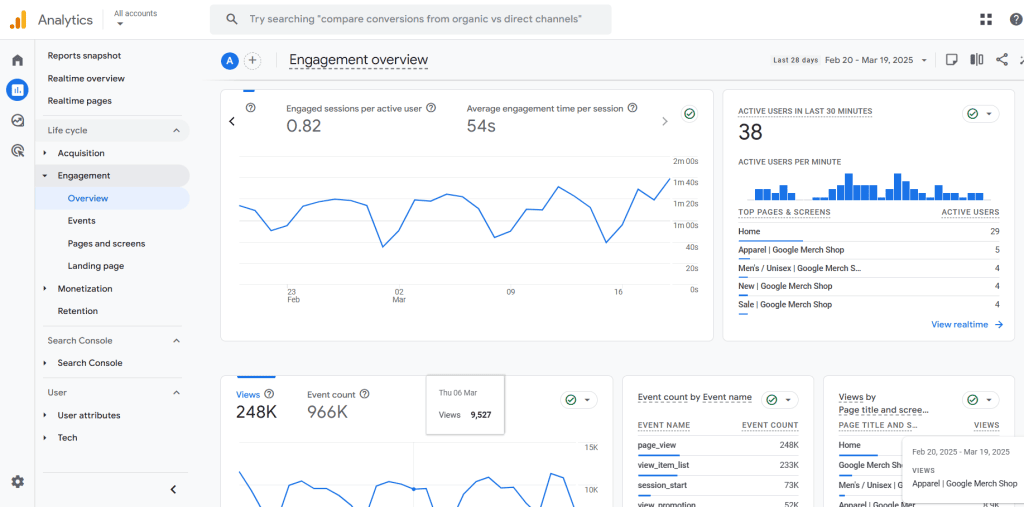
Engagement is not a one-size-fits-all concept. While tools like Google Analytics 4 (GA4) provide default metrics, they are merely starting points. A critical mistake many organizations make is accepting default definitions of "engagement" without tailoring them to their specific business objectives.
For instance, a software-as-a-service (SaaS) company might define engagement as a user spending 60 seconds on a documentation page, whereas a content-heavy news site might consider three minutes of reading a more accurate benchmark. Furthermore, some of the most valuable engagement metrics—such as in-game progress or custom interactive tool usage—are not captured by default and require custom configuration.
The Implementation Framework
To derive real value, organizations must follow a rigorous implementation process:
- Stakeholder Consultation: Before a single line of tracking code is written, consult with cross-departmental teams. Sales, product, and marketing often view "engagement" through different lenses. Aligning these definitions prevents data silos.
- Custom Configuration: Once the needs are identified, audit the existing setup. If a button click is a critical indicator of purchase intent, ensure it is configured as a custom event.
- The Implementation Guide: Professional organizations maintain a "living" implementation document. This guide serves as a manual for developers and analysts, outlining exactly what is being tracked, why it is being tracked, and how the data should be interpreted. This ensures consistency across the organization, even as teams change.
Key Metrics to Track: A Channel-Specific Breakdown
To master engagement, one must categorize metrics based on the digital environment. It is essential to note that these metrics focus on mid-funnel behavior; they are the indicators of intent, not the final action.
1. Website and App Metrics
- Page Views: The foundational metric. It tells you the volume of traffic but reveals little about interest.
- Sessions: A period of active interaction. In GA4, a session is typically defined as 30 minutes of activity.
- Engagement Time: Perhaps the most critical modern metric. It tracks the duration a user spends with your content in the foreground, providing a genuine sense of interest rather than a mere "visit."
- Pages per Session: A high number of pages per session indicates a user who is exploring, researching, and potentially deep in the consideration phase.
- Engaged Sessions: A sophisticated metric that filters out "drive-by" traffic. An engaged session is one that lasts longer than 10 seconds, has a conversion event, or includes at least two pageviews.
2. Social Media Engagement
Social media metrics are often misunderstood. Rather than focusing on follower counts, high-performing teams look at:
- Interaction Rates: Comments, shares, and saves. These require more effort than a simple "like" and indicate higher brand affinity.
- Click-Through Rate (CTR): The primary indicator of whether your social content is successfully driving traffic to your owned digital assets.
3. Paid Ads and Email
- CTR: In the context of paid ads, CTR is the definitive measure of ad relevance. If your CTR is low, your audience isn’t just ignoring the ad—they are finding it irrelevant.
- Open Rate: For email marketing, this is the first gatekeeper. It validates the effectiveness of your subject lines and brand authority.
4. Product Engagement
For eCommerce, the focus shifts to the "purchase journey." Key metrics here include:
- Product Views: How many users are looking at specific items?
- Add-to-Cart Rate: This is the ultimate "intent" signal. A high add-to-cart rate paired with a low checkout rate indicates a pricing or shipping friction point.
- Promotion Clicks: Monitoring how users interact with banners or discount offers provides insight into their price sensitivity.
The Implications: Moving From Data to Strategy
The ultimate implication of robust engagement analytics is the shift from reactive to proactive marketing. When you understand the "middle" of the funnel, you can orchestrate personalized journeys.
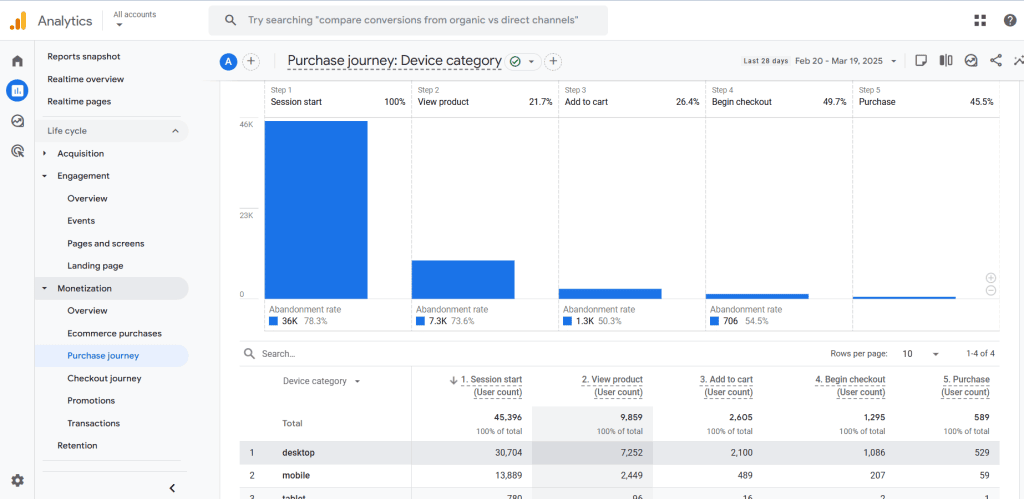
For example, if engagement analytics shows that a segment of users visits your pricing page three times but never adds a product to the cart, you have a clear mandate: trigger a retargeting campaign offering a case study or a testimonial video to address their hesitation. You aren’t just sending generic ads; you are responding to a specific behavioral signal.
The Future of Engagement
As we look toward the future, the integration of Artificial Intelligence into engagement analytics will likely automate the identification of these patterns. Predictive analytics will soon tell us not just who is engaged, but who is about to become engaged.
However, the technology is only as good as the strategy behind it. Organizations must remember that behind every metric is a human being. The data points—the clicks, the scrolls, the time spent—are merely echoes of a person’s interest. By treating these metrics with the respect of a conversation, businesses can move beyond the "passing through" phase and start building relationships that last.
Summary
Customer engagement analytics is more than just a dashboard of numbers; it is a diagnostic tool for the modern enterprise. By focusing on the interactions that precede a conversion, companies can refine their user journeys, optimize their content, and sustain long-term growth. As the digital landscape continues to evolve, the ability to interpret these signals will remain the definitive competitive advantage for brands that wish to turn casual visitors into loyal, lifetime customers.
The journey toward deep customer insight is ongoing. By implementing a disciplined tracking strategy, educating stakeholders, and constantly questioning what truly constitutes "engagement" for your unique brand, you can ensure your digital presence is not just seen, but felt. How are you measuring the pulse of your audience today? The answer to that question is the first step toward your next major milestone.
