
The Strategic Value of Social Media Reporting: Turning Raw Data into Business Growth
In the modern digital landscape, social media is no longer just a space for brand personality—it is a critical engine for business intelligence. However, the sheer volume of data generated across platforms like Instagram, TikTok, LinkedIn, and X can be overwhelming. A social media report is the essential bridge between raw, chaotic metrics and actionable business strategy. By transforming data into a narrative of performance, marketing teams can prove their ROI, optimize their creative output, and align their digital presence with broader organizational goals.
The Core Function: Why Reporting Matters
At its most fundamental level, a social media report is a structured document that provides an in-depth analysis of marketing performance over a defined timeframe. It is the primary tool for tracking Key Performance Indicators (KPIs), measuring the efficacy of specific campaigns, and uncovering opportunities for optimization.
![How to create a social media report in 2026 [free template]](https://blog.hootsuite.com/wp-content/uploads/2024/09/social-media-report.png)
Beyond the numbers, these reports serve as a "truth-teller" for a brand. For instance, a data-driven report might reveal that while an Instagram Carousel looks aesthetically pleasing, the brand’s actual audience engagement is significantly higher on short-form Reels. Identifying such patterns allows teams to pivot their creative strategy, ensuring that they provide the content their audience truly craves. Ultimately, a well-crafted report does not just look backward; it informs the next move, ensuring that every post, ad, and interaction contributes to a measurable outcome.
The Anatomy of an Effective Report
While the specific content of a report will vary depending on unique business objectives, industry standards suggest a core framework that balances technical data with strategic context.
![How to create a social media report in 2026 [free template]](https://blog.hootsuite.com/wp-content/uploads/2024/09/social-media-report-556x556.png)
Essential Components
- Executive Summary: A high-level, one-page snapshot for leadership. This section should highlight major wins, key learnings, and critical recommendations.
- Strategic Objectives: A reminder of why you are on social media. Whether your primary focus is customer service, lead generation, or brand awareness, the report must align its findings with these overarching goals.
- Performance Metrics & KPIs: Quantifiable data points—such as engagement rate, click-through rate (CTR), reach, and conversion rates—that demonstrate how you performed against specific targets.
- Performance Analysis: The "Why." This is where you connect the dots, explaining why a particular campaign succeeded or failed based on market trends and content strategy.
- Competitive Benchmarking: A comparison of your performance against industry peers. This provides necessary context, allowing stakeholders to see if your growth is outpacing or lagging behind the broader market.
- Audience Insights: A deep dive into who your followers are. By tracking demographics, peak activity times, and content preferences, you can refine your targeting strategy for future campaigns.
- Actionable Recommendations: The most important section of any report. Based on the data analyzed, what should the team do next? Should you increase your budget on TikTok? Shift to a more video-centric content calendar? This section turns data into a roadmap.
A Chronological Approach to Reporting
Creating a high-impact report follows a logical, step-by-step process designed to eliminate bias and ensure accuracy.
1. Defining Objectives and Audience
Before gathering a single data point, you must define who the report is for. An executive needs a high-level summary of ROI, while a content team needs granular detail on which post formats performed best. Setting SMART (Specific, Measurable, Achievable, Relevant, Time-bound) goals at the outset ensures that the data you collect is relevant to your audience.
![How to create a social media report in 2026 [free template]](https://cdn.airops.com/rails/active_storage/blobs/proxy/eyJfcmFpbHMiOnsiZGF0YSI6MTk0Mzk3ODE3LCJwdXIiOiJibG9iX2lkIn19--c8bd5696bdac6937c1bb3c1c2d65cab81fa45fa6/image.png)
2. Metric Selection and Data Collection
Select metrics that directly reflect your goals. If your goal is brand awareness, track reach and impressions. If your goal is conversion, focus on website clicks and attribution tracking. Use a combination of native platform analytics (Meta Business Suite, TikTok Analytics) and comprehensive third-party tools like Perch by Hootsuite or Lumen by Talkwalker to get a holistic view of your cross-channel performance.
3. Analyzing Trends and Performance
Data in a vacuum is meaningless. To provide value, you must compare current results against previous periods (month-over-month or year-over-year). This reveals seasonal trends, the impact of specific campaigns, and the long-term trajectory of your social media growth.
![How to create a social media report in 2026 [free template]](https://cdn.airops.com/rails/active_storage/blobs/proxy/eyJfcmFpbHMiOnsiZGF0YSI6MTk0Mzk4MDczLCJwdXIiOiJibG9iX2lkIn19--80c88146db70bd11dc4eb4e431a7479a65fe7dbe/image.png)
4. Visualization and Synthesis
Raw spreadsheets are rarely persuasive. Transform your data into clear visualizations, such as trend lines, bar charts, and heat maps. These tools allow stakeholders to grasp complex information at a glance, making the subsequent recommendations much easier to digest and approve.
Supporting Data and Industry Benchmarks
The effectiveness of a report is often bolstered by how well it utilizes benchmarks. For example, if your Instagram engagement rate is 5%, that number is meaningless without knowing that the industry average for your specific sector (e.g., financial services or retail) might be 2%.
![How to create a social media report in 2026 [free template]](https://blog.hootsuite.com/wp-content/uploads/2023/01/HS_ProductImage-Analytics-1.png)
Furthermore, platform-specific data is essential. With 84% of U.S. adults utilizing YouTube, according to recent Pew Research data, a report that ignores video performance on that platform is missing a significant piece of the market puzzle. By incorporating such industry-wide benchmarks, a reporting team can demonstrate whether a dip in performance is a systemic issue or a platform-wide trend.
Official Perspectives: The Role of Advanced Analytics
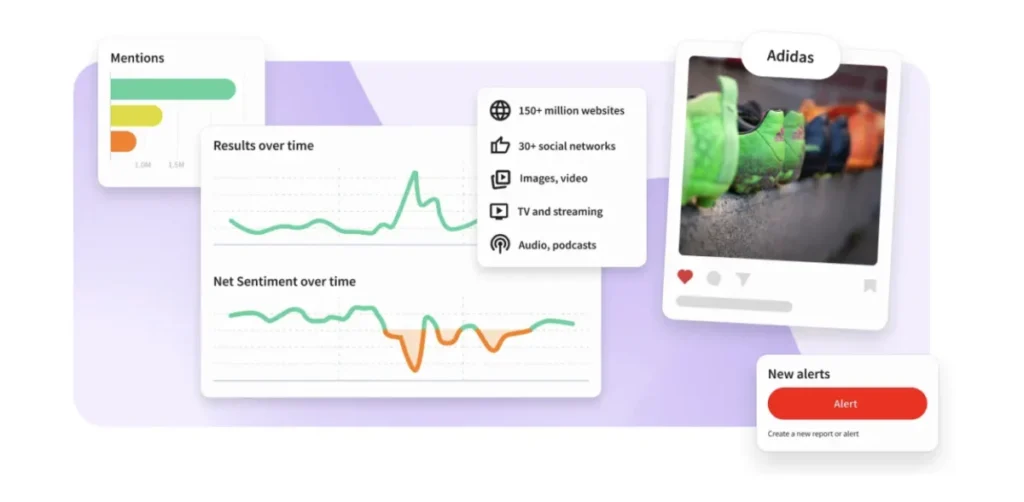
Industry leaders emphasize that reporting has evolved from simple "vanity metrics" (likes and follows) to "business intelligence" (sentiment analysis and conversion tracking). Tools like Lumen by Talkwalker represent the current gold standard, using AI to perform sentiment analysis. This allows companies to move beyond knowing how many people talked about them to understanding how they feel about the brand.
![How to create a social media report in 2026 [free template]](https://cdn.airops.com/rails/active_storage/blobs/proxy/eyJfcmFpbHMiOnsiZGF0YSI6MTk0Mzk3ODgwLCJwdXIiOiJibG9iX2lkIn19--eaf54a4d428bcfb899e0f793253fb54ddd137d24/image.png)
According to social media experts, the most successful enterprises maintain a tiered reporting structure:
- Weekly/Monthly: Operational reports for the marketing team to optimize day-to-day content.
- Quarterly/Annual: Strategic reports for the C-suite, focusing on high-level ROI, brand health, and long-term growth.
Implications for Future Strategy
The primary implication of a rigorous reporting process is the shift from reactive to proactive management. If your reports consistently show that your audience engages more with educational, long-form content, the strategic implication is clear: the team should reduce spend on quick, surface-level trends and invest more in high-value, evergreen video assets.
![How to create a social media report in 2026 [free template]](https://cdn.airops.com/rails/active_storage/blobs/proxy/eyJfcmFpbHMiOnsiZGF0YSI6MTk0Mzk4NTc1LCJwdXIiOiJibG9iX2lkIn19--7e8d4b122cb5b4a01ce5ade327a90ce96adefe1d/image.png)
Furthermore, consistent reporting builds organizational trust. When a marketing team can demonstrate a clear link between social media activities and revenue or customer satisfaction scores (CSAT), they are more likely to secure the budget and resources needed for future growth.
Best Practices for "Un-ignorable" Reports
To ensure your reports are actually read and acted upon, follow these professional guidelines:
![How to create a social media report in 2026 [free template]](https://cdn.airops.com/rails/active_storage/blobs/proxy/eyJfcmFpbHMiOnsiZGF0YSI6MTk0Mzk4NzQ3LCJwdXIiOiJibG9iX2lkIn19--aca39cb452511157dcb74b0da7600cb25cf287fa/image.png)
- Keep it Concise: For executives, stick to a "one-page summary" rule.
- Focus on "So What?": For every chart you include, write one sentence explaining what it means for the business.
- Standardize the Format: Use a consistent template so that stakeholders become familiar with where to find their key metrics, reducing cognitive load and increasing report adoption.
- Automate Where Possible: Use tools like Hootsuite’s automated reporting features to eliminate manual data entry, which is prone to error and time-consuming.
- Always Include Next Steps: A report without a plan is just a history lesson. Always end with a clear list of tactical recommendations based on the findings.
In conclusion, the social media report is the backbone of professional digital marketing. It serves as the ultimate accountability mechanism, ensuring that creative efforts are not just artistic, but functional and aligned with the broader mission of the organization. By treating reporting as a strategic exercise rather than a clerical task, brands can unlock the true value of their social media presence.
