

The New Rules of Website Content: How to Build Authority and Drive Conversions in the AI Era
In the modern digital landscape, website content is far more than just "filler" text between headers. It is the primary engine of brand visibility, the silent salesperson for your business, and the most effective tool for converting casual browsers into loyal customers. However, the barrier to entry has shifted dramatically. With AI-powered search engines and intelligent assistants answering user queries directly on the results page, the traditional "SEO article" is no longer enough to secure traffic.
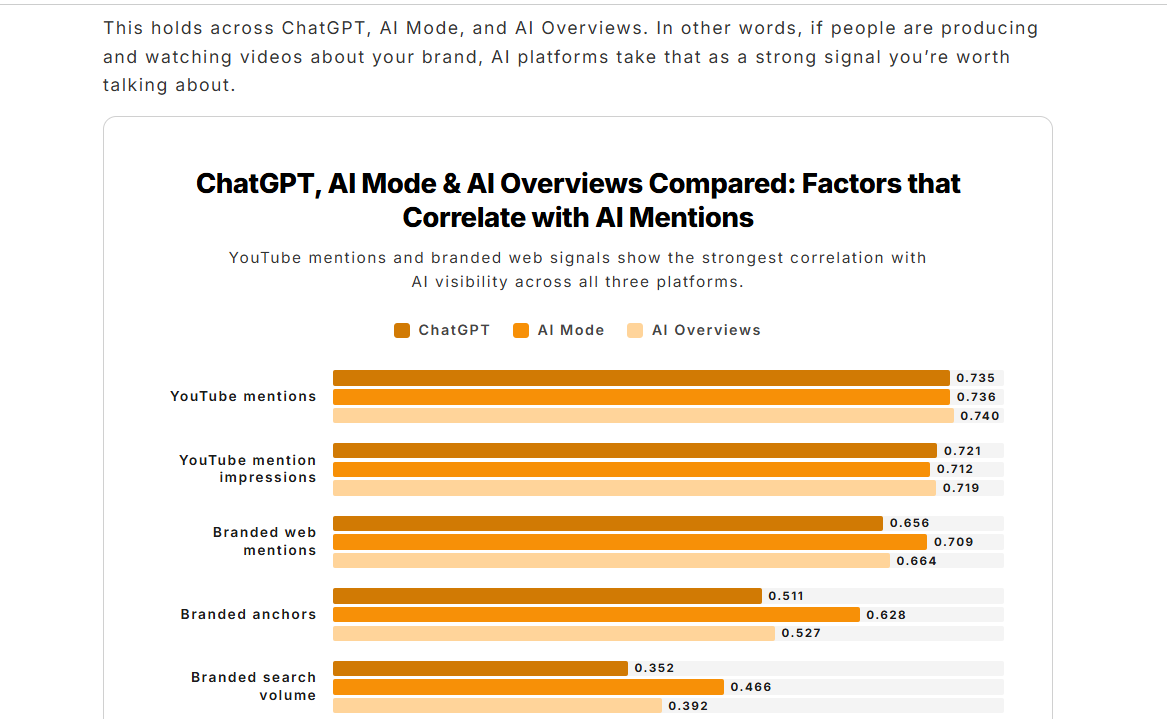
To remain relevant, content must now earn the click through depth, unique insight, and undeniable value. Based on the analysis of over 700 content assets developed over the last five years, this guide explores the methodologies required to create high-performing, authoritative, and future-proof digital content.
What Constitutes Effective Website Content?
Website content encompasses every element a visitor encounters on your digital domain. This includes the written copy on your homepage, service descriptions, blog posts, visual media, and interactive utilities like calculators or quizzes.

Beyond aesthetics, high-quality content serves three fundamental business functions:
- Education: Establishing your brand as an industry thought leader.
- Engagement: Keeping users on the page and reducing bounce rates.
- Conversion: Providing the necessary information and social proof to nudge a visitor toward a purchase or demo request.
The Four Pillars of Modern Content
To build a balanced website, creators must blend four distinct types of content:
- Textual: The backbone of SEO and user information.
- Visual: Photography, infographics, and videos that break up walls of text.
- Interactive: Tools that allow users to solve problems directly on your site.
- Audio: Podcasts or read-aloud features for accessibility.
10 Best Practices for High-Performance Content
Creating content that survives the "AI filter" requires a shift in philosophy. It is no longer about keyword stuffing; it is about providing a unique value proposition that generative AI cannot easily replicate.

1. The Principle of Single-Goal Architecture
Every page on your website should have one primary objective. Whether that is a demo booking, a newsletter sign-up, or a product purchase, your Call to Action (CTA) must be singular. When a page attempts to serve too many masters, it splits the reader’s focus, leading to decision paralysis and lower conversion rates.
2. Prioritize the Problem, Not the Product
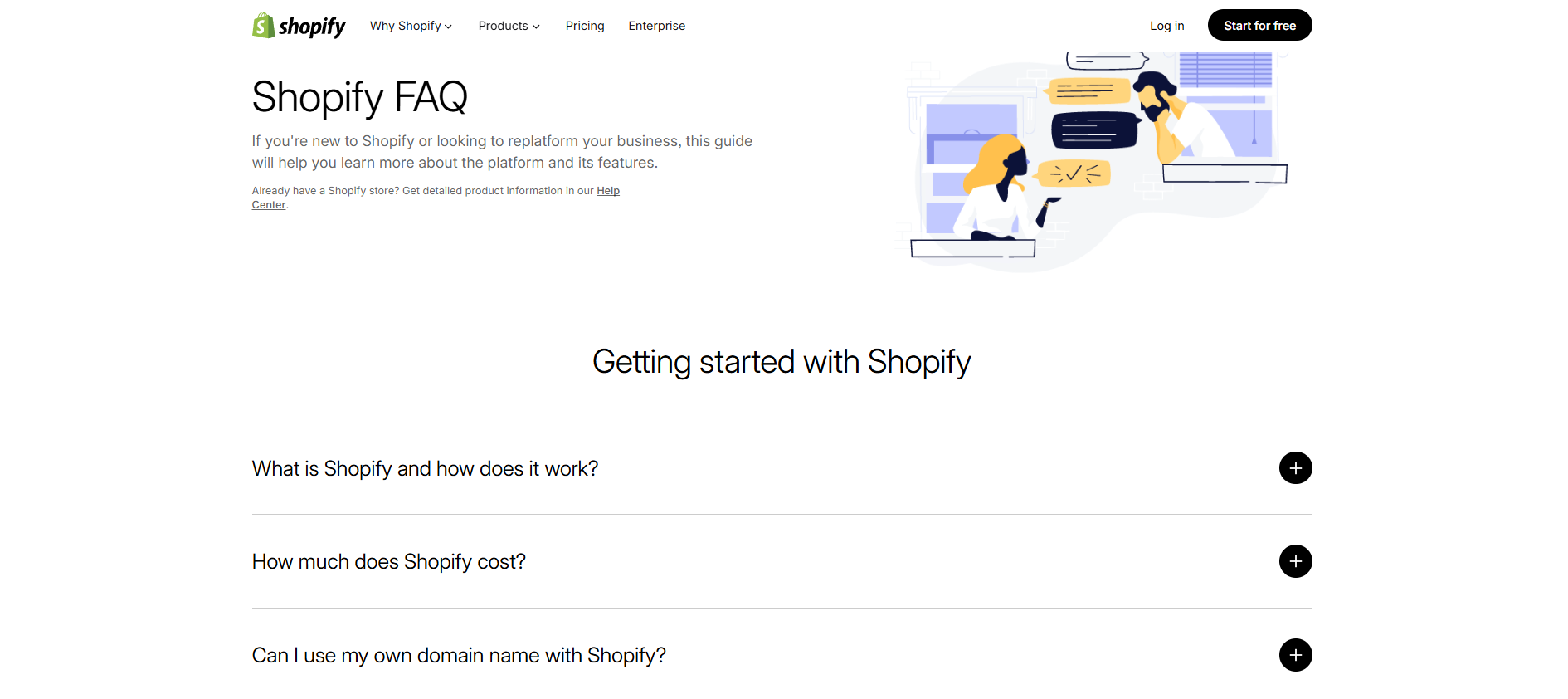
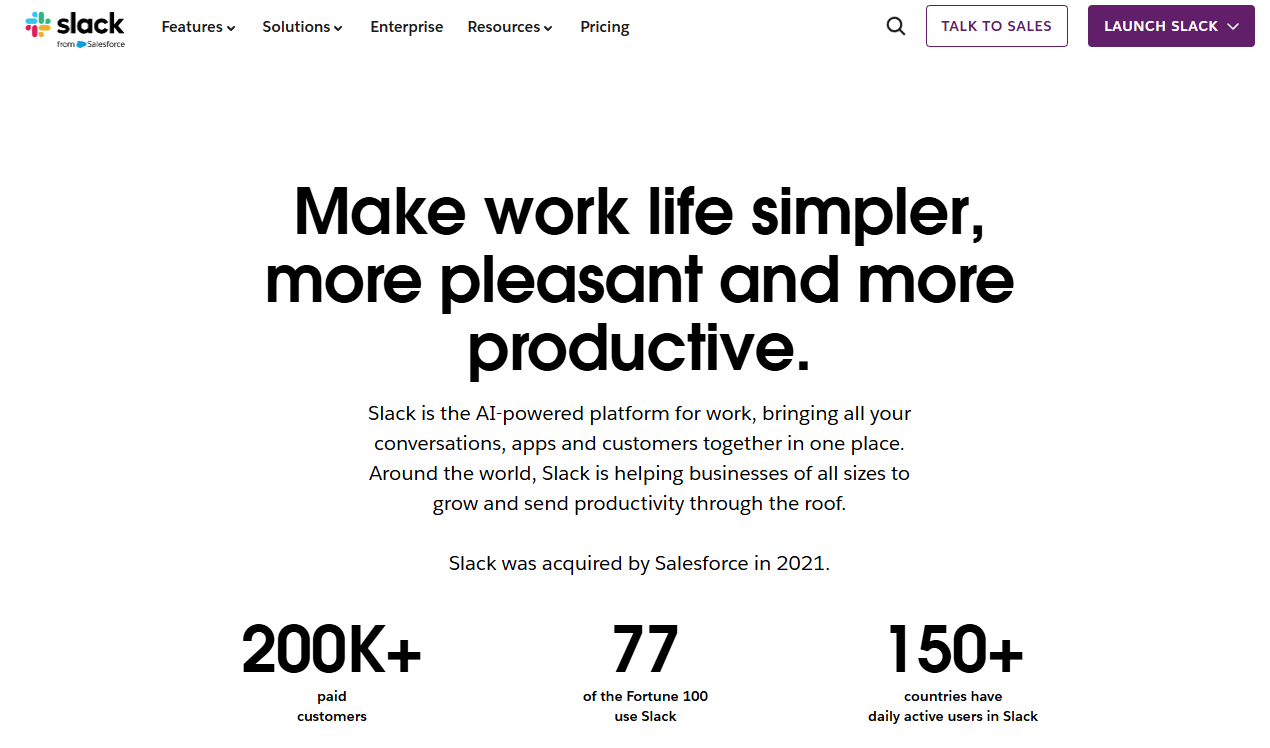
Your audience does not wake up looking for your product; they wake up looking for a solution to a problem. Successful brands—like Slack—lead with a value proposition that addresses the user’s pain points directly. By mirroring the language found in customer reviews and support forums, you demonstrate empathy and authority before ever mentioning your software or service.

3. Precision in Tone and Complexity
While "keep it simple" is standard writing advice, it often misses the mark for specialized industries. If you are writing for B2B executives or software engineers, "explaining it to a five-year-old" is condescending and ineffective. Instead, tailor your reading level to your target audience. Use the jargon they use, because it signals that you are an insider who truly understands their niche.
4. The Inverted Pyramid: BLUF (Bottom-Line Up Front)
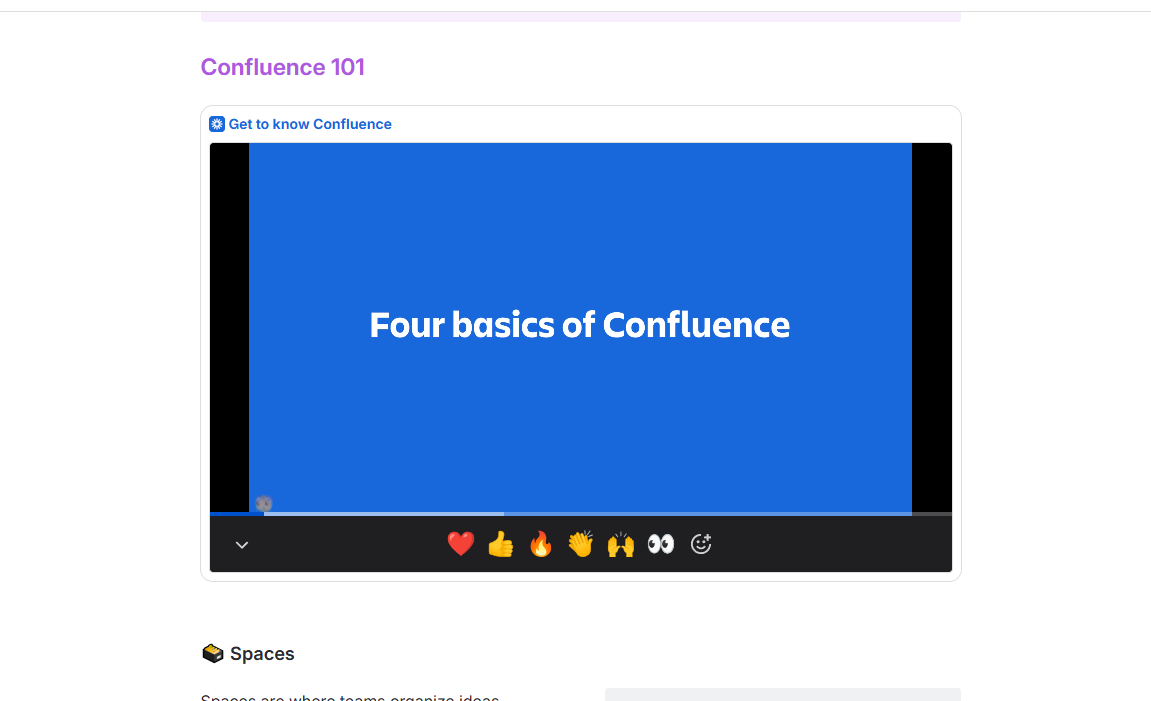
In an age of shrinking attention spans, you cannot afford to bury the lead. Adopt the "Bottom-Line Up Front" (BLUF) technique. Summarize your key takeaway in the first paragraph, then use the rest of the page to provide the supporting evidence, nuance, and technical depth. This not only satisfies the human reader but also optimizes your content for AI search systems, which are statistically more likely to cite information found in the top third of a page.
5. Formatting for the "Scanner"
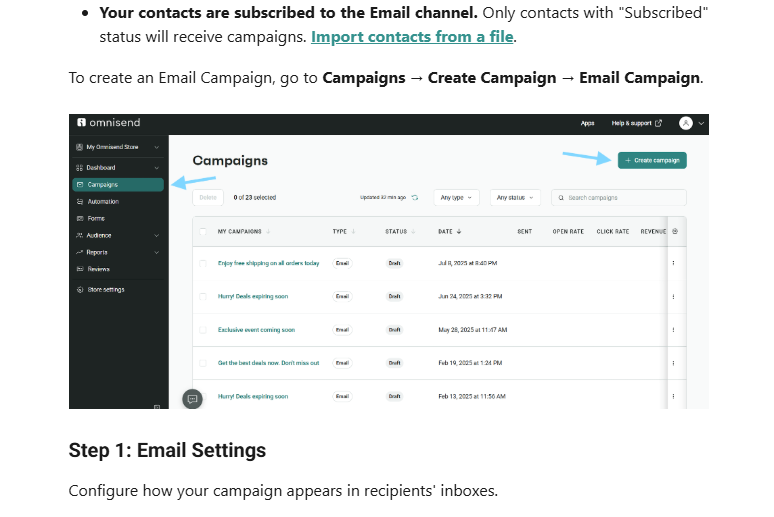
Studies from the Nielsen Norman Group consistently confirm that users do not read web pages line-by-line; they scan them. To optimize for this behavior, use:

- Descriptive subheadings that outline the argument.
- Bullet points to break down complex lists.
- Short paragraphs (2–4 lines) to prevent visual fatigue.
- Bold text to emphasize key takeaways.
6. Establishing E-E-A-T (Experience, Expertise, Authoritativeness, Trustworthiness)
Trust is the currency of the modern web. To build it, you must cite primary sources, link to authoritative research, and showcase human expertise. If you are writing about a specific software, include real-world screenshots of the interface. If you are providing a financial guide, include data from verifiable, reputable sources.
7. Creating Content That is "Hard to Copy"
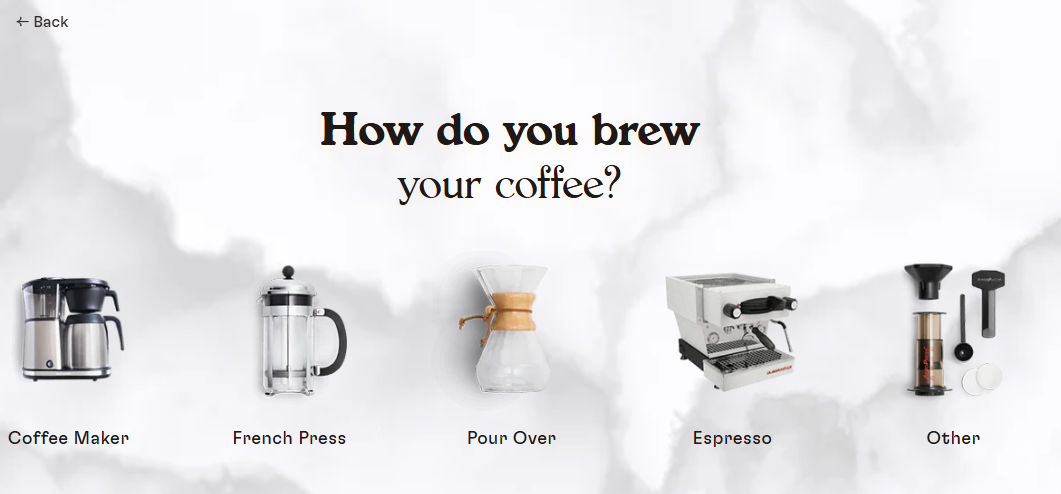
Generative AI can produce generic content in seconds. To stay ahead, your content must be built on things AI cannot easily scrape: your proprietary data, your specific brand experience, and your unique point of view. If a competitor can replicate your article by simply asking an LLM to "rewrite this," your content lacks a competitive advantage.
8. AI as an Aid, Not a Creator
AI is a powerful tool for research, outlining, and formatting, but it is a poor replacement for human insight. AI is prone to hallucinations and lacks the nuance of true brand authority. Furthermore, recent data suggests that search algorithms are increasingly penalizing purely AI-generated content. Use AI to speed up your workflow, but keep a human hand on the steering wheel at every stage of the editing process.
9. The Necessity of Content Currency
Stale content is a signal of a dying brand. Search engines and AI systems actively prioritize "fresh" content. Update your pages every 3–12 months to reflect new industry standards, updated statistics, and any changes in your product features. A regular audit of your existing library is often more effective for SEO than writing a new, low-quality blog post.

10. The Interconnection of SEO and AEO
Search Engine Optimization (SEO) is evolving into Answer Engine Optimization (AEO). While traditional SEO focuses on driving traffic to your site, AEO focuses on getting your content cited by AI chatbots. By providing direct, high-quality answers and structured data, you position your brand to remain a primary source of information in the new era of search.
Measuring Success: The Analytics Framework
You cannot improve what you do not measure. To understand if your content is truly working, you need more than just vanity metrics like "page views."

- Heatmaps: Use tools like Crazy Egg to see exactly where users are clicking and how far they are scrolling. This reveals if your content is engaging or if users are dropping off early.
- Conversion Funnels: Track the path a user takes from a blog post to a final purchase. This helps identify which pieces of content act as the best "bridge" to sales.
- User Feedback: Implement simple, unobtrusive rating widgets at the bottom of articles. Direct feedback from your audience is the most honest indicator of content utility.
- A/B Testing: Never assume a headline or a CTA is perfect. Test two variants to see which performs better in a live environment.
Conclusion: The Path Forward
The future of website content is not about creating more—it is about creating better. As AI continues to saturate the internet with generic, automated content, the value of human-centric, data-backed, and expert-led writing will only increase.
Focus on the reader, stay current, and build your content around the unique experiences that only your business can offer. By combining these 10 best practices with a robust analytical approach, you can turn your website into a powerful, lasting asset that drives growth long after the AI hype cycle has settled.

Frequently Asked Questions (FAQ)
Q: What is the primary difference between web content and web copy?
A: Think of "copy" as the persuasive, action-oriented text designed to drive a specific conversion (like a CTA button or a landing page headline). "Content" is the umbrella term, encompassing copy as well as informational articles, videos, and interactive tools.
Q: How does website content differ from a broader content marketing strategy?
A: Website content is the asset itself—the library of information on your domain. Content marketing is the distribution strategy: how you promote, syndicate, and leverage that content across various channels to reach your audience.

Q: Is there an "ideal" word count for SEO?
A: No. The "ideal" length is the amount of words required to fully satisfy the user’s intent. While some research suggests that AI often cites content in the 500–2,000 word range, your primary focus should be on clarity and completeness rather than hitting an arbitrary word count.
