
The Agency AI Reckoning: Building a Stack That Scales Profits, Not Chaos
In the modern marketing agency landscape, artificial intelligence has transitioned from a shiny "nice-to-have" to a non-negotiable operational baseline. Yet, for many agency principals, the promise of AI-driven scale has paradoxically resulted in operational chaos. As teams rush to adopt every new tool on the market, they often find their margins eroded by "subscription bloat" and their workflows fractured by disjointed platforms that fail to talk to one another.
The true competitive advantage for today’s agency doesn’t lie in using the most tools—it lies in building a coherent, margin-friendly stack that speeds up delivery, protects brand integrity, and improves the quality of the final output. This guide serves as a strategic blueprint for agencies looking to move beyond the hype and build a sustainable AI-powered operation.
The State of the Agency Stack: Main Facts
Marketing agencies are currently facing a "productivity paradox." While AI tools offer the ability to produce content and data insights at ten times the speed of traditional methods, the administrative burden of managing these tools has skyrocketed.
Key findings from the current landscape suggest:
- Tool Sprawl is the New Overhead: The average agency is now juggling more than a dozen SaaS subscriptions, many of which overlap in functionality, leading to significant wasted spend.
- The "Human-in-the-Loop" Necessity: AI is exceptionally good at generation but historically unreliable at governance. Agencies that rely solely on automated outputs without a human review layer face significant risks regarding brand voice drift and factual accuracy.
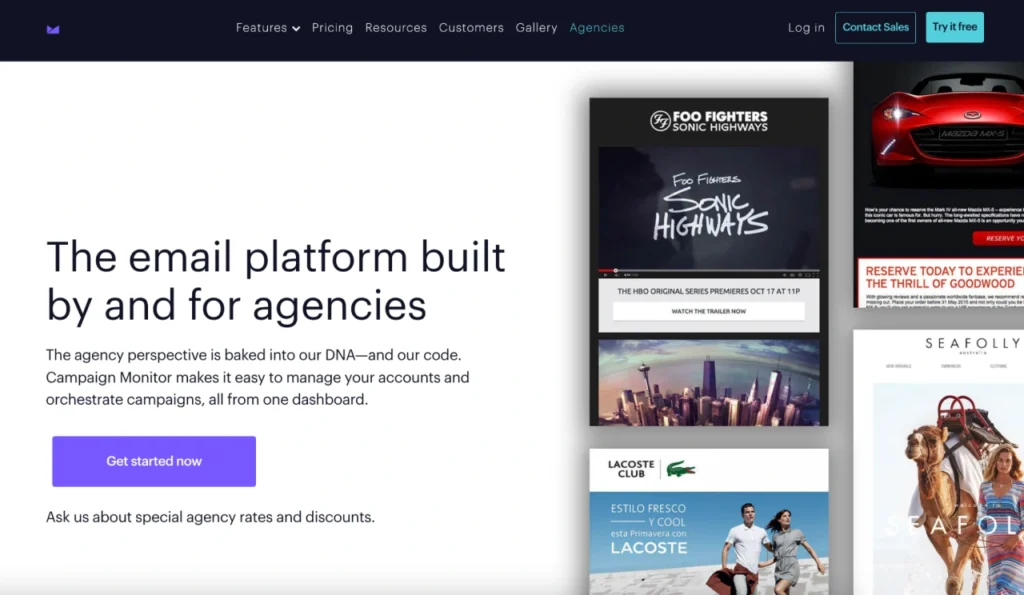
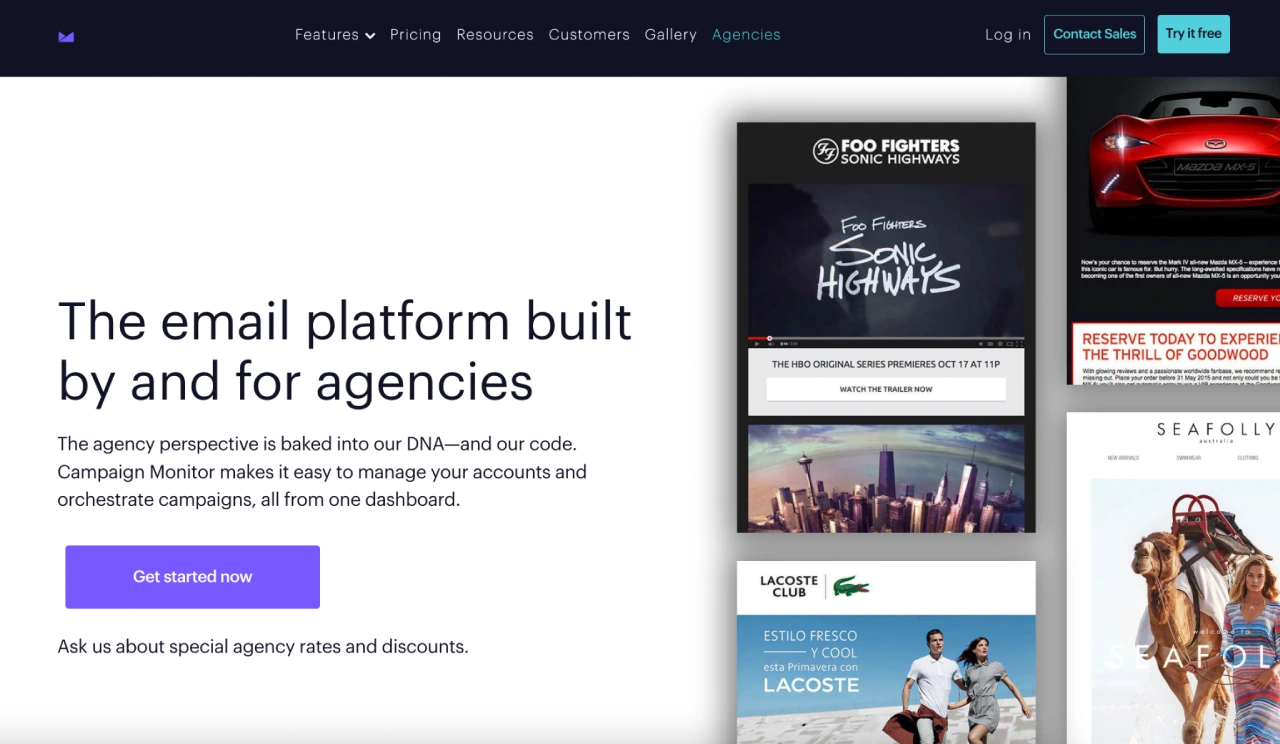
- The Core Foundation: Reliability remains paramount. Platforms like Campaign Monitor have become the anchor for many top-tier agencies because they provide a stable, consistent environment for the high-volume, automated output generated by auxiliary AI tools.
Chronology: From Manual Labor to Agentic Workflows
The evolution of agency technology can be categorized into three distinct phases:

- The Manual Era (Pre-2022): Agencies relied on human labor for everything from copywriting to data reporting. Margins were tied directly to headcounts.
- The Generation Era (2022–2024): The arrival of LLMs like GPT-4, Midjourney, and Jasper enabled the "quick and dirty" generation of content. Agencies focused on speed, often sacrificing nuance.
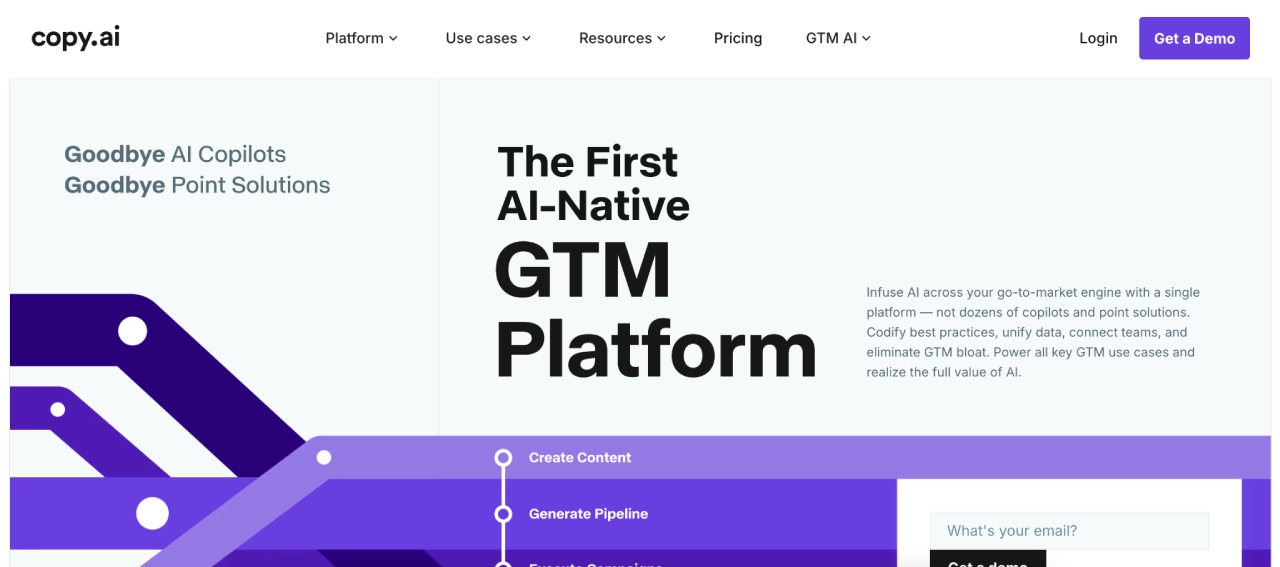
- The Agentic/Operational Era (2025–Present): We are now in the age of "Agentic Workflows," where tools like Copy.ai and Zapier allow for end-to-end orchestration. The goal is no longer just "making content," but building a self-sustaining system where data flows from the CRM into personalized campaigns with minimal manual intervention.
Supporting Data: The 17 Essential Tools for Modern Agencies
To manage this transition, agencies must be selective. The following table categorizes the industry-leading tools that provide the best balance of performance and scalability.
| Tool | Category | Standout Feature |
|---|---|---|
| Campaign Monitor | Email/Automation | Parent/Child multi-client architecture |
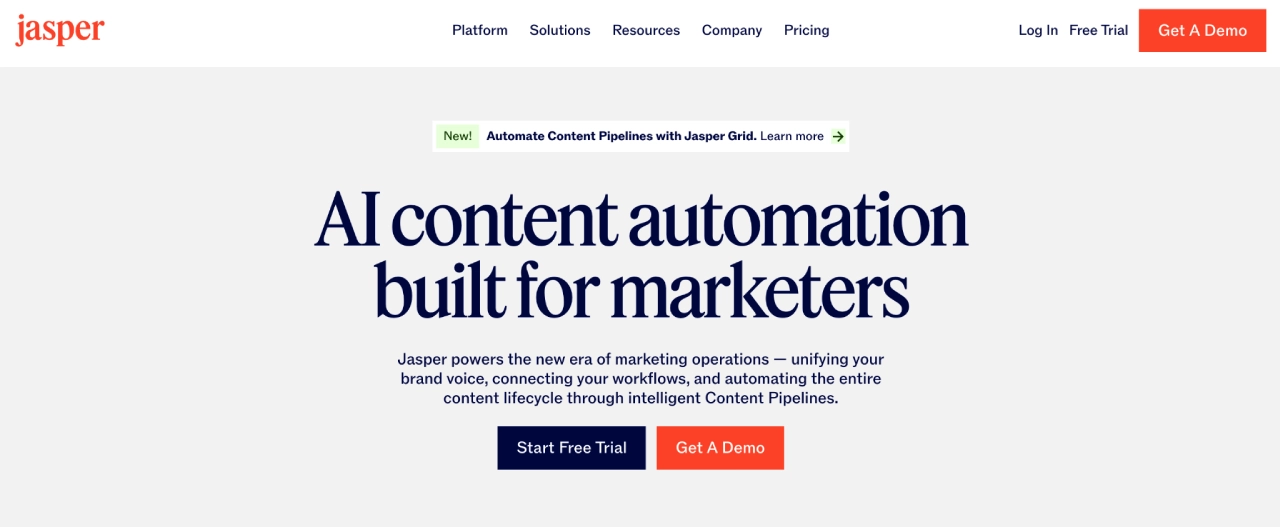
| Jasper | Content | Brand Voice consistency |
| Copy.ai | GTM Operations | Trainable Content Agents |
| Madgicx | Ads Management | Creative fatigue detection |
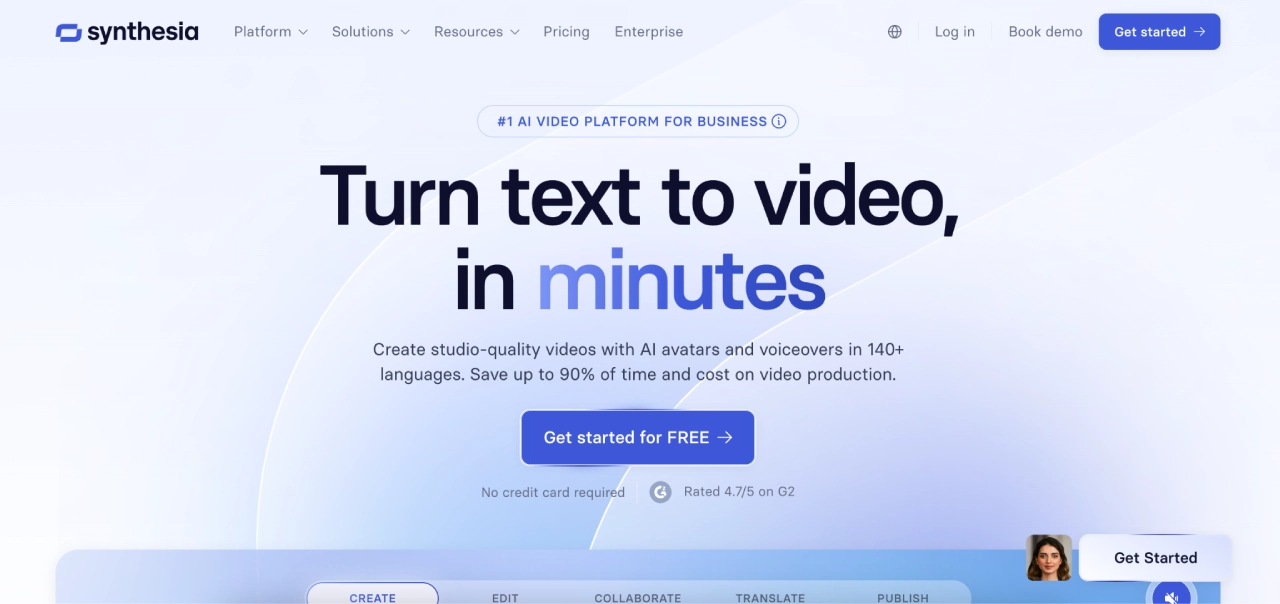
| Synthesia | Video | Scalable AI avatar production |
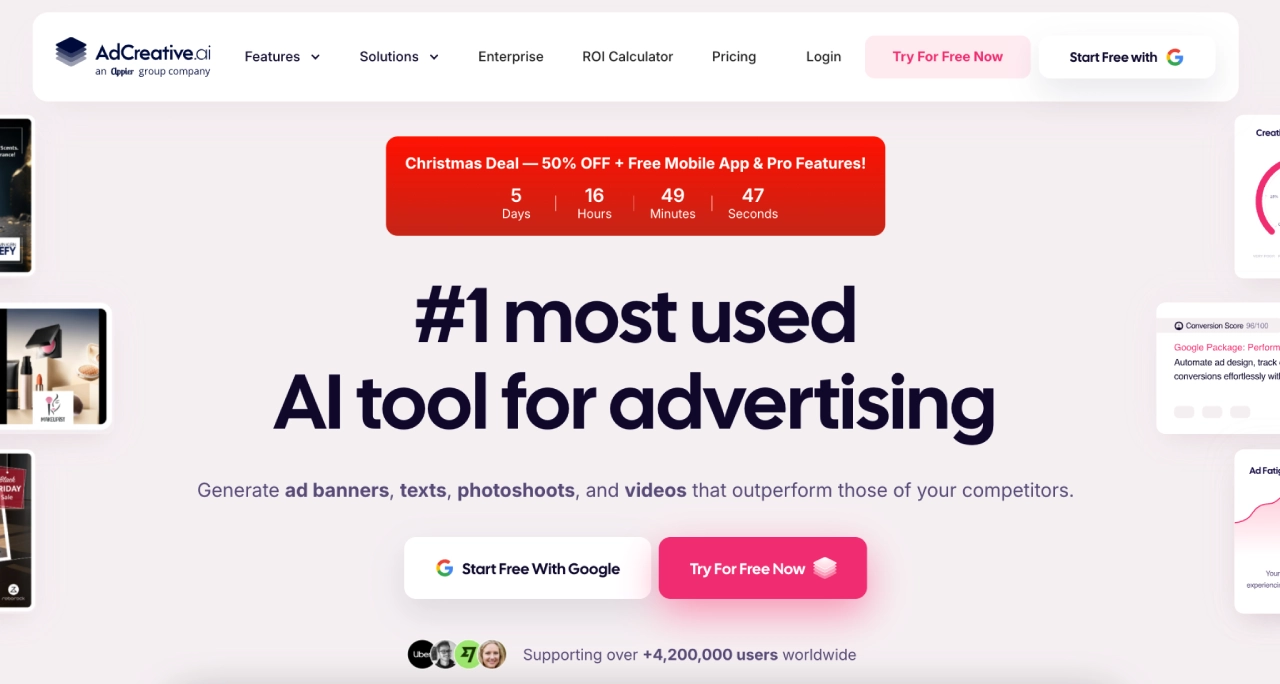
| AdCreative.ai | Ad Creative | Predictive performance scoring |
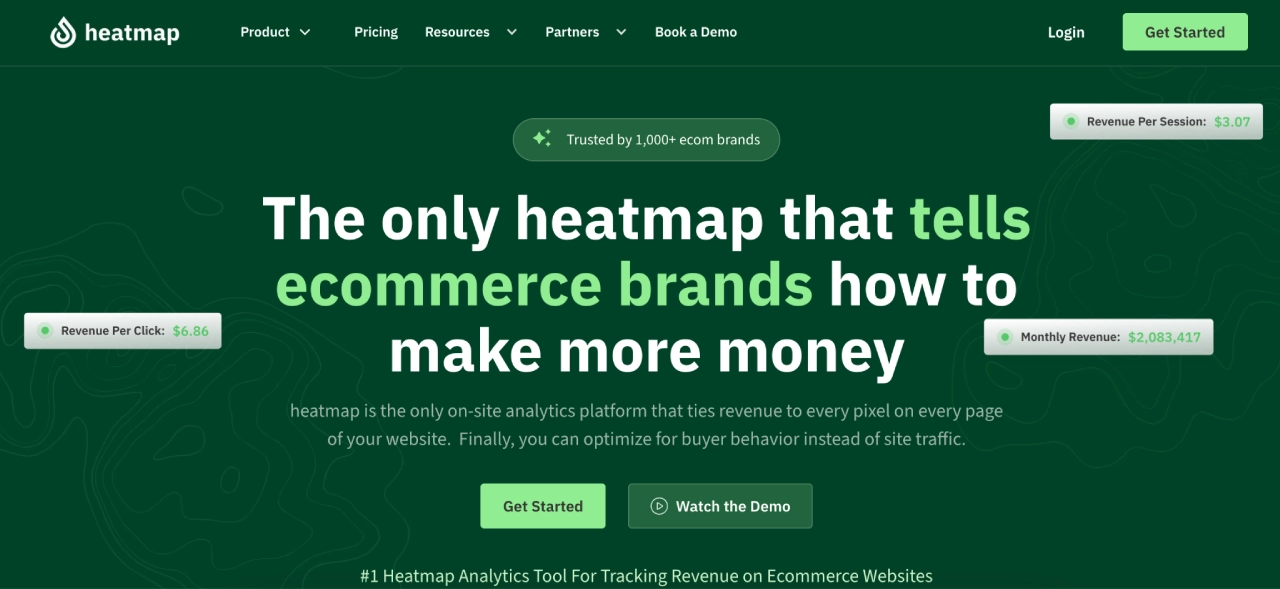
| Heatmap AI | CRO/UX | Real-time conversion behavioral insights |
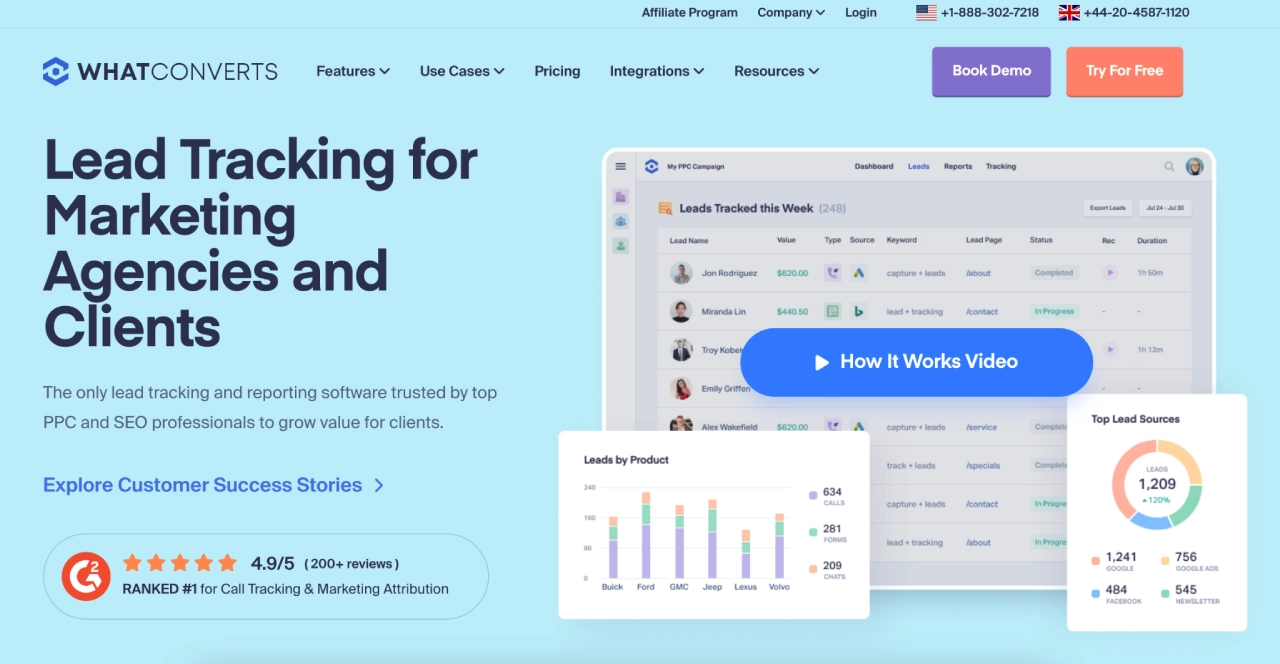
| WhatConverts | Attribution | Multi-channel revenue tracking |
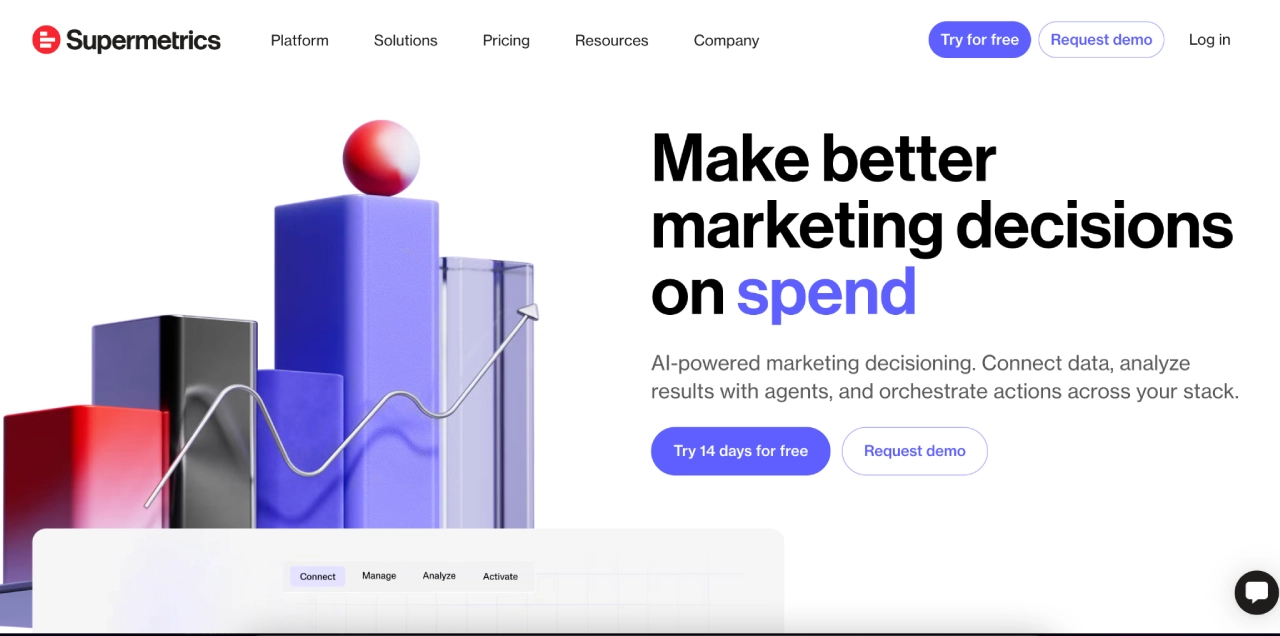
| Supermetrics | Data Pipelines | Cross-channel reporting unification |
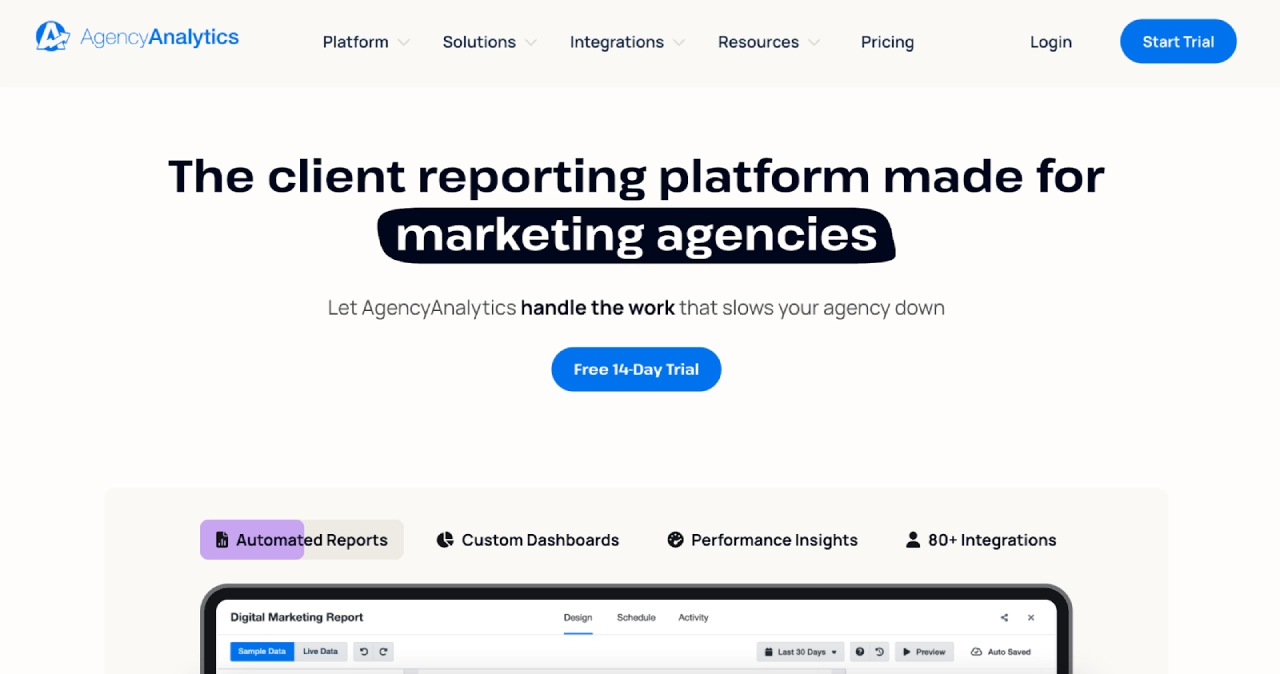
| AgencyAnalytics | Reporting | White-label client dashboards |
| Zapier | Orchestration | AI-assisted cross-app automation |
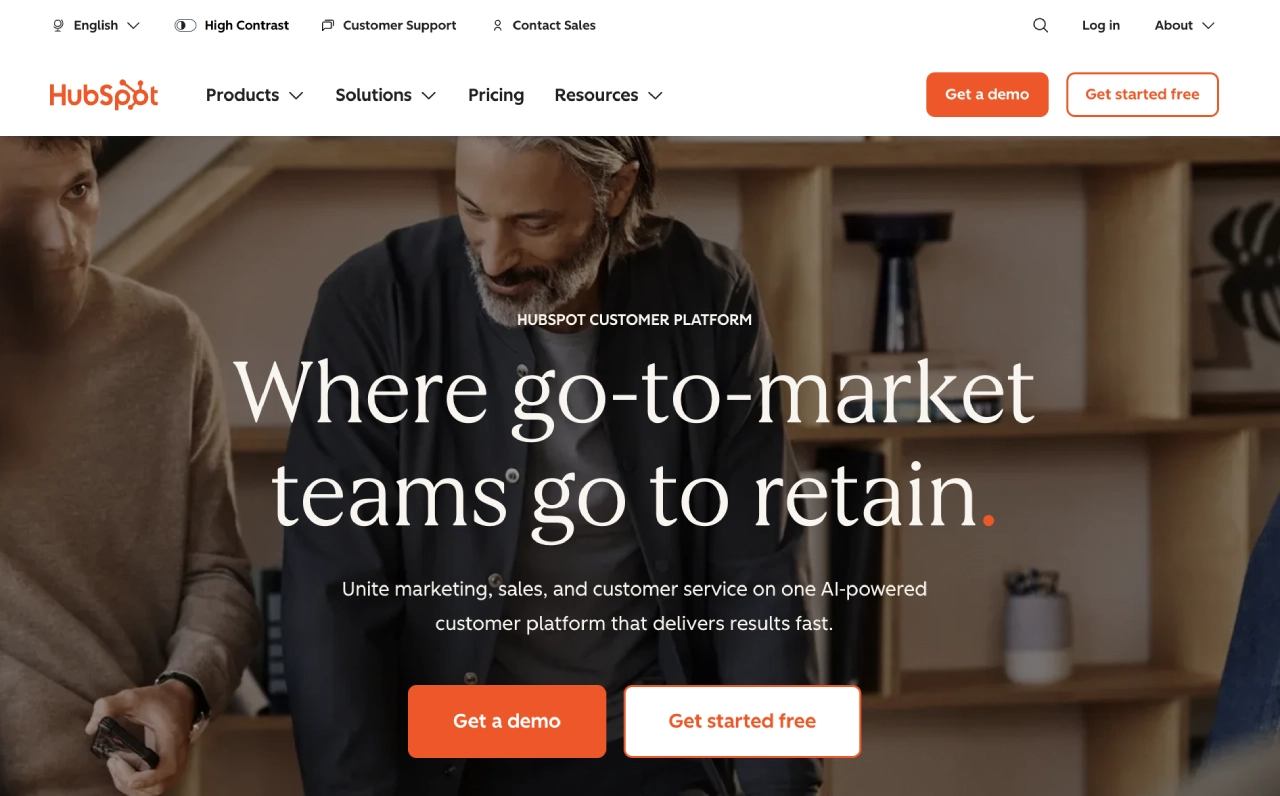
| HubSpot AI | CRM | Integrated AI agentic workflows |
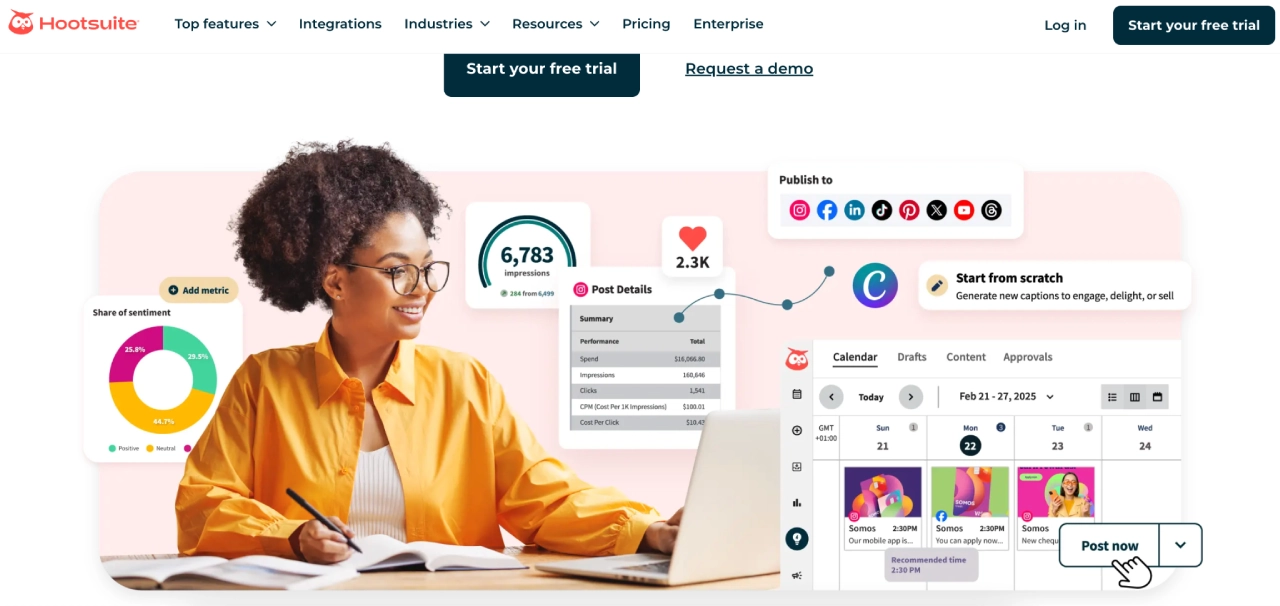
| Hootsuite | Social Media | AI-assisted content scheduling |
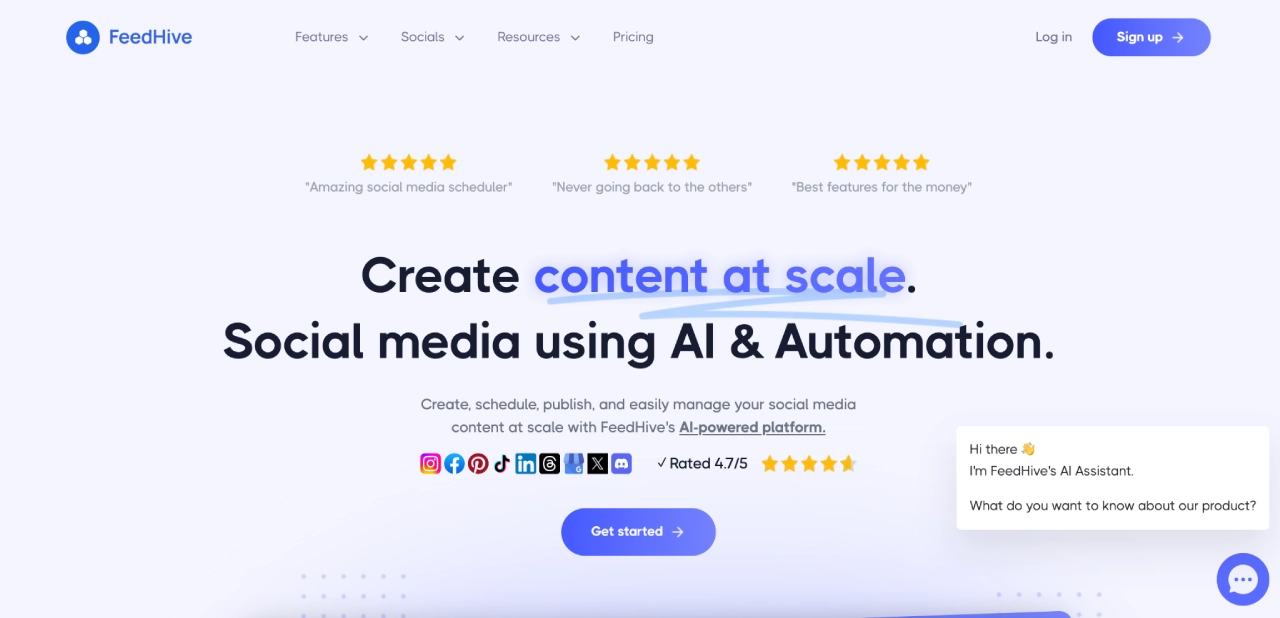
| FeedHive | Social Media | AI-powered trend analysis |
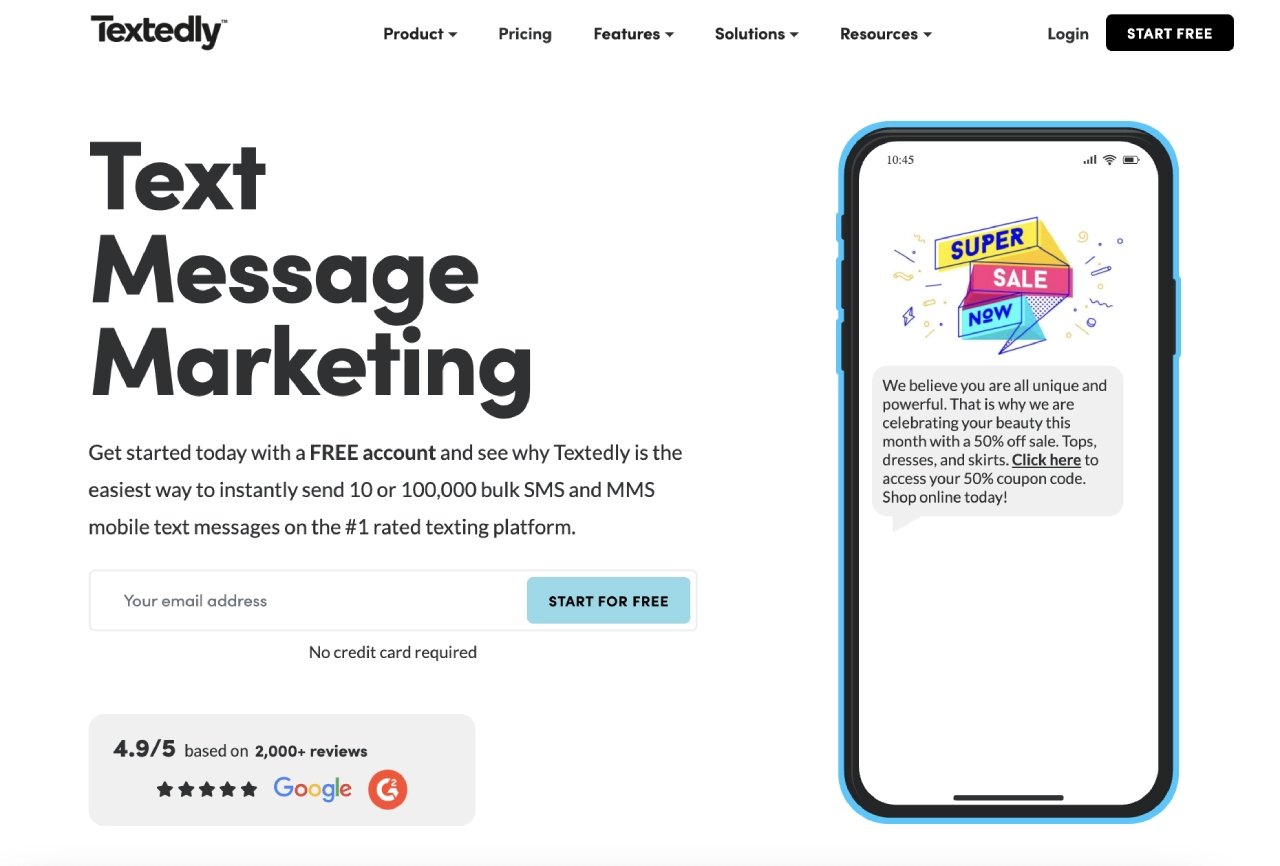
| Textedly | SMS | AI-assisted message generation |
| DALL·E 3 | Image Gen | Style-consistent API generation |
| Midjourney | Creative Image | High-fidelity artistic production |
Deep Dive: How the Leaders Power Their Workflows
The most successful agencies are not those that use all these tools, but those that understand how to integrate them.
The Email Foundation: Campaign Monitor
Campaign Monitor is frequently chosen as the primary engine for agencies because of its focus on the "client-ready" experience. Unlike standalone tools that create siloed content, Campaign Monitor offers:
- Multi-client management: Allowing agencies to manage parent/child accounts, ensuring brand guidelines are strictly enforced across hundreds of campaigns.
- Advanced Segmentation: Utilizing AI to ensure that the content produced by tools like Jasper actually reaches the right audience at the right time.
- Reliable Automations: With features like send-time optimization and prebuilt customer journeys, it provides the "Control" in our 3C model.
The Content & Data Engine
For content-heavy agencies, Jasper and Copy.ai are essential, but they are most effective when paired with Supermetrics and AgencyAnalytics. By feeding performance data (from Supermetrics) into the briefing process for content (via Jasper), agencies can close the loop—ensuring that creative output is dictated by performance data, not just creative whim.
Implications: The Risks of Unchecked Scaling
While the benefits of AI are clear, the risks to agency reputation and profitability are equally significant.
1. The Hallucination Trap
AI models are prone to "hallucinating"—presenting falsehoods with absolute confidence. For agencies, this is a major liability. The standard for agency output must remain "human-verified."
2. Brand Voice Dilution
When AI is trained on generic internet data, it naturally trends toward the "average." Agencies must invest in robust Brand Voice modules (like those offered by Jasper) to ensure their client’s unique personality doesn’t vanish into a sea of generic, AI-generated drivel.

3. Compliance and IP
Data privacy is no longer optional. Agencies using AI must ensure that their workflows are compliant with GDPR and CCPA. Furthermore, they must confirm the commercial rights of every asset generated by tools like Midjourney or DALL·E 3 to avoid future copyright litigation.
The 3C Model for Sustainable Operations
To avoid the chaos of unmanaged AI, agencies should adopt the 3C Model:
- Context: Before generating a single word or image, centralize your data. Your AI should know who the audience is, what the client’s past performance looks like, and what the current brand guidelines are.
- Content: Use AI to generate the first version rapidly. Never publish the first version. Use human editors to shape the AI’s draft into a narrative that resonates.
- Control: Implement strict approval workflows. If an AI creates it, a human must approve it. Use automation tools like Zapier to create "checkpoints" in the workflow where a human must sign off before content reaches a client or a subscriber.
How to Keep TCO (Total Cost of Ownership) Predictable
The silent killer of agency margins is the "subscription trap." To maintain profitability:
- Cap the Variables: Avoid tools that scale costs based on usage metrics you cannot control. Prioritize flat-rate or predictable-tier pricing.
- Centralize Production: Don’t give every team member a license to every tool. Assign "Power Users" to specific platforms to minimize overlapping costs.
- Audit Quarterly: Every three months, review which tools are actually driving revenue. If a tool isn’t directly tied to a client deliverable or a measurable efficiency gain, cancel it.
Conclusion: The Path Forward
The agencies that win in the next five years will not be those that automate everything, but those that automate wisely. By choosing a core, reliable stack—anchored by a robust email and automation platform like Campaign Monitor—agencies can maintain the high standards their clients expect while achieving the scale that modern business demands.
The goal is to stop thinking about AI as a tool to replace the work, and start thinking about it as a tool to amplify the strategy. Start small, build your foundation, and scale only when the process is proven.

Disclaimer: This article provides general information and discussion about email marketing and related subjects. The content provided in this blog ("Content") should not be construed as and is not intended to constitute financial, legal, or tax advice. You should seek the advice of professionals prior to acting upon any information contained in the Content. All Content is provided strictly "as is" and we make no warranty or representation of any kind regarding the Content.
