

The Evolution of Engagement: Why Social CRM is the New Frontier for Customer Experience
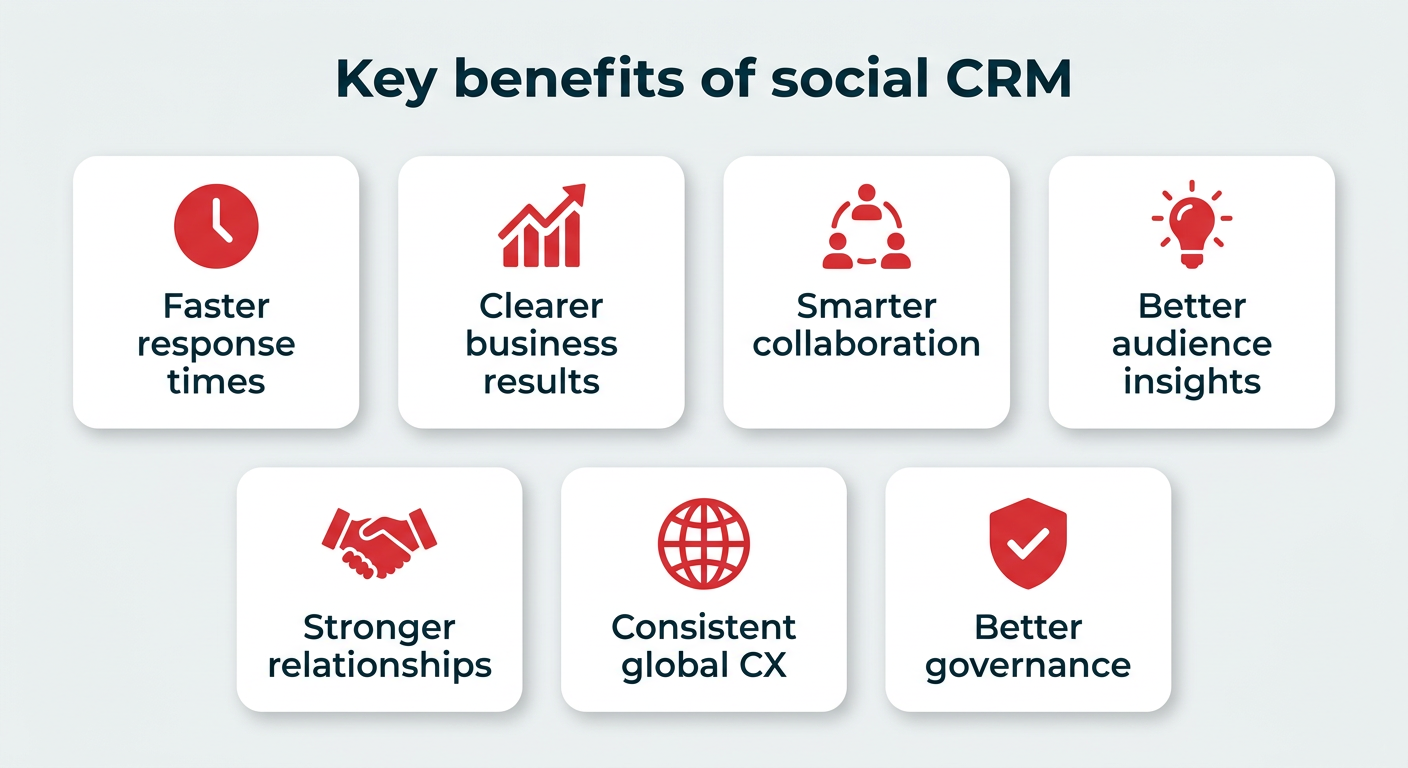
In the modern digital landscape, the boundary between a brand’s public persona and its private customer service channels has effectively vanished. As consumers increasingly turn to social platforms—Instagram, X, LinkedIn, and Facebook—not just for discovery, but for support, inquiry, and resolution, the traditional Customer Relationship Management (CRM) model is undergoing a radical transformation. Enter Social CRM, a strategic evolution that integrates the unstructured, real-time chaos of social media into the structured, data-driven heart of the enterprise.

The Foundation: Understanding Social CRM
Social CRM, or Social Customer Relationship Management, is more than a technical integration; it is a business philosophy. At its core, it represents the marriage of traditional CRM—which tracks emails, phone calls, and purchase histories—with the dynamic, real-time pulse of social media conversations.

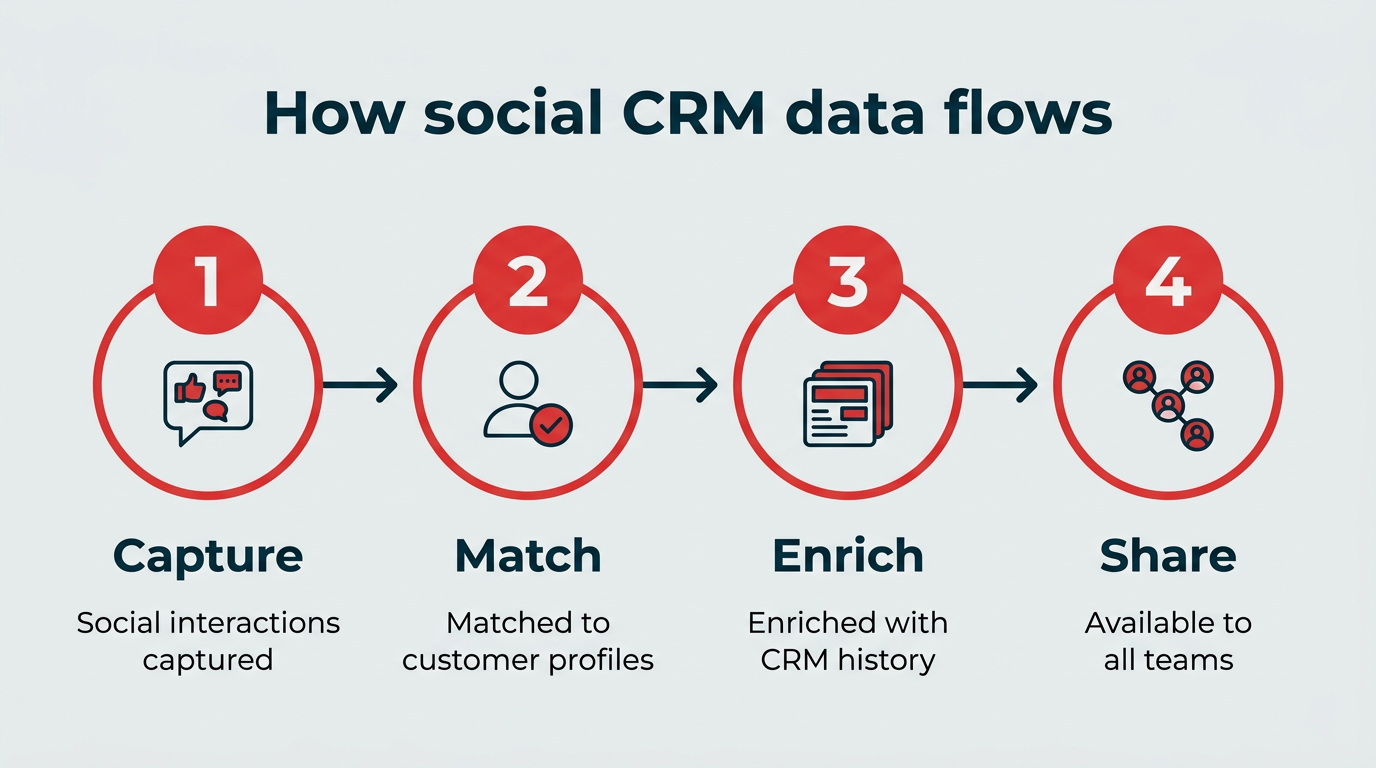
While traditional CRM systems are often reactive, dealing with historical data, Social CRM is inherently proactive. It captures the "unstructured" data of the digital age: brand mentions, comments, direct messages, and sentiment signals. By centralizing this information, organizations gain a 360-degree view of the customer journey, ensuring that every touchpoint, whether a support ticket or a casual product inquiry on Instagram, is accounted for.
The Chronology of Change: From Silos to Unified Systems
The necessity for Social CRM did not emerge overnight. Its rise is a direct response to shifting consumer behaviors over the last decade:
- Phase 1: The Monitoring Era: Initially, brands treated social media as a broadcast channel. Listening tools were used primarily for PR crisis management and basic brand tracking.
- Phase 2: The Engagement Shift: As social media became a primary channel for customer complaints, companies realized that a "reply all" approach in a siloed social media management tool wasn’t enough. Data needed to flow into the CRM.
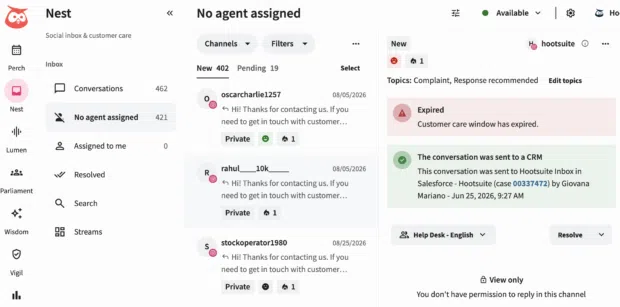
- Phase 3: The AI-Driven Integration: In the current climate of 2026, we are in the era of intelligence. With the explosion of AI agents—such as Hootsuite’s "Wisdom"—the focus has shifted from manual data entry to automated, AI-assisted routing. Today, incoming messages are triaged, analyzed for sentiment, and mapped to existing customer profiles before a human agent even opens the dashboard.
Supporting Data: Why the Gap is Widening
The push toward integrated Social CRM is driven by cold, hard data. According to industry reports, the "experience gap"—the distance between what a brand intends to deliver and what the customer actually receives—is widening.
- The Expectation Reality: Research indicates that 37% of consumers now expect a response to social media inquiries within the same day.
- The Cost of Silence: The stakes are high; 32% of consumers report they will actively unfollow a brand that fails to interact with its community.
- Efficiency Gains: By utilizing AI to automate the sorting of the hundreds of daily interactions, teams have transitioned from a reactive, manual "copy-paste" workflow to a streamlined, intelligence-led operation.
Official Perspectives: The Strategic Shift
Industry leaders and CRM experts are increasingly viewing social data as a "first-class citizen" in the customer record. As noted in recent technological forecasts, the line between a "social tool" and a "CRM" is blurring.
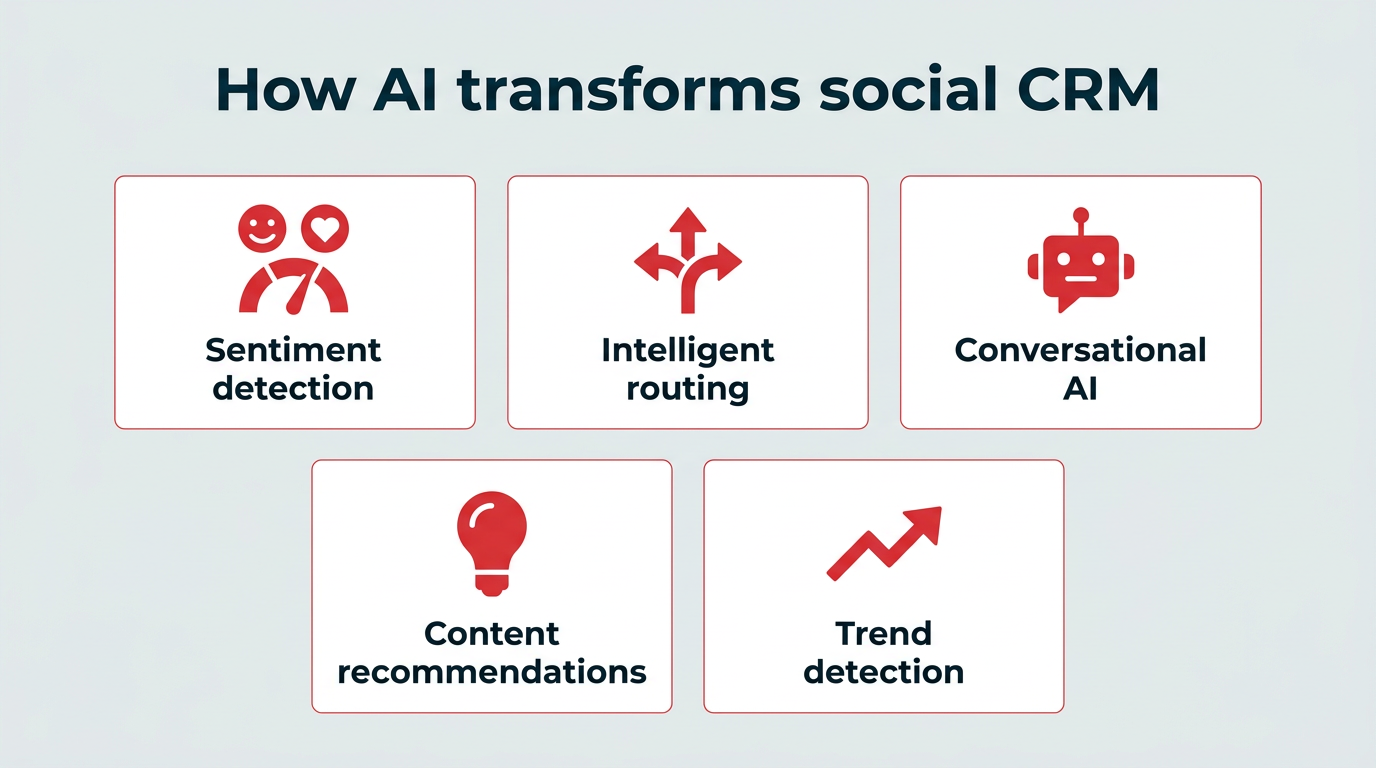
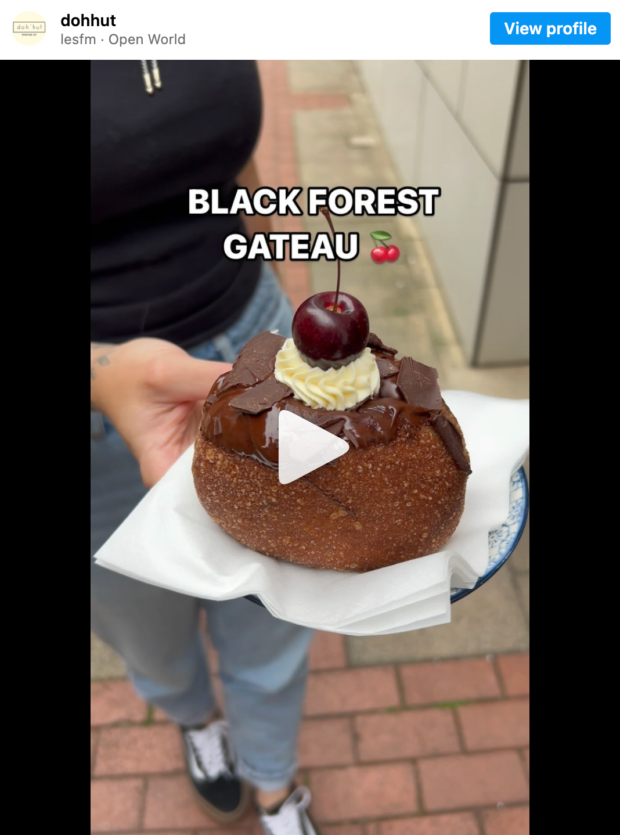
"Social is where the gap between brand intent and customer experience becomes visible," says the team at Hootsuite. By bridging this gap, companies like Starbucks or high-growth brands like dohhut have demonstrated that treating a social comment with the same gravity as an enterprise support ticket is the key to long-term loyalty. The goal isn’t to remove the human element—AI’s role is to provide the context necessary for a human to provide a superior, personalized response.

Implications for the Enterprise
The adoption of a Social CRM strategy has profound implications for how organizations function across three key pillars:
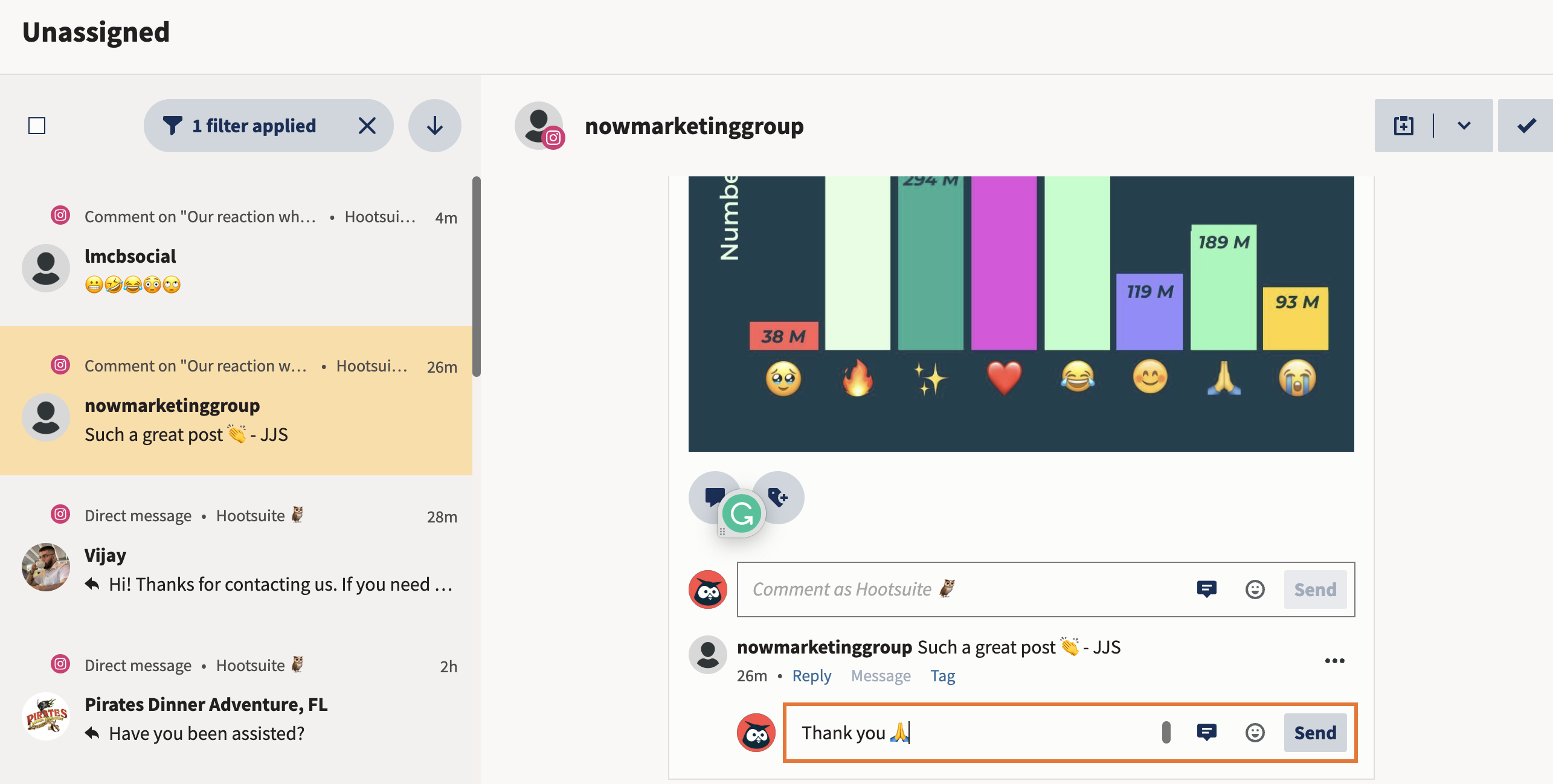
1. Sales: From Cold Outreach to Intent-Based Selling
Social CRM changes the sales funnel by providing "signal" rather than "noise." When a sales representative sees that a prospect has engaged with multiple product Reels, saved a pricing post, and sent a DM, they are no longer cold calling. They are acting on high-intent signals. This shifts the sales dynamic from aggressive volume to consultative relationship-building.

2. Marketing: Content Informed by Conversation
Marketing teams no longer need to rely on gut feelings to build their content calendars. By using social listening to track sentiment and topic clusters, marketers can identify what the audience is actually asking for. If a specific product feature is causing confusion, that becomes the topic for the next educational video, creating a closed-loop system where social data directly fuels lead generation.
3. Customer Service: The Death of the "Repeat After Me" Experience
Nothing frustrates a customer more than having to explain their issue twice—once on Twitter, and again to a support agent. Social CRM ensures that the agent sees the full interaction history. When a customer reaches out, the agent knows the customer’s purchase history, their recent support tickets, and their social media history. This reduces handle times and significantly increases Customer Satisfaction (CSAT) scores.
Challenges and Governance
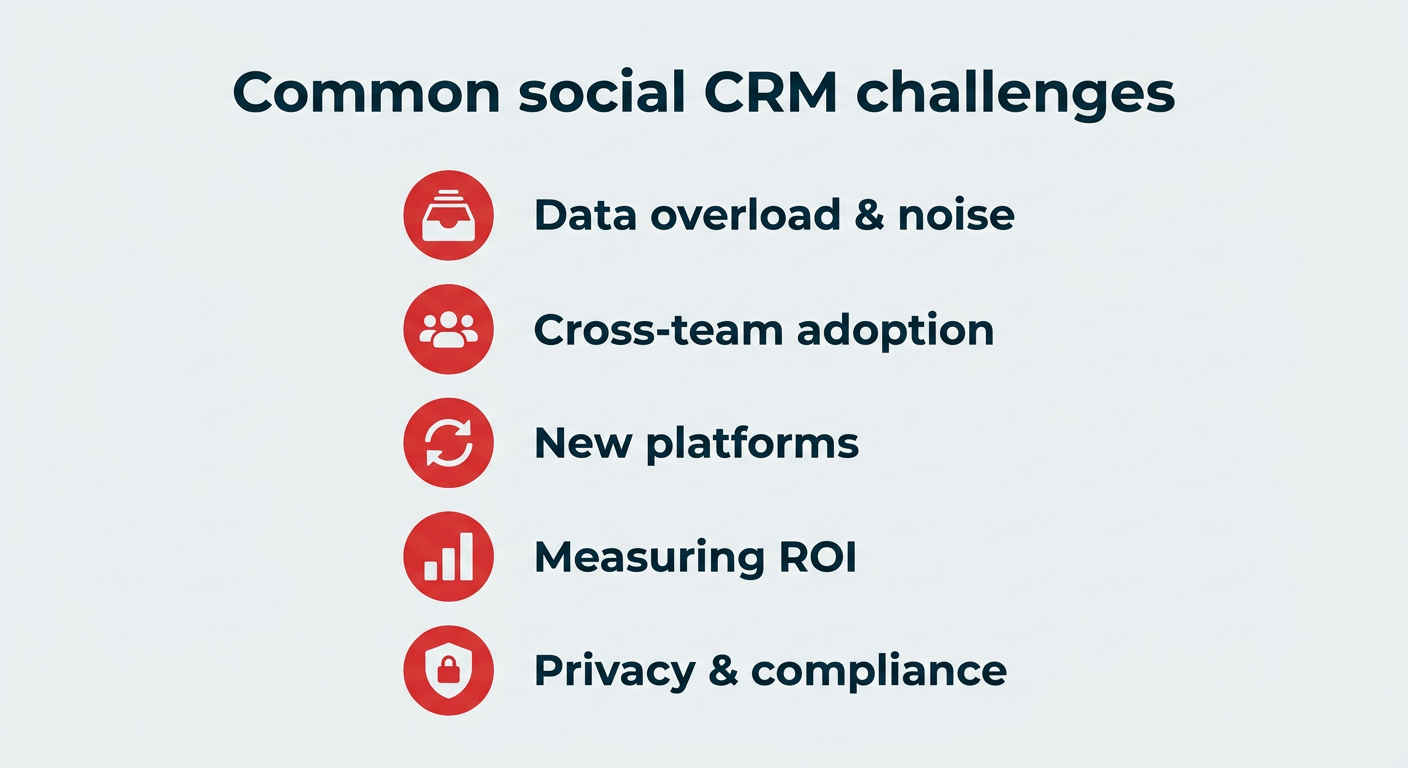
While the benefits are clear, the transition to Social CRM is not without its hurdles. The primary obstacles include:
- Data Volume: The sheer scale of social interaction can overwhelm legacy systems. Filtering through the noise to find the signal requires robust AI triage.
- Team Alignment: Marketing, Sales, and Support must agree on a "Single Source of Truth." Without clear governance, departments risk duplicating work or, worse, providing conflicting information to the customer.
- Platform Volatility: Social media APIs change frequently. Organizations must invest in platforms (like Hootsuite or Salesforce) that maintain active, stable integrations to ensure that data flows remain uninterrupted.
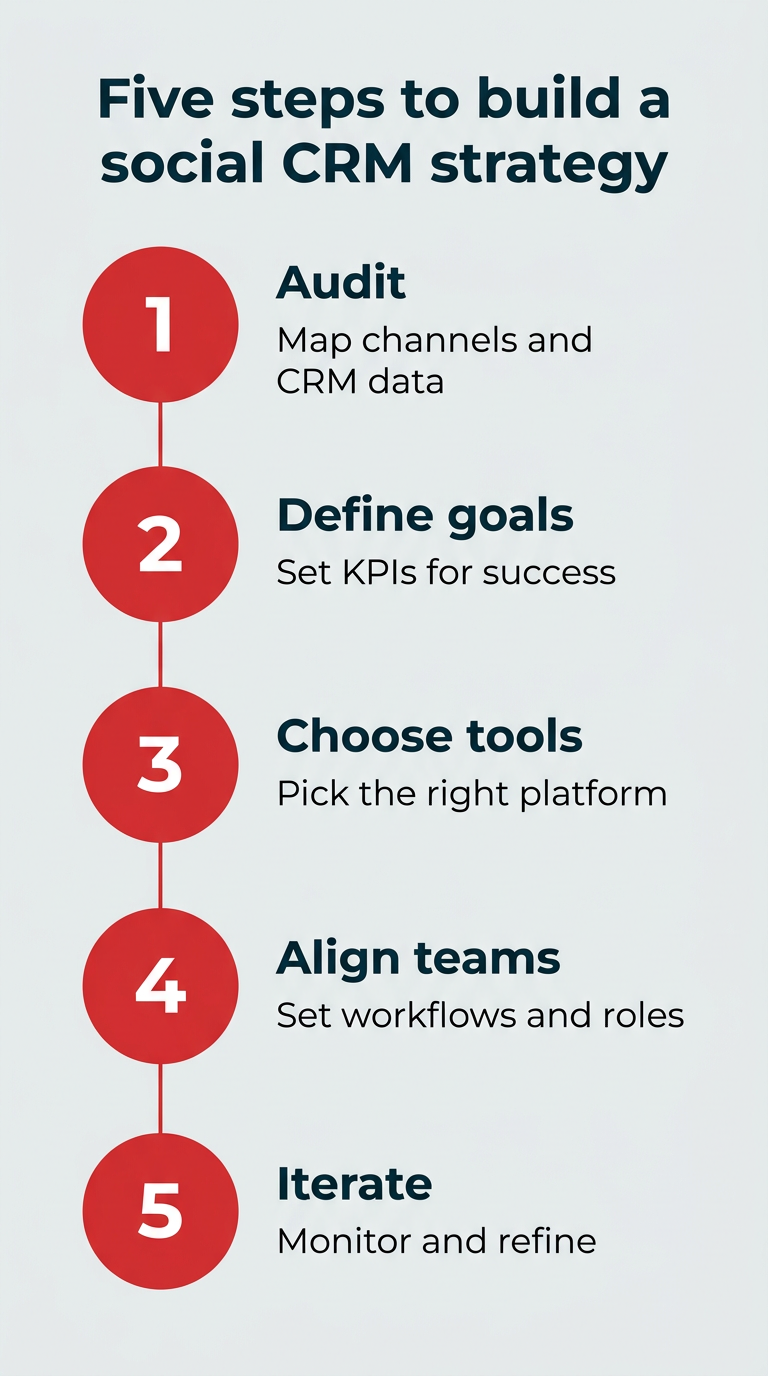
Implementation: A Five-Step Framework
For organizations looking to operationalize their social data, the path forward follows a proven framework:
- Audit the Landscape: Map out where your customers are talking and identify the gaps in your current data flow.
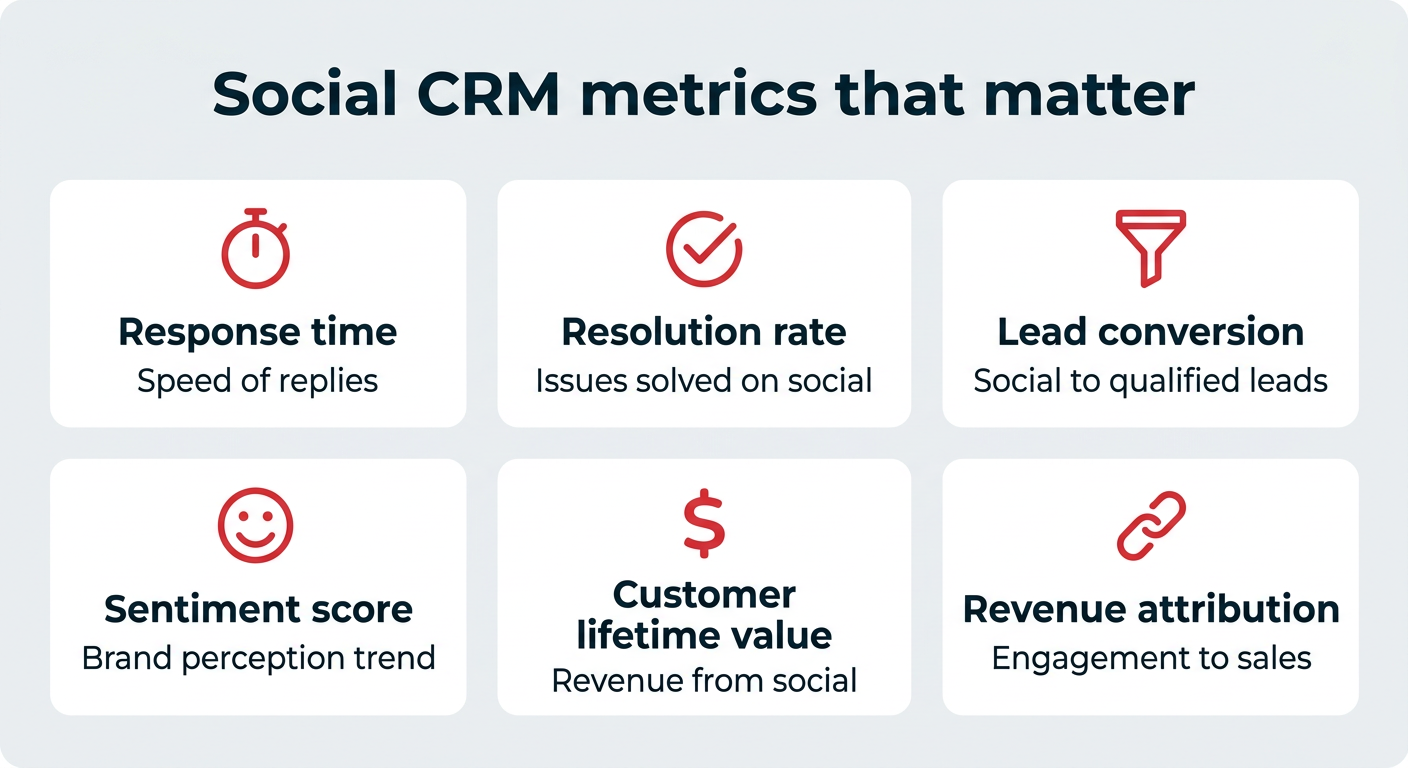
- Define Success Metrics: Align on KPIs, such as "First Response Time" on social or "Social-Sourced Lead Conversion Rate."
- Integrate the Stack: Deploy tools that provide native, bi-directional sync between your social inbox and your CRM (e.g., Salesforce, HubSpot, or Microsoft Dynamics 365).
- Align the Teams: Establish clear routing rules. Who handles a complaint? Who handles a sales inquiry? Who manages a brand mention?
- Iterate with AI: Use AI-driven insights to monitor trends and sentiment in real-time, treating your social strategy as a living, breathing component of your customer engagement model.
Conclusion: The Future is Conversational
In 2026, Social CRM is no longer an "optional" layer of technology; it is a fundamental requirement for any brand that values customer retention. As the digital ecosystem grows more complex, the ability to listen at scale, engage with context, and bridge the gap between social conversation and business outcomes will define the leaders of the next decade.
By integrating social data into the enterprise heart, companies can finally stop broadcasting at their customers and start having the meaningful, two-way conversations that build lasting loyalty. The tools are available, the data is abundant, and the strategy is clear—the only remaining question is how fast your organization can adapt to this new, conversational reality.
