

Beyond the Click: Mastering Customer Engagement Analytics for Sustainable Growth
In the modern digital economy, the difference between a thriving brand and a stagnant one often lies in a single, elusive metric: engagement. It is rarely clear whether a visitor is truly invested in your brand or merely "passing through" your digital storefront. Without a granular understanding of user behavior, businesses are essentially flying blind, unable to distinguish between genuine interest and accidental traffic.
Customer engagement analytics serves as the essential navigational tool for the digital age. By collecting, tracking, and interpreting data on how users interact with your brand—across websites, mobile apps, social media, and email—businesses can decode the "why" behind customer actions. When harnessed effectively, these insights allow organizations to move beyond vanity metrics, fostering long-term loyalty and turning fleeting interactions into high-value conversions.
The Core Mechanics of Engagement Analytics
At its most fundamental level, customer engagement analytics is the practice of quantifying the relationship between a user and a brand. It encompasses every touchpoint leading up to a conversion—be it a video view, a button click, or the time spent reading an article.
While the concept applies to offline retail and B2B services, its most potent application is found in digital marketing. Here, engagement analytics acts as the bridge between the top of the marketing funnel (awareness) and the bottom (conversion/retention).
Why Engagement Is the Lifeblood of Growth
Without a robust engagement strategy, growth is rarely sustainable. Most users do not purchase on their first visit. They interact, leave, and return multiple times before reaching a decision. Engagement analytics allows brands to:

- Identify Friction Points: Pinpoint exactly where the user journey stalls.
- Measure Affinity: Gauge how much trust and familiarity a user has developed.
- Optimize Retention: Understand what keeps users coming back, rather than just what brings them in once.
Implementing a Data-Driven Strategy
Implementing engagement analytics is not a "one-size-fits-all" endeavor. It requires a clear, strategic framework to move from raw data to actionable business intelligence.
1. Determining Your Analytical Needs
Before diving into tools like Google Analytics 4 (GA4) or Mixpanel, stakeholders must define what "engagement" means for their specific business. A SaaS company, for instance, may prioritize "time spent in-app," while a media publisher might focus on "scroll depth" or "pages per session."
The Stakeholder Audit:
- Marketing Teams: Often look for CTR and social interaction metrics.
- Product Teams: Focus on feature adoption and session duration.
- Sales Teams: Prioritize lead scoring based on engagement frequency.
2. The Implementation Guide
Best practice dictates the creation of an Implementation Guide. This living document ensures that developers, data analysts, and marketers are on the same page regarding event naming conventions, tracking parameters, and key performance indicators (KPIs). Without this, data silos emerge, leading to inconsistent reporting and flawed decision-making.
A Taxonomy of Key Engagement Metrics
To effectively track engagement, one must categorize metrics based on the digital channel. Note that while conversions (purchases, sign-ups) are the goal, they are distinct from engagement metrics, which capture the process of moving a user toward that goal.

Website and Application Metrics
In the GA4 era, "Engaged Sessions" has replaced older, less accurate metrics like Bounce Rate. An engaged session is defined by:
- A session lasting longer than 10 seconds.
- A conversion event being triggered.
- Two or more page/screen views.
Key Metrics to Monitor:
- Engagement Time: How long the browser tab is actually in focus.
- Pages per Session: A high count here is a leading indicator of interest.
- Session Frequency: How often an individual user returns to the platform.
Social Media Engagement
Social media metrics are often misunderstood as mere vanity counts. However, when analyzed correctly, they provide a window into brand sentiment.
- Engagement Rate: Total interactions (likes, comments, shares) divided by total reach or impressions.
- Sentiment Analysis: Beyond the click, are users engaging positively or negatively?
Paid Advertising and Email
For paid campaigns, the Click-Through Rate (CTR) remains the primary indicator of creative resonance. In email marketing, the Open Rate is the critical gatekeeper; if your subject line doesn’t engage, the content inside remains invisible.
Chronology of the User Journey: A Strategic View
Understanding engagement requires viewing the user journey as a chronological progression.
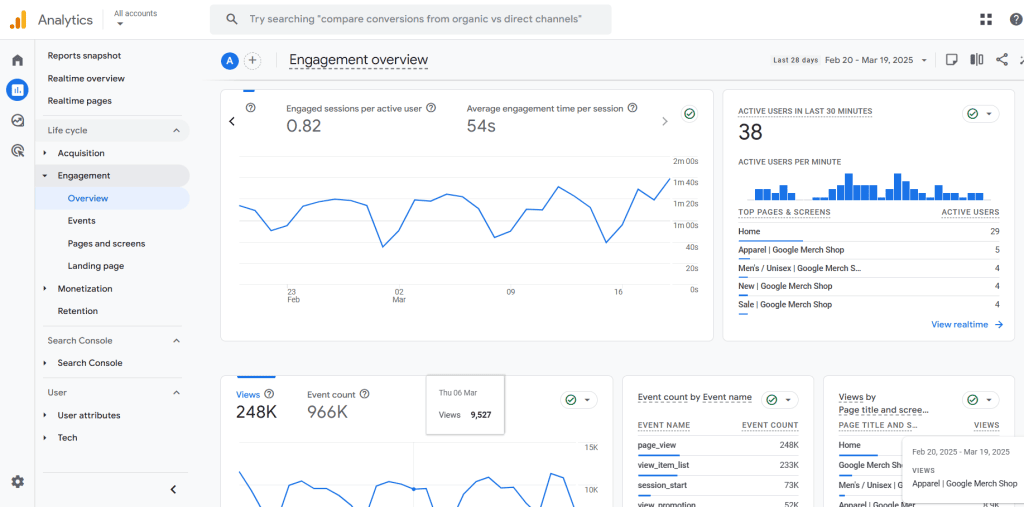
- The Discovery Phase: The user encounters your brand via a search result, an ad, or a referral. At this stage, engagement is measured by Click-Through Rate and Impression Share.
- The Exploration Phase: The user arrives on your landing page. Here, we track Page Views and Initial Engagement Time. Are they staying long enough to consume the value proposition?
- The Consideration Phase: The user visits multiple pages, perhaps interacting with a video or a product demo. This is where Pages per Session and Custom Event Tracking (e.g., clicking a "Learn More" button) become critical.
- The Commitment Phase: The user moves to the cart or the contact form. While this is the "bottom of the funnel," analyzing the engagement leading up to this moment helps identify if users are dropping off due to high friction or poor information architecture.
Implications for Modern Business
The implications of failing to utilize engagement analytics are severe. In a competitive market, users have a near-zero tolerance for friction. If a user is not engaged, they leave—often to a competitor.
Improving User Experience (UX)
Engagement analytics is the primary feedback loop for UX design. If a high percentage of users land on a page but exhibit a low "engagement time," it is a clear signal that the content is either irrelevant or the page load time is prohibitive. By using heatmaps in conjunction with engagement metrics, businesses can visually confirm where users are clicking and where they are getting stuck.
Enhancing Lifetime Value (LTV)
The ultimate goal of engagement is not just a single sale, but a lifetime of interactions. By analyzing the habits of high-value customers, firms can build predictive models that identify "at-risk" users. If an existing customer’s engagement levels drop over a 30-day period, automated email sequences or personalized offers can be triggered to re-engage them before they churn.
The Path Forward: Best Practices for Success
As we look to the future, the reliance on third-party cookies is waning, making first-party engagement data more valuable than ever. To stay ahead, organizations should:
- Standardize Definitions: Ensure that every department agrees on what constitutes a "lead" or an "engaged user."
- Invest in Custom Events: Don’t rely solely on default metrics. If your website has a unique calculator or a specific tool, track it as a custom event.
- Regular Reporting Cycles: Data is only as good as the action it inspires. Review engagement reports in weekly sprints to allow for agile optimization of campaigns.
- Connect Insights to Outcomes: Always look for the correlation between engagement metrics and revenue. If "Time on Page" increases by 20%, does your conversion rate follow?
Final Thoughts
Customer engagement analytics is more than just a collection of numbers; it is the heartbeat of your digital strategy. It tells the story of your users—what they value, where they struggle, and when they are ready to commit. By mastering these metrics, businesses can transform their digital presence from a passive destination into an active, high-converting ecosystem.
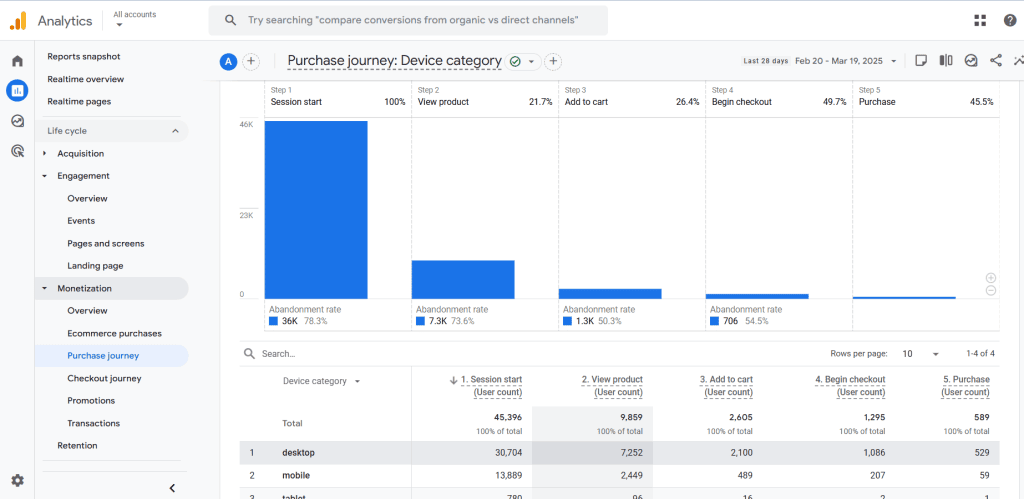
The question remains: Are you tracking the right signals, or are you just counting the traffic? As you refine your approach, remember that every data point represents a real human interaction. Treat that engagement with the importance it deserves, and your business will reap the rewards of deeper, more meaningful customer relationships.
