

The 2026 Guide to Facebook Ad Tools: Navigating the Era of Automated Performance
In the rapidly shifting digital landscape of 2026, Facebook advertising has evolved from a manual craft into a high-velocity, AI-driven machine. With Meta’s end-to-end AI campaigns reaching an astonishing $60 billion annual run rate by the end of 2025, the role of the modern advertiser has fundamentally changed. Today, success is no longer about granular manual bidding, but about managing sophisticated, automated ecosystems that span across Facebook, Instagram, Messenger, and WhatsApp.

For marketing teams, the challenge is clear: how to maintain control and brand voice in an era where algorithms handle the heavy lifting of delivery and targeting. The answer lies in a refined stack of Facebook ad tools designed to provide oversight, creative volume, and cross-channel intelligence.

The Evolution of Facebook Ad Management
The history of Meta advertising is marked by a steady transition toward automation. In the early 2010s, success was dictated by the marketer’s ability to manually segment audiences and test specific ad sets. By 2020, the introduction of stricter privacy regulations—most notably Apple’s App Tracking Transparency—forced Meta to innovate its own internal data processing, leading to the rise of the Advantage+ suite.
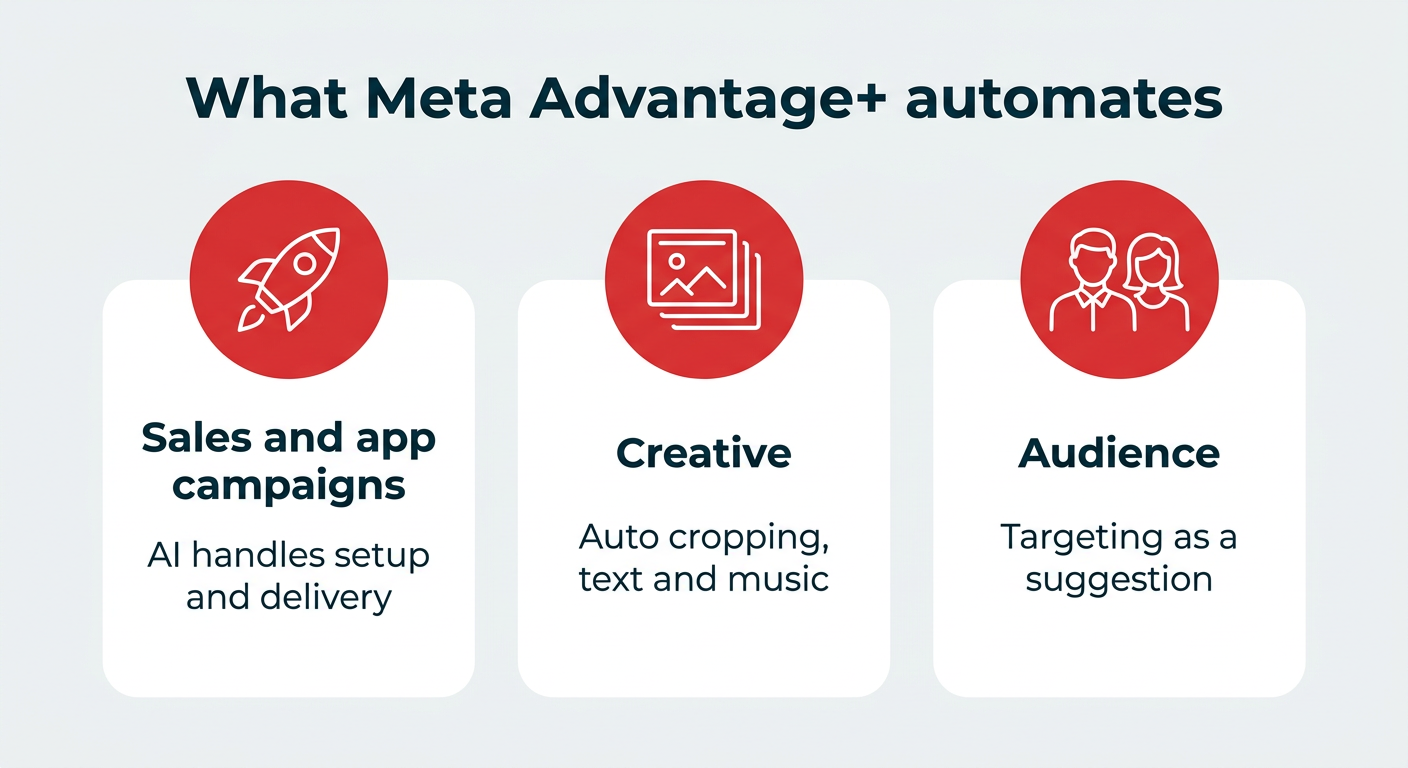
By 2025, the paradigm shifted entirely. The "black box" of AI-driven delivery became the industry standard. Advertisers now provide the parameters, budget, and creative assets, while Meta’s machine learning determines the optimal placement and audience. However, this reliance on AI has created new gaps in the advertiser’s toolkit: the need for better creative testing, smarter cross-platform reporting, and unified workflows that prevent "tab fatigue."
Supporting Data: Why Tooling Matters
The complexity of modern social advertising cannot be overstated. Recent industry benchmarks suggest that teams using integrated social management platforms alongside native tools see a significant uptick in efficiency.
- Performance Gains: Meta’s internal data indicates that campaigns utilizing generative AI features, such as those found in the Advantage+ suite, see an average 11% higher click-through rate compared to non-AI-assisted counterparts.
- The Cost of Inefficiency: Without centralized reporting, marketing teams spend an estimated 15-20% of their work week manually aggregating data from disparate sources—Facebook, Google, TikTok, and CRM systems.
- The Power of Consolidation: Research consistently shows that reducing the number of open browser tabs and software platforms directly correlates with faster campaign launch times and higher-quality creative output.
Strategic Framework: How to Choose Your Tooling
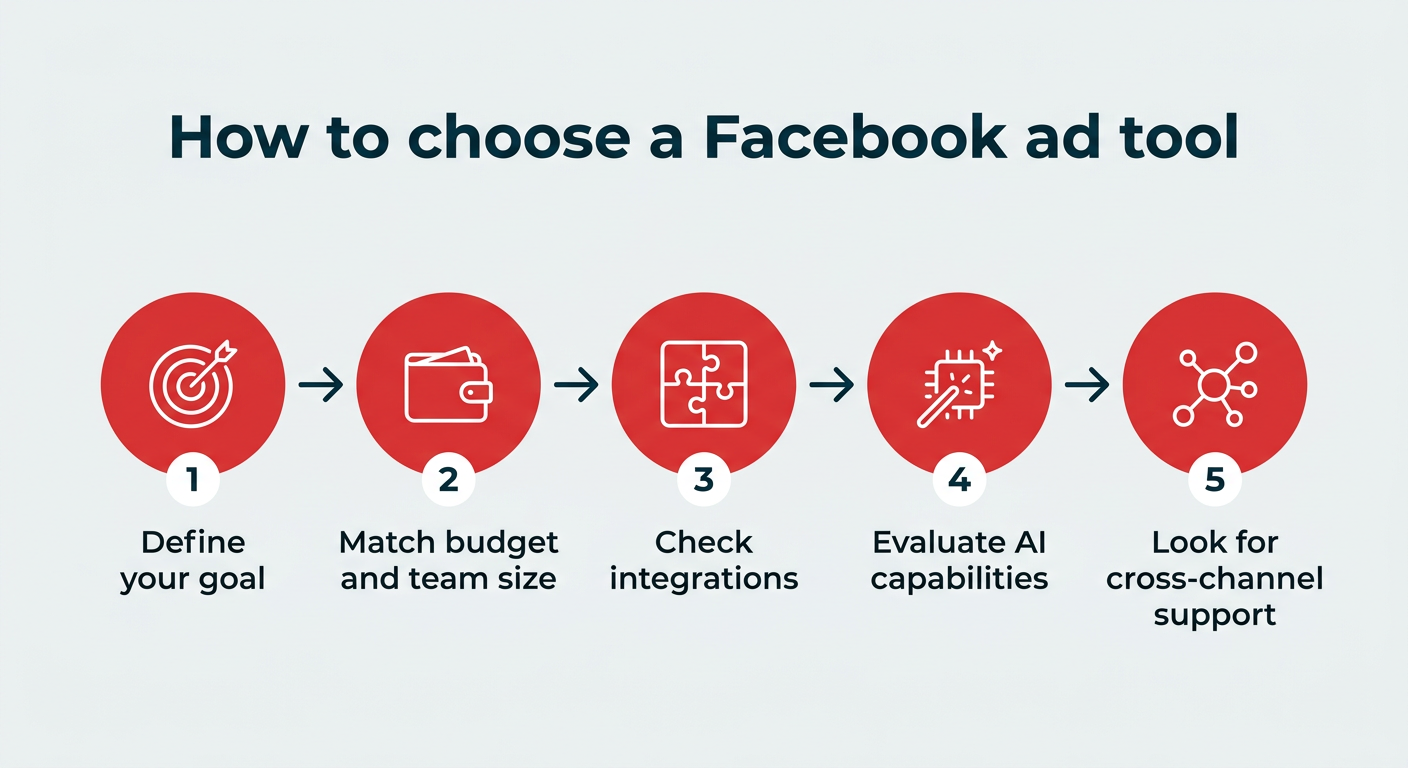
Marketing leaders should avoid the common trap of "feature-shopping," where they purchase tools based on a list of bells and whistles rather than actual operational gaps. Instead, follow these five criteria:

- Workflow Integration: Does the tool replace an existing platform, or does it add another login to your daily routine? Prioritize consolidation.
- AI Utility: Does the tool offer actionable AI recommendations (e.g., creative scoring or audience suggestions) or just passive data visualization?
- Data Sovereignty: Ensure that any third-party tool—especially those involving retargeting or visitor identification—is fully compliant with regional privacy laws (GDPR, CCPA, etc.).
- Scalability: Does the pricing model align with your ad spend? Avoid tools that charge flat fees if your ad budget fluctuates significantly.
- Creative Flexibility: Does the tool allow for rapid iteration? In 2026, creative is the primary lever for performance; if a tool cannot handle volume, it will bottleneck your growth.
Official Perspectives: Meta’s Stance on Automation
Meta’s official position has remained consistent: the platform encourages advertisers to move away from manual micro-management and toward broad targeting supported by robust creative assets. By utilizing "Advantage+" tools, Meta argues that businesses can reach their ideal customers more efficiently than through manual targeting, which is increasingly hampered by fragmented user data.

However, third-party developers have filled the gap where Meta’s native tools are intentionally hands-off. Tools like Madgicx and Smartly.io provide the granular control and performance oversight that high-volume enterprise advertisers require to keep the algorithm on track, ensuring that AI-driven delivery doesn’t veer off-brand.

Categorized Overview of Essential Ad Tools
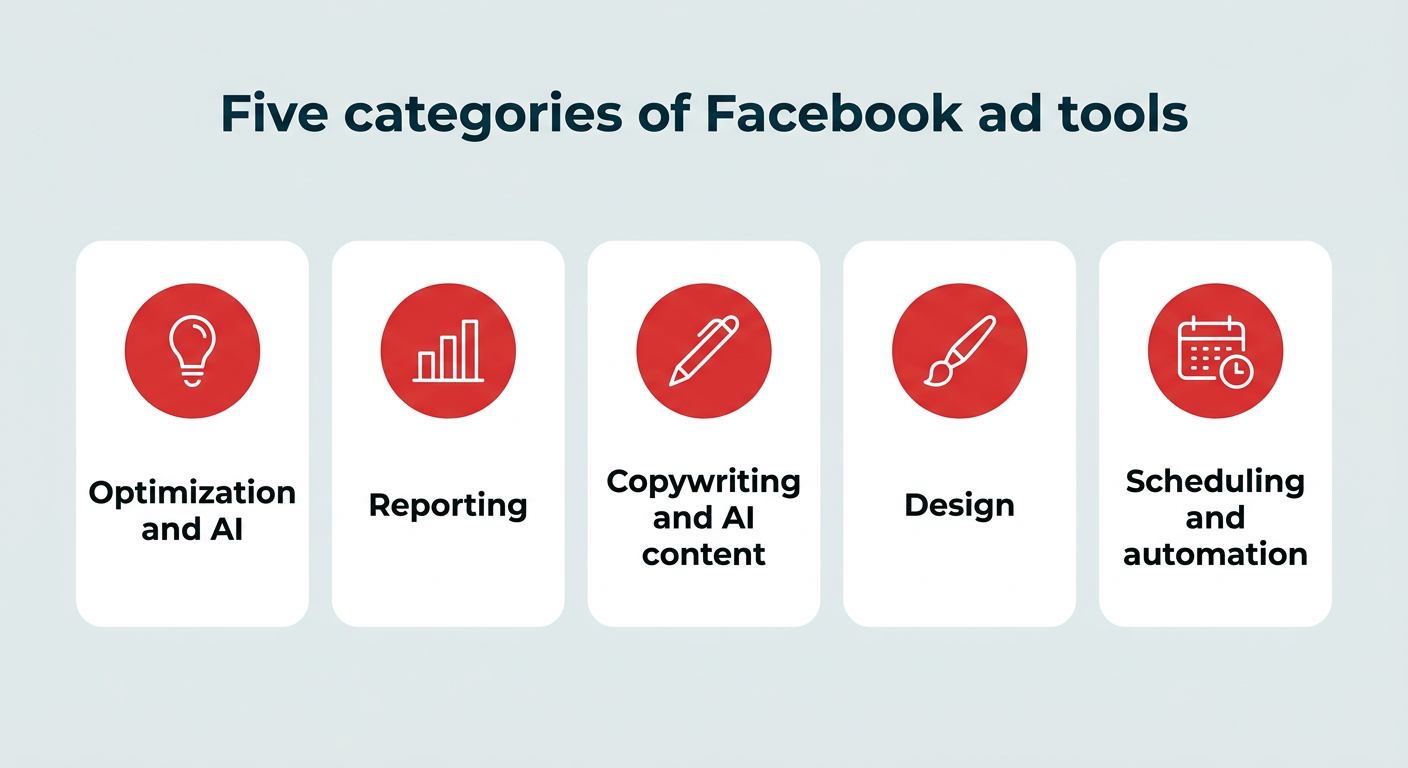
Optimization and Performance AI
- Meta Ads Manager: The indispensable hub. It is the baseline for all Meta advertising, providing access to the Advantage+ suite and core reporting.
- Hootsuite Social OS: A comprehensive solution for social media management. Its ability to view paid and organic content side-by-side in "Perch" is a game-changer for maintaining a cohesive brand narrative across all social channels.
- Madgicx: Ideal for advertisers looking for a "co-pilot." Its AI analyzes your account and offers specific recommendations to optimize ROAS (Return on Ad Spend) without requiring you to be a data scientist.
Creative Automation and Design
- AdCreative.ai: A powerhouse for high-volume creative teams. It generates, tests, and scores ad visuals, allowing teams to identify winning creative concepts before sinking significant budget into them.
- Canva: Remains the standard for brand consistency. With its integrated Magic Studio AI, it allows non-designers to produce high-quality assets that adhere to brand guidelines, crucial for rapid A/B testing.
Advanced Reporting and Analytics
- TapClicks: Designed for teams that need to look beyond Meta. It aggregates data from search, social, and display, providing a "single source of truth" for total marketing performance.
- Funnel: For those who prioritize data modeling. It excels at normalizing mismatched field names across different ad networks, ensuring that a "conversion" on Facebook is tracked consistently against a "lead" on Google.
Implications for the Future of Social Advertising
As we look toward the remainder of 2026, the distinction between "organic" and "paid" social media is effectively dissolving. The most successful brands are those that treat their organic social media as a testing ground for their paid advertisements.

By using tools like Wisdom by Hootsuite to repurpose high-performing organic content into paid assets, marketers can ensure that their ads feel authentic and resonate with their audience. This "organic-first" approach is the best defense against the rising cost of acquisition.

Furthermore, the rise of "Identity Resolution" tools, such as Customers.ai, highlights the ongoing tension between privacy and personalization. As third-party cookies continue to decline, the reliance on first-party data collection will define the next generation of social media success. Advertisers who build robust, consent-driven databases of their website visitors will have a distinct competitive advantage in feeding the Meta algorithm high-intent data.

Conclusion: Simplifying Your Stack
The market is currently flooded with hundreds of "Facebook ad tools," but the secret to growth is not in having more tools—it is in having the right ones. For most teams, the optimal setup includes:

- Meta Ads Manager for delivery.
- Hootsuite Social OS for unified management and organic/paid synergy.
- A specialized creative tool (like AdCreative.ai or Canva) for asset production.
- A robust reporting tool (like TapClicks or Funnel) to keep cross-channel metrics aligned.
By streamlining your technology stack, you do more than just save time; you create a clearer path to profitability. In an environment where the algorithm is always working, your goal is to provide the best inputs possible. Keep your reporting clean, your creative fresh, and your strategy unified. The tools are there to help—ensure they are working for you, not the other way around.
