
The Architecture of Agency Efficiency: Building a High-Margin AI Stack
The promise of artificial intelligence in the marketing sector is seductive: infinite scale, automated output, and the dream of "set it and forget it" campaigns. However, for the modern marketing agency, the reality is often quite the opposite. Without a strategic framework, AI integration frequently leads to operational chaos—bloated software subscriptions, inconsistent brand voices, and a dilution of the high-touch value that agencies are hired to provide.
The challenge for agency leadership today is not finding more AI tools; it is choosing a cohesive, high-performance stack that accelerates delivery, protects profit margins, and elevates the quality of the work shipped to clients.
The State of AI Adoption: From Novelty to Necessity
The rapid influx of generative AI has transformed the agency landscape from a service-based industry into a hybrid of service and "content-as-a-service." According to recent industry analysis, agencies that successfully integrate AI into their workflows see a 30–40% increase in output efficiency. However, this efficiency is often squandered on "automation for automation’s sake."
The true competitive advantage lies in building a stack that acts as a force multiplier. This requires a shift in mindset: move away from chasing every new shiny object and toward building an ecosystem where tools like Campaign Monitor—which offers enterprise-grade email automation, multi-client management, and dynamic segmentation—serve as the stable anchor for the more volatile, experimental AI layers.
The 17 Essential Tools for the Modern Agency Stack
To streamline operations, agencies must categorize their stack by utility. Below are the core pillars that, when combined, create a scalable agency workflow.
1. The Foundation: Email and Automation
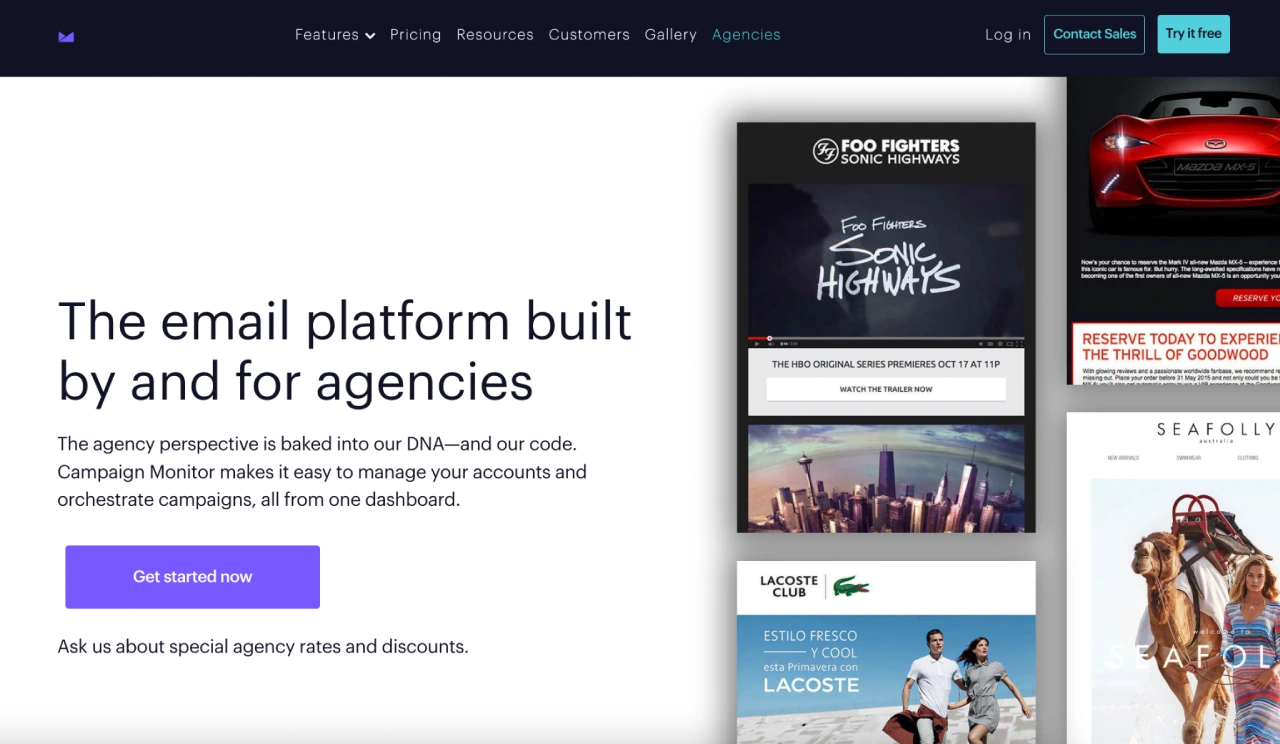
Campaign Monitor remains the industry standard for agencies managing multiple clients. Its ability to provide prebuilt journeys, dynamic content, and send-time optimization ensures that while AI may generate the content, the delivery remains on-brand, compliant, and highly personalized.
2. Content Creation and Operations
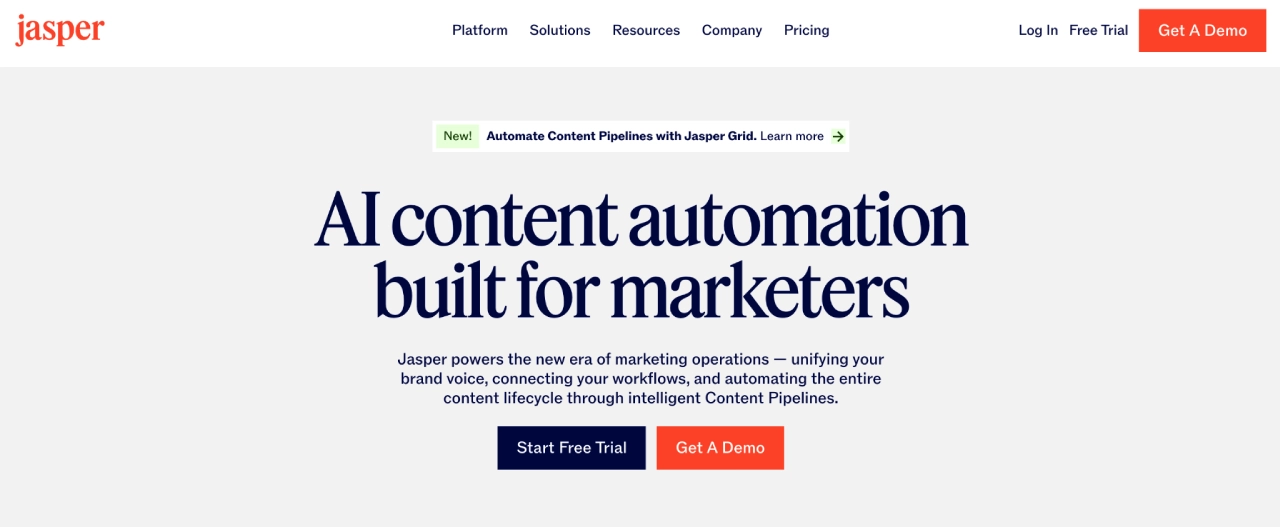
- Jasper: The gold standard for maintaining a consistent "Brand Voice." Its ability to centralize context makes it indispensable for agencies handling diverse client accounts.
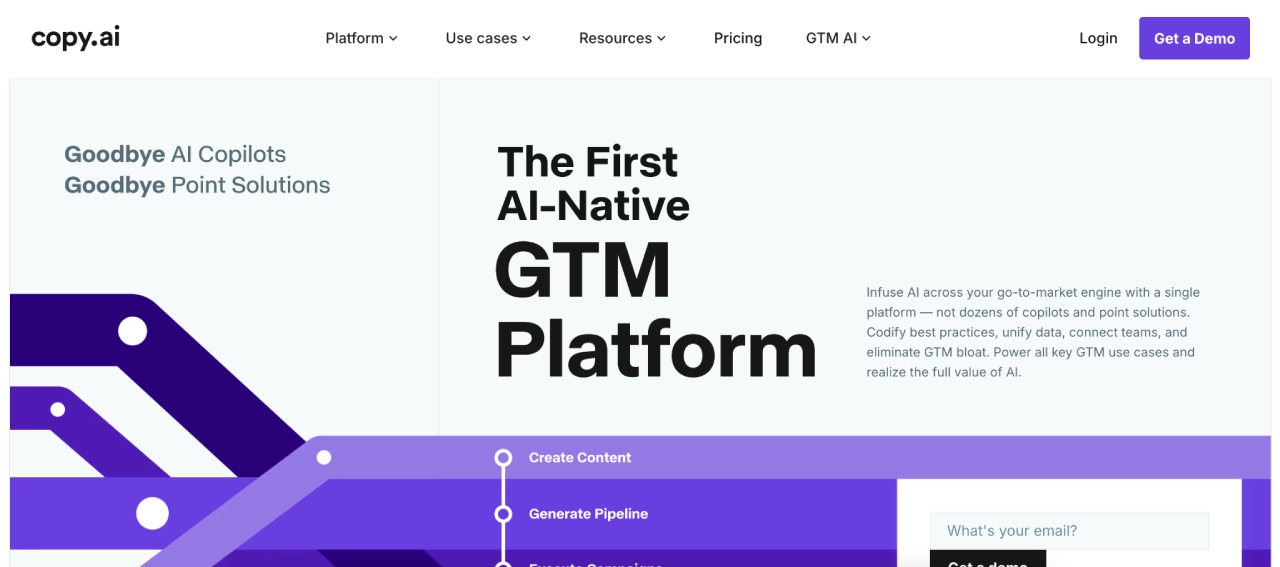
- Copy.ai: Ideal for GTM workflows. By codifying client playbooks into "Content Agents," agencies can ensure that every piece of copy adheres to specific client requirements automatically.
3. Paid Media and Creative Performance
- Madgicx: An essential for Meta ads, providing performance-driven optimization that detects creative fatigue before it impacts ROAS.
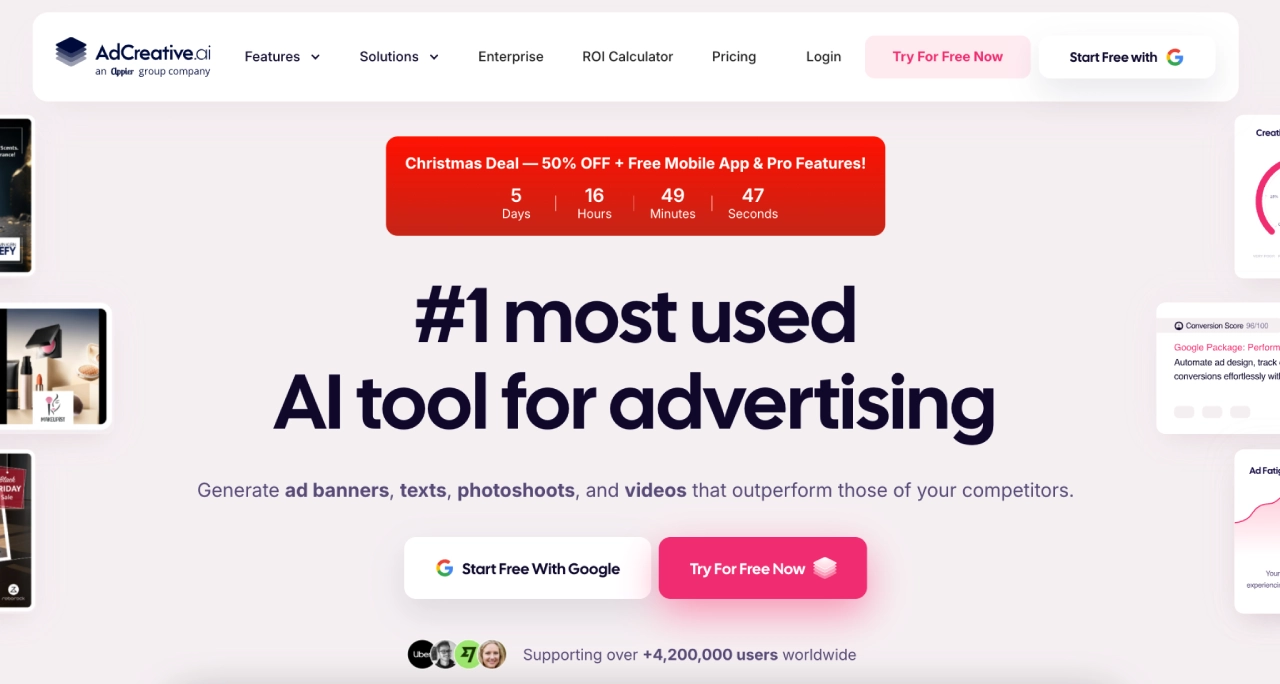
- AdCreative.ai: A powerhouse for rapid, conversion-focused visual testing across Google and LinkedIn.
- Synthesia: Revolutionizing the video space, allowing agencies to produce high-quality, multilingual video content without the need for traditional production studios.
4. Data, Attribution, and Reporting
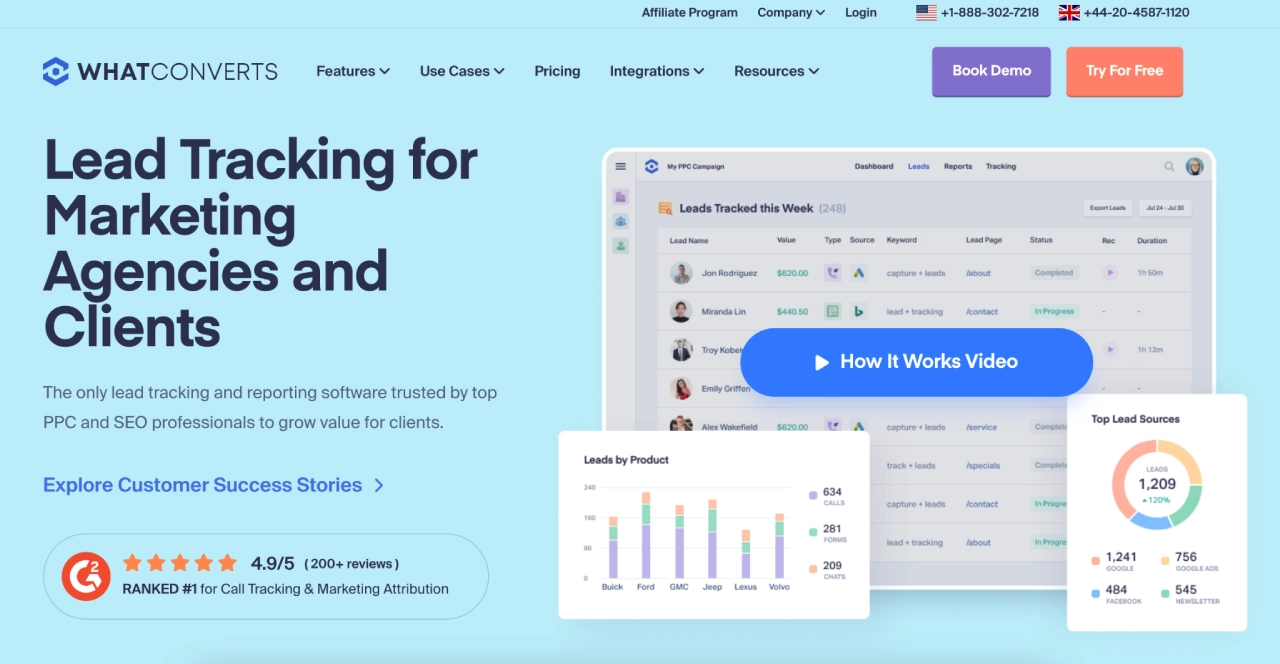
- WhatConverts: Bridges the gap between "leads" and "revenue" by tracking calls, forms, and chats, providing the granular attribution clients demand.
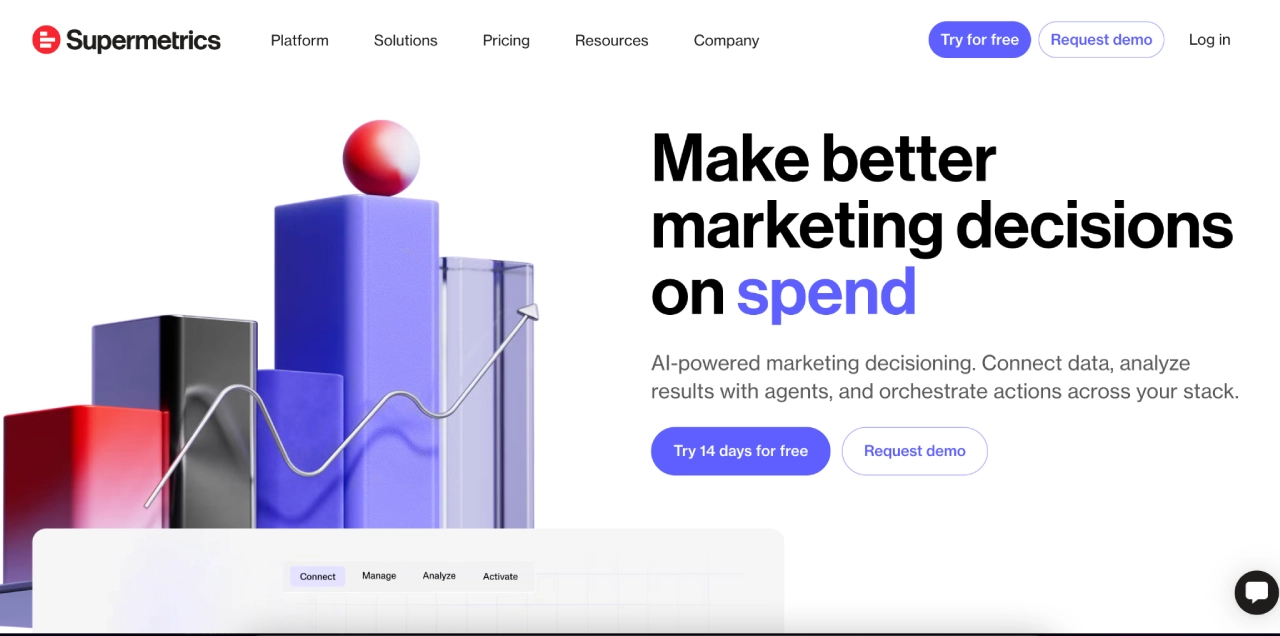
- Supermetrics: The glue of the data stack, pulling metrics from over 150 sources into centralized dashboards.
- AgencyAnalytics: The preferred choice for white-labeled, client-facing reporting, aggregating SEO, PPC, and social performance into one intuitive portal.
5. Workflow and CRM Orchestration
- Zapier: The ultimate "no-code" bridge, allowing disparate tools to talk to one another.
- HubSpot: Beyond a CRM, it serves as the operational heart for many agencies, integrating AI agents directly into the sales and marketing lifecycle.
The 3C Model: A Framework for Strategic Implementation
To avoid the common pitfalls of tool sprawl, agencies should adopt the 3C Model:
I. Context (Centralization)
Before an AI tool generates a single word, it must understand the brand. Centralize your audience data, performance history, and creative guidelines. If the AI doesn’t have the right context, it will inevitably hallucinate or provide generic, "vanilla" output that harms client reputation.
II. Content (Refinement)
AI should be treated as an intern, not a director. Let the model produce the draft, then layer in human expertise. Use tools like Jasper to draft, but maintain strict "human-in-the-loop" protocols to ensure tone and accuracy.
III. Control (Governance)
Automate the delivery, but manually oversee the strategy. Use Campaign Monitor to lock in guardrails for email frequency and segment-specific messaging, ensuring that even if your content generation scales, your brand governance remains airtight.

Navigating the Risks of AI Integration
As agencies scale their AI usage, they must manage significant operational risks.
The Problem of Hallucinations
Generative AI models are designed to be persuasive, not necessarily truthful. When an AI confidently invents a product feature or a client testimonial, the agency bears the legal and reputational risk.

- Mitigation: Treat AI as a creative draft tool only. All factual claims, guarantees, and compliance language must be manually audited.
Brand Voice Drift
AI models, by nature, converge toward the "average" internet writing style. Over time, your agency’s unique voice can fade into generic, robotic copy.
- Mitigation: Use "Brand Voice" features in tools like Jasper and maintain a living "Brand Style Guide" that the AI must reference in its system prompts.
Unseen Cost Scaling
It is easy to start with a $29/month subscription. It is harder to manage a $2,000/month bill when your "seats" and "tokens" scale exponentially across 20 clients.
- Mitigation: Implement a "Total Cost of Ownership" (TCO) audit. Before adding a new tool, define exactly which client account will subsidize its cost.
Strategic Implications: Building for Profitability
The most successful agencies are those that prioritize predictable costs. When an agency manages 50 clients, a tool that scales by "contacts" can quickly destroy profit margins.
Agencies should prioritize "best-of-breed" tools that offer agency-specific pricing. For instance, using Campaign Monitor allows agencies to manage multiple client accounts from a single parent dashboard, providing a clear view of costs and performance. This is infinitely more profitable than juggling disparate, unintegrated tools that lack multi-tenant support.
Future-Proofing Your Agency
As we look toward the next three years, the distinction between "AI-native" agencies and traditional agencies will dissolve. Every agency will be using AI. The differentiator will be the operational rigor with which they use it.
By anchoring your stack in reliable, proven platforms like Campaign Monitor and treating AI tools as specialized, replaceable components rather than all-in-one solutions, you maintain agility. If a better content tool emerges, you swap the content layer—but your core CRM, your email infrastructure, and your data reporting remain untouched.
Final Takeaway
The goal of your AI stack is not to eliminate work—it is to eliminate drudgery. By automating the research, the data collection, and the initial drafting phases, your team is freed to do what AI cannot: provide high-level strategy, build human relationships with clients, and exercise creative judgment.
The future belongs to the agencies that master the balance: AI for speed, and humans for quality. Build a stack that supports this, and your margins will reflect the efficiency of your operations.
Disclaimer: This article provides general information regarding marketing technology and should not be construed as legal or financial advice. Agencies should conduct their own due diligence when selecting software vendors and implementing new workflows.
