
Beyond the Spreadsheet: How Python is Transforming the Modern Growth Marketer’s Toolkit
In the fast-paced world of digital marketing, the line between technical data science and creative strategy is blurring. For years, the growth marketer’s primary workspace was the spreadsheet—a grid of rows and columns that, while functional, often serves as a bottleneck for scale. Today, a paradigm shift is underway. As marketing ecosystems become increasingly complex, Python has emerged as the essential bridge between raw, disparate data sets and actionable, high-growth business intelligence.
Main Facts: The New Language of Growth
Python is no longer the exclusive domain of software engineers and backend developers. It has rapidly become the preferred programming language for growth marketers due to its versatility, readability, and an expansive ecosystem of libraries designed for data manipulation.
Unlike rigid software tools, Python offers a "Swiss Army knife" approach to marketing tasks. Whether it is automating routine reporting, scraping competitor insights, or deploying complex predictive models to forecast customer churn, Python allows marketers to move beyond manual entry and into the realm of algorithmic efficiency. By integrating Python into their workflow, growth teams are successfully automating end-to-end processes, enabling them to make high-stakes decisions without constant human intervention.

A Chronology of the Shift: From Spreadsheets to Scripts
The evolution of the marketing tech stack has been a steady march toward automation.
- The Early Era (2000–2010): Marketers relied on manual data entry and basic CRM systems. Decision-making was retrospective and reactive.
- The Rise of SaaS and APIs (2010–2018): As platforms like Google Analytics, Facebook Ads, and Salesforce became the industry standard, data became siloed. Marketers spent more time "cleaning" data in Excel than analyzing it.
- The Python Integration (2018–Present): Forward-thinking growth teams began adopting Python to interface directly with APIs. By writing scripts to pull data from disparate sources, marketers bypassed the limitations of UI-based reporting.
- The AI and Generative Era (2023 and beyond): With the advent of tools like Google Colab and AI-assisted coding, the barrier to entry has collapsed. Marketers are now using natural language processing (NLP) to generate code that builds their own custom marketing analytics dashboards.
Supporting Data: Why Python Outperforms
The decision to adopt Python over other languages is supported by its sheer scalability. As Alistair Allan, a prominent voice in the growth marketing space, notes: "Growth is that crossover of data, analytics, and testing… Python is a way to save time, it’s a way to connect the dots between disparate systems, it’s a way to get out of Excel spreadsheets and huge formulas."
The technical argument for Python is overwhelming:
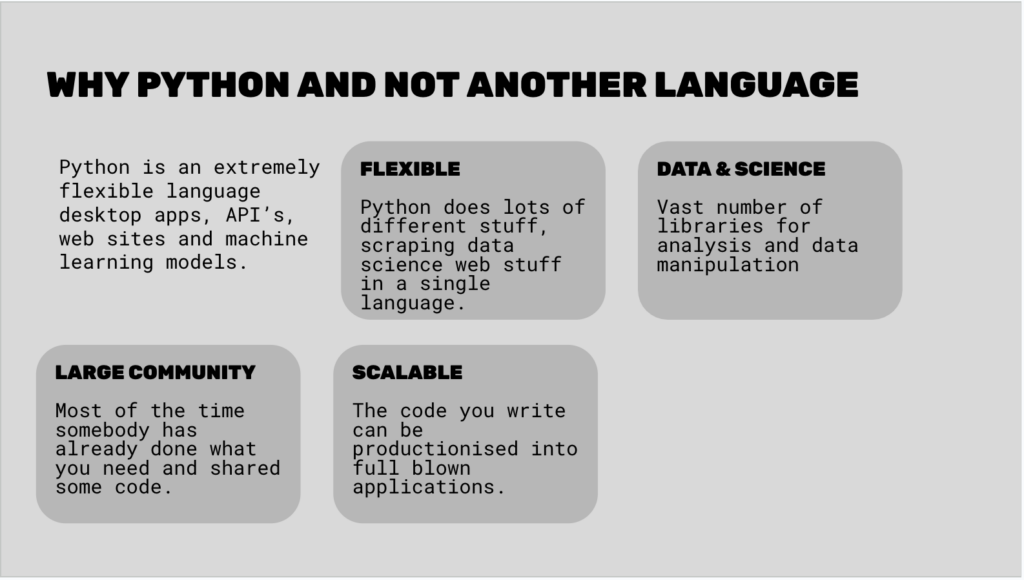
- Community Support: Because Python is the lingua franca of data science, virtually every problem a marketer faces—from tracking attribution to cleaning dirty datasets—has already been solved by someone else in an open-source forum.
- Scalability: A formula in Excel can crash a machine if the dataset reaches millions of rows. A Python script using libraries like
pandascan process that same data in seconds, allowing for complex segmentation and clustering that traditional tools cannot handle. - Cross-Functional Collaboration: By using Python, marketing teams now speak the same language as their data engineering and data science counterparts, fostering a culture of technical transparency and faster iteration cycles.
Core Capabilities for the Modern Marketer
Python empowers growth marketers to execute high-level tasks that were previously impossible without a dedicated engineering team:
Automation and API Connectivity
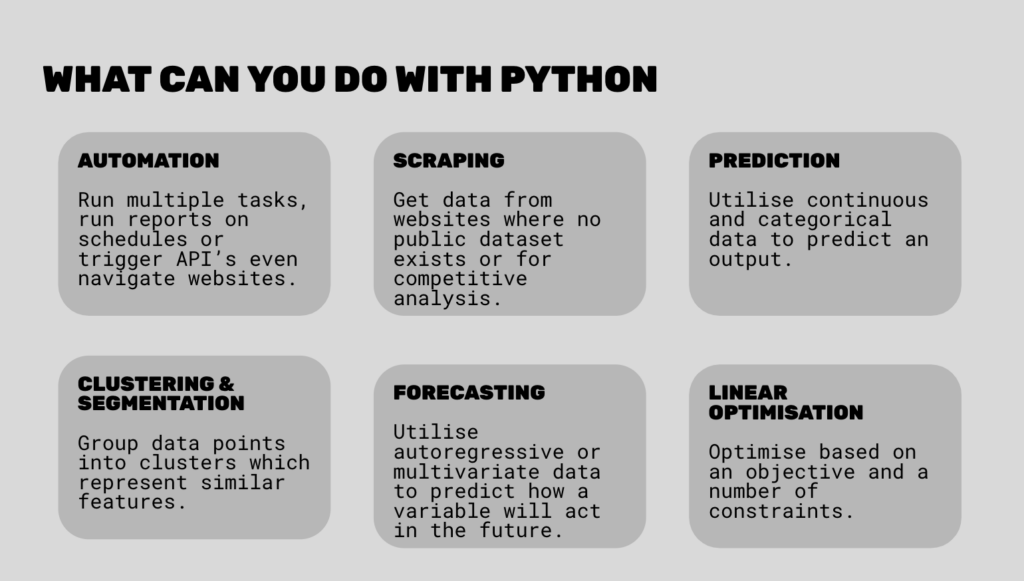
Python excels at automating repetitive tasks. Through API integration, marketers can build custom scripts that pull real-time data from social media platforms, Google Ads, and search trends. These scripts can be programmed to automatically trigger changes in bidding strategies, pause underperforming campaigns, or adjust budgets based on predefined performance KPIs.
Data Scraping and Competitive Intelligence
In a competitive digital landscape, data is the ultimate advantage. Python’s scraping libraries allow marketers to gather public data from competitor websites or market research sources. This allows for the systematic tracking of price changes, content updates, and emerging industry trends, providing a real-time pulse on the market.
Predictive Modeling and Forecasting
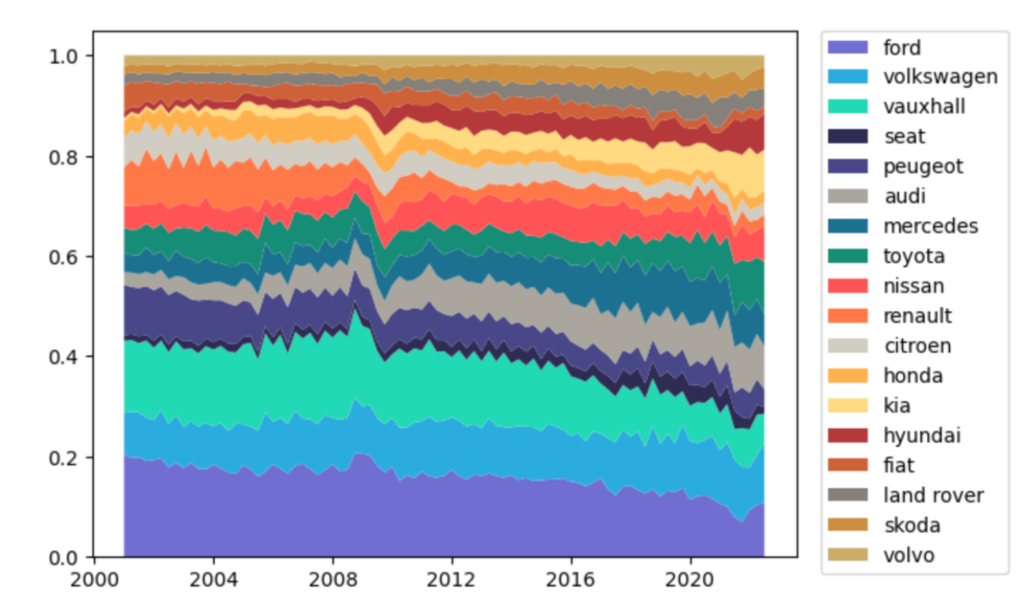
Using libraries such as Prophet, growth marketers can move from "what happened" to "what will happen." By training models on historical performance data, teams can forecast future ad performance and customer behavior with a level of accuracy that subjective estimation cannot match.
Advanced Clustering and Segmentation
Rather than relying on broad demographic buckets, Python allows marketers to use machine learning clustering algorithms to identify hidden customer segments. By analyzing behavioral data, companies can tailor their marketing messages with hyper-precision, significantly increasing conversion rates and optimizing ad spend.
Official Industry Perspectives
The consensus among growth leaders is clear: technical literacy is the new competitive moat. Industry experts argue that the "human in the loop" model is becoming a liability for growth teams. When a marketer spends 70% of their time manually aggregating data, they have only 30% left for strategic experimentation.
By implementing linear optimization techniques—a mathematical approach to resource allocation—marketers can ensure that their budget is always placed where it will yield the highest return. This is not about removing the marketer from the process; it is about elevating them from data entry clerks to architects of growth systems.
Getting Started: The Low-Code Evolution
One of the most significant barriers to Python adoption has always been the intimidation factor. However, the ecosystem has shifted to accommodate non-developers.
Google Colab: The Gateway
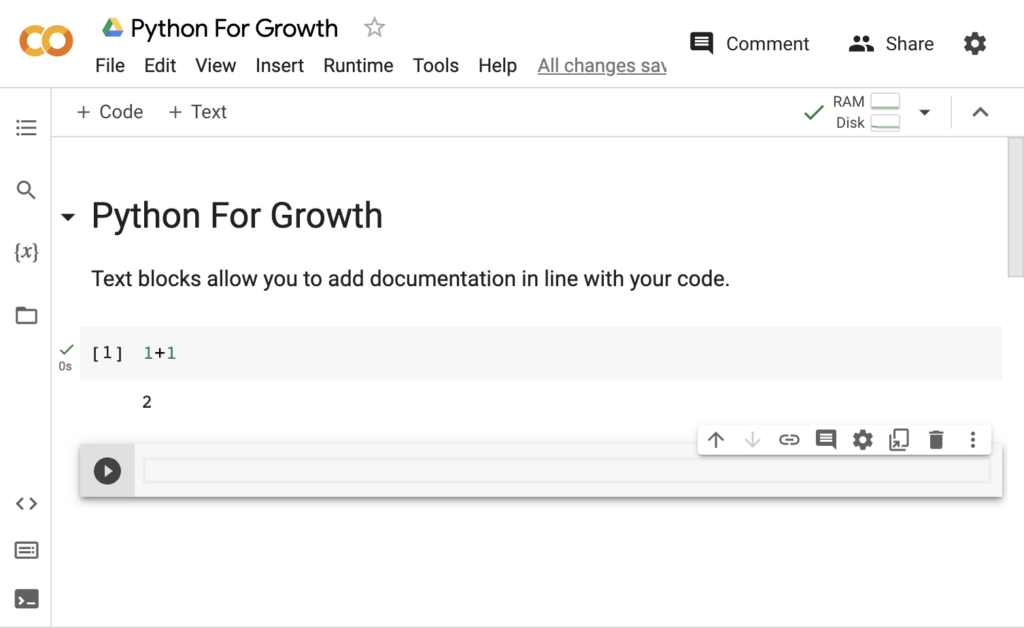
Google Colab has revolutionized the learning curve. It acts as a cloud-based Python environment that requires no installation. It allows users to combine text documentation with executable code blocks. This makes it an ideal environment for marketers to build their "playbooks"—a mix of notes and scripts that can be reused for future campaigns.
The Rise of AI-Assisted Coding
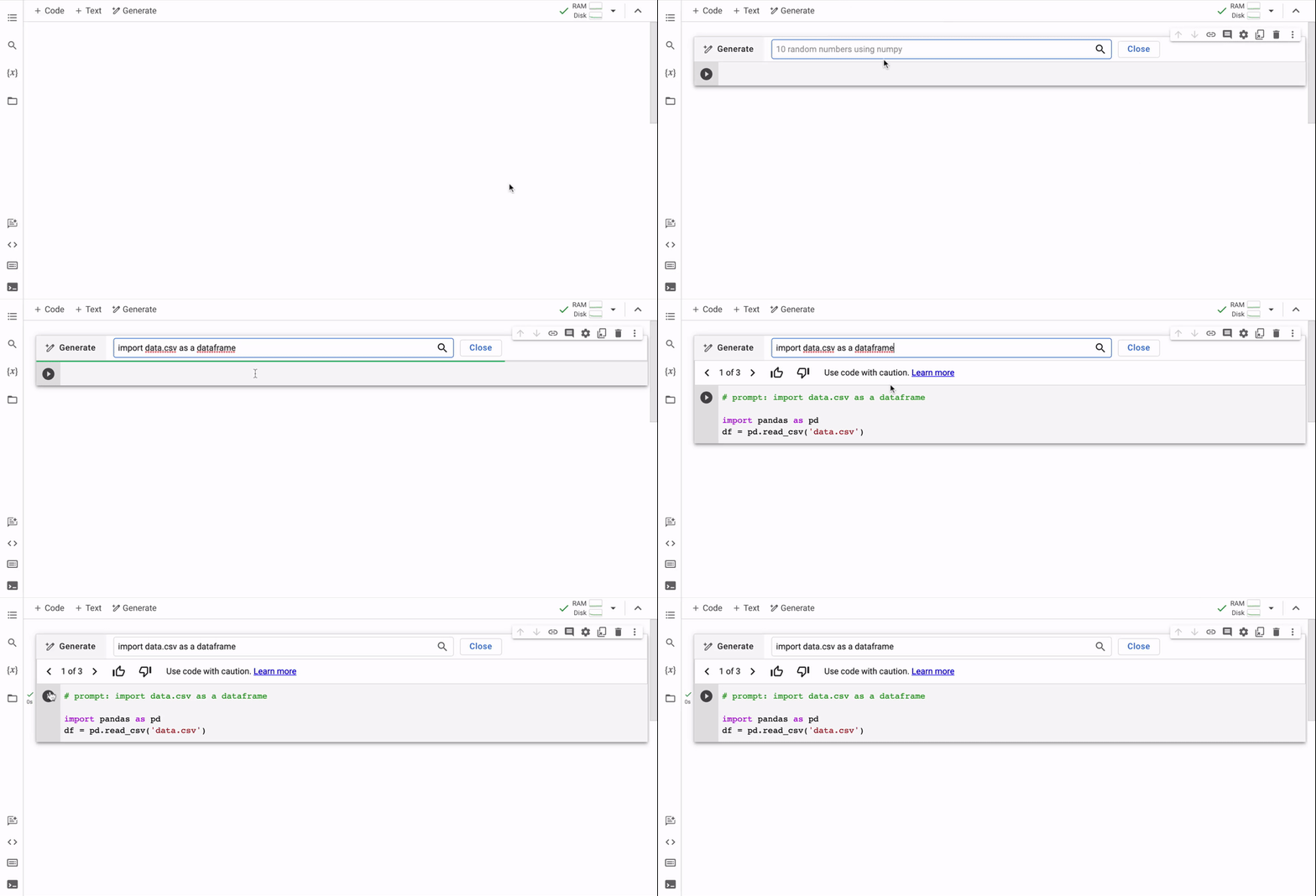
The most recent development in this space is the integration of AI models, such as Google’s advanced code generation tools, directly into the development environment. Marketers can now use natural language prompts to describe the function they want to build (e.g., "Pull my Facebook Ad spend from last week and create a chart showing the trend"), and the AI will generate the necessary code.
Visual and Interactive Tools
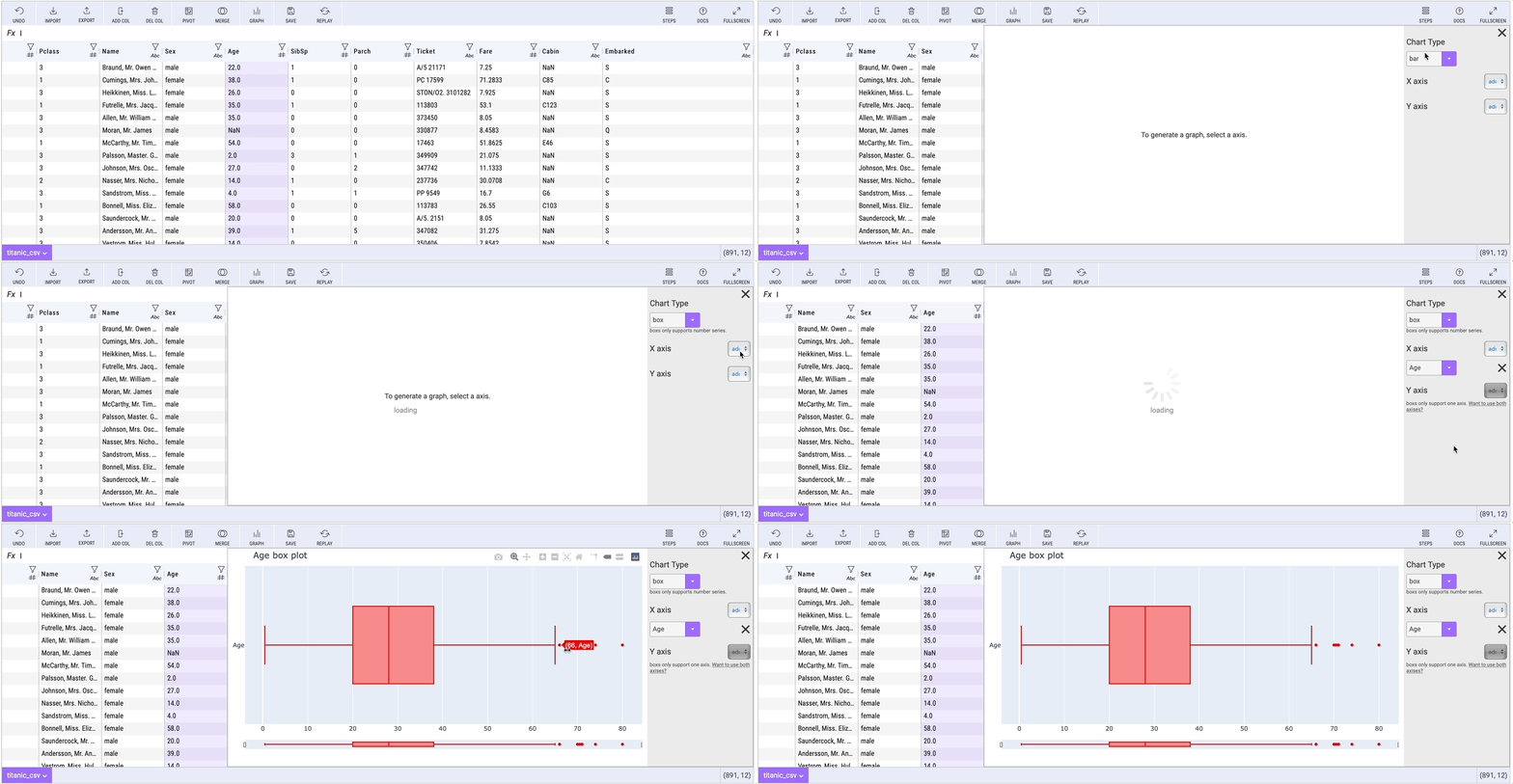
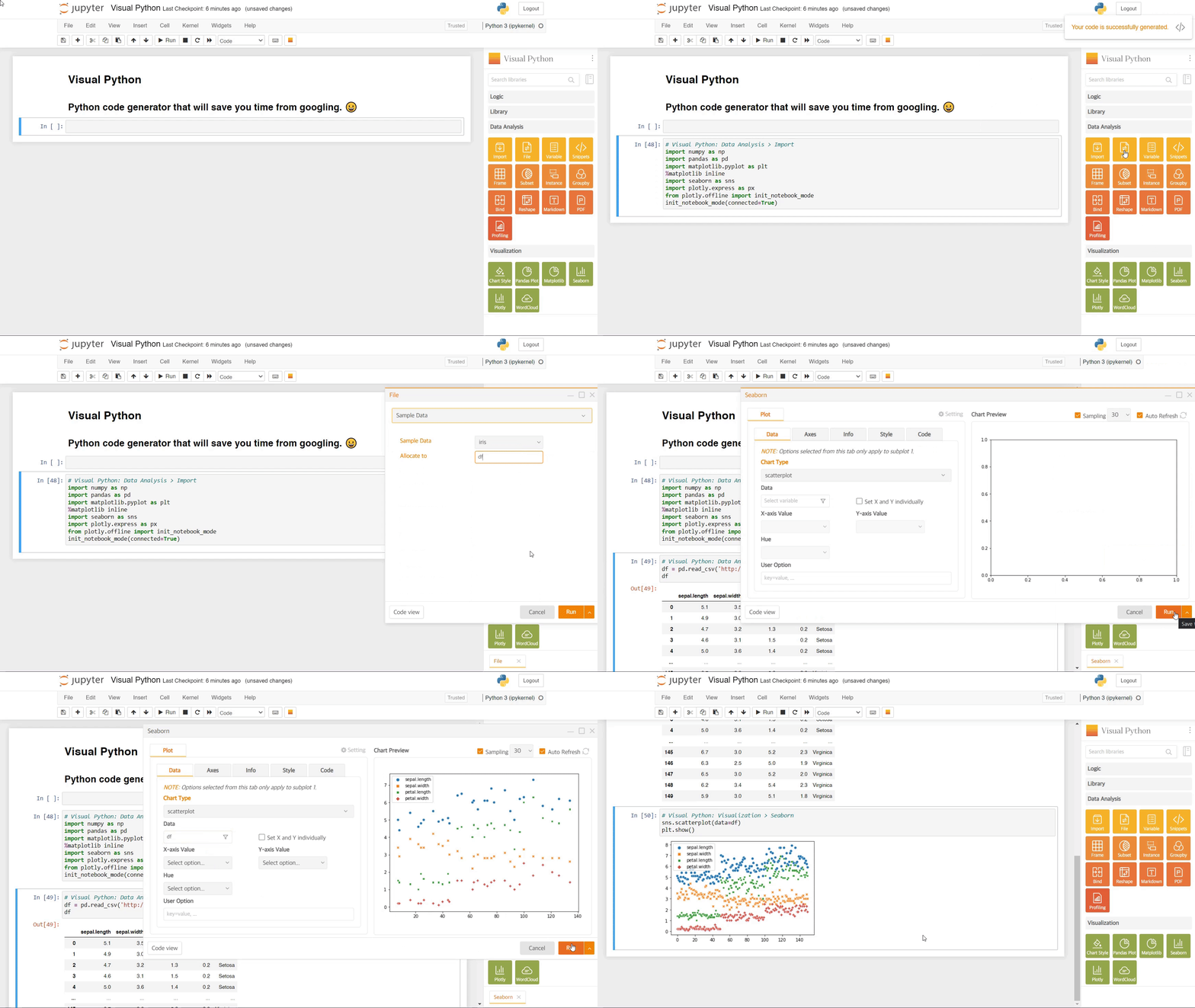
Tools like Mito are further bridging the gap. Mito acts as a spreadsheet-style interface that runs inside a coding environment. As a user manipulates data in the familiar grid, Mito automatically generates the corresponding Python code in the background. This provides a "learn by doing" approach, where marketers can see the code behind their actions, slowly building their fluency in the language.
Implications for the Future of Marketing
The integration of Python into the growth marketing stack has profound implications for the industry.
First, it signals a shift in hiring. Companies are no longer looking for "digital marketers" in the traditional sense; they are hunting for "growth engineers"—professionals who can blend creative campaign strategy with the technical ability to automate that strategy.
Second, the traditional software-as-a-service (SaaS) marketing model is being challenged. When a marketing team can build their own custom tools using Python, they become less dependent on expensive, rigid third-party platforms. They gain the ability to build "bespoke" solutions that cater exactly to their specific business needs rather than settling for "out-of-the-box" features.
Finally, the democratization of data science will force a higher standard of accountability. When a marketing team can run complex statistical models to prove the efficacy of their campaigns, the days of "vanity metrics" are numbered. Growth will be defined by the rigorous application of data, testing, and continuous optimization.
Conclusion: The Path Forward
For the modern marketer, Python is not just a tool—it is a superpower. It represents the transition from being a passive user of technology to an active builder of growth systems.
The path to mastery does not require a degree in computer science. It requires curiosity, a willingness to experiment with environments like Google Colab, and the recognition that the best marketing decisions are made at the intersection of data and code. As we move deeper into an era of automated, data-driven growth, those who learn to speak the language of machines will undoubtedly lead the market.
The spreadsheet isn’t dead, but its role has changed. It is no longer the destination—it is merely the starting point. The real work, and the real growth, now happens in the code.
