
The Streaming Evolution: How YouTube’s Shift Toward Serialized TV Formats is Redefining Digital Entertainment
As internet-connected televisions become the primary gateway for digital video consumption, the architecture of online content is undergoing a fundamental transformation. YouTube is no longer just a repository for short-form clips, viral pranks, and reaction videos. Instead, it has rapidly evolved into a primary living room destination, mirroring—and increasingly competing with—traditional television.
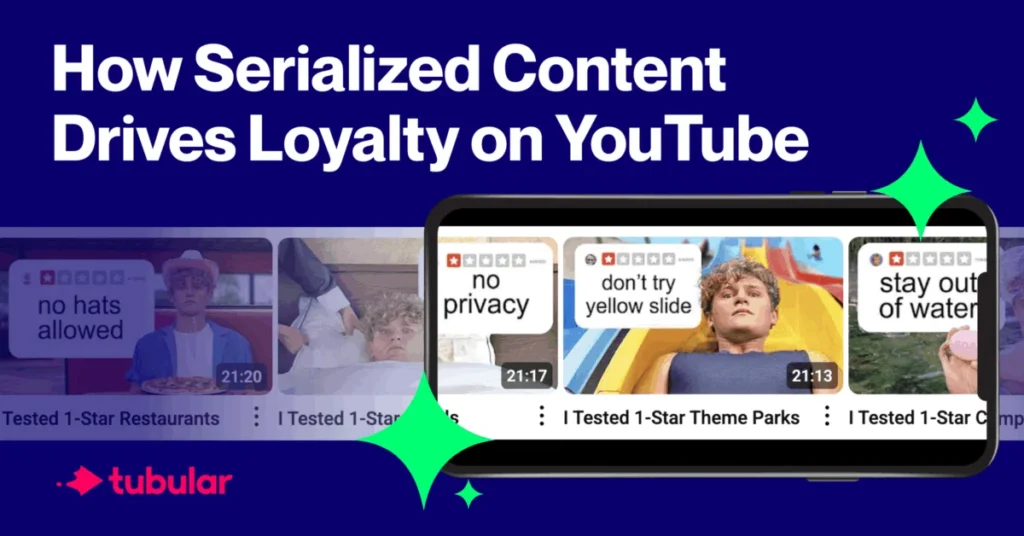
At the heart of this shift is the rise of serialized programming. Creators, traditional publishers, and Fortune 500 brands alike are embracing the episodic playbook, banking on regular, repeated tune-ins to build deep audience loyalty. By adopting formats historically reserved for cable and streaming giants like Netflix or HBO, digital content makers are capturing unprecedented watch-times on big screens.
Analyzing the mechanics of successful YouTube series offers critical lessons for the modern digital ecosystem. Through examining case studies ranging from independent creator milestones to corporate-backed reality competitions and media network revivals, a clear picture emerges of how long-form, serialized content is reshaping the media landscape.
Main Facts: The Great Migration to the Living Room
The convergence of YouTube and traditional television is driven by hardware adoption and changing consumer habits. Viewers increasingly prefer watching long-form content on large screen displays rather than mobile devices. This physical shift has altered content demands: audiences want depth, narrative arcs, and predictable release schedules.
- The TV Screen Dominance: YouTube viewership on connected TV (CTV) devices continues to break records, shifting the baseline metrics of what constitutes successful digital video.
- The Power of Serialization: Episodic content drives repeat behavior. Playlists, multi-part challenges, and seasonal structures encourage viewers to return day after day or week after week.
- Diverse Adaptations: The trend is universal. Independent creators (like Ryan Trahan), global brands (such as State Farm), and established publishers (like Vice Media) are all leveraging serialization to capture massive blocks of uninterrupted viewer attention.
Chronology: How Episodic Content Conquered the Algorithm
The transition from standalone viral videos to meticulously planned, multi-episode arcs did not happen overnight. It represents a calculated evolution of platform algorithms and creator economics.
Phase 1: The Short-Form Era (Pre-2020)
For over a decade, YouTube rewarded frequency and brevity. Videos averaging 8 to 12 minutes—optimized for mid-roll ads and quick algorithmic recommendations—dominated the platform. Series existed, but they were often loose collections of vlogs rather than cohesive, narrative-driven productions. Shows like Refinery29’s Naked Truths relied on tight, 1-to-5-minute segments designed for rapid scrolling and high social sharing.
Phase 2: The Rise of the Creator-Led Cinematic Event (2020–2023)
Pioneers like MrBeast (Jimmy Donaldson) proved that massive budgets, cinematic pacing, and high-stakes competitions could thrive on YouTube. Creators began treating individual uploads like television specials or multi-part mini-series. Production values skyrocketed, and audiences demonstrated an appetite for videos stretching past the 20-minute mark.
Phase 3: The Connected TV Boom and the Modern Series (2024–Present)
As CTV penetration saturated households globally, the line between YouTube and linear television blurred completely. Creators and brands began building formal "seasons" with daily or weekly drops. In mid-2025, independent creator Ryan Trahan redefined daily vlogging with a synchronized 50-state blitz, while corporate entities like State Farm and media outlets like Vice restructured their entire IP portfolios to mimic traditional TV programming blocks.
Supporting Data: The Metrics Driving the TV-ification of YouTube
The data underscores a massive financial and cultural shift toward serialized, long-form YouTube content. Viewers are rewarding creators who respect the narrative arc, spending hours inside single-content ecosystems.
- Ryan Trahan’s U.S. Watch-Time Surge: In June 2025, Trahan’s U.S. watch-time skyrocketed by 120% month-over-month, hitting an astonishing 569.8 million minutes. This placed him at No. 24 among all U.S. accounts on the platform—outranking numerous traditional TV networks and mainstream news organizations.
- State Farm’s Gamerhood Engagement: Brand-funded entertainment often struggles with audience retention, but State Farm’s gaming competition show Gamerhood regularly locks viewers in for multi-hour sessions. The Season 4 premiere on August 1 drew 152,000 live viewers, contributing to a monthly baseline where the brand routinely clears 5 million minutes watched on YouTube.
- Vice Media’s Docuseries Pivot: Shifting its former short-form digital hit Naked Truths into a robust, 15-minute-plus docuseries format, Vice successfully captured over 65,000 views per upload for its initial episodes, proving that older IP can be successfully retrofitted for modern TV-style consumption on digital platforms.
Deep Dive: Three Case Studies in Modern Serialization
To understand how serialization succeeds on YouTube, one must look at how different players in the media ecosystem adapt the format to their unique strengths.
1. The Creator Model: Ryan Trahan’s 50 States in 50 Days
Independent creator Ryan Trahan hit career highs in mid-2025 by taking a classic, almost cinematic concept—the American road trip—and turning it into an intensive, daily serialized event.
Rather than random travel vlogs, Trahan structured his journey as a strict, high-stakes countdown: visiting all 50 U.S. states in 50 consecutive days. Most episodes ran between 20 and 25 minutes, mirroring standard cable travel shows on networks like the Travel Channel. However, because Trahan retains his peer-to-peer, authentic persona, the format bypassed the sterile feel of corporate travel programming.
The daily release schedule served as an intensive masterclass in playlist functionality. By maintaining a relentless narrative momentum, Trahan kept audiences hooked, transforming casual browsers into dedicated binge-watchers who tuned in day after day.
2. The Brand Model: State Farm’s Gamerhood
Corporate advertising has long struggled to capture Gen Z and millennial attention spans through traditional commercial spots. State Farm bypassed this hurdle by becoming a bona fide television studio.
Launched in 2022 and currently running strong into its fourth season, Gamerhood applies a familiar reality-competition television framework to the gaming community. By embedding insurance tropes seamlessly into competitive gaming environments, State Farm delivers endemic, highly entertaining content that consumers actively choose to watch for hours at a time.
Achieving over 4.7 million to 5 million minutes watched monthly, Gamerhood proves that brands can successfully act as media networks if they prioritize narrative structure and authentic audience alignment over direct product pitching.
3. The Publisher Model: Vice Media’s Naked Truths Revival
Legacy digital publishers are also re-evaluating their libraries. Vice Media recently revived Naked Truths, a former hit property from Refinery29 that originally featured successful women discussing self-confidence while removing their makeup.
The modern iteration completely reinvents the property. Moving away from the 1-to-5-minute digital snackable format of the past, the new Naked Truths functions as a gritty, high-production-value docuseries exploring hidden, raw subcultures of U.K. life (such as financial domination streamers).
With episodes running 15 minutes or longer, the show positions itself comfortably alongside prestige streaming documentaries. This shift not only satisfies living-room viewers looking for TV substitutes but also unlocks robust ad-break monetization models without requiring distribution deals on traditional linear networks.
Implications: What Creators, Brands, and Publishers Must Learn
As the digital video ecosystem matures, the strategies required to stand out are shifting dramatically. The era of relying purely on viral lightning-in-a-bottle hits is giving way to a structured, television-inspired future.
1. Think in Seasons and Arcs, Not Just Single Videos
The days of treating every upload as an isolated island are numbered. To capture algorithmic favor and build genuine viewer loyalty, creators and publishers must package content into clear thematic seasons, cohesive playlists, and structured narrative arcs that encourage binge-watching.
2. Design for the Big Screen
With a massive percentage of YouTube consumption now happening on connected TVs in living rooms, production values, audio mixing, and runtime must adapt. Videos running 15 to 30 minutes with cinematic pacing perform exceptionally well because they respect the physical context of the viewing environment.
3. Build Sustainable Monetization Through Ad-Breaks
Longer, serialized formats naturally accommodate mid-roll advertisements. This creates a sustainable economic engine for independent creators and media companies alike, freeing them from heavy reliance on brand sponsorships or unpredictable algorithmic shifts.
Ultimately, the future belongs to those who master the art of the series. By blending the community-driven authenticity of digital video with the structural discipline of traditional television, the next generation of media giants is currently being built on YouTube.
