
Beyond Meltwater: Navigating the Landscape of Media Intelligence and Social Strategy in 2026
In the modern digital ecosystem, the ability to monitor, analyze, and act upon information is the lifeblood of any successful enterprise. For years, Meltwater has stood as a titan in the media intelligence sector, offering a comprehensive suite of tools designed to track everything from traditional press clippings to real-time social media sentiment. However, as the demands of marketing and PR teams evolve toward greater agility and integration, many organizations are discovering that "more" isn’t always "better."
The shift toward specialized platforms is accelerating in 2026. Teams are increasingly prioritizing tools that offer intuitive workflows, seamless integration between listening and publishing, and cost structures that reflect actual usage rather than bloated enterprise packages. Whether your goal is to streamline PR workflows, deepen consumer research, or unify your social media management, the market offers a diverse array of alternatives tailored to specific operational needs.

Why Teams Are Evaluating Their Media Intelligence Strategy
The primary driver for moving away from a legacy powerhouse like Meltwater is often a misalignment between platform complexity and team velocity. While Meltwater offers robust data, its steep learning curve can become a bottleneck for smaller teams or those requiring high-speed execution.
The Friction of Disconnected Workflows
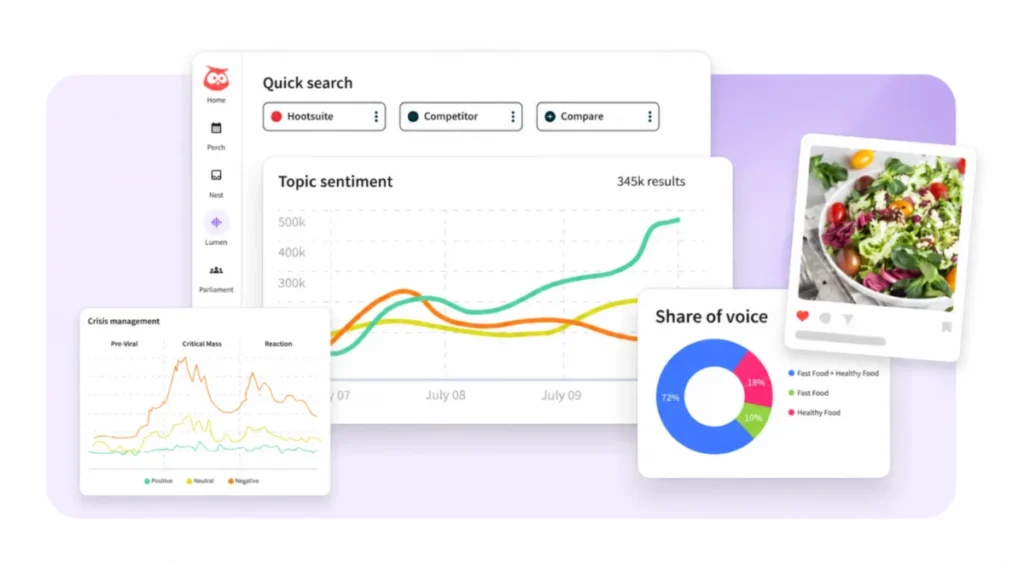
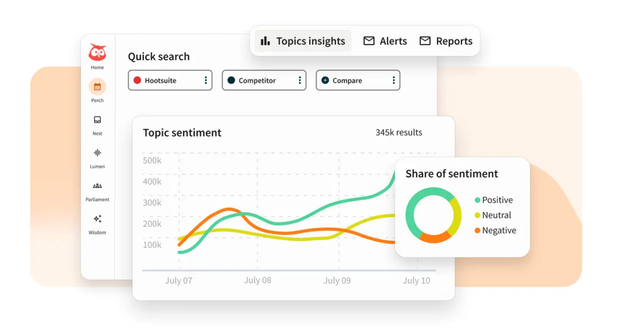
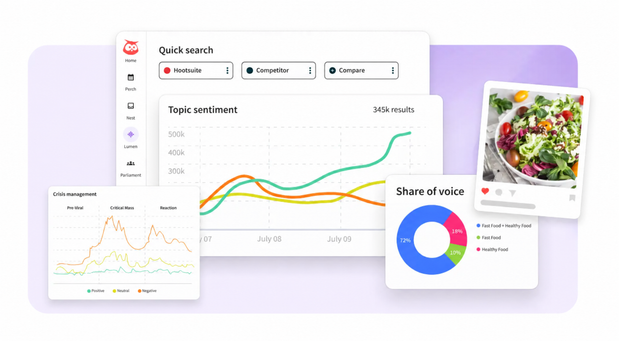
A major pain point for modern communicators is the "handoff gap." If a brand monitoring tool identifies a viral trend, but the team must export that data, log into a different platform to create content, and then log into a third system to track engagement, the momentum is lost. Today’s high-performing teams are seeking "all-in-one" ecosystems—like Hootsuite’s integrated stack—where insights from listening tools (Lumen) flow directly into content planning (Perch) and engagement management (Nest).

The "Bloat" Factor and ROI
Enterprise software pricing often involves paying for modules that never see the light of day. For many departments, the return on investment (ROI) diminishes when the budget covers extensive global news monitoring while the team primarily focuses on regional social engagement. Companies are now auditing their stacks to ensure they aren’t paying for "platform bloat"—features that add to the monthly invoice without contributing to the bottom line.
The Need for Reporting Agility
Executive leadership requires concise, actionable insights. Teams often report frustration with rigid reporting templates that require significant manual intervention to customize for different stakeholders. A modern alternative must offer dynamic, customizable dashboards that allow a PR lead to see share-of-voice metrics while a social manager views real-time engagement data—all within the same intuitive interface.
Key Considerations: What to Look for in a Substitute
Before migrating your data and team workflows, it is essential to establish a rigorous evaluation framework. Not all alternatives are created equal, and the "best" tool is relative to your specific organizational goals.
1. The Handoff from Insight to Action
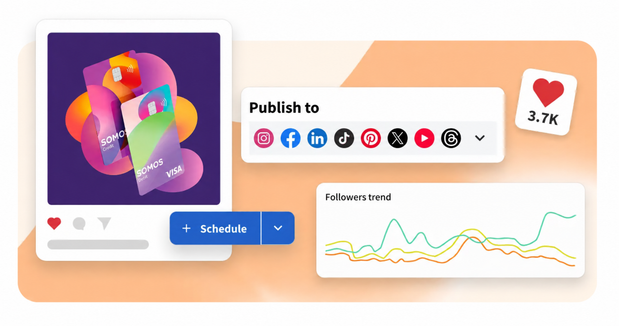
The most critical factor is the proximity of data to execution. Does the tool merely provide an alert, or does it provide a path to resolve a potential crisis or capitalize on a trend? A platform that allows you to draft, approve, and publish content within the same environment where you monitor mentions is significantly more efficient than a system that requires constant window-switching.
2. Depth vs. Utility
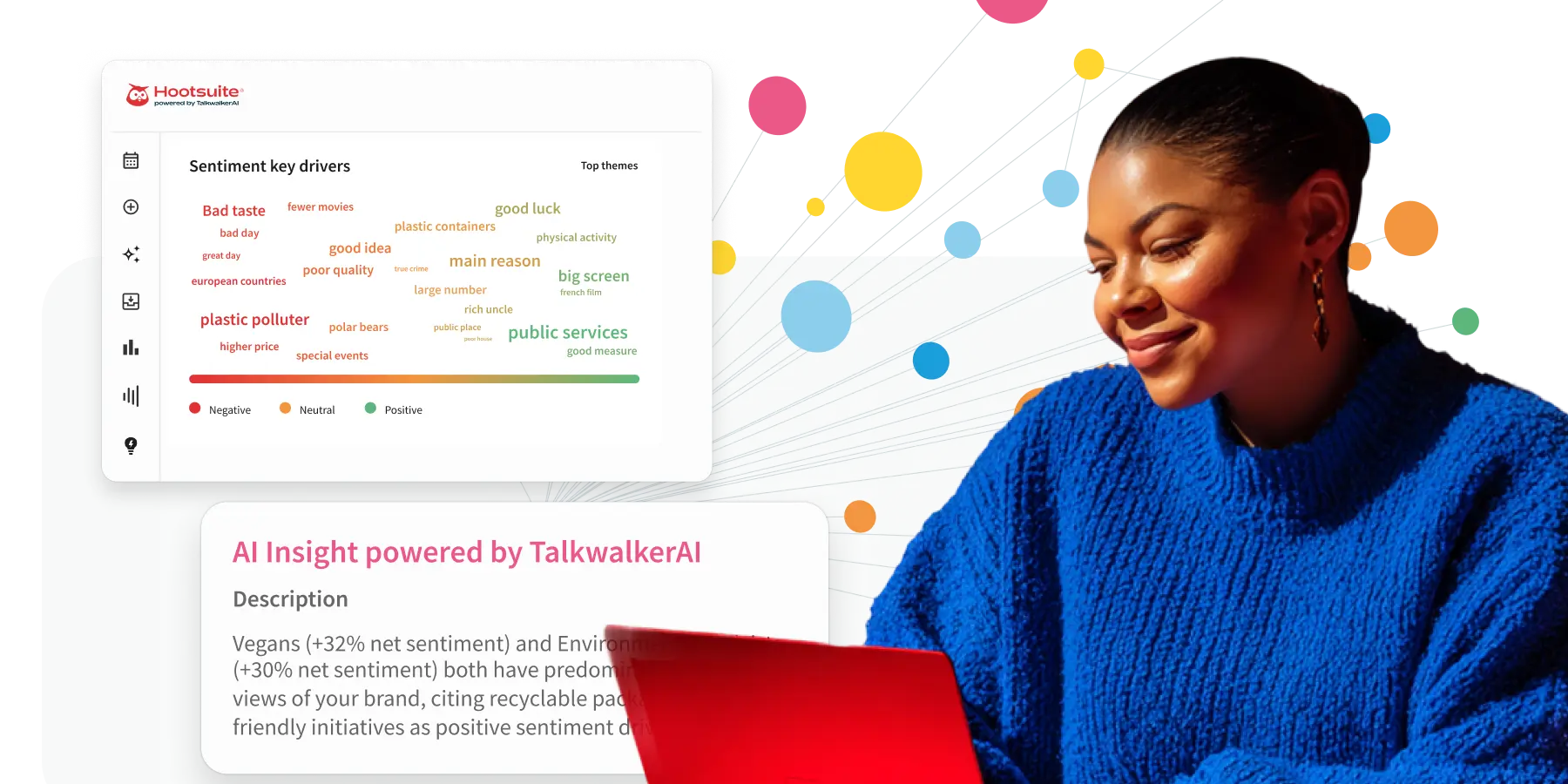
There is a temptation to prioritize the sheer volume of data collected. However, Jase Rodley, Founder and SEO Consultant at Dialed Labs, offers a cautionary note: "A lot of businesses end up focusing on how much data tools collect without looking at what they’re going to do with it." If a tool monitors 200 million sources but 90% of them are irrelevant to your specific audience, you are paying for noise, not intelligence.
3. Total Cost of Ownership (TCO)
When comparing platforms, the base subscription price is rarely the final cost. Factor in the costs of additional seats, necessary integrations, and the time investment required for team training. Sometimes, a "cheaper" tool that requires four other third-party integrations to function effectively ends up being more expensive—and more complex—than an all-in-one enterprise solution.
The 2026 Landscape: Top Alternatives and Their Strengths
As of late 2026, several key players have emerged as primary contenders to fill the gap left by transitioning away from Meltwater. Each offers a distinct value proposition.
Hootsuite: The Unified Social-First Powerhouse
Hootsuite has evolved significantly, positioning itself as the premier choice for teams that need to bridge the gap between media intelligence and social execution. By segmenting its offering into Lumen (listening/intelligence), Perch (planning/publishing), and Nest (engagement), it eliminates the need for siloed software.
- Best for: Teams prioritizing social media management alongside deep listening.
- Key Advantage: Direct integration between spotting a trend and publishing content about it.
Muck Rack: The PR Specialist
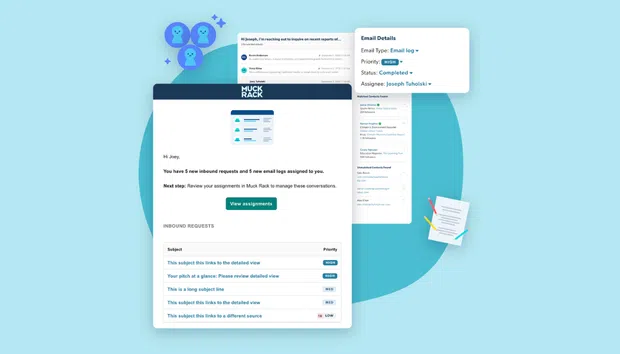
If your organization’s core function is media relations rather than social sentiment, Muck Rack remains the gold standard. It focuses on the human element of PR—maintaining relationships with journalists and managing outreach.
- Best for: PR agencies and internal communications teams focused on earned media.
- Key Advantage: Exceptional journalist database and pitching infrastructure.
Cision: The Enterprise Standard
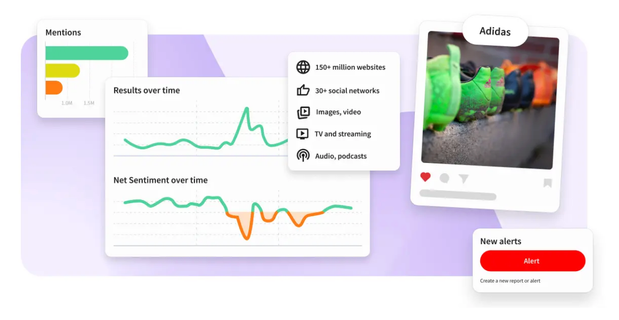
Cision remains a formidable player for large-scale communications and newswire distribution. Its deep integration with traditional media makes it the go-to for global corporations that require extensive reporting on press coverage and global sentiment.
- Best for: Large, traditional PR departments with global distribution needs.
- Key Advantage: Unrivaled access to media databases and distribution networks.
Brandwatch: The Researcher’s Choice
For brands where consumer psychology and deep audience insights are paramount, Brandwatch offers unparalleled depth. It is built for researchers who need to dissect complex conversational patterns and audience demographics.
- Best for: Data-heavy marketing teams and consumer insight researchers.
- Key Advantage: Advanced AI-driven analytics that go beyond surface-level mentions.
Agorapulse and Brand24: The Lean Alternatives
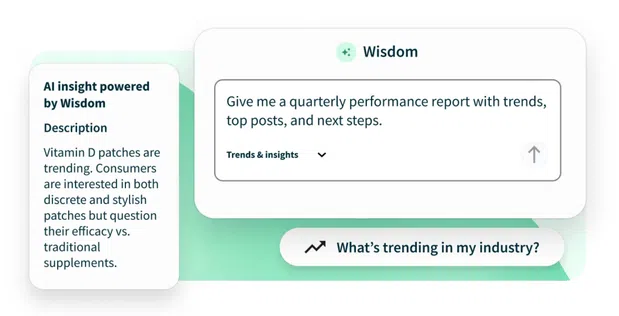
For smaller teams or those on a budget, Agorapulse and Brand24 offer "light" versions of the features found in larger suites. They are designed for high-efficiency, day-to-day monitoring without the overhead of massive enterprise systems.
- Best for: Small to mid-sized businesses looking for straightforward, reliable brand monitoring.
Comparative Matrix: Navigating Choices
| Tool | Best For | Listening Depth | Publishing Included |
|---|---|---|---|
| Hootsuite | Social Intelligence & Management | High (150M+ sources) | Yes |
| Muck Rack | Media Relationships/Outreach | High (PR-focused) | No |
| Cision | Enterprise PR/Distribution | High | Via CisionOne |
| Brandwatch | Consumer Research | High (Deep) | Yes |
| Agorapulse | Lean Social Management | Moderate | Yes |
| Brand24 | Budget-Conscious Monitoring | Moderate | No |
Implications of Switching: A Strategic Roadmap
Transitioning to a new platform is not just a technical change; it is a cultural and operational one. To ensure a successful migration, follow these four pillars:
1. Audit Current Usage
Before canceling any contracts, conduct a three-month audit. Which features are actually used? Which dashboards are viewed? This data will provide the requirements for your next vendor.
2. Prioritize Integration
Evaluate your current stack (CRM, project management tools, internal communication apps). The new platform should not exist in a vacuum; it must integrate with your existing CRM or workflow tools to avoid data silos.
3. Training and Change Management
The most sophisticated tool will fail if the team isn’t trained to use it. Allocate time for a "transition phase" where the team runs the new platform in parallel with the old one for 30 days. This allows for troubleshooting and ensures no data is lost during the switch.
4. Focus on Actionability
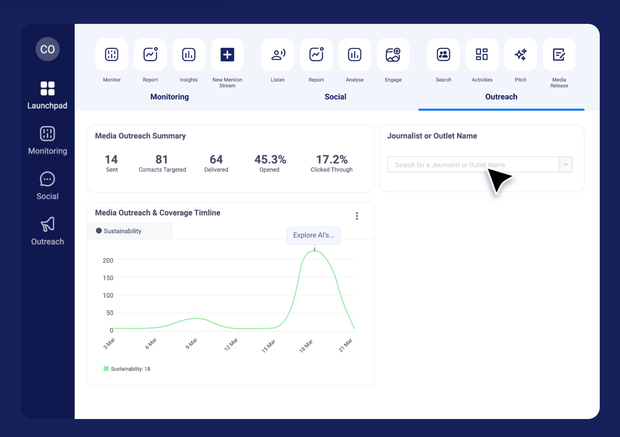
The final metric of success is whether the new platform makes your team faster. If you find that the new tool reduces the time from "discovery of a trend" to "published content" by even 20%, you have successfully improved your operational efficiency.
Conclusion
The market for media intelligence in 2026 is no longer a "one-size-fits-all" environment. Whether your team requires the deep analytical power of Brandwatch, the PR-centric utility of Muck Rack, or the integrated social-first workflow of Hootsuite, there is a path forward that aligns with your specific objectives.
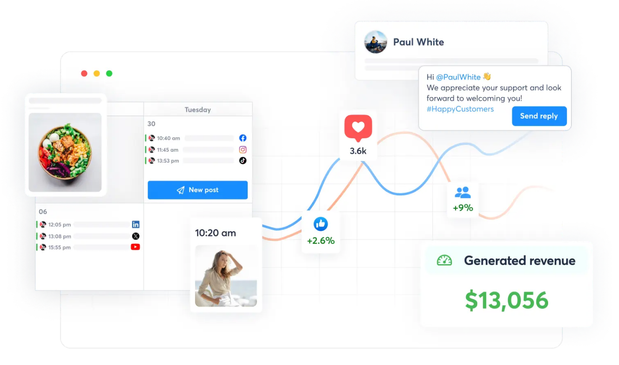
The goal is to stop serving the platform and start ensuring the platform serves your team. By moving toward tools that prioritize usability, integration, and actionable data, your organization can pivot from merely "watching" the media landscape to actively shaping your brand’s narrative in real-time.
