
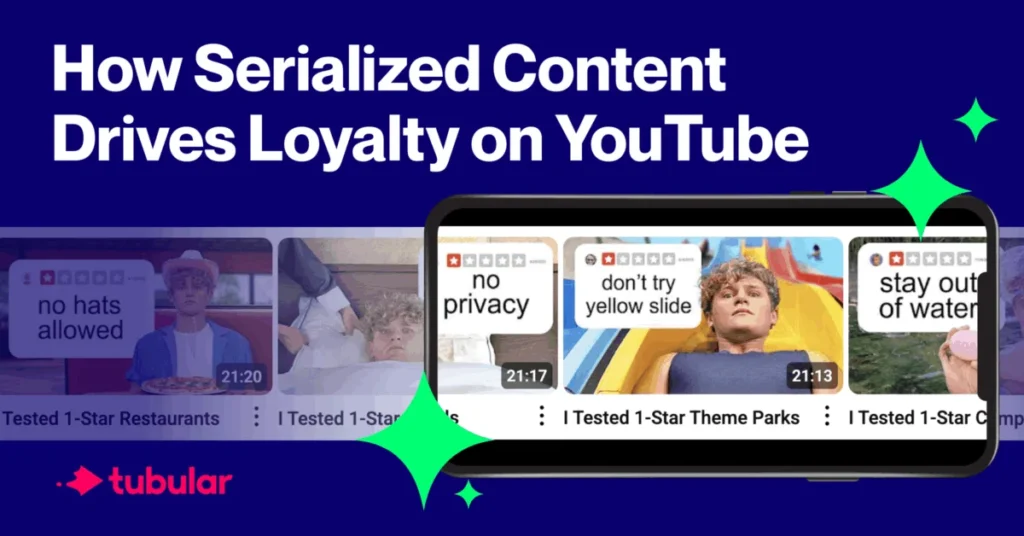
The Streaming Renaissance: How YouTube’s Shift Toward Serialized TV Formats Is Redefining Digital Entertainment
As internet-connected televisions continue to dominate living rooms across the globe, the architecture of digital video consumption is undergoing a seismic transformation. YouTube is no longer just a platform for viral clips, lo-fi vlogs, and quick tutorials; it has evolved into the premier destination for living room entertainment. Consequently, the content hosted on the platform is rapidly adapting, mirroring the sophisticated formats of traditional television—most notably through serialized episodes designed to drive regular, repeated tune-ins.
While there is no single, guaranteed formula for launching a successful serialized format, top-tier creators, innovative legacy brands, and major digital publishers are cracking the code. By observing how industry leaders structure their narratives, extend their runtimes, and cultivate dedicated fan bases, digital creators can glean invaluable lessons for building sustainable, long-form viewership.
Main Facts: The Great Migration to the Living Room Screen
The shift of YouTube consumption from mobile devices and desktop monitors to living room television sets has fundamentally altered what succeeds on the platform. Viewers sitting on a couch are increasingly looking for a lean-back experience akin to cable or premium streaming services like Netflix, HBO, or Hulu.
This behavioral shift has elevated serialized content—videos that are released in structured chapters, seasons, or daily installments—to the forefront of digital strategy. Creators are discovering that episodic storytelling not only increases average view duration but also builds deep psychological loyalty among audiences.
The strategy has manifested across the entire digital ecosystem:
- Independent Creators: Utilizing high-concept, high-stakes challenges that play out over weeks or months, transforming individual channels into personal networks.
- Corporate Brands: Developing full-fledged reality competition shows that organically integrate product ecosystems while delivering native entertainment that rivals traditional cable programming.
- Legacy Publishers: Reimagining historical digital intellectual property (IP), transforming short-form lifestyle videos into gritty, cinematic docuseries tailored for longer viewing sessions and mid-roll ad monetization.
Chronology: The Evolution of the YouTube Series
To understand how YouTube arrived at this serialized renaissance, it is helpful to look at the chronological progression of platform content standards over the past decade.
Phase 1: The Short-Form Wild West (2010s)
For years, YouTube was dominated by standalone videos ranging from 3 to 10 minutes. Algorithms prioritized click-through rates and high upload frequencies. Creators churned out daily or weekly disconnected content, optimizing primarily for desktop and mobile feeds where attention spans were notoriously fleeting.
Phase 2: The Algorithm Learns Long-Form (2018–2021)
As YouTube’s recommendation engine evolved, the platform began rewarding watch time over sheer view counts. Creators responded by expanding their runtimes. Vlogs grew longer, documentary-style deep dives emerged, and creators began grouping related videos into playlists to maximize session duration.
Phase 3: The Living Room Takeover and the Rise of Serialization (2022–Present)
The mass adoption of smart TVs transformed YouTube into a primary television provider. Advertisers, creators, and brands realized that living room viewers behave differently than mobile users—they are willing to commit 20, 30, or even 60 minutes to a single viewing session. This realization sparked the modern era of serialized, TV-grade digital programming.
Supporting Data: Case Studies in Serialized Success
The success of the serialized approach is best demonstrated by looking at three distinct entities dominating the YouTube landscape: independent mega-creator Ryan Trahan, corporate giant State Farm, and digital media pioneer Vice Media.
1. Ryan Trahan: 50 States in 50 Days
In mid-2025, independent creator Ryan Trahan shattered his previous metrics by deploying a classic content concept with a modern serialized twist: the ultimate road trip. Titled 50 States in 50 Days, the daily endeavor chronicled Trahan’s journey across the entire United States.
- The Format: Departing from standard standalone vlogs, the series relied on a rigorous daily release schedule, longer runtimes (averaging 20 to 25 minutes per episode), and seamless playlist functionality.
- The Production Value: The series successfully blended the intimate, peer-to-peer perspective of a native YouTube creator with the structured pacing of a Travel Channel television program.
- The Numbers: The kickoff video, shot in Texas, amassed an astounding 11 million views. More importantly, the daily release cadence drove Trahan’s U.S. watch-time up by an incredible 120% month-over-month in June, hitting 569.8 million minutes watched. This placed Trahan at No. 24 among all U.S. YouTube accounts—outpacing numerous traditional TV networks and mainstream news organizations.
2. State Farm: Gamerhood (Season 4)
While independent creators like Trahan prove the viability of personal endurance formats, major brands are also mastering the serialized YouTube model. State Farm launched Gamerhood in 2022, a gaming-themed reality competition show. Four seasons later, the franchise is thriving, with its Season 4 premiere on August 1 drawing 152,000 live and immediate viewers on YouTube.
- The Strategy: For a legacy insurance brand, creating endemic entertainment that targets a specific demographic—in this case, gamers—is notoriously difficult. State Farm bypassed traditional advertising resistance by leaning into a familiar reality competition format.
- The Engagement: By embedding subtle insurance tropes within an engaging gaming narrative, State Farm successfully locked viewers into two-hour marathon viewing sessions.
- The Metrics: The brand consistently pulls over 5 million minutes watched per month on YouTube, largely driven by the sustained momentum of Gamerhood episodes.
3. Vice Media: The Naked Truths Revival
Legacy digital publishers are also pivoting. Vice Media recently revived Naked Truths, a former Refinery29 hit that originally featured successful women discussing self-confidence while removing their makeup.
- The Transformation: The original iteration featured bite-sized, short-form clips ranging from 1 to 5 minutes. The new iteration discards the short-form approach, transforming into a high-production-value docuseries with episodes running 15 minutes or longer.
- The Focus: The revamped series takes a raw, unfiltered dive into hidden, idiosyncratic corners of modern culture, such as profiling "findom" (financial dominance) streamers in the U.K.
- The Business Model: By expanding episode lengths, Vice has unlocked the ability to integrate mid-roll ad breaks. This creates a viable, self-sustaining monetization strategy without requiring traditional linear television syndication or massive upfront investments from third-party streaming platforms. In its first two episodes, the revived series easily cleared over 65,000 views per upload.
Official Responses and Industry Perspectives
Digital media analysts and platform strategists agree that serialization represents a permanent shift in how content is produced and consumed.
Industry data consistently highlights that audience retention on connected TVs spikes significantly when videos cross the 15-minute threshold and belong to a clearly defined narrative arc. According to platform researchers, creators who design their content libraries with "bingeability" in mind—utilizing distinct season arcs, episodic numbering, and intuitive playlist structuring—experience lower bounce rates and significantly higher subscriber conversion rates.
Marketing executives have similarly noted that audiences are developing an acute fatigue toward purely algorithmic, standalone content designed solely for the TikTok or YouTube Shorts scroll. When given the choice on a large living room screen, consumers increasingly opt for immersive, narrative-driven experiences that respect their time and provide a beginning, middle, and end to an individual viewing session.
Implications: What Creators and Publishers Can Learn
The rapid pivot toward television-style serialization on YouTube carries profound implications for the future of digital media. As the platform cements its status as a primary living room entertainment hub, the rules of engagement are changing.
Key Takeaways for Content Producers:
- Think in Seasons, Not Singles: Creators must move away from the mindset of treating every video as a standalone lottery ticket. Designing content around thematic arcs, challenges, or docuseries encourages viewers to return day after day.
- Optimize for the Living Room: With a substantial portion of watch-time now occurring on smart TVs, creators should embrace longer runtimes (15 to 30+ minutes) and higher production values that reward the "lean-back" viewer experience.
- Leverage Structured Playlists: Serialization only works if viewers can easily find the next installment. Meticulously organized playlists and clear episode titling are critical tools for driving session duration and algorithmic promotion.
- Unlock Sustainable Monetization: Longer, serialized formats naturally accommodate mid-roll advertisements, opening up reliable revenue streams that reduce dependency on erratic brand sponsorships or volatile short-form algorithmic payouts.
Ultimately, the creators, brands, and publishers who thrive in the next era of digital video will be those who master the art of the series. By blending the authenticity of digital-first creators with the narrative discipline of traditional television, the modern digital screen is entering its golden age.
