
Google Launches "The Non-Canonical Cabinet": A Deep Dive Into Technical SEO’s Weirdest Edge Cases
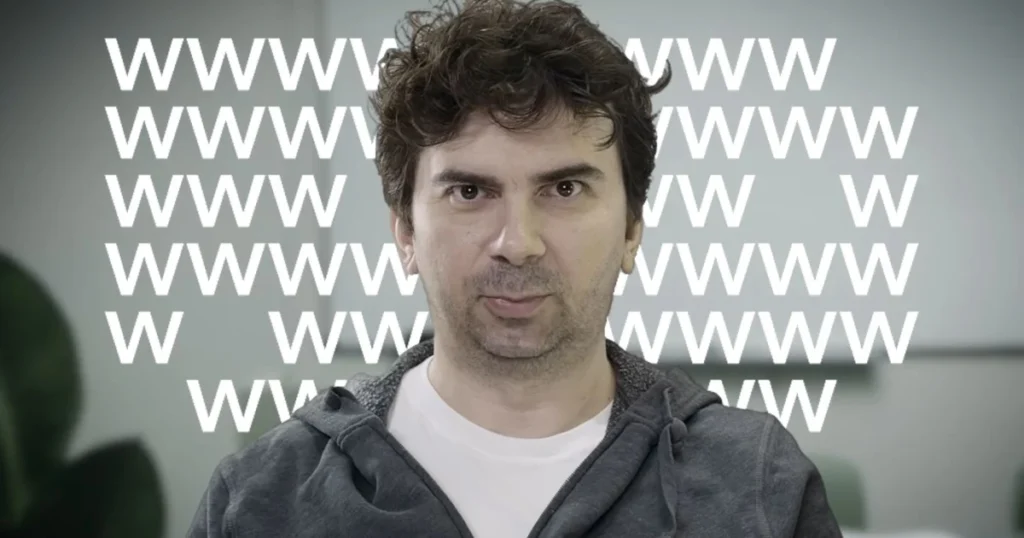
Google has officially rolled out a brand-new, sitcom-style comedy series on its Search Central YouTube channel titled “The Non-Canonical Cabinet.” Hosted by Google search veterans Gary Illyes and Cherry Prommawin, the series is specifically designed to unpack obscure, niche, and highly debated technical SEO questions that rarely make it onto standard FAQ pages or basic documentation.
While Google has historically released comprehensive, straightforward educational content—such as the five-part How Search Works series hosted by Illyes in 2024—The Non-Canonical Cabinet takes a sharply different creative and informational tack. Instead of walking viewers through the linear mechanics of crawling, indexing, and serving, this new series leans into humor to tackle complex edge cases driven directly by website owners and SEO professionals.
Main Facts: What is "The Non-Canonical Cabinet"?
The premise of the show is simple yet timely: addressing the strange, highly specific technical challenges that modern webmasters face. According to Google’s official descriptions, the series answers questions that do not belong on a standard FAQ page but remain remarkably useful for search engines and generative AI features alike.
- The Hosts: Gary Illyes and Cherry Prommawin lead the comedic, lighthearted discussions.
- The Launch Timeline: Google dropped a teaser trailer on October 6, followed quickly by the premiere of the first full-length episode on October 14.
- Core Topics of Episode 1: The debut episode dives deep into URL structures, evaluating whether emojis can live in domain names versus URL paths, how Internationalized Domain Names (IDNs) are handled, the true impact of keywords in URLs on search rankings, and the ongoing debate over hyphens versus underscores.
- Interactive Element: Google has encouraged the SEO community to submit their own quirky, edge-case technical queries in the YouTube comment sections, using viewer curiosity to shape future episodes.
Chronology: From Teaser to Technical Deep Dive
The rollout of The Non-Canonical Cabinet followed a short, punchy promotional window designed to build anticipation across the digital marketing industry.
- October 6: Google publishes the official teaser trailer on the Google Search Central YouTube channel. The trailer establishes the comedic, sitcom-inspired tone of the show and issues an open call for edge-case questions from the web development and SEO communities.
- October 14: Google releases the first official episode. Spanning several technical nuances, the premiere immediately tackles domain restrictions, Internationalized Domain Names, emoji usage in URLs, and keyword signaling.
- Post-Launch & Future Outlook: Following the premiere, Google confirmed that subsequent episodes will tackle equally granular technical subjects, starting with a deep dive into
robots.txtconfiguration. While Google has not committed to a rigid publication schedule, the tight eight-day window between the teaser and the first episode has signaled an active rollout.
Supporting Data: Rules, Restrictions, and Realities of URLs
To truly understand the value of the first episode, it is necessary to look at the underlying internet standards governing domains and URL paths, as well as how Googlebot processes them.
Domains vs. URL Paths: A Tale of Two Standards
A major portion of the premiere was dedicated to clarifying the fundamental differences between how domain names and URL paths are regulated.
- Domain Name Restrictions: Domain names are governed by strict international standards established by organizations like ICANN and the Internet Engineering Task Force (IETF), specifically through technical guidelines such as RFC 1035 and RFC 1123. These standards dictate that standard domain names may only contain letters (A-Z), numbers (0-9), and hyphens (-).
- Internationalized Domain Names (IDNs): To accommodate non-Roman scripts—such as Chinese, Arabic, and Cyrillic—IDNs utilize Punycode. Initiated by the string
xn--, Punycode translates native scripts into an ASCII-compatible format. While web browsers natively render these characters in their local scripts, Illyes noted a potential UX and security pitfall: some international characters look nearly identical to English characters (such as certain Cyrillic letters mimicking the Latin letter "p"), which can occasionally confuse users and browsers alike. - The Emoji Debate: Can you use emojis in a domain name? According to a 2017 ICANN Board Resolution, emojis are explicitly disallowed by current technical standards for internationalized domain names (though they may still be registered at the second level in certain specific country-code top-level domains, or ccTLDs).
- URL Path Flexibility: Unlike domain names, URL paths operate under significantly fewer restrictions. Illyes confirmed that Googlebot will readily crawl a path containing an emoji, and Google’s systems will actively process it. Browsers automatically percent-encode these characters; for instance, a chicken emoji in a URL path is translated into
%F0%9F%90%94. However, Illyes issued a practical warning: not all browsers or social media apps render emojis properly in URL bars, sometimes substituting them with a string of technical gibberish. Google’s official URL structure documentation already supports this stance, recommending percent-encoding for non-ASCII characters and even showcasing emojis in its developer examples.
The Myth of Keywords in URLs
SEO professionals have long debated the exact weighting of keywords placed inside a URL string. Illyes addressed this directly in the episode, categorizing keywords in URLs as “an incredibly small signal.”
"It really only matters when we have absolutely nothing else to go on," Illyes explained, pointing to a hypothetical website that is merely seconds old and completely devoid of content.
Once Google successfully crawls and parses actual on-page content, keywords embedded within the domain and URL path become “basically irrelevant.”
This stance aligns neatly with historical statements from other Google Search Advocates. In 2016, John Mueller labeled URL keywords a “very small ranking factor,” reiterating in 2021 that they constitute a “very, very lightweight factor.”
Hyphens vs. Underscores: The Word Separator Debate
Another classic technical SEO debate revisited in the episode is the choice of word separators within URL paths.
- Underscores (
_): Illyes revealed that Google treats words joined by underscores as one single, long word. While this isn’t catastrophic—Google’s natural language processing may still extract the individual concepts—it is far from ideal. - Hyphens (
-): Google explicitly recommends hyphens as the standard word separator across the web. This recommendation is rooted in historical computing reasons, as underscores have traditionally been utilized in programming languages to denote concepts meant to remain bound together (such as function names).
Official Responses and Industry Context
The launch of The Non-Canonical Cabinet bridges a vital gap between rigid developer documentation and the creative, sometimes misguided tactics deployed by modern marketers.
For years, SEOs have spent countless hours debating edge cases on forums, X (formerly Twitter), and Reddit, often hunting for definitive answers from Google representatives. By formalizing these answers into a comedic, official video series, Google is providing an authoritative source of truth.
However, much of the advice regarding URL paths is entirely redundant when measured against existing developer documentation. Websites that already adhere to Google’s published guidelines on URL structure will find that they do not need to alter a single line of code or change their site architecture.
Where the series provides genuine value, however, is in its pushback against outdated SEO myths. Illyes’ blunt assessment of keyword-stuffed URLs serves as a direct message to clients and agencies obsessed with artificially boosting keyword density in their link structures. The episode’s concluding recap delivers a clear warning: stop trying to game search results by packing bloated strings of keywords into your URLs.
Implications for SEO Professionals and Webmasters
For digital marketers, site owners, and technical SEOs, The Non-Canonical Cabinet offers several strategic takeaways:
- Re-evaluating Optimization Priorities: Stop wasting time and engineering resources trying to optimize URL strings for high keyword density. Google’s internal algorithms rely heavily on actual on-page content, context, and link profiles, rendering URL keywords negligible almost immediately after indexing.
- Adhering to Best Practices: Continue utilizing hyphens instead of underscores in URL paths to ensure optimal word segmentation and natural language processing by crawlers.
- Caution with Emojis and International Characters: While URL paths technically support emojis and non-ASCII characters via percent-encoding, webmasters should weigh the potential for broken user experiences, messy social media sharing previews, and browser rendering inconsistencies before implementing them widely.
- An Open Line to Google: Because Google has explicitly invited the SEO community to submit their most baffling edge-case questions via the comments section, professionals now have a direct pipeline to shape the curriculum of upcoming episodes.
As Google prepares to pivot its next episode toward the complexities of robots.txt configuration, The Non-Canonical Cabinet is shaping up to be an invaluable, entertaining, and much-needed addition to the technical SEO resource ecosystem.
