
The Death of "Traffic for Old Rope": Why SEO Is No Longer Enough (And Why That’s Good for the Web)
For the better part of the last 15 years, Search Engine Optimization (SEO) reigned supreme as the undisputed heavyweight champion of profitable digital marketing channels. We can debate the quirks, metrics, and blind spots of last-click attribution until the cows come home, but the reality remained stark: SEO was the money channel—the one executives leapt at without hesitation.
Those days are gone. The era of "traffic for old rope"—effortless, volume-driven organic growth built on keyword-stuffed articles—has officially closed. As audience journeys splinter across social media, video platforms, and AI-driven answer engines, the absolute shine has worn off traditional search. Yet, amidst profound industry anxiety, a sobering consensus is emerging: SEO isn’t dying; it is merely growing up.
Main Facts: The Structural Shifts in Modern Search
The digital landscape of the mid-2020s is fundamentally different from the web of the 2010s. Google still processes over five trillion searches per year, acting as the world’s largest active discovery engine. According to clickstream data, the vast majority of user journeys—even those heavily influenced by AI—touch Google at some stage, particularly when consumers are close to the point of purchase.

However, the nature of visibility has shifted dramatically:
- The AI Slop Deluge: Pew Research Center data from mid-2026 indicates that signs of AI authorship can now be found on over one-third of web pages published since the release of ChatGPT.
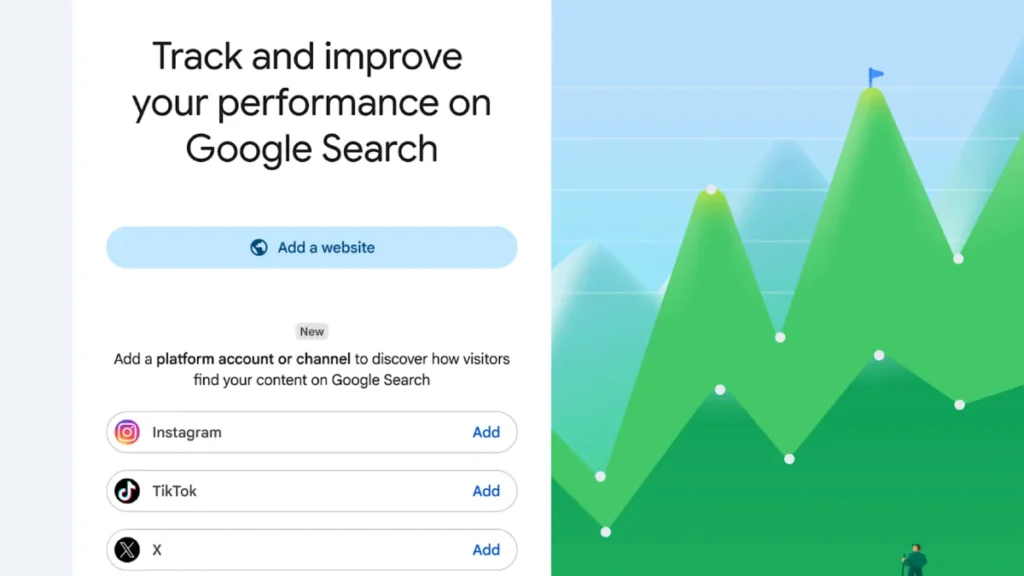
- The Rise of Social and Creator Proof: Google Search Console now actively indexes social media performance, highlighting how deeply intertwined search visibility has become with multi-platform brand presence.
- The Zero-Click Reality: Data from iPullRank shows that over 52% of searches by younger demographics (ages 18–24) end without a click, reinforcing that search is increasingly a transaction of immediate answers rather than a gateway to publisher sites.
The modern internet is drowning in low-effort content, forcing search engines to aggressively pivot away from purely transactional, keyword-optimized pages toward platforms backed by real trust, brand authority, and multi-channel engagement.
Chronology: How Google Redrew the Rules
The transition from keyword manipulation to brand authenticity did not happen overnight. It was driven by a calculated series of algorithmic rollouts that systematically dismantled the old SEO playbook.

1. The Helpful Content Update (HCU) Era
Beginning with the rollout of the Helpful Content Update (HCU) in late 2023, Google targeted content created primarily for search engines rather than humans. While large media brands proved resilient, many independent, highly specialized niche sites saw catastrophic traffic losses. For instance, independent air-quality review site HouseFresh watched its search traffic plummet by over 90% between September 2023 and early 2024, as spammed Reddit threads and legacy forum posts momentarily outranked meticulously tested product reviews. Retro Dodo similarly suffered an 85% organic traffic drop.
Simultaneously, Reddit’s search visibility surged by nearly 190% following high-profile data-licensing partnerships with Google. To critics, it appeared Google was favoring massive platforms and user-generated opinion over specialized expertise. Yet, by forcing publishers to look beyond search, the HCU catalyzed a wave of necessary audience diversification. HouseFresh, for example, aggressively built out a YouTube channel nearing 30,000 subscribers, a strategic move that paradoxically coincided with a robust recovery in its search visibility.
2. The Site Reputation Abuse Crackdown
While the HCU relied on algorithmic adjustments to flatten niche domains, Google pivoted to a more targeted manual action approach with the Site Reputation Abuse update. Rather than applying broad site-wide penalties, search engineers targeted specific subfolders—frequently exploited by legacy publishers to host third-party voucher codes, sweepstakes, and betting comparisons. While this precision allowed major brands to retain core authority, it fundamentally altered the search engine results pages (SERPs), forcing the industry to reckon with the blurred lines between editorial integrity and commercial monetization.

Supporting Data: The Anatomy of Modern Discovery
Understanding the current state of search requires looking closely at shifting user behavior across age demographics and intent categories:
- The Generational Divide: Data highlights stark differences in how cohorts consume information. While 48% of 18-to-24-year-olds prefer video (32%) or audio (16%) over reading, the inverse remains true for audiences over 55.
- Zero-Click Metrics: Research indicates that only 14% of Google clicks are purely navigational. Out of trillions of annual searches, the vast majority represent active discovery opportunities—if a brand can capture attention before or outside the traditional blue link.
- The Trust Deficit: Younger consumers exhibit lower brand loyalty in traditional transactional environments. They turn to social channels and creator-led platforms because people trust people, not faceless corporations.
[Traditional Search Lifecycle]
   │
   ├─► Discovery (Google / AI Overviews / Social Discovery)
   ├─► Validation (Multi-Platform E-E-A-T & Social Proof)
   ├─► Transaction (Point of Purchase / Zero-Click Answer)
   └─► Retention (Loyalty Ecosystems / Direct Community)
Google’s own product updates reflect this reality. By integrating X (formerly Twitter), Instagram, and YouTube Shorts directly into Google Discover feeds, the tech giant is actively building an ecosystem that rewards creators and real human voices over sterile, ad-heavy publishing shells.
Official Responses and Industry Reactions
Search engine leadership has made it clear that the web must evolve past dry, transactional content. Google’s ongoing push toward loyalty ecosystems and creator integration is designed to combat a web increasingly saturated by low-quality synthetic media.

Industry veterans argue that this reckoning, though painful, is a net positive for the digital ecosystem. For years, performance SEO allowed companies to siphon traffic without investing in brand equity, quality control, or genuine audience relationships. By tightening spam policies, prioritizing multimodal content (video and audio), and heavily factoring social proof into its ranking algorithms, Google is forcing marketers to behave like actual marketers rather than algorithm whisperers.
Independent publishers who survived the algorithmic turbulence echo this sentiment. The consensus among digital strategists is clear: relying entirely on search engine algorithms for survival is a business risk no modern enterprise should tolerate.
Strategic Implications: What Marketers Must Do Now
If SEO is no longer enough to sustain a brand, what comes next? Adapting to the post-keyword era requires a fundamental realignment of marketing disciplines across four core pillars:

1. Measure Incremental Uplift, Not Just Last-Click Attribution
Last-click attribution has always flattered SEO, stealing credit from top-of-funnel and mid-funnel brand efforts. Because modern user journeys cross dozens of touchpoints, marketers must track incremental uplift—analyzing how specific campaigns shift overall audience engagement, conversion rates, and brand velocity over weeks and months rather than minutes.
2. Treat Publishing as the Start of the Lifecycle
The days of publishing an article and letting Google do the heavy lifting are over. Marketers must embrace proactive distribution systems. Adopting frameworks like the "Golden Hour" rule—which forces teams to plan distribution and amplification channels before hitting publish—ensures content has an immediate life outside the homepage and the search box.
3. Build Platforms, Not Just Pages
To succeed in search today, you need a brand footprint that exists independently of Google. Robust direct and branded traffic, strong third-party mentions, and active engagement metrics serve as the modern proxies for E-E-A-T (Experience, Expertise, Authoritativeness, and Trustworthiness). If people are talking about you off-site, Google will eventually notice on-site.

4. Bridge the Gap Between Brands and Creators
Because younger audiences place their trust in individuals rather than institutions, brands must learn to collaborate with creators. Leveraging creator-led video content and multi-modal storytelling is no longer an optional "nice-to-have"—it is essential for breaking through the noise of AI-generated web clutter.
Conclusion: The Evolution of Search Marketing
SEO is not dead, but the narrow-minded technician who relies solely on keyword density and technical metadata is being phased out. Surviving and thriving in the current digital ecosystem requires a broader skill set: data analysis, visual storytelling, video production, and, above all, a deep understanding of human psychology.
By shifting focus away from cheap traffic acquisition and toward genuine audience loyalty, multi-channel distribution, and trusted brand building, marketers can reclaim control of their growth—turning search from a fragile crutch into a powerful component of a resilient, modern business.
