
The Loyalty Paradox: Mastering Brand Connection in a Hyper-Competitive 2026
In an era where a competitor’s product is perpetually just one click away, the traditional concept of "brand loyalty" is undergoing a seismic shift. As we move through 2026, the marketplace has become increasingly fluid; consumer attention is fragmented, and price sensitivity is at an all-time high. For businesses, the challenge is no longer just attracting customers, but anchoring them in a relationship that transcends transactional convenience.
The New Definition of Brand Loyalty
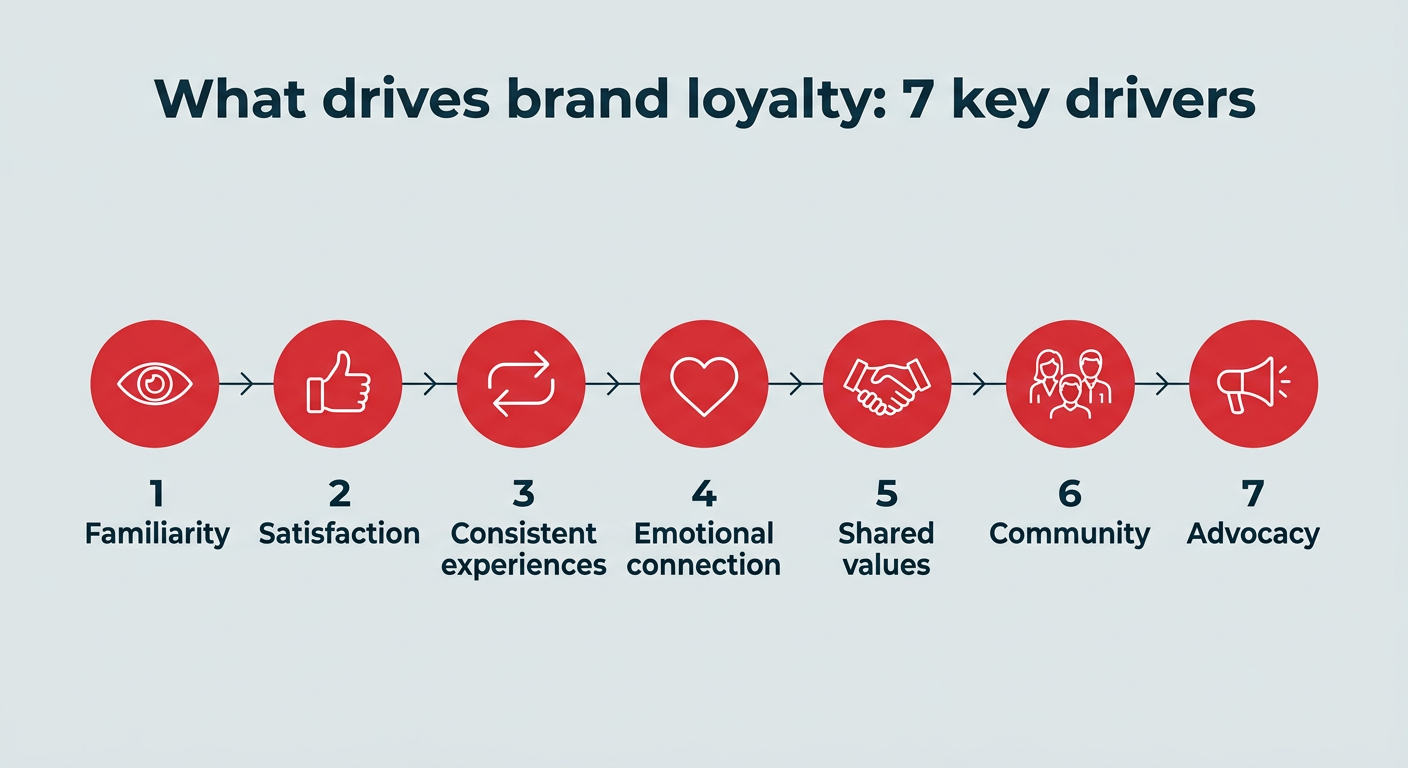
Brand loyalty is frequently misunderstood as a simple byproduct of habit. However, at its core, it is an emotional and identity-driven connection. While a habitual buyer might purchase a product because it is the most convenient option on the shelf, a loyal customer chooses a brand because it reflects their values, enhances their self-image, and provides an assurance of quality that they trust implicitly.

Distinguishing between brand loyalty and customer loyalty is critical for modern strategy. Customer loyalty is often fragile, built on the shifting sands of discounts, loyalty points, and temporary promotions. It is transactional. If a competitor offers a lower price, the customer leaves. Brand loyalty, conversely, is resilient. It is the force that sees customers lining up for a new product launch or standing by a company during a crisis. It is an emotional contract that is immune to the fleeting allure of a competitor’s coupon.
Chronology of the Loyalty Evolution
The understanding of brand equity has evolved significantly since David Aaker introduced the "Brand Loyalty Pyramid" in the 1990s.

- The Era of Awareness (1990s-2000s): Loyalty was largely dictated by market dominance and broadcast-heavy advertising.
- The Digital Transition (2010s): With the rise of e-commerce, the focus shifted toward rewards programs and transactional data.
- The Relationship Age (2020-2025): The focus moved toward community-building and social-first engagement.
- The AI-Driven Future (2026 and beyond): Today, we are in a phase where predictive AI allows brands to anticipate customer needs before they are even articulated, shifting the paradigm from reactive service to proactive relationship management.
Supporting Data: Why Retention Wins
The economics of brand loyalty are indisputable. Acquiring a new customer is significantly more expensive than retaining an existing one. Furthermore, loyal customers act as an organic growth engine. According to recent industry reports, word-of-mouth remains the most powerful discovery channel for U.S. consumers.
When a brand invests in loyalty, it effectively reduces its reliance on high-cost Customer Acquisition Cost (CAC) campaigns. Instead, it boosts the Customer Lifetime Value (CLV). Data shows that shared social content—the digital evolution of word-of-mouth—is responsible for spurring consideration behaviors in over 80% of consumers. By turning passive buyers into active advocates, brands lower their marketing overhead while simultaneously increasing the ROI of their social strategy.

The 7 Strategies for 2026
To thrive in 2026, businesses must move beyond generic outreach. The following seven strategies provide a roadmap for building enduring connections:
1. Deep-Dive Customer Understanding
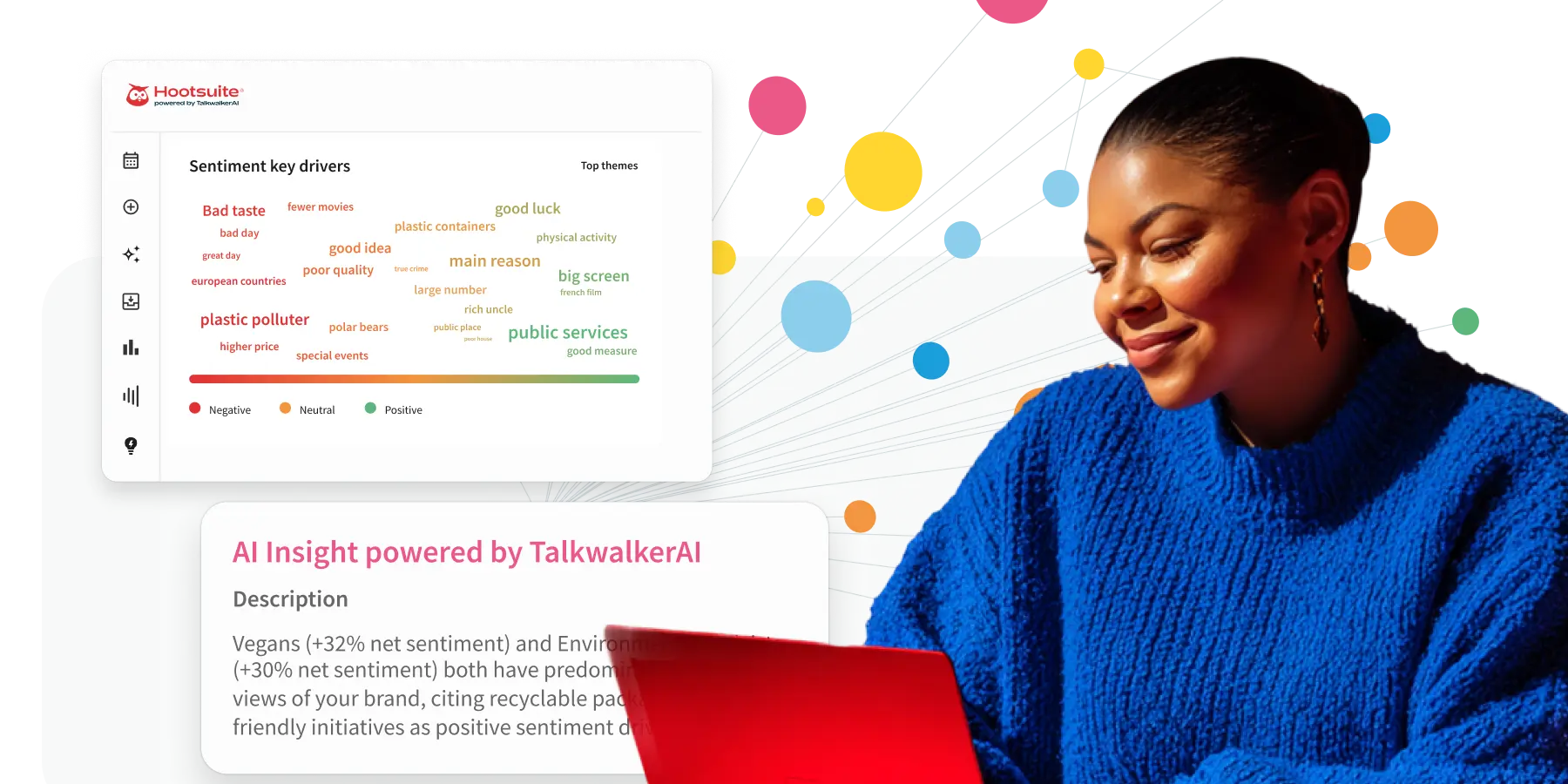
Data-driven empathy is essential. Utilizing advanced social analytics, brands can move beyond basic demographics to understand the "why" behind the "what." By pairing performance data with social listening tools—such as the insights generated by Hootsuite’s Lumen—brands can tap into unprompted conversations to discover frustrations or emerging trends before they reach the mainstream.

2. The Power of User-Generated Content (UGC)
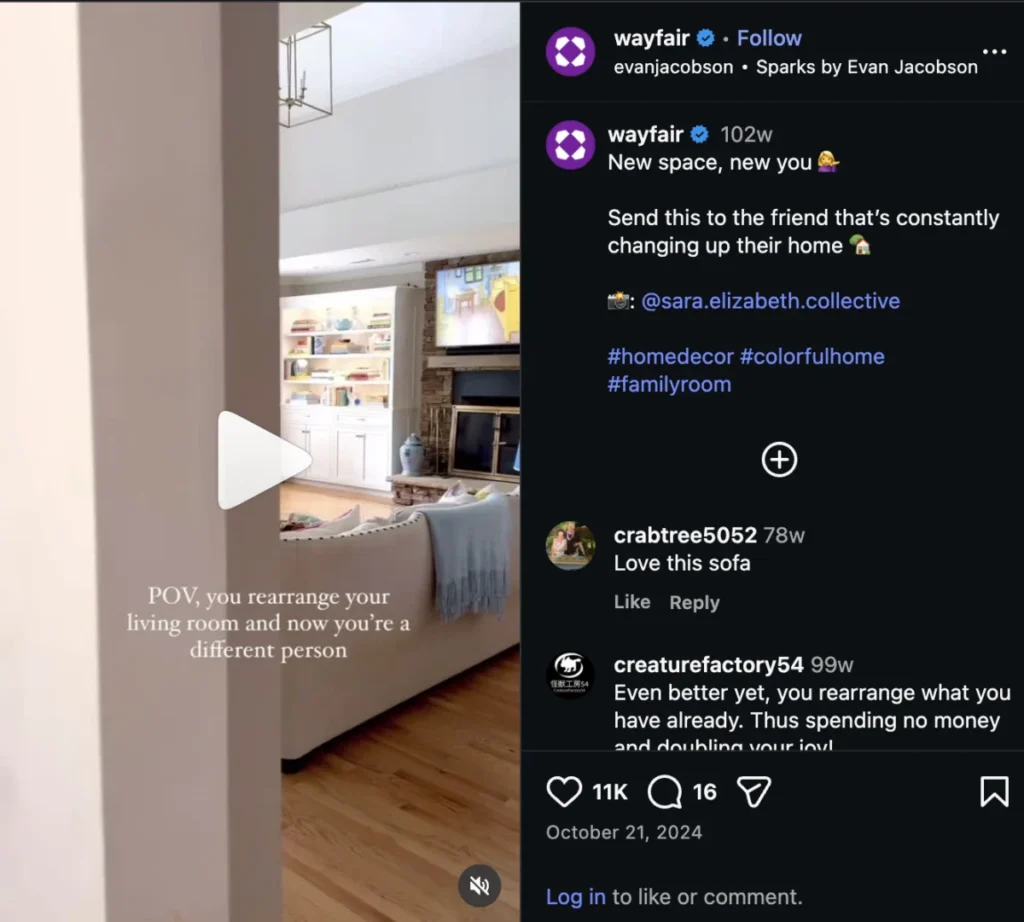
UGC is the modern currency of authenticity. Research consistently demonstrates that when brands share content created by their followers, they bridge the gap between "corporate entity" and "trusted partner." This transparency signals that the brand values its community, which is a prerequisite for reaching the top tier of the loyalty pyramid.
3. Hyper-Personalization
In 2026, personalization is not a luxury; it is a requirement. Gartner surveys indicate that personalized experiences can triple the likelihood of customer satisfaction at key journey points. Whether through targeted social advertising or segmented content streams, the goal is to make the customer feel seen. AI-powered tools are now capable of generating variations of content to suit different audience segments, though these must always be vetted by human strategists to ensure they maintain the brand’s unique voice.
4. Rewarding the Advocates
Once a customer reaches the stage of brand advocacy, the strategy must pivot. You are no longer selling to them; you are nurturing a partnership. This includes tiered loyalty programs and exclusive access. By identifying your top advocates via social listening and inviting them to collaborate—perhaps through affiliate programs or influencer partnerships—you turn your most ardent supporters into extensions of your marketing team.
5. Human-Centered Customer Care
The "Make-or-Break" moment for loyalty often happens in a DM or a comment section. Brands must empower their social teams to act as the primary point of contact for customer service. Because 53% of consumers view responsive, human-like interaction as a top priority, uniting social media management with CRM platforms (like Salesforce) ensures that no inquiry goes unanswered and every interaction is informed by the customer’s history.
6. Authenticity as a North Star
Trust is the most valuable asset in 2026. Posting "clickbait" or repetitive, inauthentic content is a rapid way to erode your base. Furthermore, brands must be hyper-vigilant regarding data privacy and value consistency. If a company takes a public stance, they must embody it internally; any perceived hypocrisy is a loyalty killer.
7. AI-Powered Anticipation
The most advanced brands use AI to move from reaction to prediction. By analyzing patterns across millions of conversations, brands can anticipate shifts in sentiment and adjust their offerings accordingly. Whether it is predicting a product-market gap or identifying a decline in sentiment, the goal is to resolve issues before they become public complaints.
Implications for the Future
The implications of this shift are profound. Brands that rely solely on price-driven loyalty will find themselves in a "race to the bottom" as competition continues to globalize. Conversely, those that invest in the "Four C’s"—Consistency, Communication, Community, and Care—will build a moat around their business.
Furthermore, generational differences are playing a larger role. Younger cohorts, such as Gen Z, are not "anti-loyalty"; they are simply more discerning. They demand transparency and social responsibility. They will switch brands the moment their values are no longer aligned, but they will remain fiercely loyal to those that stand for something meaningful.

Measuring Success
To track progress, businesses should utilize a combination of metrics:
- Net Promoter Score (NPS): Gauging the willingness to recommend.
- Customer Lifetime Value (CLV): Measuring the long-term financial impact of retention.
- Social Share of Voice: Benchmarking against competitors in the digital space.
- Sentiment Analysis: Tracking the emotional tone of brand mentions via AI-driven listening.
Conclusion
Building brand loyalty in 2026 requires a disciplined, multifaceted approach. It is not about the "big gesture" or the viral campaign; it is about the thousands of small, consistent, and authentic interactions that prove to your customers that you are worth their time, their trust, and their long-term commitment. As the market evolves, the brands that succeed will be those that treat loyalty not as a metric to be gamed, but as a relationship to be cultivated.
