

The Strategic Blueprint: How to Build a High-Performance Social Media Calendar in 2026
In the fast-paced digital ecosystem of 2026, the difference between a brand that resonates and one that fades into the noise is often found in the architecture of its planning. A social media calendar is no longer just a spreadsheet of dates; it is a sophisticated strategic tool that synchronizes creative output with business objectives. By transitioning from reactive posting to a proactive, data-backed publishing plan, organizations can transform their social presence into a predictable engine for growth.

The Evolution of the Social Media Calendar
A social media calendar serves as the central nervous system for your digital presence. It is a comprehensive, forward-looking roadmap that organizes every piece of content—from copy and hashtags to high-definition video assets—by platform and publication date.

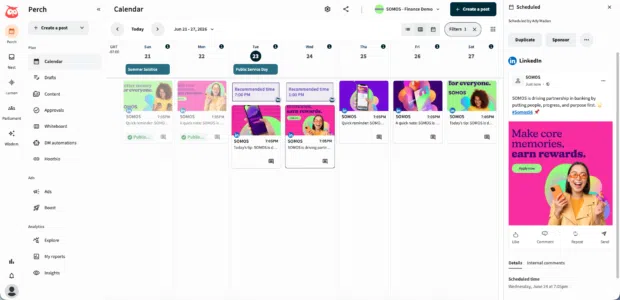
While the concept is simple, the execution requires discipline. At its core, the calendar bridges the gap between scattered ideas and cohesive, shared workflows. Whether managed through a collaborative spreadsheet, a dedicated project management tool like Wrike, or a comprehensive publishing suite like Perch by Hootsuite, the primary objective remains the same: to ensure consistency and maintain brand alignment across every channel.
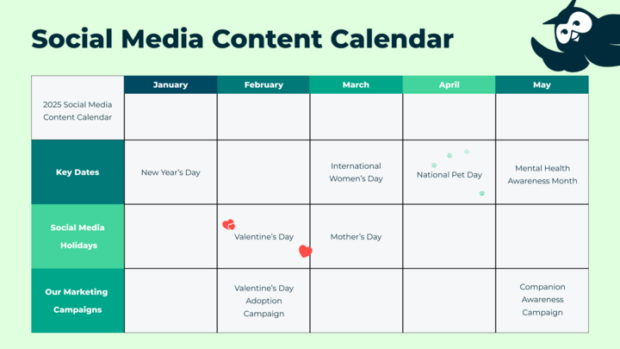
Social Media Calendar vs. Content Calendar: Distinguishing the Scope
A common point of confusion for marketing teams is the distinction between a social media calendar and a broader content calendar. Understanding this hierarchy is essential for operational efficiency:
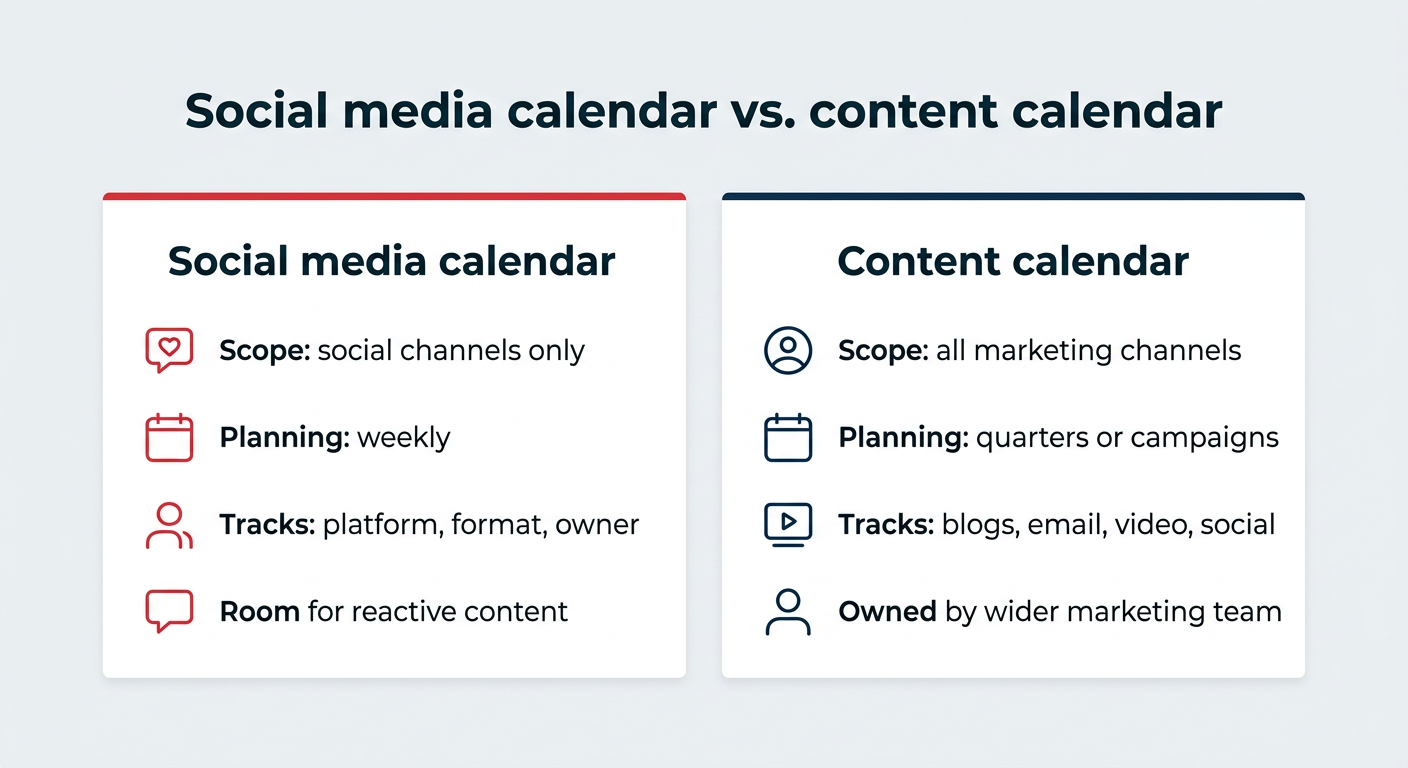
- The Content Calendar: This is the high-level bird’s-eye view. It encompasses the entire marketing funnel, including email campaigns, blog posts, landing pages, and long-form video. It is typically managed on a quarterly or campaign-specific basis, serving as the "north star" for the marketing department.
- The Social Media Calendar: This is a tactical, high-frequency instrument. It zooms in on specific platforms, tracking the day-to-day cadence of posts. Because social media is inherently reactive, this calendar requires a degree of fluidity that broader content plans often lack.
In high-performing organizations, these two systems function in tandem. The content calendar establishes the thematic pillars, while the social calendar executes the daily interactions that bring those themes to life.
Why Your Team Needs a Structured Calendar
If your team is currently operating in silos—jumping between different apps or scrambling to produce content hours before a deadline—you are losing significant efficiency. A structured calendar offers seven distinct operational advantages:
- Structural Organization: It provides a singular, bird’s-eye view, eliminating the need to toggle between disparate documents.
- Strategic Alignment: It ensures that every post serves a purpose, whether it is driving product awareness, fostering community engagement, or supporting a specific conversion goal.
- Gap Identification: By visualizing the week ahead, teams can easily spot gaps in content variety (e.g., an over-reliance on static images) or missing assets before they become a crisis.
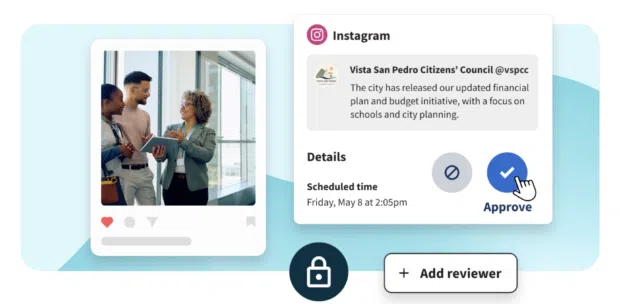
- Optimized Collaboration: With clearly defined roles for creators, designers, and approvers, communication bottlenecks are minimized.
- Focus on High-Impact Work: When the scheduling is automated and planned, teams reclaim time for creative strategy and audience interaction.
- Agile Flexibility: A plan is not a prison. A well-maintained calendar allows teams to pivot quickly when trends emerge, without disrupting the overall strategy.
- Simplified Reporting: A calendar that tracks campaign labels and content pillars serves as a historical record, making it significantly easier to extract actionable data for quarterly reviews.
The Anatomy of an Effective Calendar
What should actually live in your calendar? While a basic date and caption are standard, elite teams track data across three core categories:
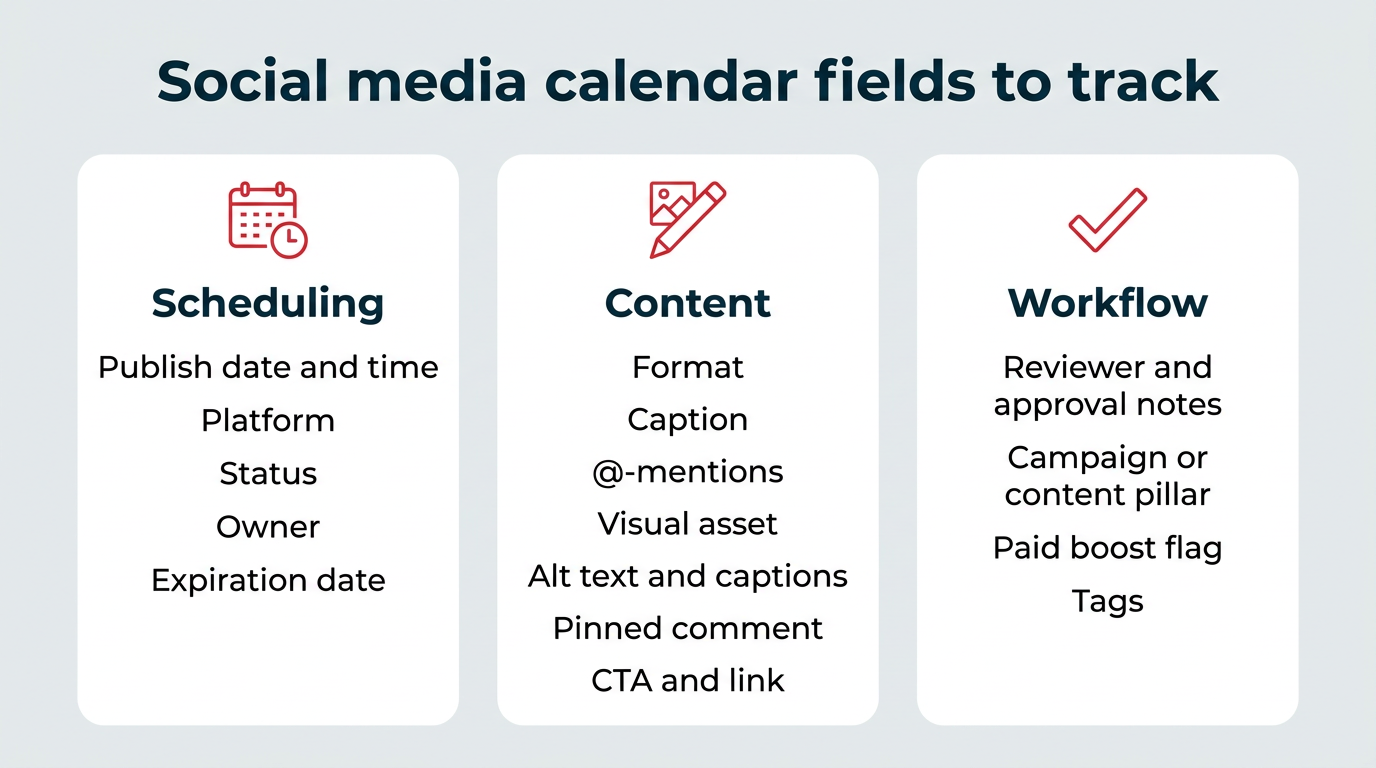
- Scheduling: Includes publication date/time, network, status, and owner. This ensures accountability.
- Content Details: Beyond the copy, this includes formatting, visual assets, alt-text for accessibility, @-mentions, and specific Calls to Action (CTAs).
- Workflow & Strategy: This is where the magic happens. By tracking campaign tags, approval notes, and whether a post is a "paid boost," teams can correlate performance directly to their strategic pillars.
Seven-Step Implementation Strategy
At Hootsuite, the process of building a calendar follows a proven, seven-step methodology designed to maximize engagement and minimize friction.
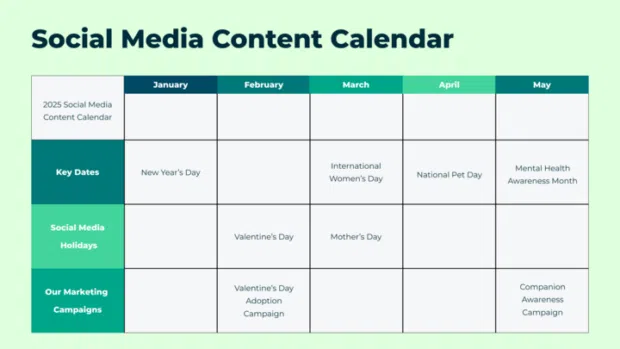
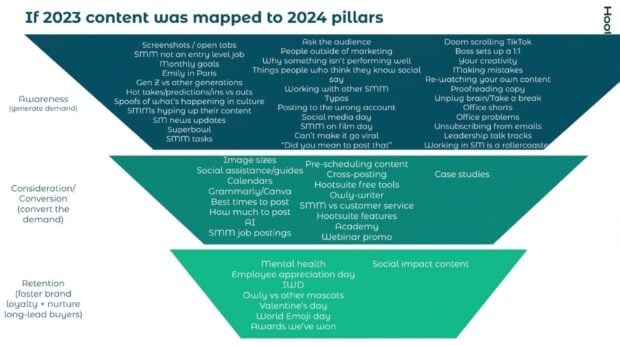
1. Establish the Strategic Baseline
Your calendar is only as effective as the strategy behind it. Before you schedule a single post, you must define your KPIs. Are you looking to increase reach, improve engagement rates, or drive traffic to a specific URL? These goals should dictate your content pillars and frequency.
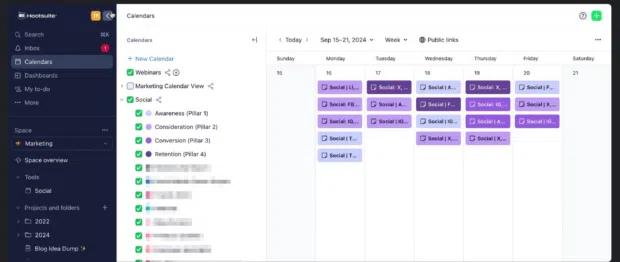
2. Plan the Content Schedule
Consistency is the bedrock of algorithm favorability. Determine your weekly cadence based on your team’s capacity and your audience’s habits. Whether you plan weekly or bi-weekly, the goal is to maintain a predictable rhythm that allows for strategic updates.
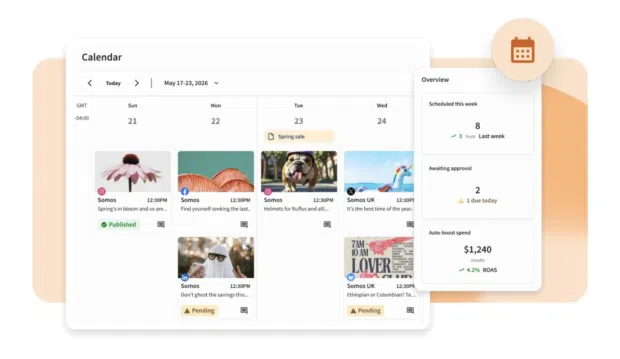
3. The Brainstorming Phase
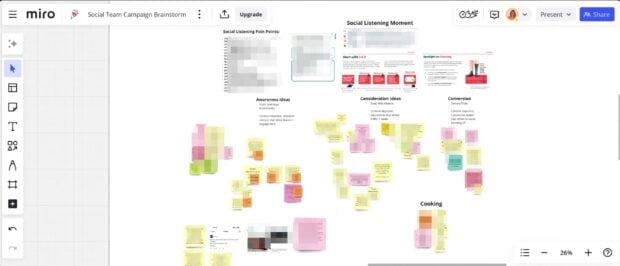
Use collaborative tools like Miro or shared documents to aggregate ideas. Social listening is the most effective way to fuel this process. By monitoring how your audience discusses your industry, you can identify knowledge gaps and create content that provides genuine solutions, rather than just noise.
4. Content Creation
Focus on quality and platform-specific formatting. Remember, Instagram Reels do not need to be created within the app to succeed; external tools like CapCut offer deeper editing capabilities without sacrificing reach or performance.
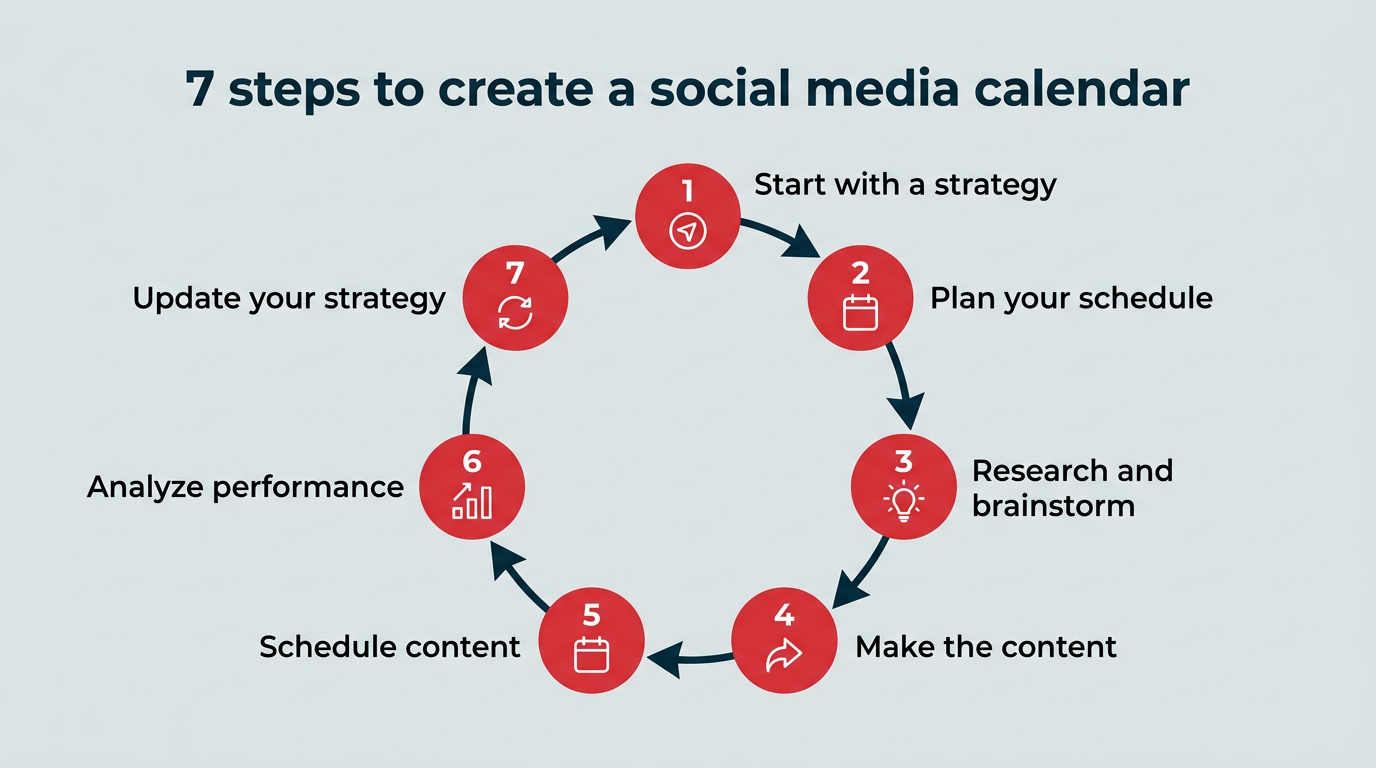
5. Scheduling and Automation
Once finalized, load your content into a robust scheduling tool. This ensures your posts go live at the exact moment your data suggests your audience is most active. Use features like custom tags to categorize your posts by pillar so you can track performance later.
6. Performance Analysis
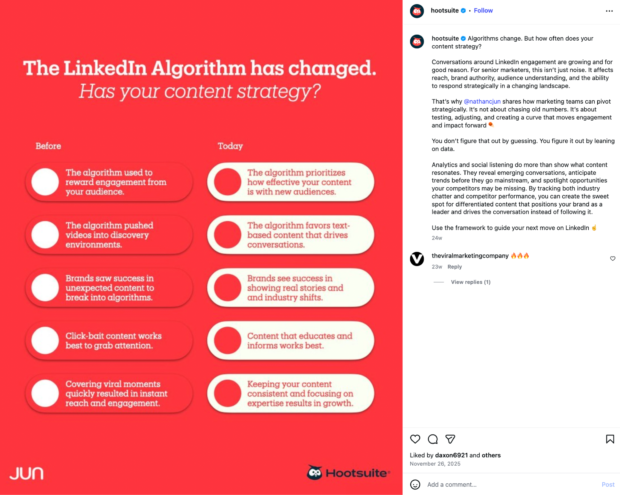
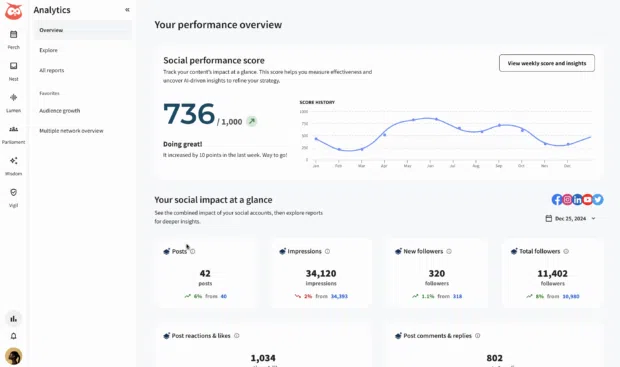
Metrics like engagement rate, reach, and click-through rate (CTR) are not just vanity numbers—they are feedback loops. If you observe that educational carousels perform significantly better than meme-based videos on LinkedIn, your calendar should evolve to reflect that preference.
7. Regular Strategic Audits
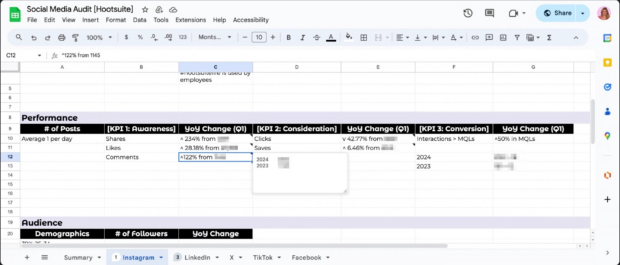
A calendar is a living document. Conduct monthly or quarterly audits to refine your approach. Review which content pillars consistently underperform and rotate them out in favor of new, experimental formats.
Supporting Data: The Science of Frequency
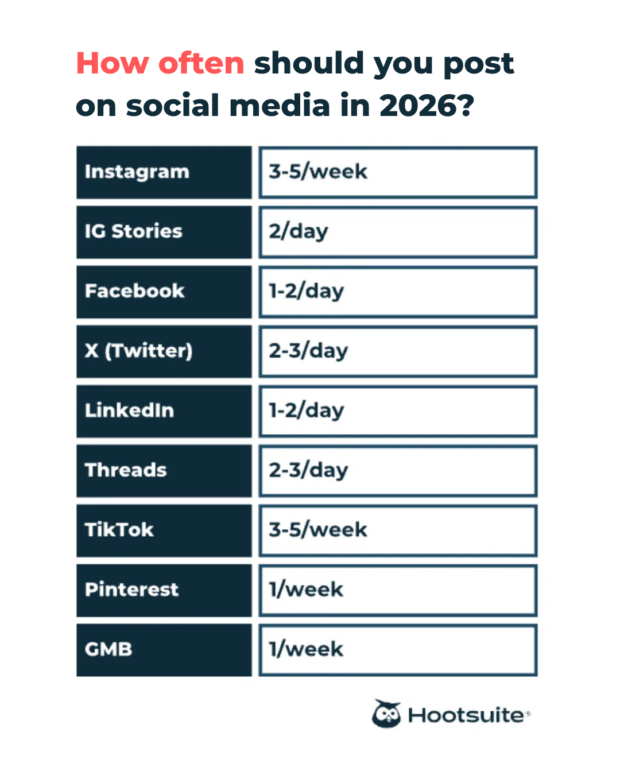
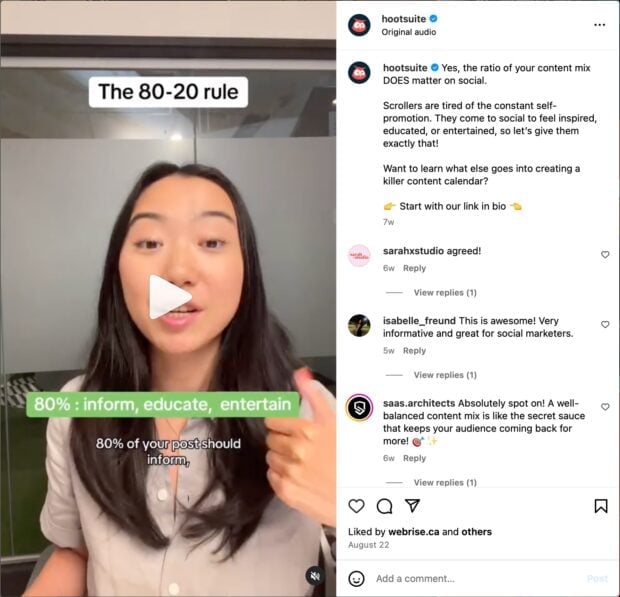
Research into platform performance suggests that "more" is not always "better." Across major networks, engagement tends to peak at around two posts per week. However, there are notable exceptions:
- TikTok: High-frequency posting (up to 14 times per week) shows a strong correlation with increased engagement.
- LinkedIn: High-quality, educational content published 1–2 times per day tends to foster the most professional trust.
- Instagram: 3–5 feed posts per week, supplemented by daily Stories, remains the "sweet spot" for maintaining visibility without overwhelming followers.
Implications for the Future of Social Marketing
The landscape of social media is increasingly becoming an "awareness-first" environment. As industry expert Trish Riswick notes, social media’s primary role is to cultivate a community and build brand equity. While conversions are a vital metric, they are often the result of long-term audience nurturing.
Organizations that treat their social calendar as a strategic asset—one that adapts based on real-time performance data—will inevitably outperform those that view social as a "set it and forget it" task. By centralizing your workflow in a tool like Perch by Hootsuite, you move beyond mere posting and enter the realm of true social intelligence.
In 2026, the brands that win are those that provide value, respect the unique culture of each platform, and use their calendar not as a limitation, but as a framework for sustained creative excellence.
