
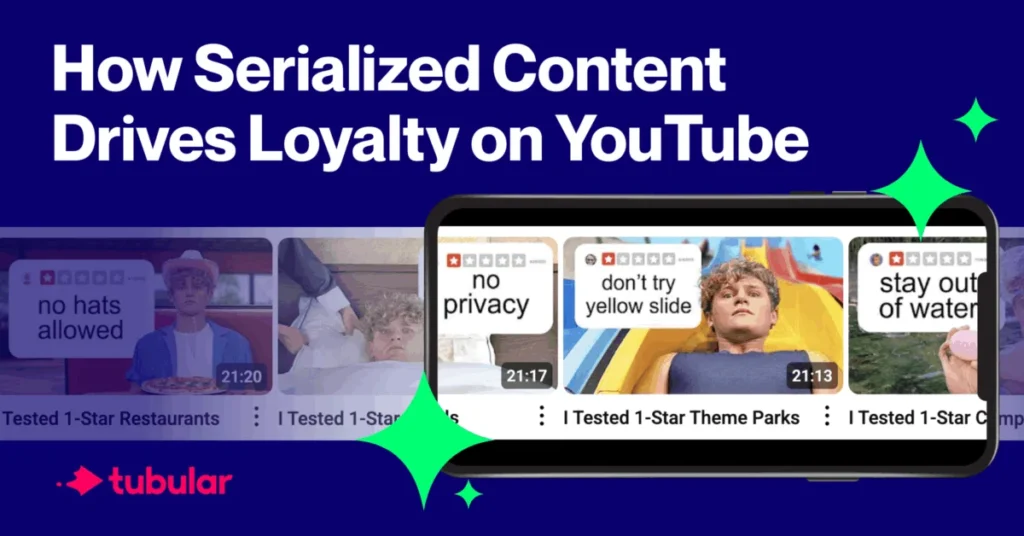
The Serialized Revolution: How YouTube’s Shift to TV-Style Programming is Redefining Digital Entertainment
By Global Media Desk
Published: October 2025
Main Facts
As consumer viewing habits undergo a fundamental transformation, YouTube is increasingly becoming a primary fixture of the living room ecosystem. With billions of hours of content consumed directly on connected TV (CTV) devices, the platform’s content strategy has evolved to mirror traditional television formats. Chief among these developments is the explosive growth of serialized, episodic programming designed to drive regular, repeated tune-ins rather than standalone viral hits.
This macro-trend is reshaping how independent creators, major corporations, and legacy publishers approach digital video. By pivoting toward long-form, multi-part series with high production values, media entities are successfully capturing the coveted TV-screen real estate. Case studies from top-tier creator Ryan Trahan, corporate giant State Farm, and digital publisher Vice Media illustrate that serialized storytelling is no longer an experiment—it is the blueprint for modern audience retention and long-term monetization.
Chronology: The Evolution of YouTube’s Long-Form Pivot
The migration of television audiences from linear cable and traditional subscription streaming services (SVOD) to YouTube has been gradual, but the inflection point occurred between 2023 and 2025.
- Late 2022: Brands began testing the waters of dedicated episodic content on YouTube, moving away from simple 30-second ad spots. State Farm launched the experimental first season of Gamerhood, recognizing that younger demographics were bypassing traditional television entirely in favor of digital creators and gamers.
- Mid-2024: The industry witnessed a mass realization regarding connected TV statistics. Smart TV manufacturers and YouTube itself reported that watch-time on TV screens was vastly outpacing mobile and desktop growth in terms of total hours consumed per session. Creators began expanding their average video runtimes from the historical 10-to-12-minute sweet spot to 20, 30, and even 45 minutes.
- Mid-2025 (The Watershed Moment): Creator Ryan Trahan launched his ambitious 50 States in 50 Days project. Operating on a strict daily release schedule, Trahan leveraged traditional travel-show tropes while maintaining a peer-to-peer creator connection, setting new benchmarks for platform watch-time. Simultaneously, legacy media brands like Vice Media recognized the need to dust off and overhaul older intellectual properties, rebooting properties like Naked Truths into high-end, 15-minute docuseries explicitly formatted for the living room screen.
- Present Day: Long-form, structured storytelling dominates algorithmic recommendations. Publishers are no longer asking if they should make series, but rather how to optimize their playlists, mid-roll ad placements, and episodic hooks for an audience that treats YouTube like a modern cable box.
Supporting Data and Platform Metrics
The shift toward TV-style formats is not merely an aesthetic choice; it is heavily backed by empirical data demonstrating shifts in viewer behavior, engagement longevity, and monetization capacity.
Ryan Trahan’s Watch-Time Dominance
Ryan Trahan’s mid-2025 road trip series proved that daily episodic drops can sustain monumental audience attention spans.
- U.S. Watch-Time Surge: In June 2025, Trahan’s U.S. watch-time skyrocketed by 120% month-over-month, reaching an astonishing 569.8 million minutes.
- Network Rivalry: This metric placed Trahan at No. 24 among all U.S. accounts, positioning him ahead of several legacy cable television networks and mainstream news organizations.
- Viewer Retention: While his series kickoff video filmed in Texas peaked at 11 million views, the consistent daily rollout leveraged playlist functionality, keeping viewers hooked throughout the 20-to-25-minute runtimes per episode.
State Farm’s Gamerhood Engagement
Brand-funded entertainment historically struggled to capture organic audiences, but State Farm shattered this mold with its fourth season of Gamerhood.
- Opening Night Draw: The season four premiere on August 1 drew 152,000 live and concurrent viewers on YouTube, rivaling traditional cable broadcast ratings.
- Extended Session Lengths: Unlike short-form ads that users actively skip, Gamerhood successfully locked viewers into sessions lasting two hours or more.
- Monthly Aggregate: The brand routinely clears over 5 million minutes watched on YouTube during peak months, anchored by the runaway success of its gaming competition show.
Vice Media’s Naked Truths Metrics
Vice Media’s revival of Refinery29’s former hit property illustrates the economic viability of longer-form documentary formats on the platform.
- Runtime Expansion: While the original iteration relied on short, snackable clips ranging from 1 to 5 minutes, the newly minted docuseries features episodes running 15 minutes or longer.
- Initial Traction: The first two episodes generated over 65,000 views per upload, establishing a steady baseline of engaged viewers who prefer deep-dive storytelling over quick hits.
Official Responses and Industry Insights
Industry analysts, platform researchers, and content strategists emphasize that the rules of engagement on YouTube have fundamentally changed.
According to insights published in platform research guides (such as Hidden Trends, Big Moves), creators and publishers must account for device fragmentation. Because a growing share of YouTube’s audience views content on large connected TV screens rather than mobile devices, the psychological contract with the viewer shifts. When a user sits on a couch with a remote control, they are primed for an experience that mimics traditional television viewing—seeking out narratives, cohesive seasons, and binge-worthy arcs.
"Serialized content formats aren’t just a throwback to traditional TV, but also a powerful way to drive loyalty on social platforms," notes media strategist Elena Vance. "When you give an audience a predictable schedule, a continuing narrative, and characters they can grow attached to over multiple weeks, you transform casual clickers into loyal, recurring subscribers."
For brands like State Farm, the strategy represents the holy grail of modern marketing: endemic content. By leaning into a format that audiences already love (the reality competition show), the brand embeds its messaging natively into the entertainment experience. Viewers are not enduring an interruption; they are willingly opting into hours of branded engagement.
Implications for Creators, Brands, and Publishers
The transition to serialized, TV-style programming on YouTube carries profound implications for the digital media landscape moving forward.
1. The Death of the Isolated Viral Hit
While standalone, highly optimized viral videos will always have a place on social media, they no longer guarantee long-term channel health. The algorithms governing YouTube are increasingly rewarding channel authority built on retention, session duration, and return viewership. Creators who fail to think in terms of series, arcs, and seasons risk losing algorithmic favor to those who can keep users on the platform for hours at a time.
2. Monetization and the Ad-Break Economy
Longer runtimes (15 to 30+ minutes) unlock sophisticated monetization models. By structuring videos like traditional television episodes, creators and publishers can strategically place mid-roll advertisements without ruining the narrative flow. This creates a sustainable revenue stream that mirrors cable television economics, empowering independent creators to self-fund budgets that rival traditional studio productions.
3. Blurring the Lines Between Digital and Linear TV
As television networks continue to lose cord-cutters to streaming services, YouTube has effectively positioned itself as the default aggregator of all video content. The traditional distinction between a "YouTuber" and a "Television Producer" has evaporated. Whether it is an independent creator like Ryan Trahan executing a cross-country travel narrative, or a global insurance provider producing a gaming competition, the mandate is clear: adapt to the living room screen, or get left behind in the mobile scroll.
