
Beyond Beehiiv: A Comprehensive Guide to Scaling Your Email Marketing Strategy in 2026
For many digital creators and media-first newsletters, Beehiiv has served as a powerful springboard. Its rapid rise was built on a promise of simplicity, integrated growth tools, and a creator-centric interface. However, as audiences transition from side projects to full-scale media operations, the limitations of "newsletter-first" platforms often become apparent. Teams frequently report hitting ceilings regarding advanced automation, deep-tier audience management, and enterprise-level governance.
If your organization is currently grappling with these constraints, it is time to look at the broader landscape of Email Service Providers (ESPs). This guide analyzes the top alternatives to Beehiiv, synthesized from thousands of user reviews across G2, Capterra, and Reddit, to help you find a platform that provides the control and ROI your brand demands.

The Growth Threshold: Why Creators Move Beyond Beehiiv
The transition from a growing newsletter to a professional media brand is rarely seamless. While Beehiiv excels at the "cold start" phase of a creator’s journey, professional marketing teams eventually require infrastructure that supports complex customer journeys.
According to aggregated user feedback, the primary pain points driving migration include:
- Pricing Scalability: As subscriber lists expand into the hundreds of thousands, the leap from free or mid-tier plans to higher brackets can become prohibitively expensive without a corresponding increase in feature depth.
- Design Limitations: Users often express a desire for more robust template libraries and advanced drag-and-drop flexibility that doesn’t require custom coding.
- Automation Gaps: While Beehiiv provides essential broadcast tools, it lacks the multi-step, logic-based automation workflows required for high-conversion sales funnels or complex lifecycle marketing.
- Data and Governance: Larger teams often struggle with the lack of multi-account structures, granular user permissions, and enterprise-grade reporting capabilities.
Top Beehiiv Alternatives: An Overview
Selecting the right tool depends on your specific objective—whether it is raw automation power, ecommerce integration, or developer-friendly infrastructure.
| Tool | Best For | Key Advantage | Starting Price |
|---|---|---|---|
| Campaign Monitor | Professional Marketing | AI-powered builder; 250+ integrations | $12/mo |
| Emma by Marigold | Enterprise/Mid-size | Brand governance; multi-account | $99/mo |
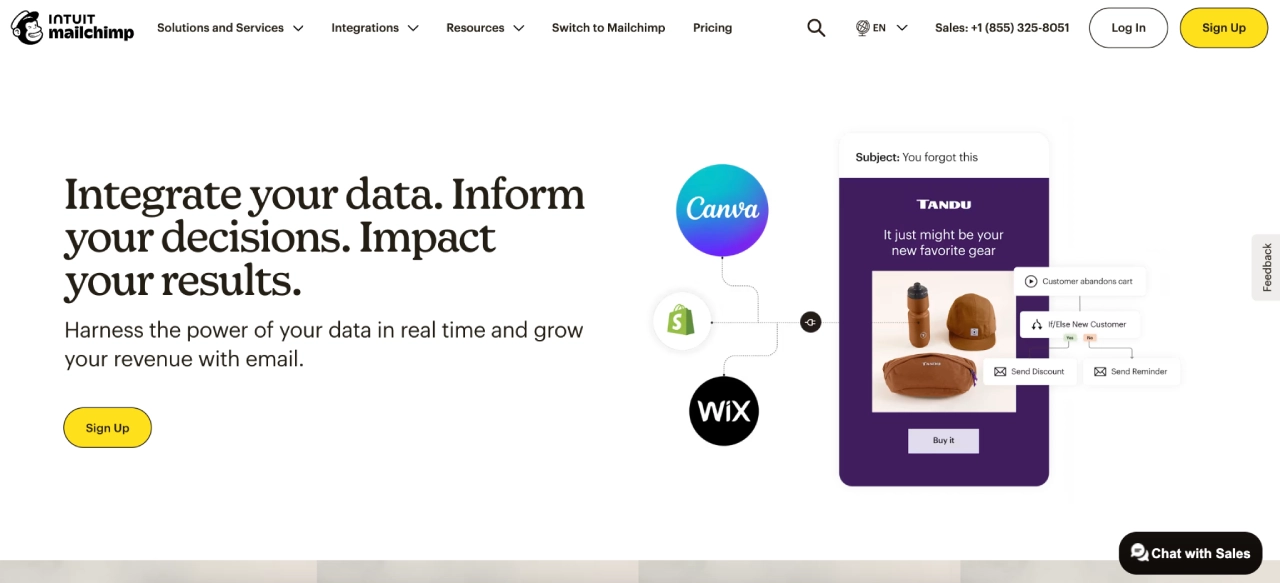
| Mailchimp | Small Business | All-in-one marketing suite | $13/mo |
| ActiveCampaign | Advanced Automation | AI workflows; integrated CRM | $15/mo |
| Klaviyo | Ecommerce (B2C) | Predictive analytics; unified data | $45/mo |
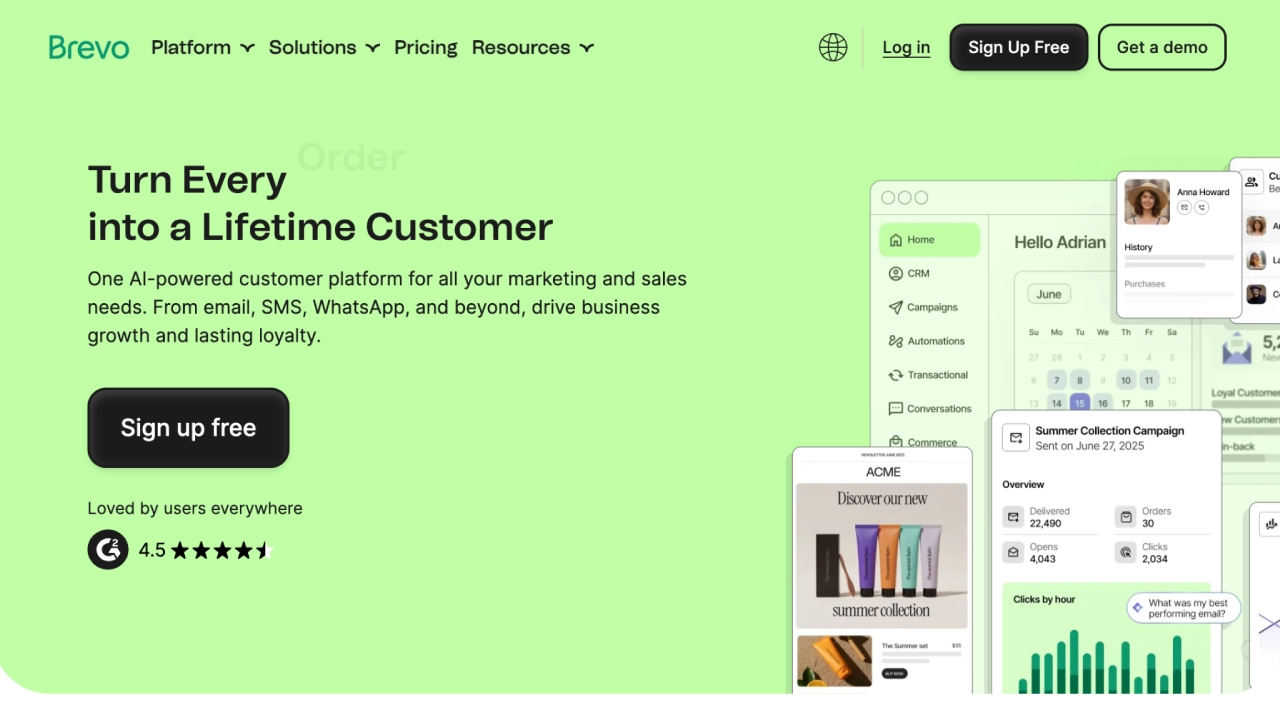
| Brevo | Budget-Conscious | All-in-one; SMS & Email | $9/mo |
Deep Dive: The Top Contenders
1. Campaign Monitor: The Market Leader for Professional Teams
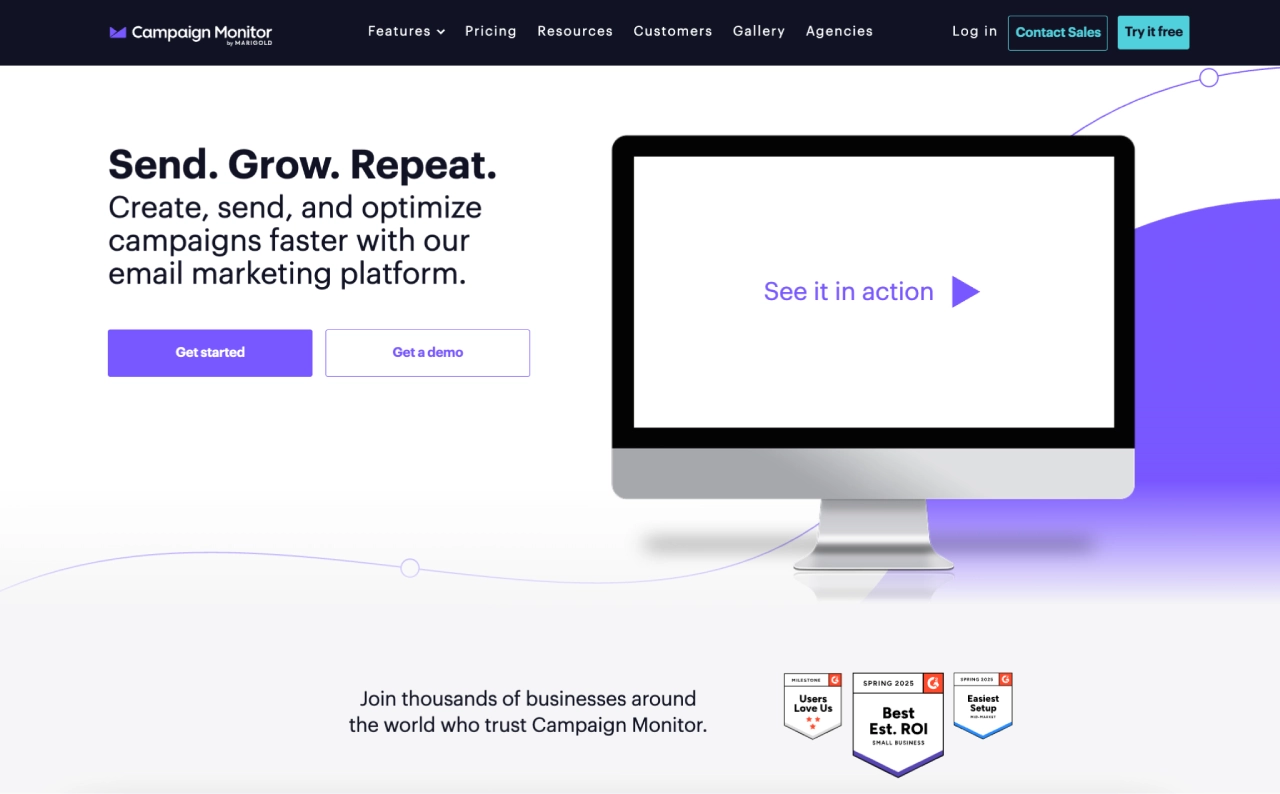
Campaign Monitor has cemented its position as the premier alternative for teams that prioritize high-quality design and reliable deliverability. With over 20 years in the industry, it offers a level of stability that newer, "newsletter-only" platforms often struggle to match.
Key Strengths:
- AI-Powered Content: Their AI tools streamline the creation process, allowing teams to generate copy and subject lines that resonate with specific segments.
- Advanced Automation: Unlike basic newsletter tools, Campaign Monitor allows for complex, multi-step customer journeys that trigger based on user behavior.
- Enterprise Stability: With 250+ native integrations and a mature API, it fits seamlessly into existing tech stacks.
Why it wins: It strikes the perfect balance between ease of use and professional power. Where Beehiiv might require a "workaround" or a Zapier integration, Campaign Monitor typically offers a native, high-performance solution.
2. Emma by Marigold: Governance for Growing Organizations
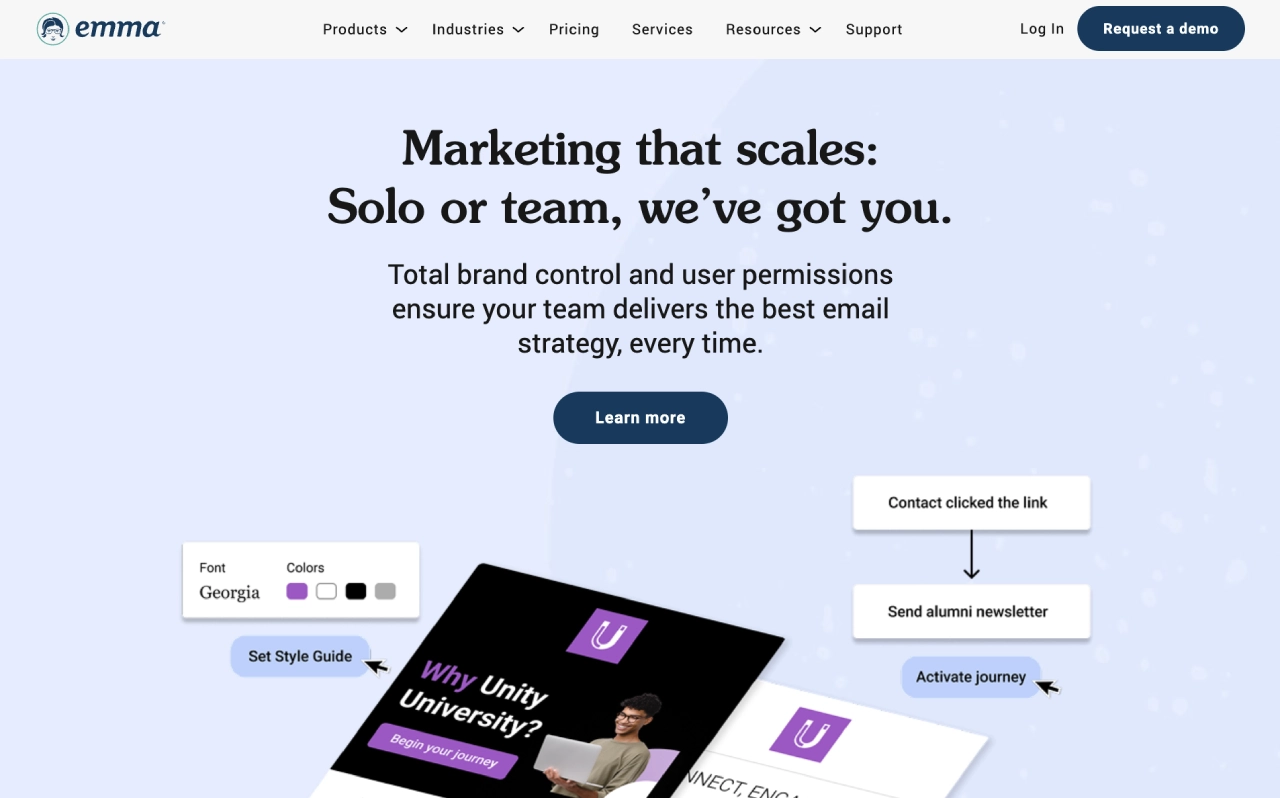
For organizations that manage multiple sub-brands or require strict approval workflows, Emma is the gold standard. It addresses the common enterprise struggle of "brand fragmentation" by allowing central teams to lock templates and assets, ensuring consistency across departments.
Key Features:
- Approval Workflows: Ensure every email is vetted by a manager before it reaches the audience.
- Mailing Score: A proprietary metric that provides real-time feedback on campaign performance before you hit "send."
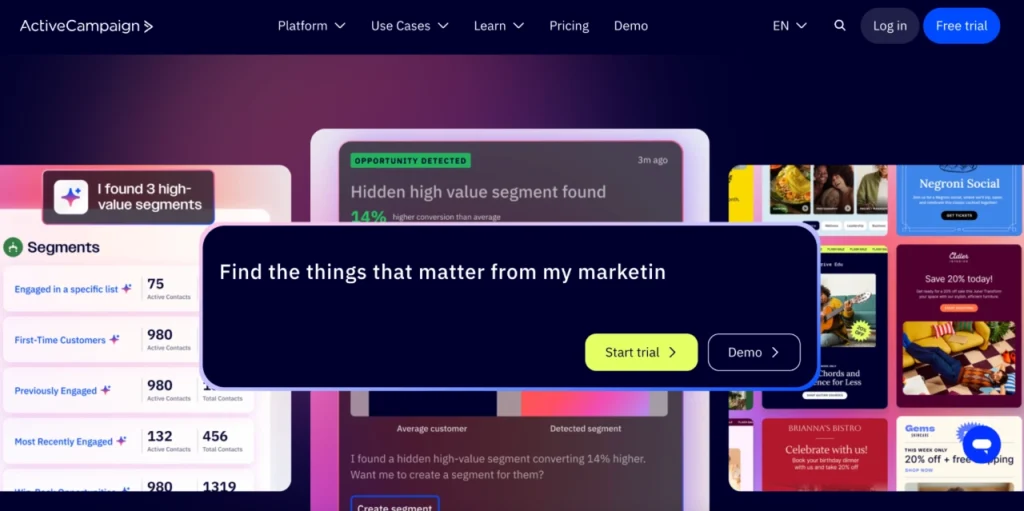
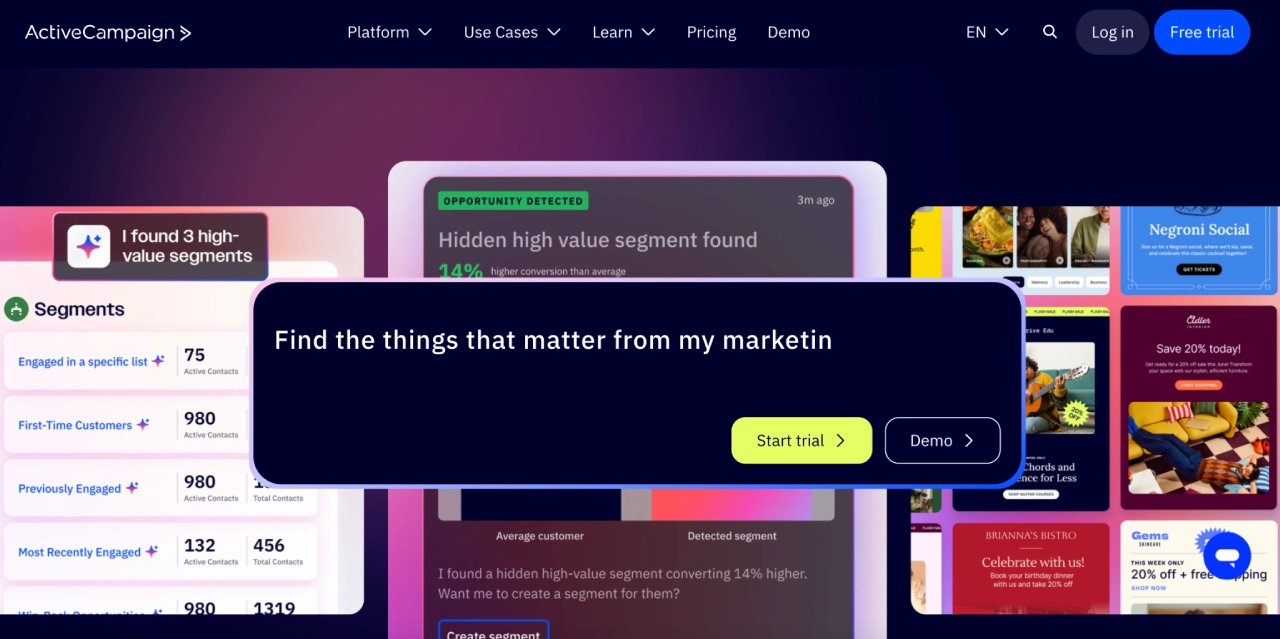
3. ActiveCampaign: For the Automation-Obsessed
If your primary goal is to move beyond simple broadcast newsletters into "marketing that thinks," ActiveCampaign is the clear choice. It is less of a newsletter tool and more of a marketing operating system.
The Workflow Advantage: The visual automation builder is arguably the most powerful in the industry. It allows you to create branching paths: if a user clicks Link A, they are added to a nurturing sequence; if they click Link B, they are moved to a sales funnel. This level of granularity is what turns passive readers into active customers.

Chronology of the Shift: From Newsletters to Marketing Hubs
The shift in the email landscape over the last decade has followed a clear pattern. In the early 2020s, the "Creator Economy" boom pushed platforms like Beehiiv to the forefront. These tools were built to reduce the friction of starting a newsletter.
However, as of 2026, the focus has shifted toward Retention and Revenue. Brands are no longer satisfied with just "open rates" and "subscriber counts." They are now prioritizing:
- Customer Lifetime Value (CLV): Tracking how a newsletter subscriber converts into a paid product user.
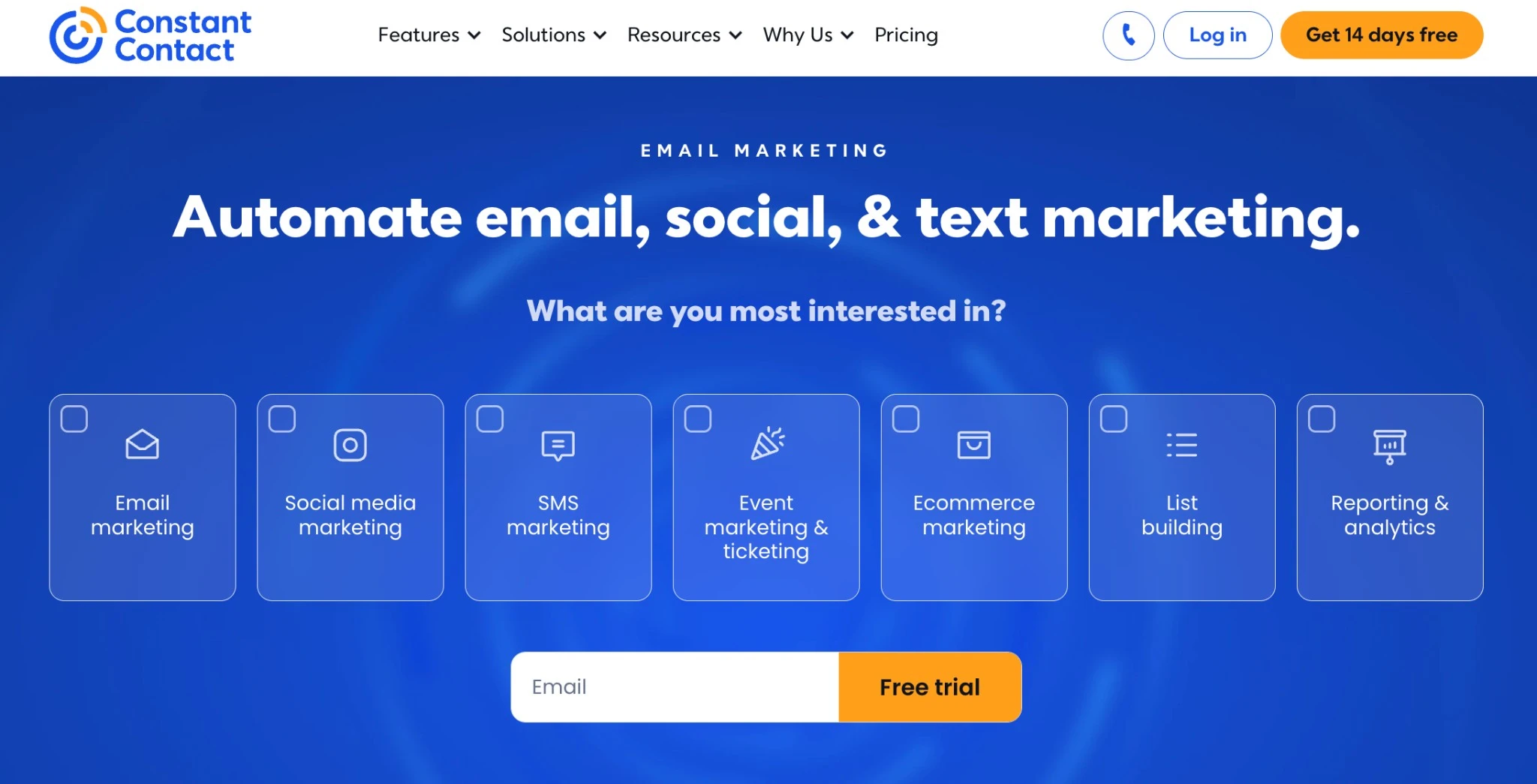
- Multichannel Integration: The ability to move seamlessly from email to SMS to web push notifications within a single dashboard.
- Predictive Analytics: Using AI to determine the exact time a user is most likely to engage with an email.
Supporting Data: Why Deliverability and Support Matter
Deliverability is the silent killer of email marketing. While newer platforms often rely on shared infrastructure, established players like Campaign Monitor, SendGrid, and Mailchimp have invested heavily in proactive deliverability management.
- 99% Deliverability: Platforms like SendGrid are built specifically for technical teams who require near-perfect uptime and inbox placement.
- Support Tiers: As teams scale, the ability to access a dedicated account manager or 24/7 priority support becomes a necessity. Beehiiv’s support, while adequate for individual creators, often lacks the dedicated technical personnel required for large-scale enterprise troubleshooting.
Implications of Migrating Your Infrastructure
Choosing to move away from a platform like Beehiiv is a strategic decision that requires careful planning. Before you migrate, consider the following implications:
- Data Portability: Ensure your new platform supports the import of custom fields, tags, and behavioral data. Most professional ESPs offer migration assistance to ease this process.
- Warm-up Periods: Moving to a new IP address or ESP requires a period of "warming up" your sender reputation to ensure your emails continue to land in the inbox.
- Team Training: Transitioning from a simple editor to a platform like ActiveCampaign or Campaign Monitor will involve a learning curve. Budget for internal training sessions to ensure your team is proficient in the new automation builders.
Final Verdict: Which Path Should You Take?
If your primary limitation is design flexibility and professional automation, Campaign Monitor is the most balanced upgrade. It offers the sophistication of an enterprise tool without the intimidating learning curve of a CRM-heavy platform.
If your organization is scaling into an enterprise structure with multiple stakeholders and brand compliance needs, Emma by Marigold provides the necessary controls to maintain order.
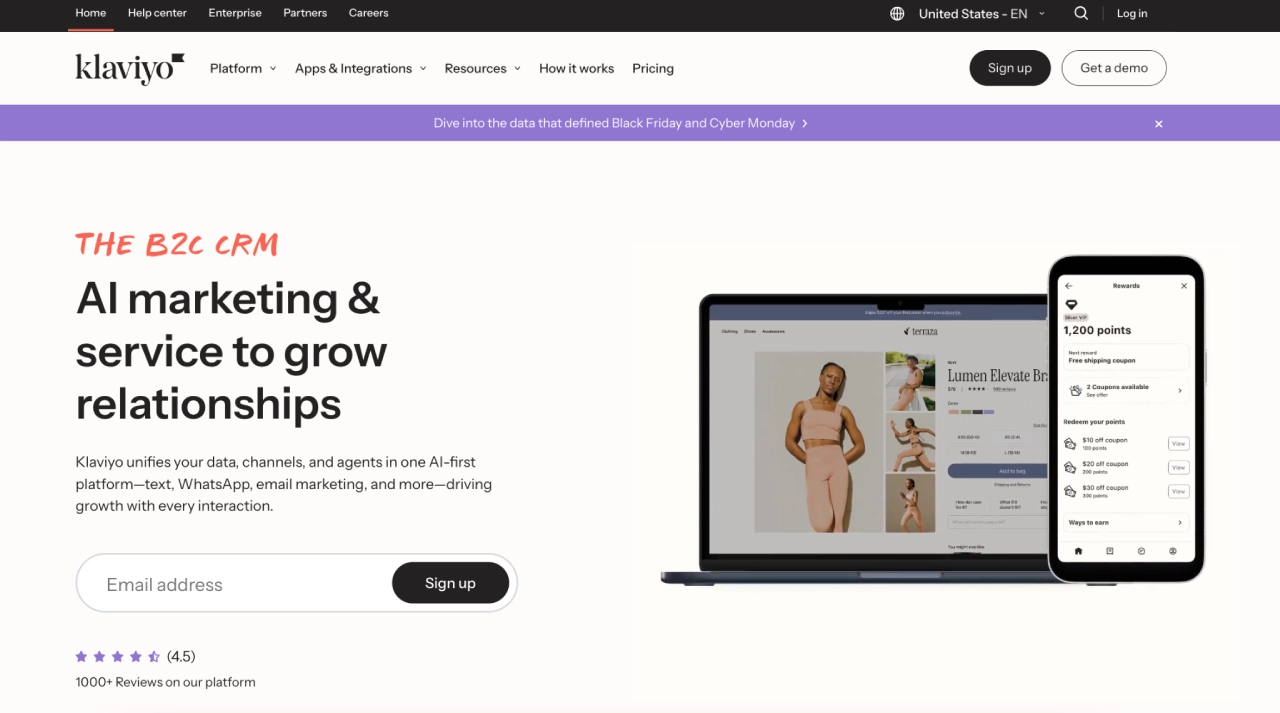
Finally, for ecommerce-native brands that live and die by behavioral triggers and product recommendations, Klaviyo remains the undisputed king of the segment.
The Bottom Line: Your email platform should be an asset that grows with you, not a ceiling that keeps you trapped in "newsletter mode." Evaluate your goals for the remainder of 2026, assess where your current platform is creating friction, and don’t be afraid to migrate to a tool that offers the depth your audience deserves.

Disclaimer: The features, pricing, and details mentioned in this article are current as of January 2026. Please verify current specifications with the individual service providers before making a final purchasing decision.
