
The Power of the Human Network: Why Employee Advocacy is the New Frontier of Brand Strategy
In an era where consumer trust in institutions is at an all-time low, the most potent marketing asset a company possesses is not its logo, its advertising budget, or its slickest video campaign. It is the collective voice of its workforce. As digital landscapes shift and social media algorithms prioritize personal connection over corporate broadcast, employee advocacy has moved from a "nice-to-have" internal initiative to a critical pillar of modern business strategy.
Employee advocacy is the deliberate practice of empowering staff to promote their employer on their personal social media channels. Whether through resharing company content or offering authentic, behind-the-scenes perspectives on workplace culture and product development, these individuals act as a bridge between the sterile corporate entity and the real world.

The Evolution of Influence: Why Employees Outperform Brands
The shift toward employee advocacy is rooted in a fundamental psychological reality: people trust people more than they trust brands. According to the 2026 Edelman Trust Barometer, employees are now the most trusted institution globally, with a 78% trust rating. Conversely, recent industry research indicates that 60% of consumers place more faith in a creator—or a real person—than in a company’s self-promotional messaging.
This disparity is exacerbated by the mechanics of social media. On platforms like LinkedIn, X, and Instagram, algorithms are designed to prioritize human engagement. A post from a corporate page often struggles to break through the noise, whereas a post from a personal profile carries the weight of a peer-to-peer recommendation. When employees speak, their networks listen, and the content travels significantly farther than any post emanating from a brand account.

Advocacy vs. The Competition
It is vital to distinguish employee advocacy from two related, yet distinct, marketing disciplines:
- Influencer Marketing: Unlike influencer marketing, which relies on paid, external partnerships with content creators, employee advocacy is internal. It is built on genuine connection to the brand, making it more sustainable and credible in the eyes of the audience.
- Brand Advocacy: While brand advocacy involves customers and fans sharing their experiences, it lacks the consistency and strategic control of an employee-led program. Employee advocacy allows organizations to align their messaging with company goals while maintaining a consistent pulse on recruitment, culture, and product updates.
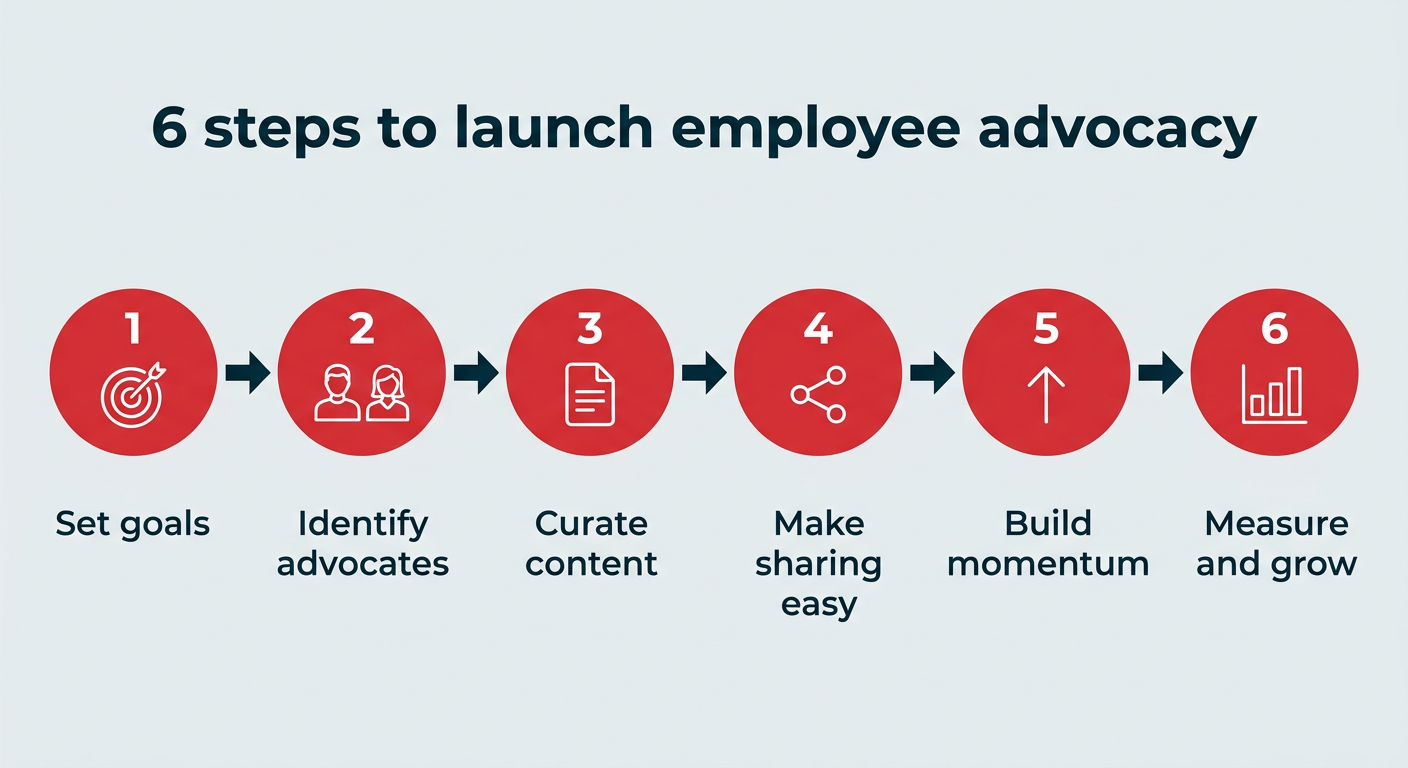
Chronology and Implementation: A Six-Step Roadmap
For organizations looking to transition from ad-hoc sharing to a structured program, the process requires more than just asking employees to post links. It requires a systematic approach to governance, content curation, and platform integration.
1. Defining the Strategic North Star
A successful program begins with clearly defined goals. Is the priority to boost employer branding for recruitment? Is it to drive lead generation via social selling? Or is it to amplify product launches? Establishing these metrics early determines what content is prioritized and how the program’s success will be measured.
2. Identifying and Recruiting Advocates
Advocacy is rarely successful when forced. The most effective programs identify "natural" brand ambassadors—employees who are already active on social media and hold a positive view of the company. These champions provide the social proof needed to encourage broader adoption across the organization.
3. Curating "Share-Worthy" Content
The days of pushing polished, buzzword-heavy press releases are over. Employees thrive when given content that feels authentic. This includes behind-the-scenes glimpses of office culture, employee spotlight stories, and thought leadership pieces that don’t sound like corporate mandates.
4. Reducing Friction with Technology
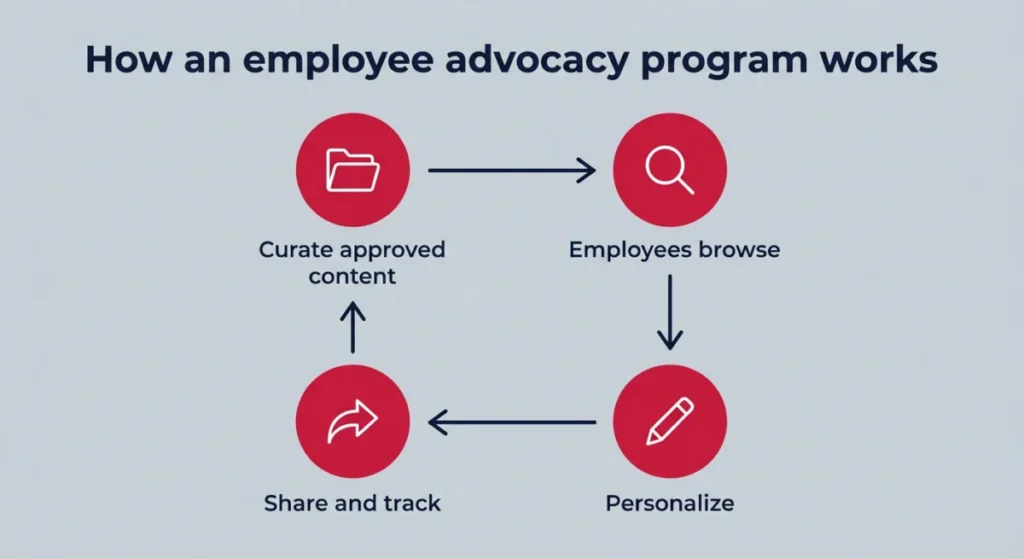
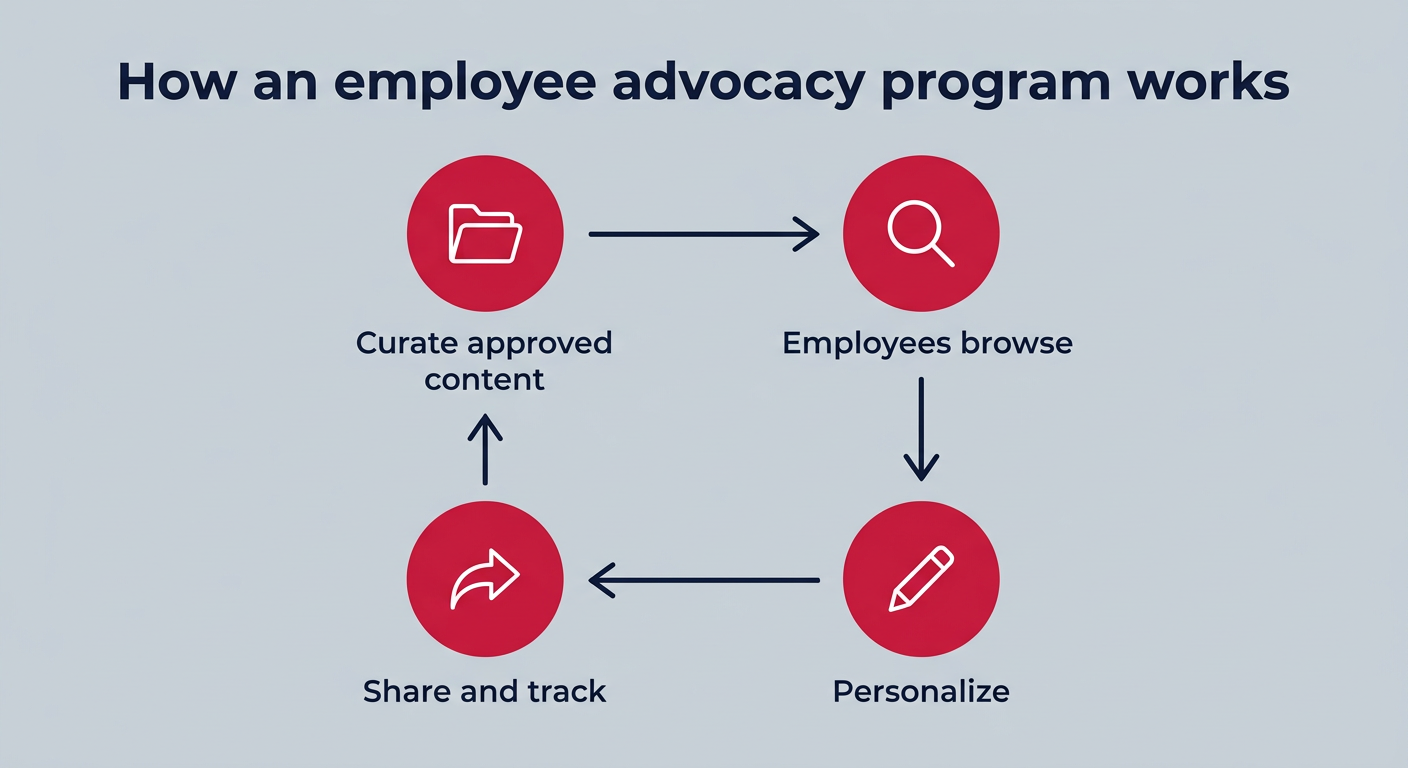
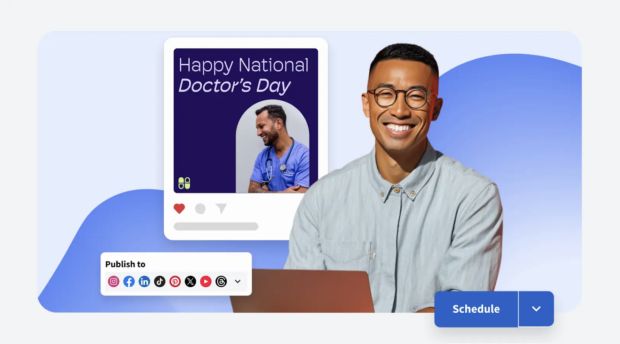
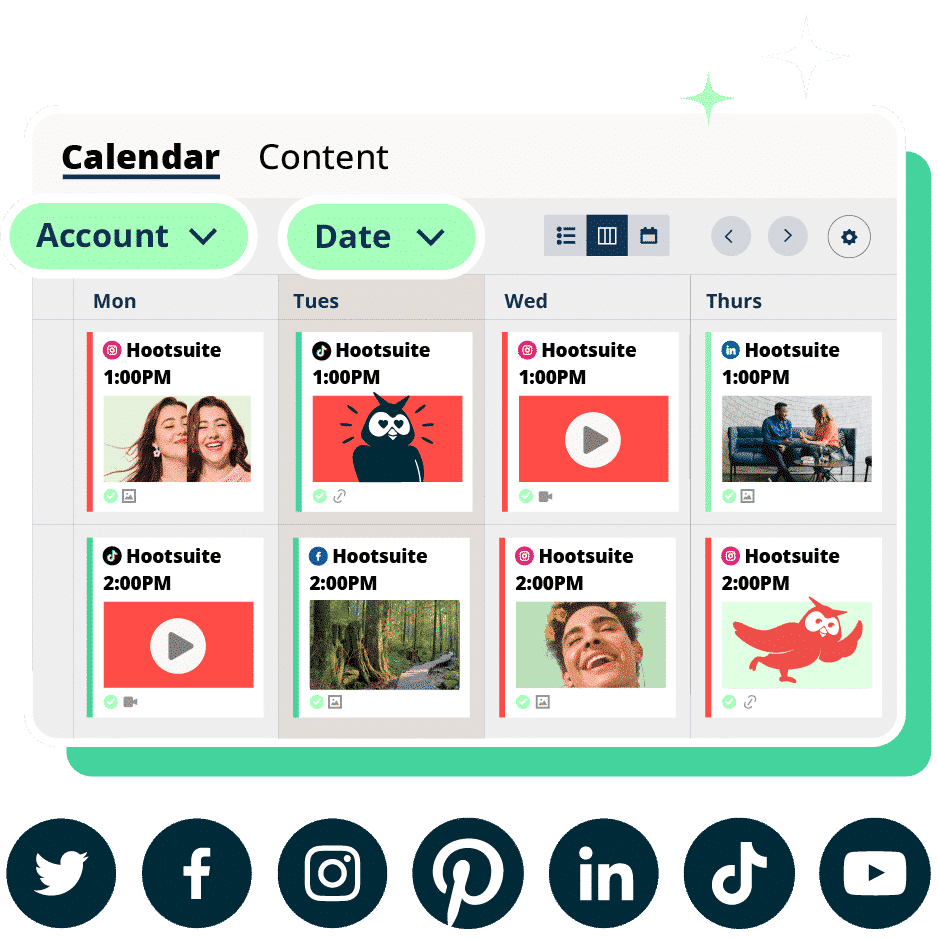
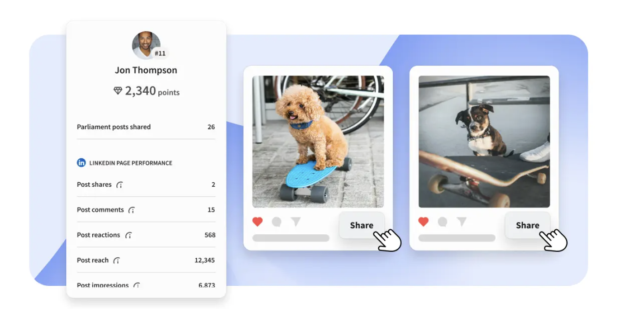
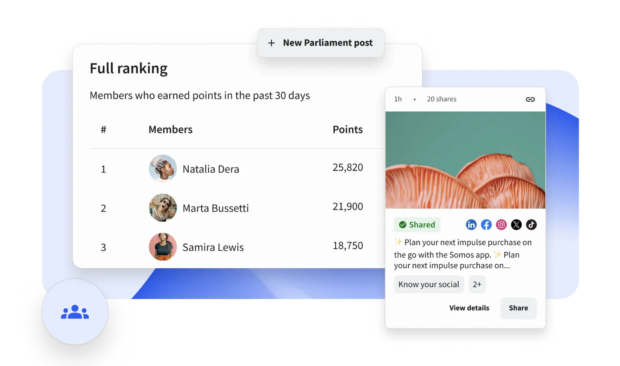
The greatest barrier to participation is time. If an employee has to manually copy, paste, and track links, they won’t do it. Utilizing platforms like Parliament by Hootsuite allows communication teams to centralize pre-approved content, which employees can then browse, personalize, and share via their preferred channels—including Slack and Microsoft Teams—in seconds.
5. Building Momentum through Gamification
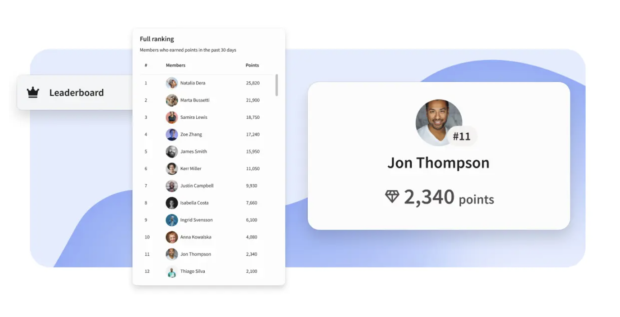
To keep the program alive, organizations must foster a culture of recognition. Leaderboards that highlight the most active advocates, combined with small incentives or rewards, turn a chore into a fun, competitive, and rewarding activity.
6. Measurement and Optimization
Success must be tracked through clear KPIs. Participation rates, average reach per post, and conversions are essential. By integrating these metrics into the broader social media reporting suite, leadership can see the direct correlation between employee activity and business ROI.
Supporting Data: The Case for Scale
The effectiveness of these programs is best demonstrated through real-world results. Consider the following performance data from organizations that have successfully deployed structured advocacy:
- Reach Expansion: On average, an employee’s network is 10 times larger than their company’s total follower base. This massive multiplier effect turns every employee into a micro-influencer with high-trust access to new audiences.
- Recruitment Gains: Companies with socially engaged workforces are 58% more likely to attract top talent. Data from companies like DaVita shows that an active advocacy program can lead to a 136% increase in traffic to careers pages and a 27% year-over-year lift in job applications.
- Website Traffic: IT solutions provider Carahsoft utilized advocacy to drive 8,700 new website visits and generate up to 35% of their total event registrations through employee-shared content alone.
The Role of AI in 2026 and Beyond
As we navigate the mid-2020s, Artificial Intelligence has become the engine behind the "unglamorous" aspects of advocacy. AI tools are now capable of surfacing relevant industry news for employees, drafting personalized post copy, and identifying which content formats resonate best with specific regional audiences.
Inside frameworks like Hootsuite’s Social OS, AI acts as an orchestration layer. It removes the friction of manual curation and helps teams understand the "why" behind the engagement. However, the human element remains paramount; AI handles the logistics, while the employee provides the authentic voice that the algorithm—and the audience—craves.
Implications for Corporate Culture
The impact of employee advocacy extends far beyond the marketing department. It serves as a powerful feedback loop for company culture. When employees are encouraged to share their work, they feel more invested in the company’s success. This pride builds a stronger sense of belonging and community.
Furthermore, it creates a transparent employer brand. When potential hires see employees posting about their actual daily experiences, they get an authentic look at the company’s values in action. This transparency is the ultimate filter, attracting candidates who are a genuine fit for the culture and reducing turnover in the long run.
Managing Risks and Governance
Of course, the empowerment of employees to speak on behalf of a brand comes with risks. To mitigate these, organizations must move beyond "do’s and don’ts" and establish robust governance.
For regulated industries, this means implementing role-based permissions and audit trails. Tools like Vigil ensure that employees can share content confidently without inadvertently violating compliance protocols. The goal is to provide a "safety net" that allows employees to be authentic without needing to stress about the legal or reputational implications of their posts.
Conclusion: The Future is Distributed
Employee advocacy is not merely a marketing tactic; it is an organizational mindset. It recognizes that in a hyper-connected, skeptical digital world, the most persuasive message is one that comes from a real person.
By centralizing content, removing the friction of participation, and aligning advocacy with business goals, companies can unlock a level of reach and credibility that paid advertising simply cannot replicate. The future of brand visibility is distributed—it lives in the feeds of your employees, and it is time for leadership to embrace the power of the human network.
