

The New Era of Social Media: Mastering Hootsuite Social OS in 2026
The landscape of digital marketing has undergone a seismic shift. In an era where social media managers are expected to be data scientists, creative directors, and crisis managers simultaneously, the traditional "scheduling tool" has become obsolete. Enter Hootsuite Social OS—an AI-first operating system designed to unify the fragmented digital experience. By integrating intelligence, publishing, customer care, and governance into a single cohesive ecosystem, Hootsuite is redefining how global brands command their digital presence.

The Evolution of the Social Dashboard
For years, social media teams operated in a state of "tab fatigue," toggling between native apps, creative suites, and analytics platforms. The introduction of Hootsuite Social OS marks a departure from this inefficient model. Built on a architecture of connected applications—Perch, Nest, Lumen, Parliament, Vigil, and Wisdom—the platform acts as a centralized command center.

The shift is not merely cosmetic. It reflects the reality of the 2026 digital marketer: the average user now engages with over six different social platforms monthly. For enterprise teams, managing this complexity manually is no longer viable. By consolidating these functions, Hootsuite allows teams to pivot from reactive task management to proactive strategic growth.
Core Pillars of the Social OS Architecture
To understand the power of this new ecosystem, one must look at the specific functions of its integrated applications:
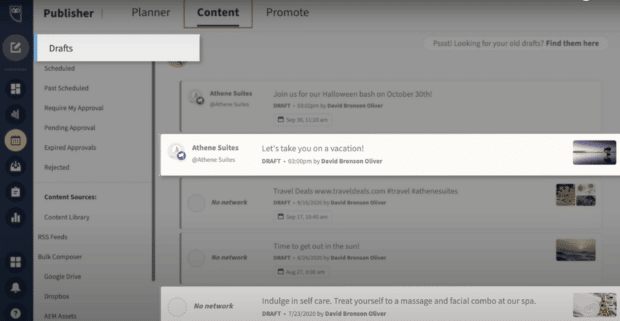
- Perch: The engine for planning, publishing, and creative asset management.
- Wisdom: The AI orchestrator that provides deep insights and automates complex tasks.
- Nest: The centralized hub for inbox management, customer care, and engagement.
- Parliament: A specialized tool for mobilizing employee advocacy and internal content distribution.
- Lumen: The intelligence layer for social listening and competitive benchmarking.
- Vigil: The compliance and governance gatekeeper, ensuring brand safety in an AI-driven world.
Chronology of Efficiency: From Manual Labor to AI Automation
The transition toward an "AI-first" workflow has been gradual, but it has reached a tipping point. Historically, social media management was defined by the "grunt work" of manual scheduling and spreadsheet-based reporting.
- The Era of Scheduling (Pre-2020): Tools were primarily designed for post-queuing.
- The Era of Integration (2020–2024): Platforms began to bolt on listening and analytics, though these often remained siloed.
- The AI-First Era (2025–Present): With the introduction of Wisdom, the platform moved from being a passive tool to an active partner. Users no longer "build" reports; they "ask" for them.
Supporting Data: Why Modern Teams Need Unified Systems
The necessity of a unified OS is underscored by industry data. Research consistently shows that response time is the primary driver of customer loyalty on social media, with 76% of consumers expecting a response within a single hour. When teams are forced to jump between five different apps to check comments, mentions, and DMs, that one-hour window often closes before they can even begin to craft a reply.
Furthermore, the rise of employee advocacy—where shared content earns roughly 8x the engagement of brand-page posts—has made tools like Parliament essential. By simplifying the sharing process for employees, brands can unlock massive organic reach that traditional paid media cannot replicate.
Strategic Hacks for the Modern Social Professional
Mastering the Publishing Workflow
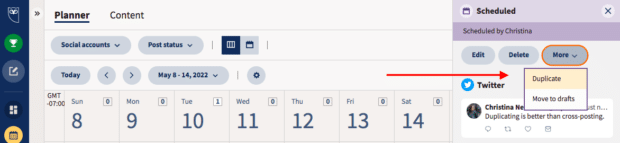
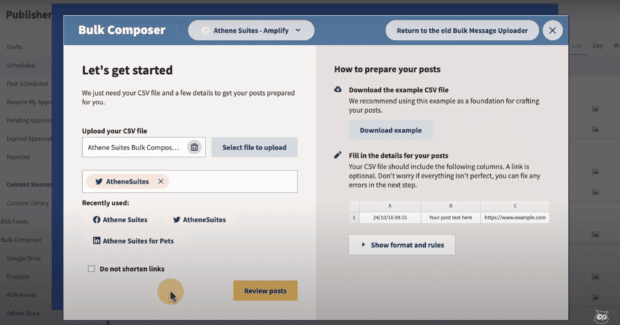
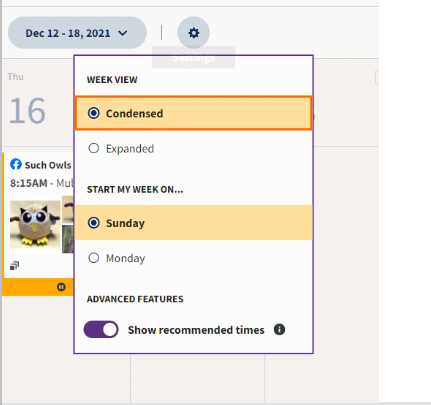
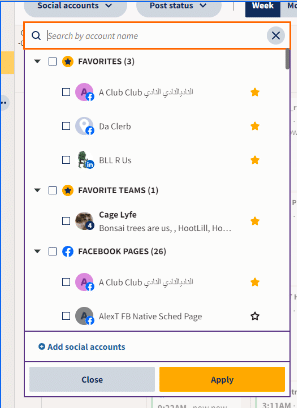
Efficiency in publishing is the baseline for success. Using Perch, teams can now duplicate posts across platforms while customizing language and tags for specific regions. The ability to bulk-schedule up to 350 posts at once allows for the rapid deployment of large-scale campaigns, while the "Condensed View" in Planner provides a high-level strategic overview that eliminates the need for endless scrolling.
The Power of AI-Assisted Creativity
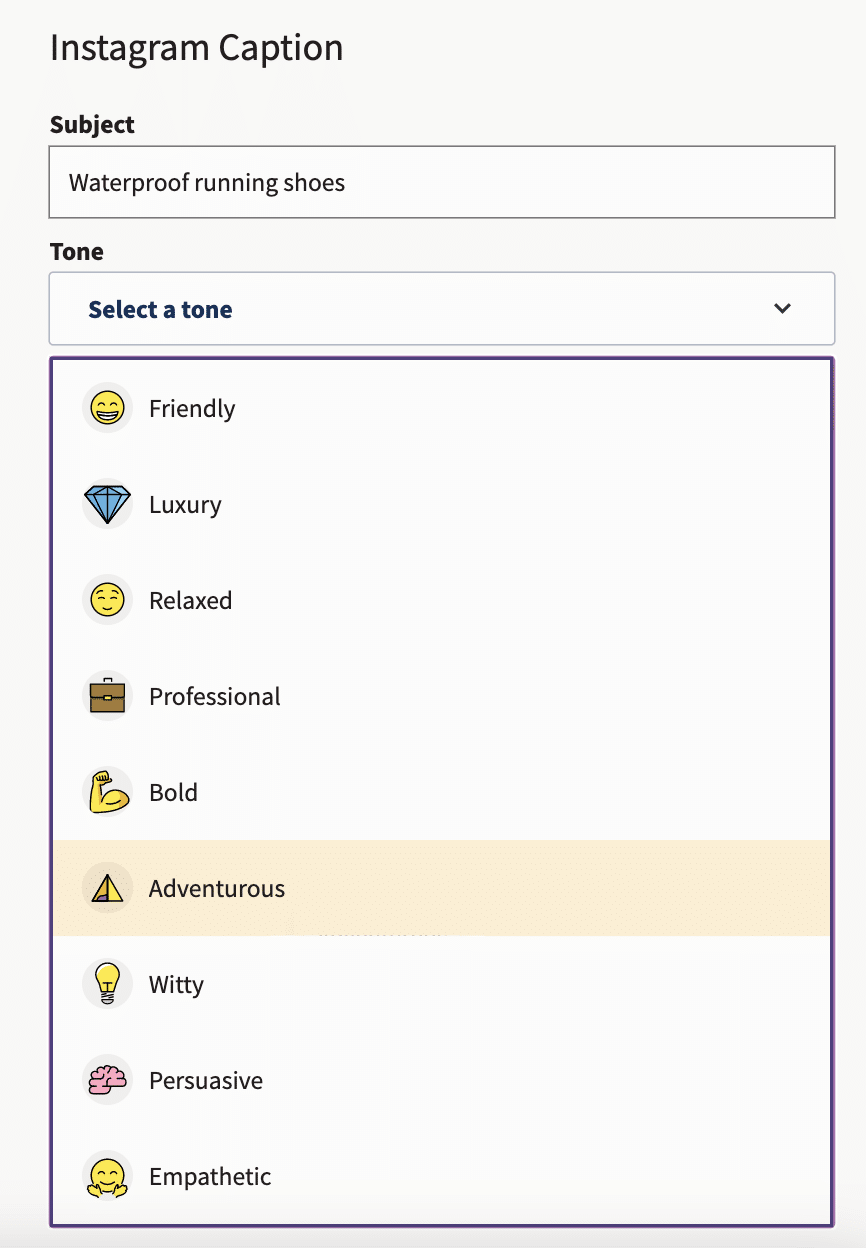
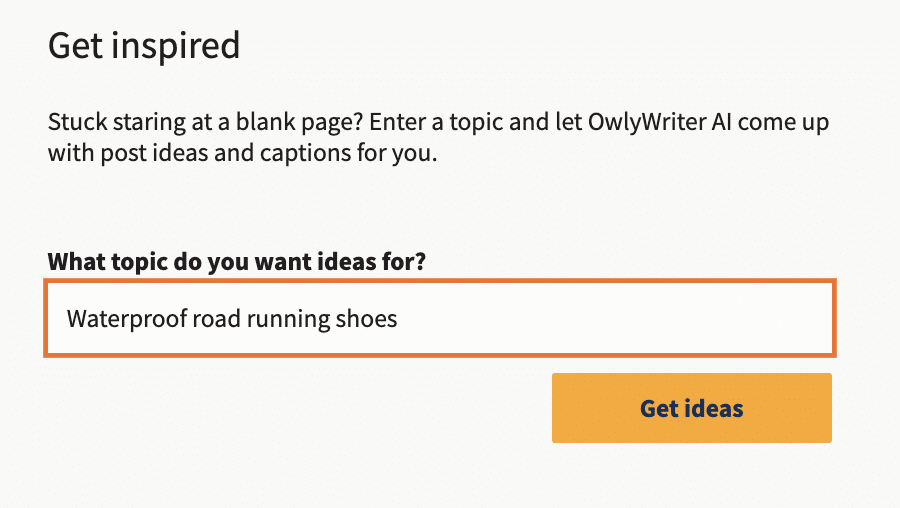
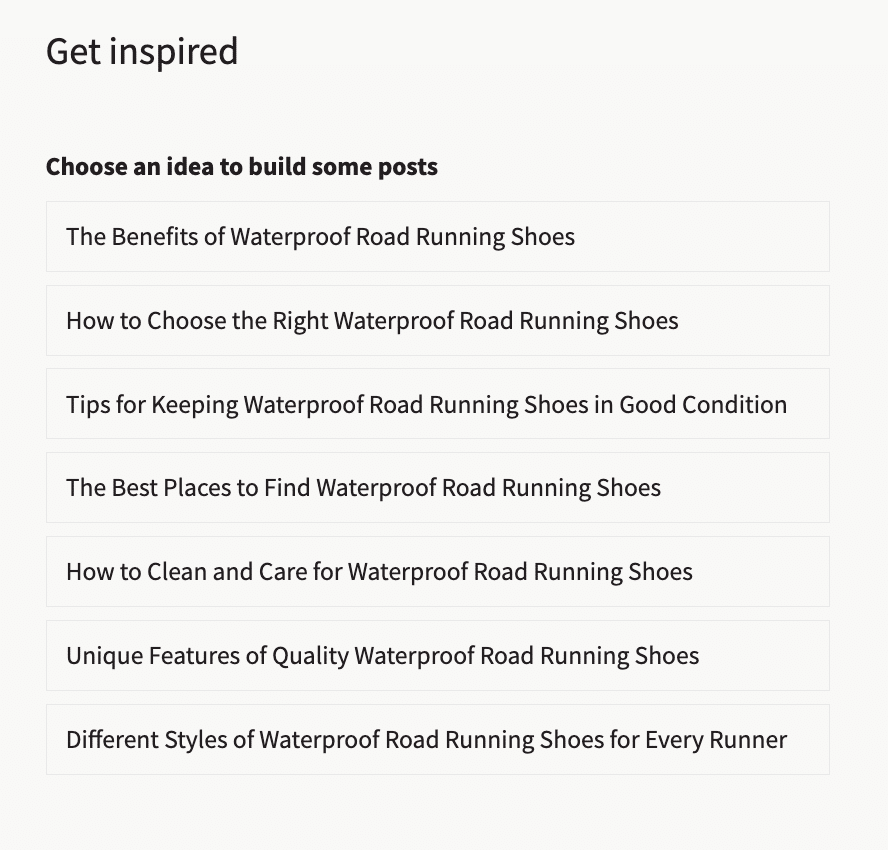
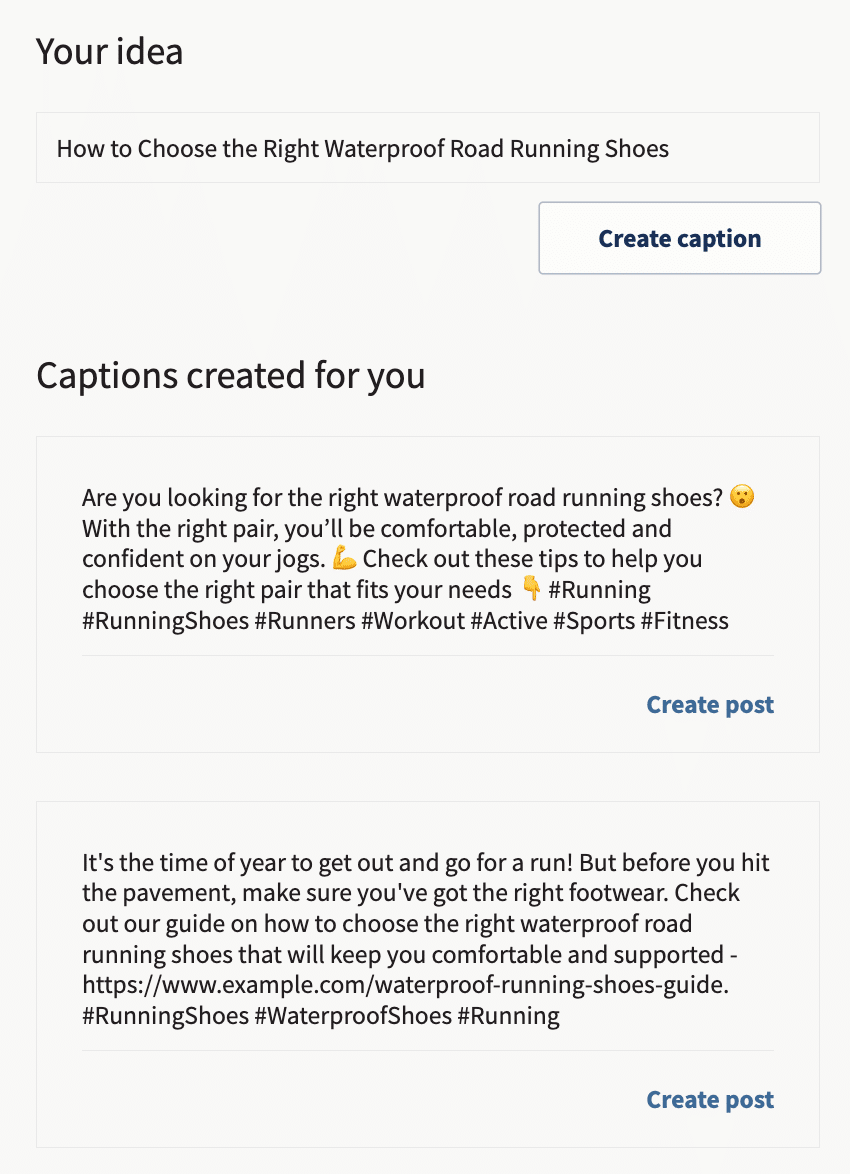
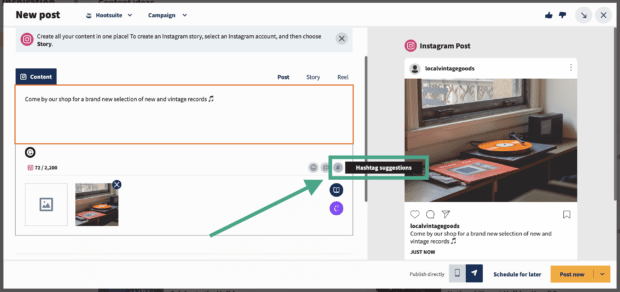
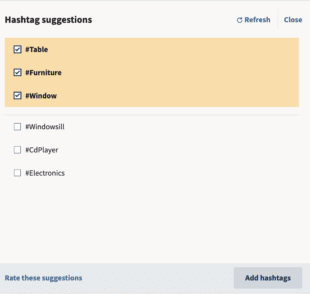
Gone are the days of staring at a blank caption box. Wisdom allows users to generate ideas, captions, and hashtag clusters based on existing social data. By grounding AI suggestions in the brand’s specific performance metrics, the output is not generic; it is optimized for that specific brand’s audience.
Governance in the Age of AI
As CMOs increase their AI spending, the challenge of "governance" has moved to the forefront. Vigil provides the necessary safeguards. By tiering approval workflows, brands can ensure that high-stakes content receives executive review while routine posts flow through automated compliance checks. This transparency is crucial for regulated industries that view AI as a potential liability rather than a tool.
Official Perspectives: The Strategic Value of Integration
Hootsuite’s shift toward an "operating system" model reflects a broader trend in B2B SaaS: the desire for an integrated stack. By offering MCP (Model Context Protocol) connectors, Hootsuite has opened its data to external AI assistants like Claude, ChatGPT, and Microsoft Copilot.
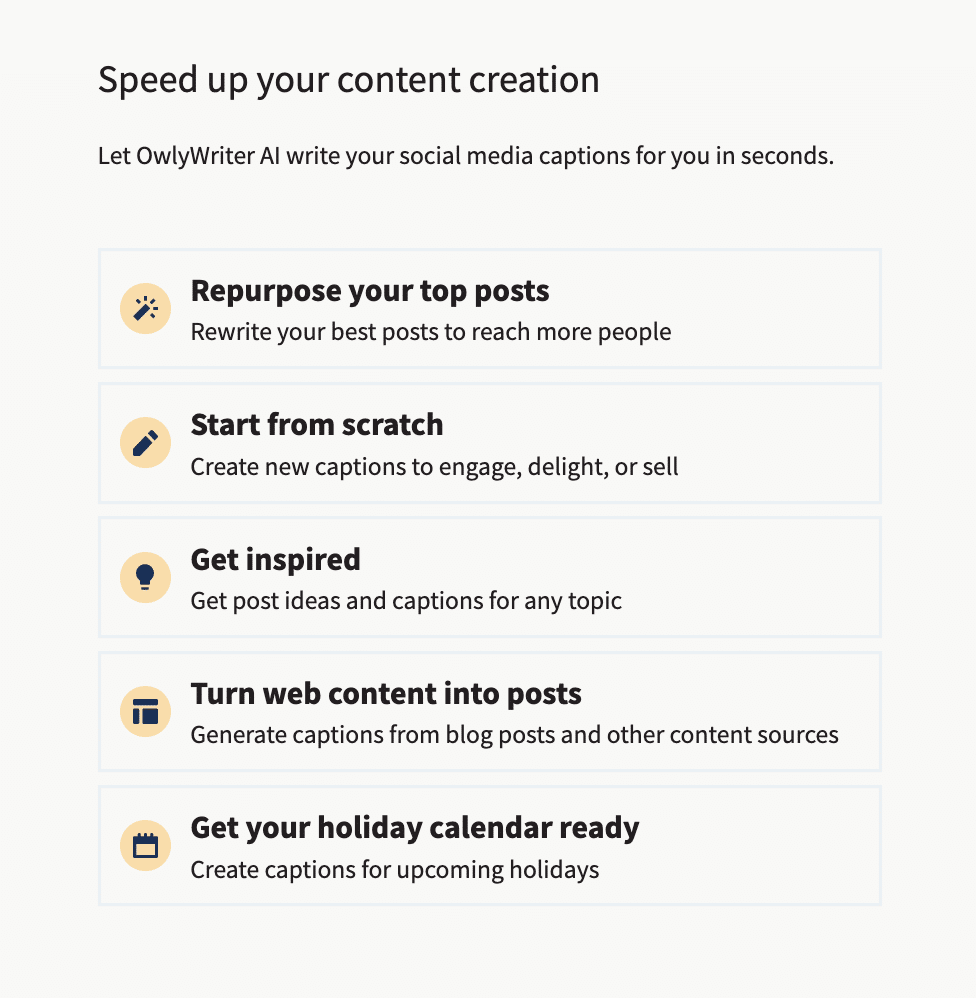
"We don’t want Hootsuite to be a destination you visit; we want it to be the intelligence layer that powers your entire marketing organization," notes the product team. By allowing product marketers or customer support agents to pull social insights directly into their existing AI assistants, Hootsuite removes the barrier to entry for stakeholders who are not social media experts but need social data to inform their decisions.
Implications for the Future of Work
The implications for social media teams are profound. As the platform handles the "heavy lifting"—monitoring trends, routing customer inquiries, and ensuring compliance—the role of the social media manager evolves. The focus shifts from "doing the work" to "directing the work."
The social media manager of 2026 is an orchestrator. They set the parameters for AI agents, define the governance rules for automated posts, and analyze the high-level trends surfaced by Lumen. This evolution not only reduces burnout but also increases the strategic value of the social team within the broader organization.
Addressing the "Too Many Features" Critique
A common critique of comprehensive platforms is the potential for "feature bloat." Hootsuite addresses this through its intuitive interface and the use of Wisdom as a natural language interface. Instead of navigating through complex nested menus to find a specific analytics setting, a user can simply ask, "What was our highest performing post on Instagram last month regarding product launches?"
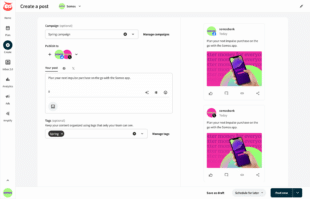
This ability to interact with the platform using plain language significantly lowers the barrier to entry for junior team members and allows power users to move through the interface at lightning speed.
Conclusion: The Path Forward
As we look toward the remainder of the decade, the divide between companies that use a "Social OS" and those that rely on fragmented, legacy tools will likely widen. The ability to listen, create, engage, and govern in one place is no longer a luxury; it is a competitive necessity.
For brands looking to scale, the strategy is clear: simplify the stack, automate the mundane, and empower the team with intelligence. Whether it is through automating customer care responses via Nest or tracking competitor sentiment through Lumen, the goal remains the same: to turn the chaos of social media into a measurable, scalable, and defensible growth engine. The future of social media is not about being "online" more often—it is about being smarter with the time you spend there.
