
The New Frontier of Digital Visibility: Why LLM Rankings are the Next SEO Evolution
Large Language Models (LLMs) have graduated from being mere technological curiosities to the central nervous system of modern information discovery. For decades, the digital economy was governed by the “Blue Link” paradigm of Google Search. Today, that map is being redrawn. Users are moving away from browsing long lists of URLs toward a conversational, synthesis-based discovery model. If traditional SEO was about securing a prime spot on a search engine results page (SERP), LLM ranking is about securing a seat at the table where AI assistants make recommendations.
For modern brands, the question is no longer just, “Do we rank on Google?” but rather, “Are we mentioned, recommended, or validated by the AI?” Ignoring this shift is equivalent to ignoring the rise of search engine optimization in the mid-2000s: you might survive for a while, but you are slowly losing your grip on the most qualified, high-intent traffic.
The Paradigm Shift: From Search to Synthesis
The fundamental difference between traditional search and LLM discovery lies in the delivery of the information. When a user queries Google, they are presented with a directory of websites. When a user asks ChatGPT, Claude, or Perplexity a question, they are presented with a definitive answer.
LLM rankings represent your brand’s visibility within these AI-generated responses. If your product, service, or brand is not part of the AI’s curated answer, you have effectively been filtered out of the conversation before the user ever sees your website. In this new landscape, you aren’t just competing for a higher ranking; you are competing for inclusion in the “knowledge base” of the AI.
The Chronology of AI-Driven Discovery
The evolution of this space has been rapid:
- 2022: The public release of ChatGPT (GPT-3.5) creates a seismic shift in user expectations, proving that conversational AI can provide instant, synthesized answers.
- 2023: Search engines scramble to integrate LLM capabilities. Microsoft introduces Copilot, and Google begins testing SGE (Search Generative Experience), signaling that the future of search is conversational.
- 2024: The "Big Four" platforms—OpenAI, Google, Anthropic, and Perplexity—become the primary touchpoints for information discovery, forcing businesses to reckon with "hallucinations" and biased recommendations.
- 2025: The rise of AIO (AI Optimization). The industry begins to move away from purely manual monitoring toward sophisticated, API-driven tracking tools that analyze brand visibility across multiple models simultaneously.
The "Big Four" and the Fragmentation of Truth
There is no longer a single "Search Engine" to optimize for. Because each model is trained on different datasets and utilizes different alignment strategies, the same query can yield radically different brand recommendations depending on whether the user asks Gemini, Claude, or Perplexity.
1. OpenAI (ChatGPT)
As the pioneer, ChatGPT holds the largest mindshare. Its integration into Apple’s ecosystem and its massive user base make it the most critical target for brand visibility.
2. Google Gemini
With its deep integration into the Google Search ecosystem, Gemini acts as the bridge between traditional SERPs and AI-generated synthesis. Its influence is perhaps the most immediate for transactional queries.
3. Anthropic Claude
Favored by power users and enterprises for its superior reasoning and "human-like" tone, Claude is increasingly becoming a gatekeeper for professional and B2B research.
4. Perplexity
Positioned as an "answer engine," Perplexity is the most transparent of the bunch, often citing sources directly. It is the most "SEO-friendly" of the LLMs, making it a critical focus for content-driven brands.
Supporting Data: The Economic Reality of AIO
Why should CMOs and marketing heads prioritize this now? The data suggests that LLM-driven traffic is not only significant in volume but superior in quality.
- Conversion Intent: Current metrics suggest that LLM-driven traffic accounts for 10–13% of total inbound visits for early adopters. More importantly, these visitors tend to convert at a higher rate because the AI has already vetted the brand as a relevant solution to their specific, long-tail query.
- The Cost of Inaction: Tracking these rankings is not free. Between API costs, sentiment analysis, and the manual overhead of prompt engineering, the investment is real. However, a quick cost-benefit analysis reveals that the price of missing a high-intent, AI-referred lead far outweighs the cost of the software required to track it.
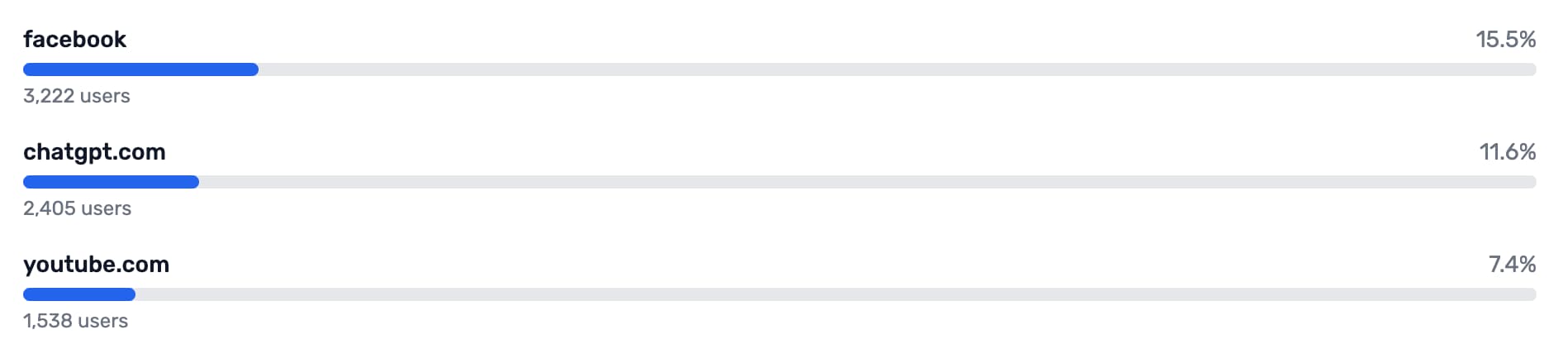
- Volume vs. Reach: As ChatGPT and other platforms surpass traditional video platforms in daily active usage, the "zero-click" search is becoming the norm. If your brand is not embedded in the answer, you are invisible.
The Process: How to Track LLM Rankings
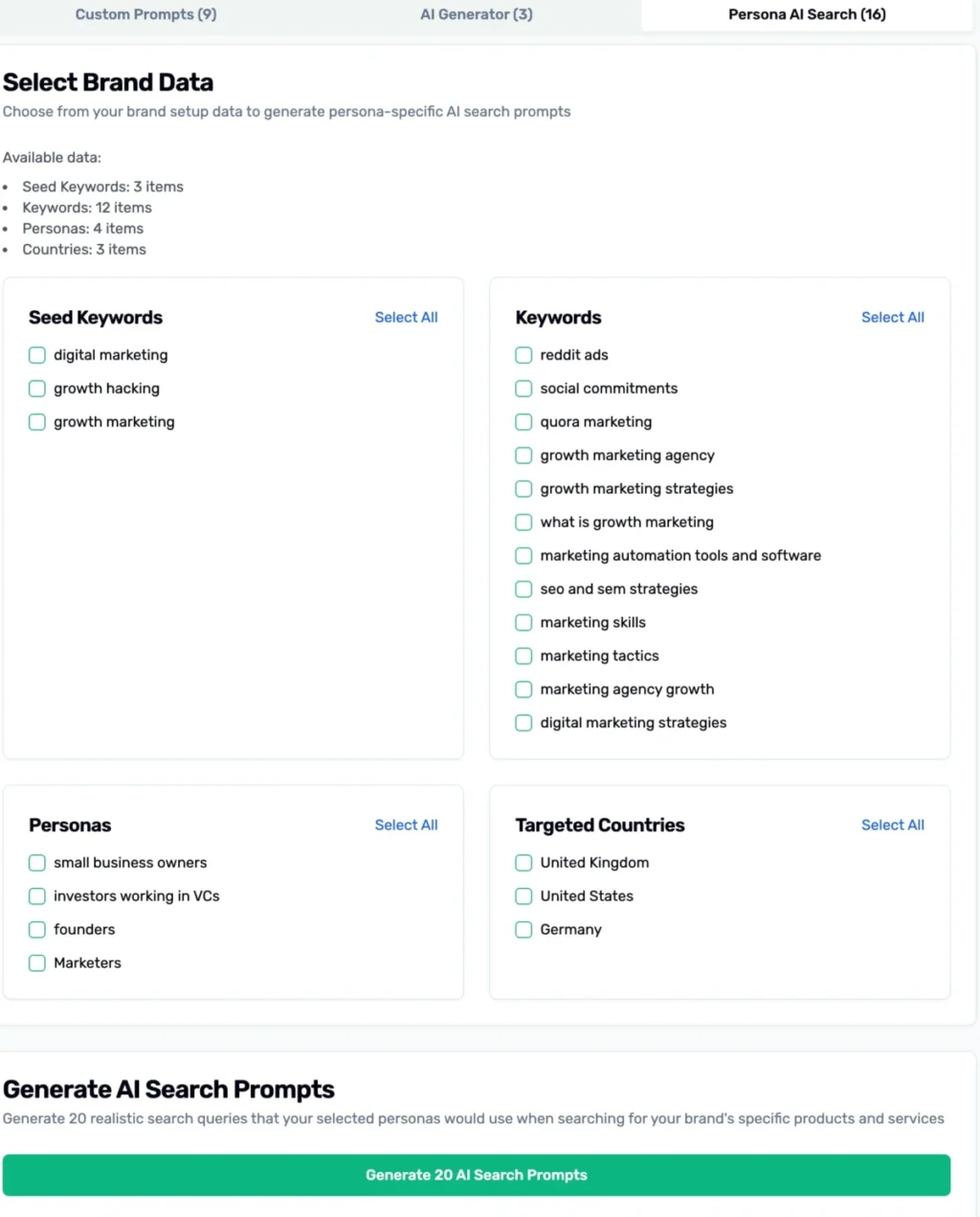
Because there is no "LLM Search Console," businesses must build a custom infrastructure for tracking. The process follows a strict methodology:
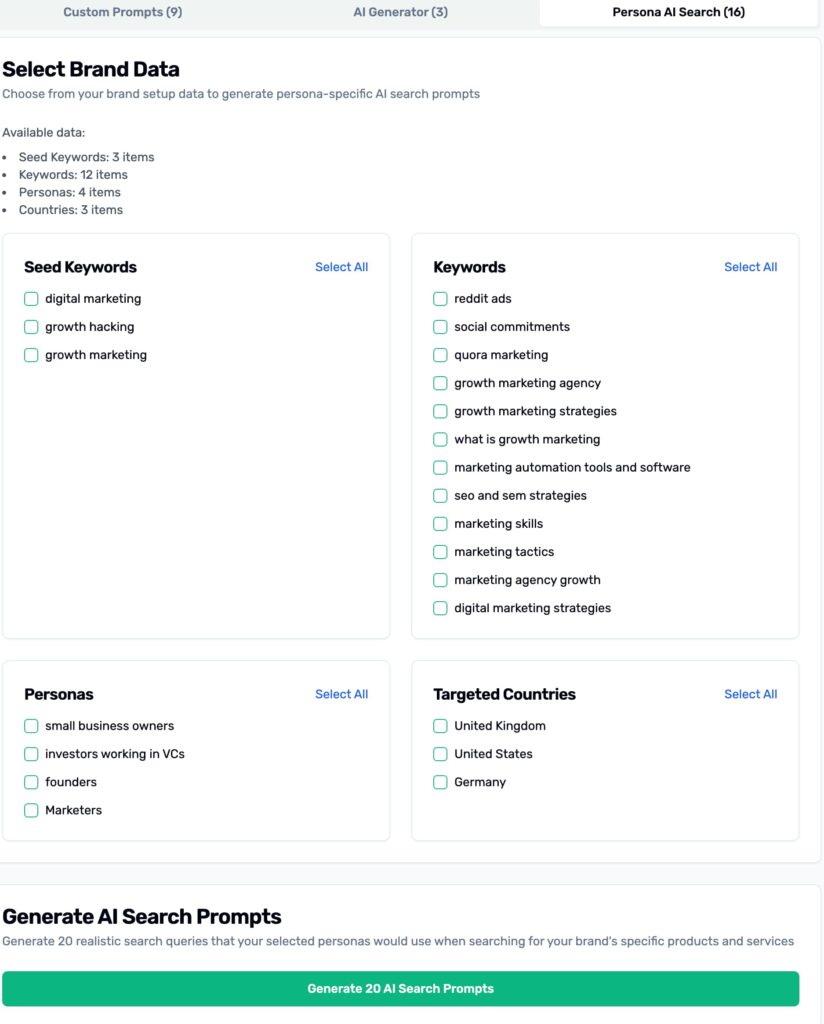
- Defining the Prompt Set: You must build a comprehensive library of prompts that mimic real-world user behavior. This includes direct brand queries, comparative research ("Which software is best for X?"), and problem-based queries ("How do I solve X?").
- API Execution: You cannot rely on a browser window, as responses are personalized. Utilizing current, stable APIs allows you to run thousands of queries across models to ensure statistically significant results.
- Sentiment and Contextual Analysis: It is not enough to be mentioned. You must track how you are mentioned. Is the brand associated with positive attributes like “reliability” or “innovation,” or negative ones like “expensive” or “slow”?
- Frequency of Audit: Given the volatile nature of model updates, a monthly or weekly cadence is essential to identify if your brand is slipping in its "AI market share."
Implications for Future Marketing
The transition from SEO to AIO (AI Optimization) is the defining challenge for digital marketers in the next decade. Unlike traditional SEO, which relies on backlinks and page speed, AIO relies on brand authority, factual accuracy, and alignment with the AI’s preference for synthesized truth.
Strategic Steps for Brands:
- Optimize for "Entity" Authority: Ensure your brand is recognized as an entity across the web. The more the AI “knows” about your company, the more likely it is to cite you.
- Focus on Comparison Content: Since users often ask AI to compare solutions, ensure you have clear, neutral, and high-quality comparison pages on your site that the AI can crawl and synthesize.
- Manage Sentiment: Actively monitor how your brand is being described. If the AI consistently misrepresents your pricing or features, you must adjust your public-facing content to clarify these points.
The Bottom Line: The New Battleground
We are currently in the “Wild West” era of AI search. Just as businesses had to learn to navigate the early algorithms of Google, they must now learn the nuances of LLM architecture. Those who treat LLM rankings as a passing fad will find themselves marginalized in a future where the AI assistant is the primary intermediary between a consumer and a brand.
The brands that start tracking, analyzing, and optimizing their presence within these models today will be the ones that define the market tomorrow. The goal is no longer to win the click; it is to win the recommendation. If you are not in the answer, you do not exist in the new digital economy. The time to build your AIO strategy is now—before the algorithms solidify and the cost of entry becomes prohibitive.
