
The Man of Steel Returns: A Journey from Small-Town Kansas to the Modern Cinematic Pantheon
The release of the latest Superman film is more than just a box-office event; for many, it represents the closing of a cultural loop that began in the golden age of television. As a lifelong devotee of the Man of Tomorrow, seeing this latest iteration felt less like watching a movie and more like a pilgrimage home. With a blend of reverence for the source material and a bold vision for the future, the film manages to honor the character’s legacy while establishing a new, vibrant foundation for the DC Universe.
A Legacy of Truth and Justice: The Historical Context
To understand the weight of this new film, one must look back to the origins of the character’s screen presence. For generations of fans, the seed of heroism was planted in the 1950s with the Adventures of Superman, featuring George Reeves. In those grainy, black-and-white broadcasts, the values of truth, justice, and compassion were not mere buzzwords—they were the foundational pillars of the hero’s existence.

The journey from those early, idealistic episodes to the modern, high-octane spectacle of 2025 has been long and varied. Throughout the decades, Superman has been reinvented, deconstructed, and reimagined. However, this newest film stands apart by stripping away the cynicism that has plagued superhero cinema in recent years. It is a heartfelt return to the core tenets of the character, providing a rare sense of soul and genuine, unadulterated hope.
The Performance: Mythic Scale and Human Vulnerability
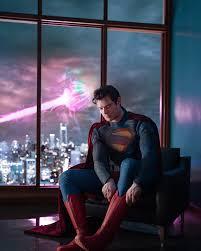
At the heart of the production is David Corenswet, who delivers a performance that bridges the gap between the divine and the terrestrial. Corenswet’s Superman is a triumph of balance. He captures the mythic stature required of a god-like figure, yet he never loses sight of the character’s essential humanity. He experiences doubt, he feels the weight of his responsibilities, and he hurts. Crucially, his heroism is defined not by his invulnerability, but by his persistent desire to be better—a moral compass that grounds the narrative.
Opposite him, Rachel Brosnahan’s Lois Lane is nothing short of a revelation. Eschewing the damsel-in-distress tropes of the past, this iteration of Lane is sharp, fearless, and intellectually formidable. She is the anchor in Superman’s life, a partner who challenges him rather than merely observing him. The chemistry between Corenswet and Brosnahan feels organic and earned, depicting a partnership that serves as the emotional bedrock of the film.
The Supporting Cast and Cinematic Directing
James Gunn’s directorial hand is felt throughout, characterized by a precision that never sacrifices warmth. Gunn’s approach is refreshing in an era of CGI-heavy blockbusters; he allows the film to breathe, favoring character-driven beats over a constant, frenetic barrage of action.
Nicholas Hoult’s Lex Luthor offers a chilling counterpoint to the hero’s optimism. By portraying Luthor as a cold, cerebral strategist rather than a flamboyant villain, Hoult makes the character feel genuinely dangerous. Similarly, Edi Gathegi’s portrayal of Mr. Terrific is a masterclass in subtlety; he commands the screen with a quiet intensity that leaves the audience yearning for a more expanded role in future installments.
Perhaps the most touching aspect of the film is its portrayal of Jonathan and Martha Kent. Free from unnecessary grandeur, these scenes serve as a sincere love letter to the character’s humble roots. They are simply two kind Kansas farmers, and their influence on the hero serves as a poignant reminder that even the most powerful beings are shaped by the simple virtues of home.
The Wild Card: Krypto the Super-Dog
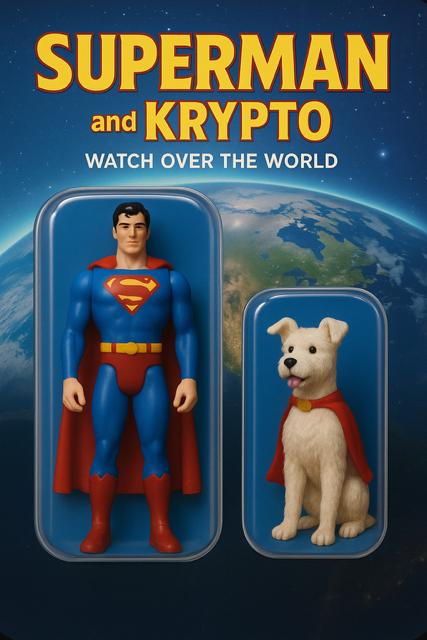
No review of this film would be complete without mentioning the breakout star: Krypto. Serving as both the film’s chaotic comic relief and its beating heart, the unruly, stubborn, and utterly charming pup steals every scene he enters. His presence adds a layer of levity that prevents the film from feeling overly somber, proving that even a galactic hero needs a companion.
Critical Analysis: Where the Narrative Stumbles
Despite its strengths, the film is not without its flaws. The primary narrative misstep occurs in the closing act with the introduction of a key future character. While the intent was clearly to tease a broader scope for the DC Universe, the execution felt disjointed. The character’s behavior seemed to deviate from established lore in a way that felt jarring rather than intriguing. While fans of Gunn’s work will likely trust in his long-term vision, this specific moment failed to land, leaving a sense of confusion that contrasted sharply with the clarity of the film’s first two acts.

However, a small reward awaits those who remain in their seats. The post-credits sequence is a delightful, humorous coda that reminds audiences not to take the mythos too seriously.
Implications for the Future of the DC Universe
The overarching implication of this release is clear: the DC Universe is breathing again. By focusing on emotional stakes and character development, the film has successfully revitalized a franchise that many feared was losing its way. It is a clarion call for the future of superhero cinema—a signal that audiences are still hungry for stories that prioritize the "hero" in the hero’s journey.
AI and the Modern Fan: Creating Superman in the Digital Age
Beyond the screen, the intersection of technology and fandom has created new ways for enthusiasts to engage with the Man of Steel. Over the past few months, the use of generative AI tools like ChatGPT and Microsoft Copilot has allowed fans to visualize their own concepts, from action figures to elaborate, high-concept imagery.
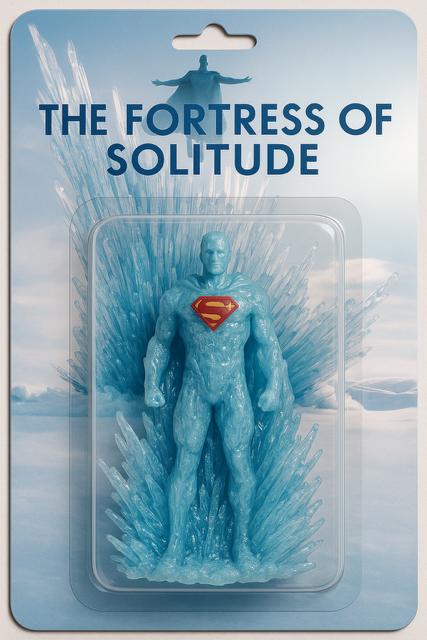
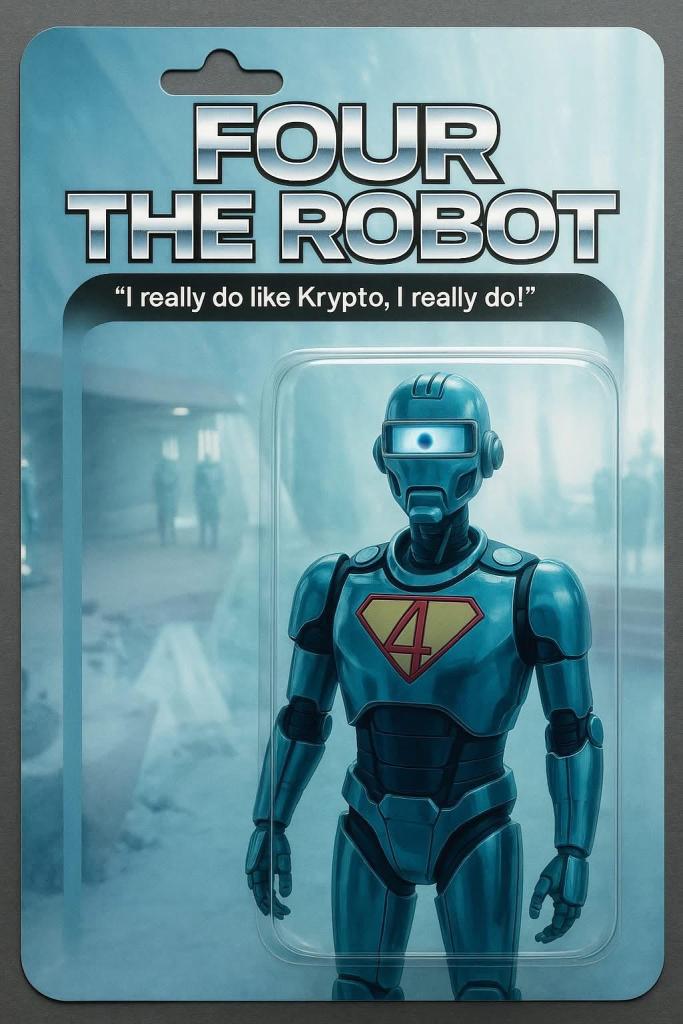
One particularly fascinating endeavor has been the creation of custom action figures and scene-based art. By inputting specific prompts, users can generate everything from the Fortress of Solitude to more unconventional, whimsical scenarios—such as Superman taking a coffee break at a Dunkin’ Donuts.
The Creative Process
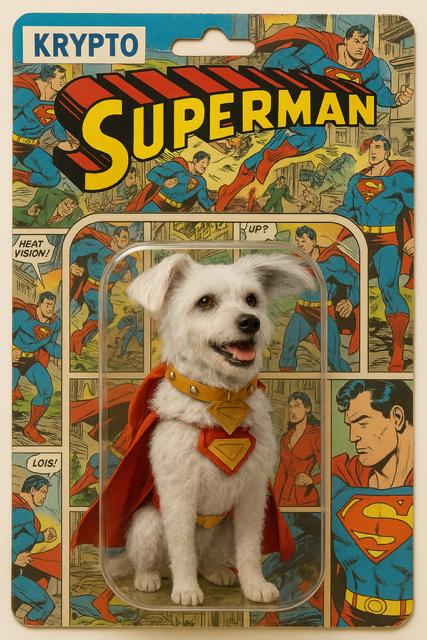
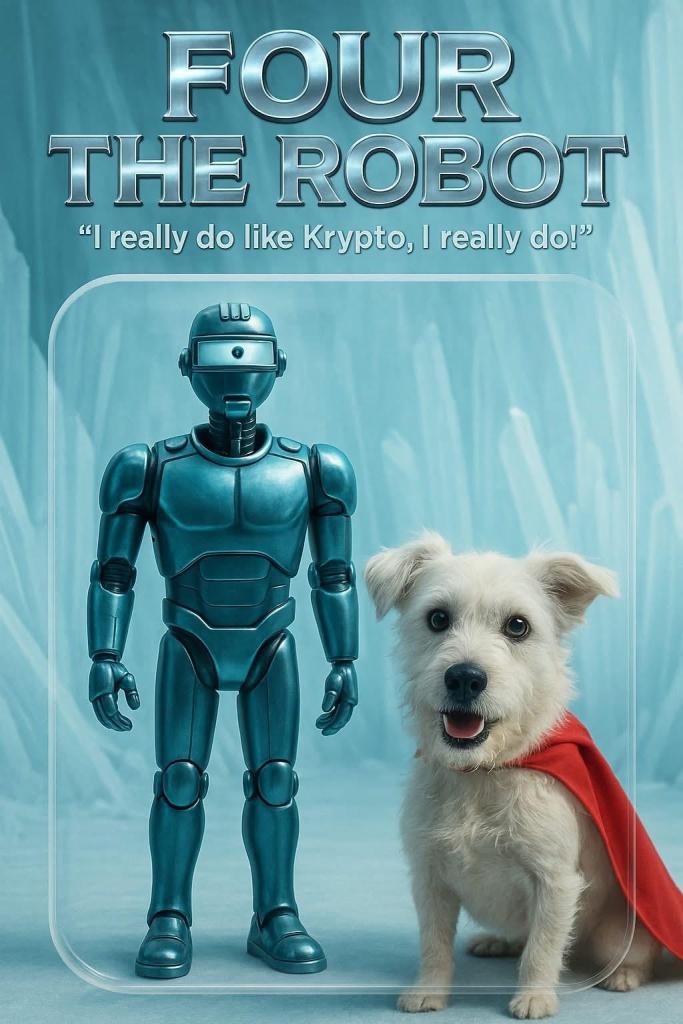
These digital projects offer a glimpse into the democratization of fan art. For instance, creating a custom background for an action figure using a collage of vintage Superman comic strips is now a process that can be refined through iterative prompts. One lesson learned during this process is the importance of specificity; as seen in the attempts to place characters within a "bubble" or specific frame, AI requires precise instructions regarding height, width, and composition to achieve the desired result.
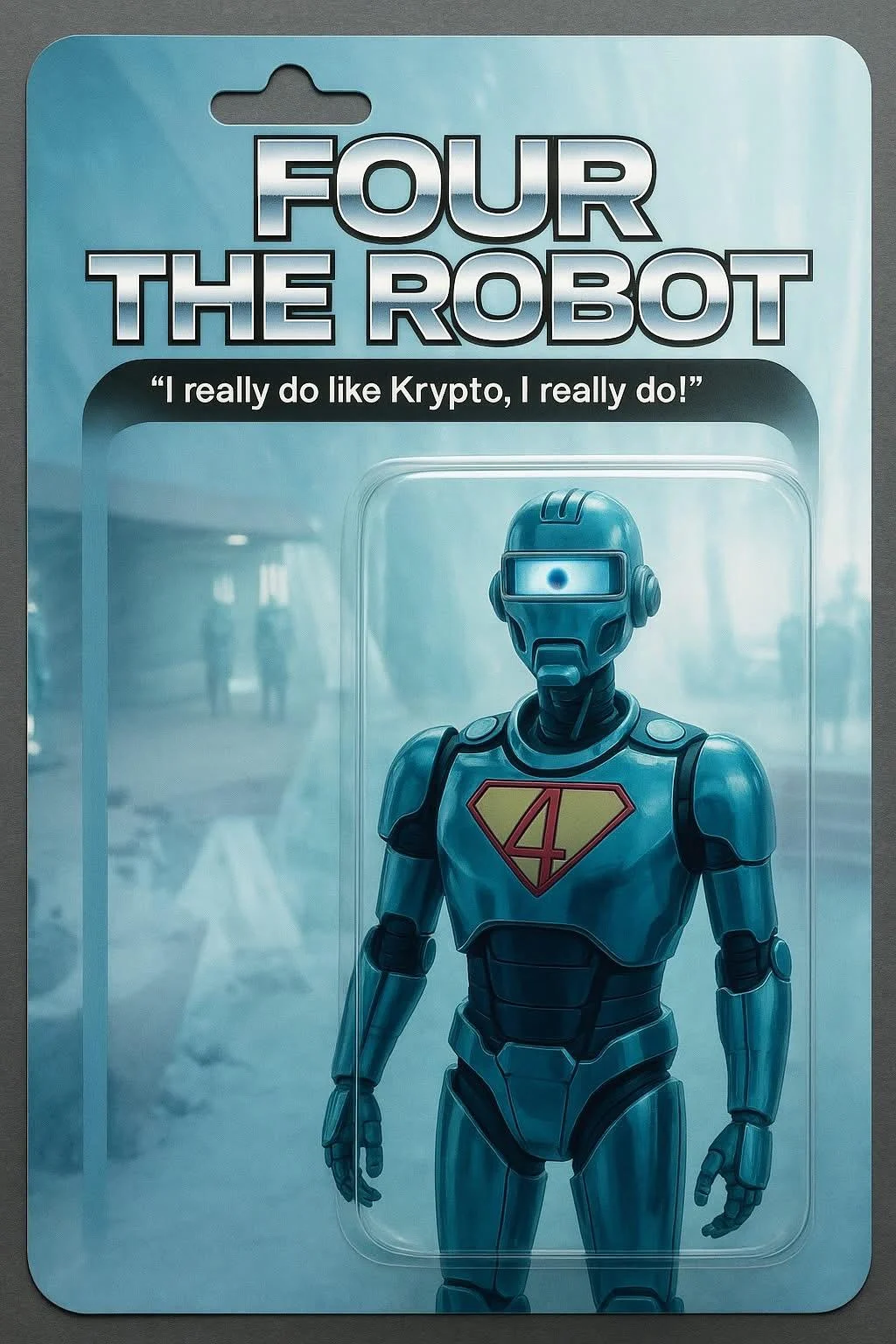
Whether it is a meticulously crafted, full-bodied image of a robot companion like "Four" or a simple, nostalgic pose, these creations highlight how modern fans are not just consuming content—they are actively contributing to the visual lexicon of the character. As we look toward the future of the DC Universe, it is clear that the Man of Steel remains a blank canvas, perpetually waiting for new interpretations, whether by master filmmakers or the fans who keep his legacy alive in their own creative ways.
Final Thoughts: Look Up
This film is a triumph for long-time fans and newcomers alike. It is a rare example of a blockbuster that respects its own history while daring to forge a new path. It reminds us why we look up to the sky in the first place: not just to see the hero, but to remember the ideals he represents.
Superman is back, and he is more necessary than ever. The message is simple, timeless, and perfectly delivered: look up.
