
The Great Optimization Divide: Crazy Egg vs. AB Tasty in 2026
The landscape of conversion rate optimization (CRO) is undergoing a seismic shift. With the high-profile merger of AB Tasty and VWO in January 2026, enterprise teams are re-evaluating their core experimentation stacks. As businesses look to consolidate tools and maximize the ROI of their digital properties, the choice between an all-in-one platform like Crazy Egg and a specialized, high-end testing suite like AB Tasty has never been more critical.
Main Facts: Two Philosophies, One Goal
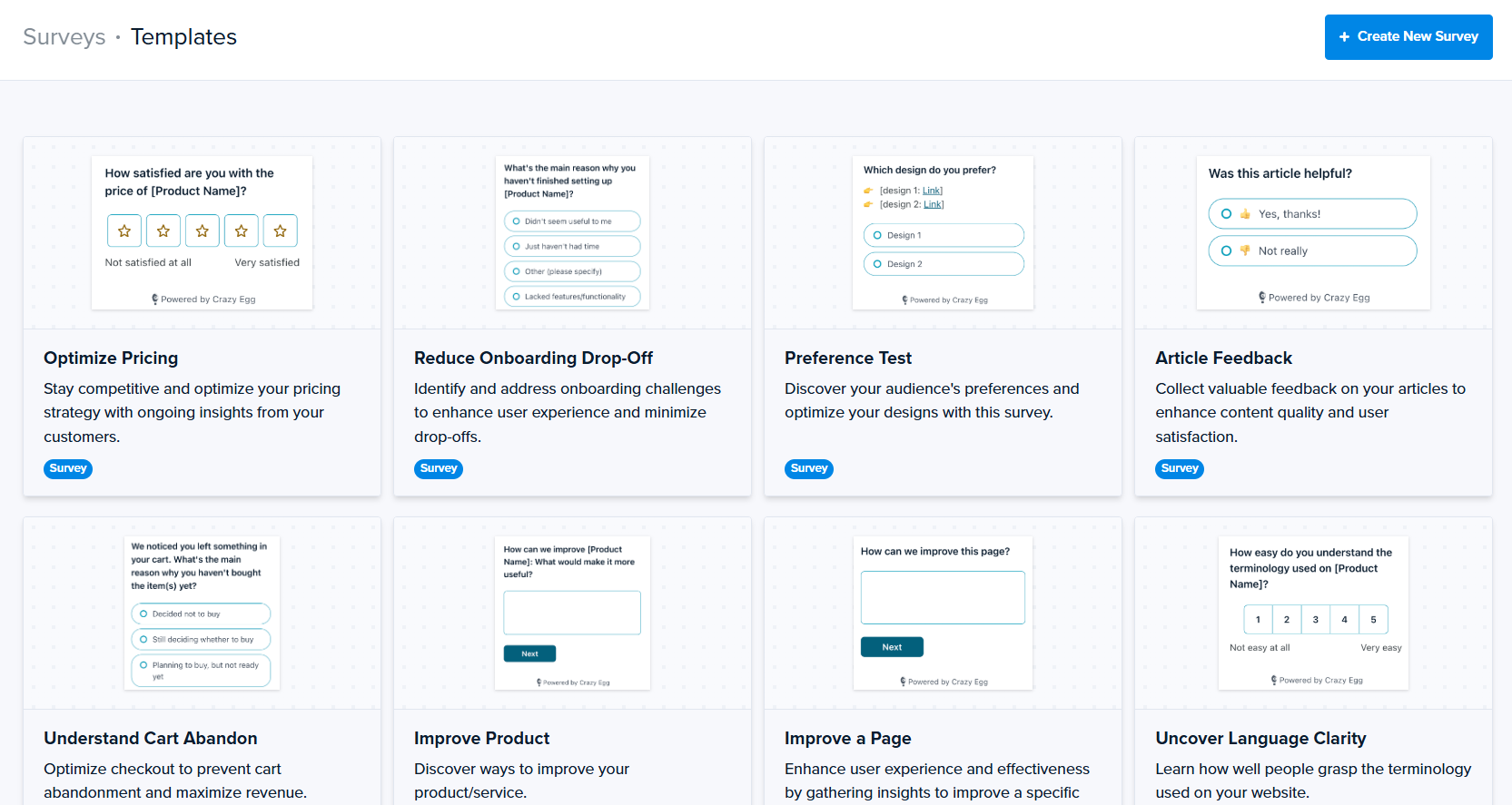
At its core, this comparison boils down to a fundamental architectural difference. Crazy Egg functions as a comprehensive, "all-in-one" ecosystem. It is designed to bridge the gap between user behavior analysis and active experimentation. From the moment a user lands on a site, Crazy Egg tracks their path, identifies friction points via heatmaps and session recordings, allows for immediate A/B testing, and provides the necessary survey tools to qualify that data.
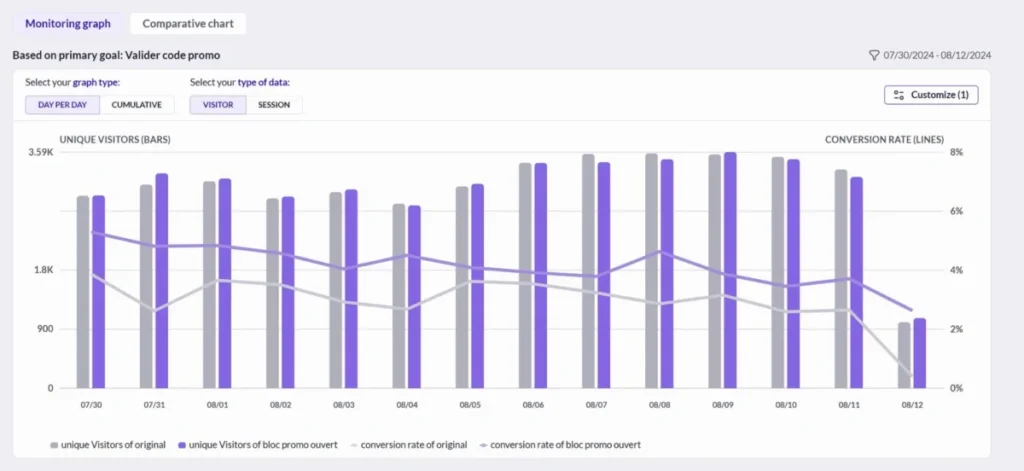
Conversely, AB Tasty—now operating under the combined power of its merger with VWO—is positioned as a surgical instrument. It is built for teams that already possess mature data pipelines, dedicated analytics departments, and specific requirements for high-velocity, multivariate experimentation. It does not provide the "full-stack" visibility of heatmaps or recordings natively, favoring instead a philosophy of modular integration with best-in-class third-party analytics tools.
Chronology: A Changing Market
The competitive environment shifted dramatically in January 2026 when AB Tasty and VWO announced their merger. This consolidation signaled a move toward a "super-platform" strategy for the enterprise segment. For existing customers of either service, the merger created uncertainty regarding product roadmaps, support tiers, and future pricing structures.
In parallel, Crazy Egg has been aggressively pivoting toward an "AI-First" optimization model. By integrating Model Context Protocol (MCP) servers and rolling out automated "Tasks" that chain insight-gathering with execution, they have positioned themselves as the solution for teams looking to reduce the manual labor of the CRO cycle.
Supporting Data: Feature Parity and Gaps
The technical disparity between the two platforms is significant. While AB Tasty leads in raw experimentation breadth—offering sophisticated multivariate testing and server-side feature flagging—Crazy Egg offers a depth of qualitative data that AB Tasty lacks.
A/B Testing Capabilities
AB Tasty dominates the advanced testing space. It supports A/A testing, multivariate testing, and complex multi-page experiments. For an enterprise company running hundreds of concurrent tests, the ability to enforce "Mutually Exclusive Experiments" is a mandatory feature.
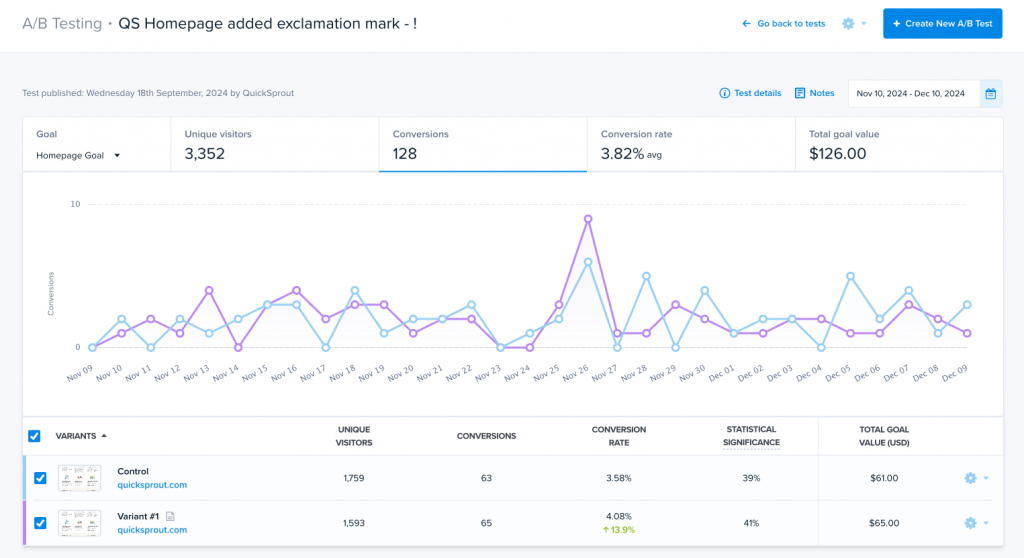
Crazy Egg, while lacking multivariate capabilities, excels in the "closed-loop" test. By auto-generating heatmaps and recordings for every specific variant, it provides an immediate "why" behind the "what." In an AB Tasty environment, you would need to export your variant data to a third-party tool like Contentsquare or FullStory to gain similar qualitative insights.
The Analytics and Heatmap Divide
The most striking difference lies in native visibility.
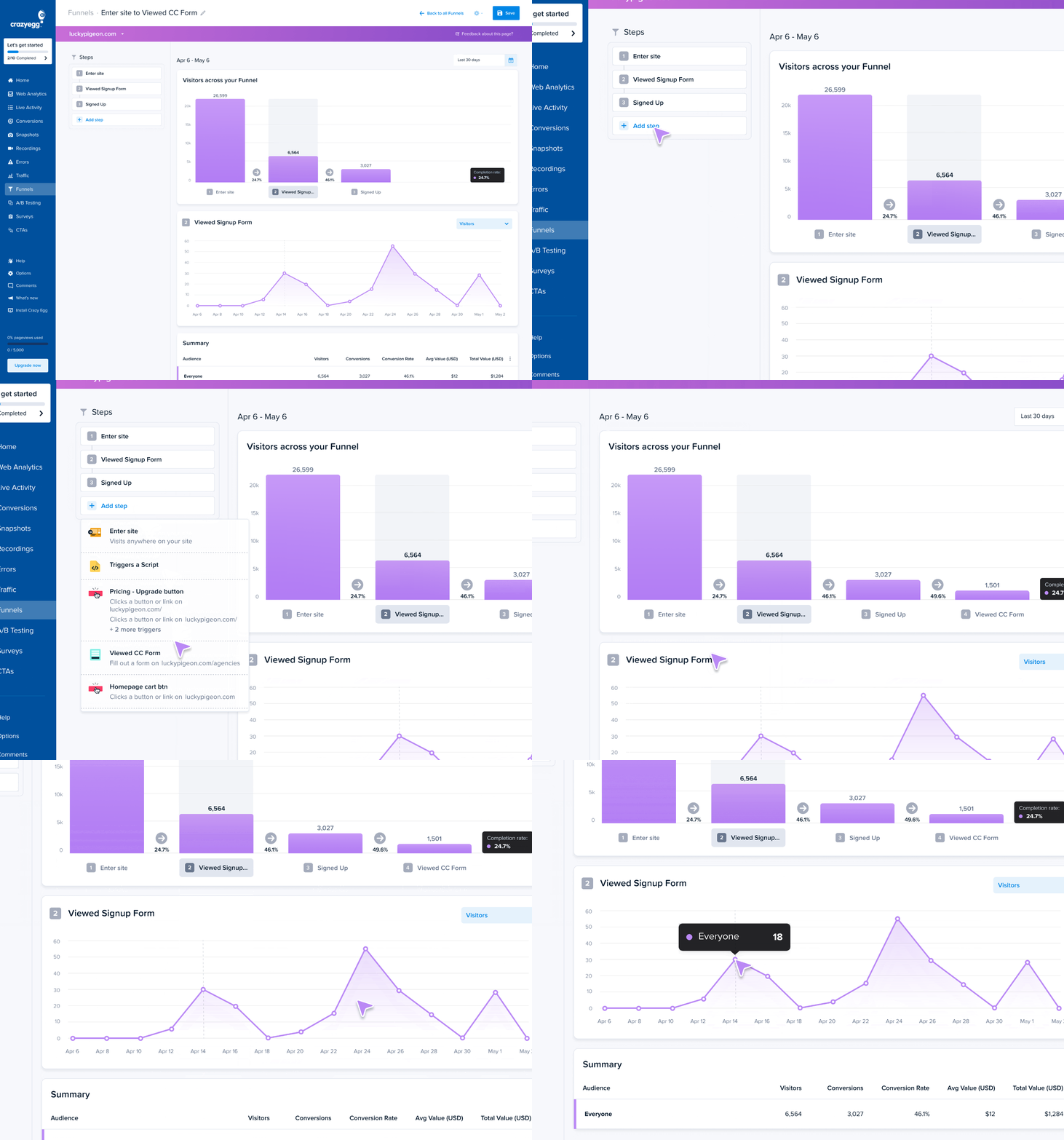
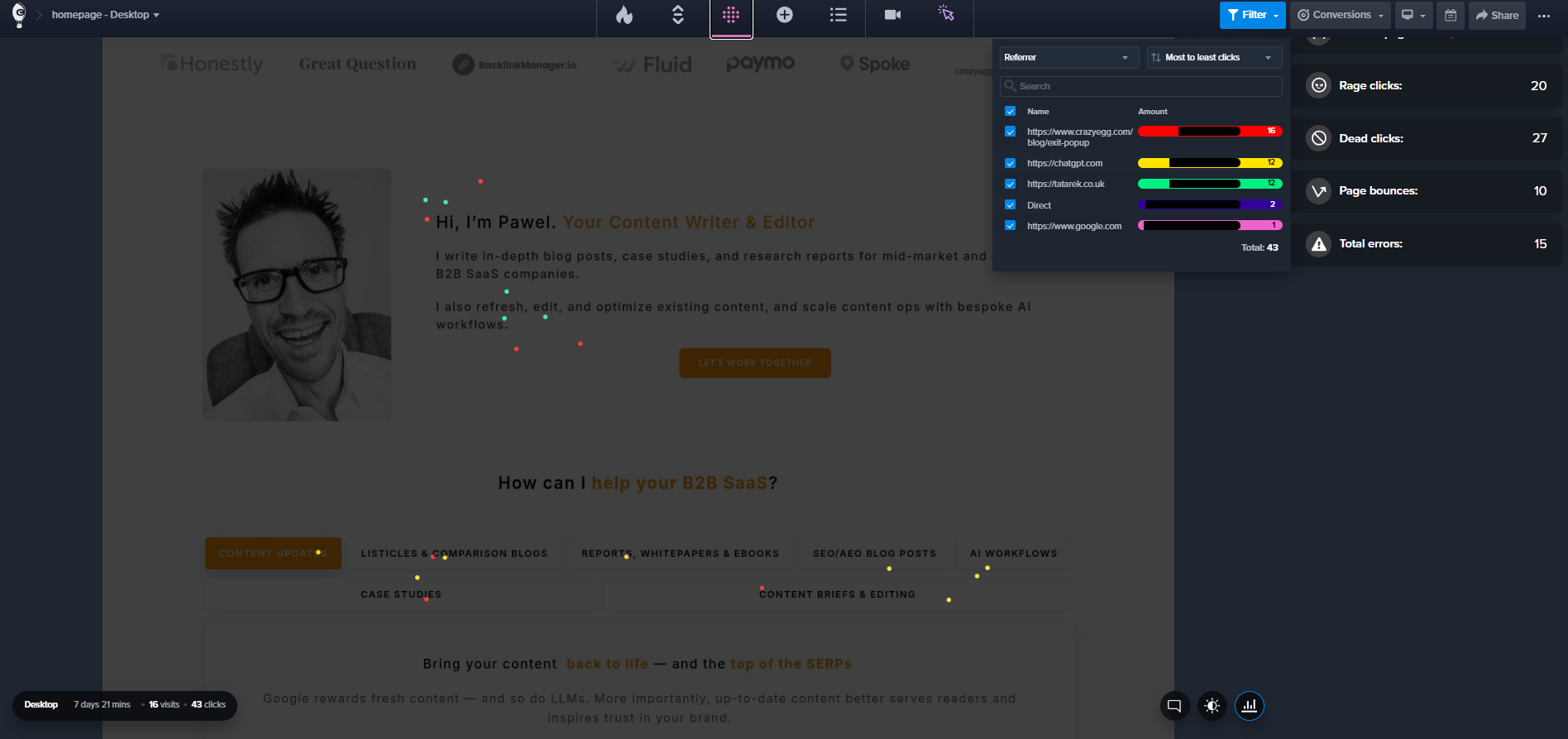
- Crazy Egg: Offers a built-in Web Analytics dashboard, conversion funnels, and five distinct types of heatmaps (Click, Scroll, Confetti, Overlay, and List).
- AB Tasty: Provides no native web analytics or heatmap module. It relies entirely on its ability to pipe data into GA4, Adobe Analytics, or Mixpanel.
For smaller or mid-sized teams, the absence of a native funnel builder in AB Tasty acts as a barrier to entry. For larger teams, it is often viewed as a "clean slate" approach that avoids data silos.
JS Error Tracking: The Silent Killer
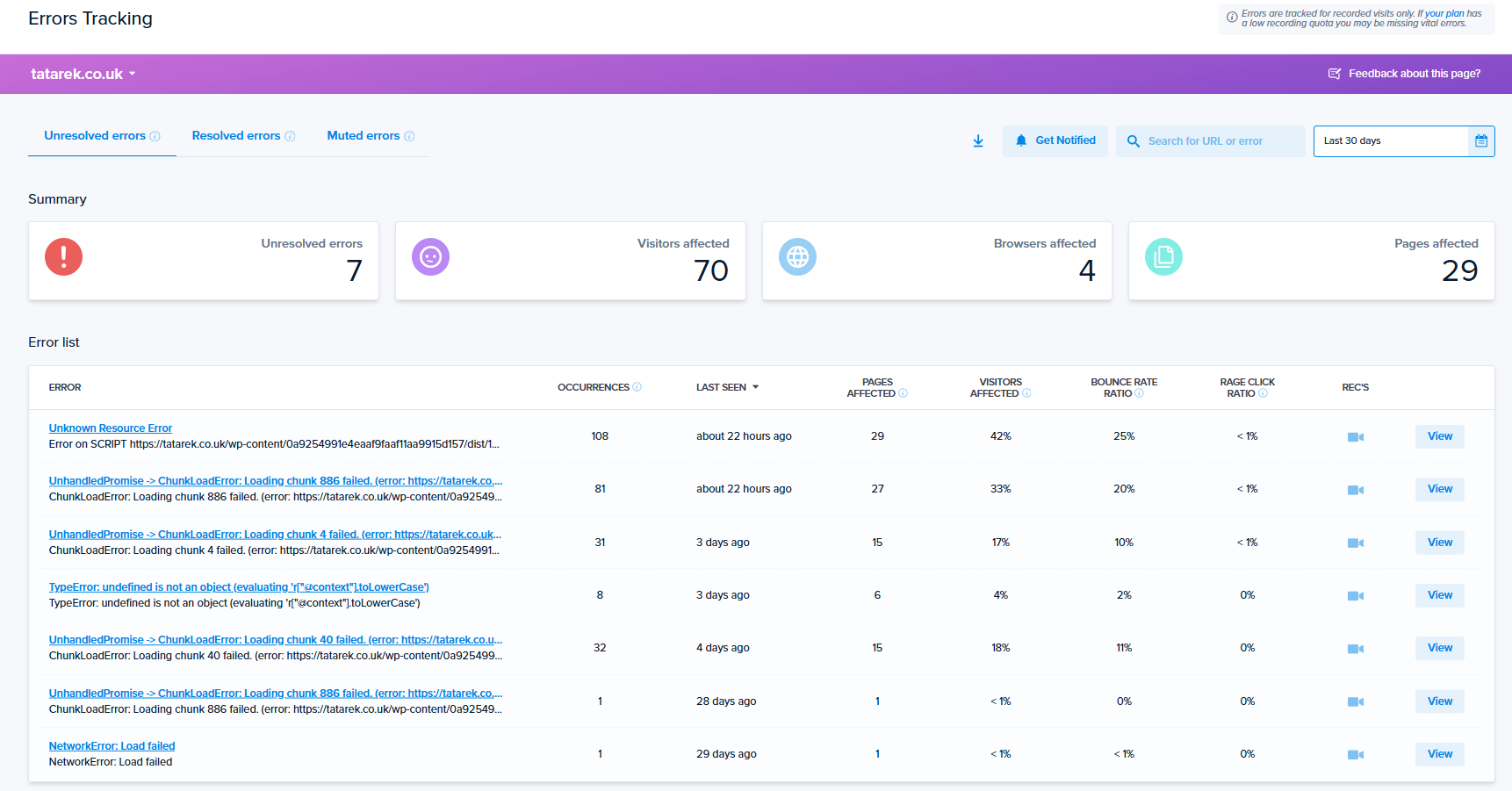
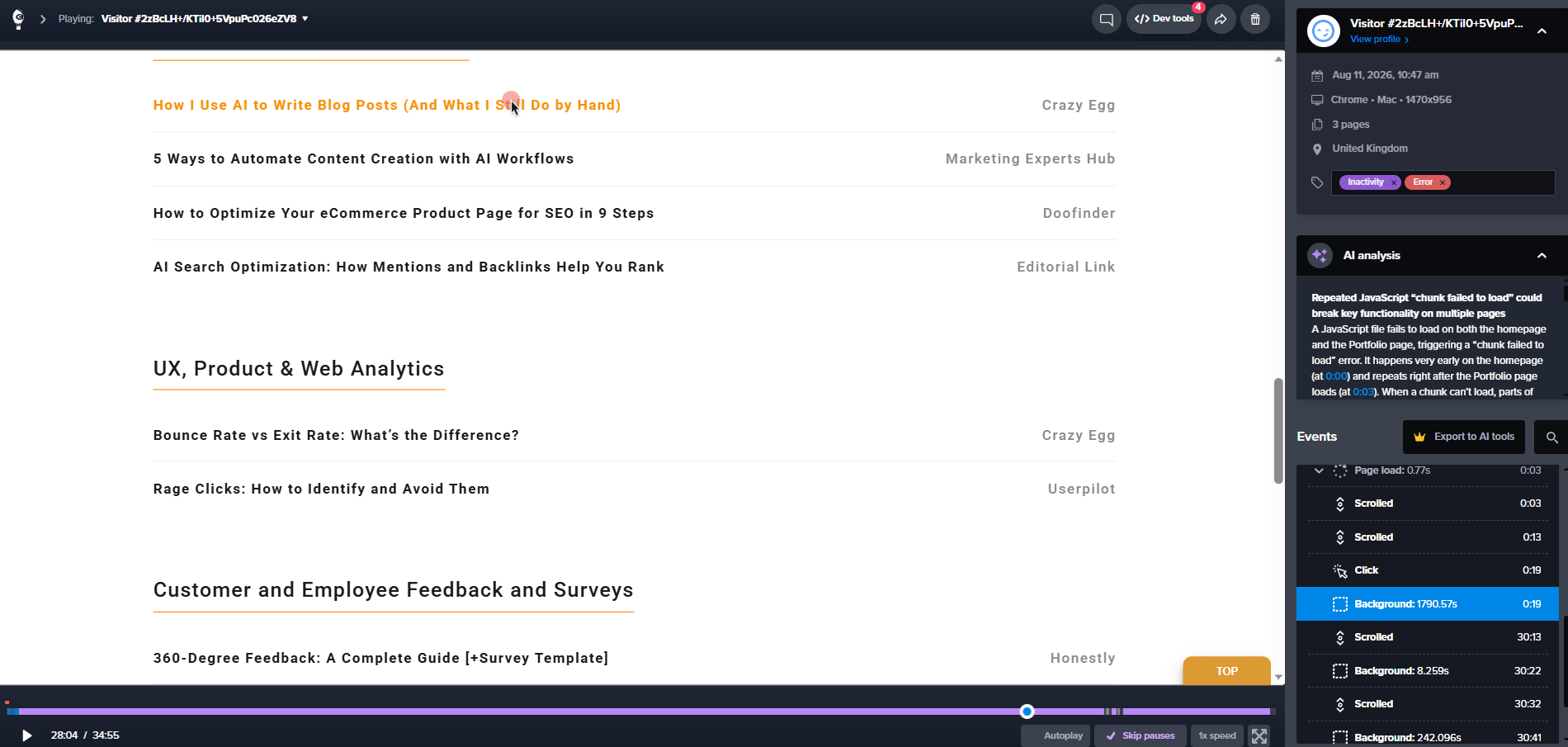
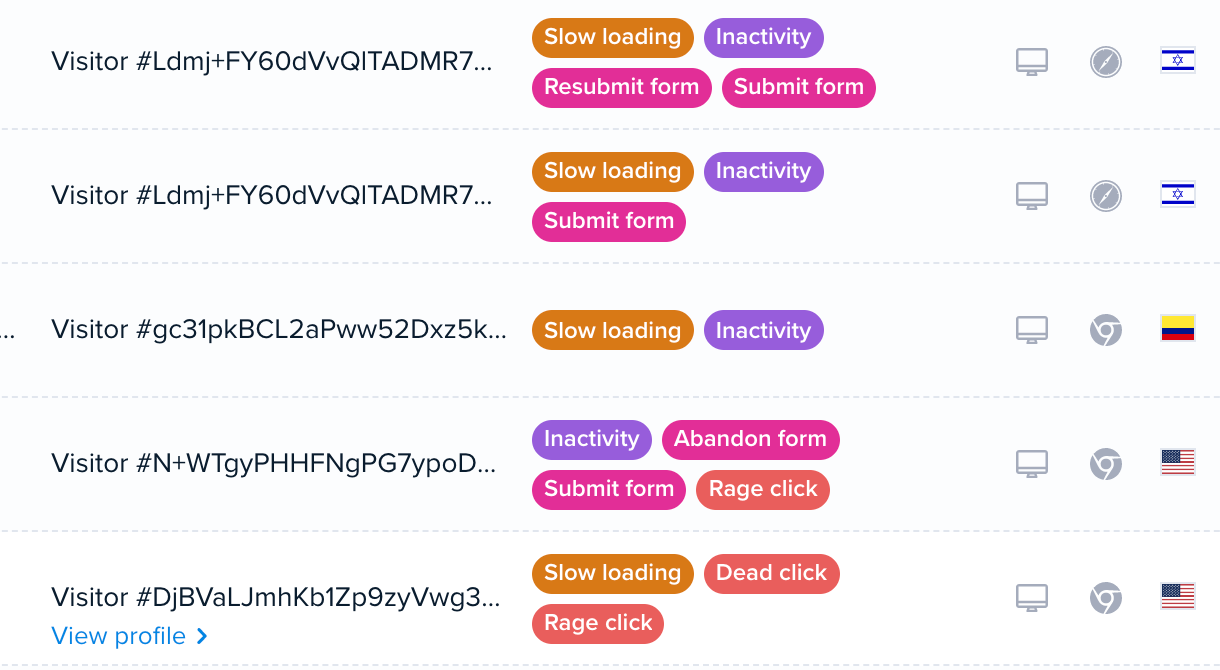
JavaScript errors are the silent destroyers of conversion rates. Crazy Egg’s inclusion of automatic JS error capture—where every error is linked to a video session recording of the exact moment the bug occurred—is a standout feature. AB Tasty’s omission of this feature forces teams to pay for additional tools like LogRocket or Sentry, increasing the total cost of ownership.
Official Perspectives and Strategic Implications
The strategic implications for organizations are clear: choose your tool based on your current operational maturity.
The "All-in-One" Value Proposition
Crazy Egg’s strategy is built on transparency. By pricing based on tracked pageviews with no overages, they provide predictable budgeting. Their recent development of "Tasks"—an automated optimization loop—suggests a future where AI handles the heavy lifting of identifying drop-offs and suggesting page variants. This is highly attractive to companies that have a "CRO team of one" or agencies that manage multiple clients with limited resources.
The "Enterprise Modular" Strategy
AB Tasty’s current roadmap, heavily influenced by the "Wandz" AI layer, focuses on agentic workflows and synthetic testing. By integrating VWO’s legacy Copilot features, they are catering to technical teams that require server-side feature management and advanced audience segmentation through CDPs. The implication here is that AB Tasty is not just a marketing tool; it is a product engineering tool.
Implications for Your Tech Stack
If your organization is currently renewing its contract with AB Tasty, you are effectively signing on to the post-merger ecosystem. You must verify that your current service level agreements (SLAs) regarding 24/7 technical support remain intact, as the restructuring of the combined entity has led to tier-based support shifts.
For teams considering a move to Crazy Egg, the primary implication is the potential for consolidation. Many companies find that by switching, they can sunset three or four auxiliary tools (heatmap software, session replay tools, survey widgets, and error tracking tools), effectively reducing their total tech spend by 30-50% while gaining a more cohesive data set.
Final Analysis: Which Direction to Take?
The choice between these two giants depends on your team’s "Optimization Maturity Index."
Choose AB Tasty if:
- You have high-end needs: You require multivariate testing and server-side feature flagging for product development.
- You have an established stack: You already pay for best-in-class tools like Contentsquare for heatmaps, Mixpanel for analytics, and Sentry for error tracking.
- You are an enterprise: You have the budget (typically $80k–$150k+ annually) and the internal resources to manage multiple high-complexity integrations.
Choose Crazy Egg if:
- You want agility: You want to see a heatmap, watch a recording of a failing form, and launch an A/B test without leaving the platform.
- You value transparency: You want predictable pricing and a tool that is easy for non-technical stakeholders to use.
- You are AI-driven: You want to leverage modern AI tools to speed up your hypothesis generation and execution without needing to build a custom data pipeline.
The merger of AB Tasty and VWO represents a consolidation of power at the top end of the market, while Crazy Egg continues to democratize the power of behavioral analytics for the masses. In 2026, the most successful companies will not necessarily be those with the most "features," but those that can most effectively close the loop between user data and actionable, revenue-generating changes. Whether that loop is closed in a single interface or across a suite of integrated enterprise tools is the defining decision of the year.
