
The Great Optimization Divide: A Comprehensive Analysis of Crazy Egg vs. Convert.com
In the competitive landscape of Conversion Rate Optimization (CRO), digital marketers and product teams face a fundamental choice: do they prioritize a holistic, data-rich diagnostic ecosystem, or do they lean into a specialized, high-performance experimentation engine? The debate between Crazy Egg and Convert.com has become a centerpiece of this discussion, representing two distinct philosophies in web optimization.
While both platforms aim to improve conversion rates and enhance user experiences, they approach the challenge from different angles. Crazy Egg offers an all-in-one suite designed to diagnose "leaks" through behavioral analytics before testing solutions. Convert.com, conversely, functions as a high-octane laboratory, built for sophisticated experimentation, server-side testing, and complex engineering-led deployments.
Main Facts: Defining the Two Philosophies
The core difference between these platforms lies in their architectural intent.
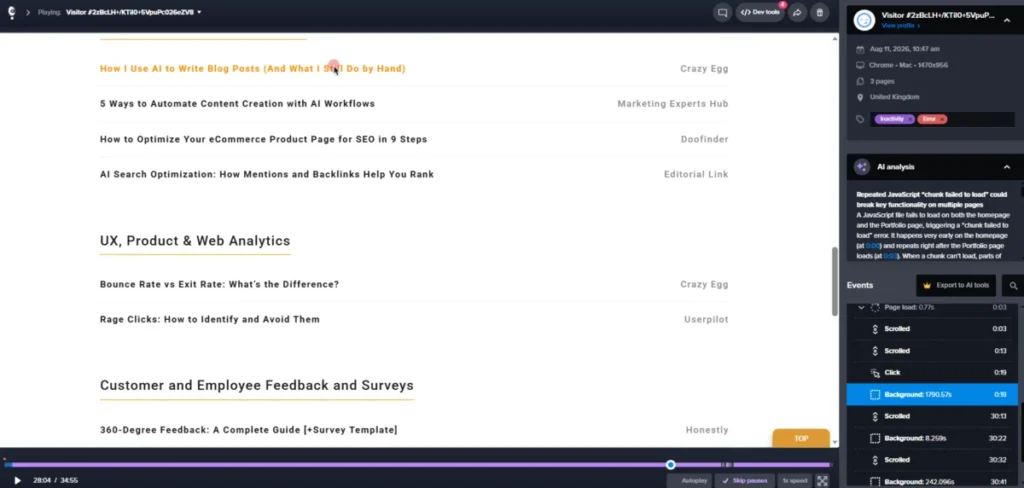
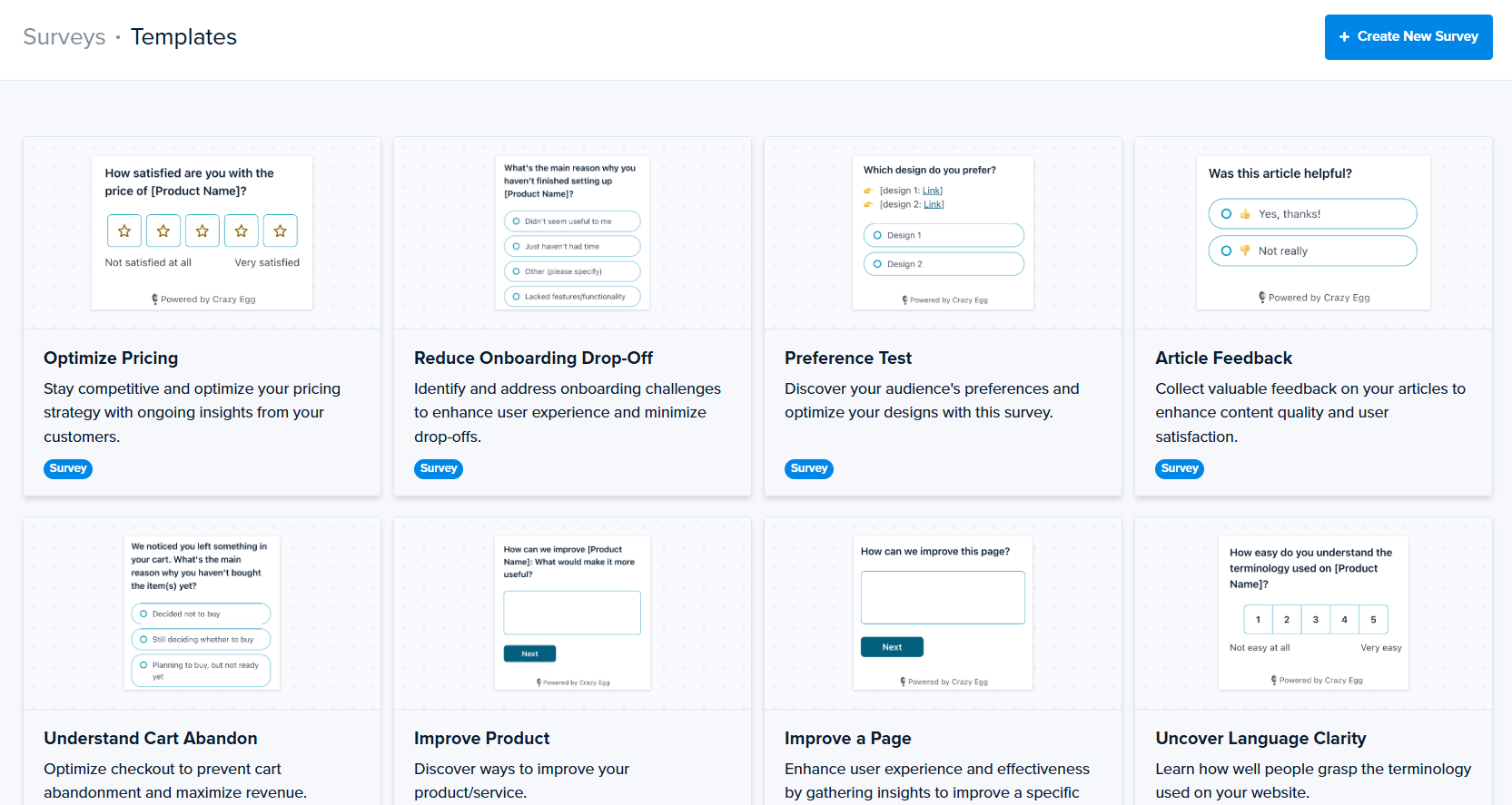
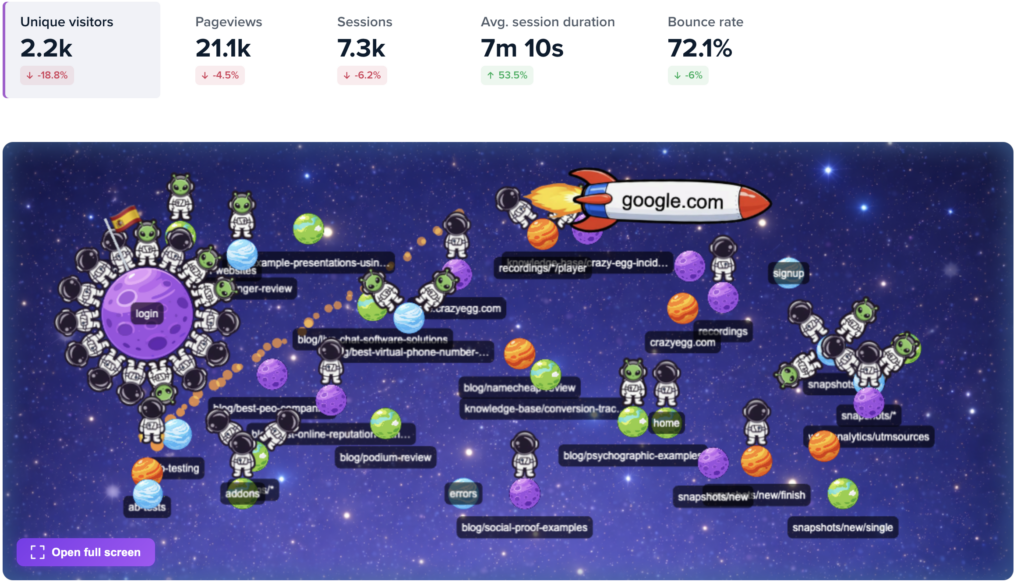
Crazy Egg acts as an end-to-end diagnostic and optimization platform. It integrates web analytics, funnels, heatmaps, session recordings, error tracking, and surveys into a single dashboard. Its design philosophy is rooted in the belief that you cannot effectively optimize what you do not fully understand. By housing both the "why" (recordings, heatmaps, surveys) and the "what" (A/B testing, personalization) under one roof, it simplifies the workflow for marketers who lack dedicated data science resources.
Convert.com is positioned as a powerhouse for experimentation-first organizations. It excels in environments where the primary focus is on multivariate, server-side, and feature-flagged testing. It assumes that the user already has a robust analytics stack (such as Google Analytics 4, Mixpanel, or Amplitude) and focuses on providing the most granular control possible over the testing environment. It is the tool of choice for product and engineering teams that require high-velocity, low-latency experimentation.
Chronology: The Evolution of CRO Tools
The trajectory of these two tools reflects the broader maturation of the digital economy.
- The Early Days (2006–2015): Crazy Egg emerged early in the market, focusing on the visual representation of user behavior through heatmaps. Its goal was to democratize web analytics, making complex data accessible to non-technical users.
- The Rise of Sophisticated Testing (2015–2020): As e-commerce and SaaS platforms became more complex, the need for statistically rigorous A/B testing grew. Convert.com carved out a niche by focusing on the "heavy lifting" of testing: Frequentist and Bayesian engines, server-side capabilities, and integration-heavy workflows.
- The AI and Agentic Era (2024–Present): Both platforms have pivoted toward integrating AI. Crazy Egg has leaned into "Agentic Workflows"—using AI to not only analyze data but to actively suggest and draft website variants. Convert has similarly integrated AI to assist in code generation and test configuration, though its focus remains on supporting the human experimenter rather than automating the entire CRO loop.
Supporting Data: Feature-by-Feature Comparison
To understand which platform is the superior fit for your organization, one must look at the granular functional disparities.
1. The Diagnostic Suite
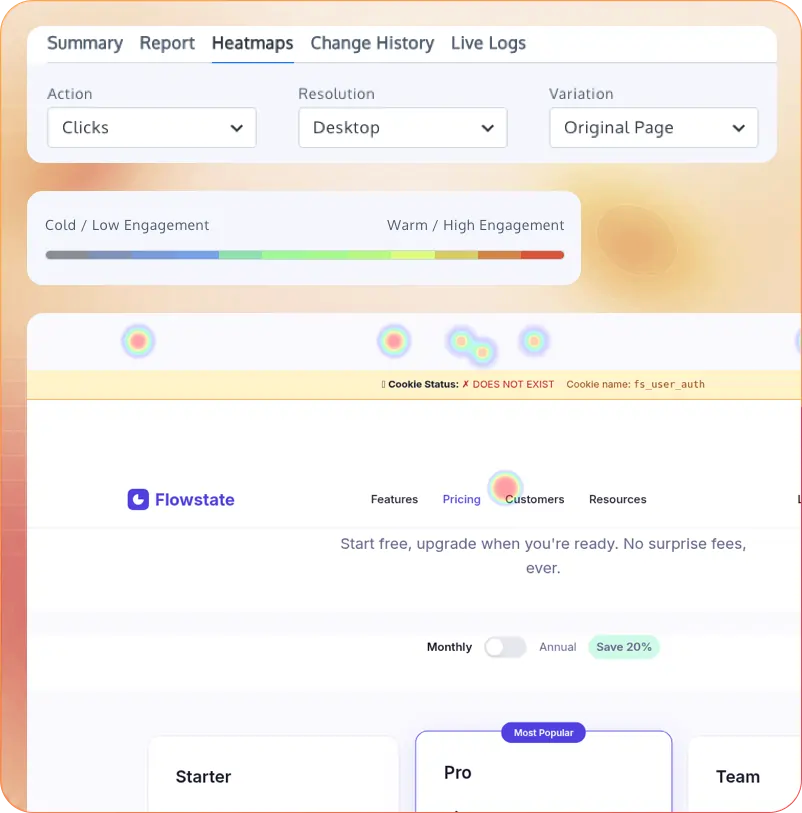
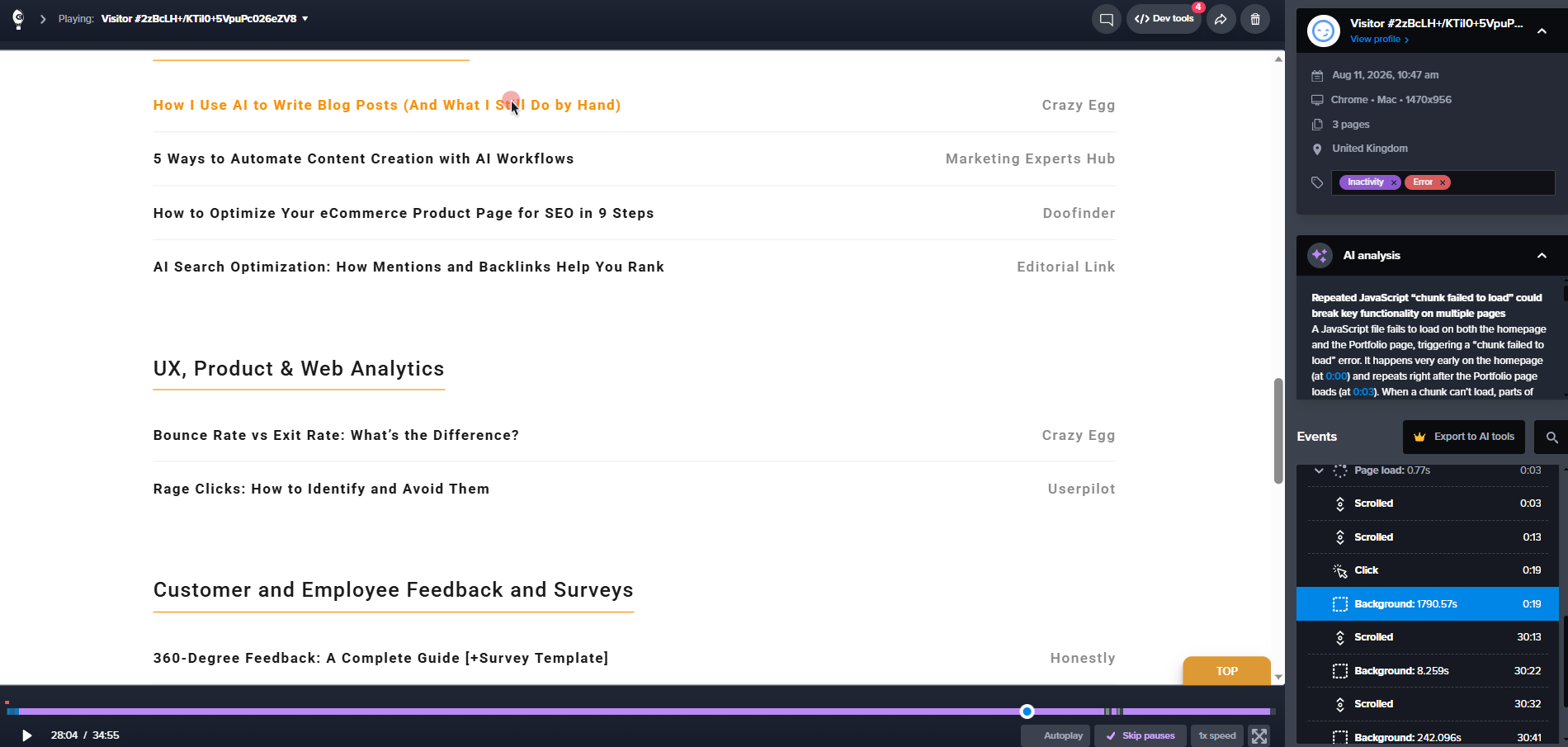
Crazy Egg’s strength is its depth of diagnostic tools. Its heatmap offering includes five distinct map types—including the signature "Confetti" maps—which allow for per-click segmentation. Because Crazy Egg does not sample traffic by default, the data is arguably more granular. Furthermore, its ability to link survey responses directly to individual session recordings allows researchers to witness the exact moment a user encounters friction.
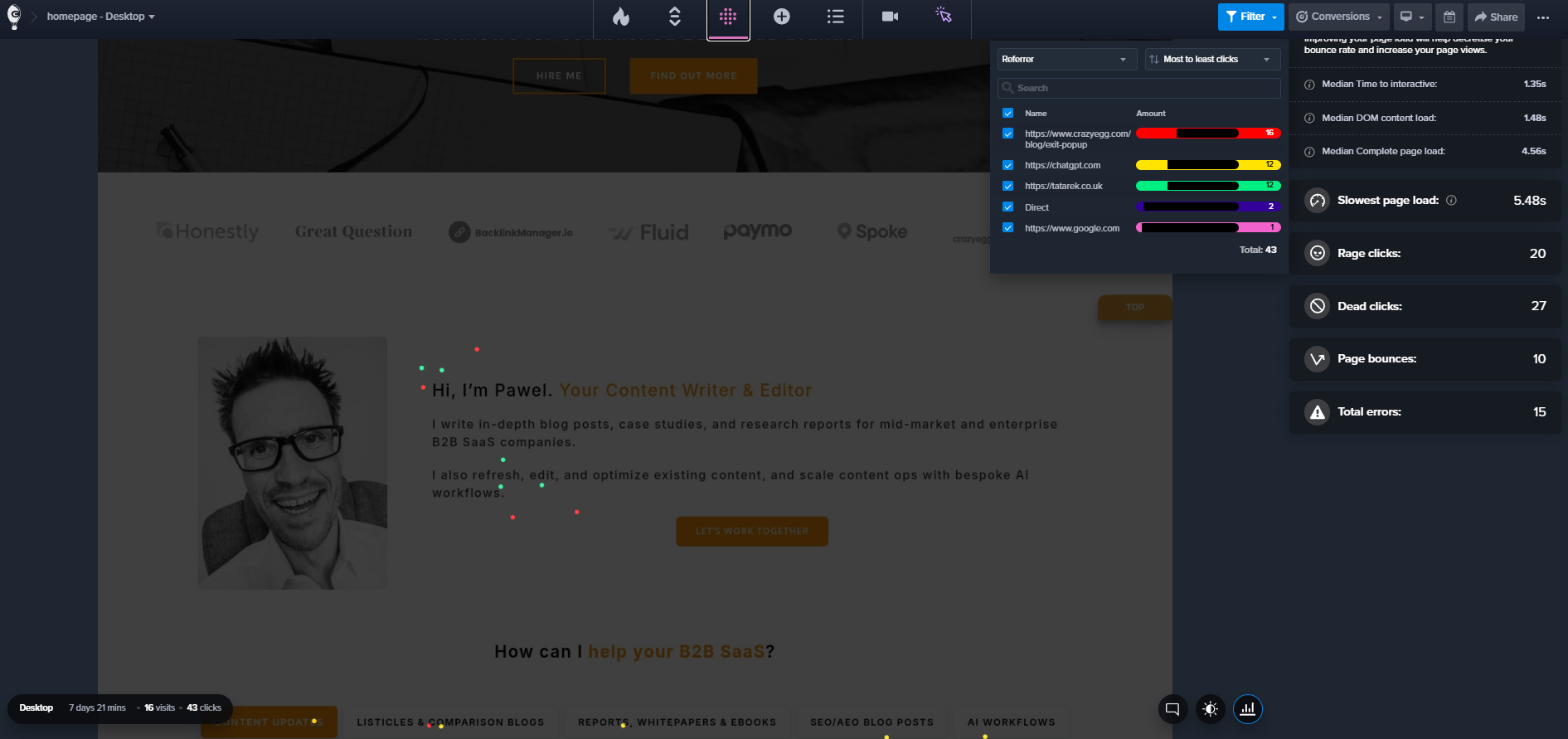
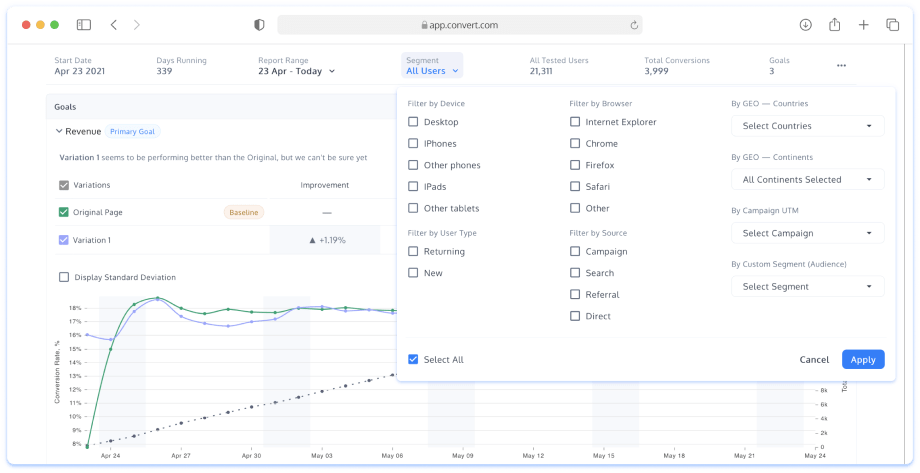
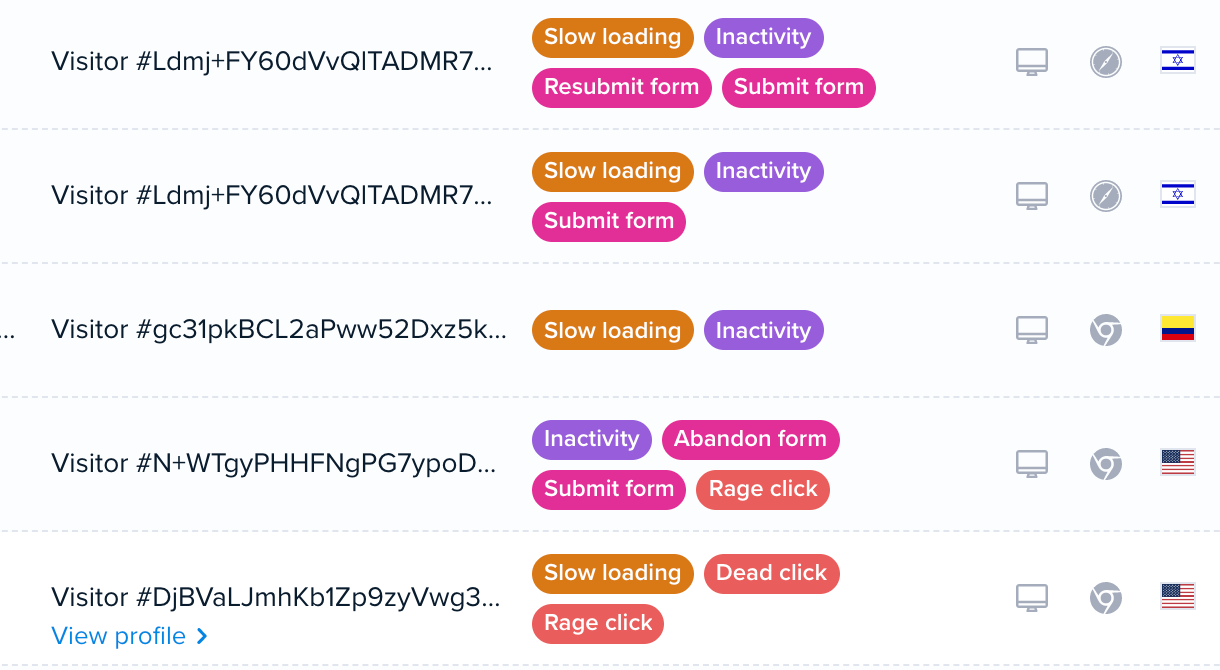
Convert, by comparison, provides standard click, scroll, and mouse-movement maps, but it lacks the breadth of Crazy Egg’s visualization library. Its reliance on "friction signals" to trigger recordings means that, while it is efficient at flagging bugs, it may miss the subtle behavioral shifts that occur during successful user journeys.
2. A/B Testing and Engineering Capabilities
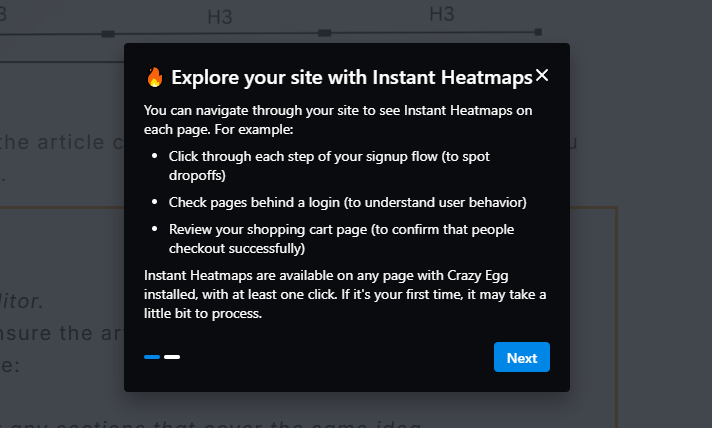
This is where Convert.com truly shines. While Crazy Egg provides a solid visual editor for A/B and multi-armed bandit tests, Convert supports the entire engineering lifecycle:
- Multivariate and Multipage testing: Essential for complex conversion funnels.
- Server-side testing and Feature Flags: Allowing for gradual rollouts that don’t rely on client-side script manipulation.
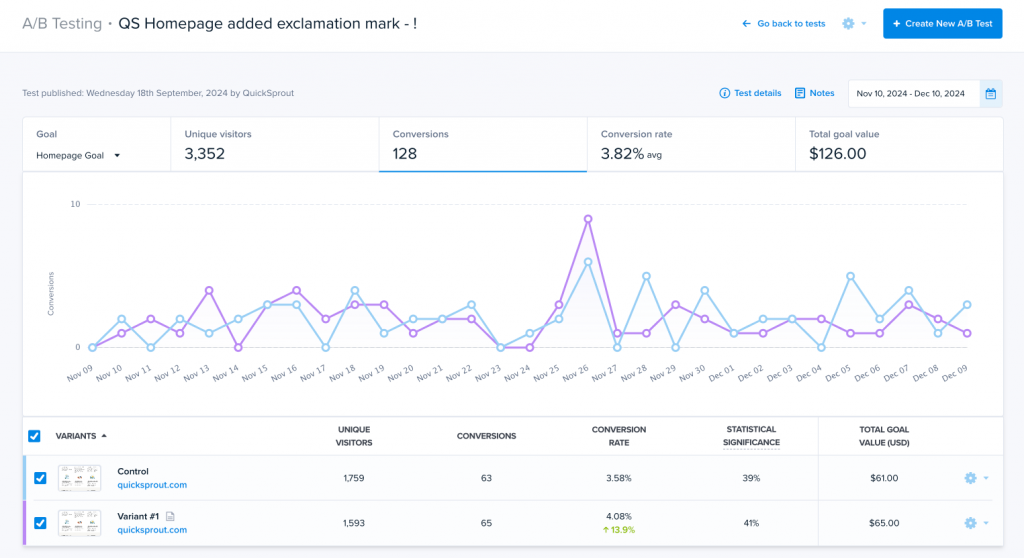
- Statistical Rigor: Convert offers both Frequentist and Bayesian engines, along with Sample-Ratio Mismatch (SRM) checks and outlier detection. For high-traffic enterprises, these features are non-negotiable.
3. Analytics Integration
Crazy Egg offers a standalone analytics solution. For smaller teams, this is a massive advantage—it removes the need for third-party tools like Google Analytics 4. For larger teams, it allows for the importation of GA4 history, ensuring continuity.
Convert operates on an "integration-first" model. It does not provide web analytics, funnel reporting, or error tracking natively. It relies on the user’s existing tech stack. If you are already invested in Adobe Analytics or Amplitude, Convert integrates seamlessly, but it does not offer a "one-stop-shop" experience for those starting from scratch.
Official Perspectives: The Market Positioning
The official stance of Crazy Egg, as evidenced by their recent product updates, is that optimization should be an automated, end-to-end process. By launching "Tasks," they are attempting to move the industry toward agentic CRO, where the software identifies a problem, researches the cause, and drafts the solution with minimal human intervention.
Convert.com’s positioning is that experimentation is a craft. Their focus on SDKs, feature flags, and granular statistical controls suggests they cater to the "Experimentation Culture" prevalent in high-growth tech companies. They view their tool as an extension of the development team’s workflow, rather than a standalone marketing application.
Implications: Which Tool Should You Choose?
The decision between these two platforms is essentially a decision about your team’s DNA.
Choose Crazy Egg if:
- You are a small-to-mid-sized business that needs an all-in-one solution.
- You prioritize diagnostics: You want to know why people are leaving your site before you start testing changes.
- You want AI to do the heavy lifting: You are looking for a platform that suggests improvements and automates report generation.
- Budget efficiency is key: You want a transparent, tiered pricing model without the need for additional third-party survey or analytics tools.
Choose Convert.com if:
- You are a high-growth product or engineering team that requires complex, server-side testing.
- You already have a mature data stack: You have robust analytics and don’t need a platform to tell you your traffic numbers.
- You require statistical precision: Your stakeholders demand rigorous, enterprise-grade data verification (e.g., SRM checks, Bayesian inference).
- Your testing volume is massive: You need the low-latency performance of feature flags and SDK-driven deployments.
Final Verdict: Balancing Cost and Complexity
When evaluating the total cost of ownership, Crazy Egg often presents a more attractive value proposition for the average user. Because it bundles surveys, analytics, and heatmaps, it eliminates the "stack creep" that occurs when an organization has to pay for separate tools for each function.
Conversely, for the enterprise-level user, the price of Convert.com is secondary to the quality of the data and the flexibility of the deployment. In this segment, the ability to run server-side tests that don’t flicker or slow down the site is worth the premium.
Ultimately, the best optimization tool is the one your team will actually use. If you want to spend less time configuring integrations and more time observing user behavior, Crazy Egg is the logical choice. If you want to push the boundaries of what is possible through code-heavy, sophisticated experimentation, Convert.com stands as the industry leader.
As the lines between AI-driven diagnostics and developer-focused experimentation continue to blur, both companies are rapidly innovating. However, as of late 2026, the divide remains clear: one is a bridge to better insights for the marketer, and the other is a laboratory for the engineer.
