
The Great CRO Debate: Evaluating Crazy Egg vs. Convert.com for Modern Web Optimization
In the competitive landscape of digital marketing and product development, the ability to understand user behavior and iterate rapidly through experimentation is no longer a luxury—it is a business imperative. Two heavyweights in this space, Crazy Egg and Convert.com, have long been the go-to solutions for teams looking to boost conversion rates. However, they serve fundamentally different masters.
Choosing between them requires a deep dive into your organization’s specific needs: are you a growth marketer looking for an all-in-one diagnostic and testing suite, or an engineering-heavy product team focused on complex, server-side experimentation? This analysis breaks down the core differences, data capabilities, and strategic implications of choosing one platform over the other.
Main Facts: The Core Philosophical Split
The fundamental divide between these two platforms lies in their architectural DNA.
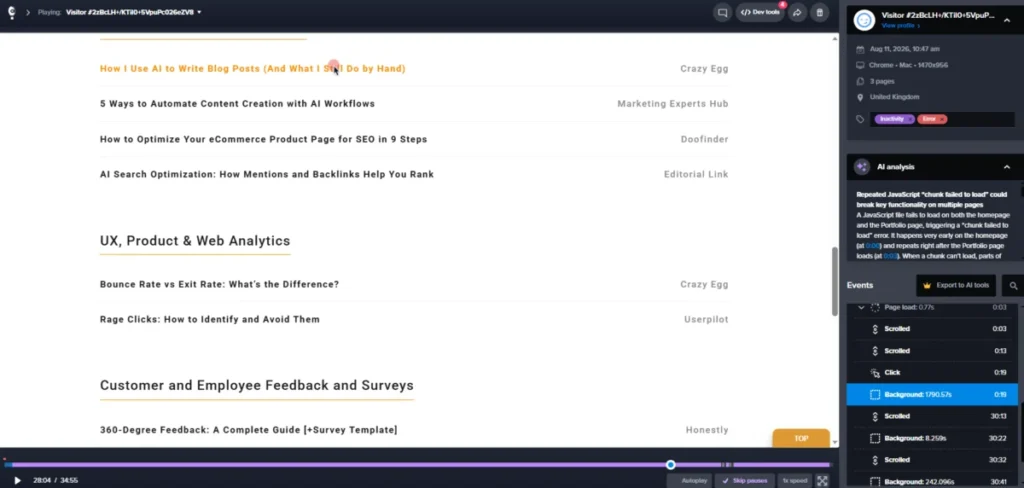
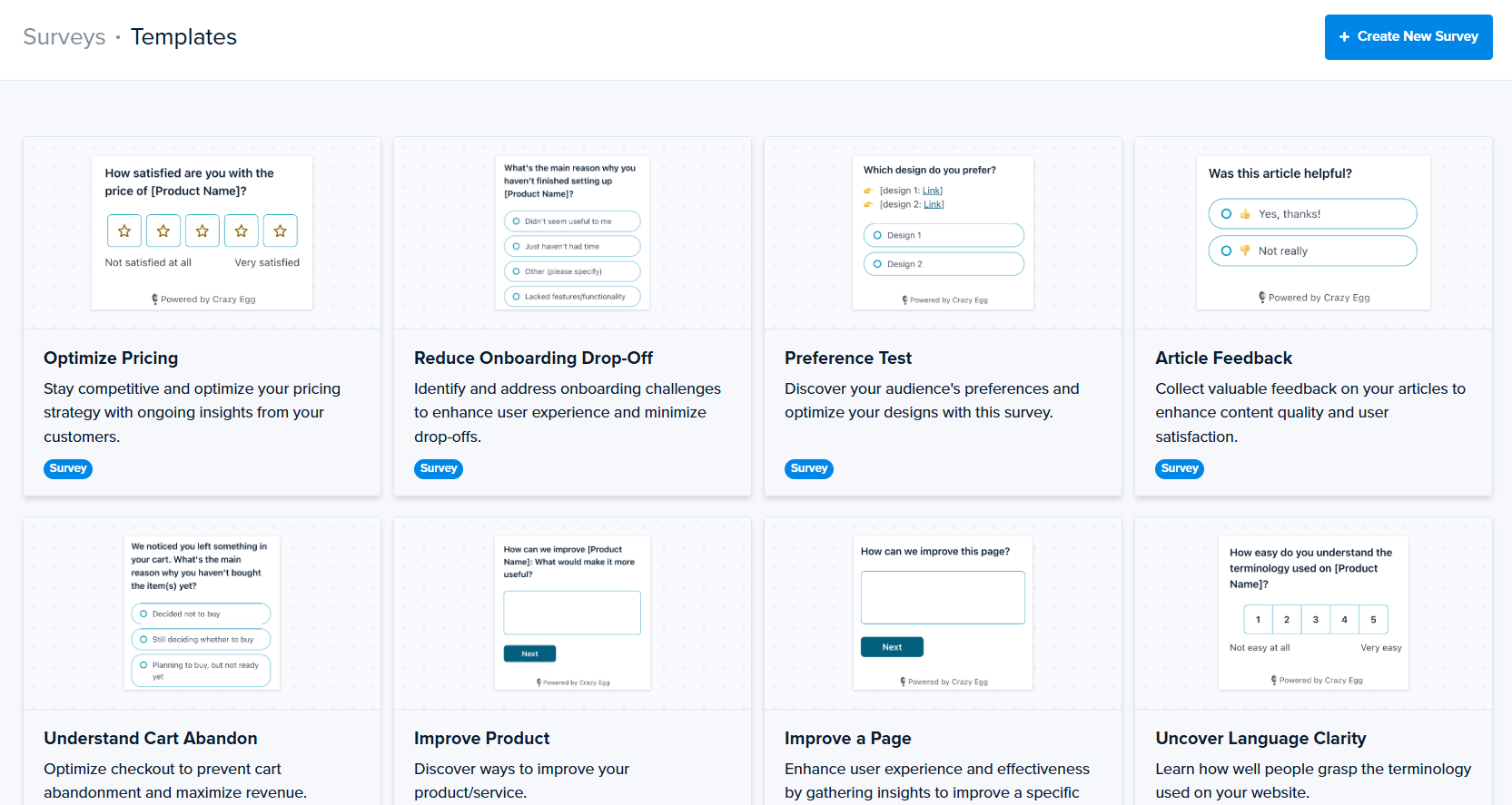
Crazy Egg positions itself as a comprehensive Conversion Rate Optimization (CRO) ecosystem. It is designed to be a "single-pane-of-glass" platform that captures the full optimization lifecycle: analytics, behavioral insights (heatmaps and recordings), qualitative feedback (surveys), and A/B testing. It is built for teams that need to identify where a problem exists before they attempt to solve it.
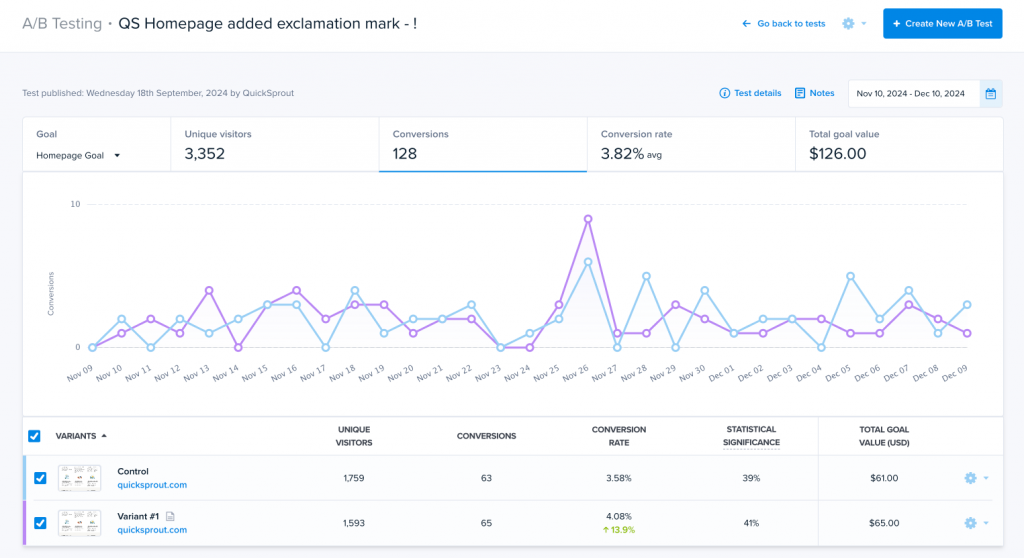
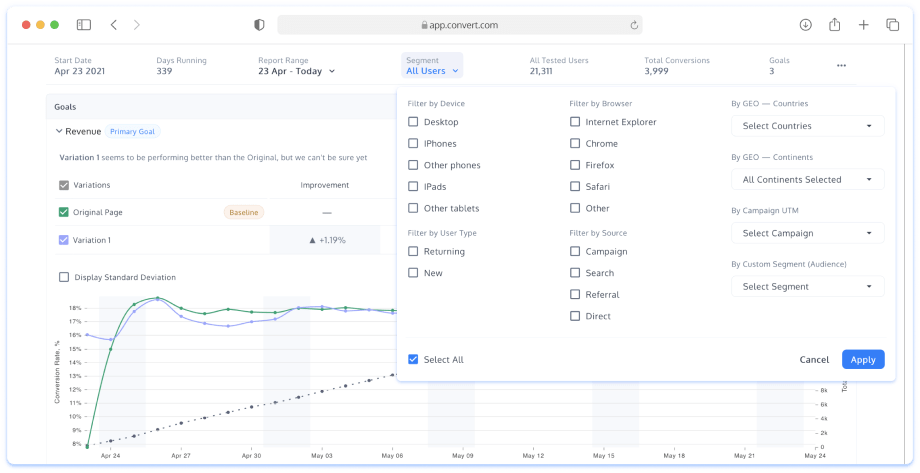
Convert.com, conversely, is built for experimentation-first organizations. It prioritizes the "testing" portion of the funnel, offering advanced capabilities like multivariate, server-side, and feature-flagged testing. While it provides basic user behavior analytics, it operates on the assumption that you already have a robust analytics stack (like Google Analytics 4, Mixpanel, or Amplitude) to handle the diagnostic heavy lifting.
Chronology of Evolution: From Simple Tools to AI-Driven Suites
Both companies have evolved significantly over the last decade.
- The Early Years: Crazy Egg began as a pioneering visualization tool, famous for making heatmaps accessible to non-technical marketers. Over time, it systematically added session recordings, surveys, and A/B testing, effectively "closing the loop" for marketers.
- The Shift to Sophistication: Convert.com grew out of the need for a more robust, enterprise-grade testing environment that could handle high-traffic, complex web applications without the bloat of legacy platforms.
- The AI Era (2025–2026): Both platforms have recently pivoted toward AI-integrated workflows. Crazy Egg has leaned into "Agentic Workflows," where the platform acts as an automated analyst, whereas Convert has focused on "In-App Assistants" that help developers write code variants and interpret statistical significance.
Supporting Data: Feature Comparison at a Glance
For teams prioritizing operational efficiency, the following technical comparison highlights the trade-offs in capabilities:
| Feature | Crazy Egg | Convert.com |
|---|---|---|
| A/B Testing | Split URL & Multi-armed bandit | Split, Multivariate, Server-side, Feature Flags |
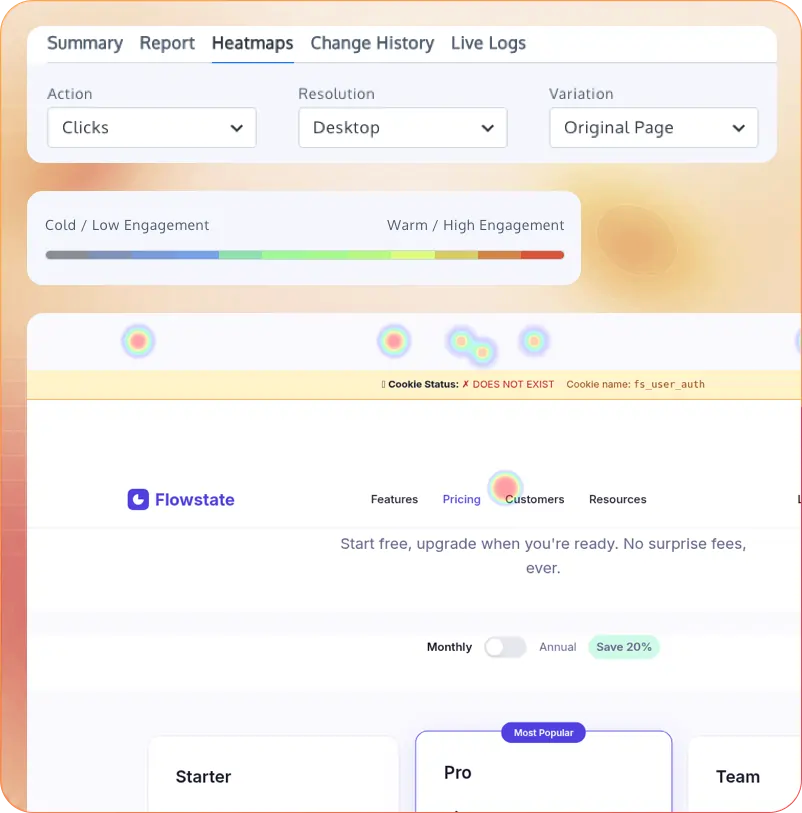
| Heatmaps | 5 types, including Confetti (no sampling) | Click, tap, scroll, mouse-move (per variant) |
| Session Recordings | Comprehensive, AI-surfaced, 2-year retention | Friction-triggered only |
| Analytics | Native Web/Funnel/Conversion Analytics | Integration-reliant (GA4, Mixpanel, etc.) |
| Surveys/Popups | Native, free on all plans | Popups (Pro plan), no native surveys |
| AI Integration | Agentic workflows, MCP server, JSON export | In-app assistants, Code AI |
The "Diagnostic" Edge: Why Crazy Egg Leads in Insights
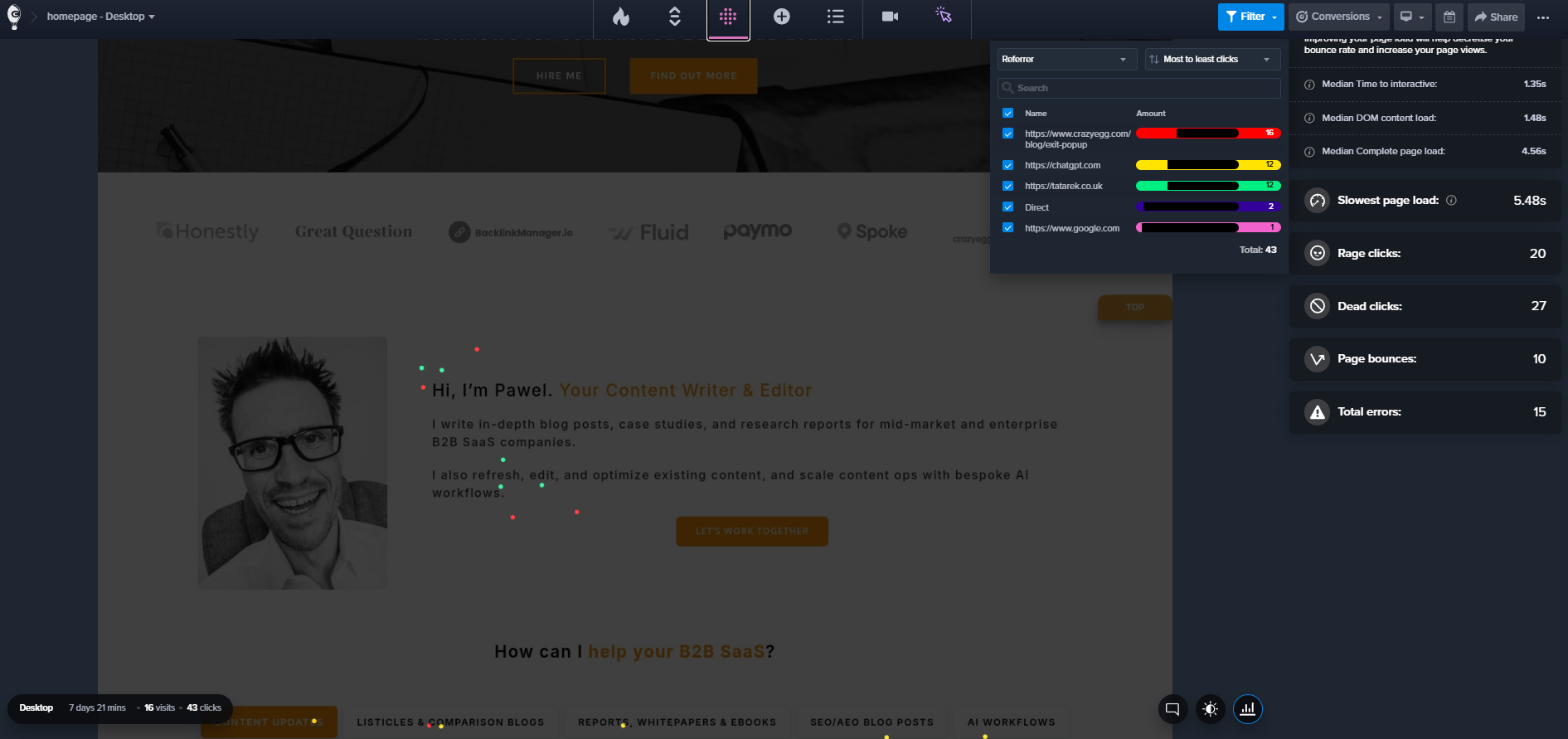
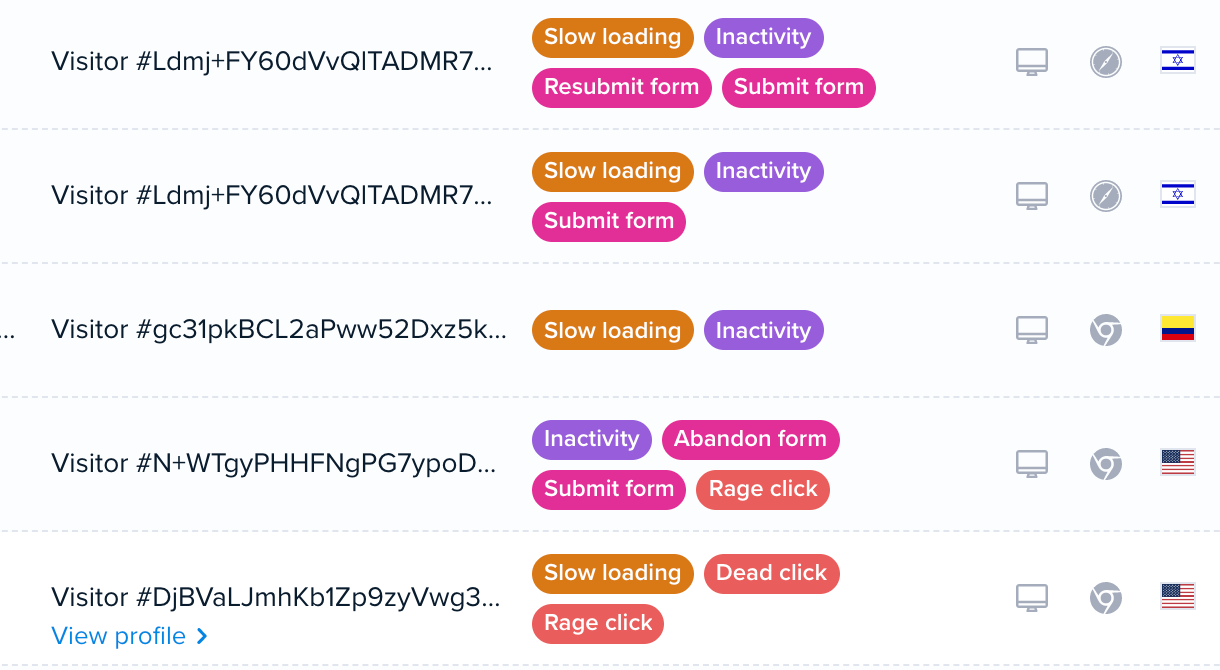
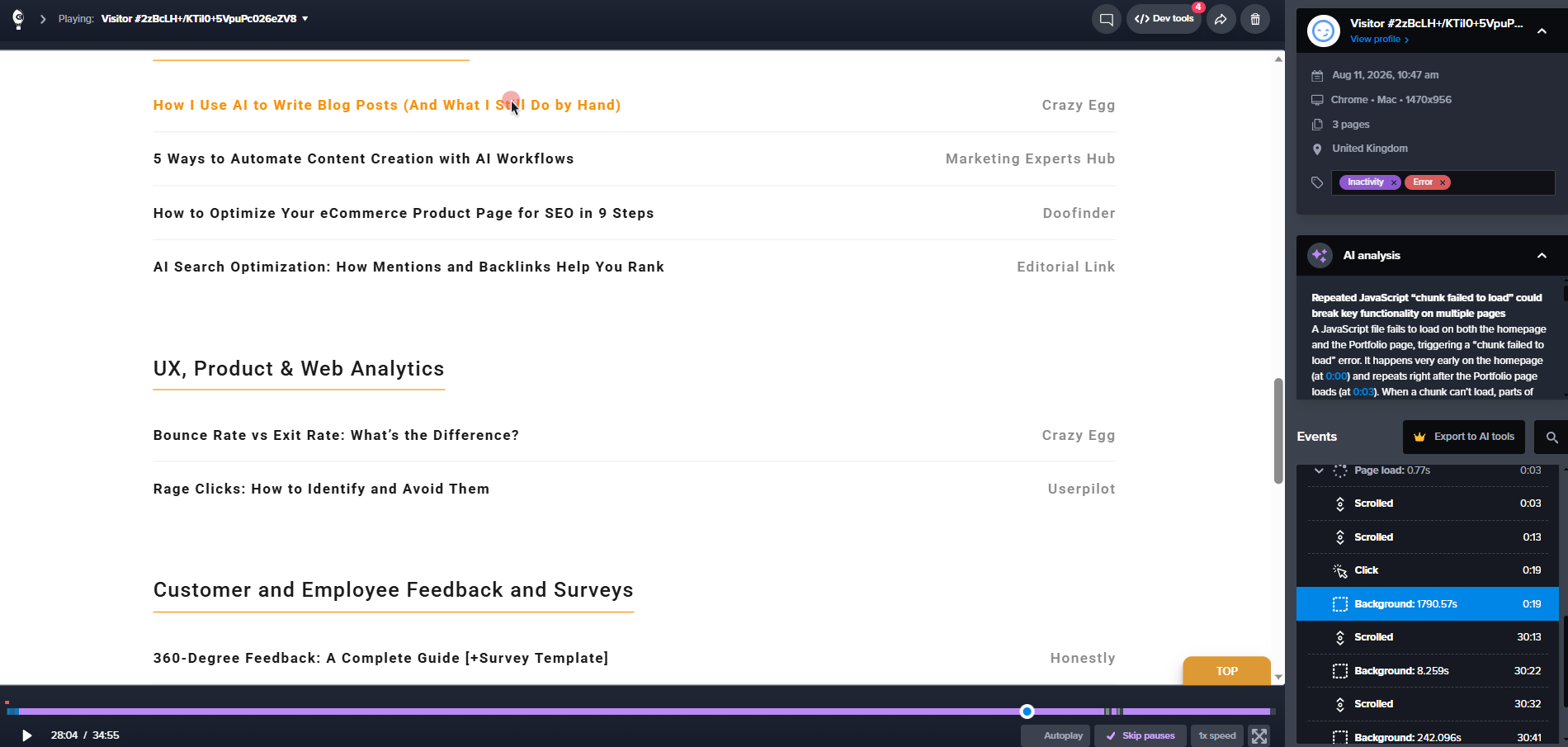
Crazy Egg’s strength lies in its refusal to sample data by default. By capturing every interaction, it provides a level of granular visibility that is often missing in other tools. Its ability to link survey responses directly to session recordings is a "killer feature" for UX researchers. When a user reports a specific frustration in a survey, the platform provides the visual playback of that exact session, removing the guesswork from the optimization process.
The "Engineering" Edge: Why Convert Leads in Experimentation
Convert.com caters to the developer’s workflow. By offering server-side testing and feature flags, it allows engineering teams to deploy changes safely. Its statistical engine—supporting both Frequentist and Bayesian methods—is designed for rigorous, scientific testing. Features like sample-ratio mismatch (SRM) checks and outlier detection are essential for enterprise companies where a minor testing error could lead to significant revenue loss.
Official Responses and Strategic Implications
When asked about their target audiences, spokespeople for both firms emphasize the importance of "right-sizing" the technology.
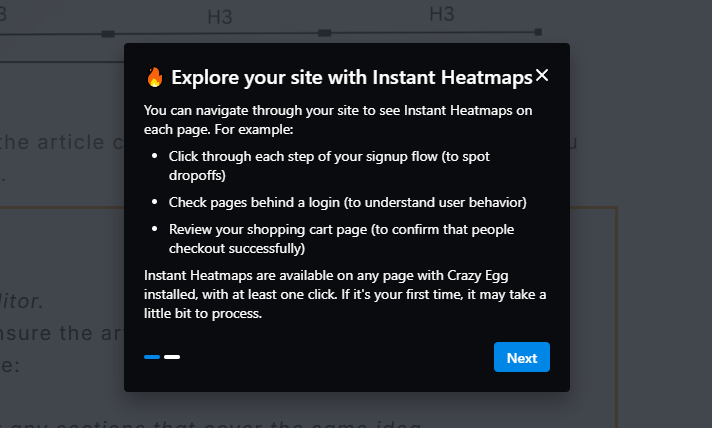
"The goal of Crazy Egg is to democratize optimization," says the product team at Crazy Egg. "By providing the analytics, the feedback, and the testing in one place, we prevent the ‘tool sprawl’ that often slows down marketing teams."
Conversely, the team at Convert.com notes, "Our users are looking for precision. We don’t want to reinvent web analytics; we want to provide the most reliable, unopinionated experimentation environment for teams that have already mastered their data collection."
Implications for Your Tech Stack
- If you choose Crazy Egg: You are simplifying your stack. You can likely retire separate tools for heatmaps, session recording, survey collection, and basic analytics. This reduces integration costs and training time for your team.
- If you choose Convert.com: You are reinforcing your stack. You acknowledge that your data is already being managed elsewhere and you are adding a dedicated "testing engine" to your arsenal. This is the preferred route for high-maturity digital products that require enterprise-grade experimentation controls.
The AI Frontier: Agentic Workflows vs. Assistance
The current trend in the industry is the shift toward "Agentic Workflows."
Crazy Egg’s "Tasks" feature is an early look at where the industry is heading. Instead of manually setting up a test, the user asks the platform: "Identify the highest bounce rate pages and suggest an A/B test to improve them." The platform then builds the report, drafts the hypothesis, and creates the variant.
Convert.com has taken a different route with its "Convert Intelligence" and AI-assisted code generation. Their focus is on reducing the time developers spend writing CSS/JS variants, acknowledging that the primary bottleneck in large-scale testing is often the speed of implementation, not just the identification of the problem.
Pricing: The Value Equation
As of September 2026, the cost of ownership varies drastically.
- Crazy Egg’s pricing model is built around accessibility. With a free plan and paid tiers starting at $29/mo, it is accessible to small businesses and startups. Because it includes analytics and surveys, it offers a high ROI for teams looking to consolidate costs.
- Convert.com is positioned as a premium tool. With entry-level plans starting at $299/mo (annual), it is clearly designed for businesses that treat experimentation as a primary revenue driver. While the costs are higher, the lack of "overage" fees (if configured correctly) and the ability to integrate into complex developer pipelines make it a cost-effective choice for large-scale operations.
Final Verdict: Which Path Should You Choose?
Choose Crazy Egg if:
- You are a mid-market or growth-focused company.
- You want a comprehensive platform that handles analytics, qualitative research, and testing.
- You need to identify why users are dropping off before you start testing.
- You want to streamline your stack and reduce the number of vendors.
Choose Convert.com if:
- You are an enterprise-level company with a dedicated product/engineering team.
- Your primary requirement is complex experimentation (server-side, multivariate, feature flagging).
- You already have a mature, high-quality analytics and data infrastructure.
- You require advanced statistical rigors (Bayesian/Frequentist switching) for your testing programs.
In summary, Crazy Egg is your Growth Partner—it helps you see the whole picture and fix it. Convert.com is your Laboratory—it gives you the precision tools to run complex experiments at scale. Your choice depends entirely on whether you are currently in the "discovery" phase of your optimization maturity or the "scaling" phase of your experimentation program.
