

The Future of Intelligence: Mastering Social Listening in 2026
In an era where the average global user spends over 141 minutes per day on social media, the sheer volume of human conversation has transformed from simple noise into the world’s largest, most unfiltered focus group. For modern enterprises, "social listening" has evolved from a niche marketing tactic into a critical business imperative. It is no longer just about tracking mentions; it is about deciphering the why behind consumer behavior to drive product development, customer support, and strategic brand positioning.
The Evolution of Social Listening: From Monitoring to Insight
At its core, social listening is the systematic practice of tracking social media platforms, websites, forums, and even podcasts to understand the sentiment and narratives surrounding a brand, its competitors, and the broader industry.

While many confuse it with social monitoring, the two serve distinct functions. Social monitoring is reactive—it tracks what people say so that a brand can respond to individual complaints or inquiries. In contrast, social listening is strategic and proactive. It looks at the why behind those conversations, aggregating data over time to identify shifts in sentiment, emerging cultural trends, and systemic product flaws.
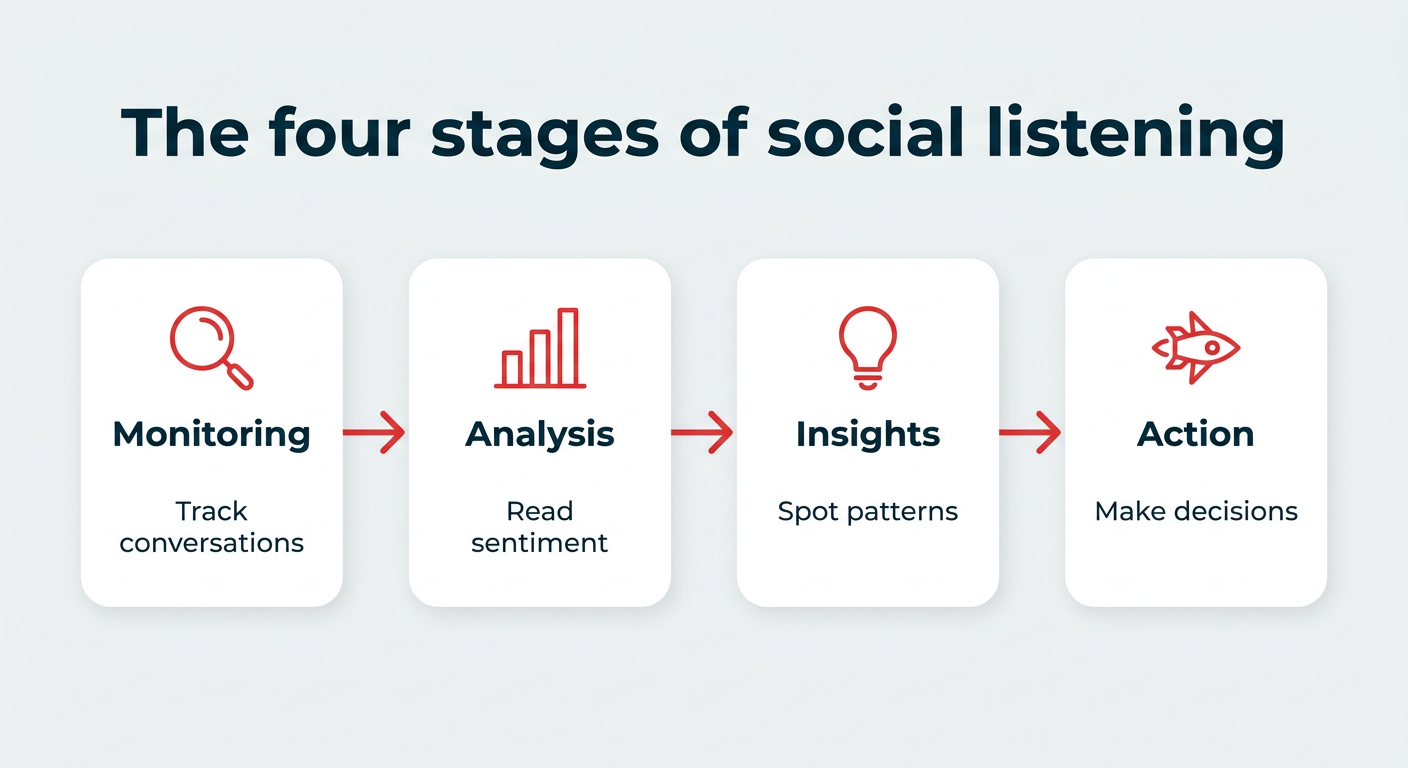
The process operates across four distinct stages:

- Monitoring: The collection of data points across fragmented digital channels.
- Analysis: Using AI to categorize mentions and detect patterns.
- Insights: Transforming raw data into actionable intelligence.
- Action: Routing that intelligence to the relevant business unit—be it engineering, sales, or PR.
A Chronology of Strategic Implementation
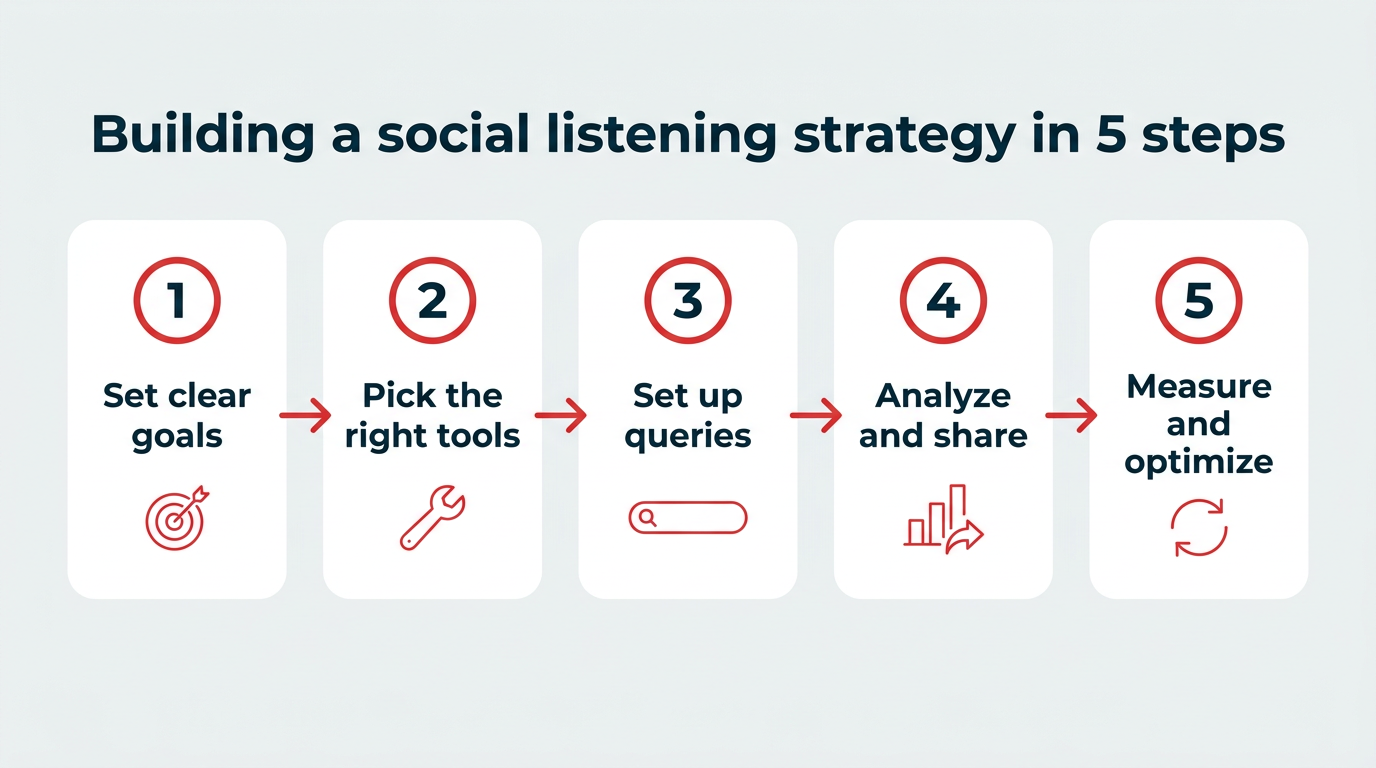
To understand how brands successfully adopt social listening, we must look at the standard lifecycle of a robust listening strategy:
- Phase 1: Defining the North Star. Before a single query is run, successful brands establish SMART goals. Whether the target is increasing positive sentiment by 10% in a quarter or reducing customer support tickets by identifying "slow load" complaints before they escalate, the strategy must be rooted in business outcomes.
- Phase 2: Infrastructure Setup. Organizations implement tools—such as Hootsuite’s Lumen—to aggregate data. Advanced teams utilize Boolean logic to refine these queries, ensuring they capture slang, misspellings, and niche community jargon.
- Phase 3: The Integration Loop. Intelligence is only as valuable as its reach. Leading companies create automated pipelines where social data flows directly into CRMs like Salesforce or team communication hubs like Slack, ensuring that product teams see engineering-related feedback in real-time.
- Phase 4: Optimization and Measurement. The final phase involves reporting to the C-suite. Leadership is less interested in "total mention counts" and more interested in "Share of Voice" trends and how these insights have mitigated risk or informed the next campaign’s creative direction.
Supporting Data: Why Listening is Non-Negotiable
The digital landscape is becoming increasingly complex. With 83% of marketers citing increased brand exposure as the primary benefit of social media, the pressure to maintain a positive and relevant presence is higher than ever.
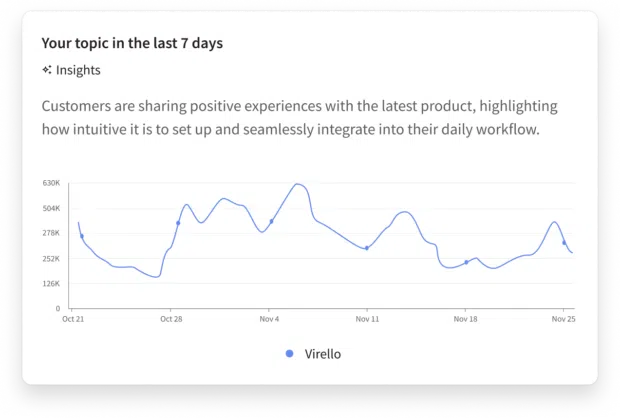
Data from the 2026 market landscape suggests that the social listening sector will reach a valuation of approximately $16.19 billion by 2029. This growth is fueled by the need for brands to move away from "instinct-based" decision-making. For instance, when a pharmaceutical company analyzed patient conversations regarding Multiple Sclerosis, they didn’t just find marketing hooks—they redesigned their entire patient support program based on the specific frustrations voiced in forums. This is the tangible ROI of listening: moving from assumptions to data-driven empathy.
The Role of AI: A Force Multiplier
The integration of Artificial Intelligence has fundamentally shifted the capabilities of listening tools. While general-purpose AI chatbots can summarize a single document, they lack the infrastructure of a dedicated listening platform, which runs continuously against licensed data feeds.
AI enhances the process in several ways:
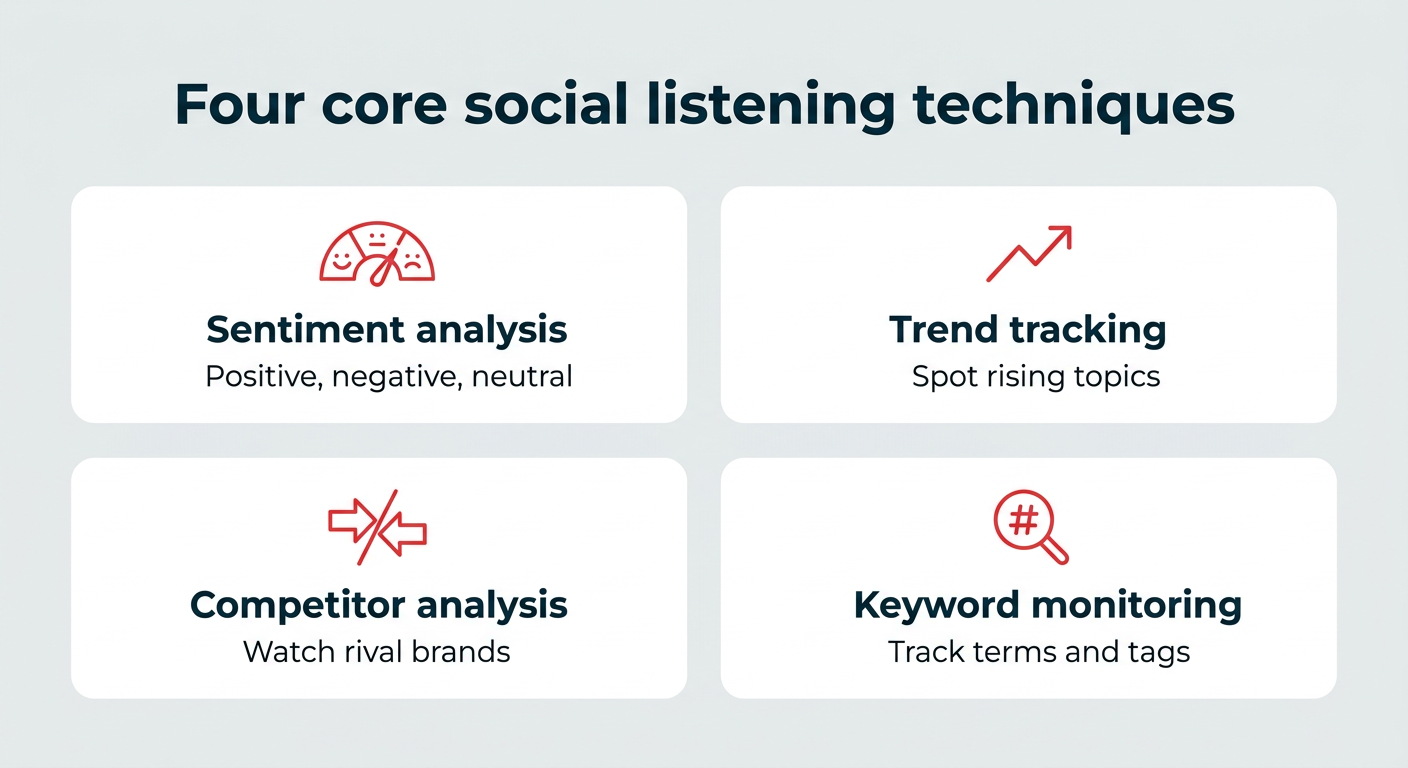
- Automated Sentiment Scoring: AI can analyze thousands of mentions in multiple languages in seconds, providing a real-time pulse of brand health.
- Visual Analytics: Modern tools can now recognize logos and products within images and videos, capturing conversations that occur without any text-based mention of the brand.
- Predictive Analytics: By identifying early-stage spikes in specific keywords, AI allows brands to anticipate a crisis or a trend before it reaches the mainstream.
Implications for Business Strategy
The shift toward "Multimodal Listening" is perhaps the most significant implication for 2026. As platforms like TikTok, YouTube, and emerging voice-based networks dominate, brands that limit their listening to text-based posts will miss the majority of the conversation.
Furthermore, the rise of synthetic content—posts, reviews, and comments generated by AI—presents a new challenge. Brands must now implement tools capable of distinguishing between authentic human feedback and automated "noise."
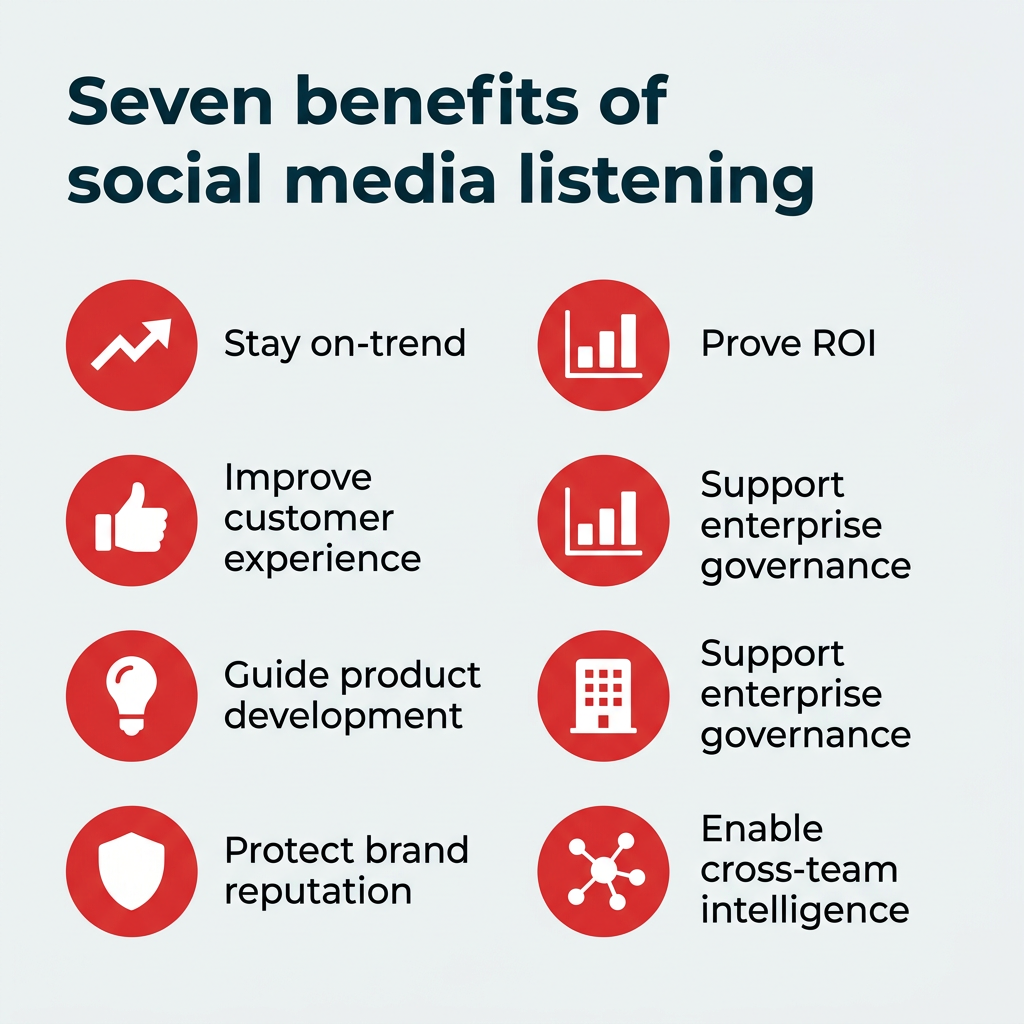
Key Strategic Benefits:
- Product Development: By spotting recurring complaints, brands can prioritize fixes in the next development sprint, effectively shortening the feedback loop between the customer and the engineering team.
- Competitor Intelligence: Social listening provides a window into the weaknesses of rivals. If a competitor is experiencing a spike in negative sentiment regarding their customer service, a brand can use that insight to position themselves as the more reliable alternative.
- Crisis Mitigation: By setting up alerts for spikes in negative sentiment, teams can address PR issues in their infancy, preventing a small complaint from becoming a viral scandal.
Expert Perspectives on Implementation
Industry leaders, such as Brian Wright, who has spearheaded social listening intelligence at major financial institutions, emphasize that listening provides the "real-time strategic decision-making" required during periods of market volatility. The consensus is clear: companies that treat social listening as a siloed marketing report will fail to capture the enterprise-wide value it offers.
To operationalize these insights, businesses must move away from the "monitoring" mindset. Instead of viewing social media as a place to broadcast messages, they must view it as an ecosystem of intelligence.
Conclusion: The Path Forward
Social listening is no longer an optional add-on for a social media manager’s toolkit; it is the sensory system of the modern enterprise. As we look toward the latter half of the decade, the divide between companies that listen and those that don’t will only grow wider.
The limitations of social listening—such as the difficulty of accessing private groups or the noise of non-relevant mentions—are not reasons to abstain. They are simply challenges to be managed with better technology and clearer human strategy.
For the modern brand, the message is simple: If you aren’t listening, you are already operating in the dark. The tools to turn the digital conversation into a strategic advantage exist today. The only question that remains is whether your organization is ready to act on what it hears. By integrating social intelligence into the heart of the business, from the boardroom to the product desk, brands can finally achieve a truly customer-centric strategy, fueled by the real-time, unfiltered, and honest feedback of their global audience.
