
The Evolution of Conversion: Modernizing Live Chat for Lead Generation
In the digital landscape of 2026, the static web form is becoming a relic of the past. As consumer expectations for instant gratification reach an all-time high, businesses are pivoting toward real-time engagement. Live chat lead generation—the process of using instantaneous, human-led, or AI-assisted digital conversations to identify and capture prospective customers—has evolved from a simple customer support tool into a primary engine for pipeline growth.
However, the "tried-and-true" strategies of the last decade are failing. The generic "Can I help you?" pop-up that triggers five seconds after a page load is now perceived as digital clutter, often dismissed by visitors with the same instinctive speed as a banner advertisement. To succeed in the current market, organizations must move beyond generic automation and embrace a behavioral, intent-driven approach to live chat.
The Anatomy of Modern Lead Capture: Main Facts
At its core, effective live chat lead generation is about timing and relevance. A visitor lands on a website; a trigger—based on specific behavioral signals—activates a conversation; an agent (or a highly trained bot) captures intent and contact information; and the qualified lead is routed immediately to the sales team.
Unlike static forms, which act as a barrier to entry, live chat creates a frictionless path to conversion. It is uniquely suited for high-consideration purchases, complex B2B sales cycles, and luxury e-commerce. In these sectors, the ability to address a buyer’s hesitation in the exact moment of their peak interest is not just an advantage—it is a competitive necessity.
A Brief Chronology: From "Help Desk" to "Growth Engine"
- The Early 2010s (The Support Era): Live chat was exclusively the domain of customer service. It was reactive, slow, and often hidden behind "Contact Us" pages.
- The Mid-2010s (The Proactive Shift): Businesses began using "timers" to trigger chats. If a visitor stayed for 30 seconds, a box would appear. While this increased volume, it often resulted in low-quality leads and annoyed users.
- The 2020s (The AI & Behavioral Era): The integration of LLMs and sophisticated behavioral tracking (like heatmaps and session recordings) allowed for "contextual" engagement.
- 2025–2026 (The Current Reality): We have entered the era of the "Hybrid Model," where chatbots handle the initial qualification, while human agents intervene only for high-value, high-intent prospects.
Supporting Data: Why Timing Matters
Data from 2024–2025 underscores the shift in performance metrics. A LiveChat industry report suggests that while the average response time sits at 35 seconds, top-tier performers are pushing for sub-20-second interactions.
Furthermore, the impact of immediacy is profound. Research from Chili Piper indicates that allowing a prospect to book a meeting directly within the chat interface can double inbound conversion rates, moving from a standard 30% to as high as 66.7%. The logic is simple: the longer a visitor remains in the "buying window," the higher the probability of closure. Once they close the tab, the cost of re-engagement skyrockets.
10 Strategies for Modern Live Chat Success
1. Behavior-Based Triggers
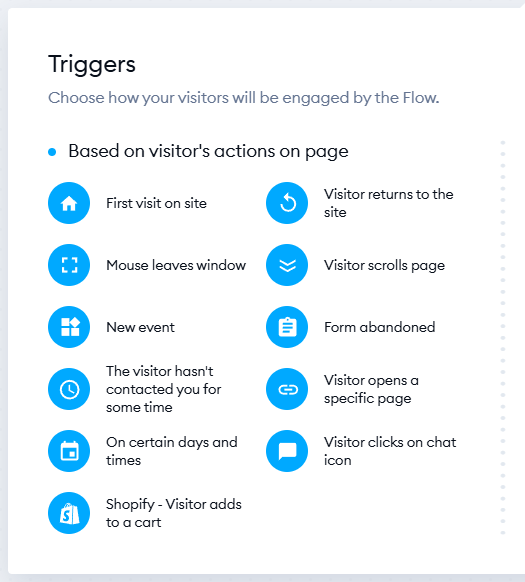
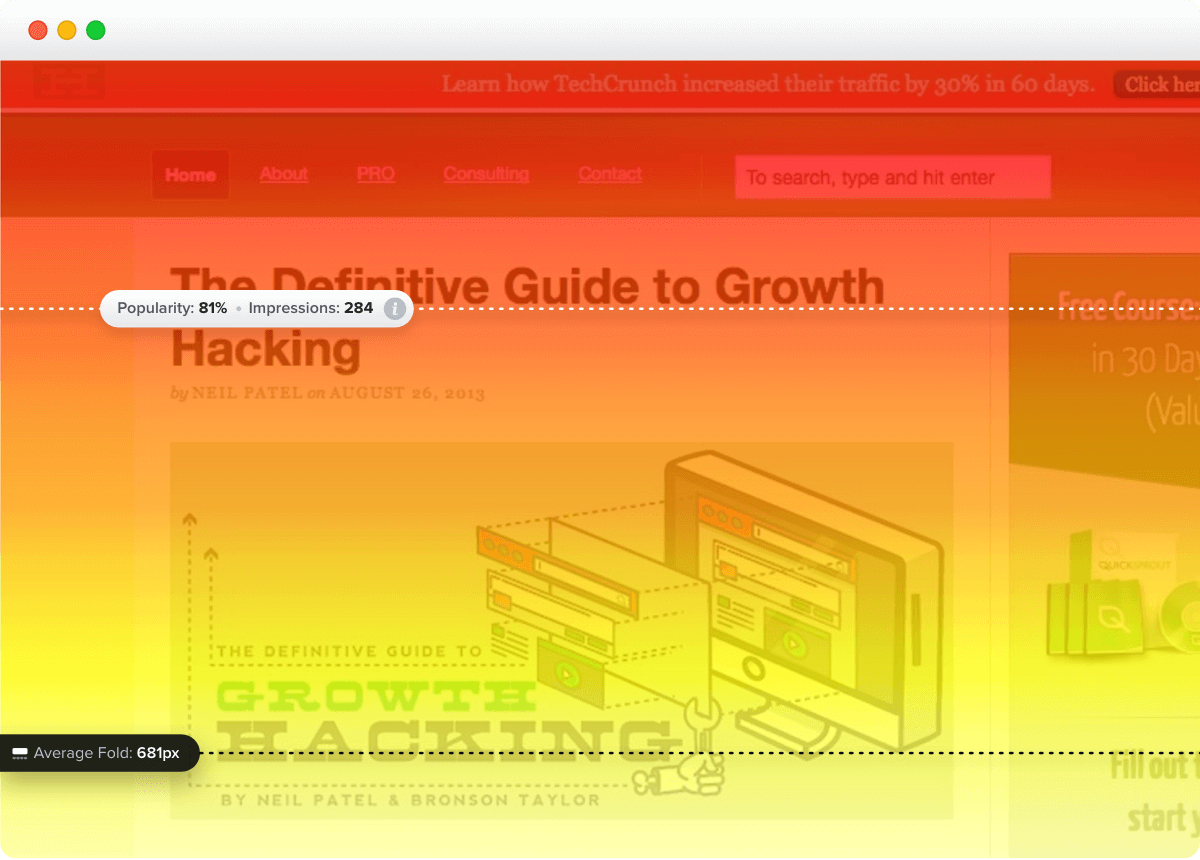
Stop using timers. Instead, trigger your chat based on intent: deep scrolls on feature pages, multiple visits to a pricing page, or long dwell times on comparison charts. Use session recordings to identify the "aha!" moments where a visitor is most likely to convert, and program your triggers to fire precisely then.
2. Design for the "Mobile-First" Consumer
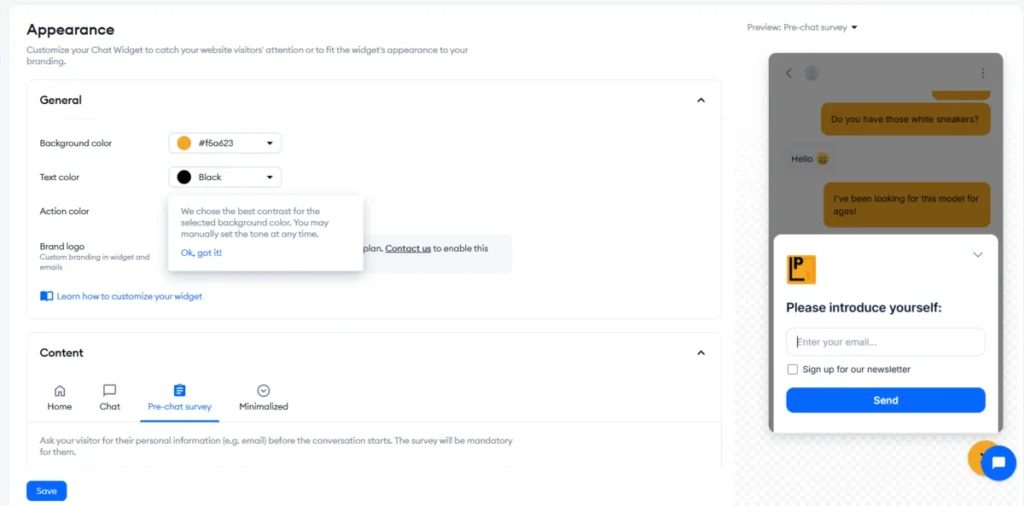
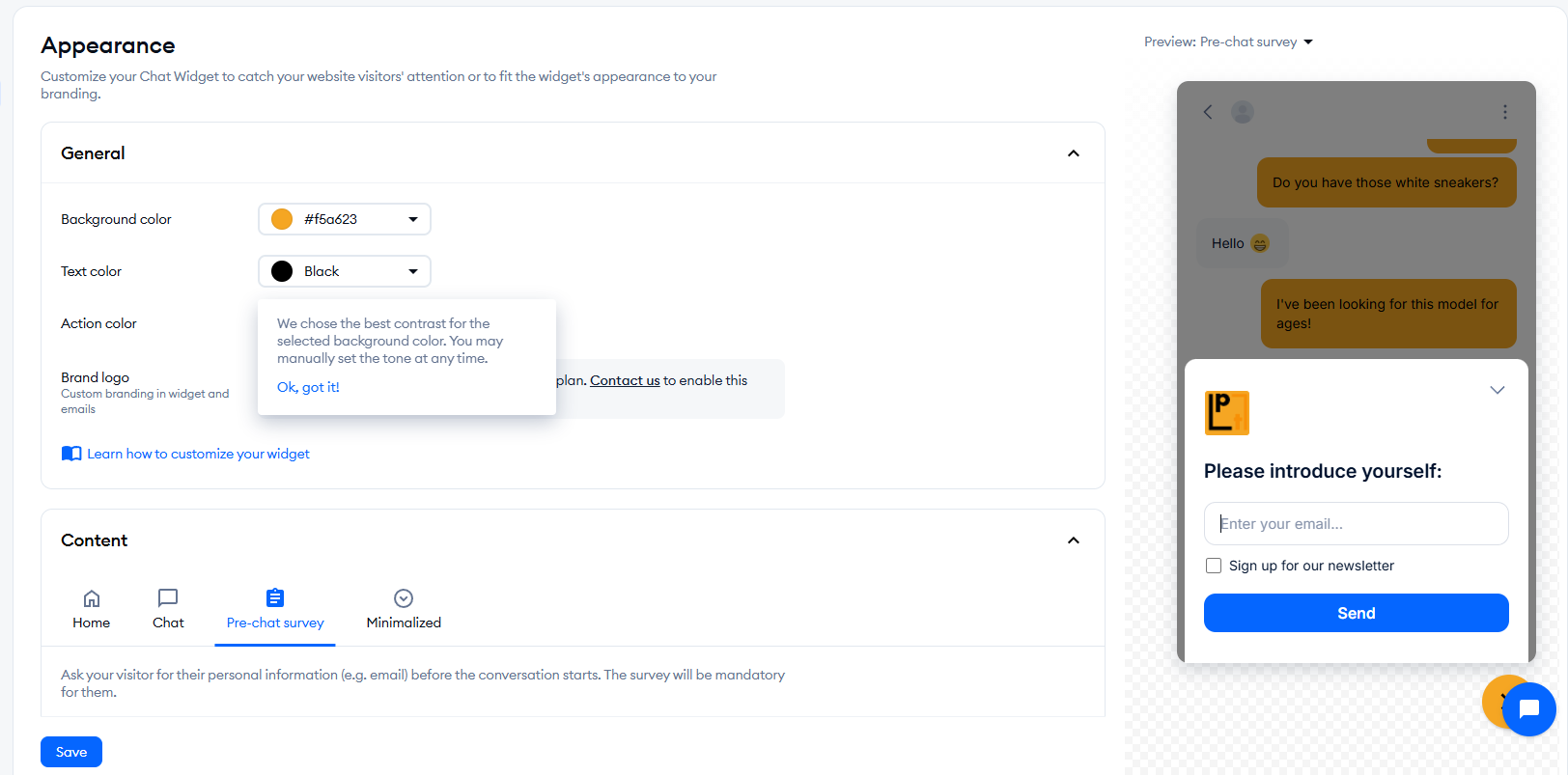
Mobile traffic dominates modern web browsing. Ensure your widget is at least 60px in size, features a high-contrast color, and uses clear call-to-action text (e.g., "Ask a Question") rather than a generic icon. On mobile, a sticky bottom-center button is often more ergonomic than the traditional bottom-right corner.
3. Contextual Openers
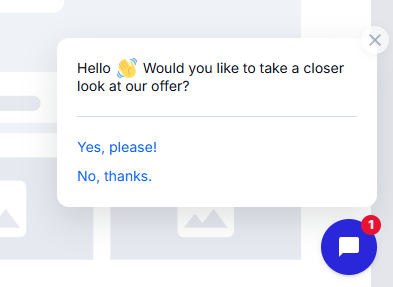
"Hi, can I help you?" is a wasted opportunity. Customize your openers based on the page. If a user is on a "Pricing" page, the opener should be: "Do you have questions about our enterprise plans?" This shows the user that you understand their context.
4. Response Time Optimization
In an urgency-driven economy, speed is the greatest indicator of professionalism. Implement canned responses for common FAQs, but ensure human intervention is ready for complex inquiries.
5. The Hybrid Bot-Human Model
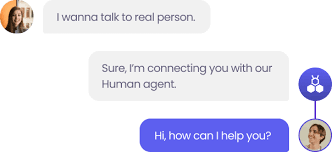
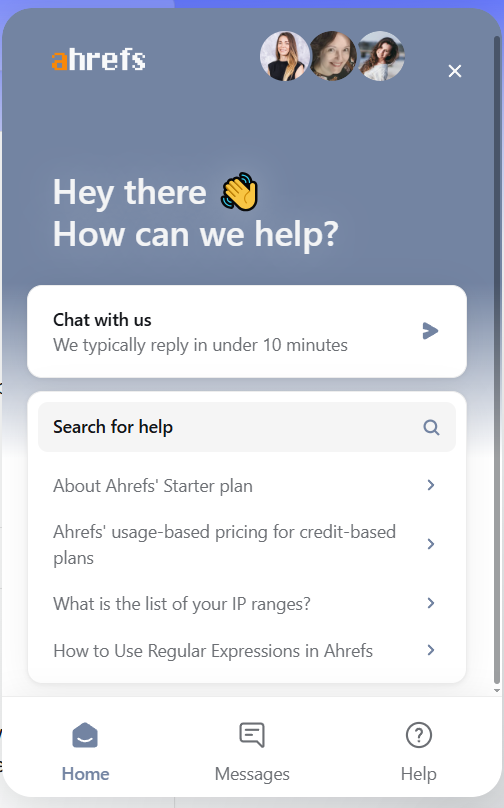
Chatbots should serve as the "gatekeeper." They are excellent for 24/7 availability and basic qualification, but they should be programmed to hand off to a human as soon as the bot detects a high-value query or a request for a human.
6. Solving Abandonment
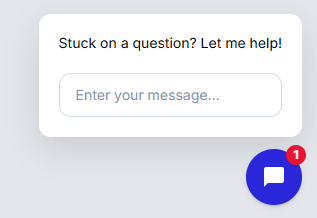
Exit-intent chat is a powerful recovery tool. When a user moves their cursor to close a tab on a high-value page, trigger a message: "Stuck on a question? I’m here to help."
7. Lead Magnets as Value-Adds
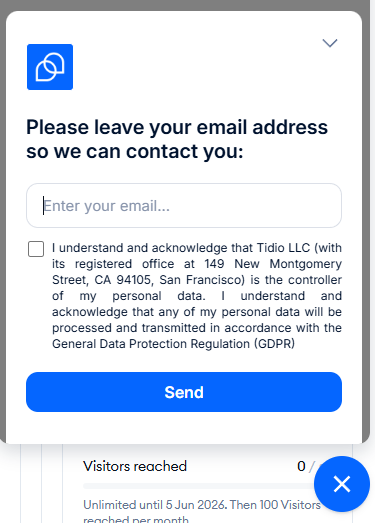
Don’t just ask for an email. Trade value. Offer an industry report, a ROI calculator, or a whitepaper mid-chat. This provides a "foot in the door" and earns the right to contact the lead later.
8. Frictionless Meeting Booking
Integrate your calendar directly into the chat. If a lead shows interest, they should be able to book a demo without leaving the chat window.
9. Multi-Channel Integration (WhatsApp & SMS)
Meeting the customer where they are is vital. Enabling SMS or WhatsApp chat on your site provides verified phone numbers automatically and keeps the conversation going long after the user leaves your website. Note: Be mindful of regional regulations, such as the current limitations on marketing-category WhatsApp templates in the U.S.
10. Account-Based Live Chat (ABX)
For B2B, use IP-detection tools (like ZoomInfo or Leadfeeder). When a high-value prospect from a target account lands on your site, use that data to trigger a personalized message. It’s not about surveillance; it’s about providing relevant, bespoke value to the accounts you most want to win.
Official Responses and Industry Outlook
Industry experts agree: the future of lead generation is conversational. While some concerns persist regarding privacy and the "creepiness" of hyper-personalized triggers, the general consensus is that visitors prefer a helpful, real-time response over filling out a long, cold contact form.
However, there is a clear warning from the experts: Do not over-automate. AI and chatbots are excellent at routing, but they cannot replicate the empathy and nuance required for high-stakes B2B negotiations. The "Human-in-the-Loop" model is not just a trend; it is the standard for the next decade of digital sales.
Implications for Your Business
If you are looking to revitalize your lead generation, the path forward is clear:
- Audit your current setup: Are you using timers or behavior? Are you capturing data or just saying "hello"?
- Optimize the mobile experience: If your chat isn’t usable on a smartphone, you are losing more than half of your potential leads.
- Define ownership: Marketing should manage the "front end" (triggers, design, and tone), while Sales must own the "back end" (the actual conversations and conversions).
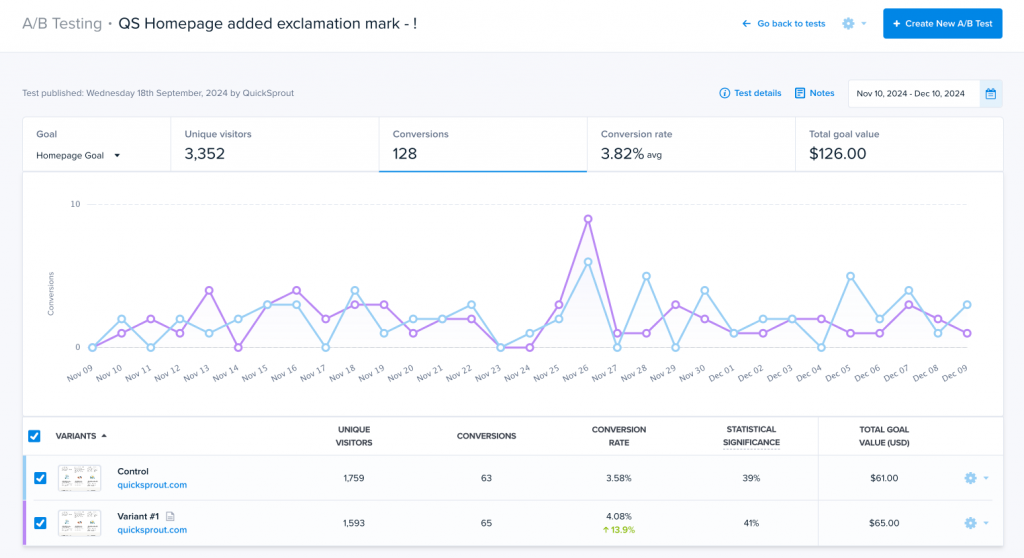
By treating live chat as a sophisticated, intent-based channel rather than a simple help-desk plugin, businesses can turn their websites into 24/7 high-performance sales teams. Monitor your performance, A/B test your copy, and always keep the user’s journey at the center of your design. The tools exist—now it is time to use them effectively.
