
Martech 2030: A Mid-Decade Retrospective on the Augmented Marketer
As the calendar turns to 2026, the marketing technology industry finds itself at a critical juncture. Five years ago, in the nascent stages of what would become a period of unprecedented digital acceleration, industry veterans Scott Brinker and Jason Baldwin published their seminal report, Martech 2030. Their thesis centered on "The Decade of the Augmented Marketer," proposing that the future of marketing would be defined by the symbiotic relationship between human ingenuity and machine-led automation.
Now, at the five-year midpoint, the industry is not merely observing these trends—it is living them. By subjecting their original predictions to the scrutiny of modern generative AI models like ChatGPT, Claude, and Gemini, Brinker has ignited a broader conversation about the trajectory of the profession. This article evaluates the evolution of the five foundational pillars of Martech 2030 and explores what the next half-decade holds for the marketing ecosystem.
The Main Facts: Defining the Augmented Era
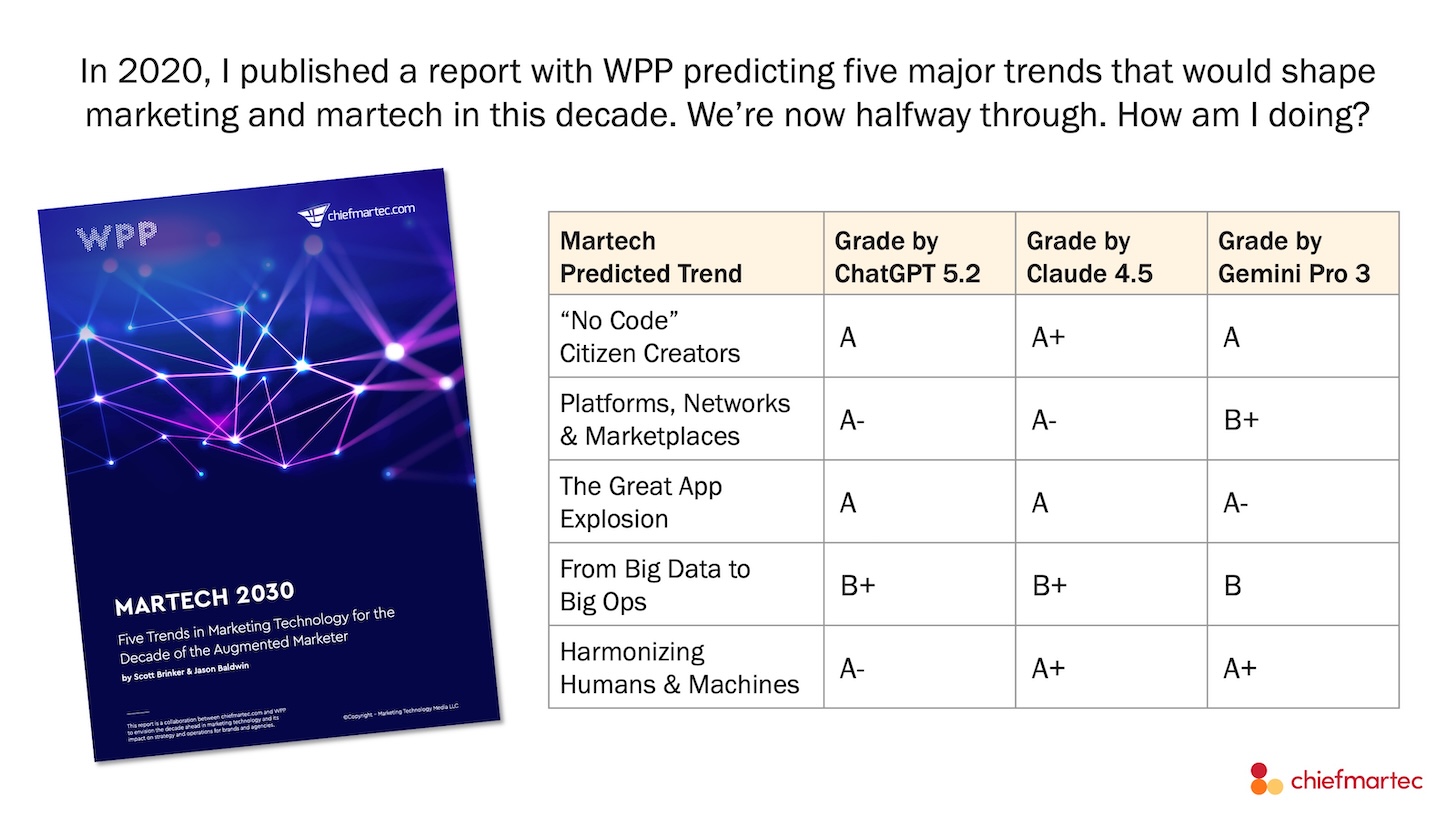
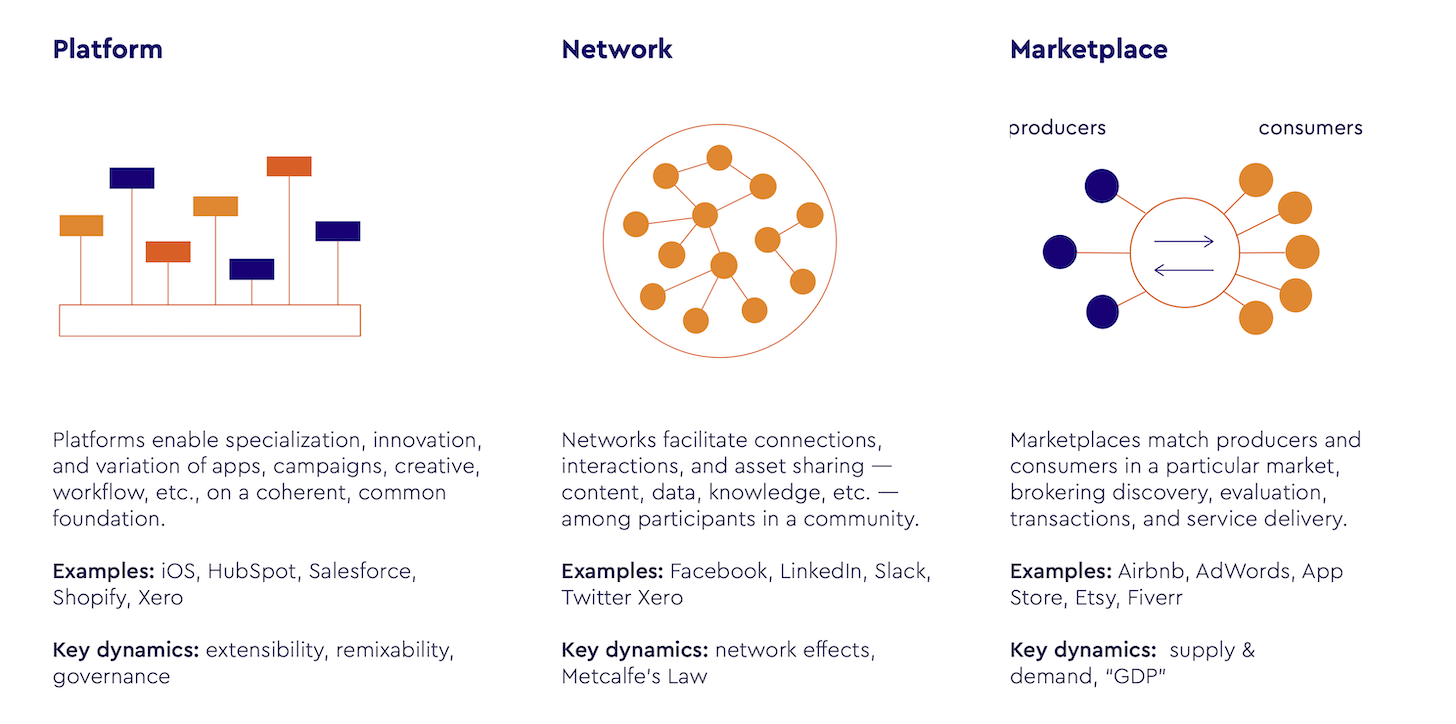
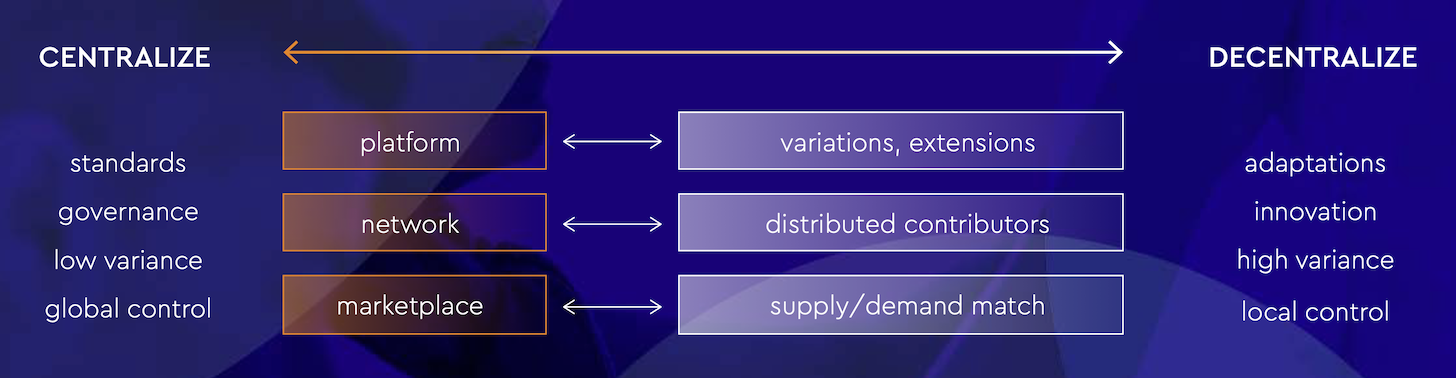
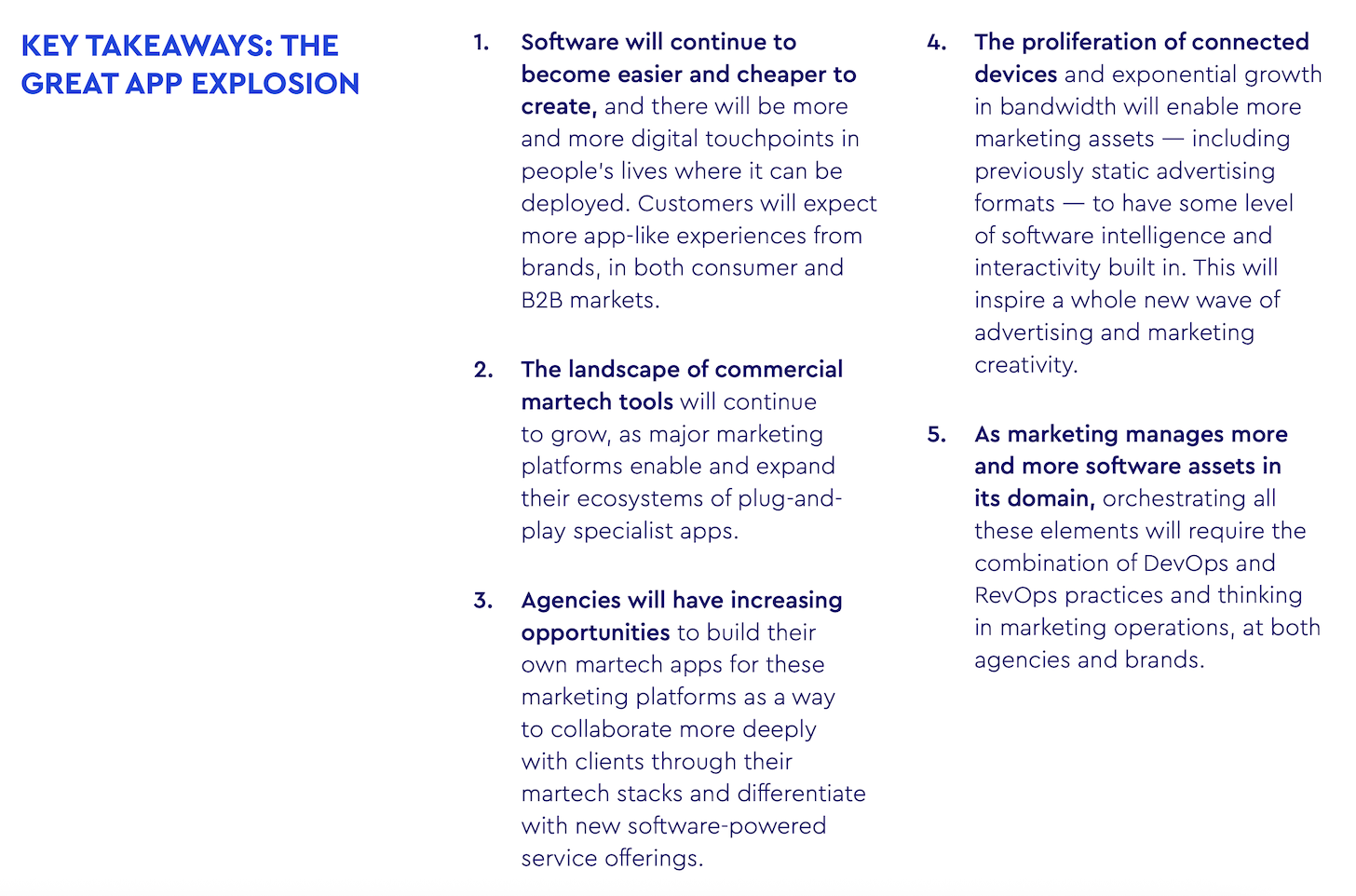
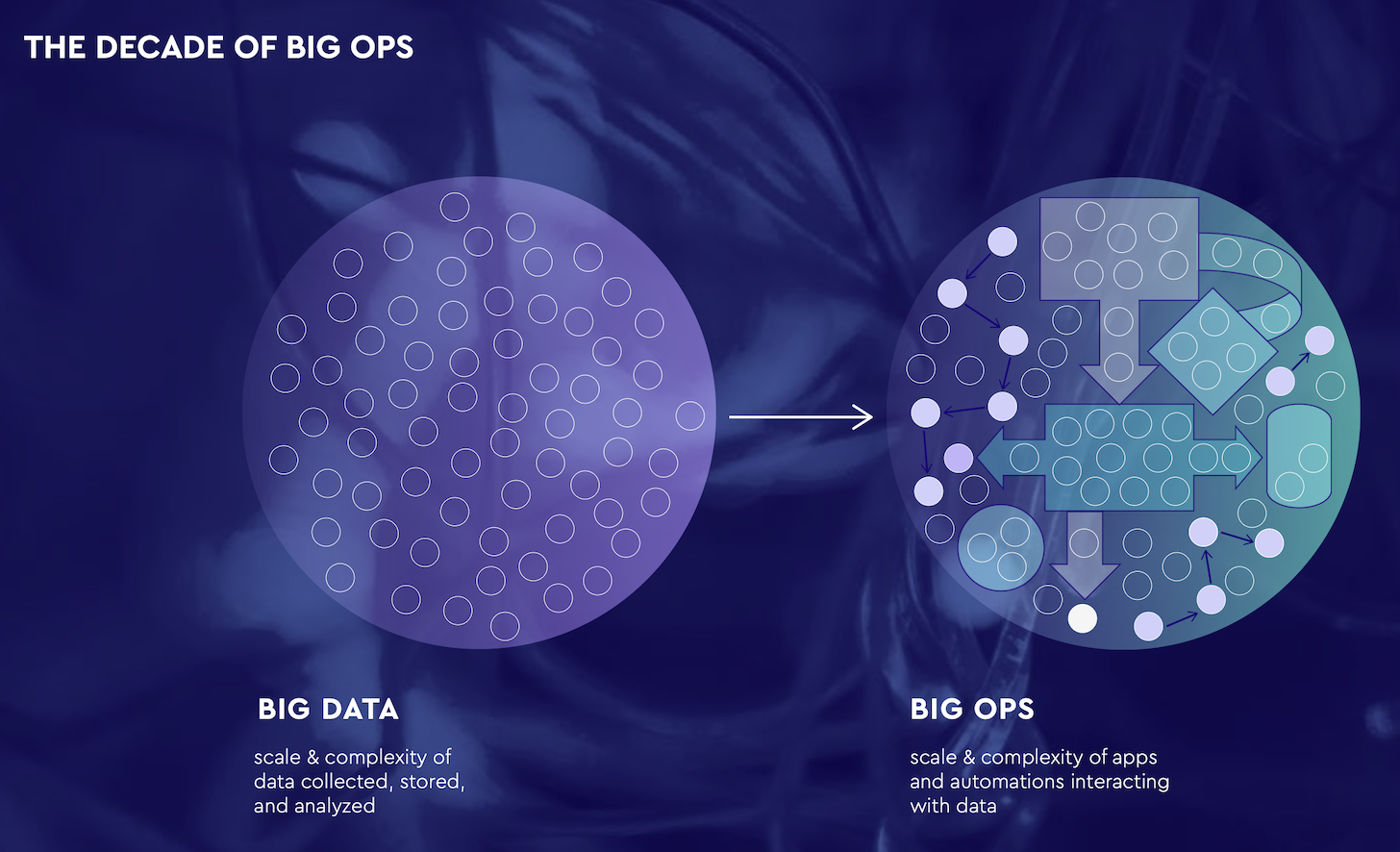
The core premise of the Martech 2030 framework was that the barrier between technical capability and creative intent would dissolve. The report identified five distinct shifts: the rise of "No Code" citizen creators, the dominance of platform ecosystems, a massive explosion in application volume, the transition from Big Data to Big Ops, and the ultimate harmonization of human and machine intelligence.
Today, the evidence suggests these predictions were not only accurate but perhaps conservative in their estimation of speed. The rapid maturation of Large Language Models (LLMs) since late 2022 has served as a catalyst, accelerating trends that might have otherwise taken a full decade to materialize.
A Chronology of Disruption: From 2021 to 2026
To understand where we are, we must look at the timeline of the last five years:
- 2020–2021: The publication of Martech 2030 established the theoretical framework. The industry was characterized by the "Suite vs. Best-of-Breed" debate and a growing recognition of the 8,000+ solution landscape.
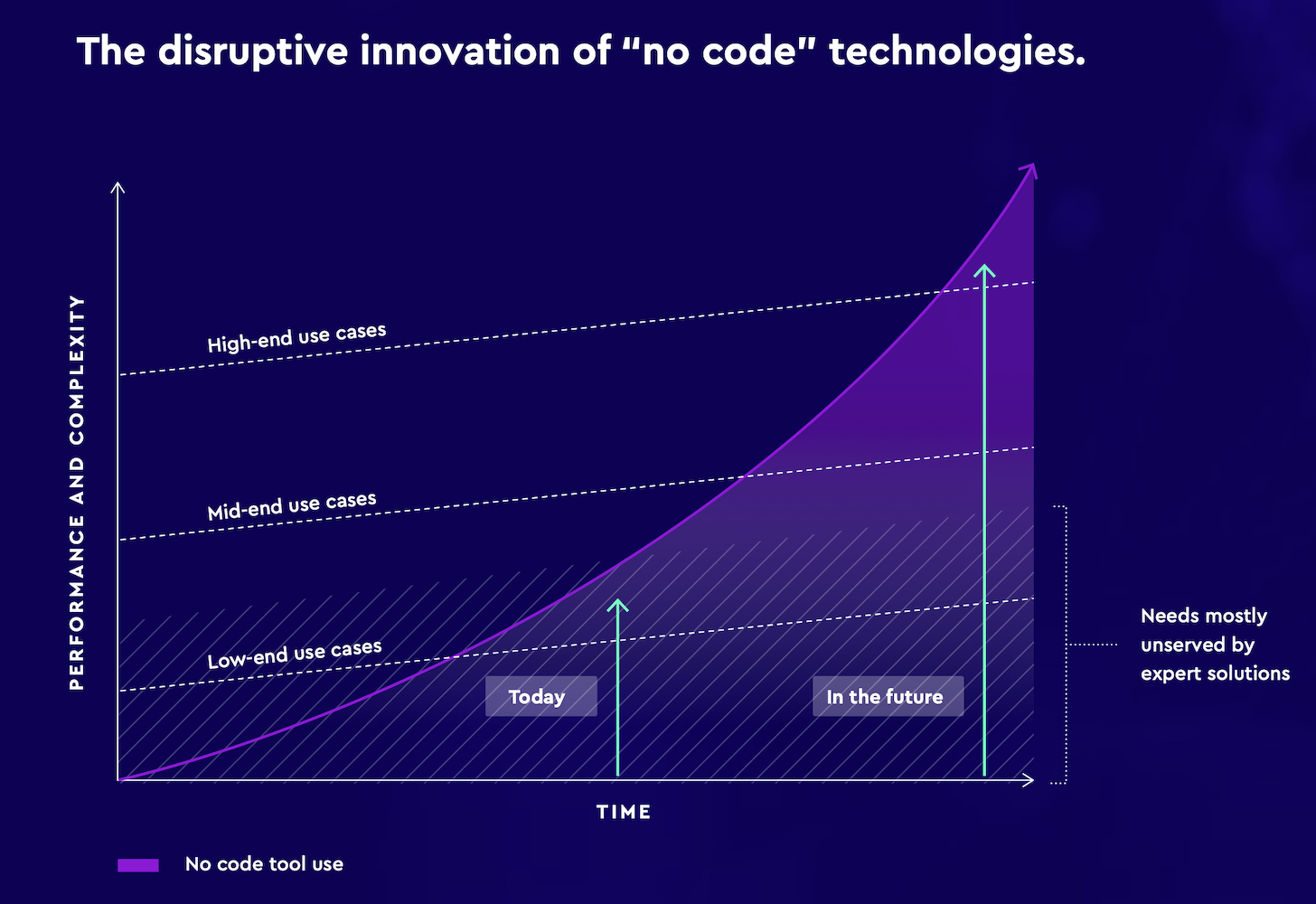
- 2022: The generative AI "Big Bang." The release of accessible LLMs transformed the concept of "No Code" from a drag-and-drop interface into a conversational programming paradigm.
- 2023–2024: Market consolidation and the rise of the hyperscalers. Major cloud providers (AWS, Google, Microsoft) moved deeper into the martech stack, and enterprise platforms began to integrate AI agents at scale.
- 2025: The "Summer of Vibes." Andrej Karpathy’s concept of "vibe coding" became a reality, where natural language became the primary programming language for marketing operations. The martech landscape grew to over 15,000 solutions, confirming the "Great App Explosion."
- 2026: The present day. We are currently navigating the "Orchestration Wars," where the focus shifts from data acquisition to data activation and operational governance.
Supporting Data: The Expanding Landscape
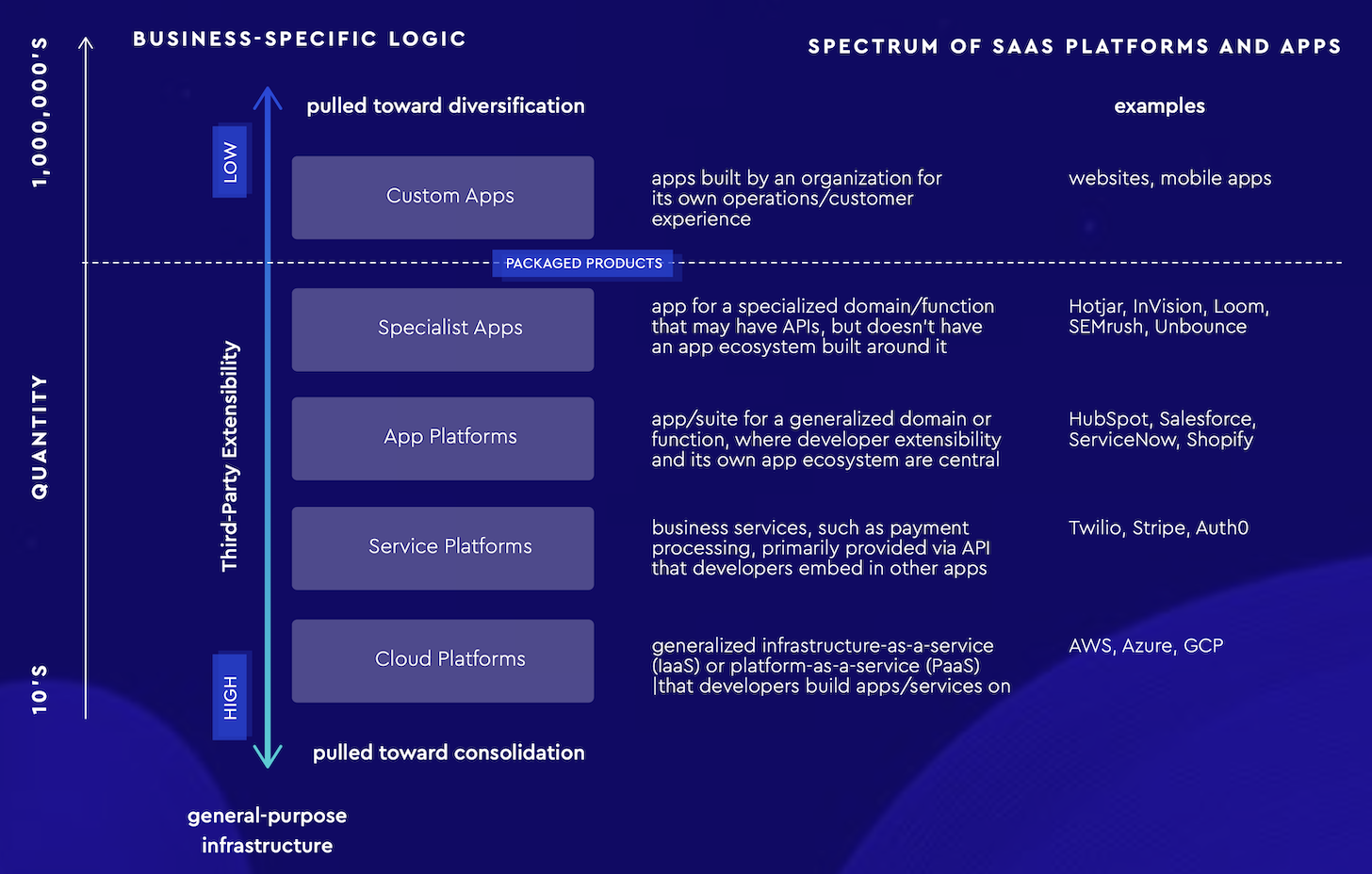
The growth of the martech ecosystem defies traditional economic logic. In many industries, consolidation is the inevitable result of maturity. However, in martech, the barrier to entry has plummeted.
Data from the 2025 Marketing Technology Landscape reveals a staggering 15,384 commercial solutions. While skeptics once feared "peak martech" at 8,000, the proliferation of specialized, AI-powered tools has ensured that the "long tail" of the industry remains vibrant.
Furthermore, the rise of "hypertail" custom applications—software built by organizations for their own internal use—is creating a layer of complexity that dwarfs commercial software. This is supported by the $45 billion in annual enterprise software sales now transacting through hyperscaler marketplaces, marking a fundamental shift in how businesses acquire and deploy their technology stacks.
Official Responses and AI Peer-Review
In an unconventional move, the authors of the original report turned to the very technology they were analyzing to grade their performance. The AI models (ChatGPT, Claude, and Gemini) provided a surprisingly high consensus on the accuracy of the predictions.
Particularly high marks were given to the concept of "harmonizing humans and machines." Claude and Gemini, in particular, awarded the report an A+ in this category, noting that the shift from traditional Search Engine Optimization (SEO) to AI Engine Optimization (AEO) and Agentic Commerce was a prescient observation. The consensus among the models is that while the labels for these phenomena have evolved—moving from "Bot Commerce" to "Agentic Commerce"—the underlying structural changes predicted in 2021 were highly accurate.
Implications: The Road to 2030
As we look toward the final stretch of the decade, several critical implications emerge for marketing leaders.
1. The Governance Gap
While "No Code" and "Vibe Coding" have empowered marketers to move at unprecedented speeds, they have created a "governance vacuum." Organizations are currently struggling to maintain brand consistency and security while encouraging decentralized innovation. The next five years will be defined by how companies implement "Big Ops" to manage this chaos without stifling creativity.
2. The Orchestration Wars
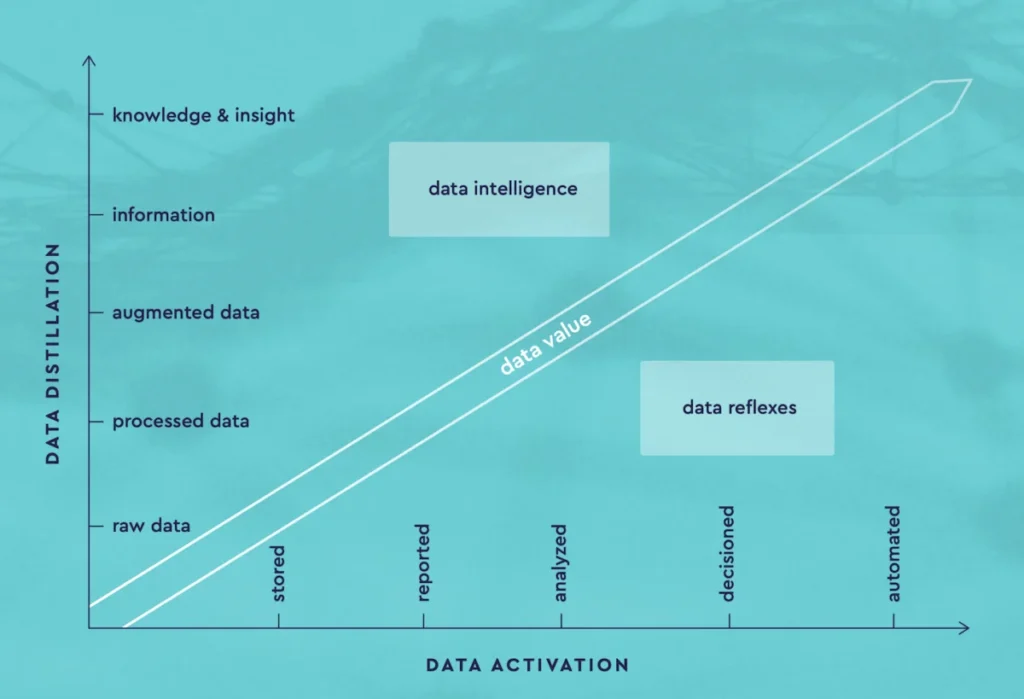
We are entering an era of intense competition between platform providers. The battle is no longer about who has the most data, but who provides the best "orchestration layer." Databricks, Snowflake, and the major CRM incumbents are all vying to become the brain of the enterprise, turning raw data into "data intelligence" and "data reflexes."
3. Centralizing to Decentralize
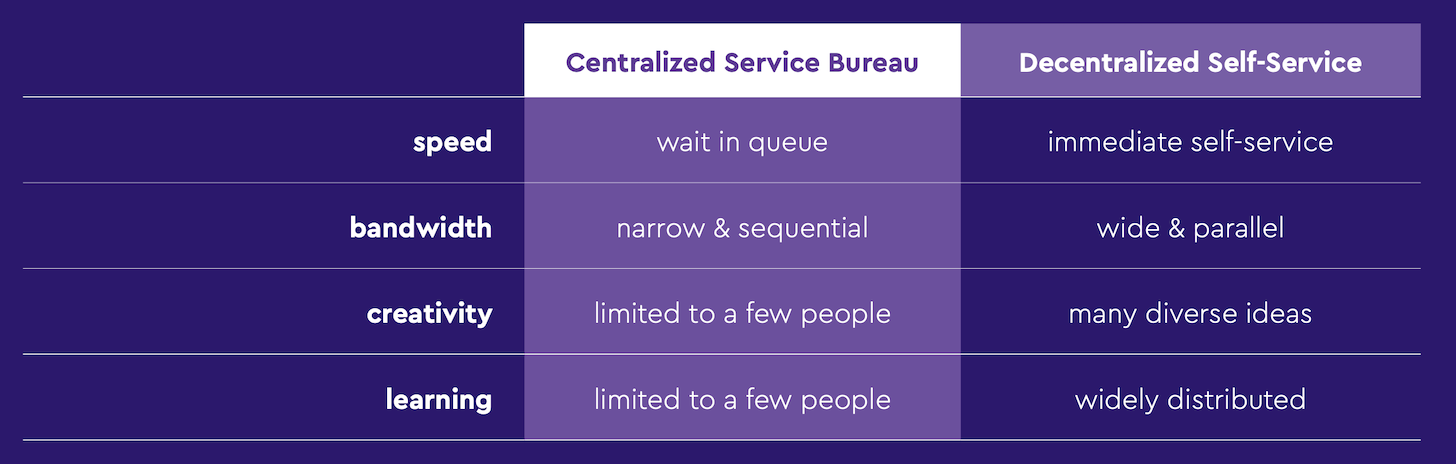
Perhaps the most significant takeaway for the modern executive is the "Zen koan" of digital business: the need to centralize control over standards and infrastructure to enable the decentralization of innovation. Organizations that succeed in the next five years will be those that provide a robust, governed platform, allowing their teams to build and deploy custom agents and workflows without creating technical debt.
4. The Human Element
As AI agents increasingly handle the "execution" of marketing—from campaign creation to customer interaction—the value of the human marketer shifts. The "Augmented Marketer" of 2030 will not be defined by their ability to manually run tools, but by their ability to curate the machine’s output, define the strategic intent, and oversee the ethical application of automated systems.
Conclusion: The Pace is Quickening
Amara’s Law suggests we overestimate the short-term impact of technology while underestimating the long-term effects. If the first half of the decade was about the initial shock of AI and the rapid expansion of the software ecosystem, the second half will be about maturation and stabilization.
The Martech 2030 report was a roadmap for a journey that is far from over. As Scott Brinker noted, the pace is quickening. For marketing professionals, the mandate is clear: embrace the decentralized power of "vibe coding" and the platform-led ecosystems of the future, but prepare for the complex operational challenges that come with this newfound velocity.
The final grades will be issued in 2030. Until then, the focus remains on the synthesis of human intuition and machine-scale efficiency—a challenge that will undoubtedly define the next five years of business history.
