
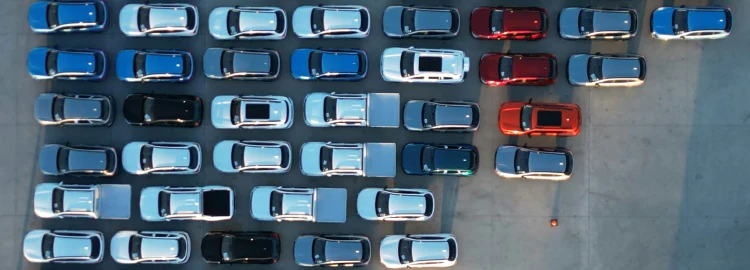
The Digital Pivot: Why Email Marketing is the New Engine of Automotive Sales
The landscape of the automotive industry has undergone a seismic shift. Gone are the days when a dealership’s success was determined solely by its physical location, the volume of its radio advertisements, and the sheer number of vehicles parked on the front lot. Today, the "showroom" is as likely to be a smartphone screen as it is a concrete slab. As foot traffic declines and the modern buyer completes the bulk of their research online before ever engaging with a sales representative, dealerships are forced to adapt. The most successful retailers are no longer waiting for customers to walk through the door; they are meeting them where they spend their time—in their inboxes.
While email marketing is a seasoned veteran in the digital toolkit, it remains one of the most underutilized assets in the automotive sector. When deployed with precision, it acts as a high-conversion bridge, guiding potential buyers from passive browsing to active engagement, such as completing a credit application or scheduling a test drive. With modern, intuitive email platforms, this competitive advantage is no longer reserved for industry giants with massive marketing departments; it is now accessible to every dealership.
The Chronology of Consumer Behavior: From Billboards to Browsers
To understand why email marketing has become critical, one must look at the evolution of the car-buying journey.
Phase 1: The Era of Awareness (1980s–2000s)
For decades, the industry relied on "push" marketing. Dealerships invested heavily in billboards, radio spots, and local television commercials. The primary goal was simple: get the customer to the lot. Once on the lot, the salesperson held all the cards, as they were the sole source of information regarding pricing, inventory, and technical specifications.
Phase 2: The Digital Disruption (2010s)
The rise of third-party automotive marketplaces and manufacturer websites shifted the power dynamic. Consumers began comparing models, reading reviews, and checking vehicle history reports from the comfort of their homes. However, many dealerships remained reactive, waiting for "leads" to come through generic contact forms.
Phase 3: The Omnichannel Reality (Present Day)
Today’s buyer is sophisticated. They have narrowed their choices, secured financing, and evaluated trade-in values before they ever contact a dealer. The modern challenge is no longer "getting them to the door," but "maintaining relevance during the research phase." Email marketing is the only tool that allows a dealership to remain in that conversation without being intrusive, providing a direct, low-cost channel to nurture the buyer from the first click to the final handshake.
Supporting Data: Why Email Still Outperforms Social Media
While social media platforms are excellent for top-of-funnel awareness, data consistently shows that email is the powerhouse of conversion. According to recent industry benchmarks, automotive email campaigns yield significantly higher engagement rates compared to organic social posts, primarily because they are targeted to individuals who have already opted into the dealership’s ecosystem.
- Lead Conversion: Dealerships utilizing lead-capture signup forms on their websites report a 20% to 30% increase in qualified leads compared to those relying on standard "contact us" forms.
- High-Intent Traffic: Transactional emails, such as service appointment reminders or warranty updates, often see open rates exceeding 50%, far surpassing the single-digit engagement typical of social media ads.
- Cost Efficiency: When compared to the rising cost of Pay-Per-Click (PPC) advertising, where dealers compete in costly bidding wars for keywords, email marketing offers a significantly higher Return on Investment (ROI) because the "cost per acquisition" is negligible once the subscriber list is built.
Official Perspective: The Role of Automation in Sales
"The biggest hurdle for the average dealership is not a lack of intent, but a lack of time," says Sarah Jenkins, a digital strategy consultant specializing in retail automotive. "Sales teams are overwhelmed with floor traffic, inventory management, and customer service. They don’t have time to manually email every lead that shows interest. That is where automation serves as a force multiplier."
Industry experts argue that automation isn’t about replacing the human touch; it’s about ensuring that the human touch happens at the perfect moment. By setting up automated workflows, a dealership ensures that:
- Lead Nurturing is Consistent: A potential buyer who fills out a financing form receives an immediate, branded acknowledgment, keeping them engaged while the sales team focuses on current customers.
- Revenue Recovery: Automated "abandoned form" sequences nudge customers who started a credit application but got distracted, effectively capturing revenue that would otherwise be lost to the "digital slip."
- Customer Lifetime Value (CLV): Automated service reminders ensure that the relationship doesn’t end at the point of sale, keeping the dealership top-of-mind for routine maintenance and future trade-ins.
Practical Applications: Building an Effective Email Strategy
For a dealership to capitalize on these trends, the strategy must be bifurcated into specific, actionable campaign types.
1. Promotional and Seasonal Specials
These are the tactical "workhorses" of the industry. Whether it’s an end-of-quarter push to clear inventory or a seasonal service discount (like winter tire changeovers), these emails work best when they are segmented. Sending a "Luxury SUV Special" to a customer who previously searched for fuel-efficient hatchbacks is a waste; sending it to a customer who has expressed interest in high-end models is a sale.
2. Transactional and Lifecycle Communications
These emails carry the highest trust. Appointment confirmations, payment notifications, and warranty expiration notices are not just administrative—they are brand-building opportunities. They demonstrate reliability and professionalism, which are critical traits for a consumer deciding where to spend thousands of dollars.
3. Inventory Alerts and Personalization
The most successful modern dealerships use data to trigger personalized inventory emails. If a customer has viewed a specific vehicle type on the dealership’s website, an automated email highlighting that vehicle or similar arrivals creates a personalized shopping experience that feels bespoke rather than automated.
4. Re-engagement Campaigns
The "cold lead" is the most under-leveraged asset in a dealership’s database. Automated sequences designed to re-engage customers who have been inactive for six to twelve months can revitalize interest. A simple, "Are you still looking for your next ride?" campaign can uncover hidden demand without requiring manual follow-up from the sales floor.
Implications for the Future: Measurability and Growth
Perhaps the most significant implication of shifting to an email-centric strategy is the move toward total transparency. Unlike traditional media—where determining the exact ROI of a radio ad is largely guesswork—email marketing provides granular data.
Managers can see exactly how many people opened an email, which link they clicked, and whether that click resulted in a completed credit application or a booked test drive. This level of visibility allows for real-time optimization. If a subject line isn’t working, it can be A/B tested and adjusted within hours. If a specific offer isn’t driving interest, the strategy can be pivoted immediately.
This data-driven approach removes the "gut feeling" from marketing decisions. For dealerships accustomed to volatile, hard-to-track advertising spend, the clarity offered by email analytics is not just an advantage—it is a competitive necessity.
Conclusion: The Low Barrier to High Impact
The persistent myth that email marketing is a complex, resource-heavy endeavor is the single biggest factor holding back growth in the automotive sector. In reality, the barrier to entry has never been lower. Modern email platforms offer drag-and-drop builders that require zero coding skills, allowing dealership staff to create professional, branded communications in minutes.
Furthermore, the integration of these platforms with existing Customer Relationship Management (CRM) and inventory systems means that data flows seamlessly between systems. You don’t need a team of designers or a multi-million dollar budget; you simply need the willingness to meet your customers where they are.
As the automotive industry continues to digitize, the winners will be those who master the art of the inbox. By treating every email as a conversation rather than a broadcast, dealerships can transform digital interest into tangible sales, ensuring that their business remains on the road to long-term success.
