
The Battle for Conversion: A Comprehensive Analysis of Crazy Egg vs. Convert.com
In the competitive landscape of digital marketing, the ability to turn casual visitors into loyal customers is the ultimate metric of success. As businesses strive to minimize friction and maximize revenue, the choice of a Conversion Rate Optimization (CRO) platform becomes a pivotal strategic decision. Two titans in this space—Crazy Egg and Convert.com—often find themselves on the shortlist for growth teams and product managers. However, while they occupy the same category, their philosophies, feature sets, and target audiences differ significantly.
This article provides an in-depth analysis of these two platforms, exploring their capabilities, technological foundations, and the implications of choosing one over the other for your organization.
The Core Strategic Divide: All-in-One vs. Specialized Power
To understand the difference between Crazy Egg and Convert.com, one must first identify the primary goal of the organization.
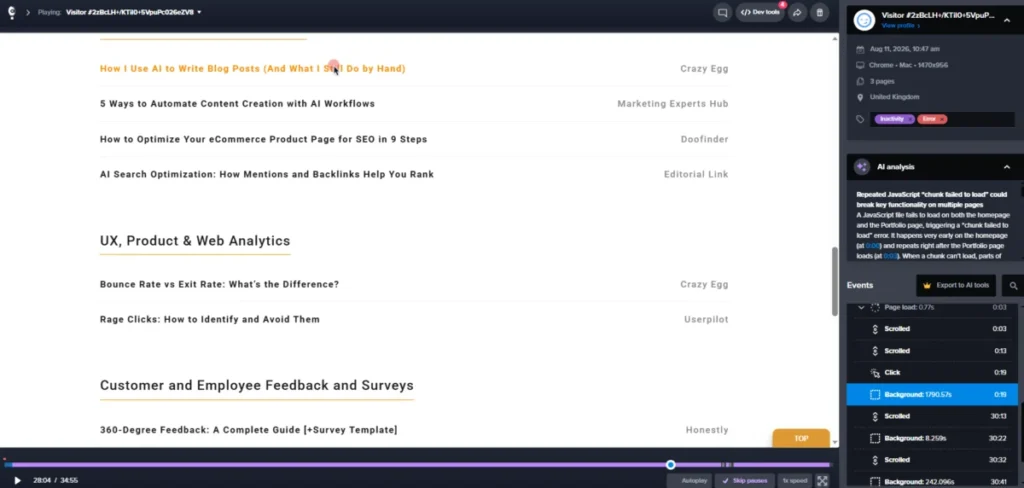
Crazy Egg operates as an all-encompassing CRO ecosystem. It is designed for businesses that need a centralized "command center" to diagnose website leaks, track user behavior, and execute tests without needing a bloated tech stack. By integrating analytics, heatmaps, session recordings, and experimentation, it aims to keep the entire optimization loop—from observation to resolution—within a single interface.
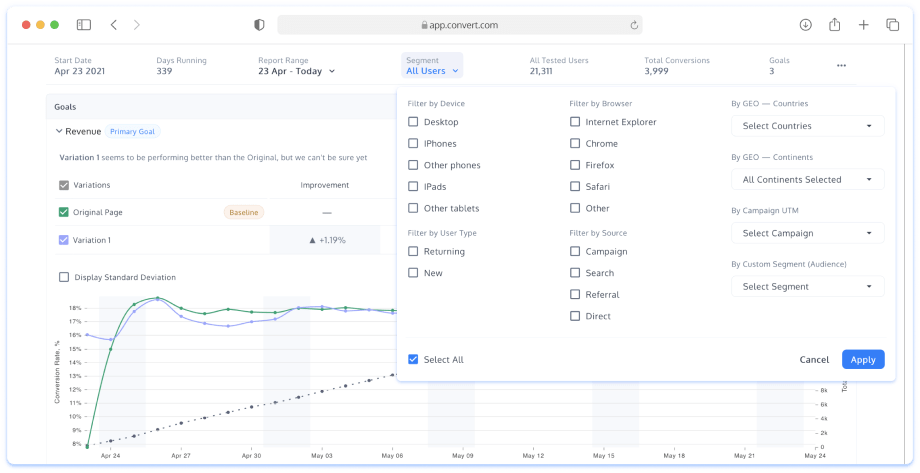
Convert.com, by contrast, is a specialized powerhouse built for the enterprise-level experimentation team. It excels in the complexities of advanced testing—multivariate, server-side, and feature-flagging—and is intentionally designed to integrate into a larger, existing analytics stack. It assumes the user already has a robust data strategy and provides the engine to power sophisticated, high-velocity experimentation.
A Chronology of Capability: How We Got Here
The evolution of these tools reflects the shifting demands of the web.
- The Early Days (The Heatmap Era): Crazy Egg emerged as a pioneer in visual analytics, focusing on the "what" and "where" of user interaction. Its original value proposition was simple: show business owners exactly where users were clicking. Over the years, it expanded into a full suite, adding session recordings and A/B testing to answer the "why" behind the data.
- The Rise of Sophisticated Testing: Convert.com entered the market as a direct answer to the limitations of basic testing tools. It prioritized the scientific method, introducing rigorous statistical engines (Frequentist and Bayesian) and infrastructure-level features like server-side testing.
- The AI Revolution (2025–2026): Both platforms have recently pivoted to integrate Agentic Workflows. Crazy Egg has focused on "Tasks"—a system that automates the analysis-to-testing pipeline—while Convert has leaned into AI assistants that aid developers in writing code for variants and setting up complex experiment logic.
Supporting Data: Feature Benchmarking
When evaluating these tools, the disparity in their feature offerings becomes apparent.
1. The Testing Engine
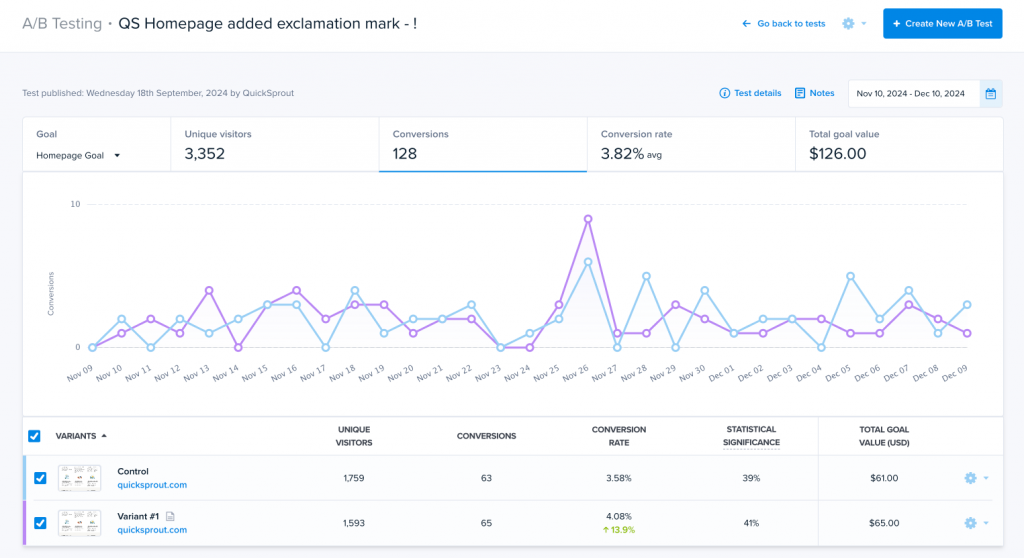
Crazy Egg is highly accessible, offering a visual editor that empowers marketers to run A/B and multi-armed bandit tests. It is designed to be low-friction. Convert, however, provides a higher ceiling for engineering-led teams. With support for server-side testing, multipage funnels, and feature flags, it is the clear choice for software-as-a-service (SaaS) companies testing product features rather than just landing page layouts.
2. Behavioral Intelligence (Heatmaps and Recordings)
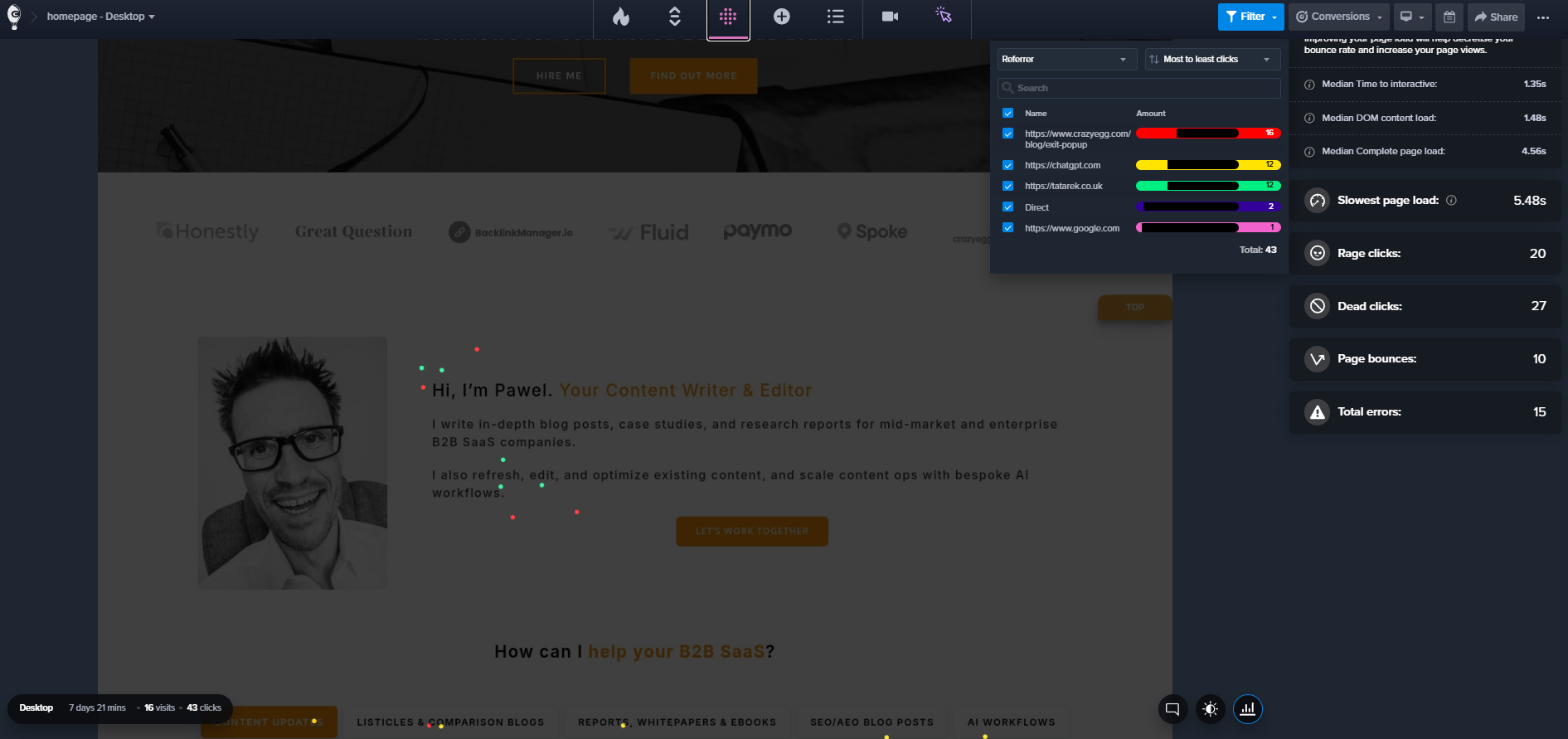
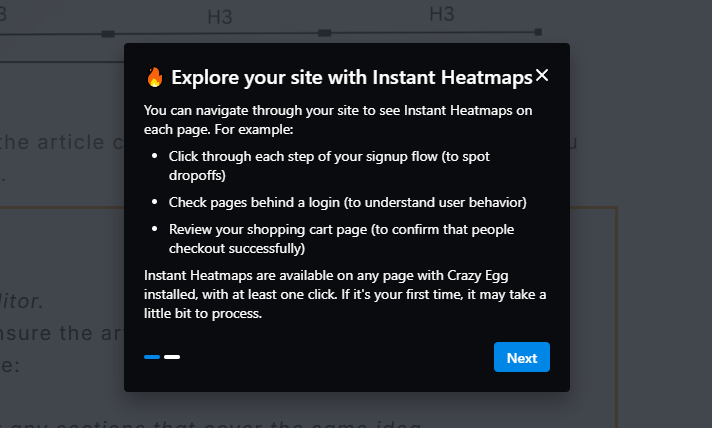
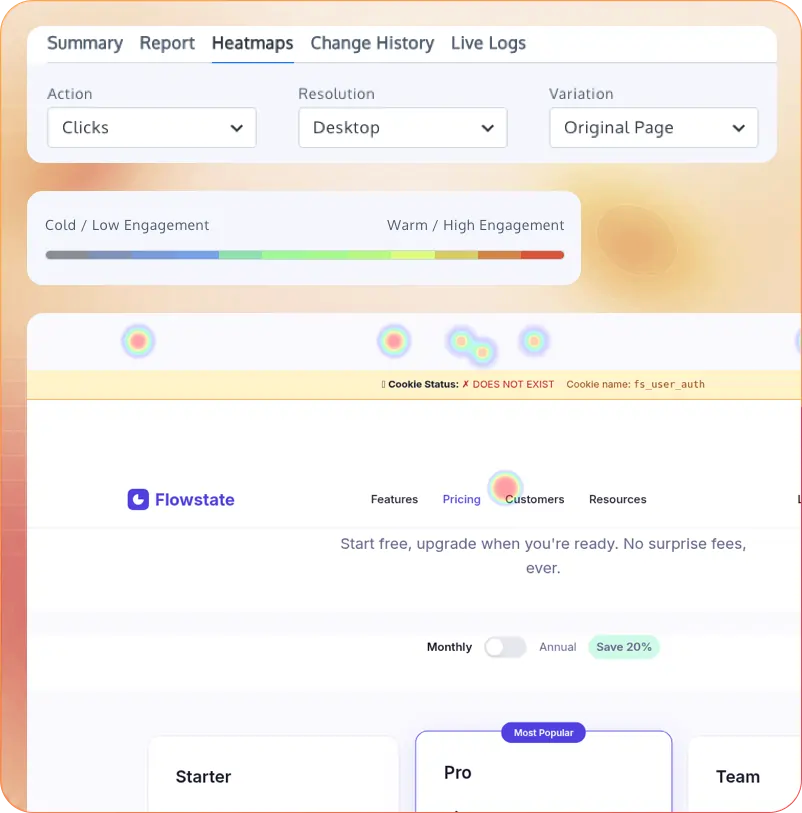
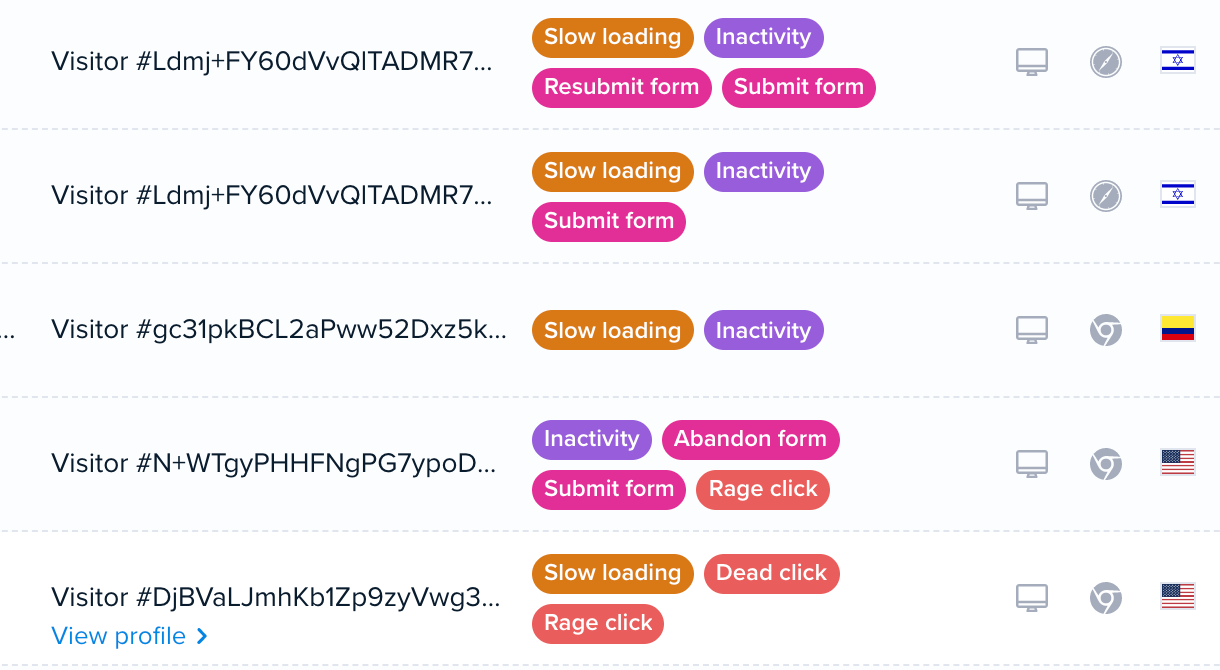
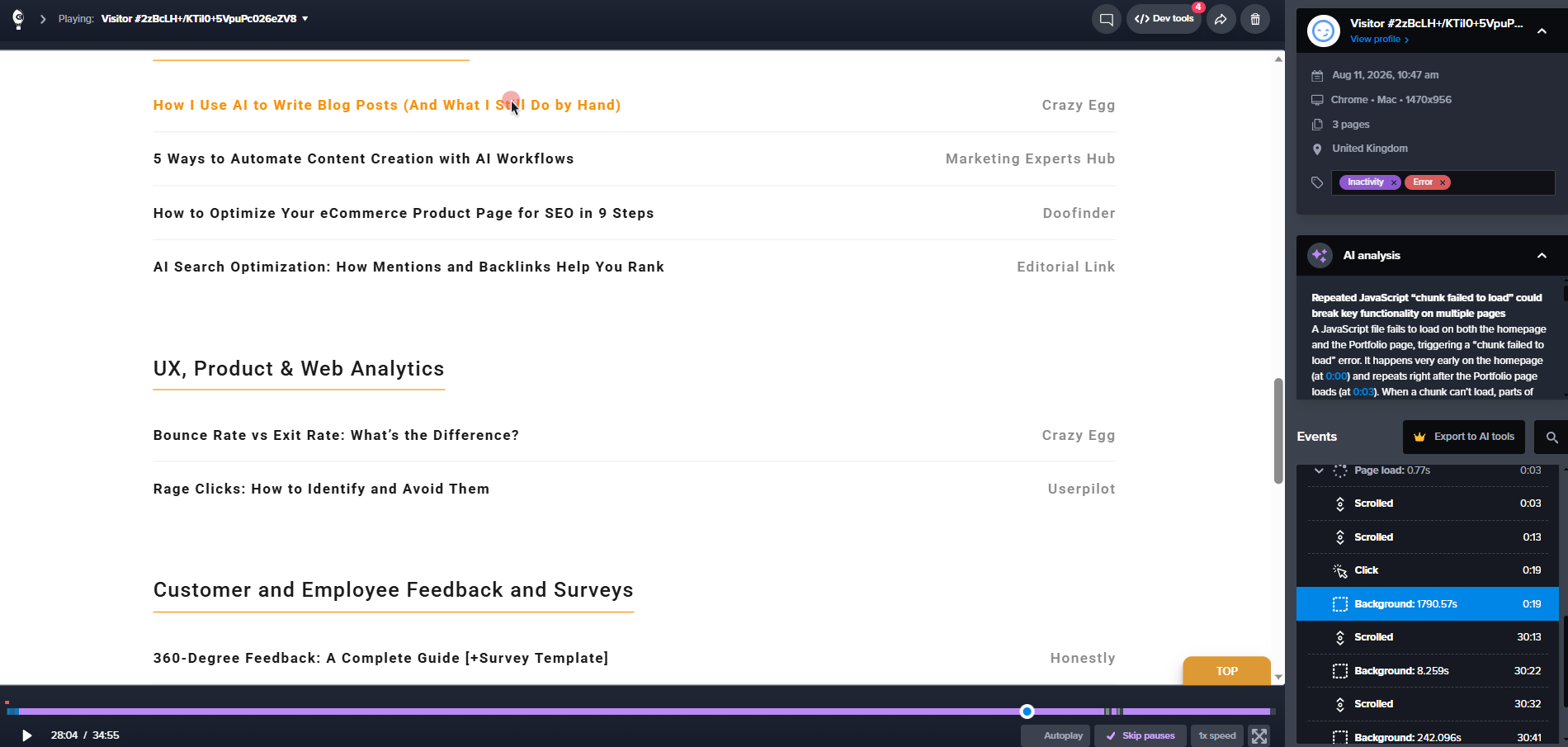
Crazy Egg maintains an edge in depth and accessibility. Its "Confetti" maps allow for granular segmentation that Convert simply does not offer natively. Furthermore, Crazy Egg’s session recordings are exhaustive—capturing all traffic across specified pages—whereas Convert uses a "signals" approach, only recording sessions where it detects specific friction. While the latter is efficient, it risks missing the "silent" majority of users who are having a suboptimal, but not explicitly "broken," experience.
3. Analytics and Data Integrity
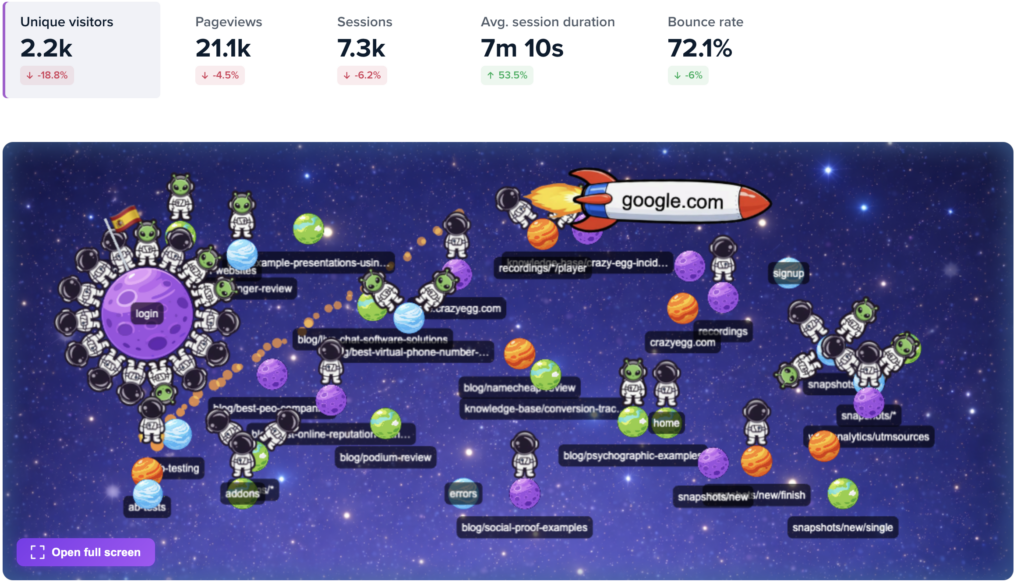
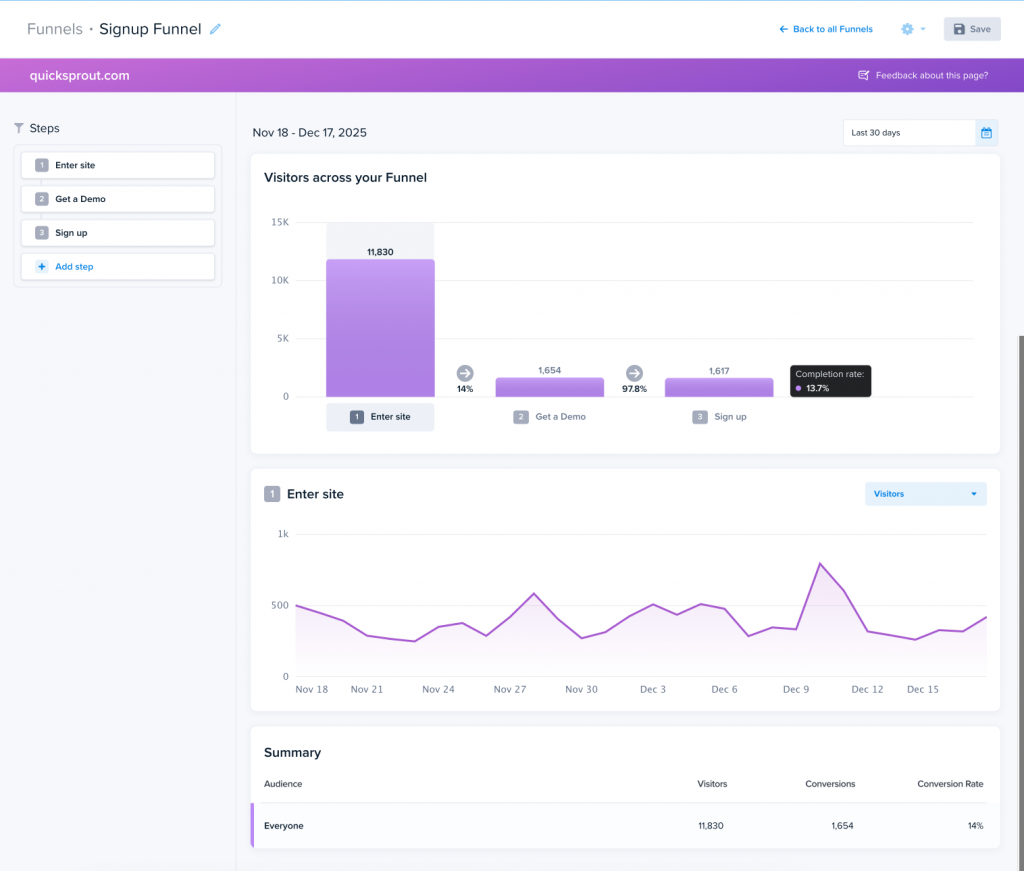
This is perhaps the most stark divide. Crazy Egg provides a standalone analytics suite, complete with retroactive funnels and conversion tracking. You can see the full story of your users without leaving the app. Convert relies on third-party integrations (GA4, Mixpanel, Amplitude). If you already have a sophisticated data team, this is a feature; if you are a lean team looking for quick insights, it is an extra hurdle.
Official Perspectives: The Market Positioning
Representatives from both companies emphasize different value propositions.
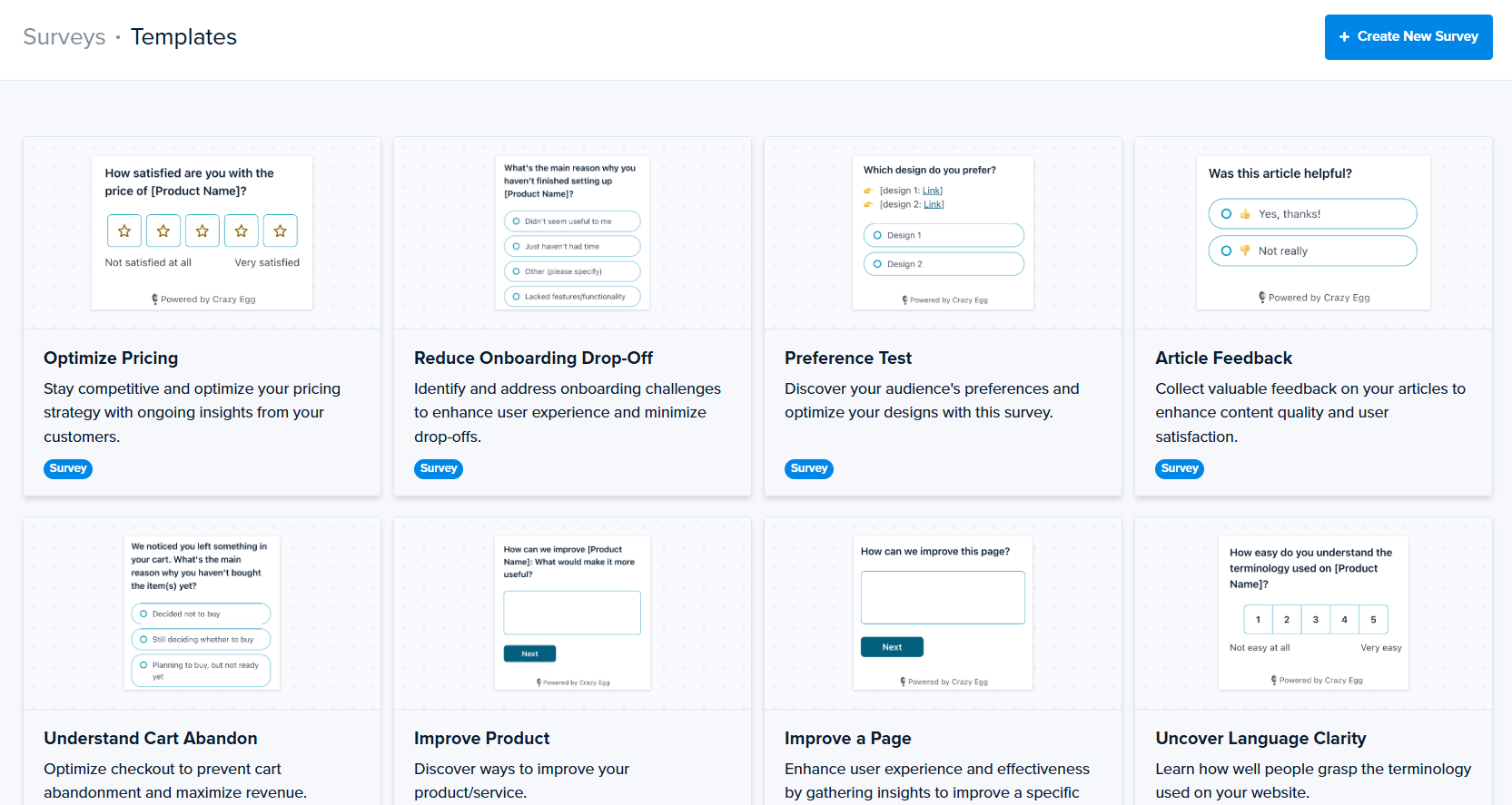
The Crazy Egg Stance: The platform’s leadership consistently argues that "data siloing" is the death of conversion. By bundling web analytics, surveys, and testing, they claim to reduce the time it takes to act on a insight. Their move into "Agentic Workflows" is an explicit attempt to make the "optimization loop" autonomous, allowing users to move from identifying a drop-off in a funnel to deploying a fix in minutes.
The Convert.com Stance: Convert positions itself as the "developer-friendly" alternative. Their documentation and API-first approach cater to companies that view experimentation as a core engineering function. By providing features like sample-ratio mismatch checks and outlier detection, they appeal to stakeholders who prioritize statistical validity and scalability over ease-of-use for non-technical staff.
Implications for Your Business
The decision to adopt one of these platforms has long-term implications for your operational efficiency and budget.
The Cost of Complexity
Convert.com carries a higher price tag and a steeper learning curve. For a mid-sized e-commerce site, the "Growth" plan may be overkill if the team doesn’t have the technical expertise to manage server-side experiments. You are paying for a Ferrari when you might only need a well-tuned sedan.
The Value of Consolidation
Crazy Egg’s pricing model is significantly more transparent and inclusive. By offering unlimited domains and team members on many plans, it is built for growth. The inclusion of survey tools and conversion analytics means you can often cancel other subscriptions (like dedicated survey or session replay tools), effectively lowering your total cost of ownership.
The AI Trajectory
The recent implementation of MCP (Model Context Protocol) servers in both platforms signals a new era. Because Crazy Egg exports its behavioral data into an AI-ready JSON format, it offers a more flexible path for teams that want to pipe their user data into custom LLMs (like Claude or GPT-4o) for proprietary analysis. Convert’s AI focus is currently more "in-app" and directed toward the specific task of building and interpreting experiments within the platform.
Final Verdict: Which Path Should You Choose?
The decision essentially boils down to your organizational maturity and your primary pain point.
Choose Crazy Egg if:
- You are an all-rounder team that needs to diagnose and fix issues quickly.
- You want to consolidate your tech stack (Heatmaps, Recordings, Analytics, Surveys, and Testing in one place).
- You want an "AI-first" experience that helps you act on data without needing to be a data scientist.
- You are budget-conscious and want clear, predictable pricing with no hidden overages.
Choose Convert.com if:
- Your primary activity is complex, high-volume experimentation.
- You have a dedicated engineering team that needs server-side capabilities and feature flagging.
- You already have a mature data stack (e.g., Amplitude/Adobe Analytics) and need a tool that acts purely as an execution engine.
- You are an enterprise organization where the cost of a "false positive" in a test result is higher than the cost of a premium subscription.
In conclusion, both platforms are leaders in their respective niches. While Convert provides the precision tools required for high-stakes technical experimentation, Crazy Egg offers the comprehensive, integrated environment that most modern growth teams need to maintain a competitive edge in an increasingly complex digital market. Assessing your current team capacity and the depth of your existing analytics stack will be the most accurate compass for your final decision.
