

The Reality of the Digital Ledger: Can You Actually Make a Living from Blogging?
In the vast, interconnected landscape of the internet, the question of whether a blog can serve as a legitimate vehicle for financial independence remains one of the most polarizing topics in digital media. For every success story of a lifestyle blogger living in luxury, there is a skeptic claiming that the industry is built on "get-rich-quick" schemes and predatory marketing.
To separate fact from fiction, one must look beyond the hype. While the dream of earning a six-figure income while working from a beach in Bali is often a marketing fabrication designed to sell courses, the reality of professional blogging is far more grounded—and attainable—than the pessimists suggest. Blogging is neither a miracle cure for unemployment nor a scam; it is a legitimate, albeit demanding, business model that rewards consistency, expertise, and strategic execution.
Main Facts: The Truth Behind the "Blogger" Label
The fundamental fact of the modern creator economy is that blogging is a viable profession. However, it is rarely the passive income stream that many influencers advertise.
1. It is a Business, Not a Lottery
The most significant hurdle for aspiring bloggers is the misconception that success is accidental. In reality, full-time bloggers function as media companies. They are responsible for content creation, search engine optimization (SEO), community management, and financial diversification. The transition from a "digital diary" to a revenue-generating platform requires a pivot in mindset: you are not just a writer; you are a business owner.
2. Diversification is the Key to Survival
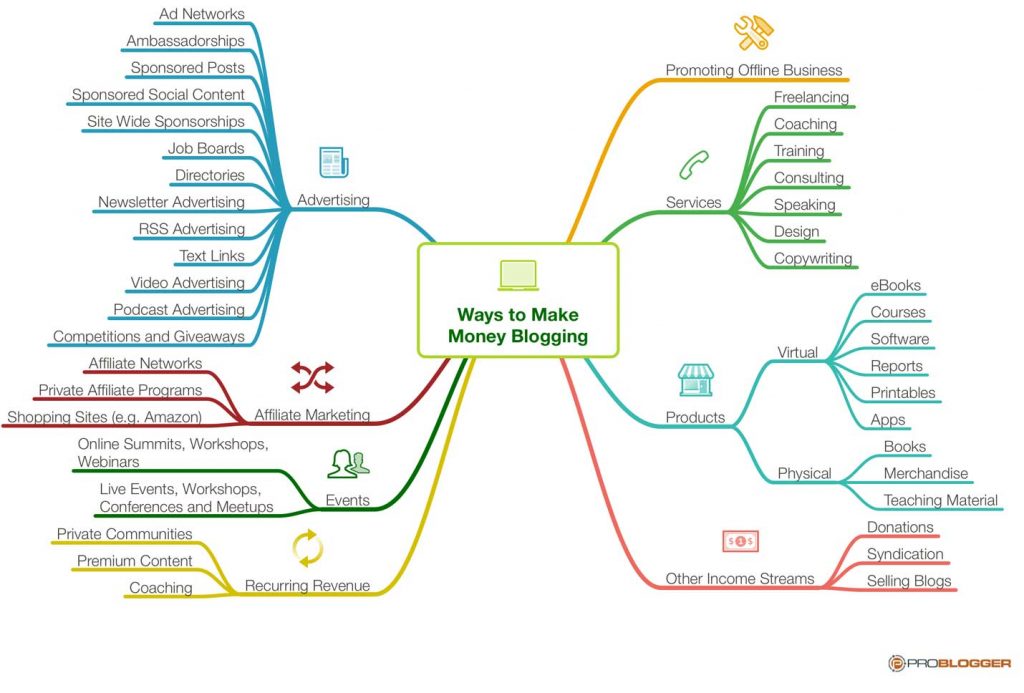
There is no "single" way to monetize. Successful bloggers rarely rely on one income stream. The most stable digital creators utilize a "stack" of revenue models:
- Affiliate Marketing: Earning commissions by recommending products relevant to their niche.
- Digital Products: Selling e-books, templates, or proprietary software.
- Direct Advertising: Partnering with brands for sponsored content or running programmatic ads.
- Services: Leveraging blog authority to secure speaking engagements, consulting contracts, or coaching roles.
Chronology: The Evolution of a Monetized Blog
Blogging is an exercise in long-term compounding. Understanding the timeline of a successful blog helps manage expectations and prevents premature burnout.
The Foundation (Year 1)
In the first year, most bloggers experience little to no financial return. This is the "incubation period." During this time, the focus is entirely on building an audience, establishing a brand voice, and proving to search engines that the site provides value. For most, this period is entirely voluntary and unpaid.

The Growth Phase (Years 2–3)
By the second or third year, consistent creators often see the first signs of monetization. This might look like a few dollars a day from advertising or the occasional affiliate sale. This stage is critical; it is where the "part-time" income begins to take shape, often serving as a secondary income stream alongside traditional employment.
The Scale-Up (Year 4 and Beyond)
Data suggests that significant financial success—defined as earning a full-time living or reaching the "top tier" of income earners—rarely happens before the four-year mark. This is the point at which an audience has matured, brand authority is established, and the blogger has enough historical data to refine their monetization strategy.
Supporting Data: What the Statistics Say
When analyzing the earnings of the blogging community, the data reveals a stark "long-tail" distribution. A survey of over 1,500 active bloggers yielded insights that act as a necessary reality check for newcomers.
- The Entry-Level Reality: Approximately 10% of those attempting to monetize their blogs report earning nothing at all.
- The Hobbyist Tier: Nearly 63% of bloggers make less than $3.50 per day. This group often views blogging as a hobby or a passion project rather than a commercial enterprise.
- The Professional Tier: Roughly 9% of bloggers reach a part-time income level, earning $1,000 or more per month.
- The Elite Tier: Only about 4% of those surveyed hit the $10,000 per month mark. Notably, 85% of this group had been blogging for four years or longer, confirming that longevity is the strongest predictor of financial success.
These numbers suggest that while the "barrier to entry" is low—anyone can start a blog—the "barrier to profitability" is high, requiring significant time and effort to overcome.
Official Perspectives: The "Niche" Fallacy
A common critique of the blogging industry is the "meta-blogging" trap: the belief that the only people making money from blogging are those teaching others how to blog. However, industry analysis contradicts this.
The most profitable blogs are often found in "non-meta" niches. For instance, a high-traffic blog focused on specialized photography, woodworking, or health and wellness can often outperform a "make-money-online" blog by a factor of ten. Because these niche blogs serve a specific, passionate audience, the conversion rates for products—whether physical tools, courses, or specialized coaching—tend to be higher. The "expert" who provides value in a practical, offline-relevant field is far more likely to build a sustainable, long-term business than one who merely sells the dream of blogging itself.
Implications: The Hard Truths of the Creator Economy
For those looking to transition into blogging as a full-time career, the implications are clear: you must prepare for a long, labor-intensive journey.
1. The Myth of Passive Income
"Passive income" is a term often used to lure beginners, but it is largely a misnomer in the blogging world. Maintaining a profitable blog requires constant adaptation to Google’s algorithm changes, evolving social media trends, and the necessity of keeping content fresh and relevant. It is, by definition, active work.
2. The Power of Action
The most successful bloggers are people of action. They do not just write; they analyze, iterate, and experiment. They treat their site as a living laboratory. They test different ad placements, analyze reader engagement metrics, and constantly refine their product offerings.
3. The "Why" Factor
The most profitable blogs are built on a foundation of genuine utility. Whether a blog is helping someone improve their photography skills, choose a better diet, or organize their home, the common thread is that the content provides a tangible solution to a reader’s problem. Blogs that "matter" to people are the ones that endure.
Conclusion: Is the Effort Worth It?
The digital age has democratized the ability to reach an audience, but it has not removed the requirement for hard work. Yes, you can make money blogging. Yes, it can replace a traditional salary. And yes, it can provide a life of freedom and flexibility.
However, it is not a shortcut. It is a long-distance race. For those willing to put in the years of work, the initial investment of time and creativity can pay significant dividends. But if your goal is to find an easy path to wealth, you will likely find that the keyboard is a much harder master than a traditional office desk. The breakthrough you are looking for does not come from a "get-rich-quick" formula; it comes from the quiet, persistent, and deliberate effort of building something that adds genuine value to the world, day after day, year after year.
If you are ready to stop dreaming and start building, the best time to begin is now. The market is crowded, but there is always room for a voice that is original, authoritative, and truly helpful.
