
The Art of Signal in an Age of Noise: A Masterclass in Content Curation for 2026
In an era where generative AI can flood social feeds with synthetic content in seconds, the role of the human curator has shifted from a "nice-to-have" strategy to a vital brand survival mechanism. As social media platforms become increasingly saturated with machine-generated noise, audiences are recalibrating their trust toward voices that act as filters—those who curate the internet rather than merely cluttering it.
For marketing teams in 2026, content curation is no longer just about filling a gap in a content calendar. It is an editorial exercise in building authority, fostering community, and cutting through the algorithmic fog.

The Evolution of Curation: More Than Just Sharing
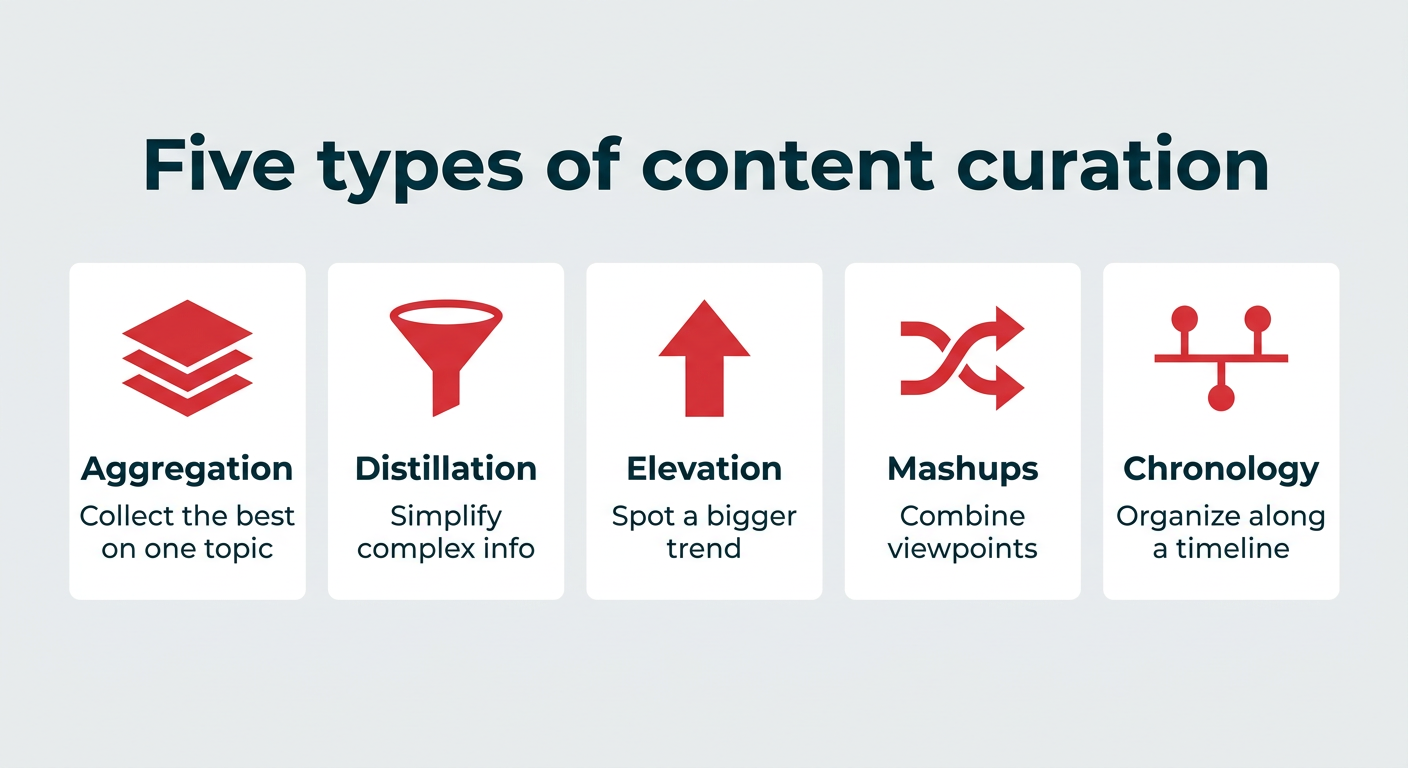
Content curation is the strategic process of selecting, organizing, and presenting high-quality content from external sources to provide value to a specific audience. Whether it is a curated list of industry news, a deep dive into an expert’s perspective, or a strategic repost of a trending discussion, the curator acts as a museum director. They do not simply display artifacts; they provide the context that gives those artifacts meaning.
In the current landscape, where nearly 40% of U.S. adults rely on platforms like Facebook and YouTube for news, the ability to distinguish "signal" from "noise" is a superpower. A brand that successfully identifies and elevates the most relevant, accurate, and insightful content becomes a trusted lighthouse for its followers.

Chronology and the Competitive Landscape
To understand the current state of social media, one must look at how curation has evolved alongside content creation.
Historically, the two were viewed as opposing forces. Creation was the "premium" effort, while curation was the "stopgap." Today, that binary has collapsed. They are now symbiotic components of a sophisticated social strategy.
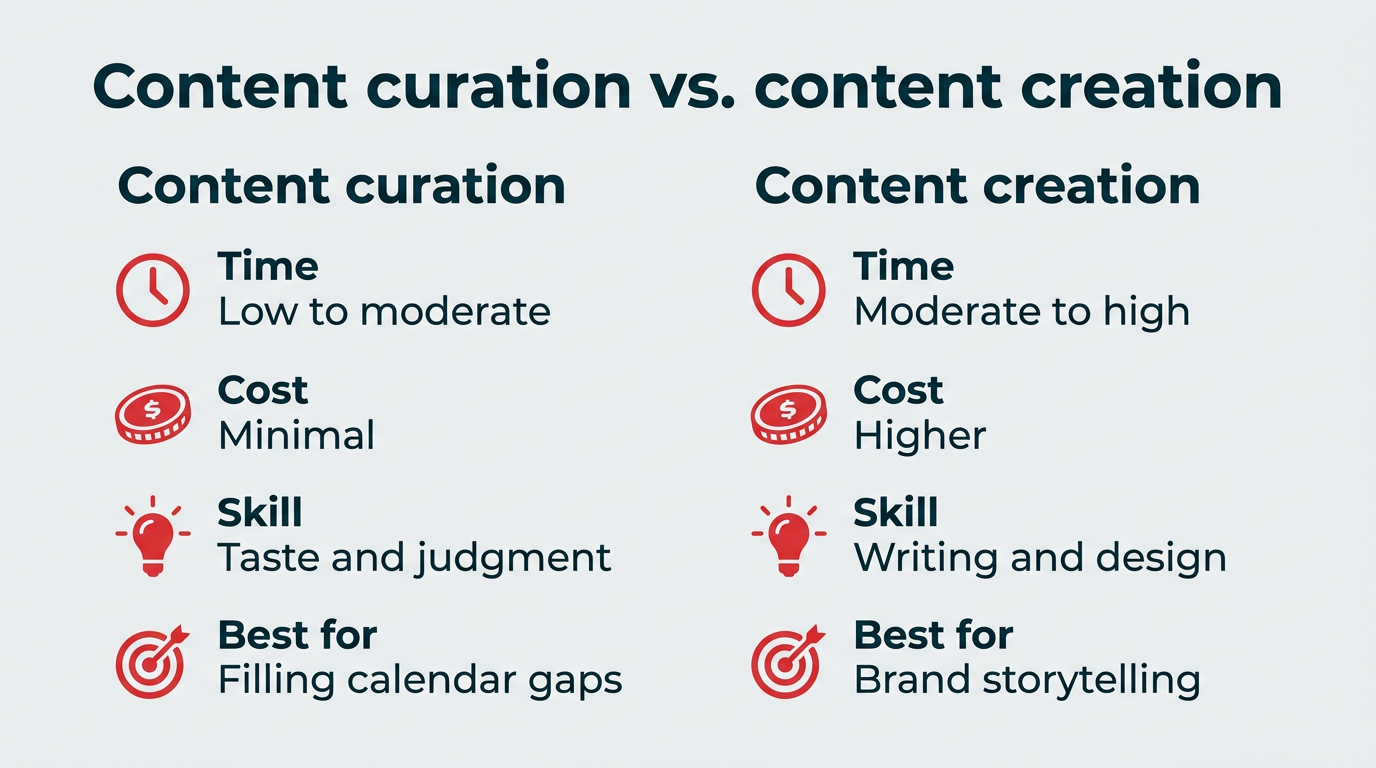
- Content Creation: Reserved for unique brand storytelling, proprietary data, product launches, and deep-SEO efforts. It is high-cost, high-effort, and essential for establishing identity.
- Content Curation: The engine of consistency. It provides the "pulse" of an industry, allowing brands to maintain an active presence without the unsustainable overhead of producing original assets for every single post.
The transition toward curation-heavy models is a response to the "content glut" of the mid-2020s. As consumers grow wary of automated content, the "human touch"—the editorial opinion added by a curator—has become the primary driver of engagement.
Supporting Data: Why Curation Wins
The economic argument for curation is simple: efficiency. Creating a high-quality video or white paper requires designers, writers, and multiple review cycles. Curating a high-value industry report, adding a insightful commentary, and scheduling it to hit at the right time takes a fraction of the budget.
Data from social management benchmarks suggests that brands maintaining a 50/50 split between original and curated content often see:
- Higher Engagement Rates: By sharing diverse perspectives, brands invite conversation rather than broadcasting.
- Increased Follower Loyalty: Providing utility (e.g., summarizing 60-page reports into actionable bullet points) creates a "must-follow" reputation.
- Algorithmic Favor: Platforms prioritize accounts that spark authentic, ongoing discussions—something that curated, trending topics facilitate naturally.
Official Strategic Perspectives: The 7-Step Workflow
Professional social media teams have standardized the curation process to ensure quality control. Following this workflow helps brands move from "random posting" to "strategic curation."

1. Define Your Pillars
Never curate content just because it is popular. Curate content that aligns with your brand’s "content pillars." If a piece of content doesn’t support your core messaging or your audience’s needs, skip it.
2. Establish Your Mix
A common starting point is the 60/40 rule: 60% curated, 40% original. However, this is a hypothesis, not a mandate. Use your analytics to see how your specific audience reacts, and adjust the ratio accordingly.

3. Source Selection
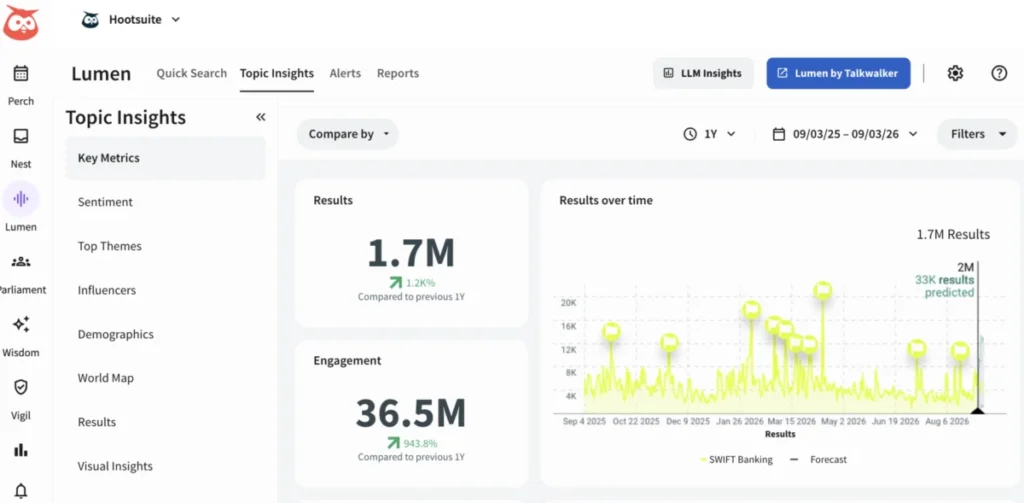
Build a robust "input funnel." This should include RSS feeds, industry newsletters, verified expert accounts, and social listening tools. Using advanced listening tools—like the Lumen app within the Hootsuite Social OS—allows brands to identify trending conversations in real-time, ensuring they are participating in the conversation before it becomes stale.
4. The "Editorial Layer" (The Most Critical Step)
Never share a link naked. Always add your own "Editorial Layer." Use one of these frameworks:

- The Summary: "Here are the 3 takeaways from [Article] that matter to our industry."
- The Provocation: "We disagree with the premise of this report. Here’s why…"
- The Synthesis: "We’ve seen this trend mentioned by five different experts this week. It’s time to pay attention."
5. Proper Attribution
Plagiarism is a brand killer. Always tag, link, and celebrate the original creator. This not only builds ethical brand equity but often results in the original creator sharing your post, exposing you to their audience.
6. Scheduling for Consistency
Use a centralized dashboard to schedule your curated content alongside your original posts. This allows you to visualize the narrative arc of your feed and ensure that your brand isn’t becoming too one-note.
7. Performance Tracking
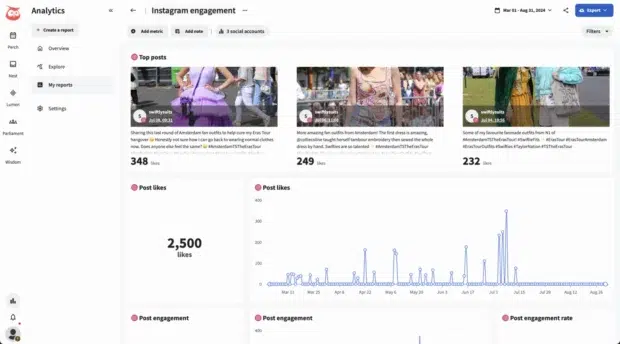
Don’t "post and pray." Monitor your curated content for clicks, shares, and save rates. If a certain source consistently underperforms, cut it from your curation list.
Implications: The Impact of AI on the Curator
AI is fundamentally changing the mechanics of curation in 2026. AI tools can now scan thousands of sources to suggest links, cluster trending topics, and even draft initial commentary.

The implication is clear: The "heavy lifting" of finding content has been outsourced to machines, but the "judgment" of what is worth your audience’s time remains a strictly human responsibility. Brands that attempt to fully automate curation often suffer from a loss of "brand voice" and trust. The winning strategy is to use AI to handle the volume and use human expertise to provide the context.
Avoiding Common Pitfalls
Even with a solid strategy, brands often trip over common traps:

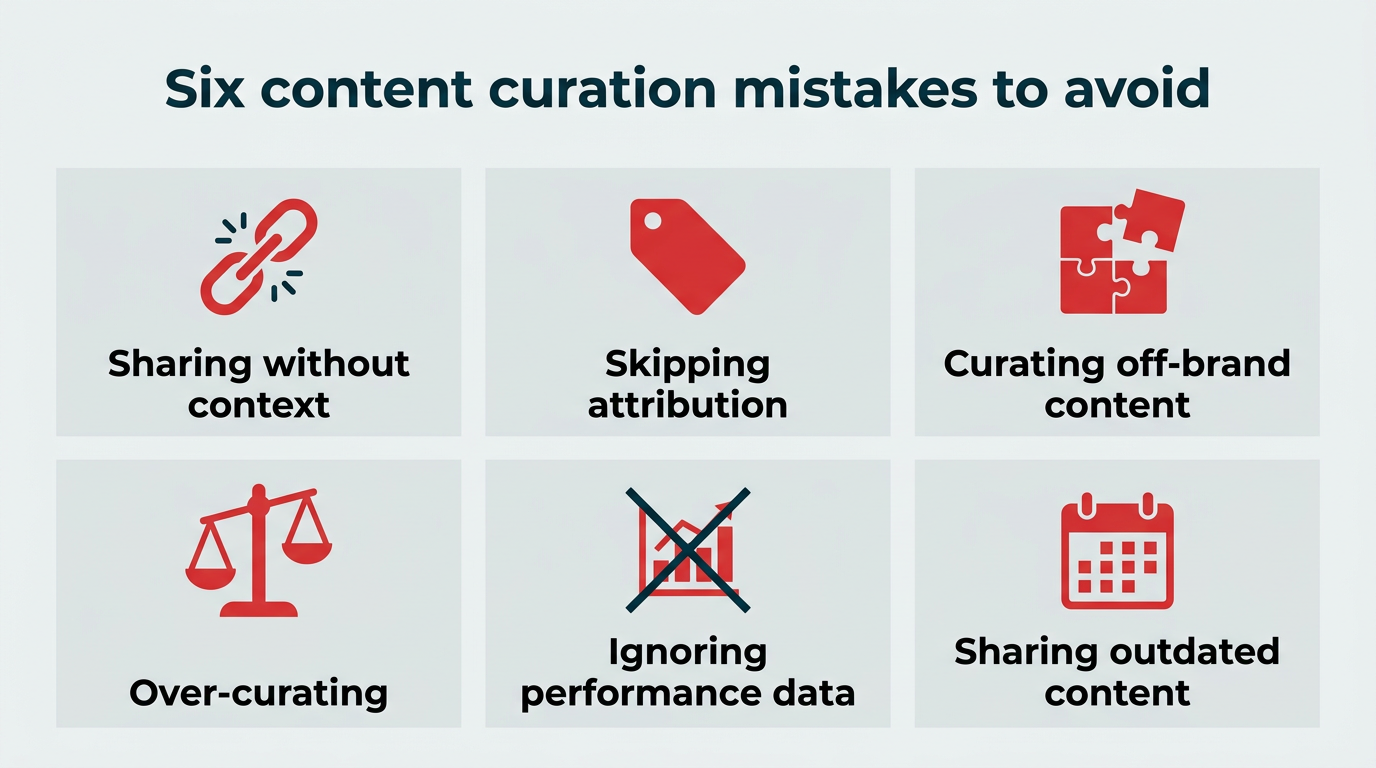
- The "Echo Chamber" Trap: Only sharing content that reinforces your own brand’s existing views. Great curation involves sharing diverse and even challenging viewpoints.
- The "Firehose" Effect: Over-sharing curated content, which dilutes the impact of your original brand messaging.
- Lack of Attribution: The fastest way to lose credibility is to repurpose content without giving proper credit to the original author.
- Ignoring the "Why": Sharing a link without explaining why it is relevant to your followers. If you don’t explain why they should care, they won’t click.
Conclusion: The Trusted Filter
In a future defined by content abundance, the most valuable brands will be those that serve as "trusted filters." Content curation is the bridge between being a loud, ignored voice in a crowded room and being a respected authority that followers turn to for clarity.
By balancing original storytelling with the strategic curation of the best ideas in the industry, brands can maintain a consistent, high-value presence that respects their audience’s time and intelligence. As we look toward the remainder of 2026, the question for every social team is not "What should we create today?" but rather "What does our audience need to know, and who is saying it best?"
When you find that answer, curate it, add your perspective, and lead the conversation.
