
The Architecture of Conversion: Mastering the Seven Essential Website Formats
In the digital landscape, your website is more than just a collection of pixels and code; it is a strategic business asset. While many entrepreneurs and marketers focus heavily on aesthetics—choosing color palettes, fonts, and imagery—they often neglect the underlying framework: the website format.
A website format is the structural blueprint of your site. It dictates which sections exist, the logical order in which they appear, and the specific user journey required to convert a visitor into a customer. Understanding these formats is critical, as a beautiful design will fail to deliver results if the structure doesn’t align with your business objectives.
Defining the Foundation: Format, Layout, and Design
To master web strategy, one must first distinguish between three commonly confused concepts: format, layout, and design.
- Website Format: This is structural. It is the hierarchy of information. A brochure site, for example, prioritizes location and hours, while an online store prioritizes product entry points.
- Website Layout: This is the visual grid. It refers to how elements are arranged on a specific screen, such as using a single-column layout, a split-screen design, or a masonry grid.
- Website Design: This encompasses the "look and feel." It includes typography, color psychology, white space, and branding.
Design makes a site appealing, but format defines the path the visitor takes. If your format is flawed, no amount of elegant design can save your conversion rates.
The Seven Primary Website Formats
Almost every successful online entity falls into one of these seven categories. Choosing the right one is a matter of identifying your primary business goal.
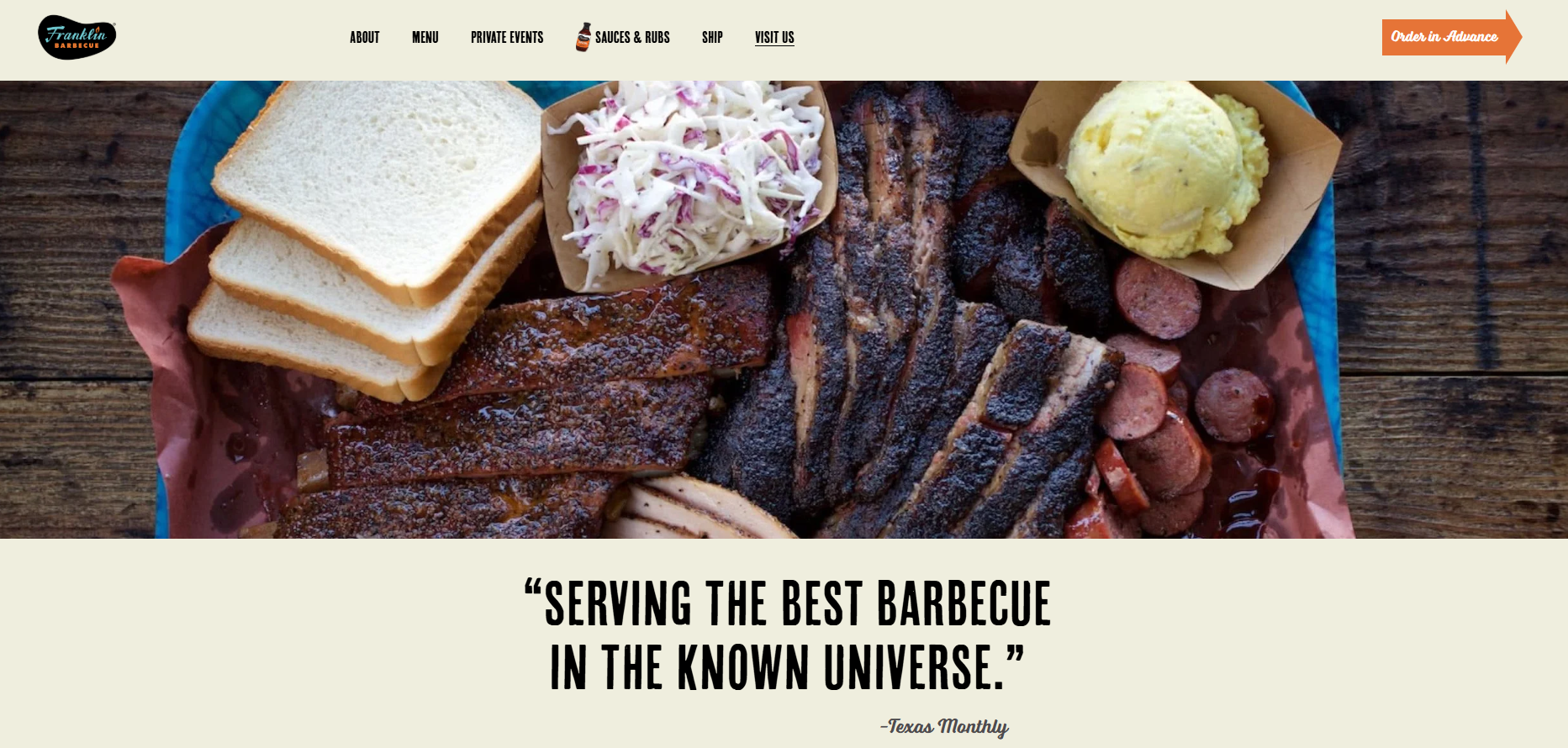
1. The Brochure Site
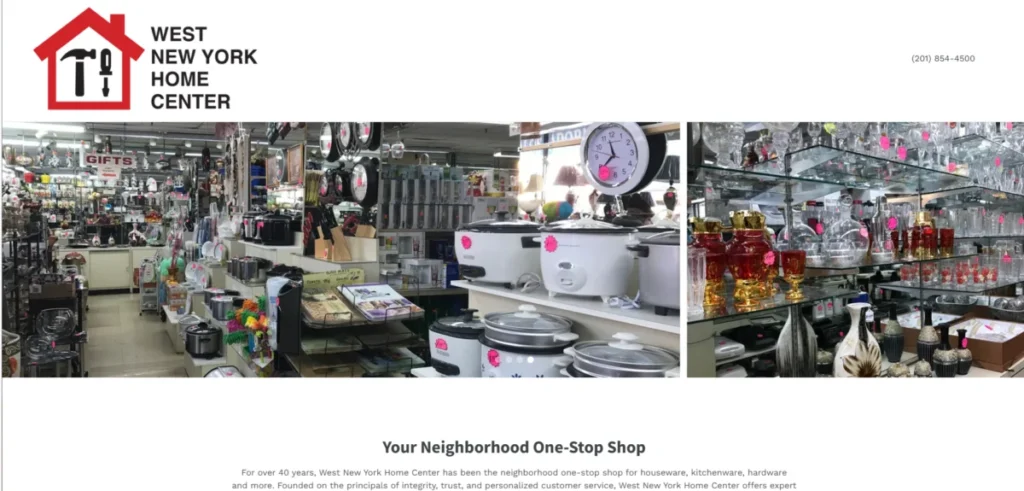
Designed for businesses that operate in the physical world, such as restaurants, local hardware stores, or event venues. The primary goal is simple: drive foot traffic.
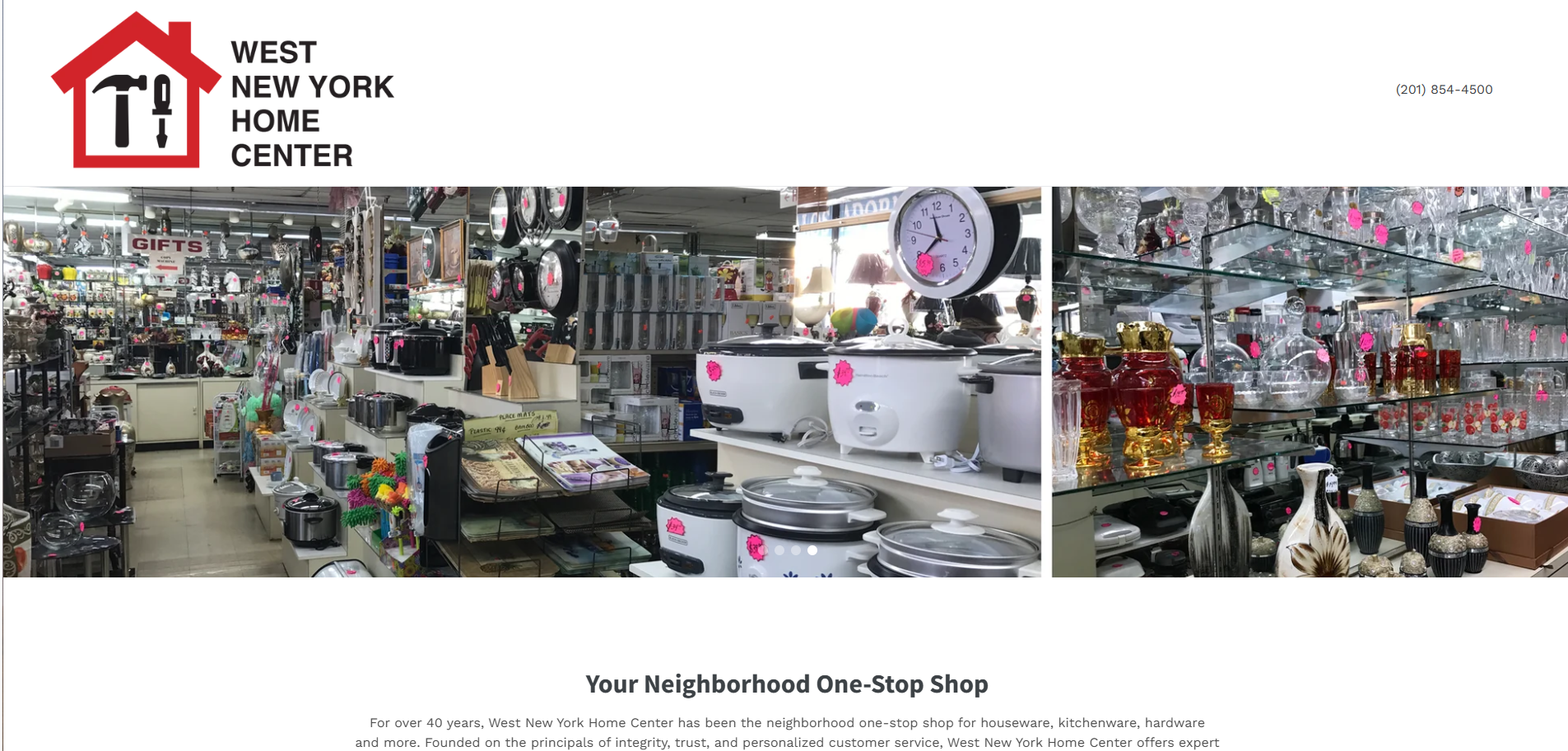
- Key Elements: Clear value proposition, high-quality images of the physical space, and prominent location/hours data.
- Strategy: The goal is to provide enough information for a visitor to feel comfortable visiting your storefront.
2. The Local Service Site
Ideal for tradespeople, dental practices, and law firms. These sites focus on a specific geographic territory.
- Key Elements: A strong hero call-to-action (CTA), social proof (reviews/testimonials), and easily accessible contact forms or "click-to-call" buttons.
- Strategy: Establishing trust and verifying that the service area covers the user’s location is paramount.
3. The Online Store
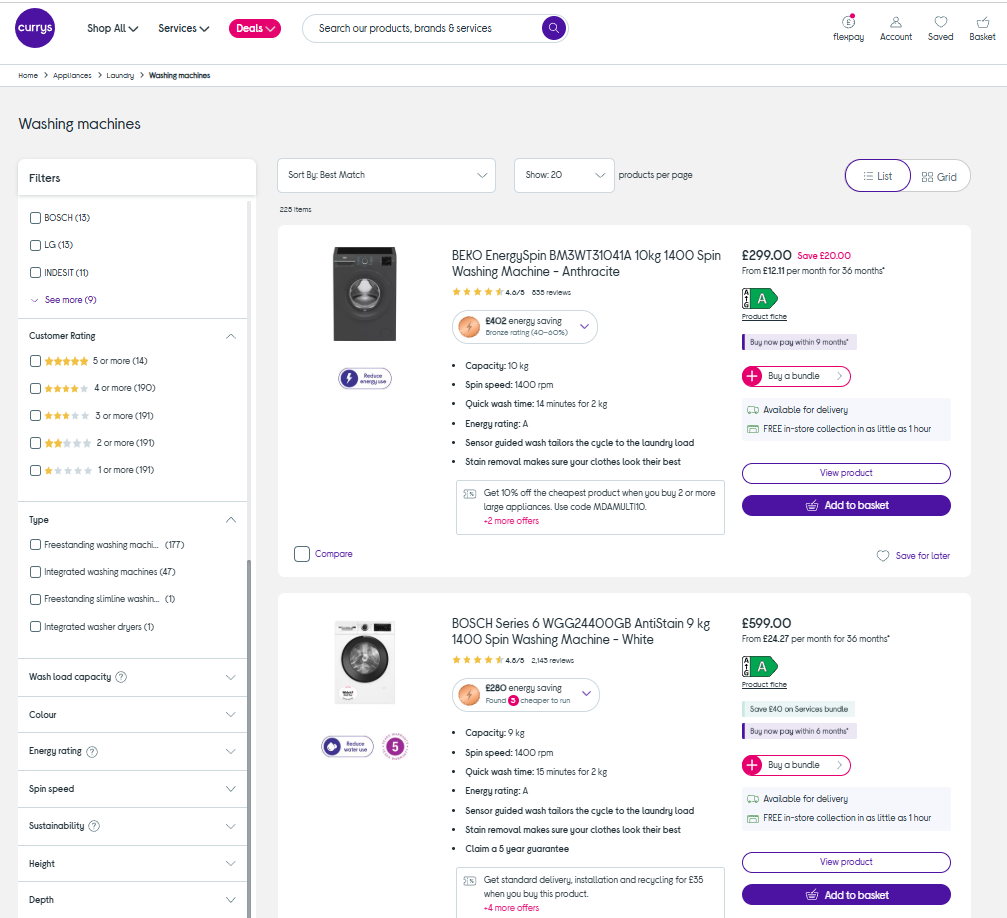
For product-centric businesses. Whether you are a small boutique or a multinational retailer, the goal is to reduce friction in the purchasing process.
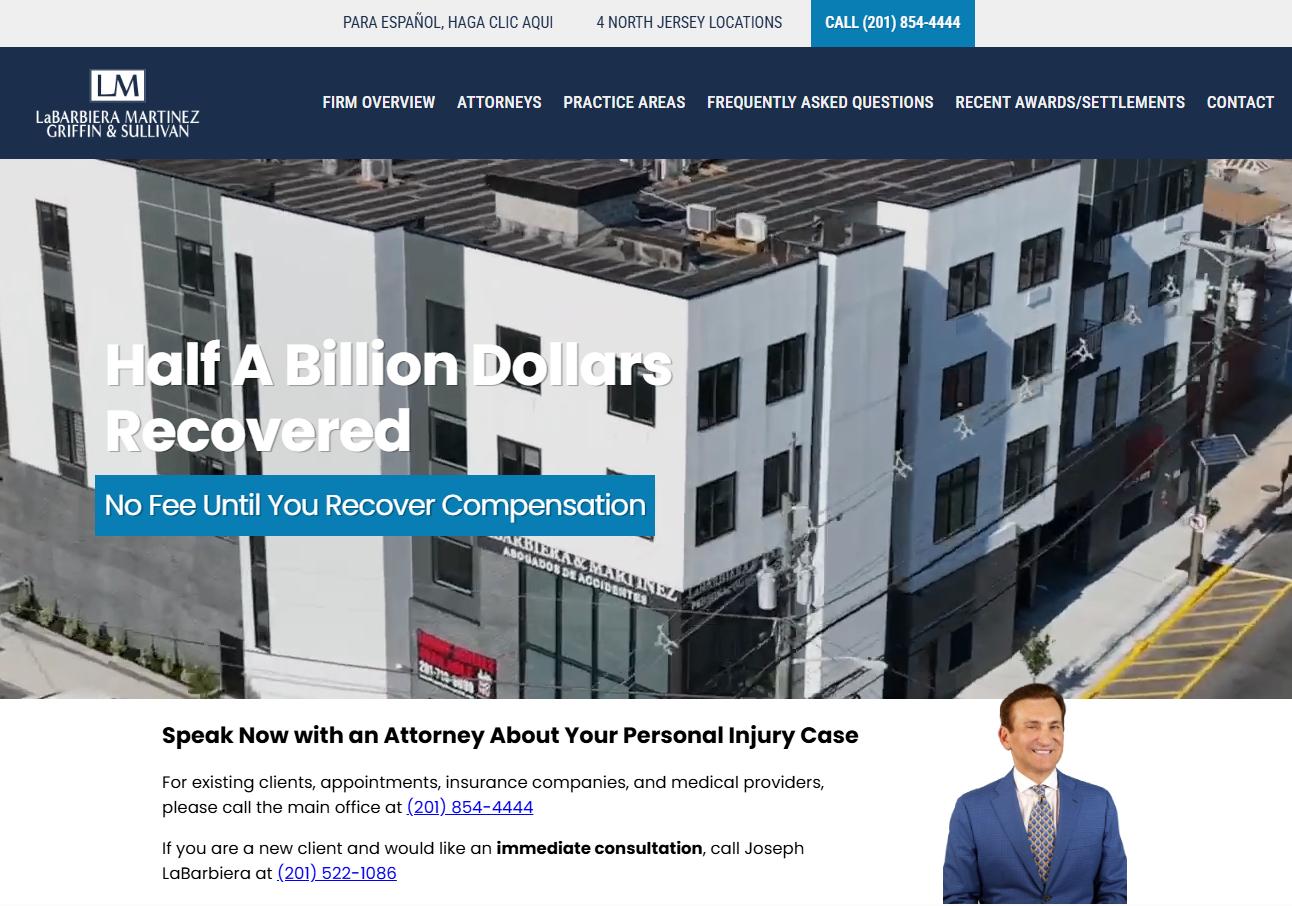
- Key Elements: Intuitive navigation, detailed product specs, and a streamlined checkout flow.
- Strategy: The homepage must act as a gateway to product discovery, while category pages must allow for quick filtering and sorting.
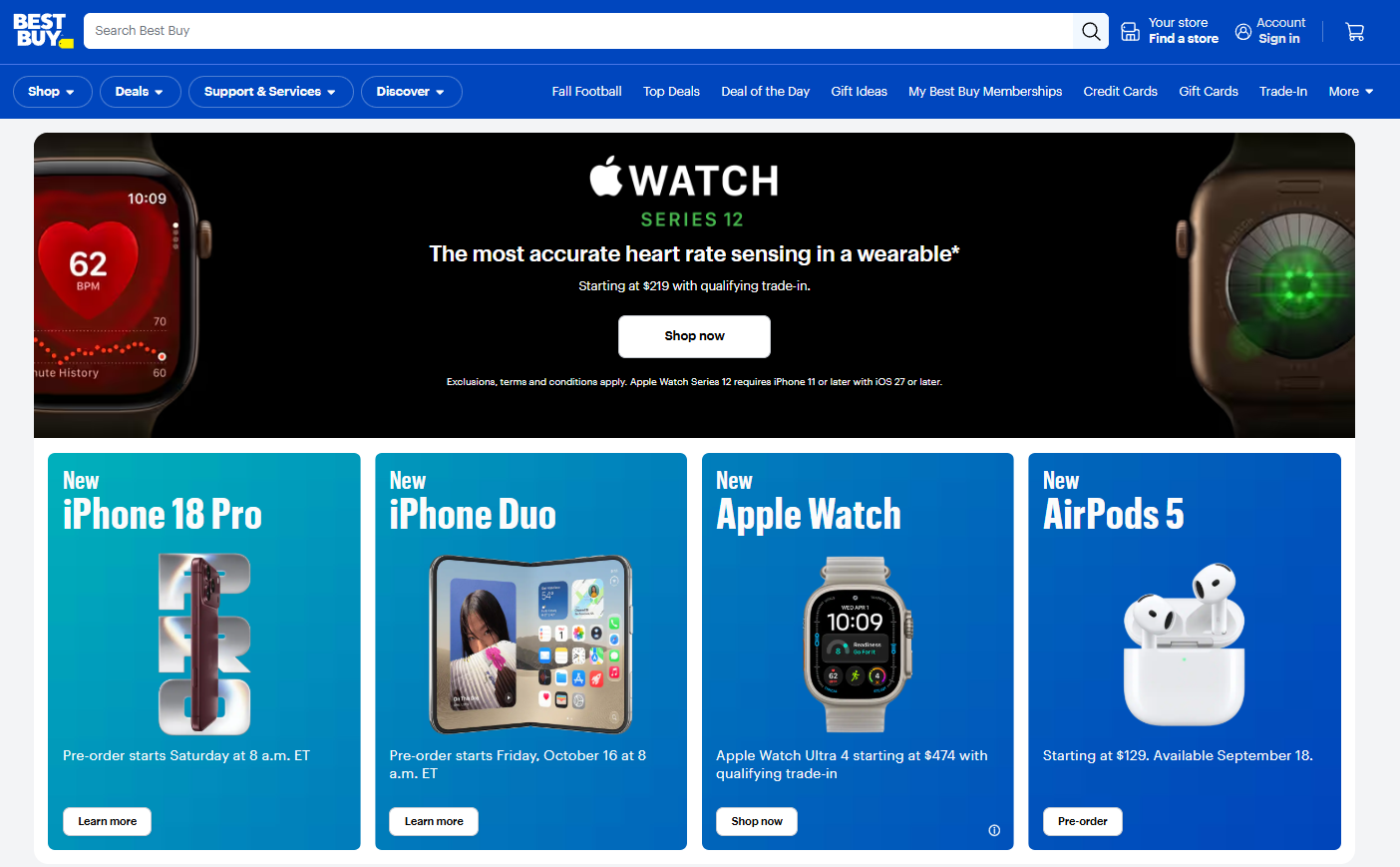
4. The Online Service (SaaS)
Built for subscription-based products and software-as-a-service platforms. The focus is on product education and signups.
- Key Elements: Clear benefit-driven copy, social proof, and a persistent "Start Free Trial" or "Demo" CTA.
- Strategy: These sites must explain the problem the software solves and guide the user to the signup flow with minimal distractions.
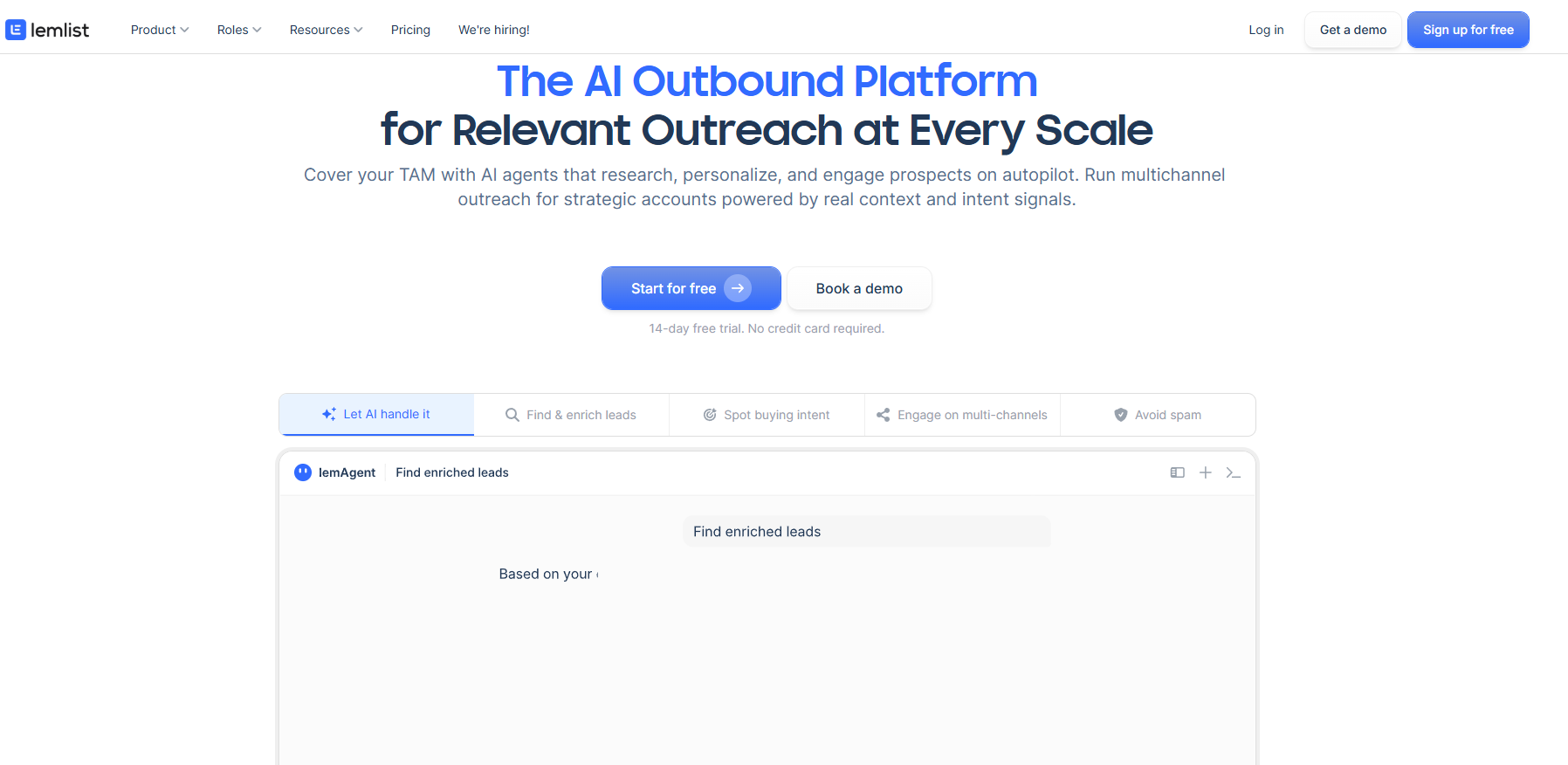
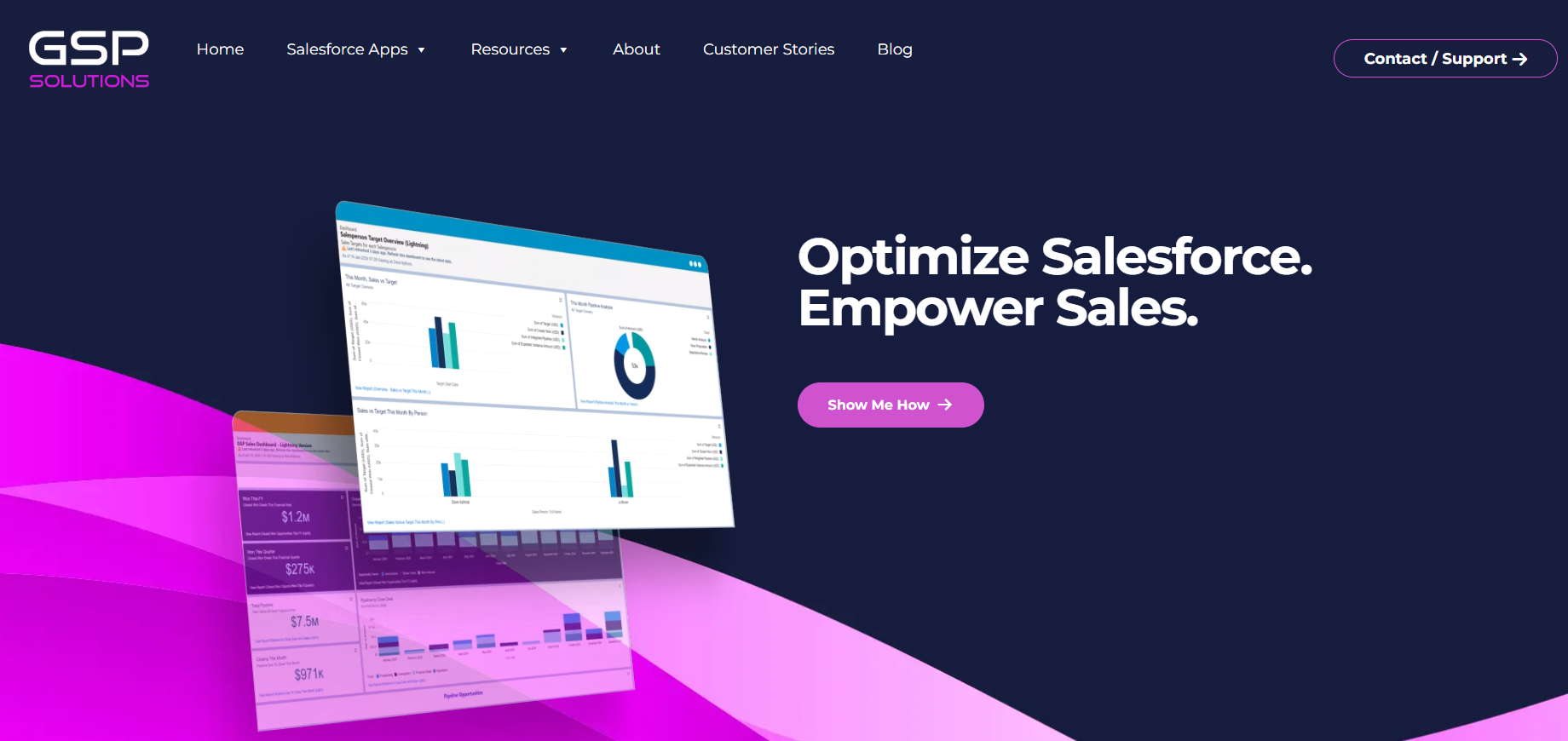
5. The Consultative Site
Common in B2B industries with long sales cycles, such as enterprise software or high-end consulting agencies.
- Key Elements: Educational resources, white papers, comparison articles, and case studies.
- Strategy: Because the sale can take months, the goal is to nurture the lead, building authority until they are ready to book a consultation.
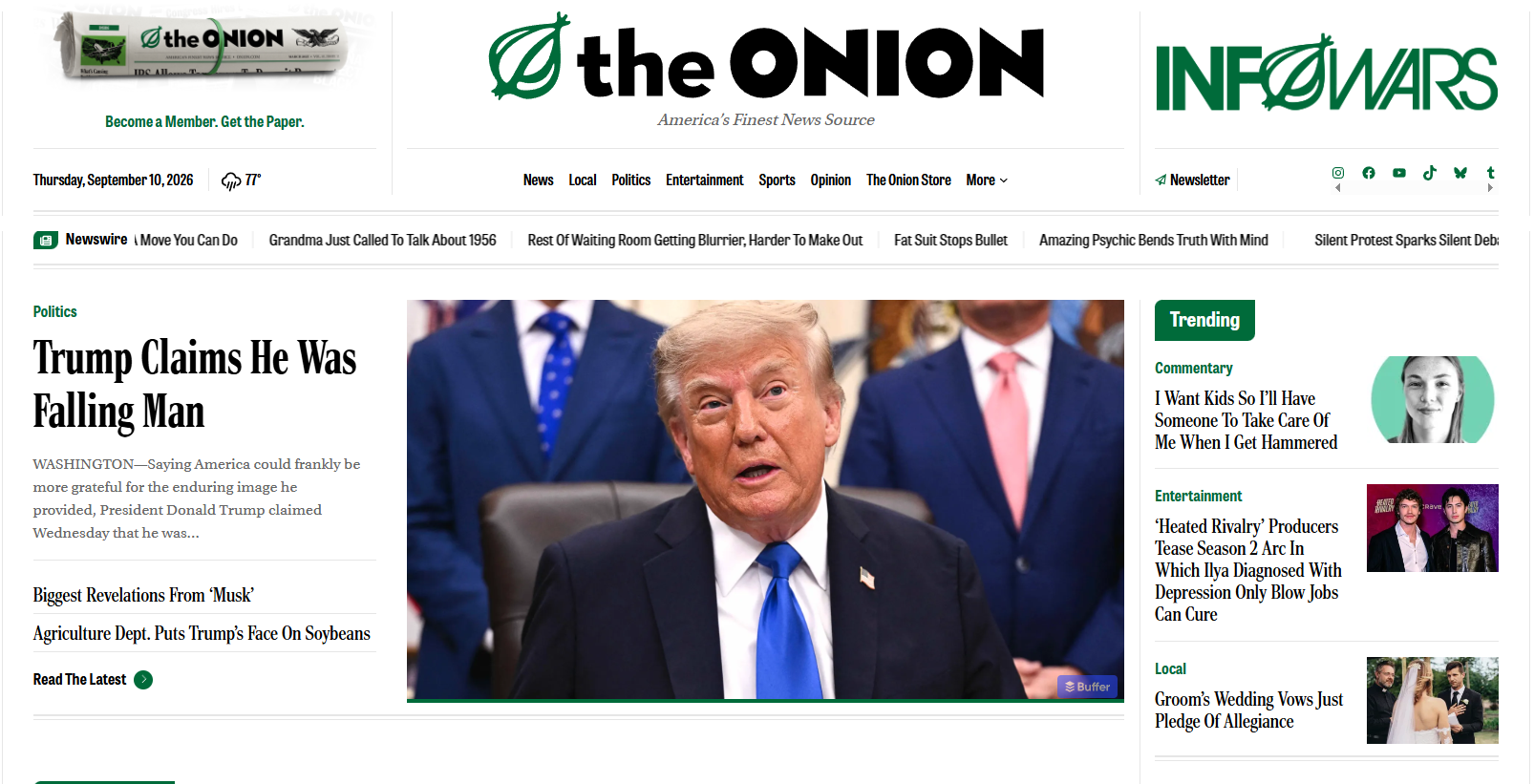
6. The Publication Site
Used by blogs, news outlets, and media platforms. The goal is engagement and time-on-site.
- Key Elements: Advanced search functions, categorized navigation, and "read more" recommendations.
- Strategy: The site must be designed to keep the user clicking through to the next article.
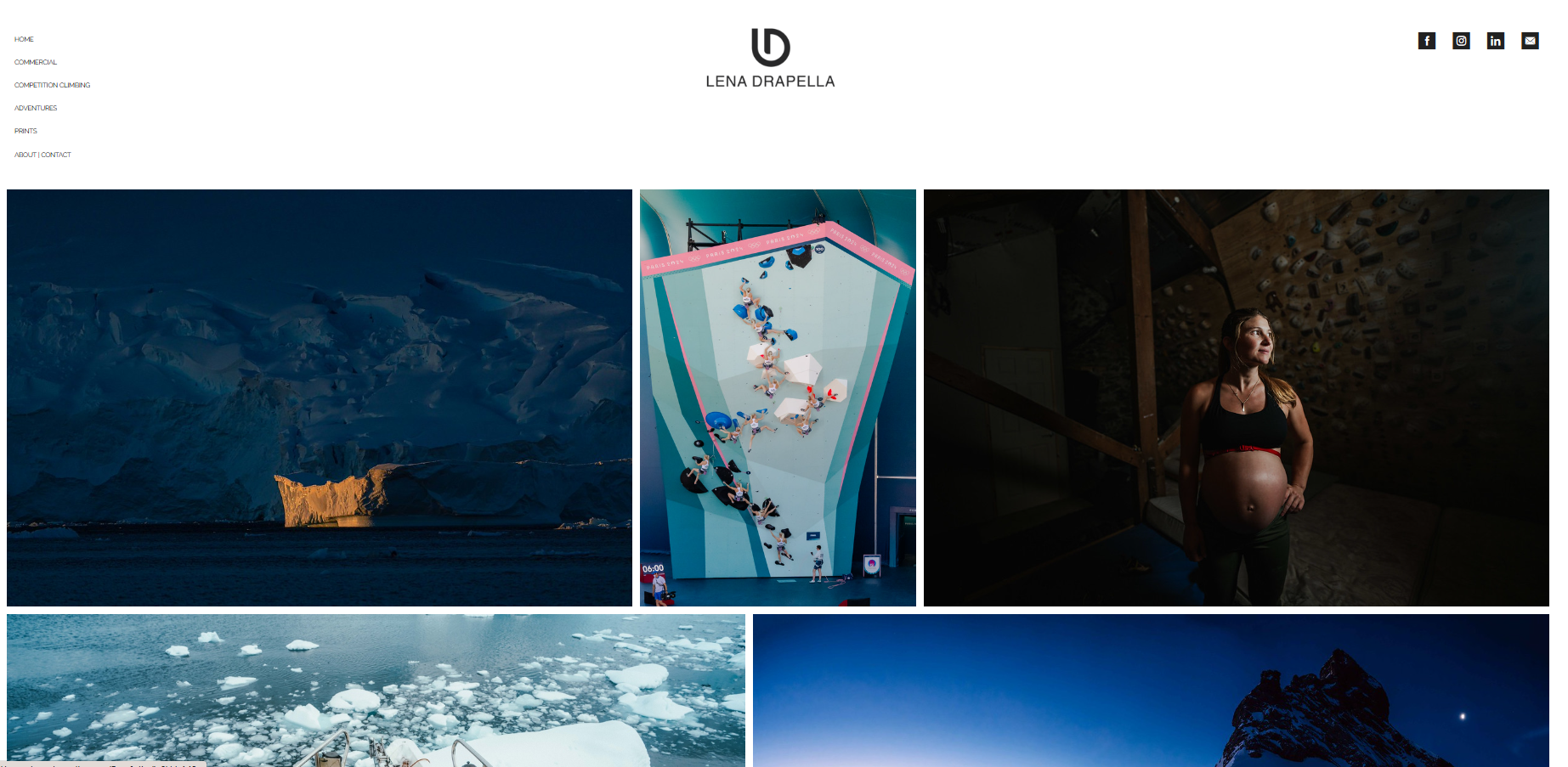
7. The Portfolio Site
Essential for creatives—photographers, designers, and writers.
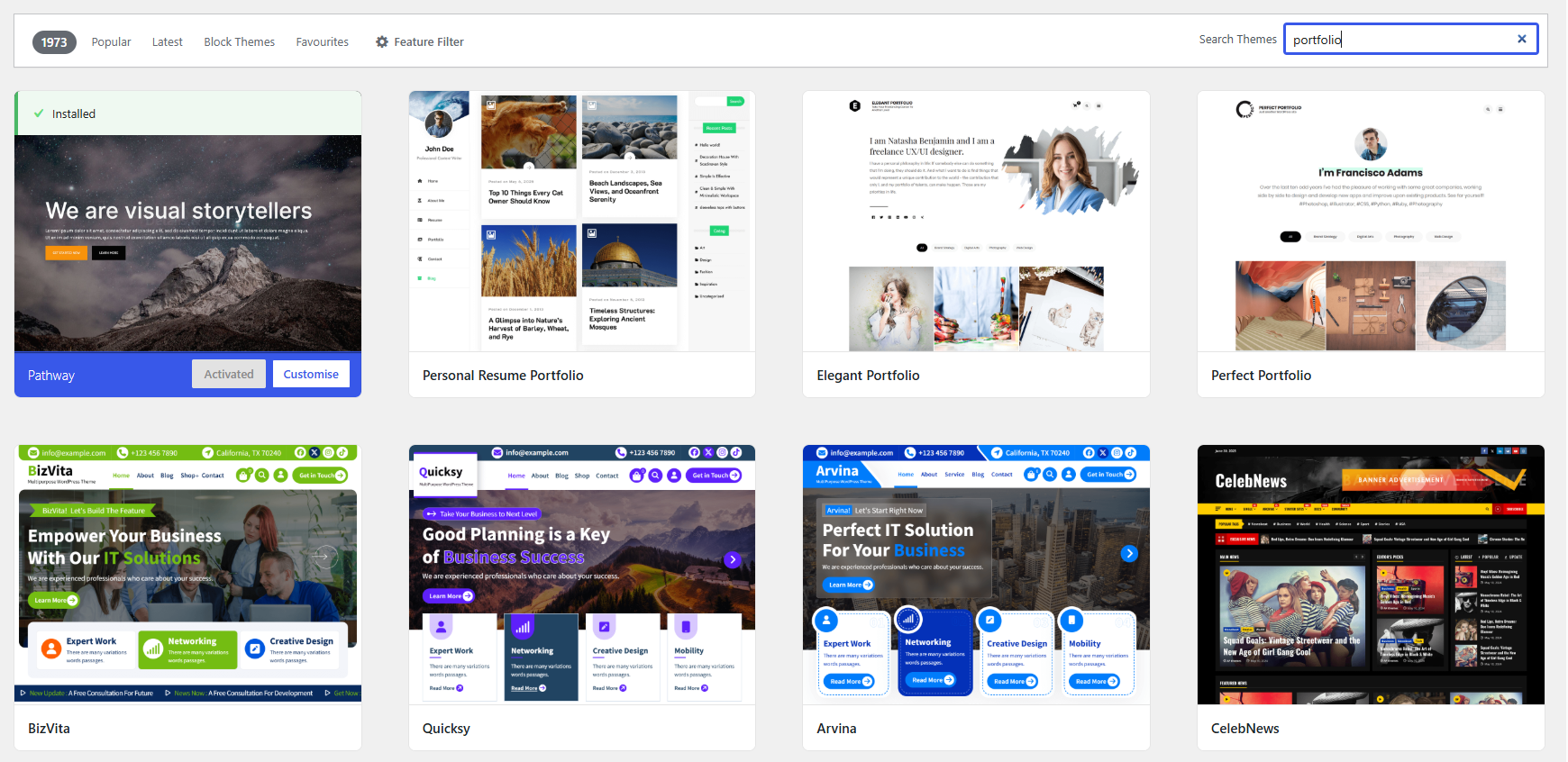
- Key Elements: High-impact visual work samples and a simple, direct contact method.
- Strategy: Strip away all distractions. The work should speak for itself.
Strategic Implementation: Aligning Format with Goals
The biggest mistake businesses make is attempting to force one format to do everything. A common, effective approach is to utilize a primary format for your homepage and create dedicated, landing-page-specific formats for secondary goals.
For example, a restaurant (Brochure format) might have a secondary page for selling merchandise. That specific page should transition into an Online Store format to ensure the visitor isn’t confused by the structural shift.
Analyzing Performance: Moving Beyond Intuition
How do you know if your format is working? You must look at metrics that correlate directly to your business objective.
The Role of Analytics
- Conversion Rates: Are visitors performing the primary action? If not, the issue may not be the product—it may be the structural path you’ve laid out for them.
- Average Order Value (AOV): For online stores, this indicates whether your product layout is effectively upselling or cross-selling.
Digging Deeper with Behavior Analytics
While traditional analytics tell you what happened, behavioral tools tell you why.
- Heatmaps: These reveal where users are clicking and how far down the page they are scrolling. If your primary CTA is in a "cold" area of the page, your format needs a shift.
- Session Recordings: By watching real users navigate your site, you can identify "friction points"—moments of hesitation or confusion where a user abandons the journey.
The Implications of Structural Failure
When a website format is misaligned with user intent, the implications are immediate. A high bounce rate is often the first symptom. If a user arrives at a SaaS site expecting to purchase a product, but they are met with a "Consultative" format requiring a demo call, they will leave. This is a failure of structural communication.
In modern web development, the "one-size-fits-all" approach is dead. Businesses that succeed are those that treat their website structure as a dynamic, goal-oriented tool. By choosing the right format, you are effectively creating a roadmap for your customers—one that leads directly to the action you want them to take.
Conclusion: The Path Forward
Auditing your website’s format is an iterative process. It begins with identifying your primary goal, selecting the format that most naturally supports that goal, and then utilizing data to refine the user journey. Whether you are running a local bakery or an enterprise software firm, your website format is the invisible hand guiding your revenue.
Take the time to review your current site architecture. Is it serving your users, or is it creating barriers to entry? With the right analytical tools and a commitment to structural clarity, you can transform your website from a simple digital placeholder into a high-performing engine for growth.
If you are ready to see how your current format is performing in real-time, leverage tools like heatmaps and session recordings to uncover the truth about your user experience. Start your 30-day trial today and turn your data into a blueprint for success.
