
Scoring Big on Social: What World Cup Data Teaches Us About Winning the Attention Economy
As the globe tunes in to the most-watched sporting event on the planet—the FIFA World Cup, hosted jointly across North American cities in Canada, Mexico, and the United States—media conglomerates, independent creators, and global brands are scrambling to capture a piece of the cultural zeitgeist. In an era where human attention is the world’s most fiercely contested commodity, standing out during a massive international tournament requires more than just luck. It demands a masterclass in digital strategy.
To decode what actually works, data analytics experts recently examined North American creator and media metrics from the tournament. The findings offer a gold-medal blueprint for navigating hyper-saturated social video landscapes. Whether you are an established sports broadcaster or an independent brand looking to break through the noise, understanding the shifting dynamics of platform algorithms, optimal video lengths, and viewer psychology is the key to conquering the digital pitch.
Main Facts: The Anatomy of a Global Digital Phenomenon
The 48-team FIFA World Cup is fundamentally different from nearly any other media event. It is not merely a succession of soccer matches; it is a sprawling, multi-week global festival that dominates internet traffic, conversation, and commerce.
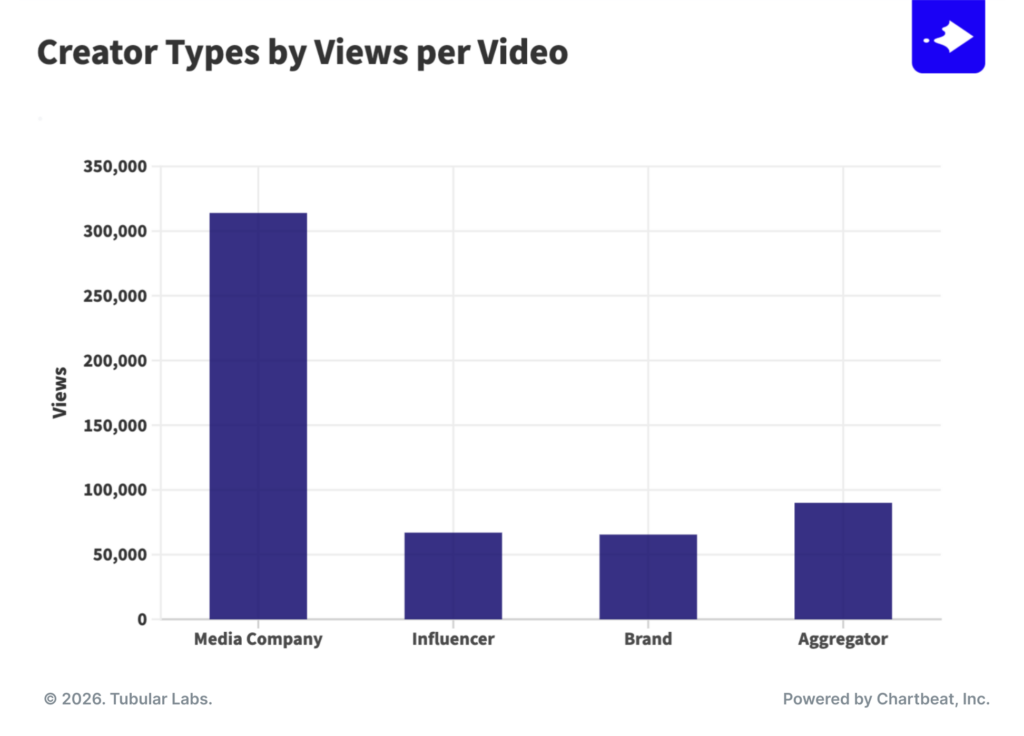
However, the architecture of online influence is evolving rapidly. While legacy sports media entities still command massive aggregate view counts due to sheer scale and historic distribution infrastructure, individual influencers are increasingly punching above their weight class. For instance, the single most-viewed social video of the tournament in North America did not come from a multi-billion-dollar network like ESPN or Fox Sports. Instead, it was a reel published by high-profile content creator iShowSpeed, capturing his explosive reaction to the Argentina versus Cape Verde match, which amassed an astonishing 240 million views.
This juxtaposition highlights a critical reality of the modern attention economy: name recognition and editorial authority are massive force multipliers, but authenticity, agility, and creator-led spontaneity often capture the public imagination in ways traditional broadcasting cannot replicate. The central question for digital strategists is no longer whether to participate in major cultural moments, but how to deploy data-driven precision to maximize impact.
Chronology: How the Tournament Transformed Social Feeds
The trajectory of social media engagement during a global tournament like the World Cup follows a distinct, predictable, yet rapidly accelerating timeline:
- Pre-Tournament Build-Up (Months to Weeks Prior): Brands and creators begin mapping out content calendars, anticipating major matchups, and aligning products with international themes. Food and beverage brands, travel influencers, and apparel companies start teasing tournament-related campaigns.
- Group Stage Chaos (Week 1 to 2): The volume of content reaches an initial fever pitch. With up to four matches a day spanning multiple time zones, feeds are flooded with real-time commentary, fan reactions, and early upsets. This is when independent creators like iShowSpeed capture lightning in a bottle with viral emotional reactions.
- Knockout Rounds and Cultural Expansion (Week 3 to End): As the stakes rise, non-sports verticals fully integrate into the conversation. Food creators lean heavily into match-day recipes and national cuisines, while lifestyle brands capitalize on localized watch parties and travel trends.
- Post-Tournament Reflection: Analysts parse TikTok and Instagram data to measure optimal viewing durations, peak engagement hours, and demographic shifts, turning momentary viral success into long-term strategic playbooks.
Supporting Data: What the Analytics Reveal
Data from leading video intelligence platforms provides empirical backing for what separates viral hits from digital clutter. Creators and brands can no longer rely on guesswork; they must decode the numbers across four foundational pillars.
1. Make Every Touch Count: Quality Over Quantity
While high-volume publishing can steadily build baseline reach, data shows that editorial-led, high-impact videos yield greater efficiency. Major sports broadcasters possess the infrastructure to push out hundreds of clips daily, but the highest-performing single assets frequently belong to independent creators who master emotional resonance.
- The Takeaway: Volume alone is a blunt instrument. In a saturated feed, sharpening the editorial hook of each individual piece of content generates a higher return on effort than flooding the algorithm.
2. You Don’t Need to Cover Sports to Join the Conversation
With 48 national teams representing diverse cultures, the World Cup transcends athletics. While sports media naturally dominates total view counts, non-sports creators and brands found innovative ways to culturally pivot.
Consider the Food & Drink vertical. Creators in this space successfully hijacked the World Cup momentum by translating the tournament into universally relatable experiences. By publishing cocktail recipes for specific game nights, tailgating masterclasses, and deep dives into the traditional cuisines of competing nations, food channels captured massive audiences without ever analyzing a tactical formation.
- The Takeaway: If your industry shares even a tangential overlap with a major live event, an eager audience is waiting for your unique perspective. The trick is finding the precise bridge that connects your niche to the broader cultural moment.
3. Match Video Length to Viewer Behavior
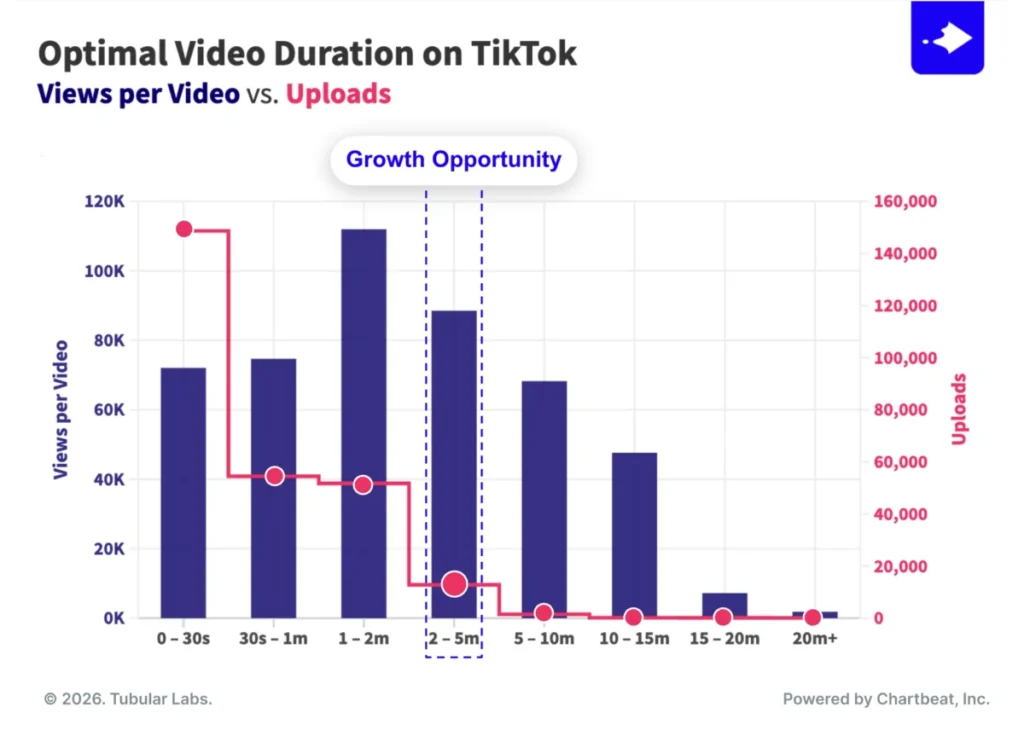
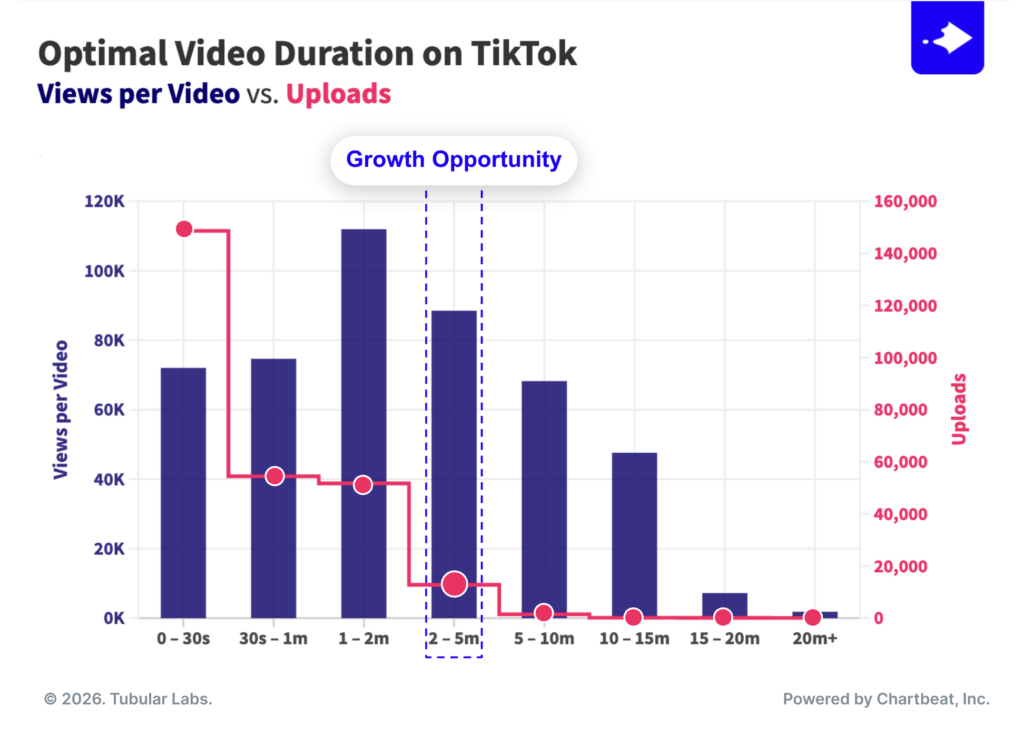
Creating compelling content is only half the battle; formatting it to match viewer retention habits is equally vital. Algorithmic platforms like TikTok reward completion rates. If a video is too long for the narrative weight it carries, drop-off rates spike, and the algorithm buries the post. Conversely, if a video is too brief, it may fail to build emotional investment. Tubular data emphasizes that matching video duration to proven audience consumption patterns drastically improves the viewer experience and algorithmic distribution.
- The Takeaway: Stop guessing how long your videos should be. Consult platform analytics to understand exactly how many seconds your specific audience is willing to invest before tailoring your edits accordingly.
4. Post When the Audience Scrolls, Not When You Assume They Do
One of the most profound insights drawn from Instagram analytics during the tournament involves the discrepancy between creator posting schedules and actual viewer engagement peaks. Because the World Cup operates across shifting global time zones, standard 9-to-5 publishing rules do not apply. Creators often post when it is convenient for them, missing the exact windows when audiences are actively swiping and scrolling.
- The Takeaway: Conduct regular performance audits to align your publishing calendar with real-time viewer activity. By identifying periods of high audience engagement coupled with low competitor activity, brands can discover high-value "whitespace" opportunities.
Official Responses and Industry Reactions
Digital marketing executives and social media strategists have been quick to weigh in on the implications of the tournament’s data insights.
"The myth that you have to be a dedicated sports channel to win during a global event has been thoroughly debunked," notes a leading digital media analyst. "We are seeing lifestyle, culinary, and comedy creators steal the show because they understand emotional translation. They aren’t talking about offsides; they are talking about community, celebration, and identity."
Meanwhile, major broadcasting networks are responding by pivoting their digital strategies toward more creator-style authenticity. Recognizing that slick, traditional studio segments often struggle to match the intimacy of a smartphone reaction video, media giants are increasingly partnering with independent digital stars to bridge the gap between institutional authority and grassroots engagement.
Implications: How to Win the Next Cultural Moment
The lessons learned from the digital footprint of the World Cup extend far beyond soccer. As the landscape of social video becomes increasingly crowded, the margin for error shrinks.
For brands and creators aiming to dominate future global events—whether it’s the Olympics, international music festivals, or major cultural milestones—success hinges on four strategic imperatives:
- Prioritize Impact Over Noise: Do not measure success purely by how many posts you publish. Focus on crafting high-production, high-emotion assets that command attention.
- Cross Vertical Boundaries: Look beyond your immediate industry. Ask how your product, service, or content style can authentically participate in whatever the world is talking about today.
- Optimize for Retention: Use empirical data to dictate your video pacing and length, ensuring you never bore your audience.
- Master the Timeline: Audit your analytics to find the hidden hours when your audience is truly active, avoiding the crowded peak hours where your content risks being drowned out.
Major cultural phenomena offer a rare, high-velocity opportunity to capture massive attention. By grounding your social video strategy in rigorous data intelligence rather than assumption, you ensure that your brand doesn’t just watch from the sidelines—you take home the gold.
