
The Halfway Report: Auditing the "Martech 2030" Vision at the Start of 2026
As the calendar turns to 2026, the marketing technology landscape finds itself at a pivotal "halftime" moment. Five years ago, in 2021, industry analysts Jason Baldwin and Scott Brinker published Martech 2030, a seminal report that outlined five transformative trends intended to define "The Decade of the Augmented Marketer."
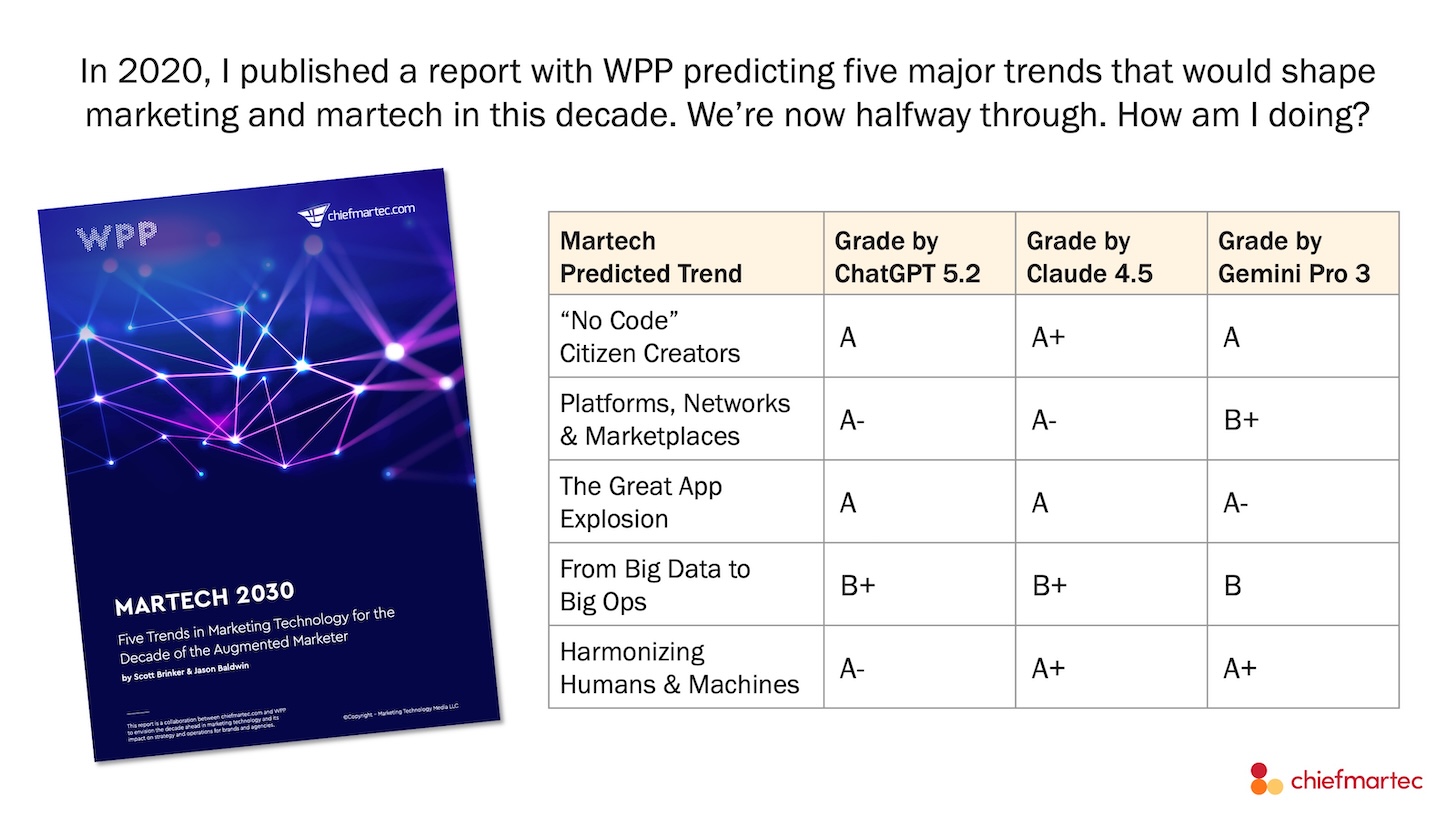
With half a decade of real-world disruption behind us—most notably the explosive emergence of generative AI—the industry is pausing to evaluate the accuracy of these foresight-driven predictions. By leveraging the analytical capabilities of current AI models like Claude, Gemini, and ChatGPT to "grade" their original thesis, the authors have sparked a broader conversation about how far the industry has traveled and what the next five years demand of marketing leaders.
The Five Pillars of Martech Evolution
The Martech 2030 report established five core trends: "No Code" Citizen Creators, the rise of Platforms/Networks/Marketplaces, the Great App Explosion, the transition from Big Data to Big Ops, and the harmonization of humans and machines.
1. The "No Code" Citizen Creator Revolution
In 2021, the concept of "citizen creators"—marketers building their own digital assets via tools like Airtable or Zapier—was gaining traction. However, the 2022 arrival of generative AI transformed this from a "drag-and-drop" paradigm into a linguistic one.
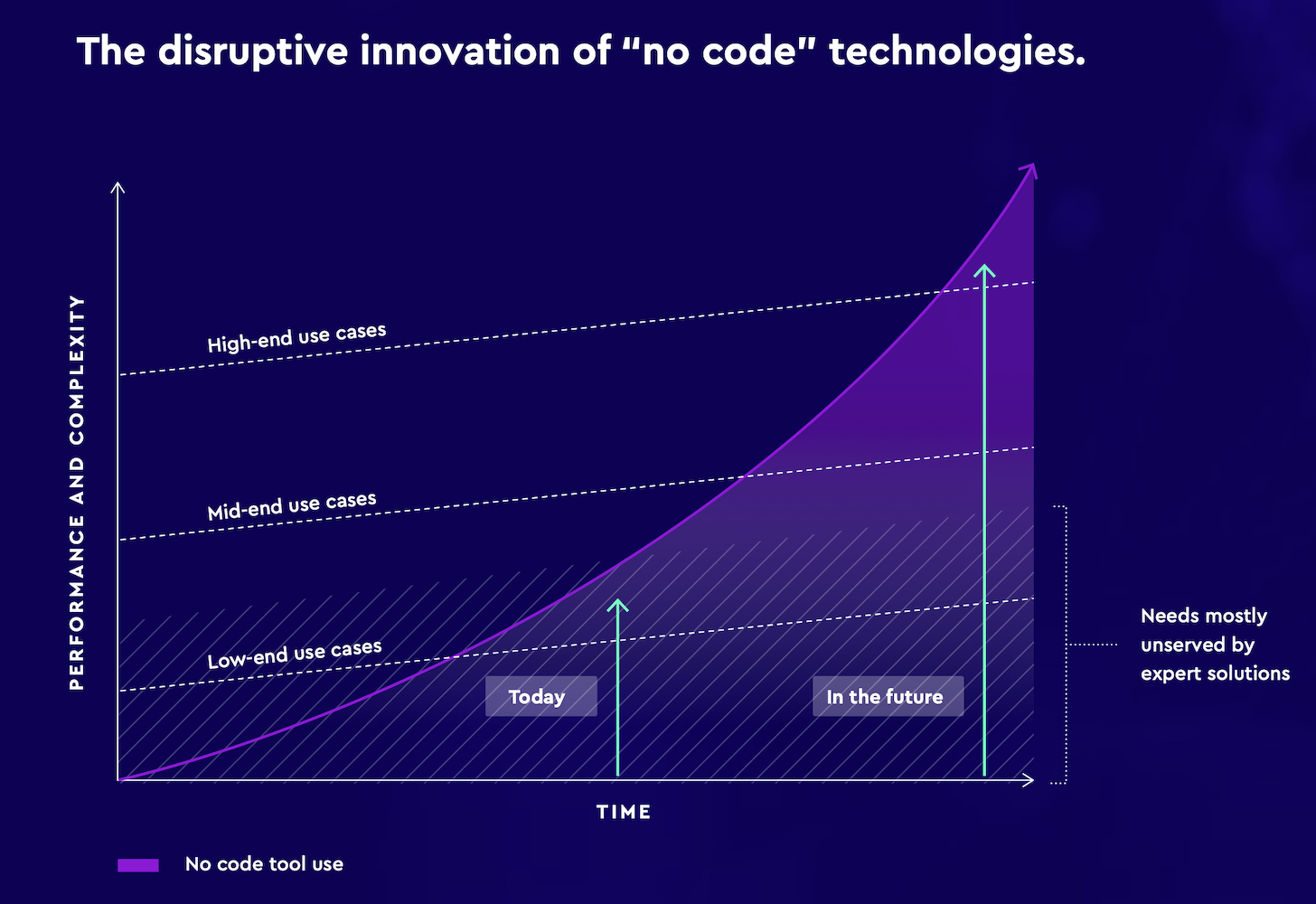
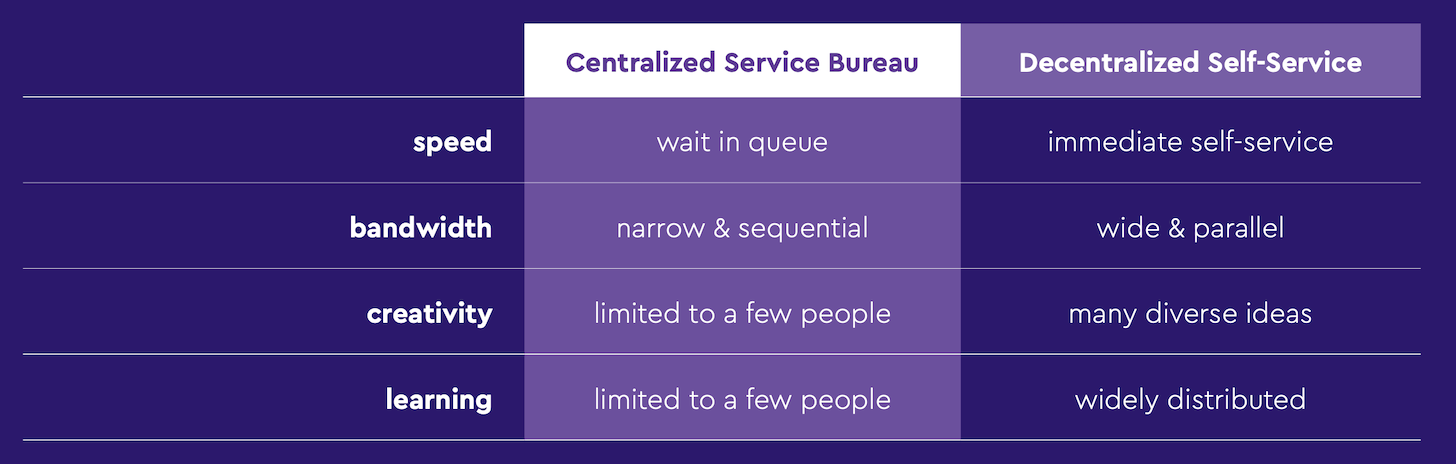
As Andrej Karpathy famously noted, "The hottest new programming language is English." By 2025, this trend hit hyperdrive, dubbed "vibe coding." Tools like Bolt, Lovable, and Replit have enabled non-technical marketers to generate apps, workflows, and campaign assets simply by describing them. This has democratized production, though it has created a parallel challenge: governance. While the speed of output has skyrocketed, organizations are currently struggling to implement guardrails that maintain brand consistency and compliance in an era of decentralized self-service.
2. Platforms, Networks, and Marketplaces
The old debate between "suites" versus "best-of-breed" tools has been rendered obsolete by the rise of ecosystem-driven architectures. Today’s martech strategy is defined by interconnected graphs.
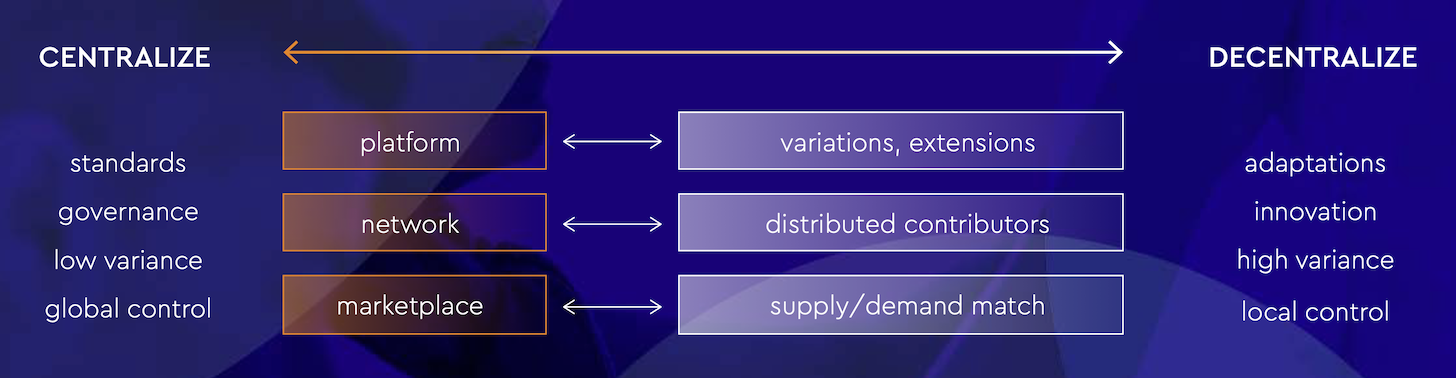
The industry has seen the emergence of "universal data layers," with platforms like Databricks and Snowflake serving as the backbone for heterogeneous tech stacks. Simultaneously, hyperscalers like AWS, Google, and Microsoft have turned their marketplaces into multi-billion-dollar engines for software distribution. The governing philosophy here is a paradoxical "centralize to decentralize"—centralizing standards and governance to allow for decentralized innovation at the edge.
3. The Great App Explosion: From Thousands to Billions
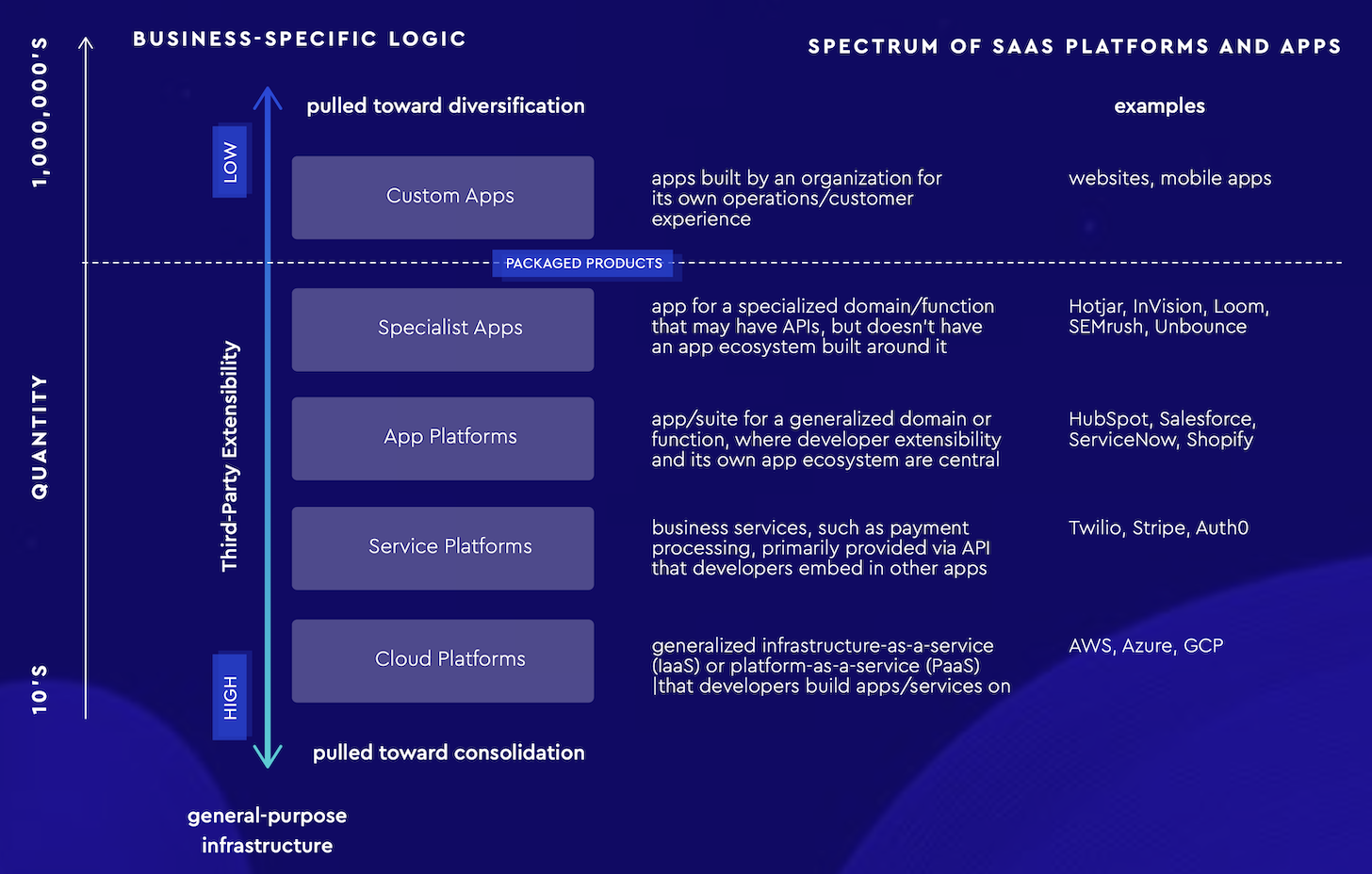
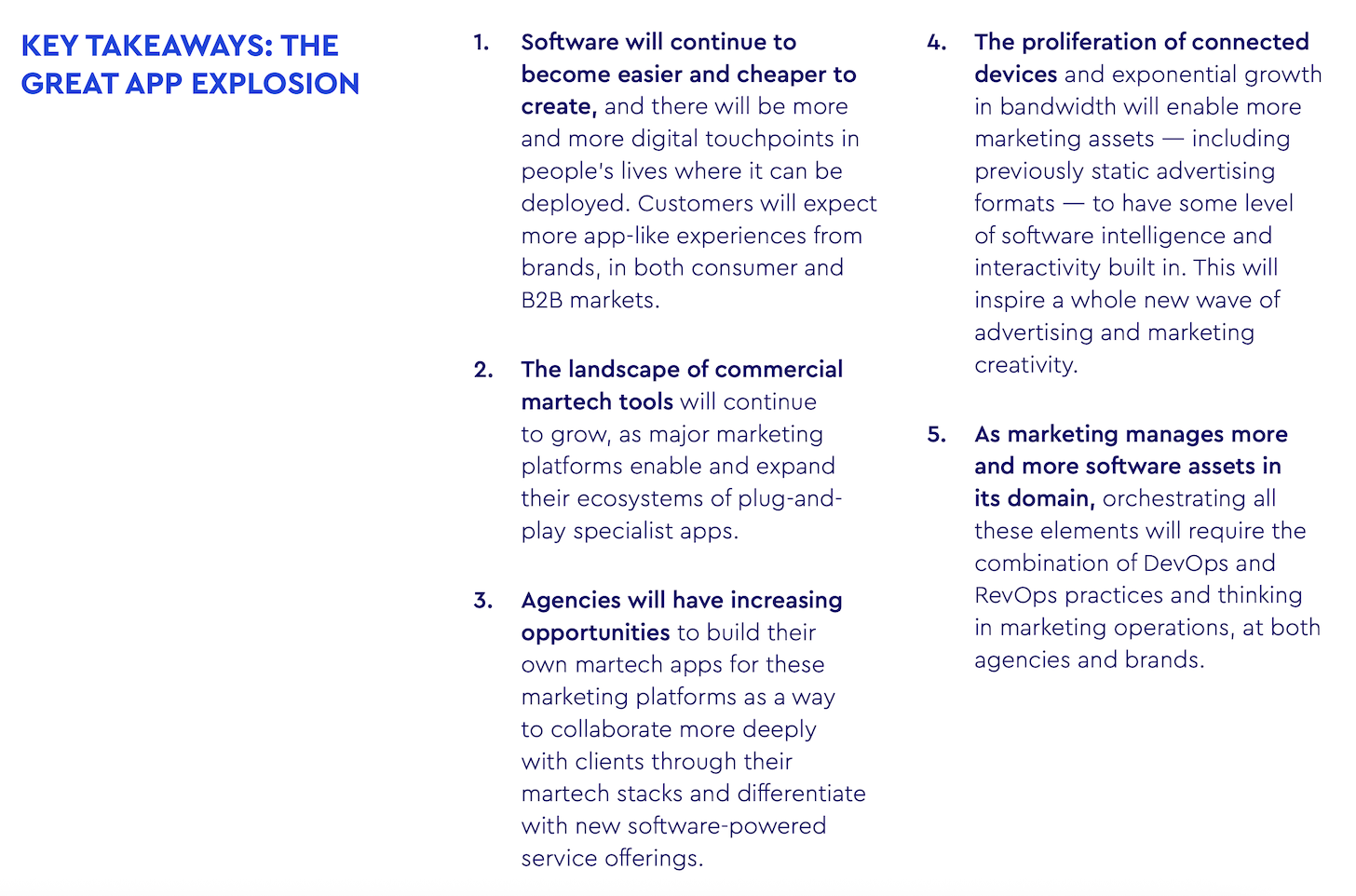
In 2020, 8,000 solutions on the martech landscape felt like "peak saturation." Yet, by 2025, that number had surged to over 15,000. This growth is not a failure of consolidation, but rather a reflection of a fundamental shift in software economics.
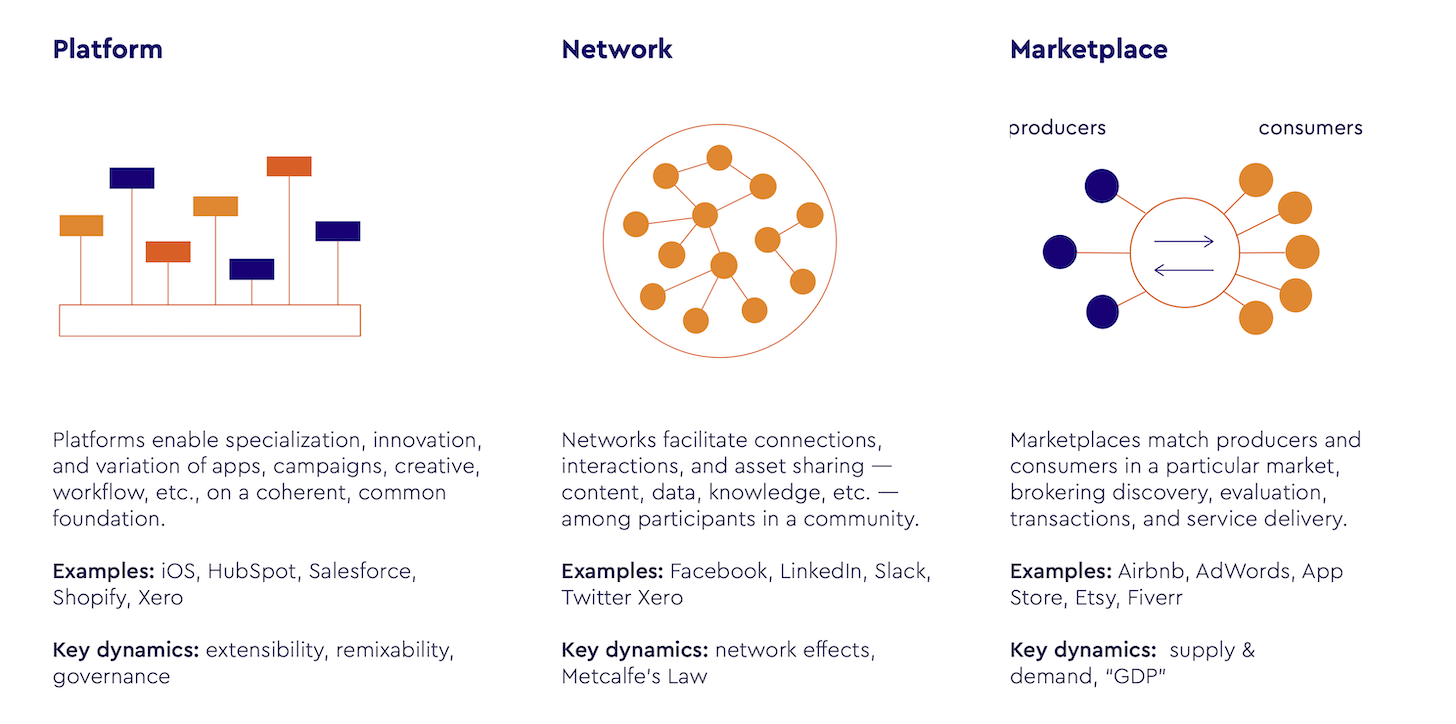
While commercial martech continues to grow, the true explosion is occurring in the "hypertail"—the billions of custom-built, internal applications developed by organizations to solve specific operational nuances. AI has effectively lowered the barrier to entry for building software to near zero, ensuring that the future of the stack is not just what you buy, but what you build.
4. From Big Data to Big Ops
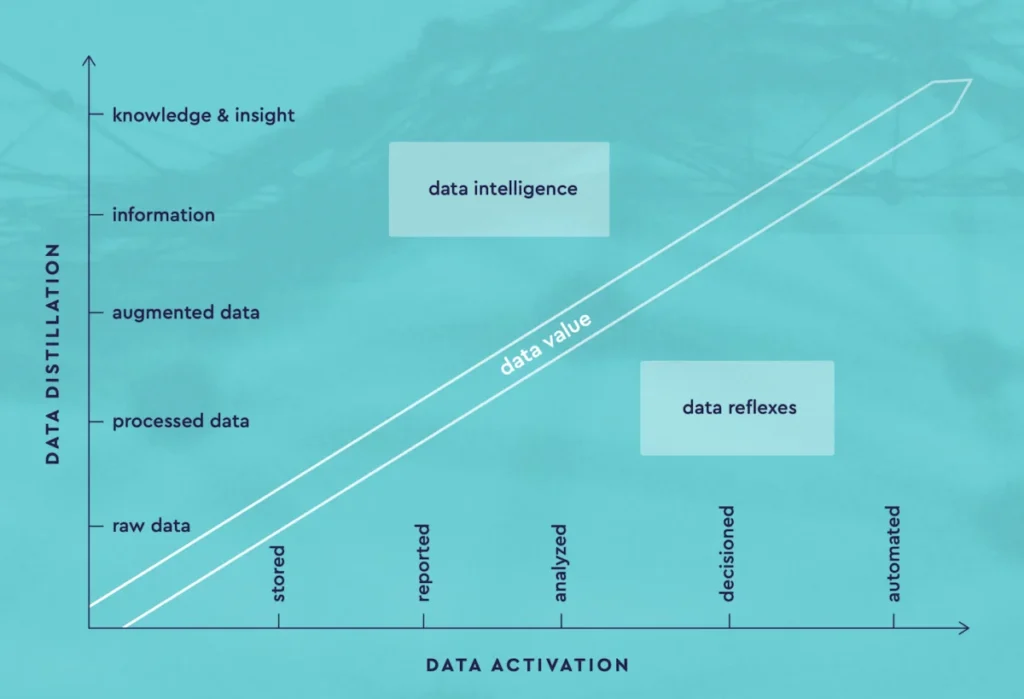
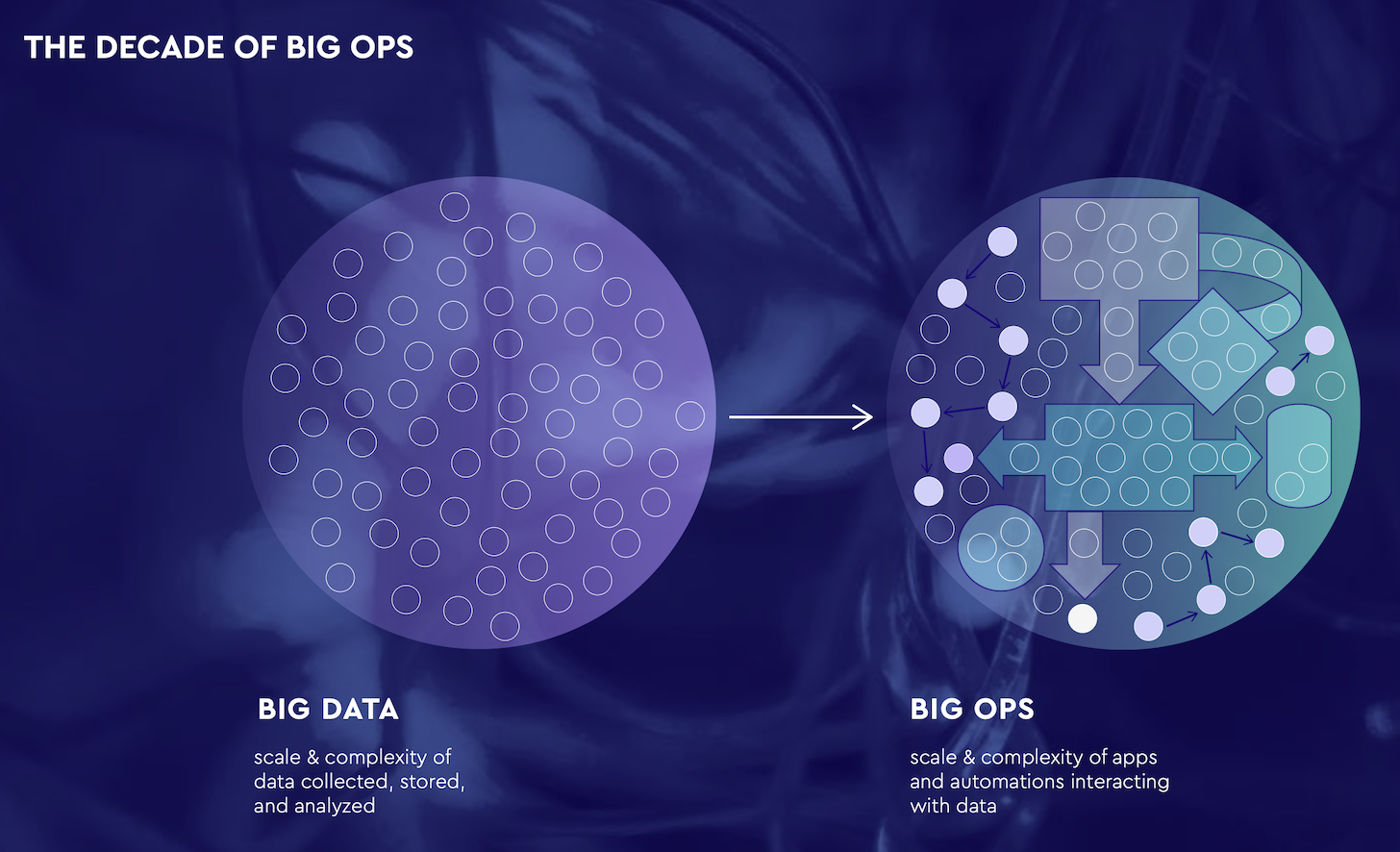
If the 2010s were about the accumulation of "Big Data," the 2020s are defined by "Big Ops." The challenge has shifted from simply collecting information to managing the chaotic sprawl of thousands of agents, automations, and apps acting upon that data.
Big Ops represents the transition from viewing data as an inert asset to treating it as a dynamic "oil paint" that requires orchestration to create a "masterpiece" of customer experience. The current "Orchestration Wars" are seeing platforms like HubSpot, Salesforce, and Adobe battle for the role of the central nervous system, attempting to harmonize data intelligence with automated reflexes.
5. Harmonizing Humans and Machines
The most prophetic element of the original report was the focus on the "Augmented Marketer." What was once a theoretical vision—using AI to free humans for higher-level creativity—is now the standard operational baseline.
The industry has moved from simple automation to "Agentic Commerce." The rise of buyer-side AI—or AI-to-AI interaction—has forced a shift from traditional SEO (Search Engine Optimization) to AEO (AI Engine Optimization). The machines are no longer just tools; they are participants in the market, requiring a fundamental rethink of how brands present themselves to an automated audience.
Chronology of Disruption (2021–2026)
- 2021: Publication of Martech 2030; industry focus on the "No Code" movement and the potential of the augmented marketer.
- 2022: The "Generative AI Big Bang"; the public release of LLMs shifts the focus from manual drag-and-drop interfaces to prompt-based creation.
- 2023: The "Vibe Coding" phenomenon begins to emerge; developers and marketers experiment with LLMs as agents.
- 2024: Marketplaces become the primary distribution channel for enterprise software; the "Orchestration Wars" begin as platforms attempt to reign in the sprawl of tools.
- 2025: The "Summer of Vibes" solidifies; AI-driven agents become a standard feature in both buyer and seller ecosystems.
- 2026 (Present): The focus shifts toward the maturity of governance, Big Ops, and the integration of AI agents into the core of business strategy.
Supporting Data and Market Realities
The persistence of the martech landscape growth is perhaps the most striking data point. With 15,384 solutions identified in the 2025 landscape, the industry has proven that while consolidation occurs, the "hypertail" of innovation outpaces it.
Furthermore, the shift toward hyperscaler marketplaces (AWS, Google, Microsoft) highlights a massive shift in procurement. With an estimated $45 billion flowing through these channels annually, the distribution model for marketing technology has fundamentally moved from direct sales to ecosystem-embedded transactions. This confirms the report’s hypothesis that platforms, not just individual products, would dictate the flow of value.
The Verdict: AI Grades the Predictions
To assess the progress, the authors consulted major LLMs. The results were remarkably consistent:
- Harmonization (Human + Machine): A+ rating. The AI models recognized this as the most realized trend, as the synthesis of human creativity and machine scale has become the industry standard.
- No Code / Citizen Creation: A rating. While the specific mechanism (LLMs) was an evolution beyond the initial "drag-and-drop" prediction, the core thesis of decentralized creation remains accurate.
- Big Ops: B/B+ rating. While the problem was correctly identified, the industry is still in the "messy middle" of developing the organizational and technical guardrails to solve it.
Strategic Implications for the Future
As we look toward 2030, the implications for CMOs and marketing technologists are clear:
- Orchestration is King: In an era where any team can spin up a custom app or agent, the competitive advantage belongs to the organization that can orchestrate these pieces into a cohesive strategy.
- The End of Passive Marketing: With the rise of "Buyer-Side Agents," brands must optimize for machines. Marketing is no longer just about human-to-human connection; it is about ensuring your brand is "agent-readable."
- Governance as an Enabler: The "Wild West" of vibe coding must eventually be tamed. Organizations that can implement "centralized governance with decentralized execution" will outperform those that either stifle innovation or suffer from total chaos.
Amara’s Law serves as a sobering reminder: we overestimate technology in the short term but underestimate it in the long term. The first five years of the Martech 2030 timeline have been defined by the radical acceleration of AI. The next five years will likely be defined by the hard, necessary work of institutionalizing that acceleration. The "halftime" whistle has blown; the second half promises to be even more transformative.
