
The Architecture of Conversion: Choosing the Right Website Format for Your Business
In the digital era, your website is the primary storefront, office, and business card of your organization. Yet, many entrepreneurs and marketing teams fall into the trap of prioritizing aesthetic trends over structural efficacy. They select templates based on visual appeal, only to find that their conversion rates remain stagnant.
The secret to a high-performing website is not its color palette or typography; it is its format. A website format defines the structural order of sections on a page, dictating the flow of the user experience and the path to the desired conversion. Whether you are running a local bakery or a global SaaS platform, your site’s architecture must align with your business objectives.
Defining the Website Format: Structure vs. Aesthetics
To build a high-conversion site, one must first distinguish between "format," "layout," and "design."
- Website Format: This is the structural DNA of your site. It determines which sections exist—such as a hero banner, testimonial slider, or pricing table—and, more importantly, the order in which they appear.
- Website Layout: This refers to the visual arrangement of elements within those sections, such as the grid system, column counts, or the use of whitespace.
- Website Design: This encompasses the "look and feel," including typography, color theory, and imagery.
While design makes a site visually appealing, format dictates the route a visitor takes. A site can be beautifully designed but functionally broken if the format does not guide the user toward the intended business goal.
The Seven Pillars of Website Architecture
Most online business models fall into one of seven distinct categories. Understanding these is critical to selecting the right framework for your operation.
1. The Brochure Site
Designed for businesses that rely on physical foot traffic, the brochure site is the digital equivalent of a high-street storefront. Its primary goal is to encourage a physical visit or a phone call.
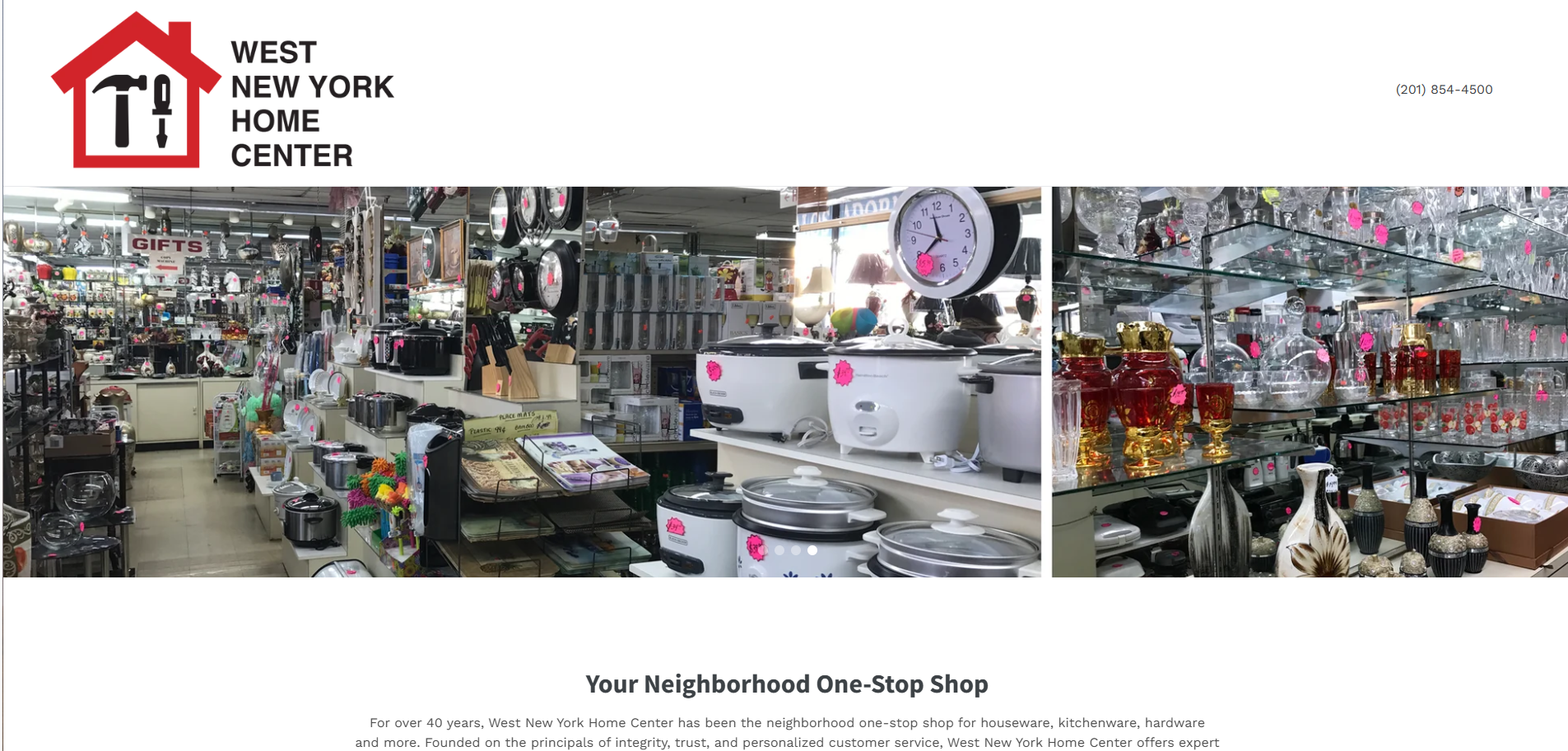
- Core Elements: A concise statement of services, clear location details, business hours, and contact information.
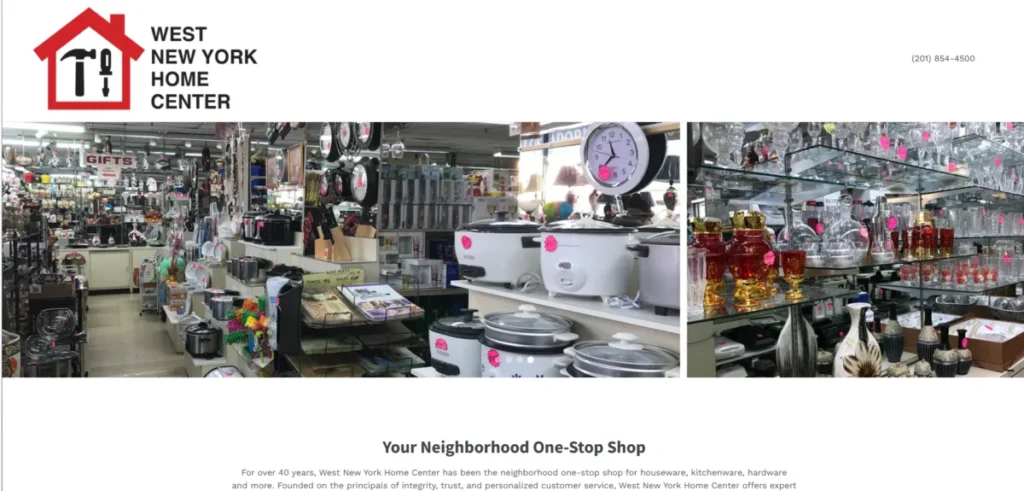
- Example: A local hardware store like West New York Home Center keeps its site minimalist, focusing on immediate utility rather than complex navigation.
2. The Local Service Site
For tradespeople, law firms, and clinics, the goal is trust-building and lead generation.
- Core Elements: A geo-targeted hero section (confirming you serve their specific area), client testimonials, and a prominent call-to-action (CTA) for a quote or consultation.
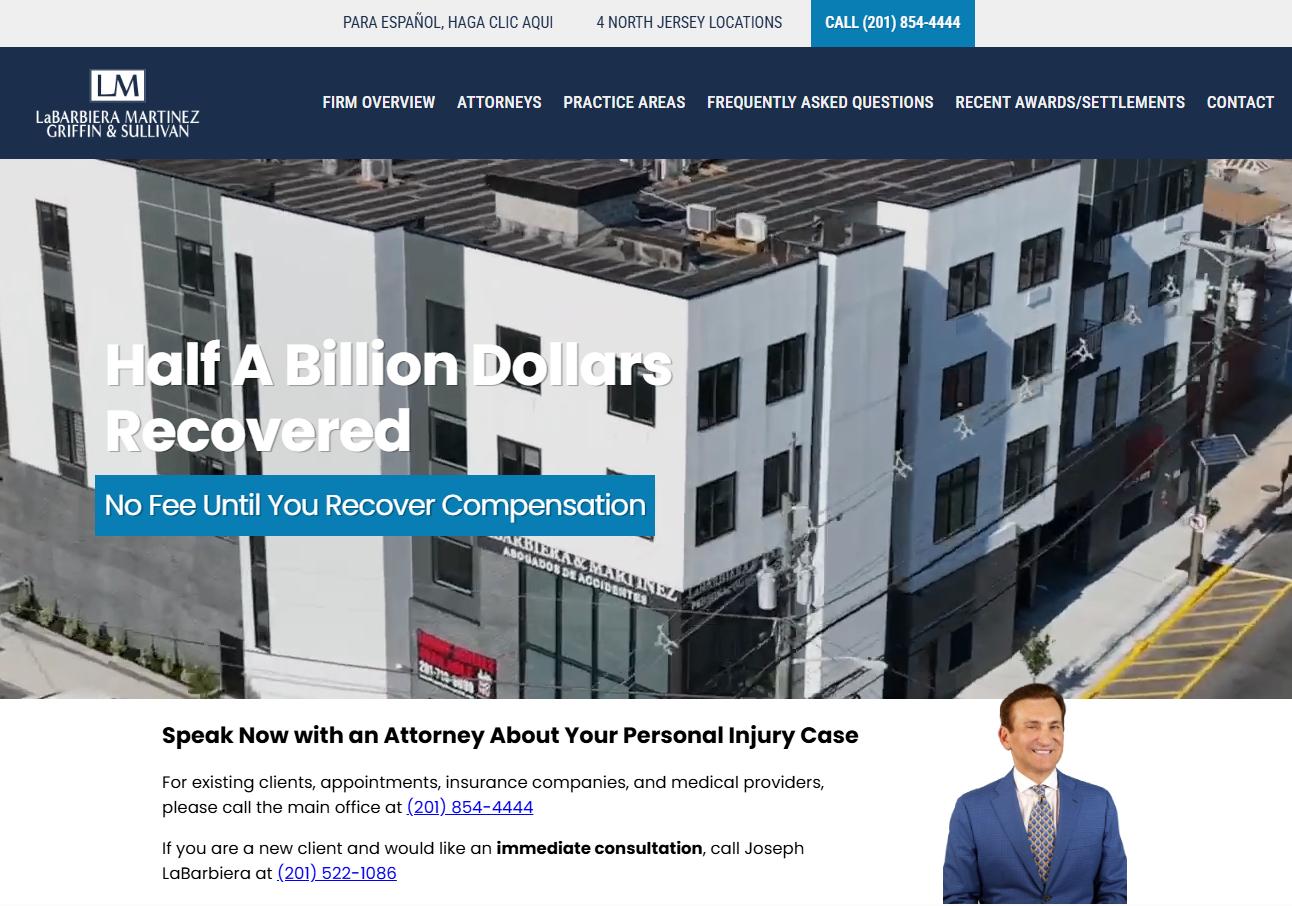
- Example: LaBarbiera, Martinez, Griffin & Sullivan utilizes a format that prioritizes credibility, ensuring that prospective clients feel secure before they reach out.
3. The Online Store
The e-commerce powerhouse focuses on reducing friction. Whether selling one product or ten thousand, the structure must prioritize the path to purchase.
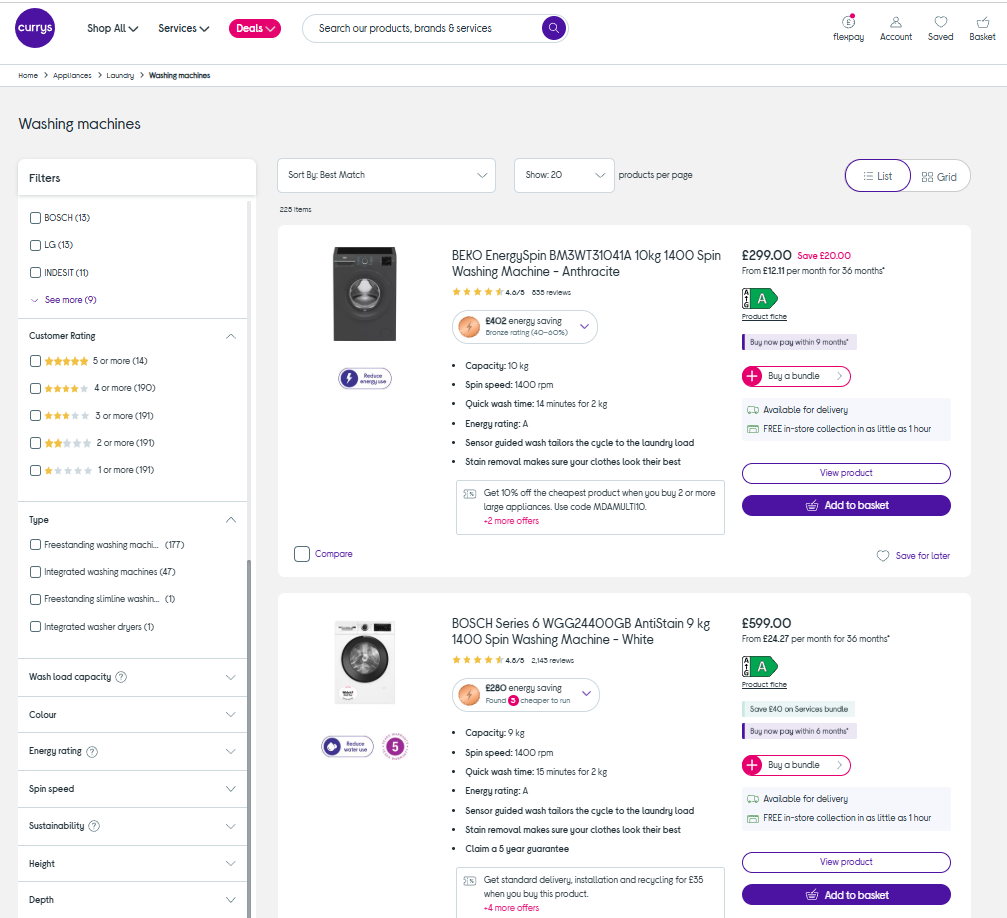
- Core Elements: Intuitive search bars, category navigation, clear product specs, and a streamlined, secure checkout process.
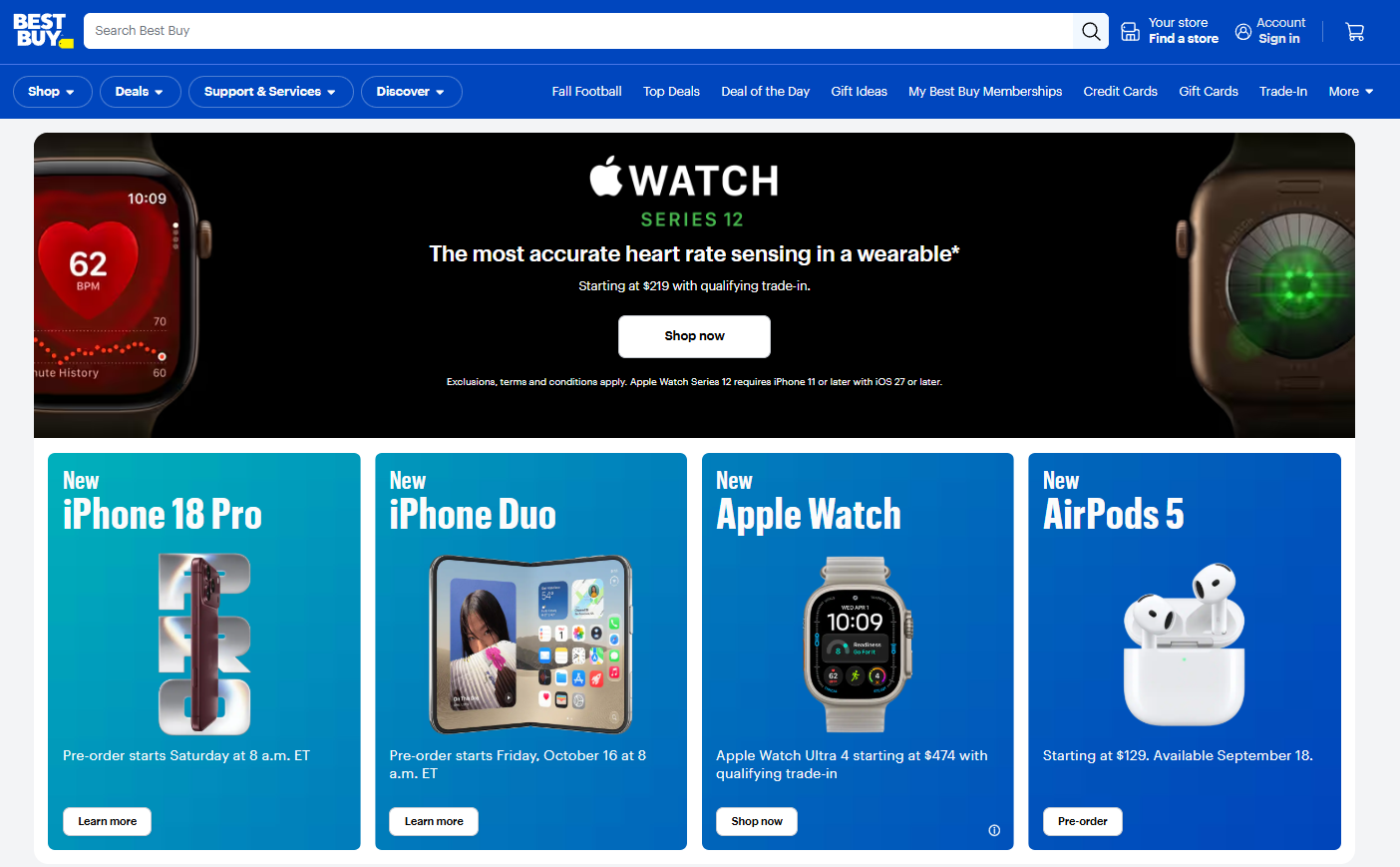
- Example: Best Buy serves as a gold standard, using a grid-based format to allow for high-volume product discovery while maintaining clear entry points to the cart.
4. The Online Service Site
For SaaS (Software as a Service) and subscription-based companies, the website is the product’s first touchpoint. The goal is simple: secure a demo, a trial, or a signup.
- Core Elements: Benefit-focused copy, social proof (logos of current clients), and a persistent, high-visibility CTA for trials.
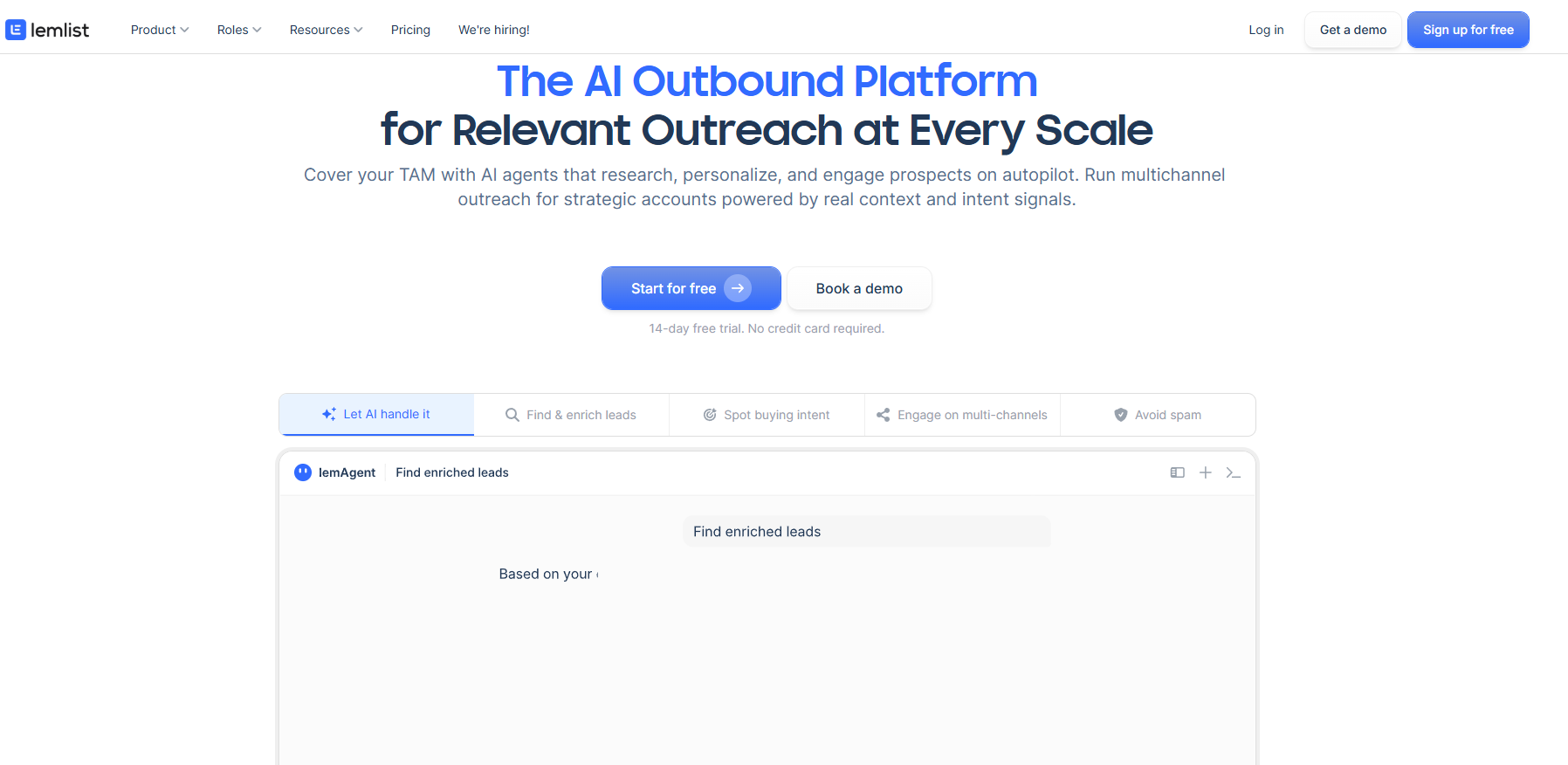
- Example: Lemlist utilizes this format to explain complex AI-driven automation in a way that feels accessible, pushing the visitor toward a trial signup.
5. The Consultative Site
These businesses deal with long sales cycles. The website is not meant to close a sale in one click, but rather to nurture the lead until they are ready for a conversation.
- Core Elements: Thought leadership content, case studies showing client results, and educational resources that guide the user through their problem-solving journey.
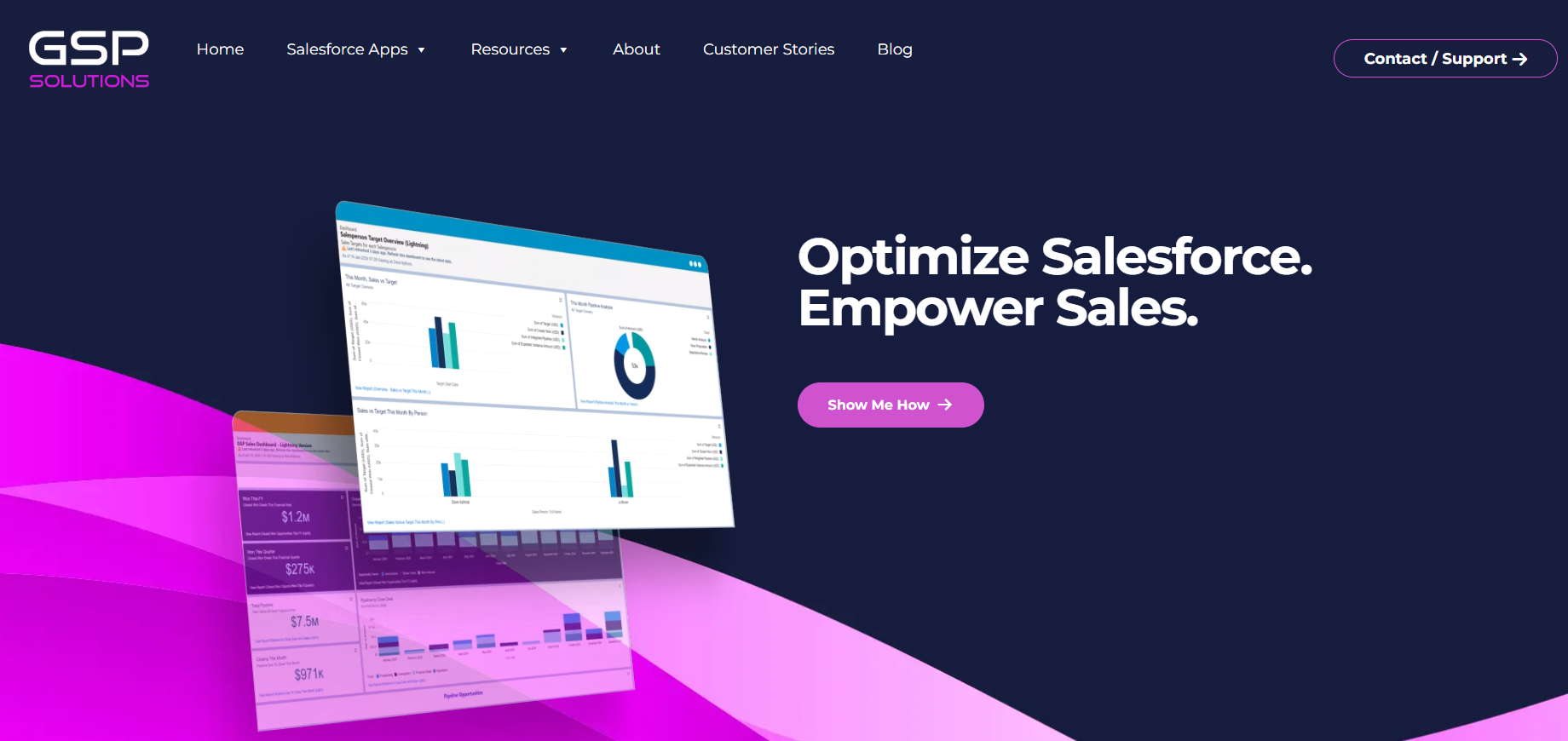
- Example: GSP Solutions avoids aggressive pricing tactics, instead focusing on high-value content that establishes their expertise in Salesforce optimization.
6. The Publication Site
Media outlets, blogs, and newsletters thrive on attention. The primary goal here is to keep the reader on the site for as long as possible.
- Core Elements: Robust internal linking, "recommended reading" widgets, and easy subscription capture for newsletters.
- Example: The Onion uses a classic publication format, ensuring that even after a reader finishes a piece of satire, there is an immediate, compelling reason to click on the next headline.
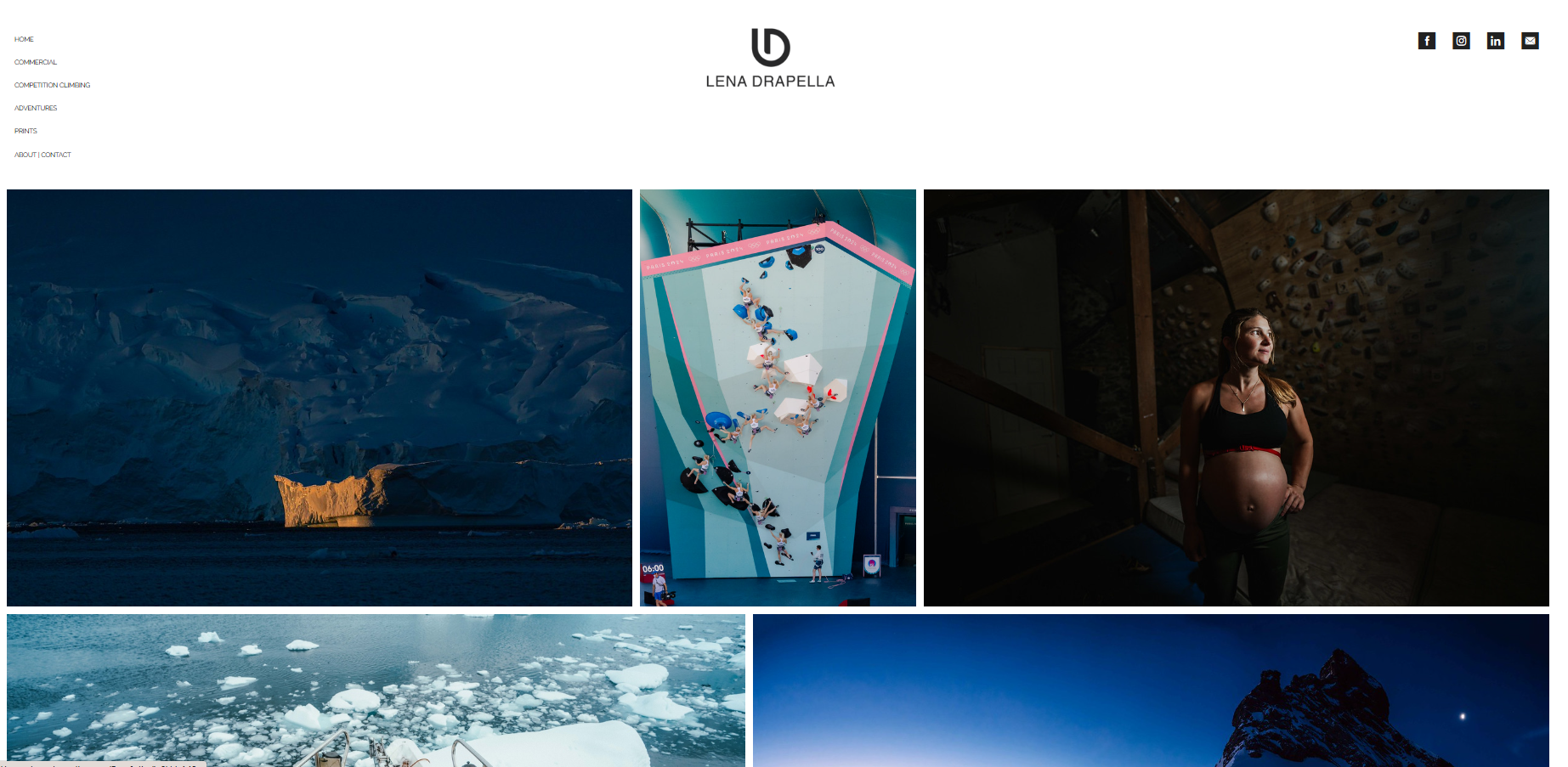
7. The Portfolio Site
Creatives, designers, and photographers require a format that highlights visual talent while removing all possible distractions.
- Core Elements: High-resolution work samples, a brief, punchy "About Me" section, and a simple inquiry form.
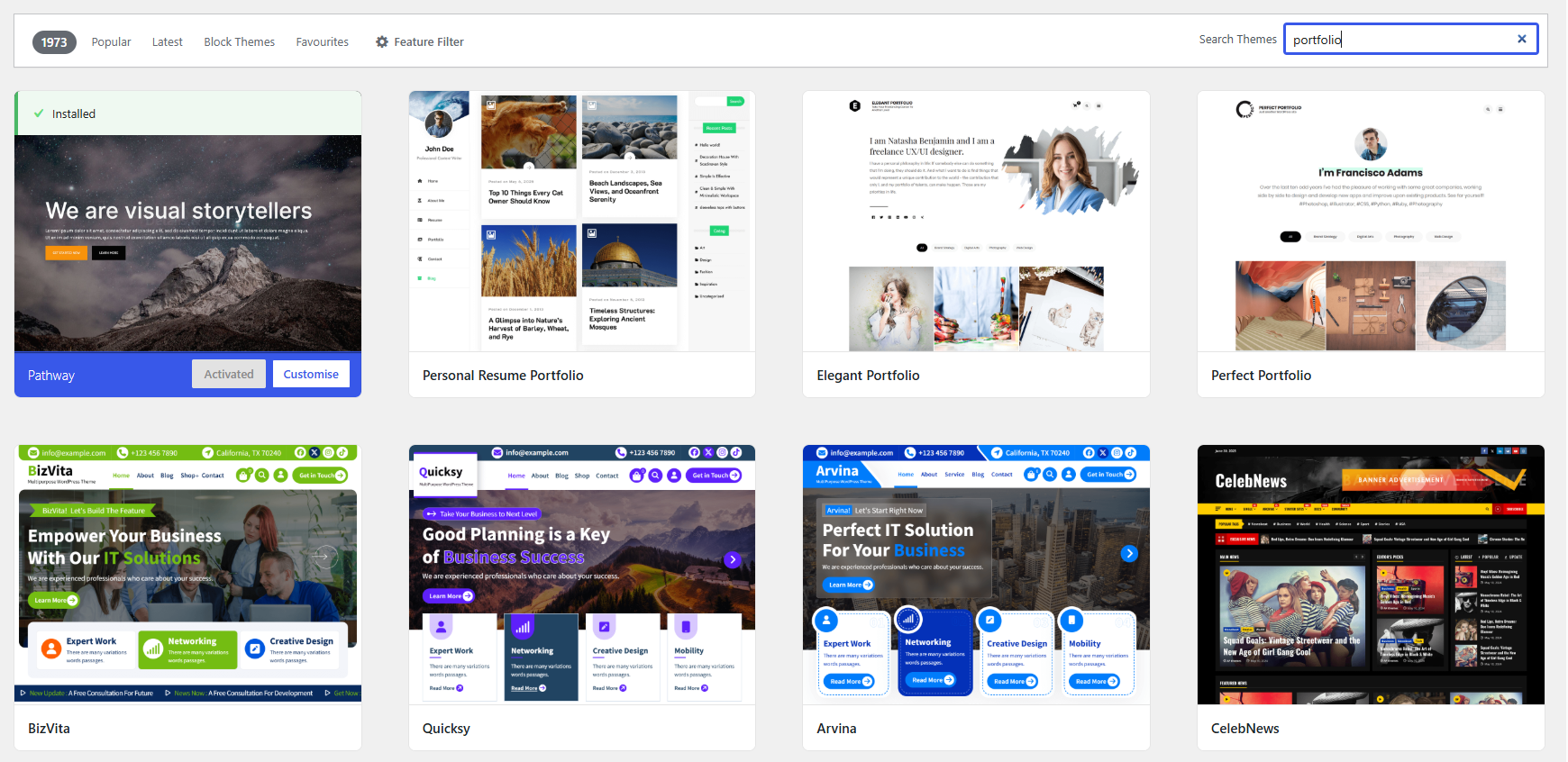
- Example: Photographer Lena Drapella strips her site down to just a gallery and a contact page, letting her imagery do the heavy lifting.
Strategic Implementation: How to Choose Your Format
Choosing the right format begins with defining your One True Goal. If you are a restaurant, your goal is a visit. If you are a SaaS company, it is a signup.
What happens if you have multiple goals? A common pitfall is trying to cram everything into the homepage. Instead, build your homepage around your primary goal, and create dedicated landing pages—using the appropriate format—for your secondary objectives.
Franklin Barbecue provides a masterclass in this approach. Their homepage is a "brochure" site focused on the dining experience, but they utilize separate, specialized pages for product sales (sauces and merchandise) and event bookings, ensuring that each user journey is optimized for that specific intent.
Data-Driven Validation: Is It Working?
Even the best-structured site can fail if the offer is wrong. To differentiate between a structural problem and a market-fit problem, you must move beyond basic traffic metrics.

The Chronology of Analysis
- Macro-Level Tracking: Start with conversion rates and Average Order Value (AOV). If these are low, your site is not performing.
- Micro-Level Behavior: This is where you determine if the format is at fault.
- Heatmaps: These allow you to see where users are clicking. If your primary CTA is being ignored in favor of non-clickable images, your format’s hierarchy is failing.
- Session Recordings: By watching how users navigate your site, you can identify "friction points." If users are scrolling past critical information or getting lost in navigation, your page structure is not intuitive.
Implications for Future Growth
The digital landscape is not static, and neither should your website be. As your business evolves, your website format may need to shift. A startup that begins as a portfolio site may eventually transition into a consultative or online service format as its business model matures.
By viewing your website as a living, breathing architectural project rather than a static piece of digital art, you allow yourself the flexibility to optimize for growth. Always remember: the format is the frame, and the content is the picture. If the frame is the wrong size, the picture will never be fully appreciated.
For those ready to take their digital strategy to the next level, audit your site today. Track your sessions, analyze your heatmaps, and ask yourself: Does my current structure help or hinder my visitor’s journey? If the answer is anything other than a resounding "help," it is time to reformat.
