
The Science of Connection: Mastering Customer Insights and Analytics for Strategic Growth
Why do certain brands appear to have an uncanny ability to anticipate their customers’ needs, while others struggle to find their footing? The answer is rarely a stroke of blind luck. It is the result of a deliberate, data-backed discipline: the mastery of customer insights and analytics.
In today’s hyper-competitive digital landscape, the ability to synthesize raw data into actionable intelligence is the primary differentiator between market leaders and those fading into obscurity. By moving beyond gut feelings and embracing a culture of data-driven decision-making, businesses can craft exceptional experiences that foster long-term loyalty and sustainable profitability.

The Foundation: What Are Customer Insights?
At its core, "customer insights" refers to the deep analysis and interpretation of customer data to inform strategic business decisions. It is not merely the act of collecting numbers; it is the process of uncovering the "why" behind those numbers.
While raw data tells you what a customer did—such as clicking a link or abandoning a cart—insights tell you why they did it. By analyzing trends, behavioral patterns, and qualitative feedback, businesses can decode the motivations and preferences of their target audience. This understanding allows companies to pivot from reactive tactics to proactive strategies, ensuring that every marketing dollar spent and every product update released is aligned with actual consumer demand.

Analytics vs. Insights: Understanding the Distinction
While often used interchangeably, customer analytics and customer insights are distinct components of the same ecosystem.
- Customer Analytics is the technical framework. It involves the implementation of software tools, the configuration of tracking pixels, and the systematic collection of quantitative data. It provides the "how" of data gathering.
- Customer Insights is the strategic output. It is the synthesis of those analytics, combined with qualitative research, that leads to meaningful business conclusions.
Think of analytics as the raw ingredients in a kitchen, and insights as the gourmet meal prepared by a chef. Without the technical rigor of analytics, insights remain speculative. Without the interpretive power of insights, analytics remain a cluttered, overwhelming database.
The Purpose of Customer Insights in Modern Business
The primary objective of leveraging customer insights is to maintain alignment with an ever-evolving market. Consumer behavior is fluid; what satisfied a customer yesterday may be insufficient tomorrow. Robust insight gathering allows organizations to answer the most critical questions facing their bottom line:
- Which features are driving the most value?
- Where are the friction points in the conversion funnel?
- What is the emotional trigger that leads to brand advocacy?
- How can we personalize communication to reduce churn?
By answering these questions, businesses transform from transactional entities into trusted partners, ultimately driving higher lifetime value (LTV) and lower customer acquisition costs (CAC).
Gathering Intelligence: A Multi-Faceted Approach
To gain a holistic view of the customer, organizations must employ a blend of quantitative and qualitative methodologies. Below are the pillars of an effective insight-gathering strategy.
1. Market Research: The Macro Perspective
Market research provides the context necessary to understand where your brand sits within the broader ecosystem. It is just as vital for prospective customers as it is for existing ones.
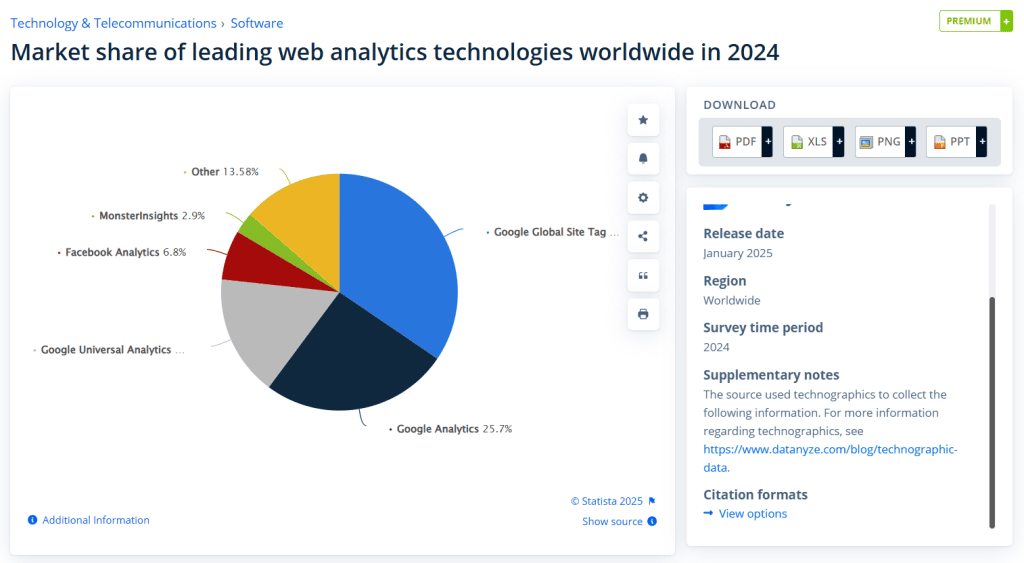
- Statista: This powerhouse of data aggregation provides public, third-party statistics that allow companies to benchmark their performance against industry standards. Its visualizations simplify complex trends, making it an essential tool for high-level strategic planning.
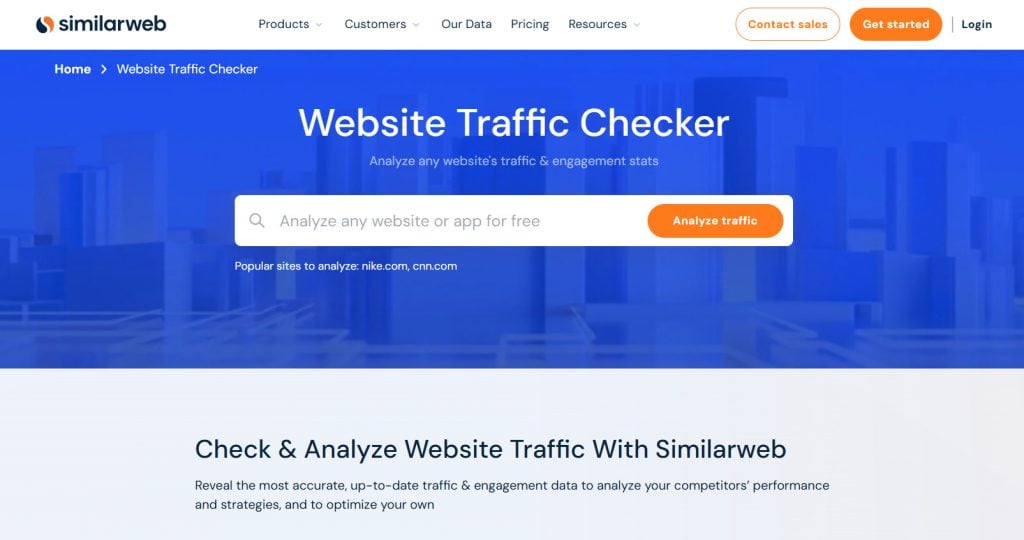
- Similarweb: By offering deep dives into competitive traffic sources and audience behavior, Similarweb acts as a digital spyglass, revealing where your competitors are winning and where your own gaps exist.
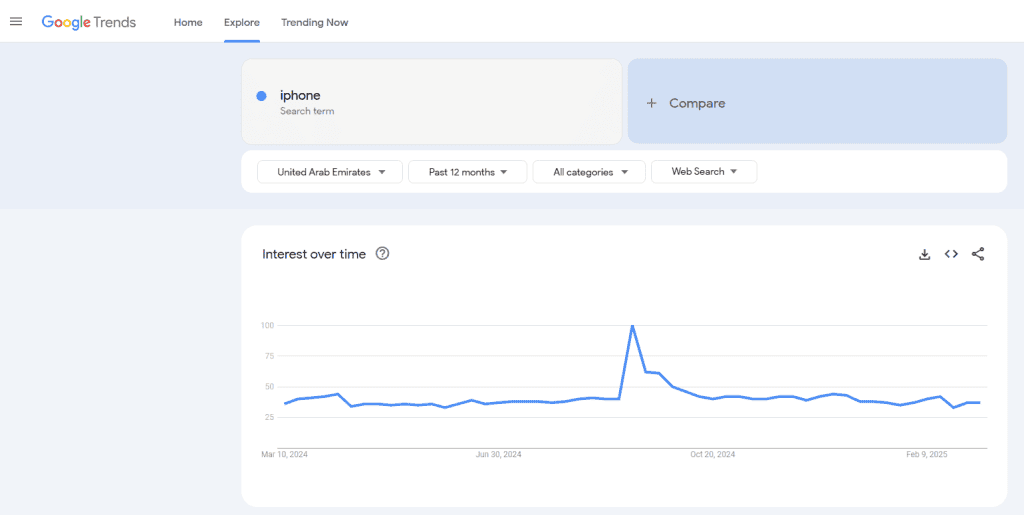
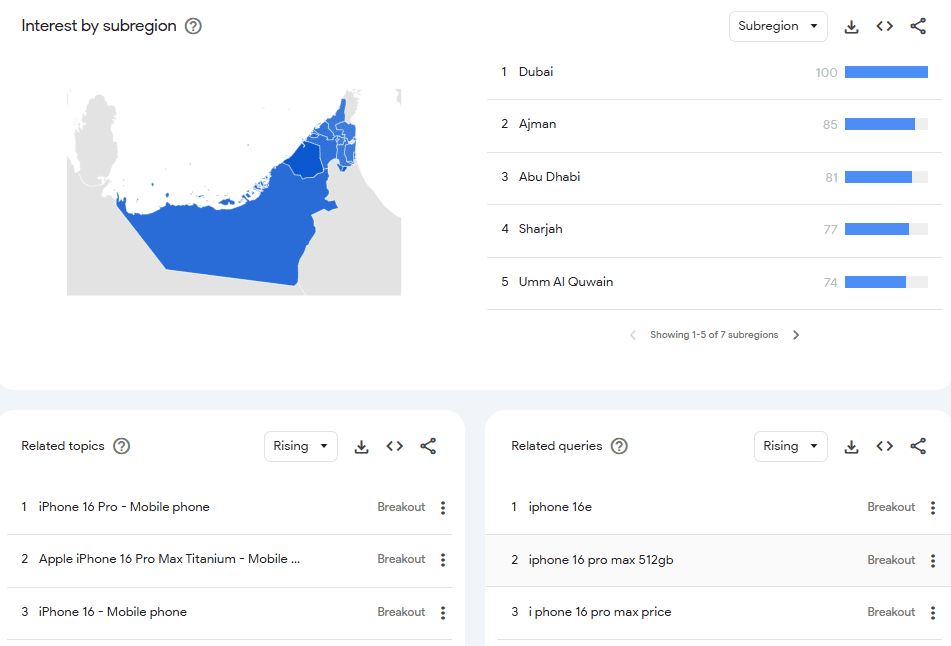
- Google Trends: A free, indispensable resource for identifying shifts in audience interest. By monitoring real-time search volume, businesses can ride waves of popularity or anticipate seasonal demand spikes.
- Professional Services: For complex, high-stakes decisions, partnering with specialized research firms can provide the nuanced, human-led intelligence that automated tools might miss.
2. Website Data: The Digital Footprint
Your website is the most honest source of truth. Every click, scroll, and hover is a vote of confidence or a sign of frustration.
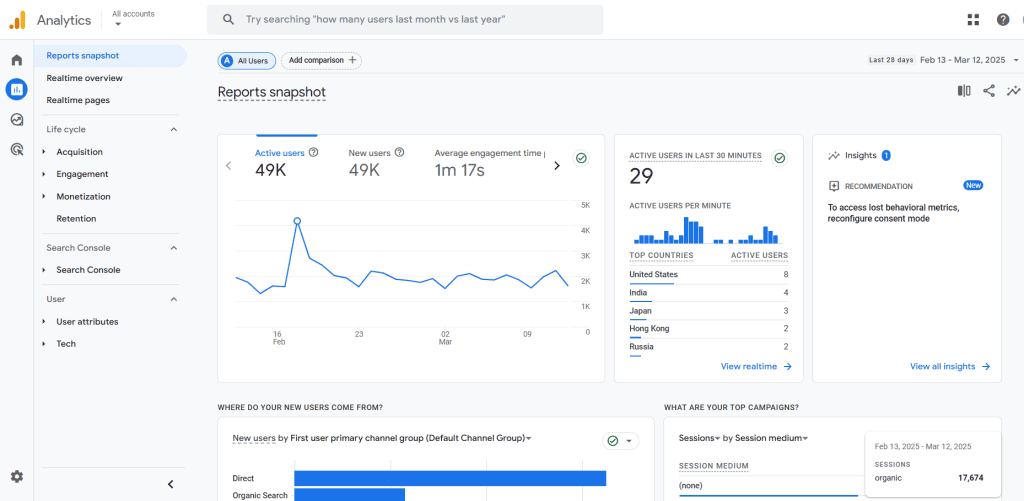
- Google Analytics 4 (GA4): As the industry standard, GA4 allows for advanced tracking of user journeys. It moves beyond simple traffic counts, providing insights into cross-platform behavior, engagement time, and conversion paths.
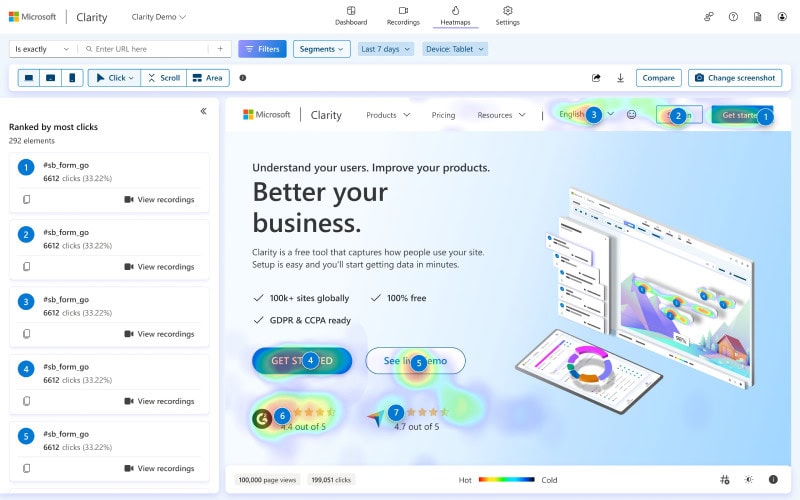
- Microsoft Clarity: This tool bridges the gap between numbers and reality. Through heatmaps and session recordings, Clarity uses AI to visualize exactly how users interact with your interface. It is particularly adept at highlighting why users stop at a specific step in the checkout process, making it a "must-have" for conversion rate optimization.
3. Social Media Intelligence
Social media is no longer just a broadcast channel; it is a live focus group. By using platforms like Meta, TikTok, and Instagram, businesses can monitor the pulse of their community.
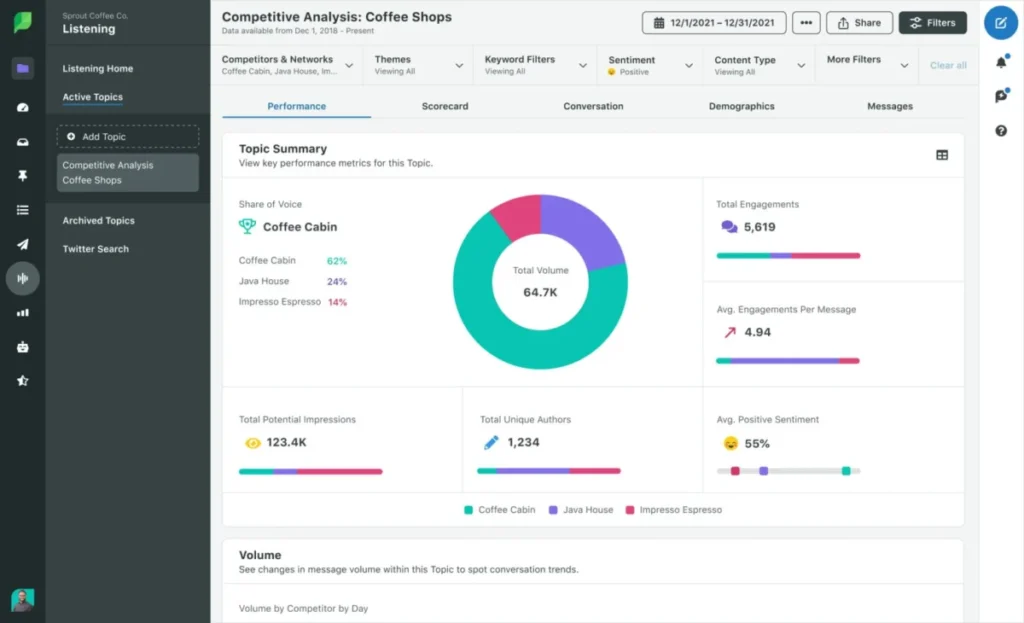
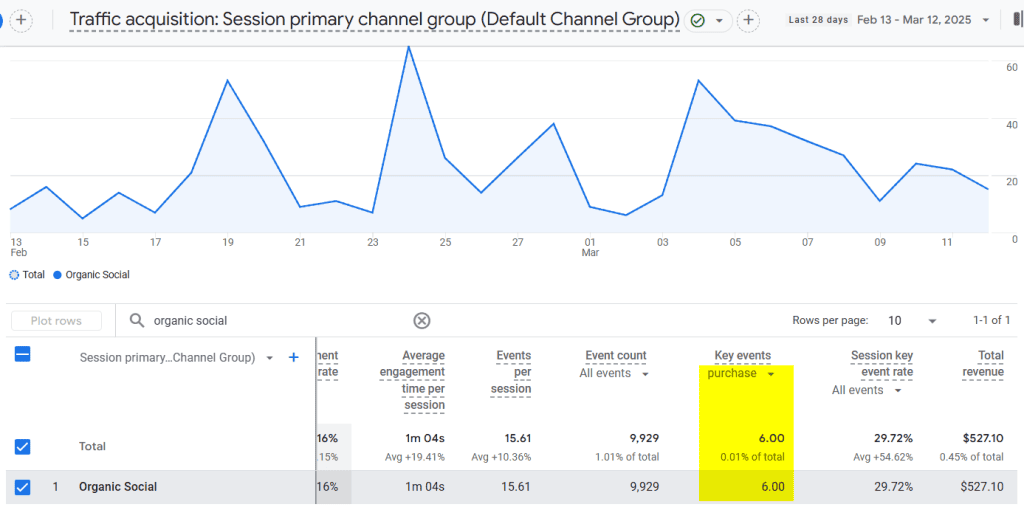
Using external analytics tools—such as GA4—to centralize this traffic is critical. By comparing social media sources in one dashboard, companies can create a "funnel" that tracks users from awareness to engagement to final purchase. Furthermore, Social Media Listening tools like Sprout Social or Mention allow brands to track brand sentiment in real-time, catching potential PR issues before they escalate or identifying product opportunities based on organic user complaints.
4. Direct Customer Feedback: The Human Element
Sometimes, the best data is the data you ask for.
- Feedback Widgets: Tools like Appzi embed small, non-intrusive pop-ups on your site, allowing users to rate their experience at the exact moment of interaction.
- Focus Groups: While smaller in scale (typically 5–10 participants), these sessions offer a level of depth that surveys cannot replicate. They reveal the underlying emotions and hidden biases that drive consumer purchasing behavior.
- Surveys: Whether using Google Forms or more robust platforms like SurveyMonkey, well-designed surveys remain the gold standard for collecting structured, actionable data.
- Review Analysis: Whether through Trustpilot or Amazon product pages, reviews are a goldmine of sentiment. By using AI-driven tools to analyze thousands of reviews, or by manually examining 3-star and 4-star reviews for balanced critiques, companies can identify specific areas for product improvement.
Implications for Strategic Growth
The integration of these insights into the corporate DNA has profound implications. First, it forces a shift from "product-centric" to "customer-centric" development. When product roadmaps are dictated by customer feedback and behavioral data, the risk of failure decreases significantly.
Second, it enhances marketing efficiency. By understanding the specific pain points identified in the research phase, marketers can craft messaging that speaks directly to the customer’s needs, rather than relying on generic value propositions.
Finally, the cumulative effect of these insights is a superior user experience (UX). When a brand treats its website as a responsive environment—one that adjusts based on how customers actually behave—it builds a cycle of trust. Customers return to the brand because the experience is frictionless, relevant, and personalized.
Conclusion: The Path Forward
The journey to becoming an insight-driven organization is iterative. There is no "set it and forget it" solution. Success requires the consistent application of multiple methods—blending the hard data of Google Analytics with the soft, qualitative insights gained from focus groups and reviews.
As the digital landscape continues to evolve, the businesses that will thrive are those that listen—truly listen—to the data. By building a robust infrastructure for gathering and analyzing customer intelligence today, you are not just optimizing for the next quarter; you are securing the long-term health and relevance of your brand in an increasingly demanding marketplace. The question is no longer whether you can afford to invest in customer insights, but whether you can afford the cost of flying blind.
