

The Alpha Shift: Why Your Marketing Playbook Needs a Total Rewrite for the Next Generation
If the terms “brainrot,” “skibidi,” or “6-7” sound like a foreign language, you are already facing a significant Gen Alpha blindspot. As the youngest members of society transition from toddlers to tech-savvy teens, they are rewriting the rules of consumer behavior.
Generation Alpha—those born between 2010 and 2024—is not merely “Gen Z 2.0.” They are the first generation to have been born entirely within the 21st century, growing up in a world where the internet was never a novelty, but a fundamental utility. As they emerge as a massive economic force, brands that fail to differentiate them from their predecessors will find themselves effectively invisible.

The Magnitude of Gen Alpha
Gen Alpha is currently the largest generation in human history, accounting for approximately 24.4% of the global population. While a significant portion of this cohort remains under the age of 18, their influence on household spending is staggering. They are digital natives who have never known a world without touchscreens, sophisticated algorithms, or on-demand content.
For marketers, this presents a unique duality: to win over the consumer, you must appeal to the child who desires the product and the parent who authorizes the transaction.

A Chronology of the Digital Native
- 2010–2015 (The Early Adopters): Born alongside the release of the iPad and the rise of Instagram, this segment of Alpha experienced "digital infancy." Their cognitive development was shaped by touch-screen interaction.
- 2016–2020 (The Gaming Era): This group matured during the explosion of Roblox and Minecraft, viewing digital spaces as social hubs rather than just games.
- 2021–2024 (The AI Generation): The youngest Alphas are now entering a world defined by generative AI, where personalized digital experiences are the expected baseline, not a luxury.
Decoding the Gen Alpha Consumer
While Gen Z and Gen Alpha share an online upbringing, their expectations regarding personalization are worlds apart. Gen Z grew up as the internet evolved; Gen Alpha arrived when the internet was already fully "for them."
Data-Driven Behavioral Shifts
According to recent industry insights, the behavioral divide between these two generations is stark:
| Feature | Gen Z | Gen Alpha |
|---|---|---|
| Personalization | Adaptation to algorithms | Expectation of curated feeds |
| Content Style | Visual and fast | Immersive and gamified |
| Brand Interaction | High direct engagement | High passive consumption |
| Shopping | Early social commerce | Native social-shopping users |
The Expectation of Hyper-Personalization
Gen Alpha does not "search" for content in the traditional sense; they expect it to be served to them. Having grown up with TikTok’s “For You” page and YouTube’s recommendation engine, they view the internet as a concierge. If a brand cannot provide a personalized experience, Gen Alpha simply moves on to an algorithm that can.
From Passive Watching to Active Doing
Engagement for this generation is synonymous with interactivity. Statistics indicate that three out of five Gen Alphas would prefer to play a video game than watch a passive video. This is why platforms like Roblox are not just games—they are social networks. Brands that treat Gen Alpha as passive viewers are missing the point; this generation wants to participate, customize, and explore.

The "Dual-Audience" Marketing Dilemma
The most critical challenge for brands today is the "Gatekeeper Paradox." Because the majority of Gen Alpha does not have independent disposable income, every marketing campaign must serve a dual purpose.
The Kid’s Perspective: The content must be entertaining, trend-forward, and culturally resonant.
The Parent’s Perspective: The messaging must provide value, safety, and transparency.
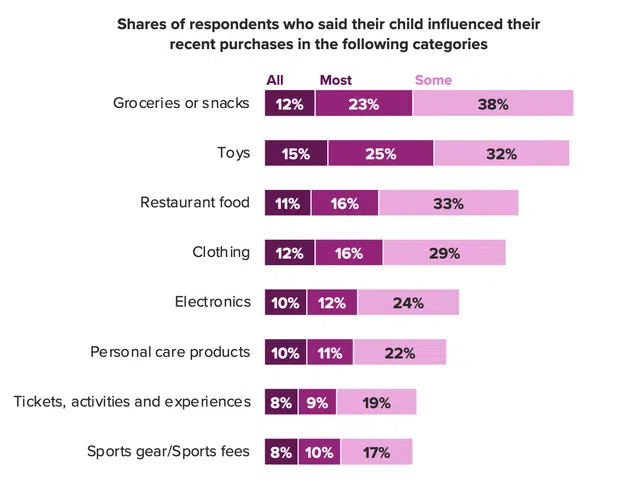
Take the skincare brand Evereden as a case study. Their TikTok content is vibrant and trend-focused, appealing to the aesthetic preferences of young users. However, their captions and supplemental marketing materials emphasize non-toxic ingredients and dermatologist-backed safety. By hitting these two distinct notes, they secure the "cool factor" with the child and the "trust factor" with the parent.
The Channels of Choice: Where They Live
If you are looking to reach Gen Alpha, traditional media is dead. The ecosystem of this generation is built on three pillars:

1. YouTube: The Digital Home Base
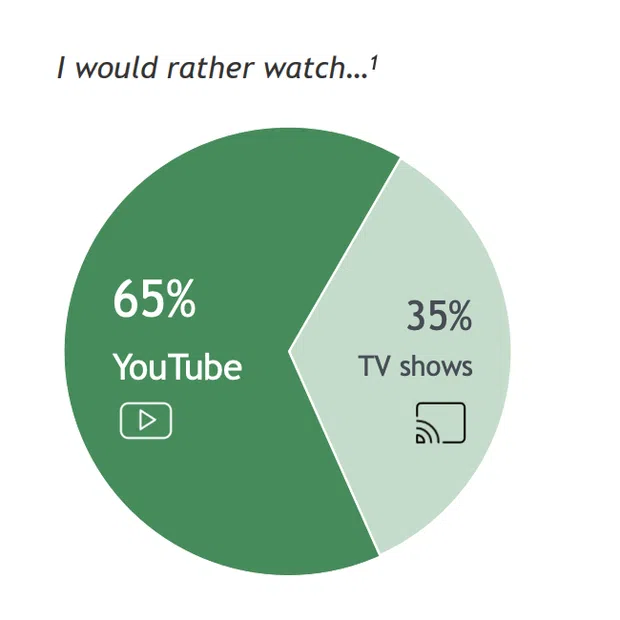
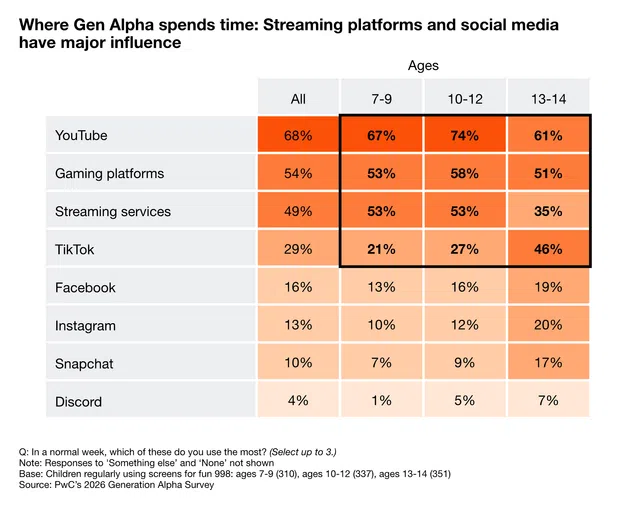
YouTube remains the undisputed king of Gen Alpha media. Research shows that 68% of kids aged 7 to 14 consider YouTube one of their primary platforms. Unlike older generations who might use YouTube for specific searches, Gen Alpha uses it as their primary entertainment feed, often favoring long-form gaming walkthroughs and "let’s play" content over traditional television.
2. TikTok and the Shopping Layer
For Gen Alpha, TikTok is not just a video platform; it is a retail destination. They are significantly more comfortable with in-app purchasing than previous generations. They view TikTok as a discovery engine where the barrier between "seeing a product" and "buying a product" is near zero.

3. The Gaming Metaverse
With over 54% of Gen Alphas engaging with gaming platforms regularly, the "Metaverse" is not a buzzword to them—it’s a social reality. Brands that can integrate into these virtual spaces without feeling like an "ad" are finding success. The goal is to build an experience, not a billboard.
Compliance and the Privacy Guardrails
Marketing to minors is not just a strategic challenge; it is a legal minefield. The Children’s Online Privacy Protection Act (COPPA) in the United States sets strict limitations on data collection for children under 13.
Brands must navigate:
- Data Restrictions: Collecting names, emails, or behavioral data without parental consent is a major liability.
- Platform Policies: Meta and TikTok have tightened age-appropriate ad targeting. Advertisers are often restricted to using only age and location as targeting parameters for teen audiences, limiting the reach of traditional retargeting strategies.
- Transparency: Gen Alpha is remarkably savvy at identifying "sponsored" content. If a brand tries to disguise an advertisement, they lose credibility instantly. Transparency isn’t just a legal requirement; it’s a brand-loyalty requirement.
Strategic Implications: How to Build Your Roadmap
To succeed with Gen Alpha, brands must move beyond surface-level attempts at "being cool."
1. Segment by Developmental Age
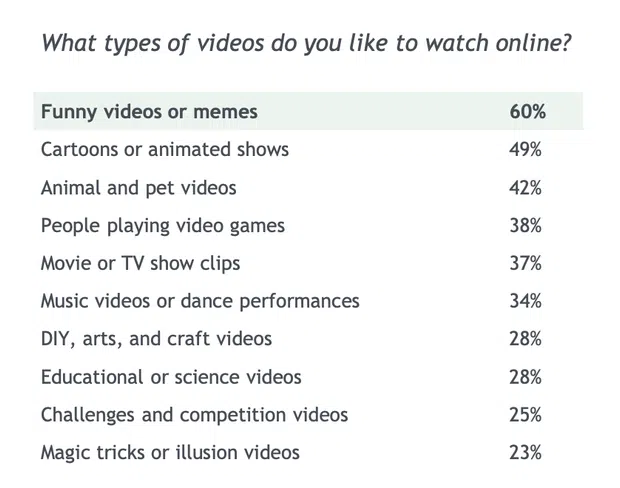
A 7-year-old and a 16-year-old are technically the same generation, but they inhabit different universes. A one-size-fits-all strategy will fail. Your content needs to be tailored to the specific cognitive and social stage of your sub-segment.
2. Authenticity Over "Cosplay"
Nothing destroys brand equity faster than a corporation trying to use "slang" they don’t understand. Gen Alpha possesses a high-functioning "cringe detector." If your content feels forced or like an adult "cosplaying" as a teen, they will disengage immediately. Focus on being useful, entertaining, or visually satisfying rather than linguistically relevant.

3. Leverage Creators Strategically
Influencer marketing remains the most effective shortcut to Gen Alpha’s attention. However, you must move beyond vanity metrics. Vet your creators not just for their reach, but for their brand safety. Does their content align with the values of the parents who will ultimately hold the credit card?
4. Invest in "Shareability" and Participation
As the Jellycat Instagram strategy proves, small, interactive asks—like "wave your thumb to the beat"—can drive massive engagement. This generation is used to media that requires them to do something. Create campaigns that invite participation, whether through challenges, user-generated content, or community-based goals.

Conclusion: The Race to Relevance
Gen Alpha is not waiting for marketers to catch up. They are forming their brand loyalties, building their micro-communities, and defining their digital norms in real-time.
The companies that will win are those that treat Gen Alpha with the respect they deserve—as sophisticated, selective, and highly connected consumers. If your current social media strategy relies on static posts, un-interactive videos, or a reliance on outdated demographic targeting, you are already behind.

To compete, you need the right tools to monitor trends, plan multi-platform content, and manage compliance. The era of the "one-size-fits-all" marketing strategy is over. Welcome to the era of the Alpha shift. Are you ready to participate, or are you just going to watch from the sidelines?
