
The AI Toybox: Navigating Creativity and Hallucination in the Era of Generative Art
By: Mike | Last Revised: June 22, 2025
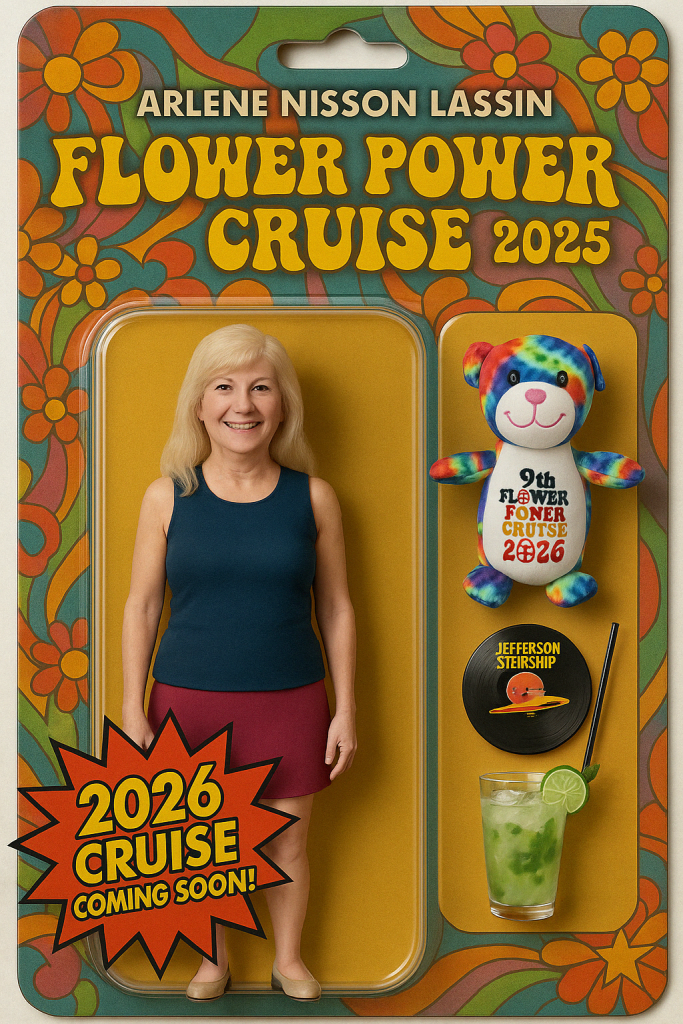
In the rapidly evolving landscape of generative artificial intelligence, the line between sophisticated creation and digital absurdity is thinner than ever. For many, AI is a tool of cold logic and data analysis. However, for a growing community of hobbyists and digital artists, it has become a creative "toybox"—a space to experiment with nostalgia, pop culture, and the personal connections formed during life’s most memorable journeys. This article explores the intersection of human creativity and AI-generated imagery, specifically through the lens of creating custom "Action Figures" inspired by the 2025 Flower Power Cruise.
The Genesis of the Project: From High Seas to Digital Clay
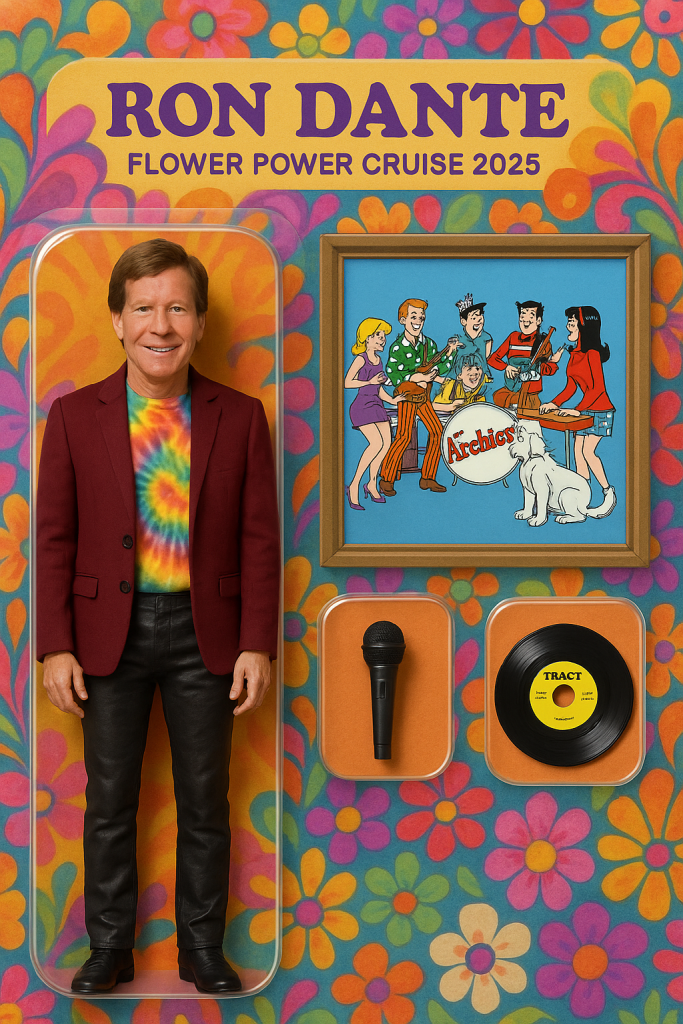
The project began as a personal tribute to the friendships forged during a seven-day voyage aboard the Flower Power Cruise. Departing from Fort Lauderdale and visiting ports in Falmouth, Jamaica, and the Cayman Islands, the cruise served as a cultural time capsule. Featuring legendary acts of the 1960s and 70s—including The Cowsills, Jay and the Americans, Ron Dante, and Jefferson Starship—the cruise provided a rich tapestry of nostalgia that begged to be immortalized.
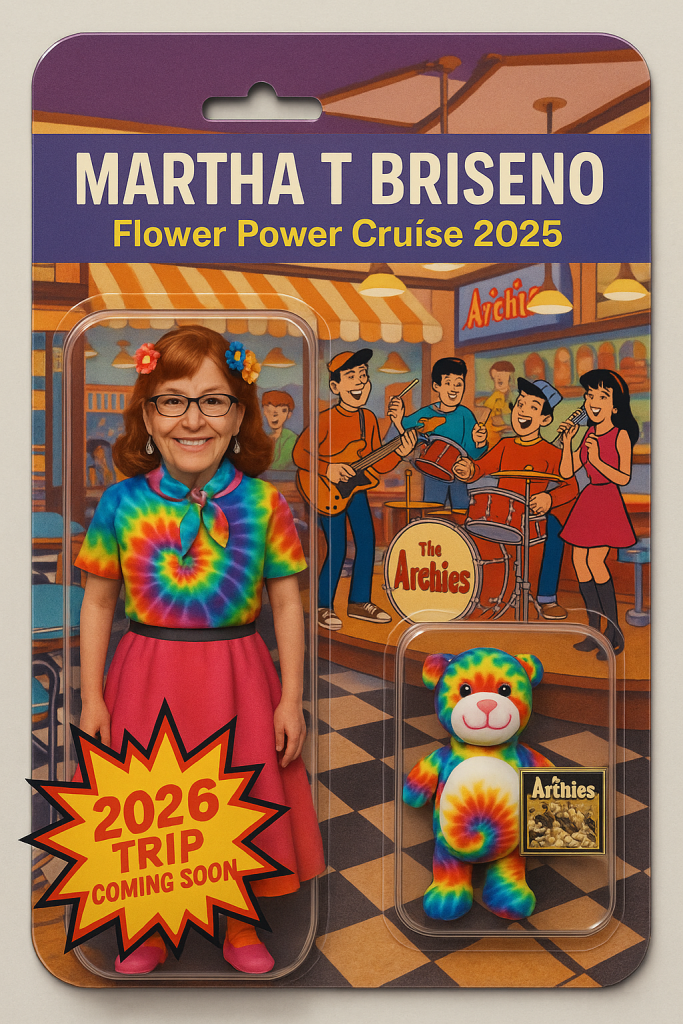
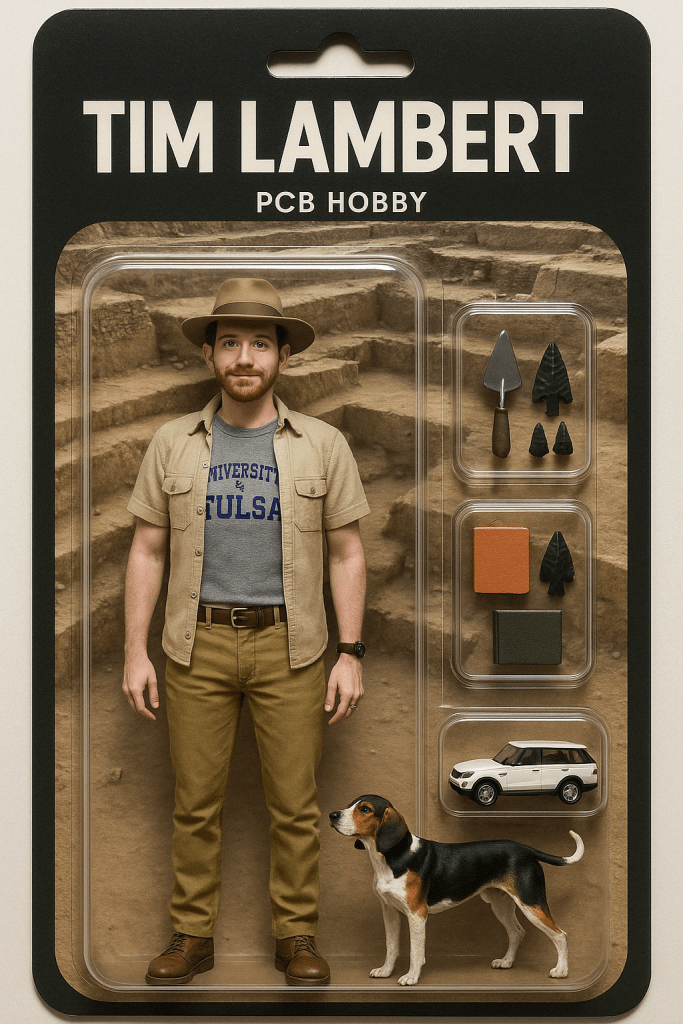
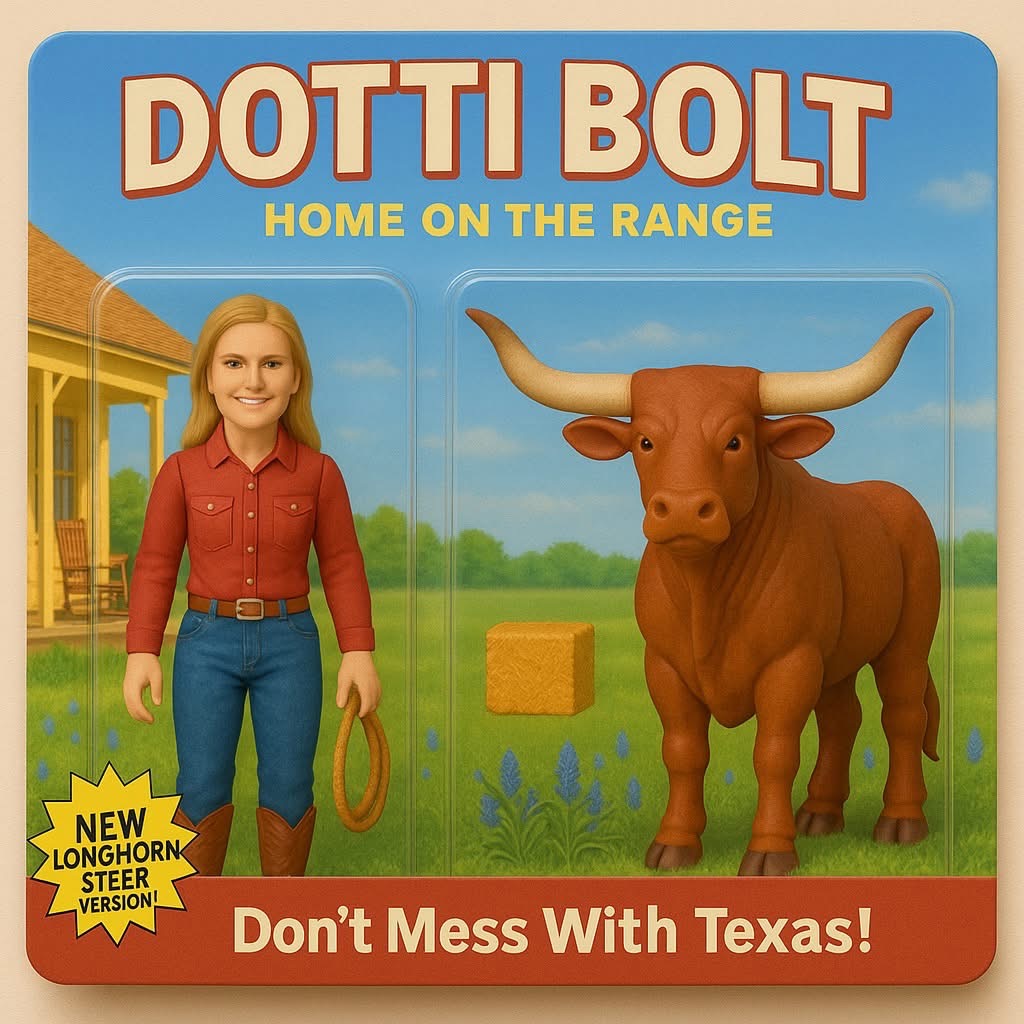
As a creator, I set out to use OpenAI’s advanced models—specifically the o3 and o4-mini iterations—to craft bespoke action figures for my fellow travelers. The goal was simple: take the essence of these individuals and their experiences, and package them in the iconic, nostalgic aesthetic of classic toy-store collectibles. However, what began as a straightforward design task quickly morphed into a lesson on the limitations of current generative AI technology.
The Reality of AI "Hallucinations"
In the professional AI lexicon, a "hallucination" refers to instances where a model generates content that is nonsensical, inaccurate, or misaligned with the user’s prompt. While these models are marvels of modern engineering, they are far from infallible.
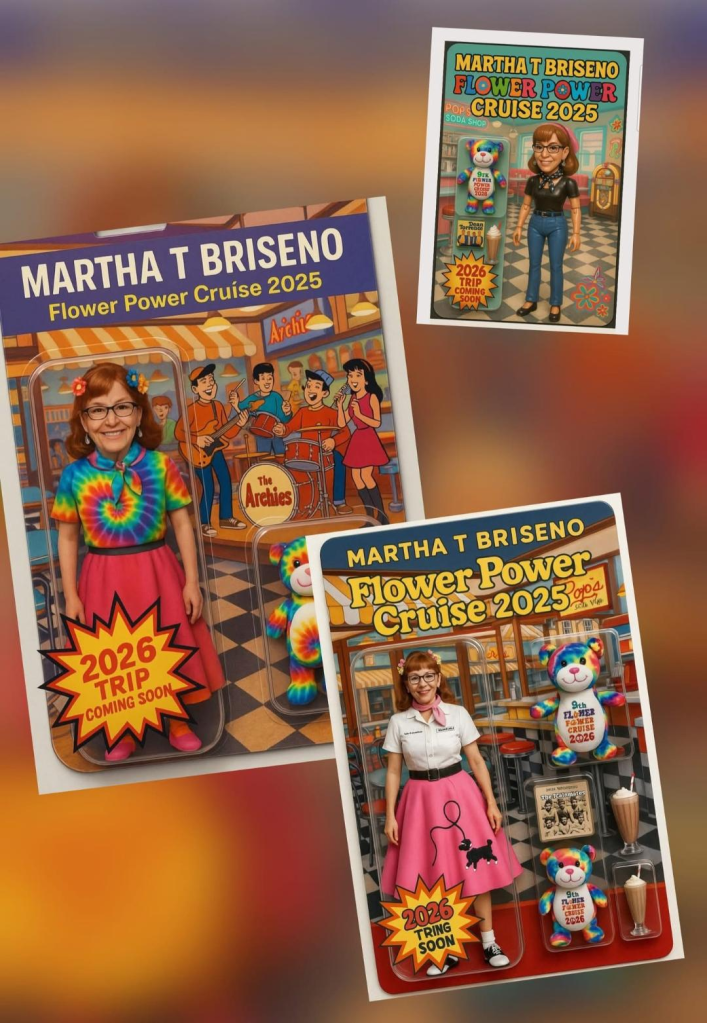
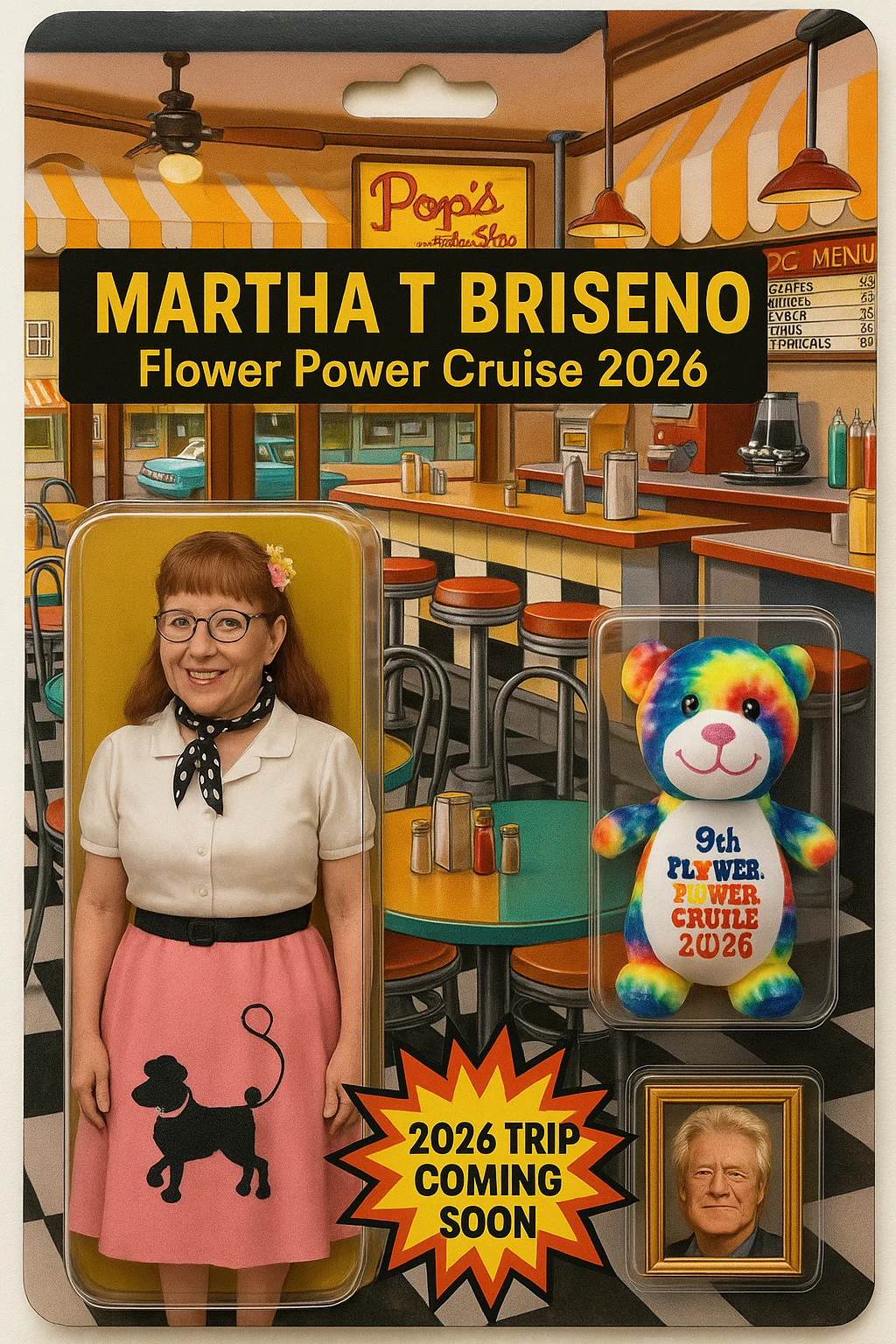
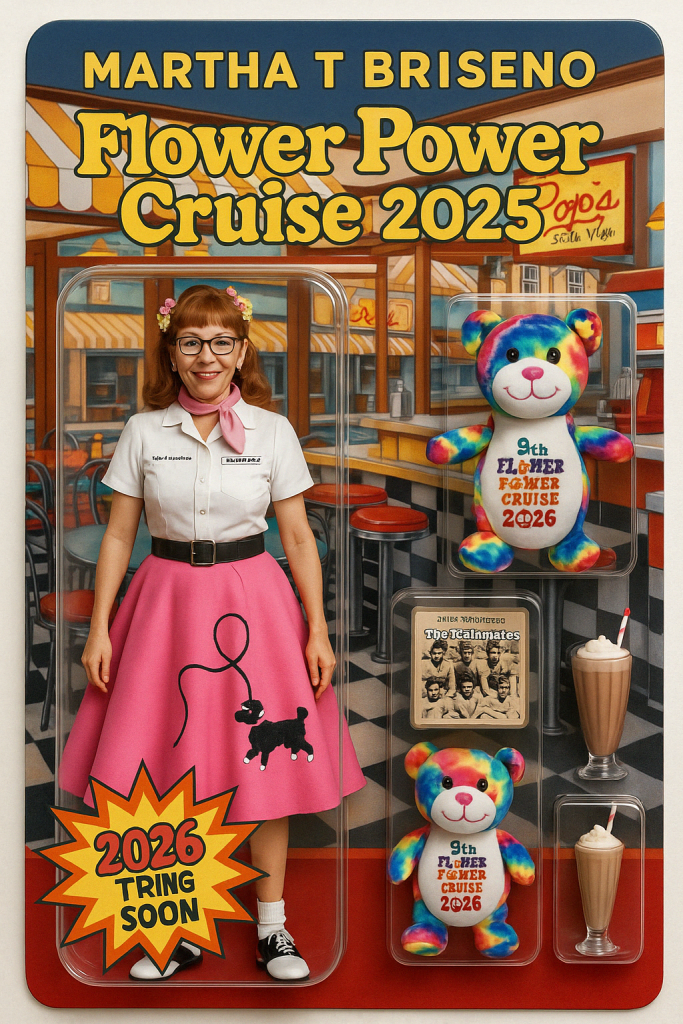
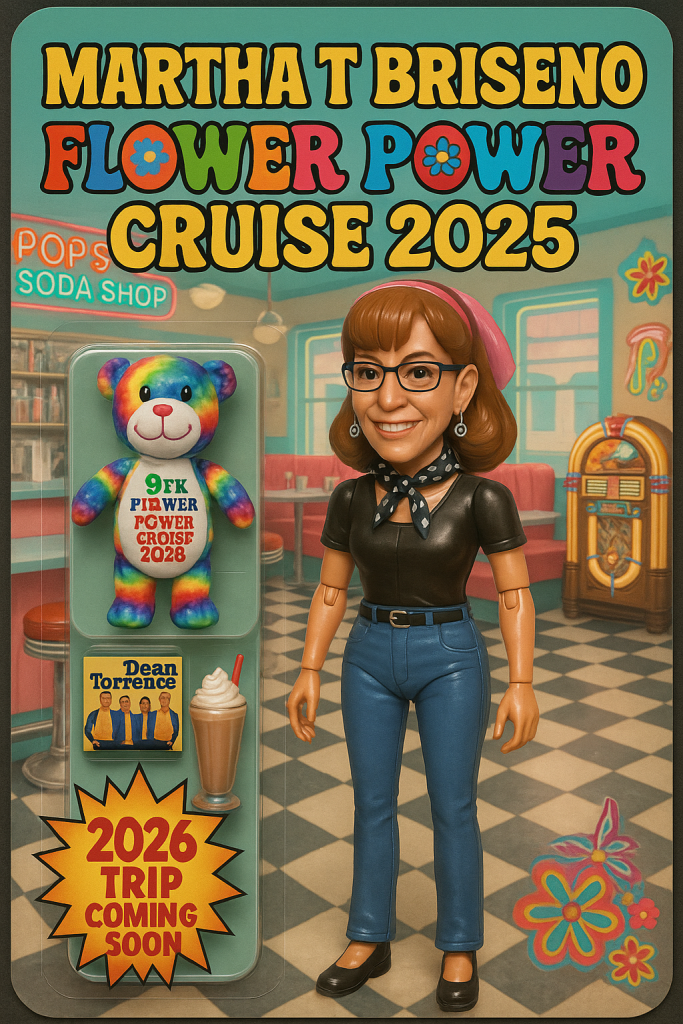
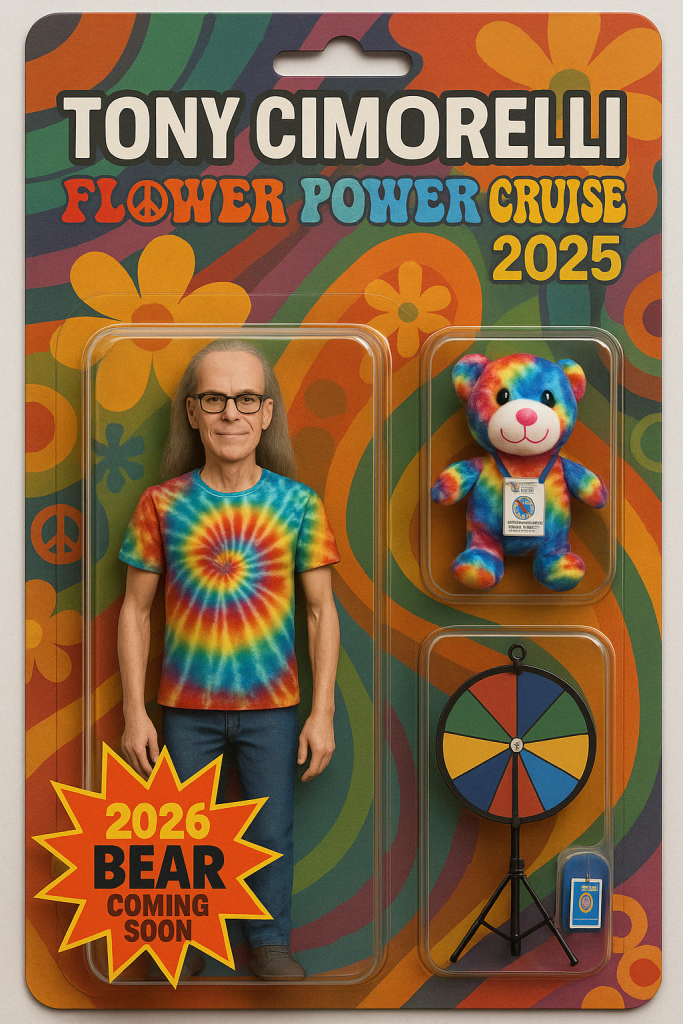
Recent internal testing by OpenAI has indicated that the latest models, while vastly more capable than their predecessors, still exhibit hallucination rates between 30% and 50%. These glitches manifest in various ways: the insertion of extraneous objects (such as multiple "Groovy Bears" or random chocolate milkshakes), the misspelling of words, or the unintentional shifting of art styles—transforming a realistic action figure into a caricature reminiscent of the "Toons" from Who Framed Roger Rabbit. Understanding that these errors are a byproduct of the software, not the user, is essential for anyone looking to harness these tools for creative projects.
Chronology of Creation: Trials and Iterations
The creation of an action figure is a multi-step process involving iterative prompting, image referencing, and extensive "purging" of unwanted AI-generated artifacts.
The "Martha" Prototype
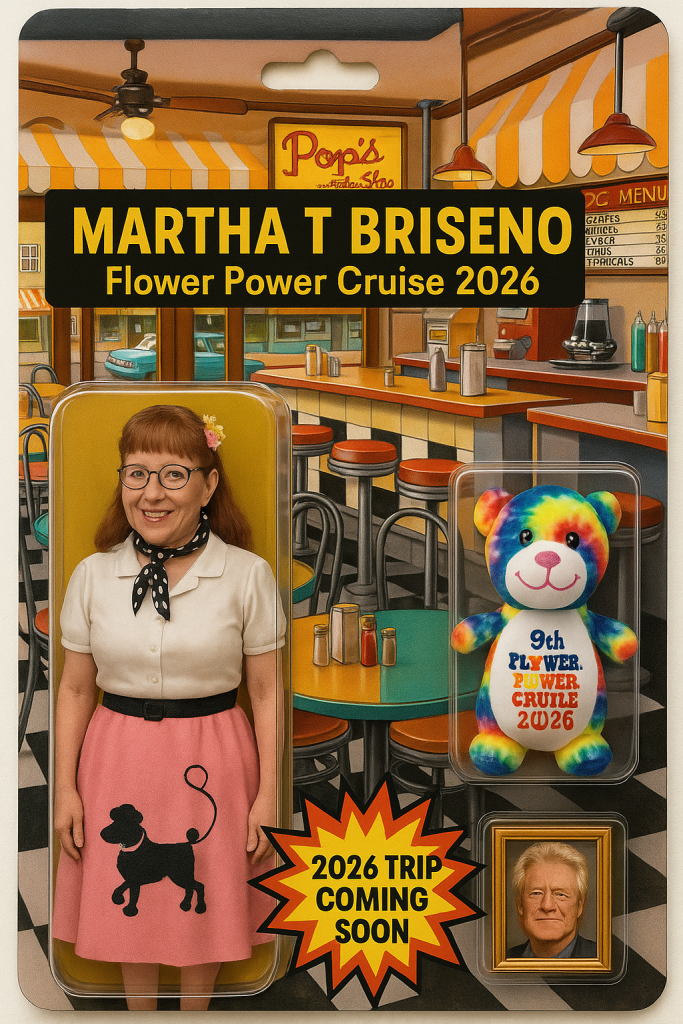
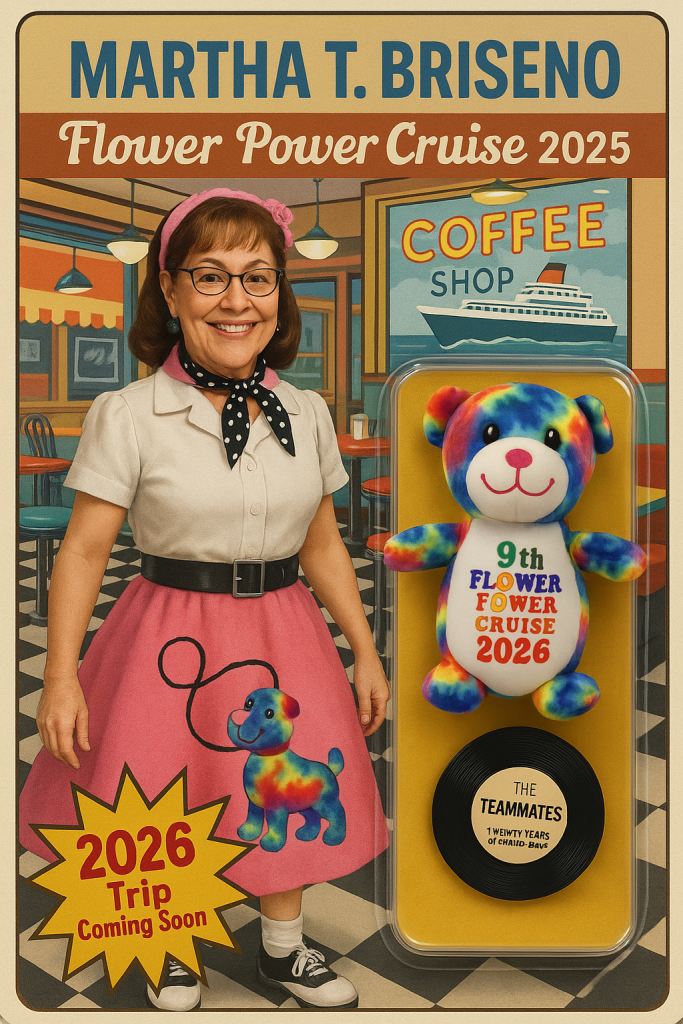
My first true attempt at this craft was an action figure for a friend named Martha. The initial prompt sought a classic 1950s aesthetic: a white shirt and a pink poodle skirt. The AI struggled significantly, persistently adding two Groovy Bears and two chocolate milkshakes to the scene. Further iterations shifted the setting entirely, placing her at a scene reminiscent of the movie Grease. It was only through meticulous, repeated refinement that I was able to achieve a version that was proportional and accurate to the vision.
Peter Noone and the Power of Real-World Artifacts
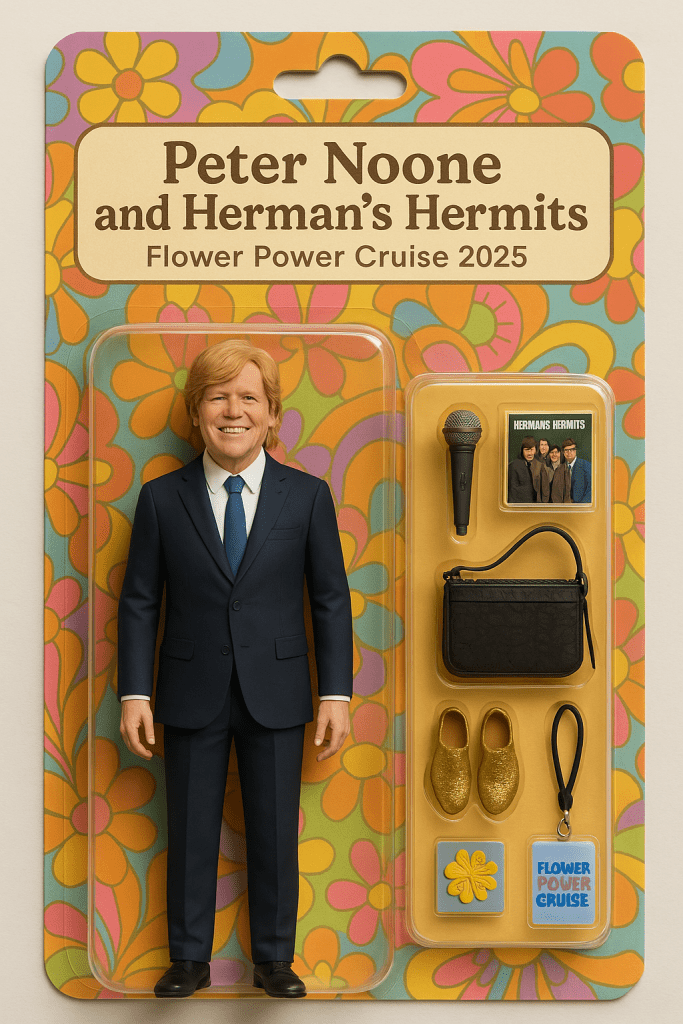
One of the most successful projects involved Peter Noone of Herman’s Hermits. During his concert, Noone engaged in an interactive routine with the audience, throwing a purse and a badge onto the stage and teasing a man in gold sparkle shoes. By providing the AI with photos of these specific "artifacts"—the purse, the badge, and the shoes—alongside a headshot of Noone, the resulting figure became a true-to-life souvenir, bridging the gap between digital generation and tangible memory.
Collaborative Experiments
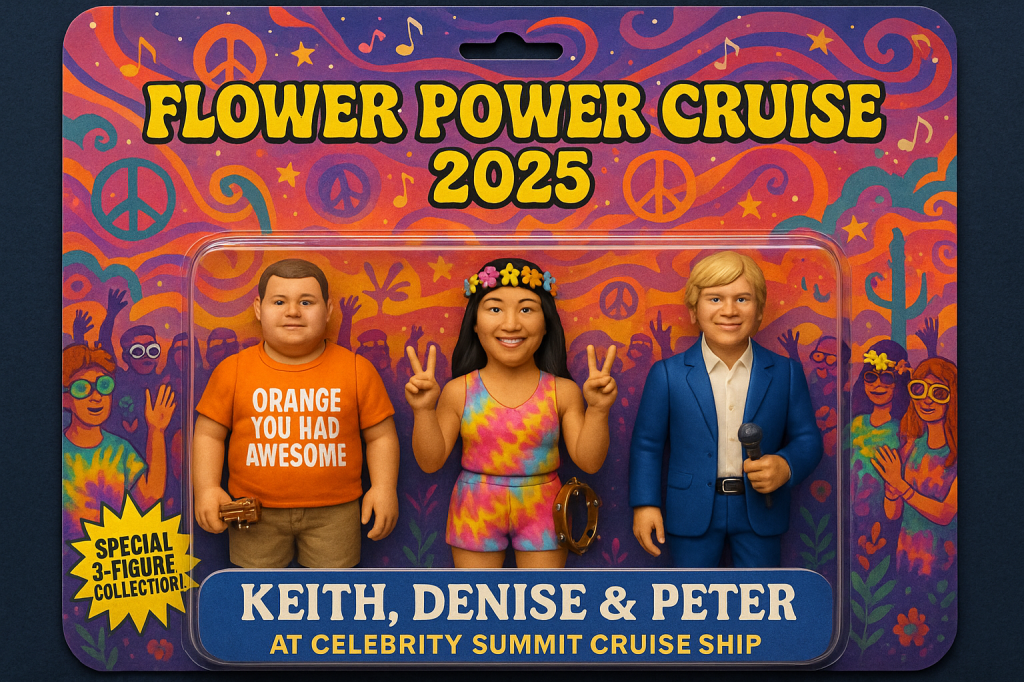
The process soon expanded to include coworkers and fellow cruisers. My colleague, Eric Carlson, served as a "wingman" in testing. While attempting to create an action figure of our Director, Brandon, the AI produced a bizarre hallucination featuring two Jeeps. Eric, demonstrating the creative potential of these tools, eventually steered the AI toward a darker aesthetic, resulting in a themed figure inspired by the movie The Purge. This experiment proved that with enough guidance, users can override the AI’s default tendencies to create highly specific, thematic content.
Supporting Data: The Anatomy of a Successful Prompt
To achieve high-quality results, the process relies on three distinct types of input:

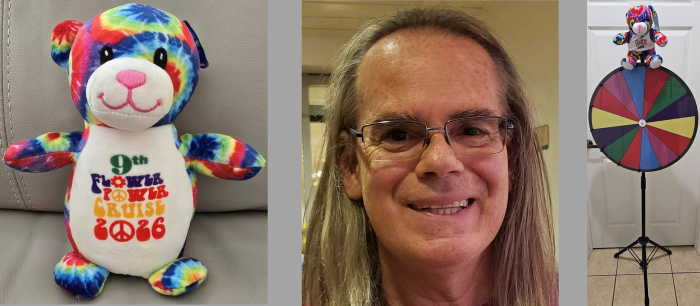
- Direct Imagery: High-resolution headshots provide the base for the subject’s likeness.
- Contextual Artifacts: Photos of items (like the "Groovy Wheel" used to win prizes on the cruise) ground the image in reality.
- Stylistic Instructions: Defining the medium (e.g., "Kenner-style action figure," "carded figure in a blister bubble") dictates the final aesthetic.
However, even with these inputs, the user must be prepared to "clean" the output. As seen with the project involving my grandson, Milo, the AI might add details that are technically incorrect (like adding back a baby tooth that had recently fallen out), requiring the user to remain the final arbiter of the image’s truth.
Official Responses and Ethical Considerations
The use of copyrighted material remains a significant hurdle in generative AI. When I attempted to create an action figure of the character Jar Jar Binks from the Star Wars franchise, the model immediately blocked the request, citing strict adherence to intellectual property standards.
This creates a clear distinction between "fan art" and "corporate branding." While the AI is more than willing to generate generic fantasy figures or space aliens, it serves as a digital gatekeeper for protected characters. For users, this means that the most successful projects are those built upon personal, original imagery rather than established IP.
Implications for the Future of Creative Hobbies
The ability to generate custom, high-quality visuals for personal projects has massive implications for hobbyists. We are moving toward a future where "bespoke" is no longer a luxury reserved for those with deep pockets or professional design skills.
The Democratization of Design
The fact that I can teach a class on this subject at work and see participants—who may have no background in graphic design—creating sophisticated, themed action figures is proof of this democratization. The barrier to entry has collapsed.
The Perfectionist’s Dilemma
However, this technology also highlights the struggle of the modern perfectionist. Because the AI is prone to "hallucinations," the creator must spend hours, or even days, "tweaking" the results. Is the final product a result of human art, or is it a collaborative negotiation between human intent and machine error?
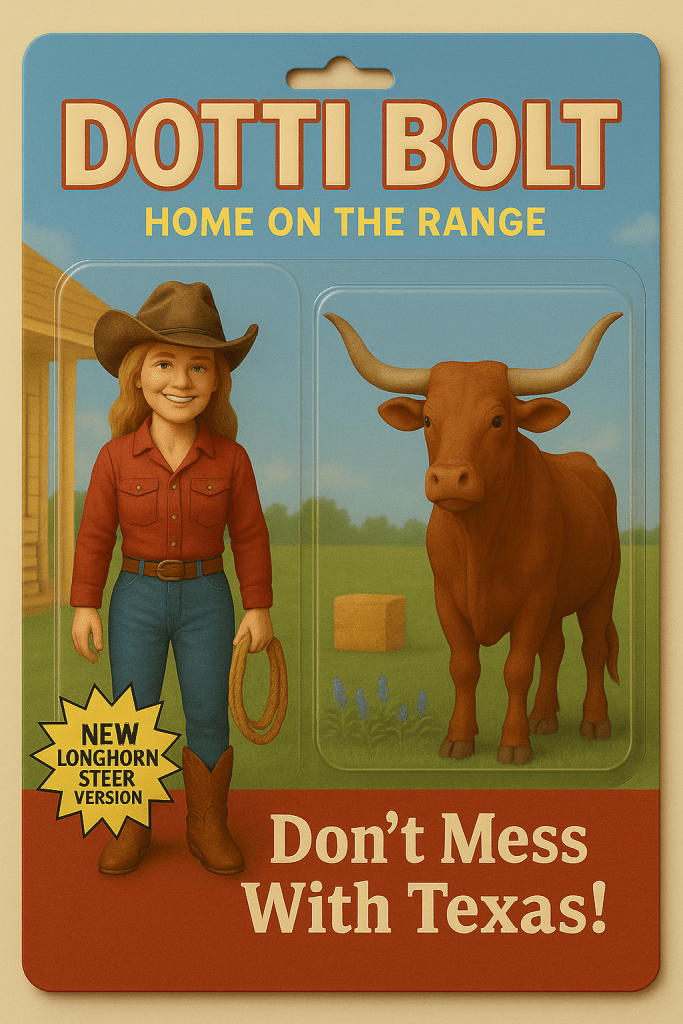
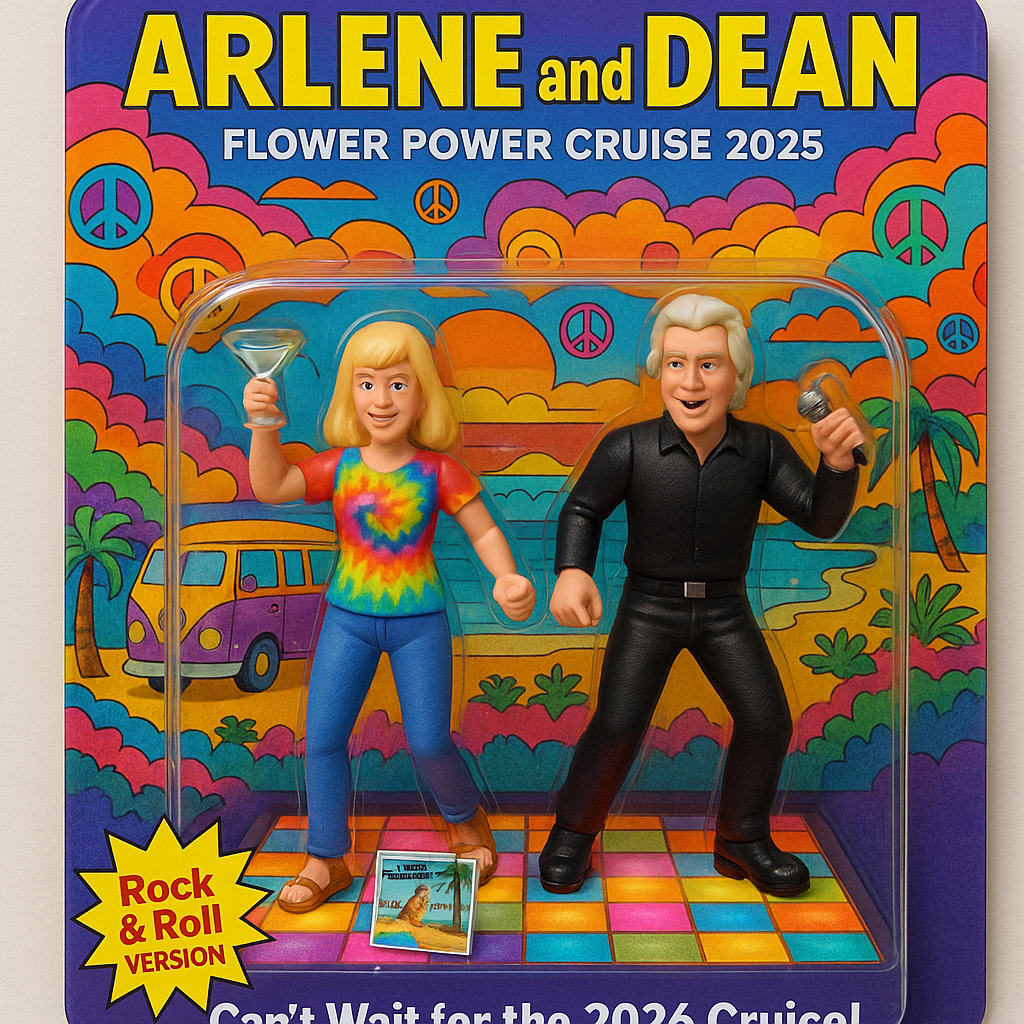
As I continue to work on projects—such as the upcoming two-pack featuring Arlene and Dean Torrence—I find that the goal is not to eliminate the AI’s "weirdness," but to curate it. The small errors, the slightly weathered cowboy hats, and the "space alien money" are what give these digital creations their soul.
Conclusion: Staying Tuned
The journey of the 2025 Flower Power Cruise action figures is far from over. As I continue to refine my prompting techniques and the AI models themselves become more stable, the possibilities for memorializing friends, family, and iconic moments continue to grow.
Whether it is capturing a grandchild’s smile, celebrating a colleague’s humor, or honoring a rock-and-roll legend, these figures serve as a bridge between the physical world we inhabit and the limitless digital potential of the future. I am currently in the process of cataloging and refining more figures from the cruise, and I invite you to stay tuned for further updates. In the world of AI, the only limit is the clarity of your prompt—and perhaps, your tolerance for a few rogue Groovy Bears along the way.
