
The Great Rewiring: How AI Agents Are Forcing a Paradigm Shift in Marketing
As the marketing landscape approaches 2026, the industry stands on the precipice of its most significant transformation since the dawn of the commercial internet. The rise of "agentic" artificial intelligence is no longer a theoretical exercise in silicon valley labs; it is a pragmatic, operational reality. According to forthcoming research from the Martech for 2026 study, over 90% of sophisticated marketing organizations are already integrating AI agents into their operational stacks.
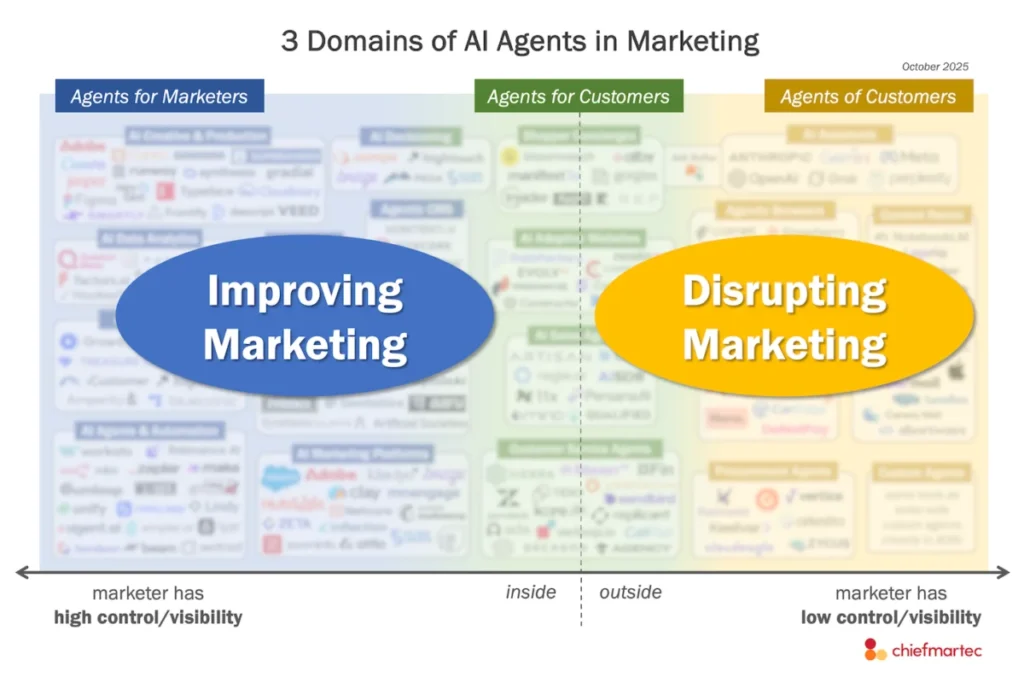
However, the true story of 2026 isn’t just about efficiency—it is about a fundamental shift in power. While marketers have spent the last year deploying agents to optimize their own internal workflows, a more disruptive force is emerging on the "buyer-side." The tools consumers and B2B buyers use to navigate the web are evolving from static search engines into autonomous agents that can research, compare, negotiate, and even execute transactions on the buyer’s behalf.
The Main Facts: The Rise of the Agentic Stack
The data is clear: AI agents have moved from the fringe to the foundation. In a survey of top-tier B2C and B2B brands, 90.3% of respondents confirmed they are utilizing AI agents. These are not merely chatbots or automated email responders; they are autonomous programs capable of executing multi-step workflows—brainstorming, producing content, distributing campaigns, and analyzing results with minimal human intervention.
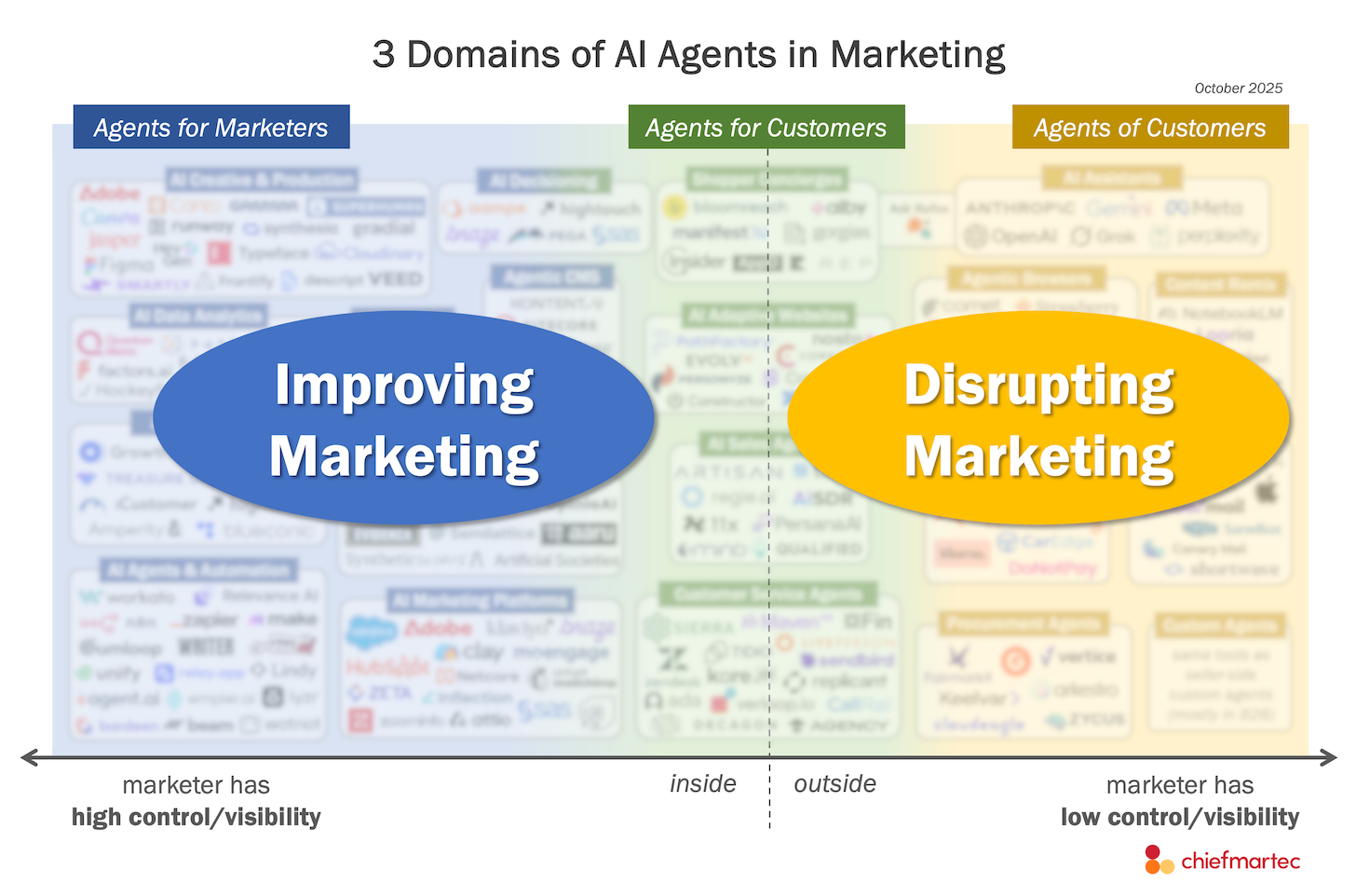
For the modern marketer, this represents a massive win in the "do more with less" mandate. By offloading repetitive, high-volume tasks to agents, marketing teams are seeing significant gains in operational efficiency. Yet, beneath these incremental improvements, a structural earthquake is occurring. The traditional "marketer-controlled" journey is being dismantled, replaced by a buyer-led journey mediated by silicon-based intermediaries.
A Chronology of the Agentic Revolution
To understand how we arrived at this inflection point, we must look at the rapid evolution of the digital ecosystem:
- 2023: The Generative AI Boom. The launch of accessible Large Language Models (LLMs) like ChatGPT introduced the world to generative content. Marketers began using these tools to draft copy and simplify data analysis.
- 2024: The Era of Internal Agents. Marketing operations teams began integrating agents into their own tech stacks—CRM automation, personalized email sequencing, and data-driven ad spend optimization. The focus was firmly on "seller-side" efficiency.
- 2025: The Rise of Buyer-Side Power. Tools like Claude, Perplexity, and advanced Gemini integrations began to shift the balance. Buyers started using AI to bypass traditional SEO results, forcing the "Great Rewiring" of the buyer’s journey.
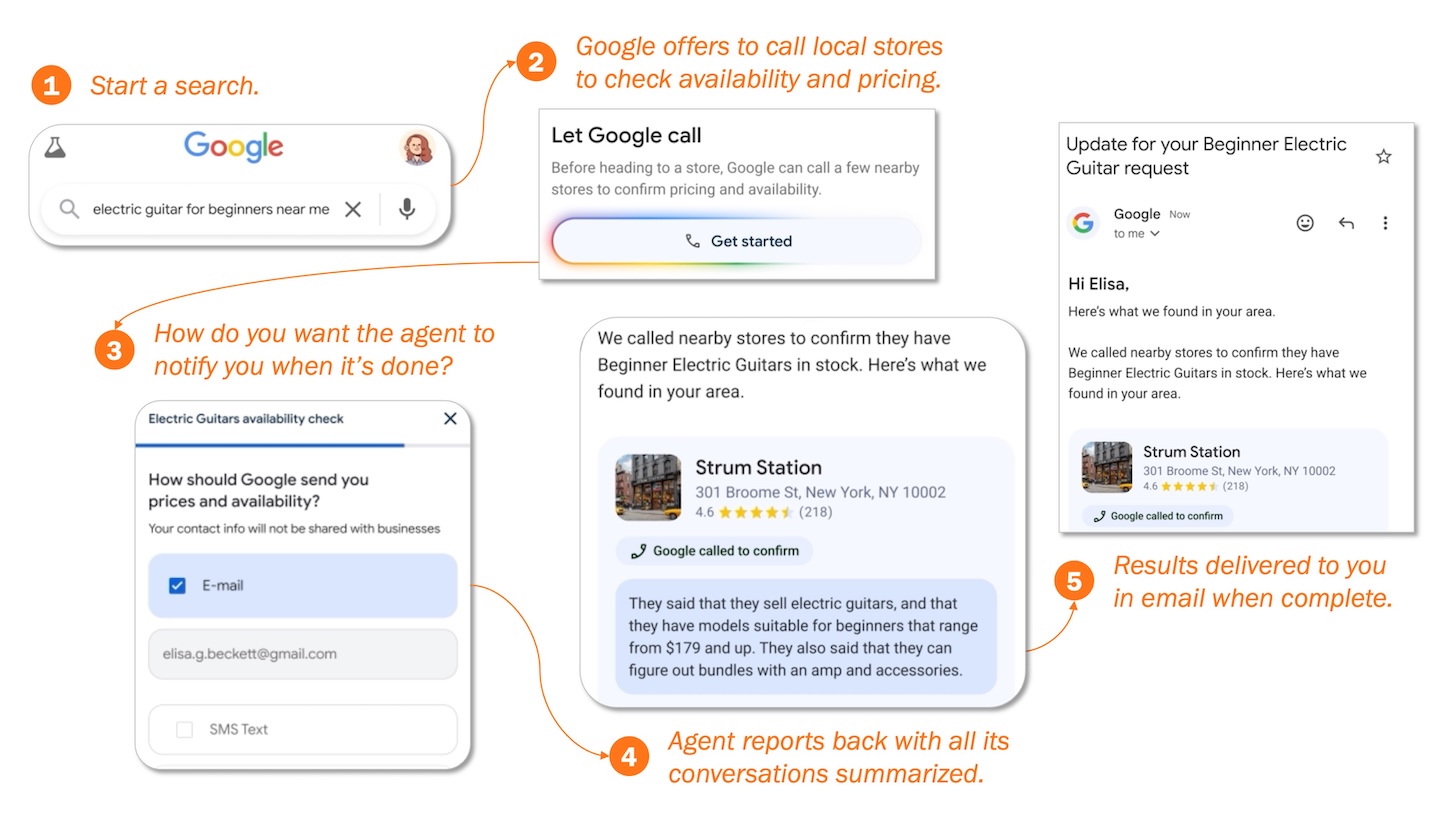
- Late 2025: The Transactional Pivot. The release of "Agentic Checkout" features by OpenAI, Walmart, and Google marked the transition from information-gathering agents to action-oriented agents. The ability to complete purchases within a chat interface or have an agent call a store to check stock signaled a new, post-website world.
Supporting Data: The Disconnect Between Awareness and Action
Despite the hype, the industry’s response to these changes has been uneven. The Martech for 2026 report highlights a critical gap between recognizing the disruption and preparing for it:

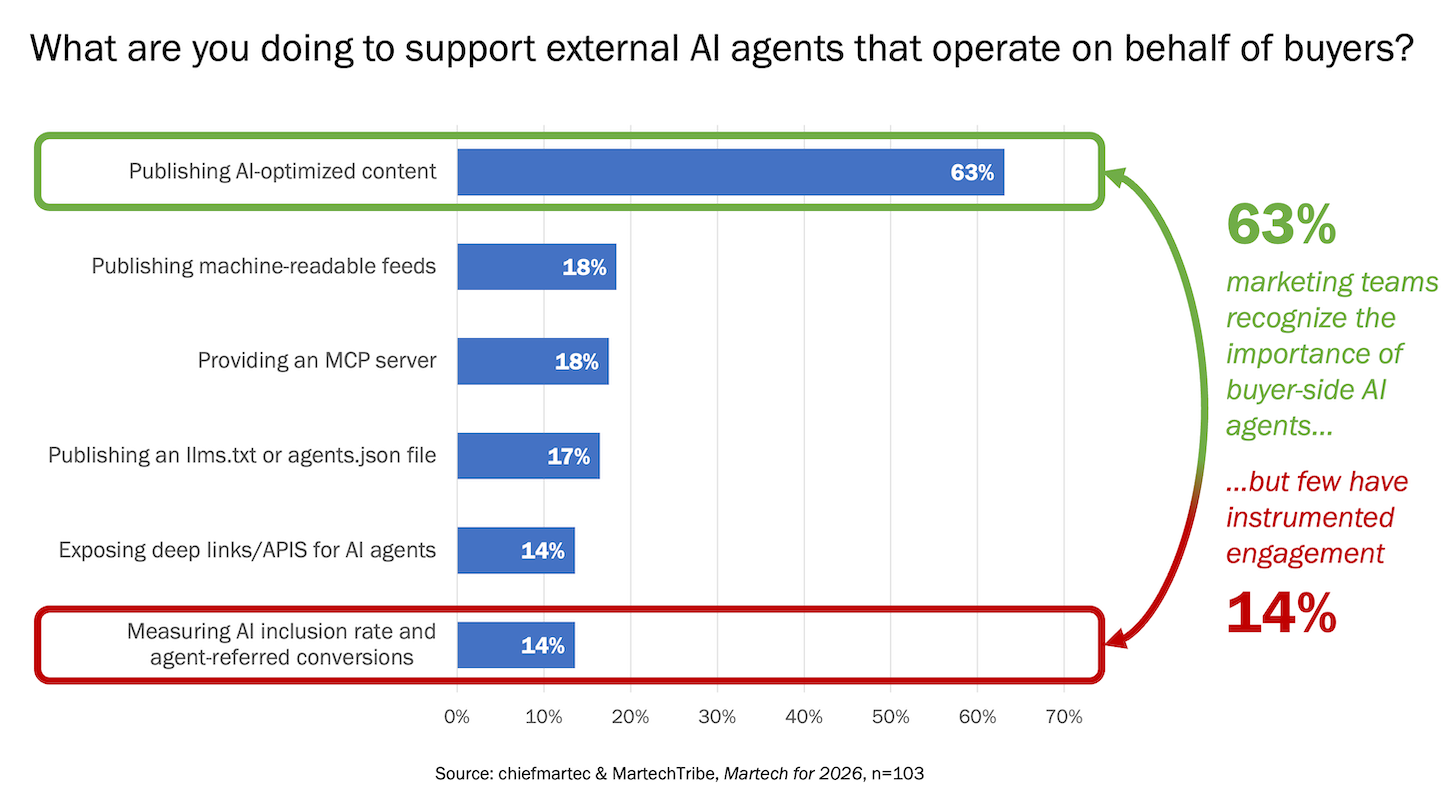
- High Recognition: 63% of marketing teams explicitly acknowledge that buyer search behavior has changed due to AI assistants.
- Low Implementation: Only 14% of these teams have effectively "instrumented" their stacks to accommodate these new AI-driven search behaviors.
This suggests that while the marketing C-suite is aware of the threat to their SEO and lead-generation playbooks, the practical, technical shift—often termed "AEO" or Answer Engine Optimization—is still in its infancy. Most companies are attempting to "chase a bullet train with a bicycle," applying legacy tactics to a new, machine-mediated environment.
Official Perspectives: Efficiency vs. Effectiveness
The narrative surrounding AI in marketing is often framed as a battle for efficiency. Executives love the idea of scaling production without scaling headcount. However, the most successful firms are moving beyond simple efficiency.
"The goal of AI agents in marketing isn’t just to produce more content; it’s to make marketing more effective," notes the research team behind the upcoming report. When AI agents on the buyer side—such as a personal assistant checking product pricing—interact with AI agents on the seller side, the entire value proposition of a website or a landing page changes.
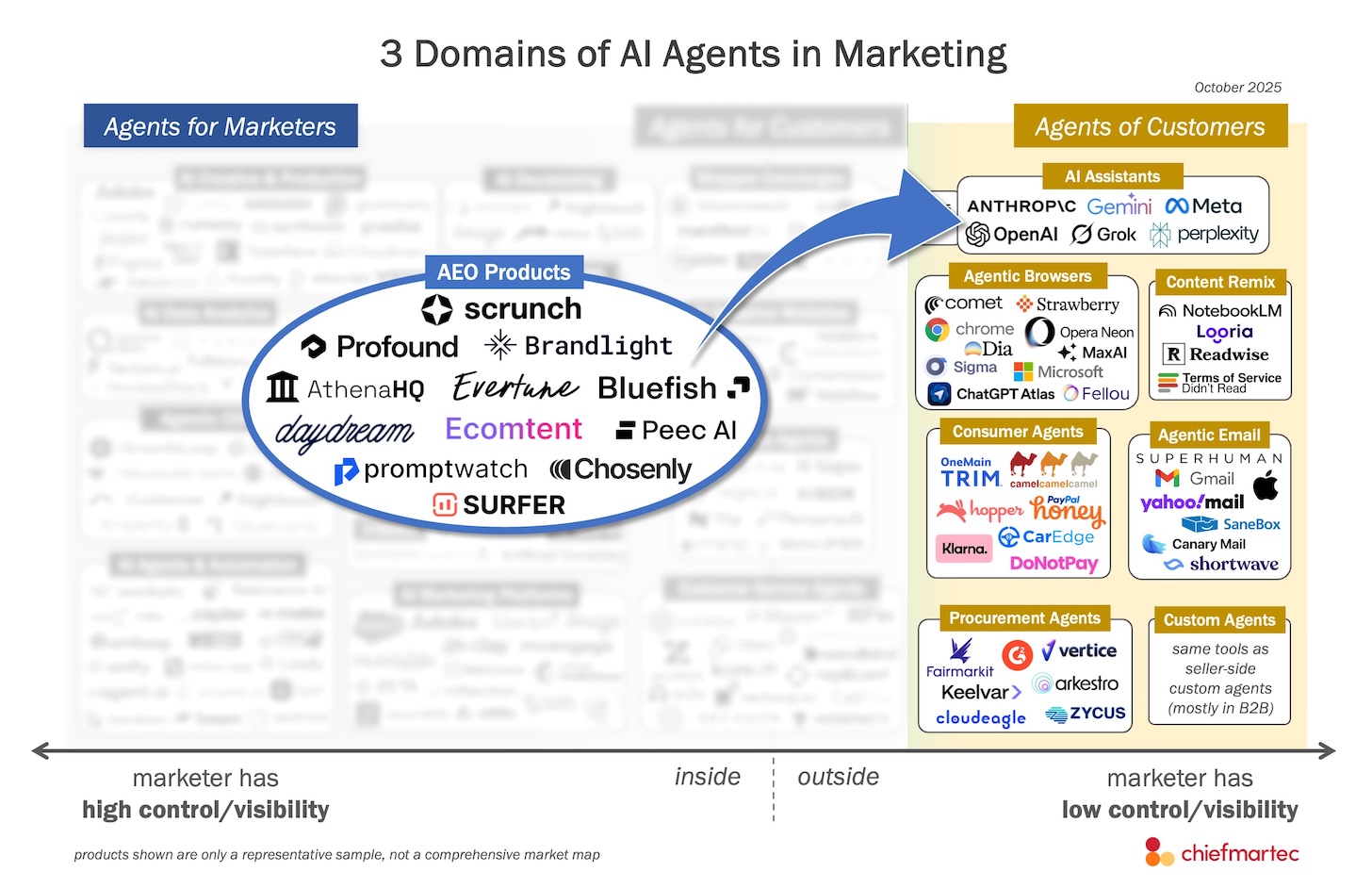
The irony of this evolution is palpable. For months, B2B companies have been obsessed with deploying "Outbound AI SDRs"—bots designed to cold-call and email prospects, often to the annoyance of the recipient. Now, the table is turning. The buyer, empowered by their own personal AI agent, is starting to offload the burden of being "sold to." If a buyer’s agent is tasked with finding the best price for a B2B software license, it may call, email, or interface with a vendor’s system directly. The age of the human-to-human cold call is facing a sunset, replaced by a high-velocity exchange of machine-to-machine data.
Implications for the Future: Marketing to the Machine
The most pressing implication of this trend is the total obsolescence of current SEO playbooks. For 25 years, marketers have optimized for human eyes scanning Google results. In 2026, they must learn to optimize for machine "eyes"—the LLMs and agents that summarize, synthesize, and filter information before a human ever sees it.
1. The Death of the "Click"
If an AI agent can execute a purchase, compare features, and check stock, the traditional "click-through rate" (CTR) to a website becomes a secondary metric. Marketers must now ensure their brand information is "ingestible" and "verifiable" by AI agents. This means structured data, API-first content delivery, and ensuring that brand identity remains intact even when presented through a third-party AI interface.
2. From Search to Synthesis
The transition from search engines (which provide a list of links) to answer engines (which provide a single, synthesized response) means that brand authority is more important than ever. If a user asks their AI, "Which CRM should I use?" and the AI relies on a brand’s verified, high-quality data to make that recommendation, the brand wins. If the brand is opaque, the AI will likely ignore it.
3. Agent-to-Agent Negotiation
We are approaching an era of "Agentic Commerce." We will soon see scenarios where a company’s sales agent and a consumer’s buying agent negotiate terms, availability, and delivery within a closed, machine-readable loop. Companies that refuse to open their systems to these agents will find themselves locked out of the new, automated buyer journey.
Conclusion: The Path Forward
The "Great Rewiring" is not a temporary trend; it is the new baseline for commerce. As we move into 2026, the question for every marketing leader is no longer, "How do we use AI to work faster?" but rather, "How do we make our brand discoverable, trustworthy, and actionable to the AI agents that are now controlling the buyer’s journey?"
The upcoming Martech for 2026 report and webinar provide a roadmap for this transition. By moving away from the outdated, manual-heavy strategies of the past and embracing an architecture that supports machine-mediated interaction, brands can survive—and thrive—in this new, agentic world.
For those looking to gain a competitive edge, the full findings and strategic frameworks will be unveiled on December 2. The transition to the agent-first era is underway; the only question is whether your team will be among the 14% that is ready, or the 86% that is still trying to catch up.
About the Report: The Martech for 2026 study is an exhaustive look at the state of marketing technology, featuring insights from thousands of industry professionals. It is made possible by the support of industry partners including GrowthLoop, Hightouch, Intuit Mailchimp, MetaRouter, Progress, SAS, and Treasure Data. Attendees can register for the live event and access the full 100+ page report at no cost.
