
The 2026 Guide to Social Media Collaboration: Streamlining Workflows in the Age of AI
In the high-velocity world of 2026 digital marketing, the days of a lone "social media manager" operating in a vacuum are long gone. As content volumes skyrocket and consumer expectations for real-time engagement hit an all-time high, the bottleneck for most organizations is no longer the creative process—it is the coordination process.
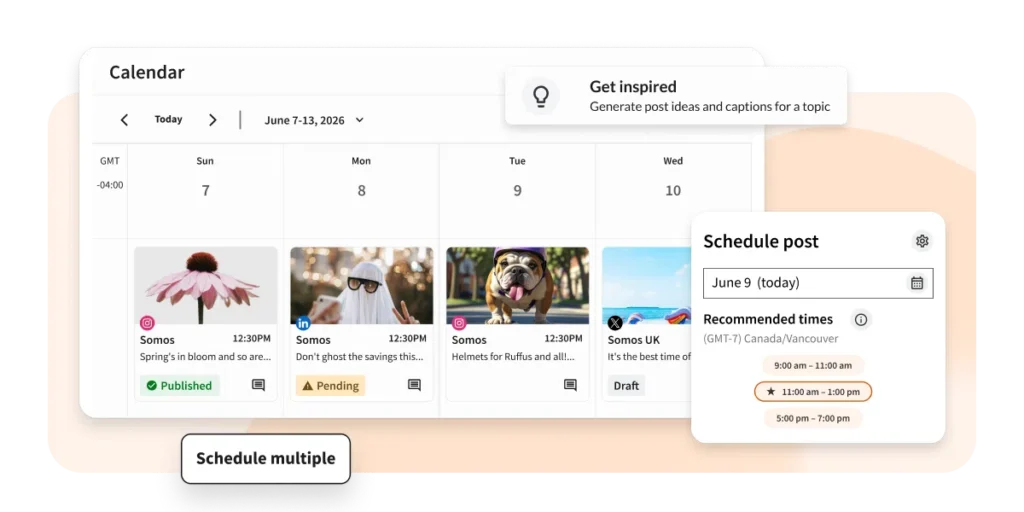
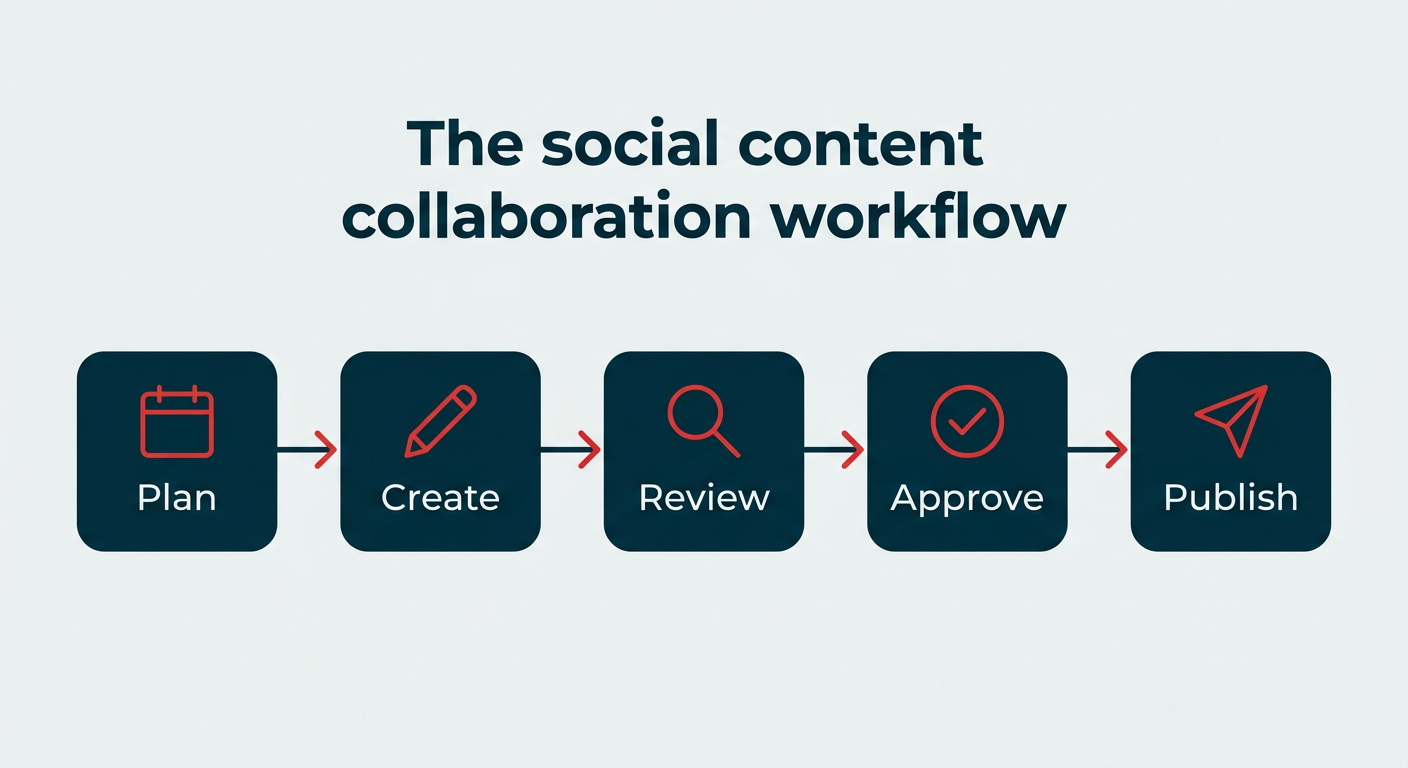
A social media collaboration tool is no longer just a luxury; it is the central nervous system of any modern marketing department. These platforms serve as unified workspaces where teams can plan, create, review, approve, and publish content while maintaining strict governance. As Gartner recently noted, the industry has shifted to treat social media management and social listening as a singular, strategic market. Today, the most effective tools layer AI-assisted drafting and automated routing on top of traditional workflows, making audit trails and security as vital as the ability to schedule a post.

The Evolution of the Social Workflow: Why Visibility Matters
The primary driver for the adoption of sophisticated collaboration software is simple: work is scaling faster than headcount. When your organization manages multiple channels, global time zones, and cross-functional stakeholders—including legal, product, and creative—the manual "who approved this?" moments become a liability.
The challenges facing modern teams are rarely about a lack of effort or creativity. Instead, they are about visibility. When strategy, drafts, and feedback are fragmented across email chains, Slack channels, and spreadsheets, context is lost. This fragmentation creates "dark" workflows where deadlines are missed, compliance risks go unmanaged, and brand consistency suffers.

Chronology: From Scheduling to Strategic Orchestration
To understand the current state of the market, we must look at how we arrived here.
- The Early 2010s: The "Scheduling Era." Teams prioritized tools that could simply post content at specific times across multiple networks.
- The Late 2010s: The "Engagement Era." The focus shifted toward unified inboxes to manage customer service inquiries as they became a core component of social presence.
- The Early 2020s: The "Governance Era." As social media became a primary brand voice, the need for enterprise-grade security, role-based permissions, and multi-step approval flows became non-negotiable.
- 2026 and Beyond: The "AI-Orchestrated Era." Today, the focus has shifted to intelligence. Advanced platforms now use AI to draft content, predict performance, and automatically route tasks to the appropriate stakeholders, effectively managing the "human-in-the-loop" necessity for AI-generated output.
Supporting Data: The Cost of Disconnected Systems
Research into social media trends shows that organizations utilizing integrated collaboration tools see a measurable increase in content output without a corresponding increase in burnout.
Key metrics for evaluating these tools include:
- Approval Velocity: The time elapsed from content ideation to the "publish" command.
- Audit Accuracy: The ability to trace every piece of content back to the original sign-off and policy check.
- Cross-Functional Accessibility: The degree to which non-marketing stakeholders (like Legal or Sales) can participate in the workflow without needing a seat on the core social platform.
When these metrics are optimized, teams report a significant reduction in "re-work," where content has to be revised or deleted post-publication due to a lack of initial alignment.
Leading Platforms: A Comparative Overview
1. Hootsuite (The All-in-One Social Operating System)
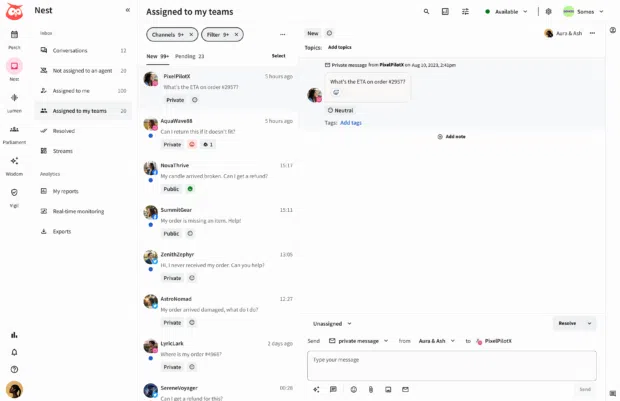
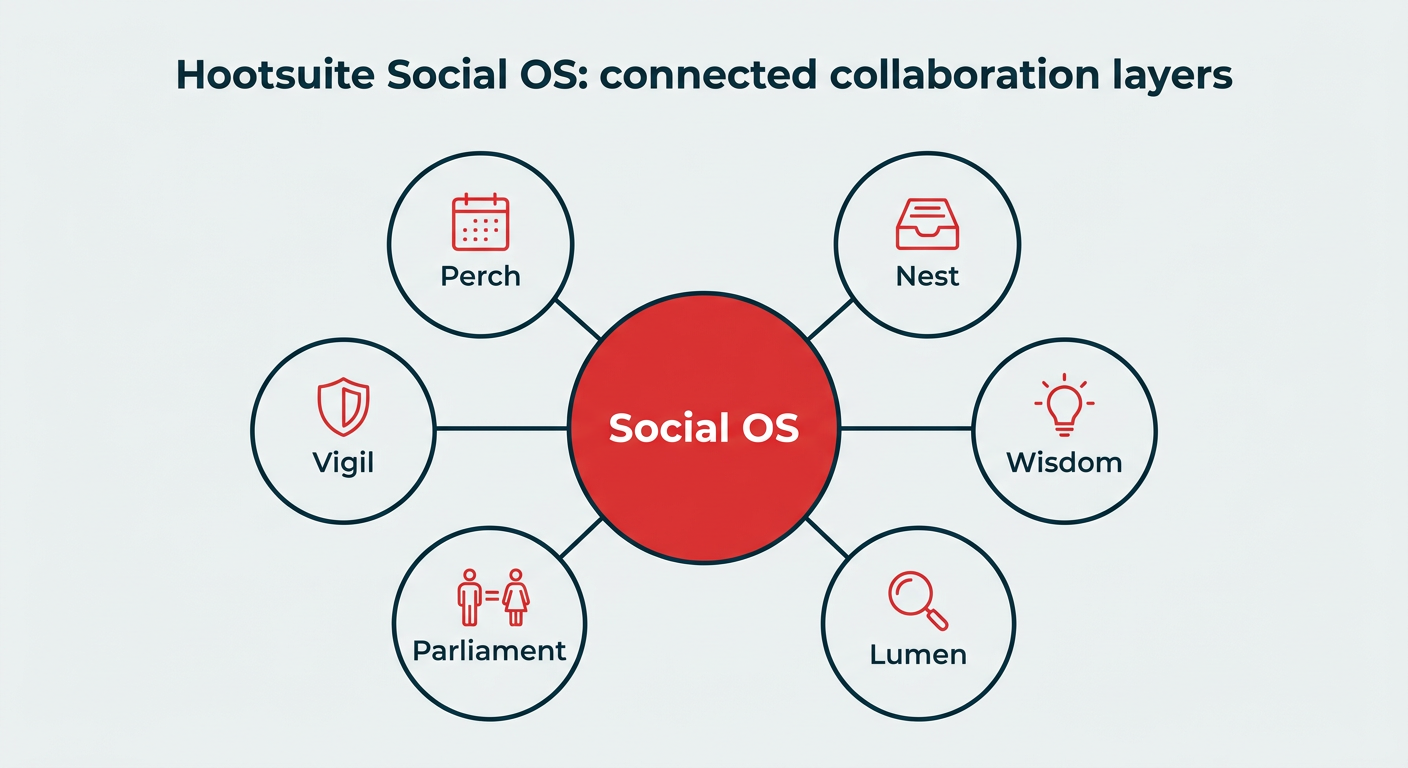
Hootsuite remains the industry standard for organizations needing to bridge the gap between creative execution and corporate governance. With its Social OS architecture, it connects planning (Perch), engagement (Nest), and AI intelligence (Wisdom) into one interface.
- Implication: It is specifically designed for mid-size to enterprise teams that require a "source of truth" for all social activity. Its ability to integrate with Zendesk and Dropbox ensures that social data is not trapped in a silo but shared across the entire enterprise stack.
2. Sprout Social
Sprout is highly regarded for its analytical prowess. For teams that live and die by the report, its depth of data visualization and reporting is its strongest selling point.
- Implication: If your primary challenge is proving ROI to stakeholders or executive leadership, Sprout’s robust reporting modules provide the necessary evidence to secure budget and strategy buy-in.
3. Agorapulse
Agorapulse has carved a niche for itself as the "Goldilocks" solution for small-to-mid-sized agencies. Its interface is intuitive, and its shared inbox/calendar functionality is exceptionally responsive.
- Implication: For teams that want to avoid the "bloat" of enterprise software while still maintaining a professional level of collaboration, Agorapulse offers the best balance of usability and power.
4. Specialized Tools (Planable, Loomly, Trello, and More)
- Planable: Ideal for visual-heavy teams (like Instagram-first brands) where the "look and feel" of the grid is the primary approval driver.
- Trello/Monday.com/ClickUp: These are generalist project management tools. While they lack native social publishing, they are excellent for the "pre-social" phase—tracking creative requests and campaign brainstorming.
Strategic Implications for 2026
As we move deeper into 2026, the implication for social media managers is clear: Governance is the new growth.
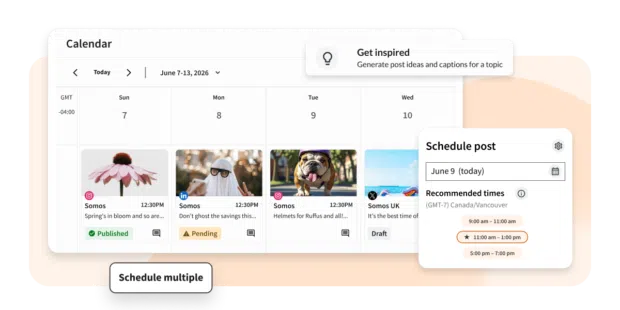
The ability to move fast is irrelevant if your team is moving in the wrong direction or violating compliance protocols. The most successful teams are those that view their collaboration tool not as a "posting app," but as a governance engine. This involves:
- Automated Policy Controls: Using tools like Vigil (in Hootsuite) to ensure that every post, even those drafted by AI, passes through a compliance filter.
- Unified Data Layers: Moving away from separate tools for reporting and planning. When your performance data is visible within the same workspace as your content calendar, the team can pivot strategies in real-time based on actual engagement rather than gut feeling.
- Institutional Memory: By centralizing comments and revisions, you build a repository of "what worked" and "why," preventing the team from repeating past mistakes.
Best Practices for Maintaining Workflow Integrity
Even the most expensive tool will fail if the internal culture does not support it. To ensure your collaboration strategy remains effective, consider these five habits:
- Define Roles Clearly: Every person in the workflow must have a defined role (Creator, Reviewer, Approver, Publisher). Ambiguity in roles is the single largest cause of bottlenecking.
- Centralize Feedback: Force a policy where feedback given outside the platform (like a casual DM or verbal comment) is not valid. All feedback must be documented within the tool to maintain an audit trail.
- Leverage Templates: Standardize your content structures. Using pre-approved templates for common post types reduces the cognitive load on the creative team and speeds up the approval process.
- Prioritize "Governance by Design": Do not treat compliance as an afterthought. Build approval steps for legal and brand review directly into the default publishing sequence.
- Audit the Stack: Every six months, evaluate if the tools in your stack are still reducing friction or adding to it. If a tool requires more time to manage than it saves, it is time to cut it loose.
Final Verdict
The landscape of social media collaboration is shifting from simple utility to strategic necessity. Whether your team is a small, agile agency or a massive global enterprise, the goal remains the same: to create a seamless, transparent, and compliant workflow that empowers the team to focus on high-impact strategy rather than manual coordination.
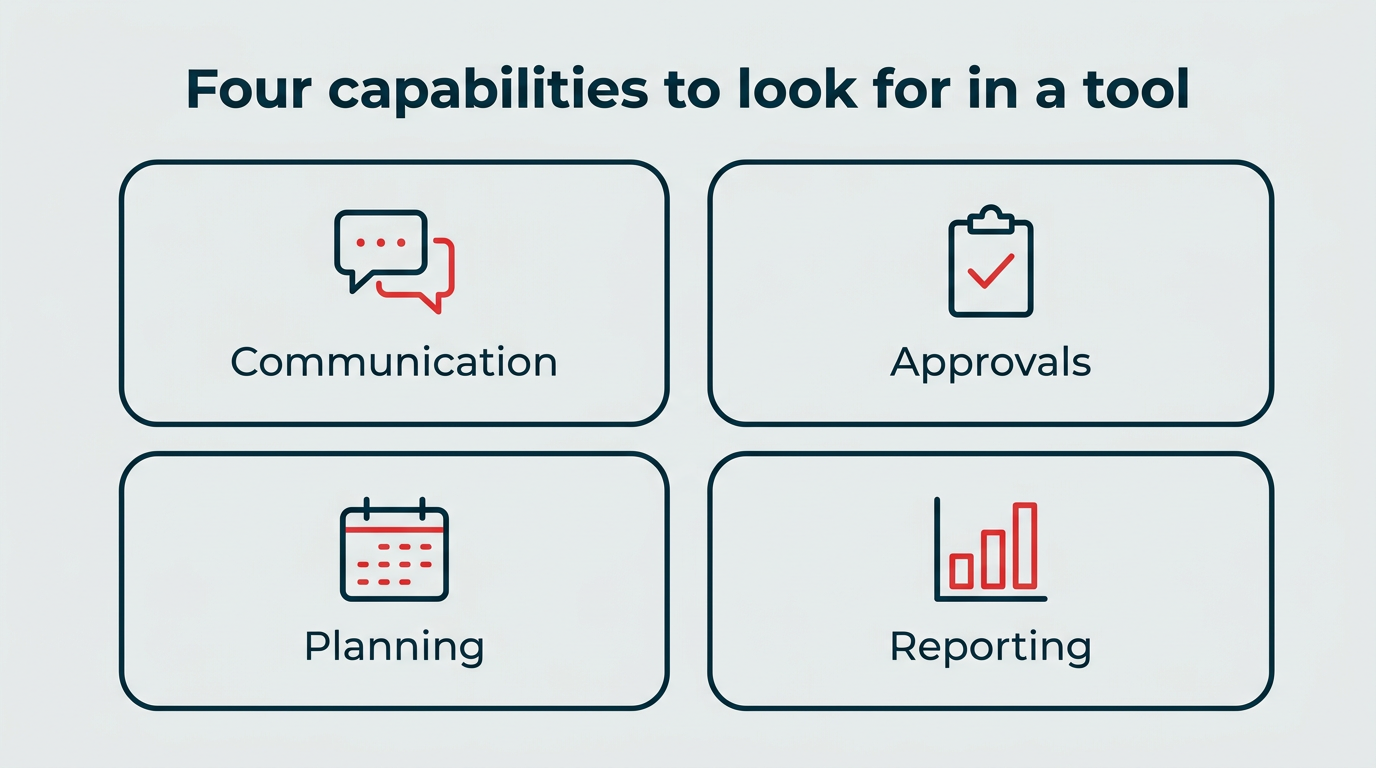
Start your search by identifying where your current workflow breaks down. If the issue is communication, focus on platforms with strong internal commenting. If the issue is volume and risk, focus on platforms with robust governance and multi-step approval routing. By aligning your technology with your specific pain points, you transform your social media function from a tactical task into a competitive advantage.
