
Navigating the E-Commerce Landscape: The Ultimate Guide to Zendrop Alternatives for 2026
Main Facts: Shifting Paradigms in Dropshipping Software
The global dropshipping market continues to evolve at a relentless pace, driven by shifting platform economics, rising fulfillment expectations, and merchants constantly seeking to optimize their bottom lines. Zendrop has long maintained a strong foothold as a premier fulfillment network, praised for its reliable domestic shipping and automated workflows. However, with its Pro tier starting at $49/month and Plus subscriptions scaling up to $79/month (or $549 annually), a growing number of digital entrepreneurs are actively evaluating alternative solutions to reduce overhead costs, expand multi-channel capabilities, or access localized private-label manufacturing.
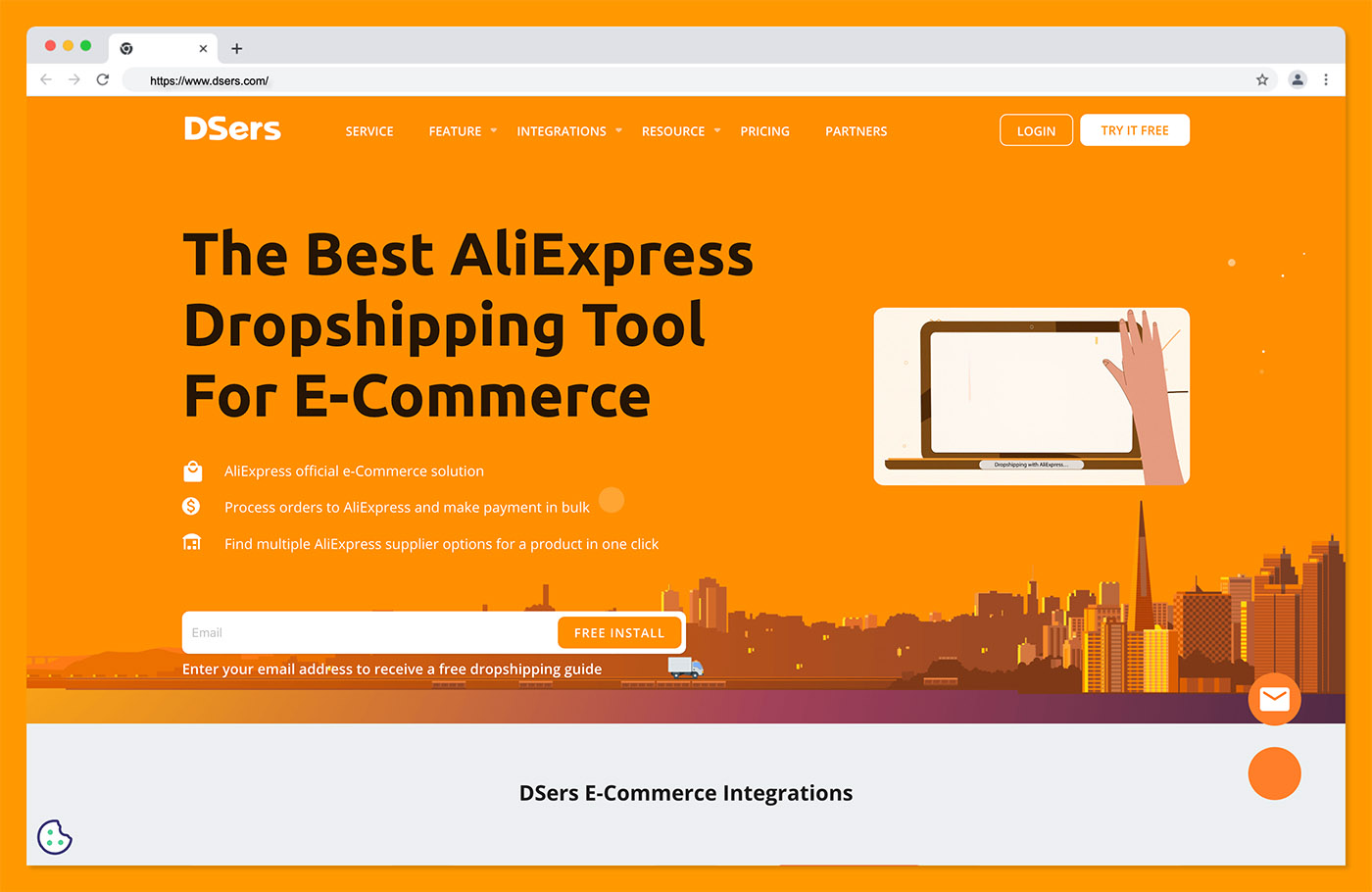
Based on comprehensive and independent testing of eight leading dropshipping applications conducted across live Shopify test environments, DSers has emerged as the best overall Zendrop alternative for 2026. Offering a robust free plan that supports up to three stores and 3,000 products, coupled with an official AliExpress partnership and scalable pricing tiers, DSers addresses the primary financial pain point that drives merchants away from Zendrop: high subscription overhead.
Nevertheless, finding the right replacement requires a granular understanding of individual business models. While DSers excels in cost reduction and bulk ordering via AliExpress, alternatives like AutoDS, CJ Dropshipping, Spocket, and Syncee cater to specialized operational needs—ranging from multi-channel marketplace automation to rapid domestic sourcing and custom white-label packaging.
Chronology: The Evolution of Dropshipping Tech and the Rise of Alternatives
The dropshipping industry has transitioned through distinct phases over the past decade, moving from crude, manual CSV-file ordering to sophisticated, API-driven automated ecosystems.
- The Early Era: Dropshippers relied almost exclusively on Oberlo and raw AliExpress suppliers, accepting long shipping times (often 20 to 30 days) and unpredictable product quality in exchange for low entry barriers.
- The Rise of Curated Networks: As customer expectations tightened, platforms like Zendrop emerged to bridge the reliability gap, introducing US-based warehouses, faster 3-to-5-day shipping windows, and tighter quality control, albeit behind steeper subscription paywalls.
- The Multi-Channel & Cost-Optimization Phase (2024–2026): Platforms such as AutoDS and DSers integrated advanced automation, AI-driven supplier mapping, and expanded marketplace compatibility (TikTok Shop, Amazon, Etsy, WooCommerce). Concurrently, merchants began aggressively auditing their tech stacks, pushing platforms to offer freemium models, flexible scaling, and decentralized supplier networks to mitigate profit compression.
Supporting Data: Comparative Framework and Evaluation Metrics
At Ecommerce Platforms, app evaluations rely on a rigorous, independent testing framework. The current testing architecture weighs six core operational categories:
- Pricing and Value (25%)
- Shipping Speed and Warehouses (20%)
- Automation and Order Sync (20%)
- Branding and Private Label (15%)
- Platform Integrations (10%)
- Support and Reputation (10%)
Each app is connected directly to a Shopify test store to compare plan limits, variant mapping accuracy, and inventory synchronization settings against Zendrop benchmarks.
Zendrop Alternatives Comparison Matrix
| App | Price from | Free plan | Warehouses (US/EU) | Branding / Private Label | Supported Platforms | Best For |
|---|---|---|---|---|---|---|
| Zendrop | Pro $49/mo; Plus $79/mo | Browse only | US + China | Thank-you cards; Private Agent | Shopify, Wix, TikTok Shop, ClickFunnels | Reference Standard |
| DSers | Free; paid from $19.90/mo | 3 stores, 3,000 products | Supplier-dependent (mostly China) | None | Shopify, WooCommerce (channel limits apply) | Lower Subscription Costs |
| AutoDS | $26.90/mo | No (3-day trial) | Supplier-dependent | None | Shopify, WooCommerce, eBay, Amazon, Etsy, Wix, TikTok Shop, Facebook | Multi-Channel Automation |
| CJ Dropshipping | Free usage; pay per order | Free to use | US (LA, KY), EU | Boxes, mailers, cards (minimums apply) | Shopify | US Stock & Packaging |
| Spocket | $39.99/mo | Browse only (7-day trial) | US/EU suppliers | Branded invoicing ($59.99/mo) | Shopify, eBay (Empire plan) | US/EU Sourcing |
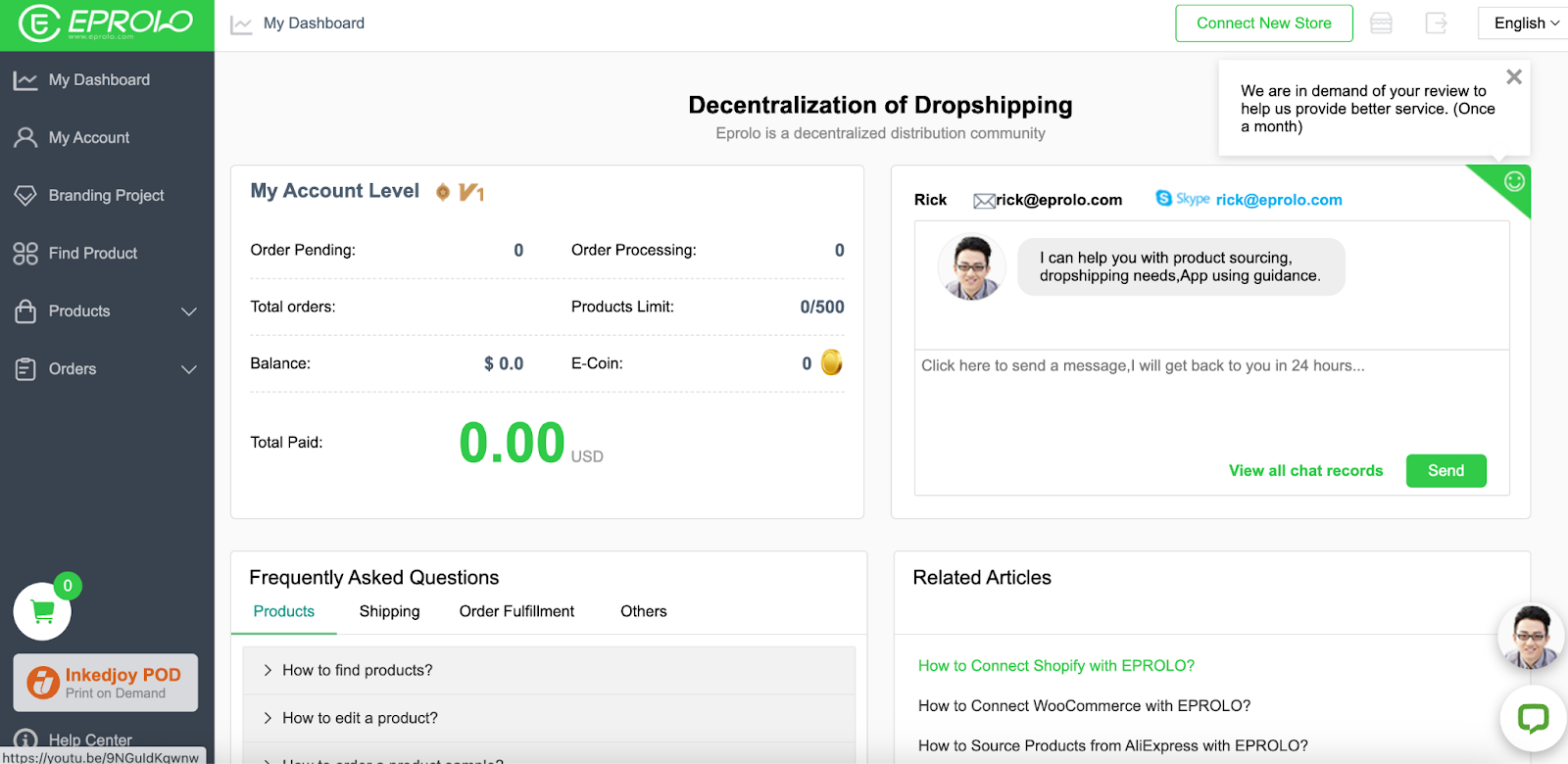
| EPROLO | Free; branding from $19.90/yr | Unlimited orders | US, UK, EU, China | Labels, hangtags, bags | Shopify | Budget Private Label |
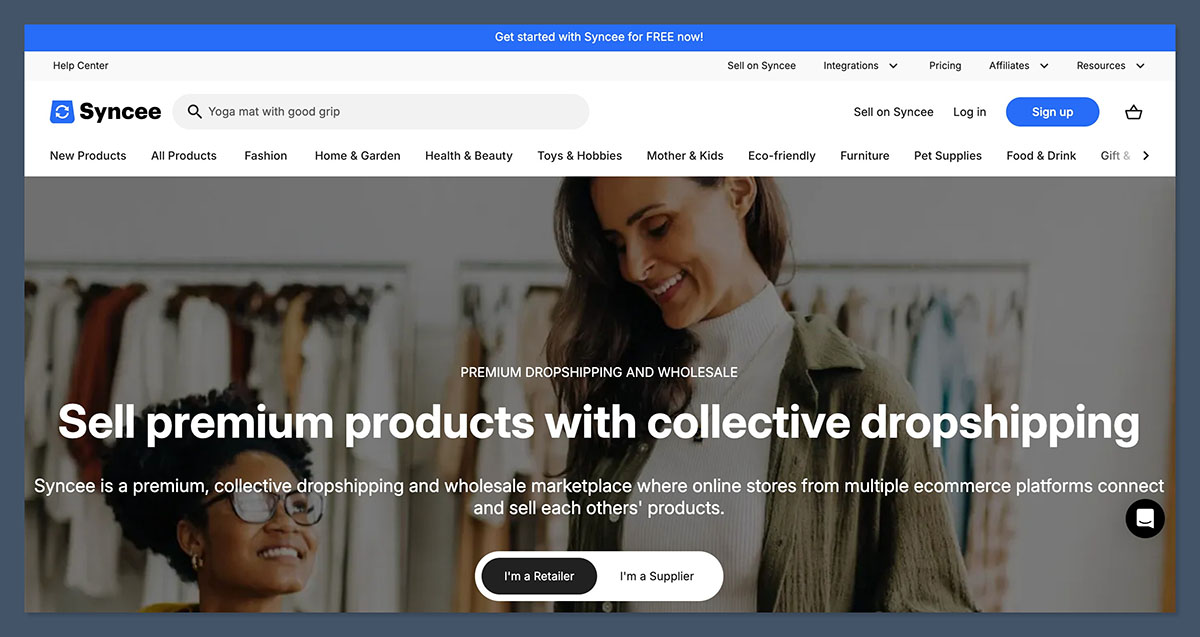
| Syncee | Free; paid from $39.99/mo | 25 imports | Supplier-dependent | Supplier-dependent | Shopify, WooCommerce, Wix, Squarespace, BigCommerce, Ecwid | Store-Builder Compatibility |
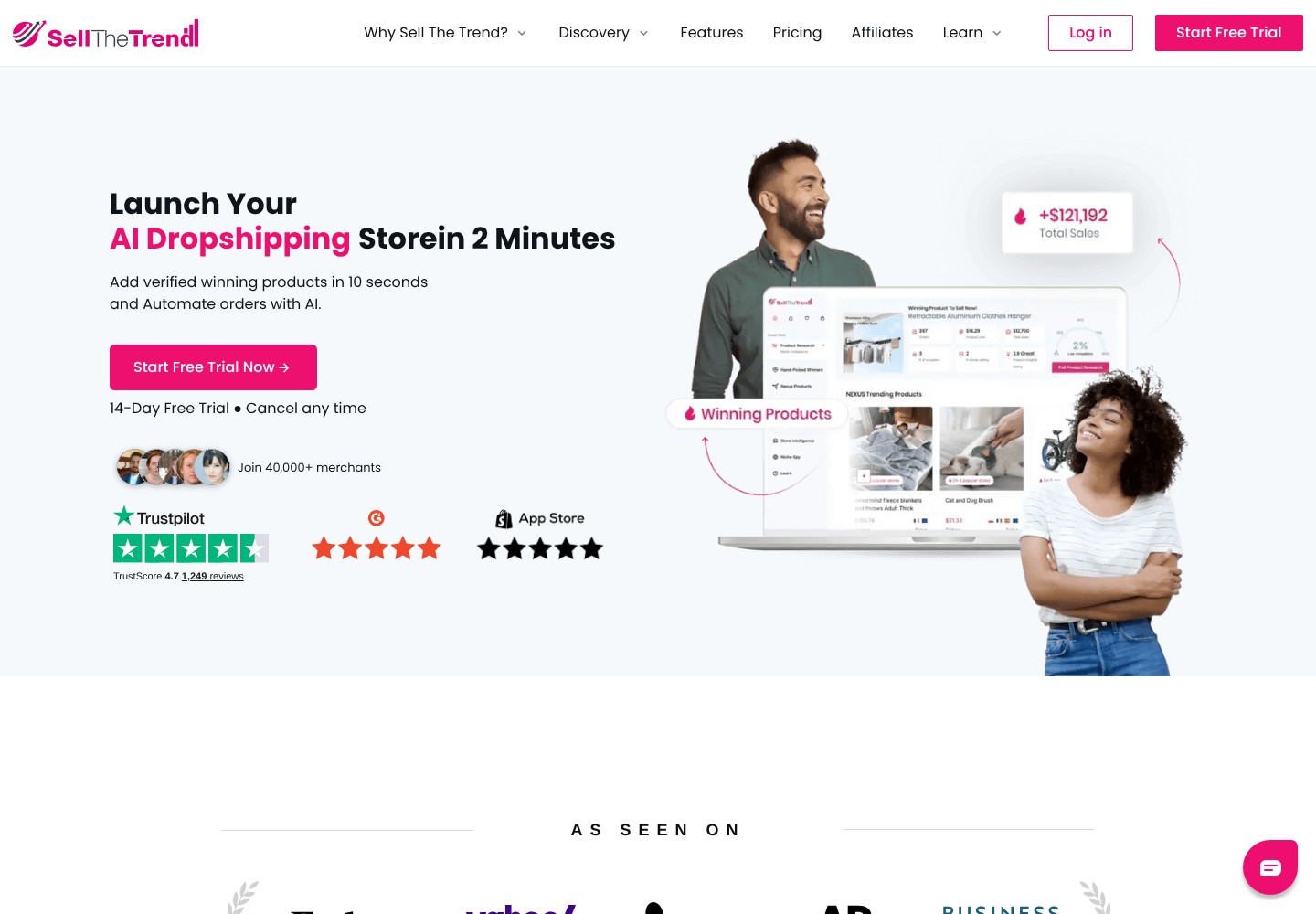
| Sell The Trend | $29.97/mo | No (14-day trial) | US shipping via suppliers | None | Shopify, WooCommerce, Wix, eBay, Amazon, TikTok Shop | Product Research |
| Printify | Free; Premium $39/mo | 5 stores | Provider-dependent | Custom designs & branding options | Shopify, Wix, WooCommerce | Own-Brand POD |
In-Depth Analysis of Top Zendrop Alternatives
1. DSers: The Best Free Zendrop Alternative
For merchants looking to eliminate hefty recurring software fees, DSers is the premier choice. Its Basic tier supports up to 3 stores, 3,000 products, and bulk AliExpress ordering completely free of charge. In contrast, Zendrop’s free tier restricts users to mere browsing.
- Pros: Generous free tier, bulk order processing, AI supplier mapping (Pro plan), and significant annual subscription savings (saving up to $948/year compared to Zendrop Plus).
- Cons: Primarily relies on AliExpress suppliers, meaning shipping times lean toward China-based timeframes rather than Zendrop’s rapid domestic delivery. Advanced stock monitoring requires upgrading past the free tier.
2. AutoDS: Best for Multi-Channel Automation
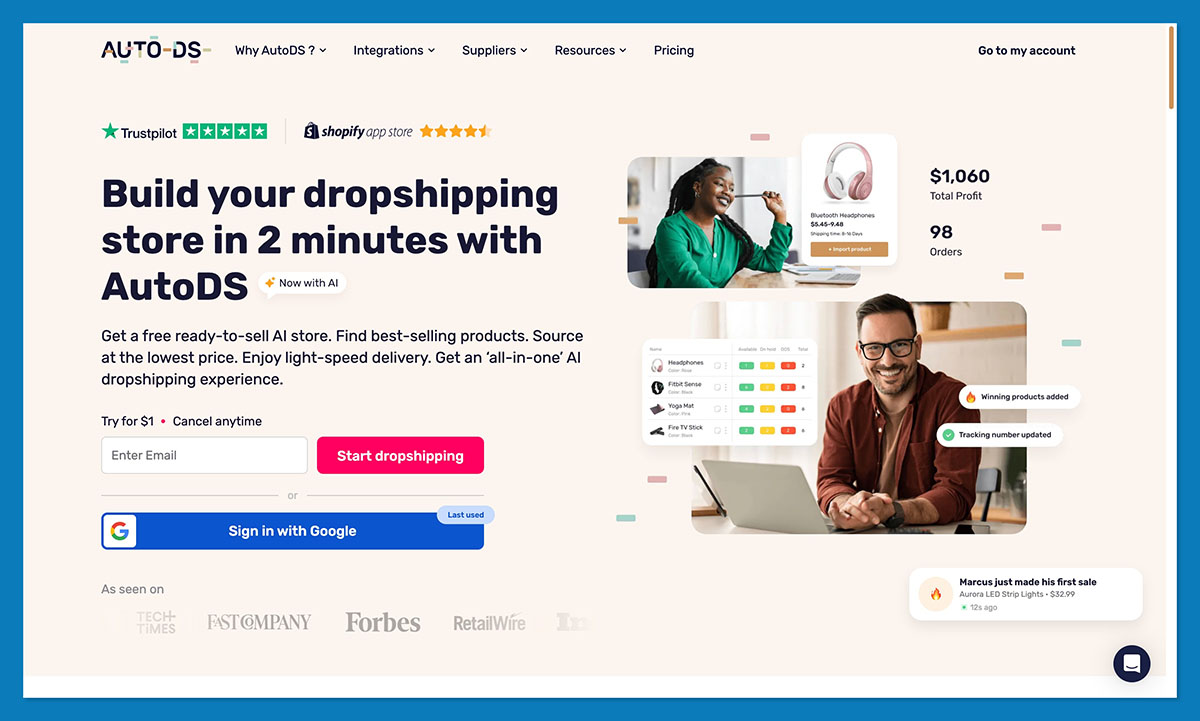
AutoDS stands out for entrepreneurs managing storefronts across multiple ecosystems. While Zendrop primarily anchors itself to Shopify, Wix, and TikTok Shop, AutoDS natively syncs price and stock monitoring across eight major sales channels, including Amazon, Etsy, eBay, and WooCommerce.
- Pros: Exceptional channel breadth, robust price/stock automation, and comprehensive product-import features.
- Cons: Higher starting price point ($26.90/mo), additional fees for auto-ordering ($9.90/mo), and strict variant-counting limits that require careful plan sizing.
3. CJ Dropshipping: Best for US Stock and Custom Packaging
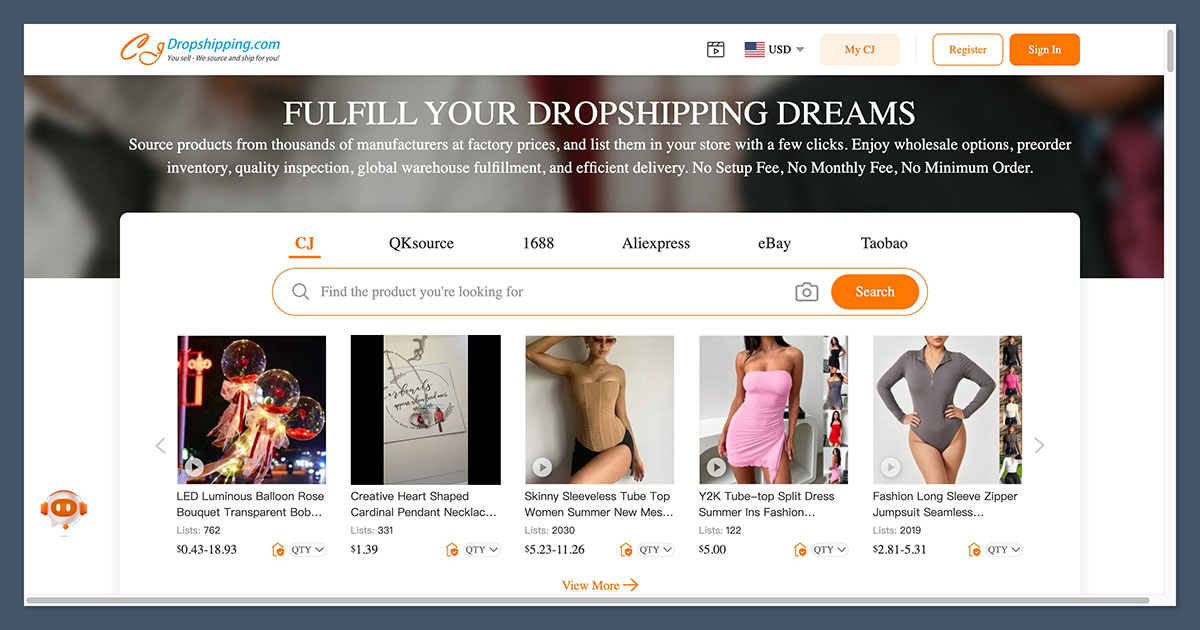
Merchants seeking domestic inventory coupled with custom white-label packaging—without navigating restrictive invitation-only agent programs—frequently turn to CJ Dropshipping. Operating on a zero-monthly-fee model, CJ allows users to source items from US warehouses (delivering in 3 to 8 days) and request branded boxes and mailers.
- Pros: No monthly platform subscription, accessible US warehousing, and direct custom packaging requests.
- Cons: Packaging minimums apply, quotes can fluctuate, and catalog variants across domestic warehouses require manual verification.
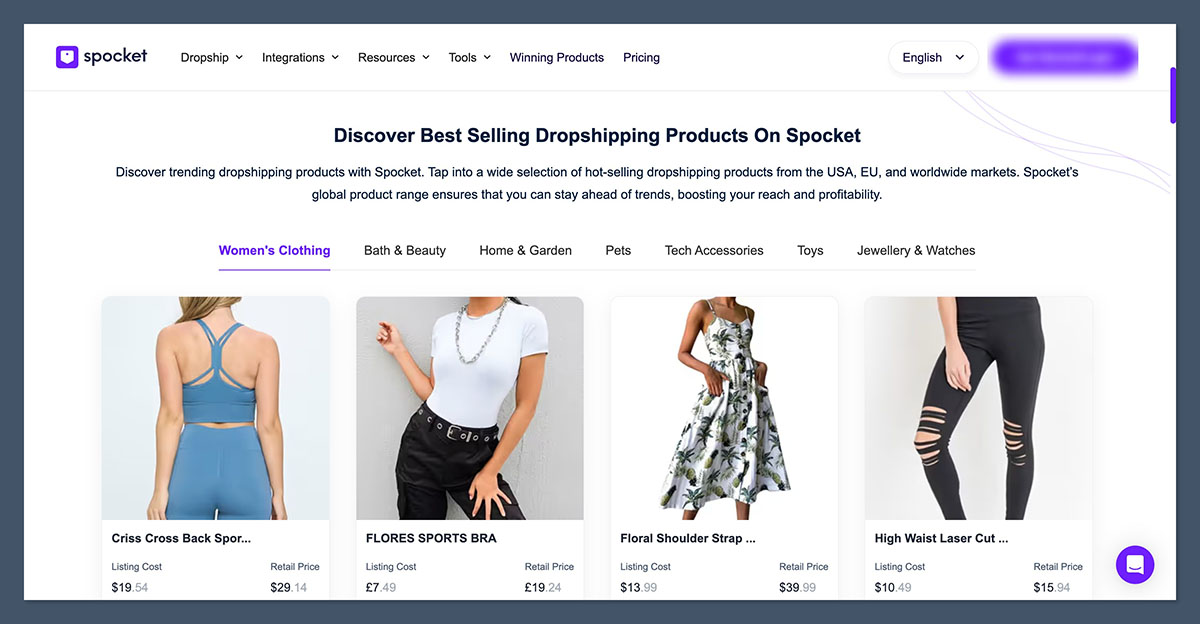
4. Spocket: Best for Sourced US and EU Suppliers
Spocket focuses heavily on localized supply chains, curating a catalog dominated by verified US and European suppliers. This significantly reduces shipping times compared to overseas vendors, with standard deliveries occurring within 4 to 7 business days.
- Pros: High-quality local suppliers, fast transit times, and professional branded invoicing features.
- Cons: Restrictive product caps on lower tiers (e.g., 25 unique products on the Starter plan) make it a more expensive proposition per item.
Official Responses and Marketplace Feedback
Industry feedback across developer and merchant forums highlights a clear divergence in user sentiment regarding these platforms. Representatives for platforms like AutoDS and DSers emphasize that modern e-commerce demands flexibility—arguing that forcing merchants into rigid, all-in-one monthly subscriptions limits their ability to scale across alternative marketplaces like TikTok Shop and Etsy.
Conversely, supporters of Zendrop and Spocket maintain that paying a premium for curated suppliers and integrated customer support protects brand reputation, reducing chargebacks and customer service overhead caused by delayed shipments or poor manufacturing quality. Furthermore, platform acquisitions—such as Fiverr’s acquisition of AutoDS in mid-2024—signal an ongoing corporate consolidation, where dropshipping tools are increasingly being bundled into broader freelance and digital marketing ecosystems.
Implications for E-Commerce Merchants in 2026
The strategic implications for online retailers switching away from Zendrop involve a delicate balancing act between software overhead and fulfillment friction.
- Financial Restructuring: Moving from a high-tier subscription app to a freemium model (such as DSers or CJ Dropshipping) can instantly reclaim hundreds or thousands of dollars in annual operating expenses. However, merchants must factor in potential hidden costs, such as manual inventory tracking, customer service hours lost to supplier errors, or higher landed product costs.
- Migration Risk Management: As noted in our technical testing, switching fulfillment providers without careful execution can disrupt live store performance. Deleting existing Shopify product pages destroys established SEO URLs and customer reviews. Successful migration requires retaining existing listings, meticulously remapping product variants and SKUs to the new supplier, and conducting trial orders before routing live customer traffic.
Final Verdict and Recommendations
The optimal Zendrop alternative depends entirely on your store’s immediate operational bottleneck:
- Choose DSers if your primary goal is slashing software subscription costs while retaining robust bulk-ordering capabilities.
- Choose AutoDS if you operate a multi-channel retail strategy across Amazon, Etsy, and eBay alongside Shopify.
- Choose CJ Dropshipping or Spocket if localized US/EU inventory and faster delivery windows are paramount to your brand promise.
Before completely abandoning an existing setup, merchants are strongly advised to run a phased migration: test a shortlisted alternative on a single product line, verify supplier reliability and landed costs, and ensure smooth backend synchronization before executing a full platform transition.
