
The Agency Paradox: Why Less is More When Building Your Tech Stack
Marketing agencies do not collapse from a lack of tools; they falter from the crushing weight of too many. In an era of "software sprawl," agencies often find themselves managing disconnected systems that slow down delivery, obscure ownership, and turn high-value strategic work into mind-numbing administrative busywork. As costs creep upward through redundant seat licenses, hidden add-ons, and overlapping features, the very tools meant to drive efficiency become the primary cause of margin erosion.
This guide explores the anatomy of a lean, agency-ready tech stack. We will dissect how to prioritize speed, maintain strict margin control, and build an infrastructure that scales with your client base rather than against it.
The Anatomy of an "Agency-Ready" Tool
For a marketing agency, a tool is only as valuable as its ability to provide control at scale. When an agency handles one or two clients, the primary question is, "Can we deliver this?" As the agency grows to ten, fifty, or one hundred clients, the risk shifts to, "Can we deliver this consistently, profitably, and without errors?"
An agency-ready tool must move beyond mere feature sets to include:
- Multi-tenant architecture: The ability to manage multiple client workspaces from a single login.
- Granular permissioning: Ensuring team members can access only what they need, protecting client privacy and preventing accidental configuration changes.
- Repeatable workflows: Features that allow for templating and cloning, reducing the "blank slate" syndrome.
- Automated reporting: Data visualization that pulls directly from APIs, eliminating the need for manual CSV exports and spreadsheet cleanup.
The Operational Logic: Organizing Your Stack
No agency should attempt to use every tool on the market. A mature, high-margin agency stack follows a specific operational pattern: one system for work management, one for communication, one for reporting, and a small, high-leverage layer of automation to glue the components together.
Below is a breakdown of essential categories, current industry standards as of December 2025, and how they contribute to operational maturity.
1. Email Marketing and Brand Governance
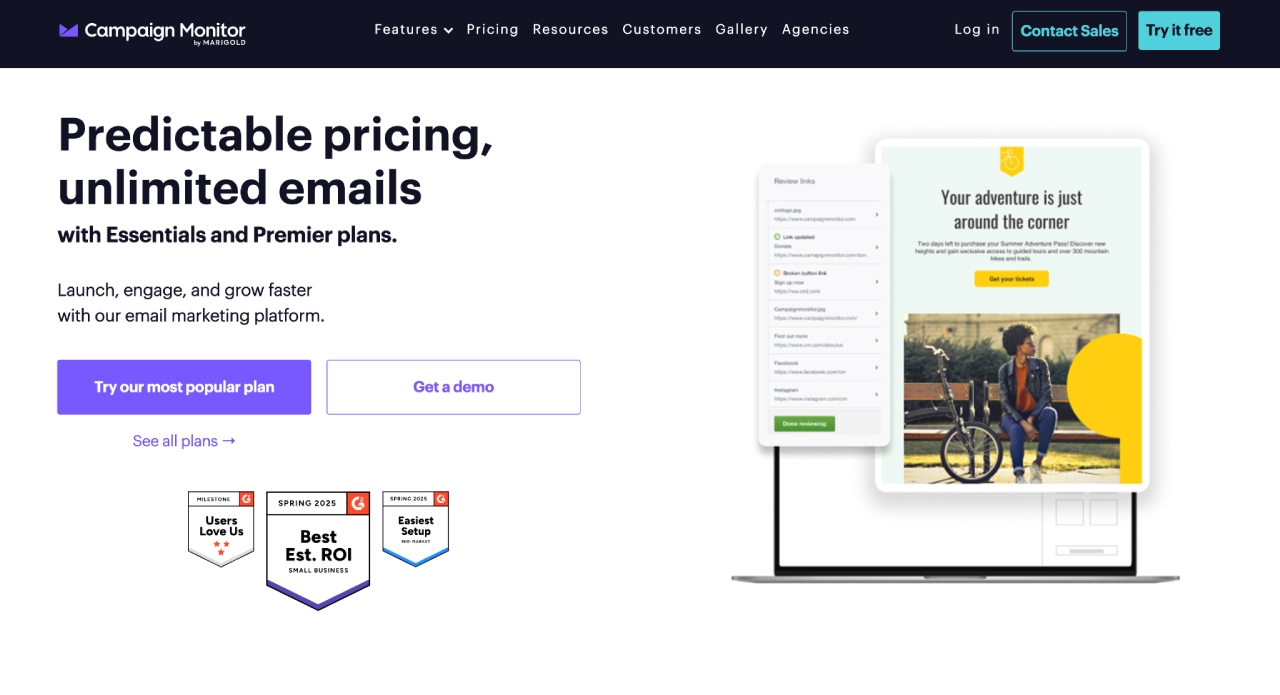
For agencies, email is a high-frequency, high-stakes deliverable. Campaign Monitor stands out as an industry benchmark for agencies because it prioritizes the multi-client experience. It allows for white-labeling, which keeps the agency’s brand front-and-center, and offers centralized billing, simplifying the financial overhead of managing forty different client accounts.
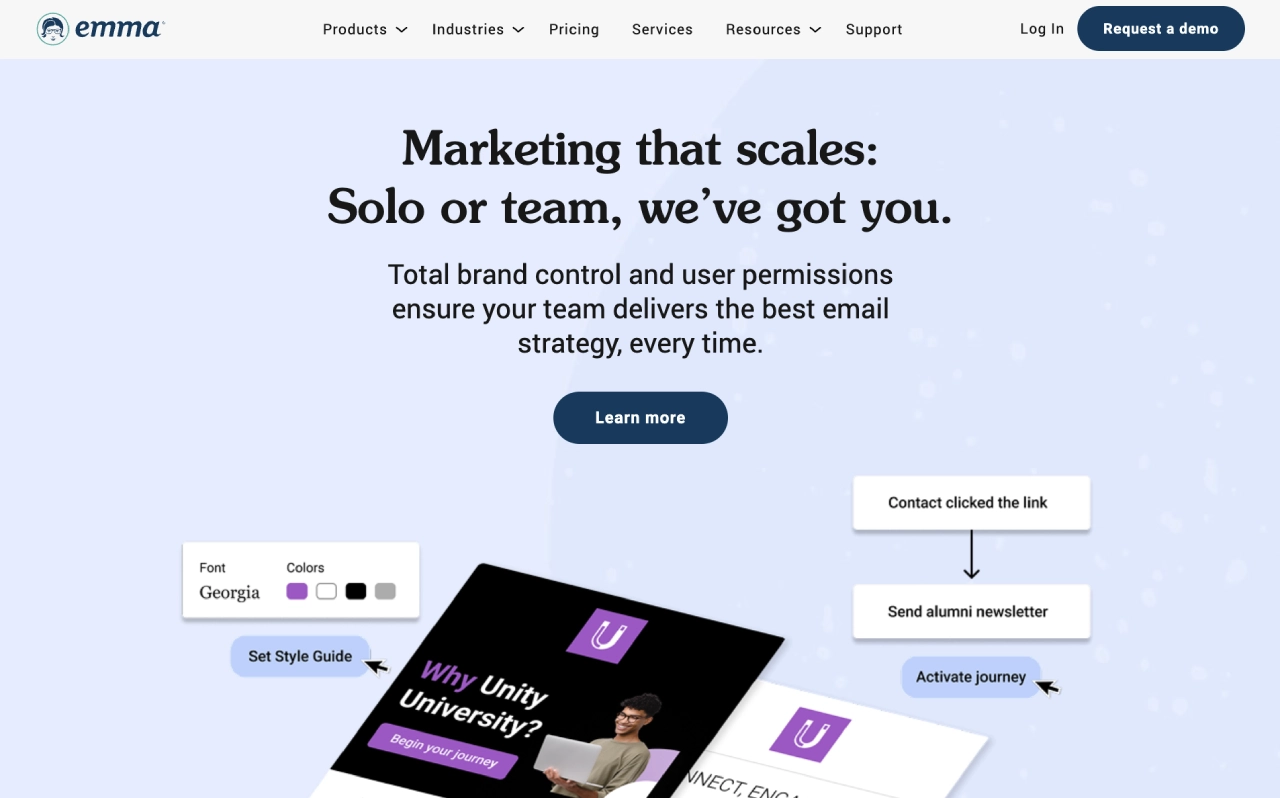
Emma serves a different, more specific market: the enterprise-level agency. If you are managing organizations with dozens of regional branches or franchises, Emma’s brand governance tools—which allow for strict approval hierarchies—are essential to ensure that a local manager doesn’t accidentally compromise the brand’s visual identity.
2. Project and Workflow Management
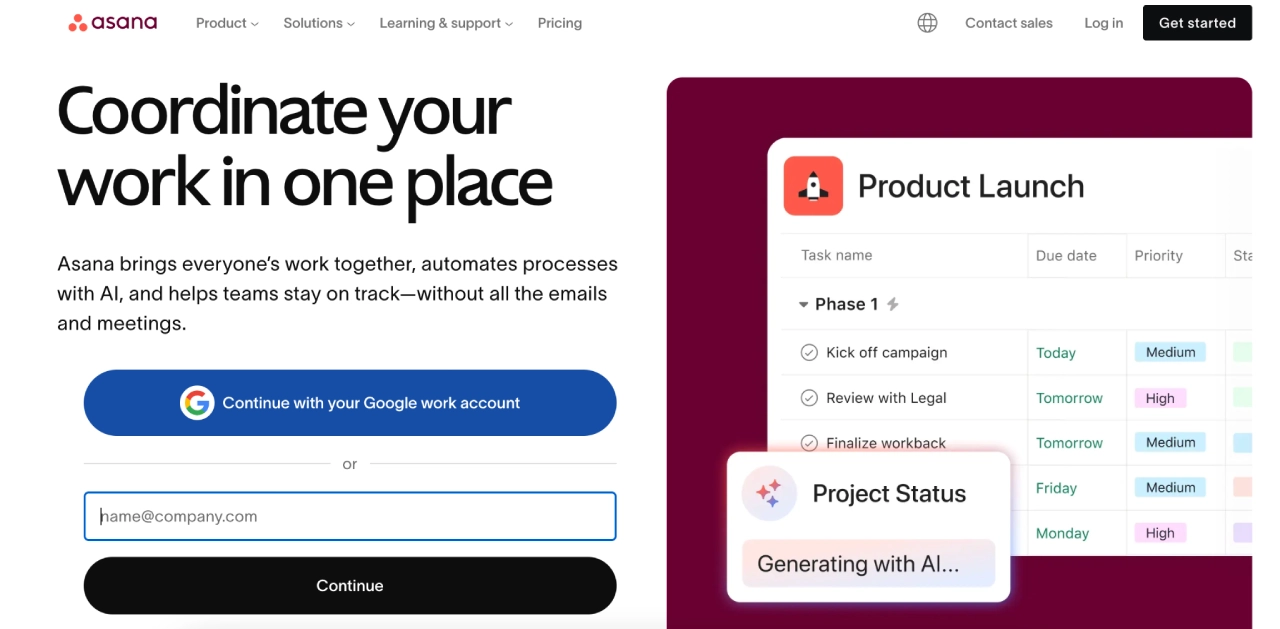
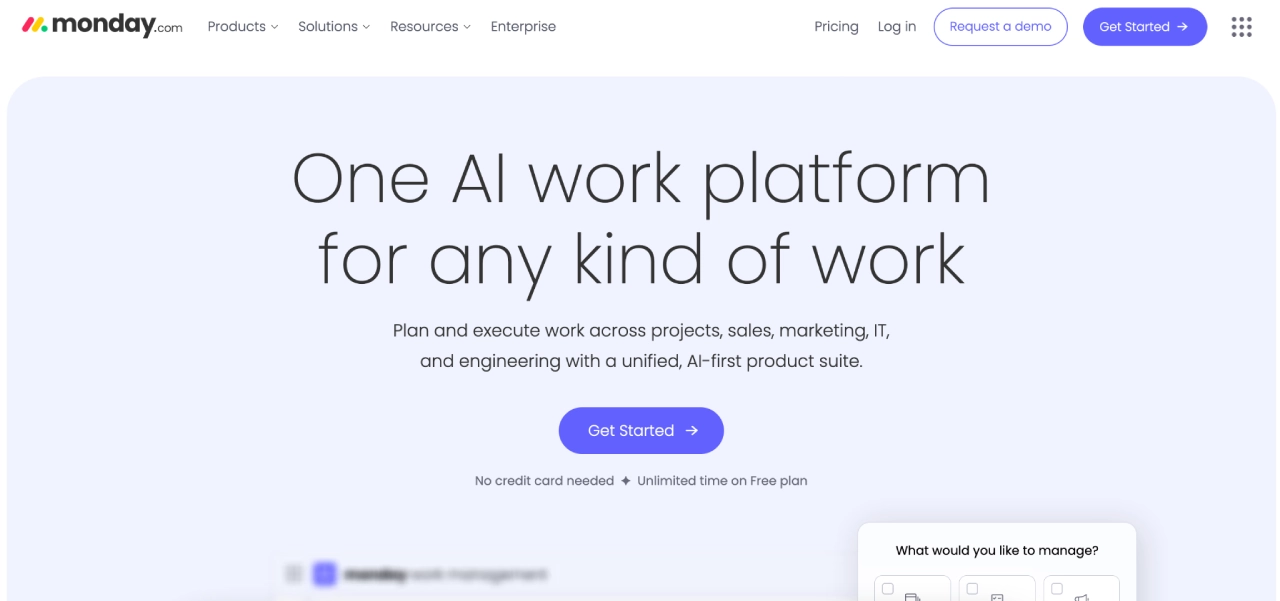
The divide between Asana and monday.com often comes down to the agency’s preferred methodology. Asana is built for structured delivery; it excels at complex projects where task dependencies (i.e., "Task B cannot start until Task A is approved") are critical. monday.com, by contrast, is a "Work OS" that favors extreme customization. It is the preferred choice for agencies that need to visualize data in board, timeline, or Gantt chart formats tailored to specific, non-standard workflows.
3. Sales, CRM, and Revenue Operations
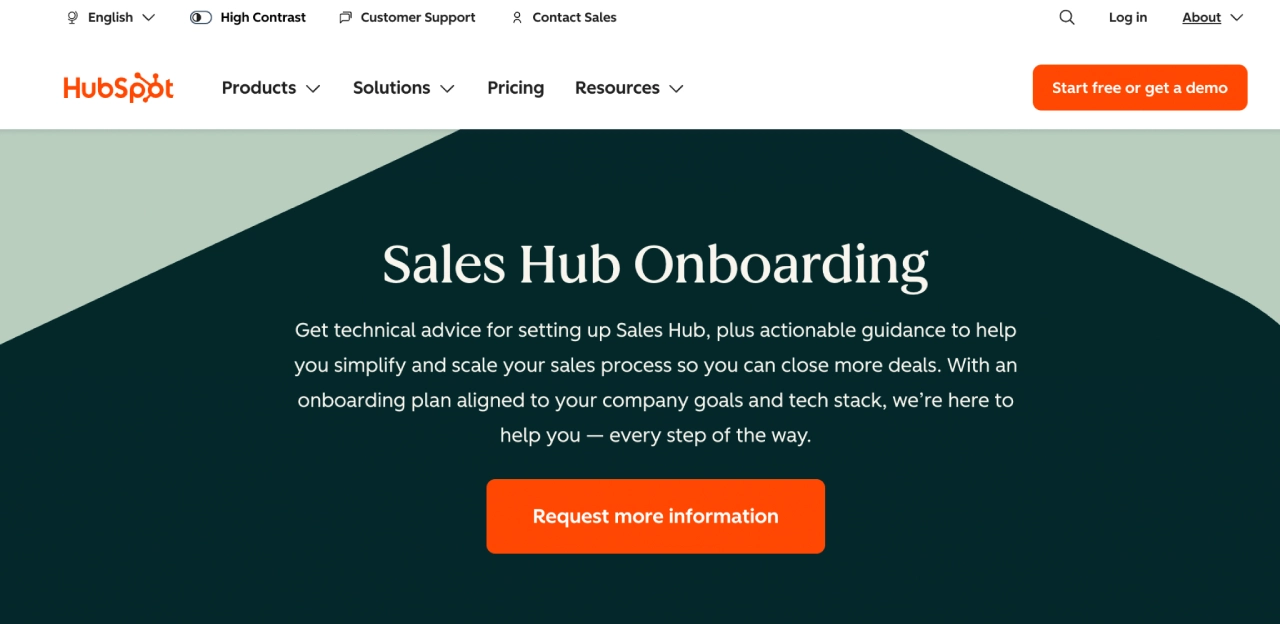
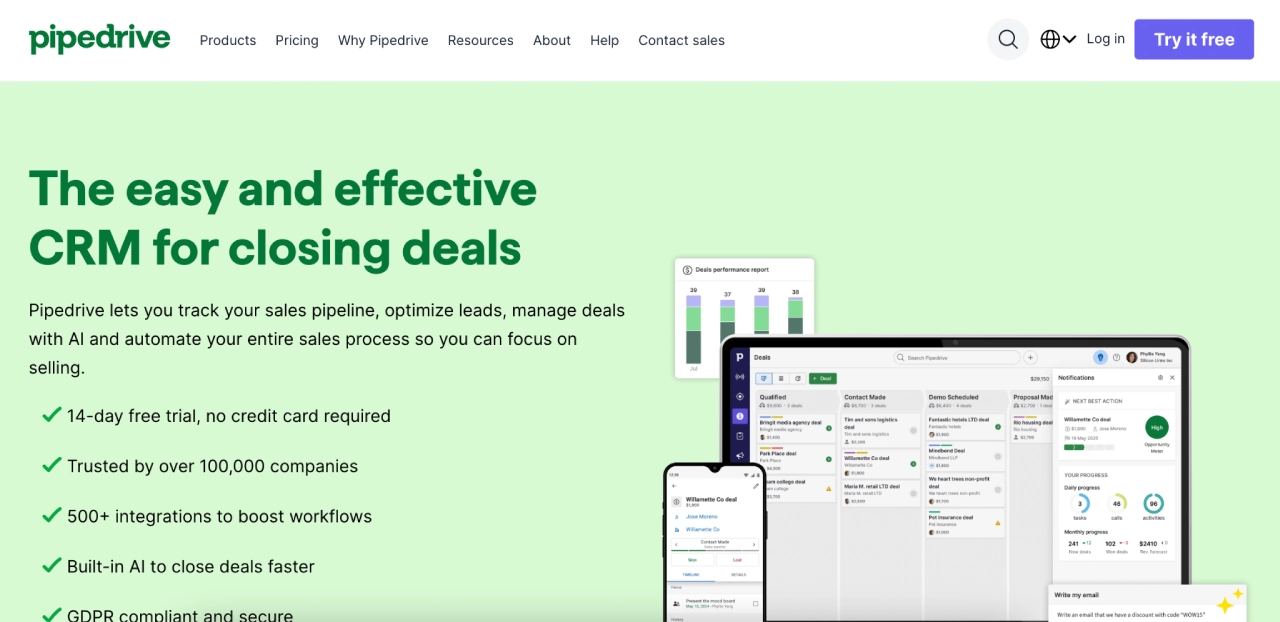
The CRM is the heartbeat of the agency. HubSpot Sales Hub is the powerhouse for full-funnel agencies, offering deep integration between marketing activity and sales pipelines. It is expensive, but it pays for itself by reducing the "leaky bucket" effect in lead nurturing. For smaller, leaner shops, Pipedrive offers a more visual, less cluttered approach. It focuses on activity-based selling, which is often more effective for boutique agencies where the founder is still heavily involved in the sales process.
4. Reporting and Data Visualization
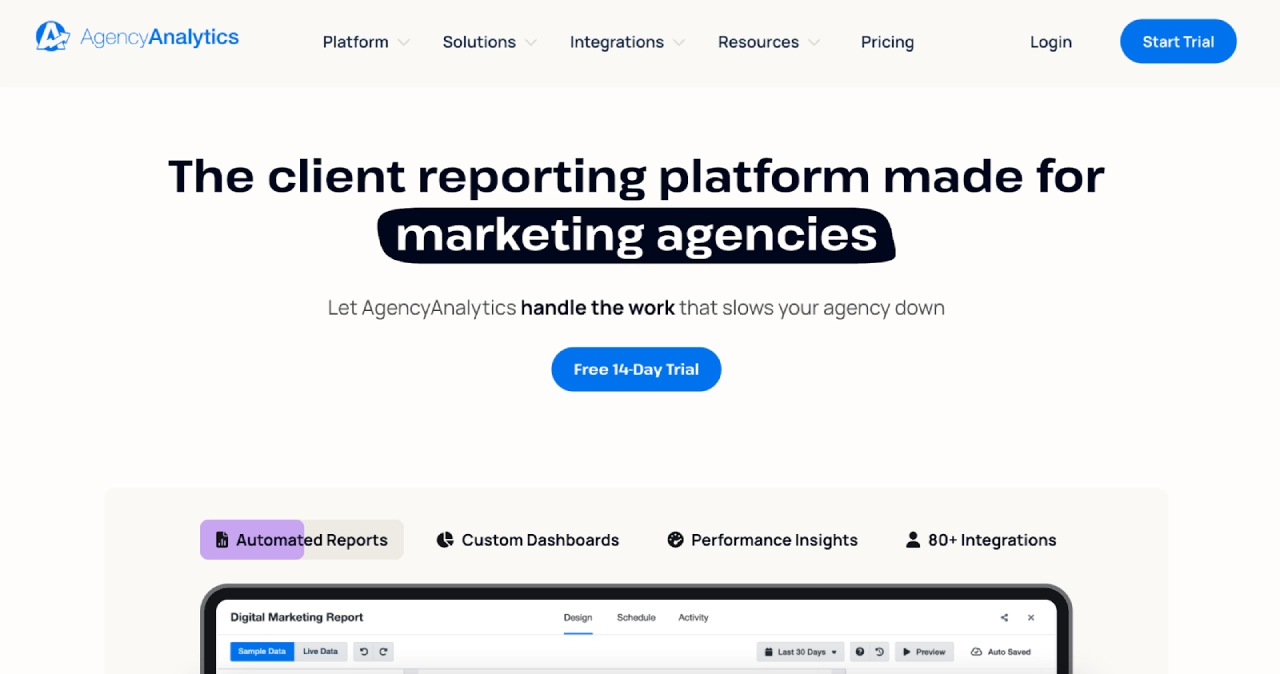
Reporting is where most agencies lose their margins. Spending five hours a month manually building a PDF report for a client is a guaranteed way to kill profitability. AgencyAnalytics provides a white-label dashboard that aggregates data across SEO, PPC, and social media, creating a seamless experience for clients. For those who prefer a "build-it-yourself" approach, Looker Studio is the gold standard for flexibility, provided your team has the internal technical expertise to maintain the connectors.
Supporting Data: The Cost of Complexity
The financial implication of a bloated tech stack is not just the monthly subscription cost; it is the compounded loss of efficiency.
| Metric | Impact of Disconnected Tools | Impact of Integrated Stack |
|---|---|---|
| Onboarding time | 10–14 days | 2–3 days |
| Manual reporting | 4–6 hours/client/month | < 30 minutes/client/month |
| Error rate | High (Human error in data entry) | Low (Automated sync) |
| License utilization | ~40% (Ghost seats) | ~90% (Optimized per role) |
Agencies that fail to audit their stack annually often find that they are paying for three different tools that all perform variations of the same task. By consolidating onto platforms that offer API-first architectures, you reduce the "cognitive load" on your team, allowing them to focus on strategy rather than tool maintenance.
Automation: The "Glue" of the Agency
If your tools aren’t talking to each other, you aren’t an agency; you’re a collection of silos. Zapier and Make (formerly Integromat) have revolutionized the agency landscape by providing the "glue" that connects these disparate platforms.
- Zapier is ideal for "trigger-action" workflows—for example, automatically creating an Asana task when a PandaDoc contract is signed.
- Make is the choice for more complex, logic-driven scenarios—such as filtering data through multiple branches before updating a database or triggering a personalized email campaign based on specific client activity.
Implications for Agency Growth
The most dangerous phase for an agency is the transition from "startup" to "scaled operation." In the early days, you can get away with manual processes and "hacked together" workflows. As you scale, these inefficiencies become structural weaknesses.
Official Stance on Tool Selection:
Industry experts consistently emphasize that tool adoption should follow a "process-first" mandate. Before purchasing a seat for a new software, the agency leadership must define the specific operational problem it solves. If you cannot articulate how the tool saves time or increases billable output, it is likely a vanity expense.
Furthermore, the shift toward "all-in-one" platforms like AgencyHandy indicates a market demand for simplicity. These platforms provide a central client portal, which not only streamlines communication but also increases client retention by providing a tangible, branded home for all project deliverables.
Final Recommendations for Your Stack
To build a resilient agency, start by categorizing your needs based on your current stage:
- For the Lean Startup: Focus on communication (Slack), basic design (Canva), and a single source of truth for projects (Asana). Avoid enterprise-grade CRMs until your sales volume justifies the investment.
- For the Reporting-Driven Agency: Invest heavily in AgencyAnalytics or Looker Studio. Your ability to provide clear, automated ROI is your best tool for client retention.
- For the Multi-Client Specialist: Prioritize platforms like Campaign Monitor that offer robust, white-labeled, multi-client dashboards. The ability to manage dozens of clients from one window is the single biggest factor in scaling email services.
Conclusion: The Path Forward
The best agency stacks aren’t designed to impress your peers or look good on a listicle; they are designed to disappear. When your tools are perfectly integrated, your team spends less time clicking, syncing, and updating, and more time delivering the creative and strategic work that keeps clients happy.
Remember, the goal is to create a repeatable system. If you find yourself doing the same task manually more than three times, it is time to automate it. If you find yourself using three different apps to communicate with one client, it is time to consolidate. By treating your tech stack as a living, evolving piece of your business architecture rather than a static expense, you ensure that your agency remains both profitable and agile in a competitive market.
Disclaimer: This article provides general information for educational purposes and should not be construed as financial, legal, or tax advice. All tool features, pricing, and availability mentioned are based on data available as of December 2025 and are subject to change. Please consult with a professional regarding your specific business requirements before making purchasing decisions.
