
Mastering the Market: The 2026 Guide to Social Media Competitor Analysis
In the hyper-competitive digital landscape of 2026, social media strategy is no longer just about posting consistent content; it is about intelligence. As AI-driven content production reaches record levels—with over 51% of professionals utilizing generative tools to scale output—the barrier to entry for content creation has vanished, but the barrier to standing out has never been higher.

To remain relevant, brands must shift from passive posting to active, data-backed maneuvering. A robust social media competitor analysis is the bridge between vanity metrics and measurable business outcomes. By deconstructing the successes and failures of your rivals, you can optimize your content budget, prioritize high-performing formats, and sharpen your brand’s competitive edge.

The Strategic Imperative: Why Context is King
A social media competitor analysis is a systematic audit of your rivals’ digital presence. It transforms raw data into actionable intelligence. Without this competitive context, a 2% engagement rate is merely a statistic; with it, you know whether you are leading your category or quietly fading into the background.
The New Rules of Engagement
Current market data indicates that social advertising now accounts for 12.2% of total marketing budgets. As spending rises, marketing leaders are under increased pressure to justify these investments. Competitive benchmarking provides the necessary evidence to prove ROI, showing stakeholders exactly how your brand compares to the category leaders.

Furthermore, platform algorithms in 2026 prioritize relevance over frequency. Understanding which posts resonate with your target audience—and why—is significantly more valuable than simply maintaining a high posting cadence. By analyzing competitor activity, you can identify which content pillars drive genuine community sentiment versus those that create noise.

Chronology: A Step-by-Step Tactical Framework
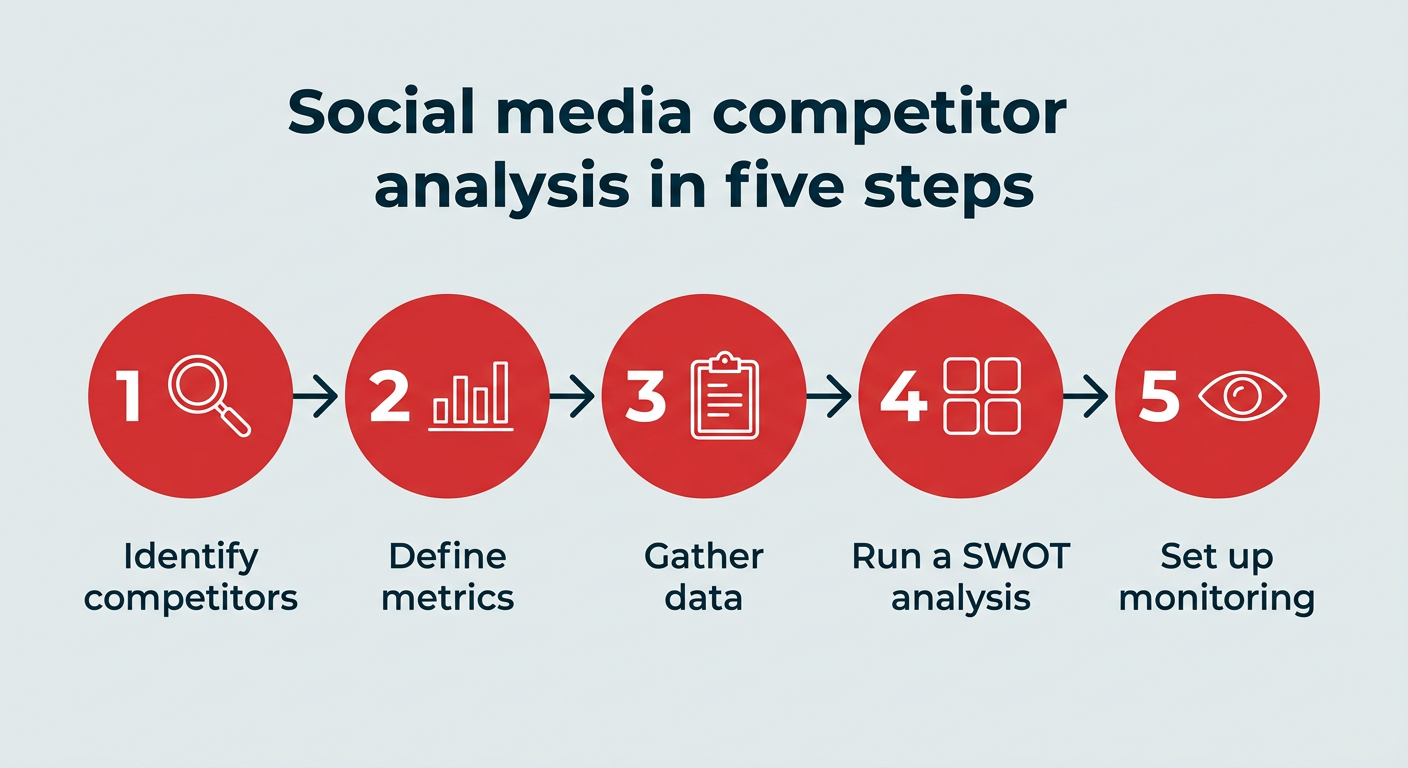
A successful analysis is not a one-off project; it is an iterative, recurring process. Here is how you can execute a comprehensive audit in five distinct stages.

Phase 1: Identifying Your True Competitors
Your competitors are not always the brands that sell the same product; they are the brands that compete for the same attention.
- Keyword Mapping: Use tools like Google Search Console to identify the terms your brand seeks to own.
- Search Engine Audit: Run manual searches for those keywords. Who dominates the organic search results?
- Social Native Search: Search these keywords directly within TikTok, Instagram, and LinkedIn. Often, the brands winning on Google are not the same ones winning in the "For You" feeds.
- Audience Overlap: Utilize native platform insights (Meta Business Suite, TikTok Analytics) to see which other brands your audience follows.
Phase 2: Defining Your Metric North Star
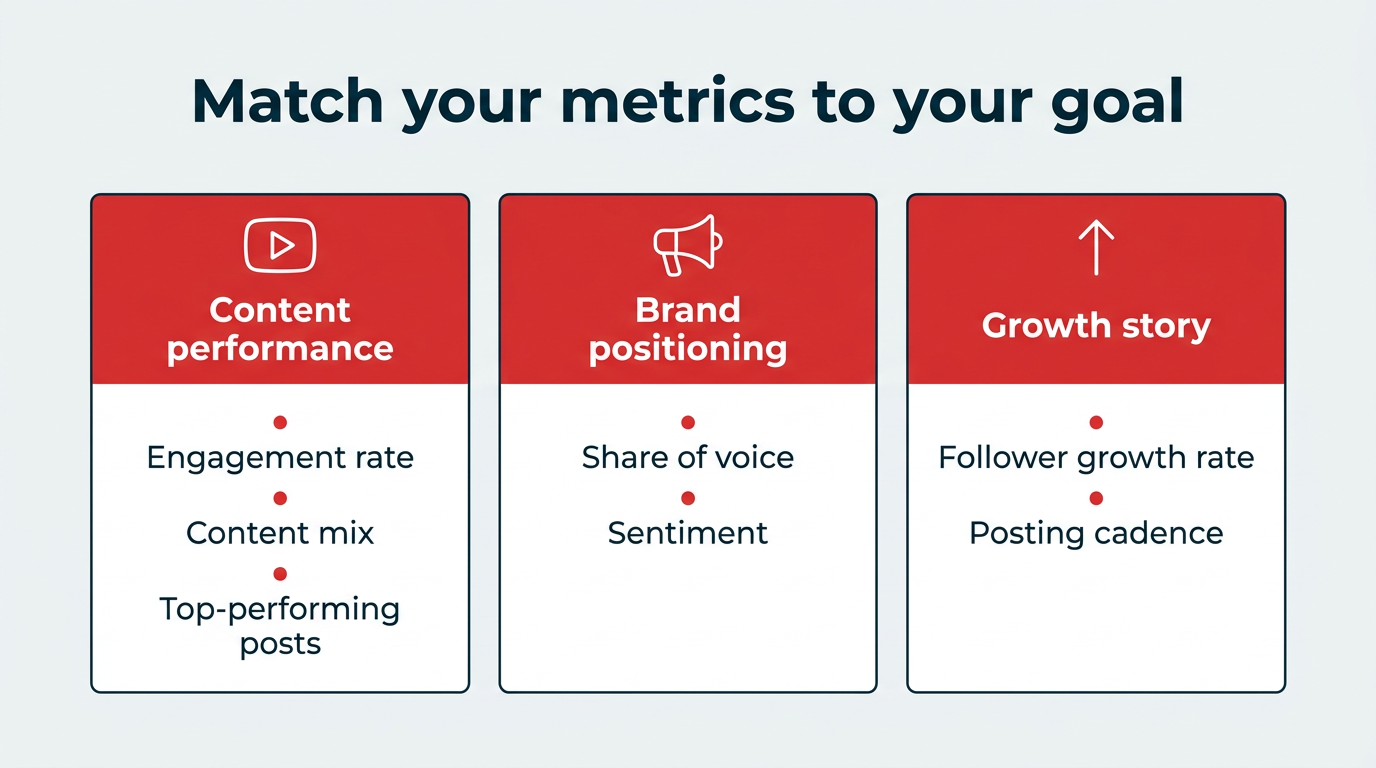
Do not fall into the trap of tracking every data point. Select five to seven metrics that align with your business goals:
- Engagement Rate: The primary indicator of content resonance.
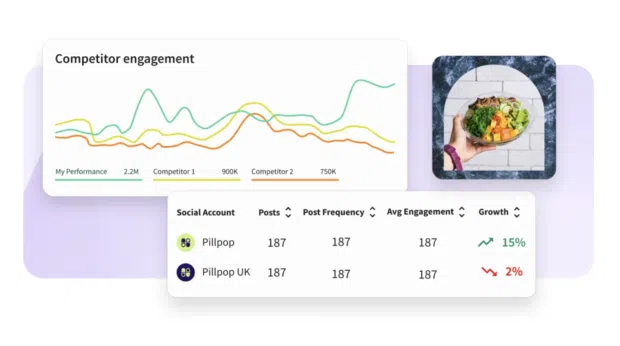
- Share of Voice: Your brand’s "slice" of the total industry conversation.
- Follower Growth Rate: A measure of long-term community health.
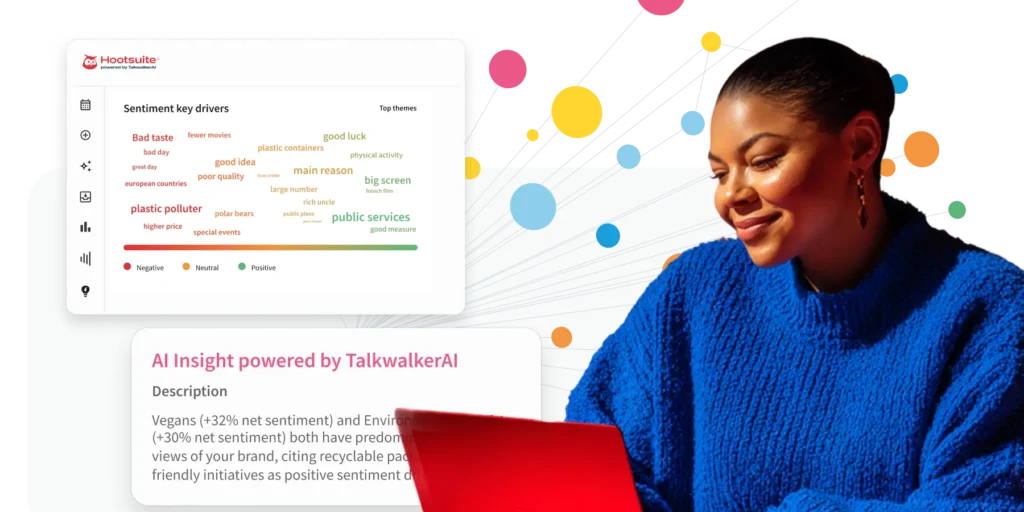
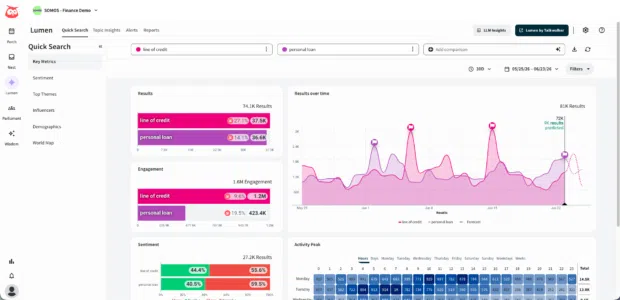
- Sentiment Analysis: The qualitative tone of public mentions.
Phase 3: The Data Gathering Process
Once metrics are defined, gather data through a mix of manual observation and automated tooling. Look past the likes. Analyze the quality of comments: Are they buying questions? Complaints? Genuine praise? This qualitative data is often where your greatest competitive opportunity lies.
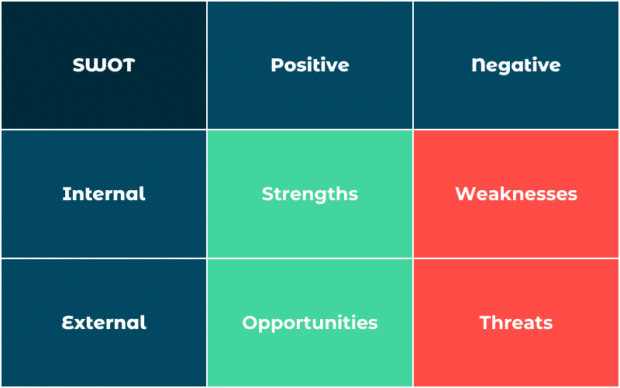
Phase 4: The SWOT Analysis
Synthesize your findings into a SWOT (Strengths, Weaknesses, Opportunities, Threats) framework:
- Strengths: Where you outperform the market.
- Weaknesses: Areas where your metrics lag, signaling a need for A/B testing.
- Opportunities: Content gaps left by competitors (e.g., they ignore a specific demographic or underutilize video).
- Threats: Market shifts, such as a competitor launching a new campaign or a sudden pivot in messaging.
Phase 5: Establishing Ongoing Monitoring
The final step is operationalization. Set a quarterly cadence for deep-dive reviews, while maintaining monthly "pulse checks" to catch real-time threats.
Supporting Data and Industry Benchmarks
The current digital economy requires a move toward precision. According to recent market analysis, global social media ad spend is projected to hit $276 billion by the end of 2025/2026. This massive influx of capital means that your organic content is competing with high-production, paid-boosted advertisements.
| Metric | Purpose |
|---|---|
| Engagement Rate | Normalizes performance across different audience sizes. |
| Share of Voice | Determines if your brand is the authority in the room. |
| Sentiment | Distinguishes between "viral" success and "PR crisis." |
| Paid Activity | Identifies where competitors are putting their media dollars. |
When analyzing these metrics, it is vital to account for content mix. If a competitor has high engagement on Reels but low engagement on static posts, you have discovered a roadmap for your own video strategy.

Official Perspectives and Expert Insight
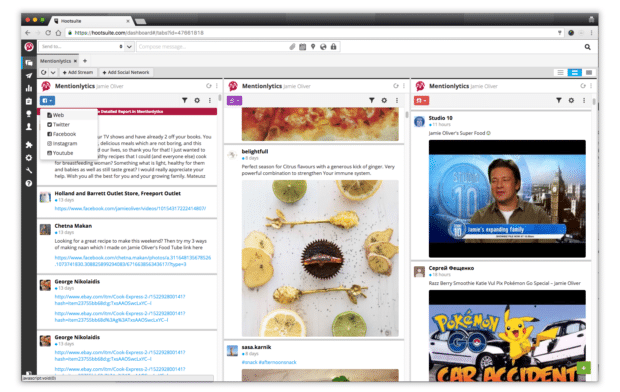
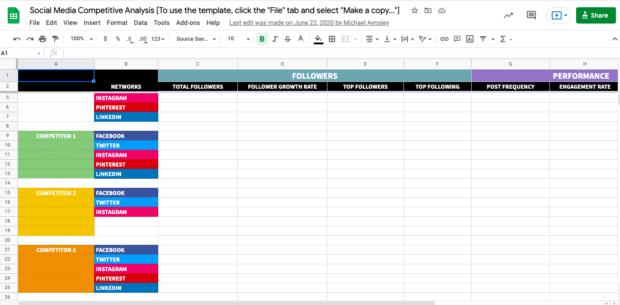
Industry experts emphasize that the most common mistake in competitor analysis is the "one-and-done" approach. Marketing leaders, such as those at Hootsuite, suggest that the most successful teams integrate their benchmarking tools directly into their social media operating system.

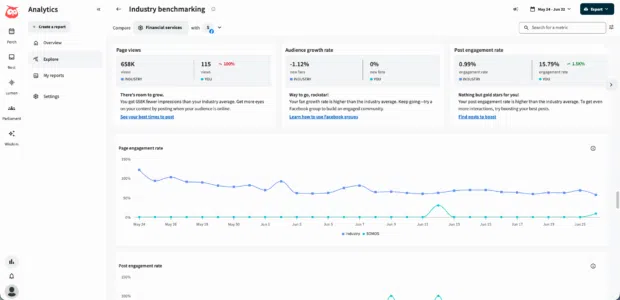
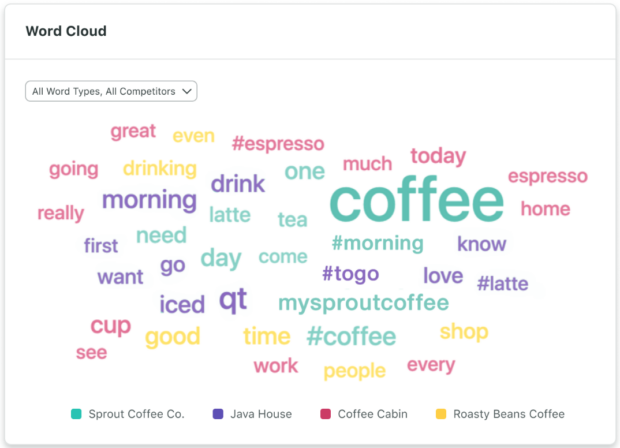
"The goal is to turn competitive insights into a decision-making tool, not a static report," notes industry analysts. By utilizing tools like Lumen for social listening or Perch for benchmarking, teams can move away from manual spreadsheet creation and toward real-time strategic shifts.
The Role of AI in Competitive Analysis
While tools like ChatGPT can provide surface-level summaries of competitor activity, they lack access to the private, real-time engagement data that fuels true competitive advantage. Therefore, AI should be viewed as an assistant for pattern recognition rather than a replacement for analytical rigor.
Implications for Future Strategy
The ultimate goal of this research is action. If your analysis reveals that a competitor is failing to address customer service complaints on X (formerly Twitter), your opportunity is to double down on responsive, helpful community management. If they are over-indexing on professional, corporate video, you may find an opening by pivoting to authentic, human-centric storytelling.
Avoiding the "Reporting Trap"
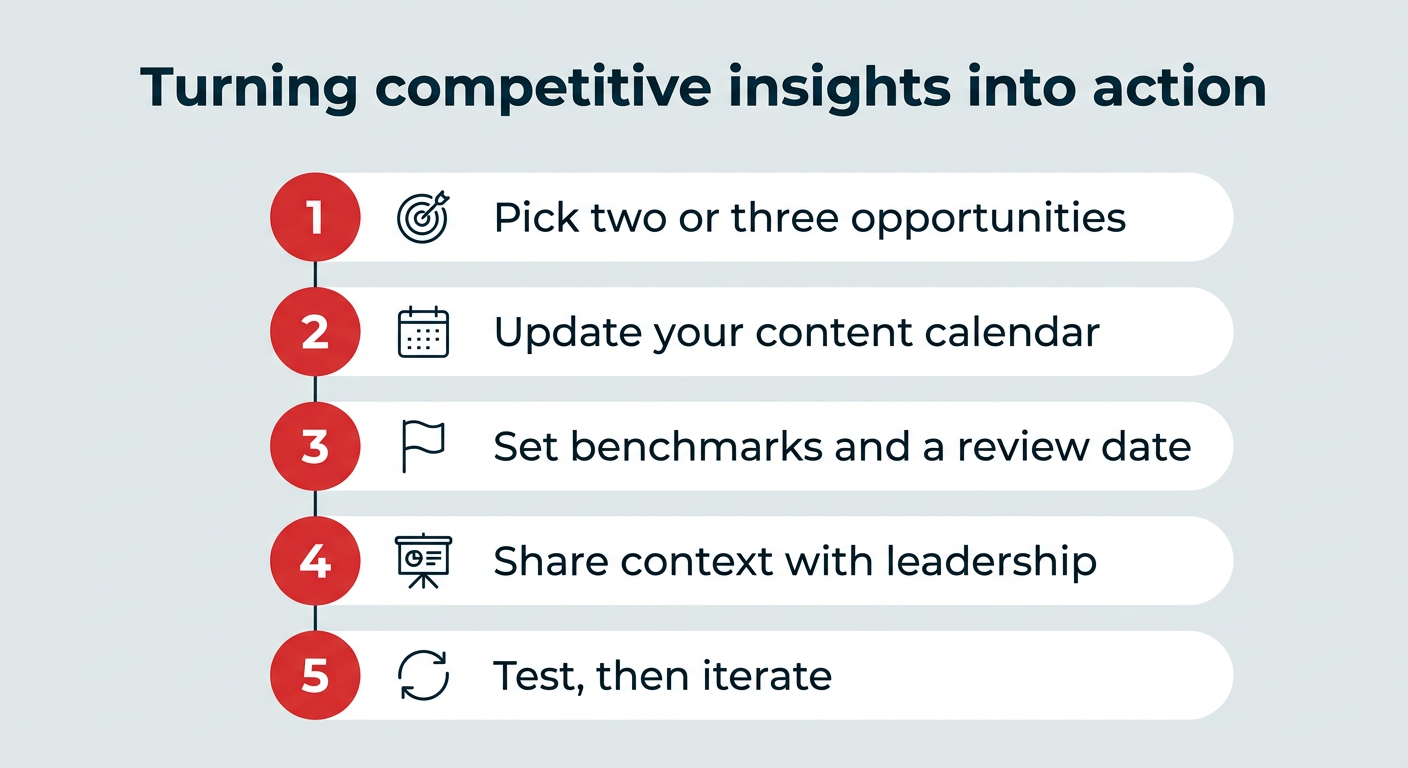
An analysis that does not trigger a change in your content calendar is merely research, not strategy. To ensure your findings drive action:
- Assign Ownership: Who is responsible for implementing the insights?
- Set Time-Bound Goals: "Improve engagement by 5% in Q3" is better than "Improve engagement."
- Iterate: Use the results of your changes to feed the next round of analysis.
Final Thoughts: The Path Forward
In 2026, the brands that win are those that treat social data as a competitive weapon. By systematically monitoring your rivals, you can anticipate shifts in market sentiment, capture underserved audiences, and ensure that every post you publish is optimized for success.

Don’t just watch the competition—outmaneuver them. Start by downloading a customizable SWOT template and integrating your benchmarking process into your daily social media workflow. The data is there; it is simply a matter of who acts on it first.
