

Enterprise Optimization Showdown: Crazy Egg vs. Contentsquare
In the high-stakes world of Conversion Rate Optimization (CRO) and digital experience analytics, selecting the right platform is no longer just a tactical choice—it is a strategic decision that shapes how enterprise teams interpret customer behavior and drive revenue. As digital ecosystems grow increasingly complex, the market has bifurcated into two distinct philosophies: the all-in-one, agile suite versus the highly specialized, enterprise-grade journey analytics platform.
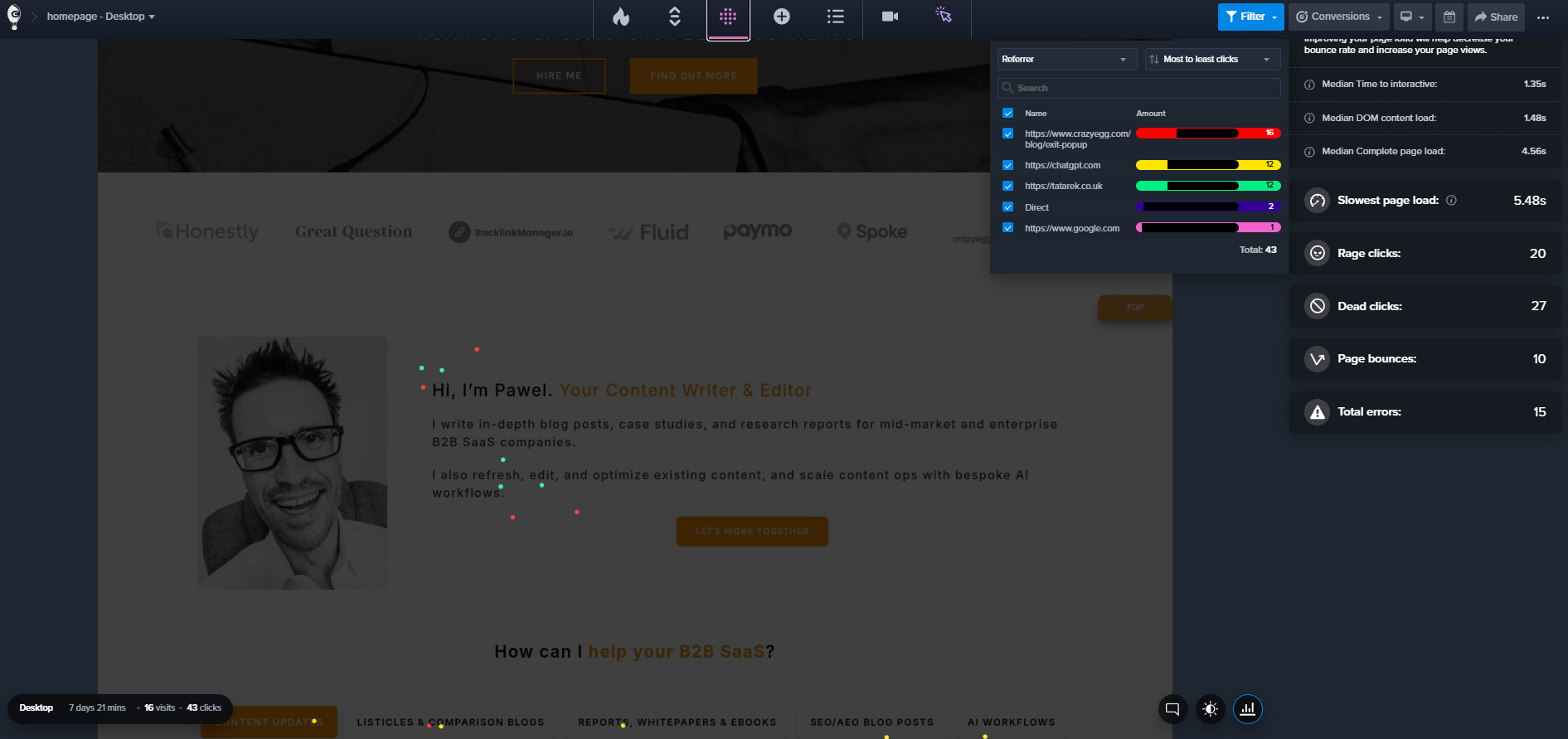
At the center of this debate are two industry stalwarts: Crazy Egg and Contentsquare. For stakeholders in e-commerce, SaaS, and large-scale content publishing, the choice between these two platforms involves weighing cost-efficiency and ease of use against deep-funnel, multi-platform journey analysis.
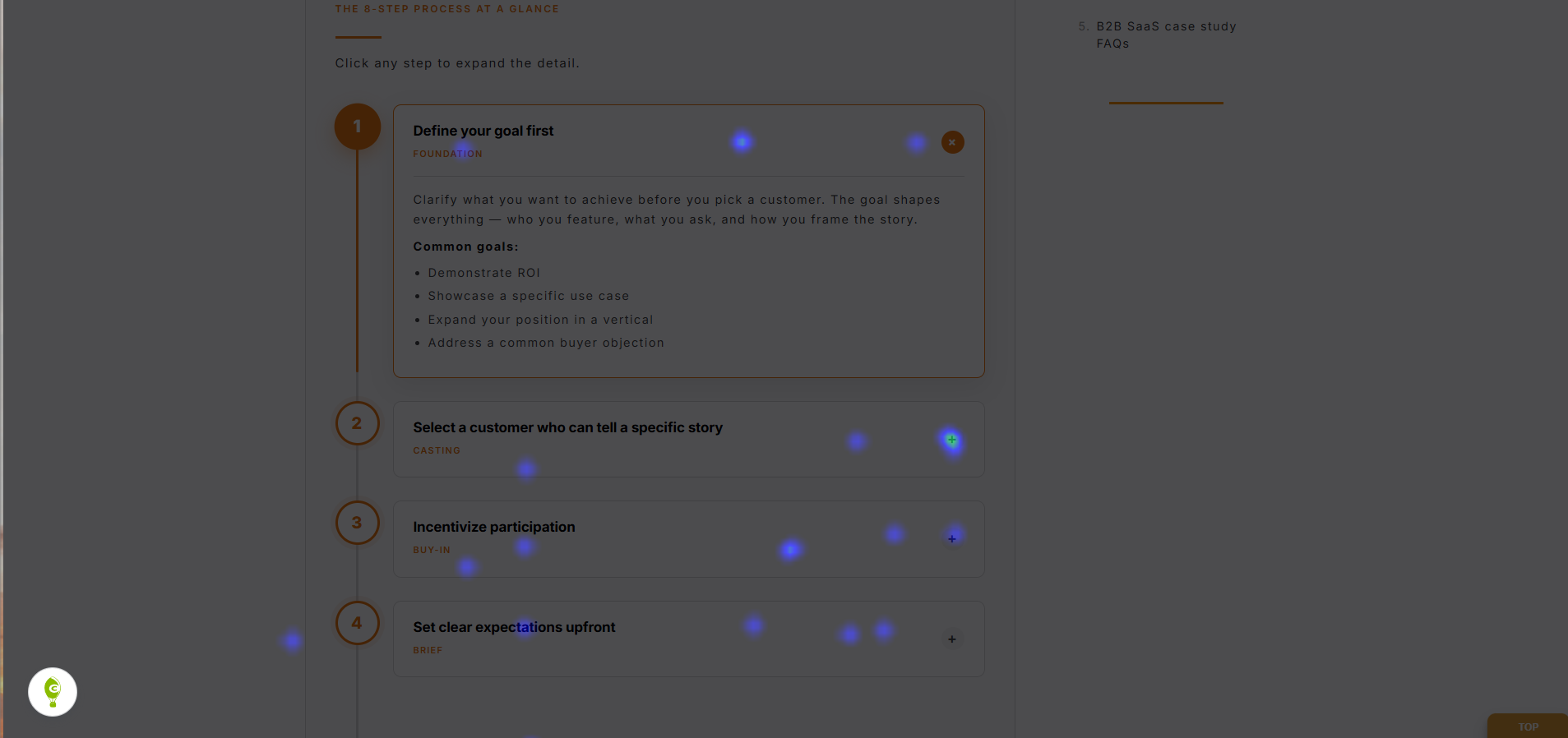
Main Facts: Defining the Two Titans
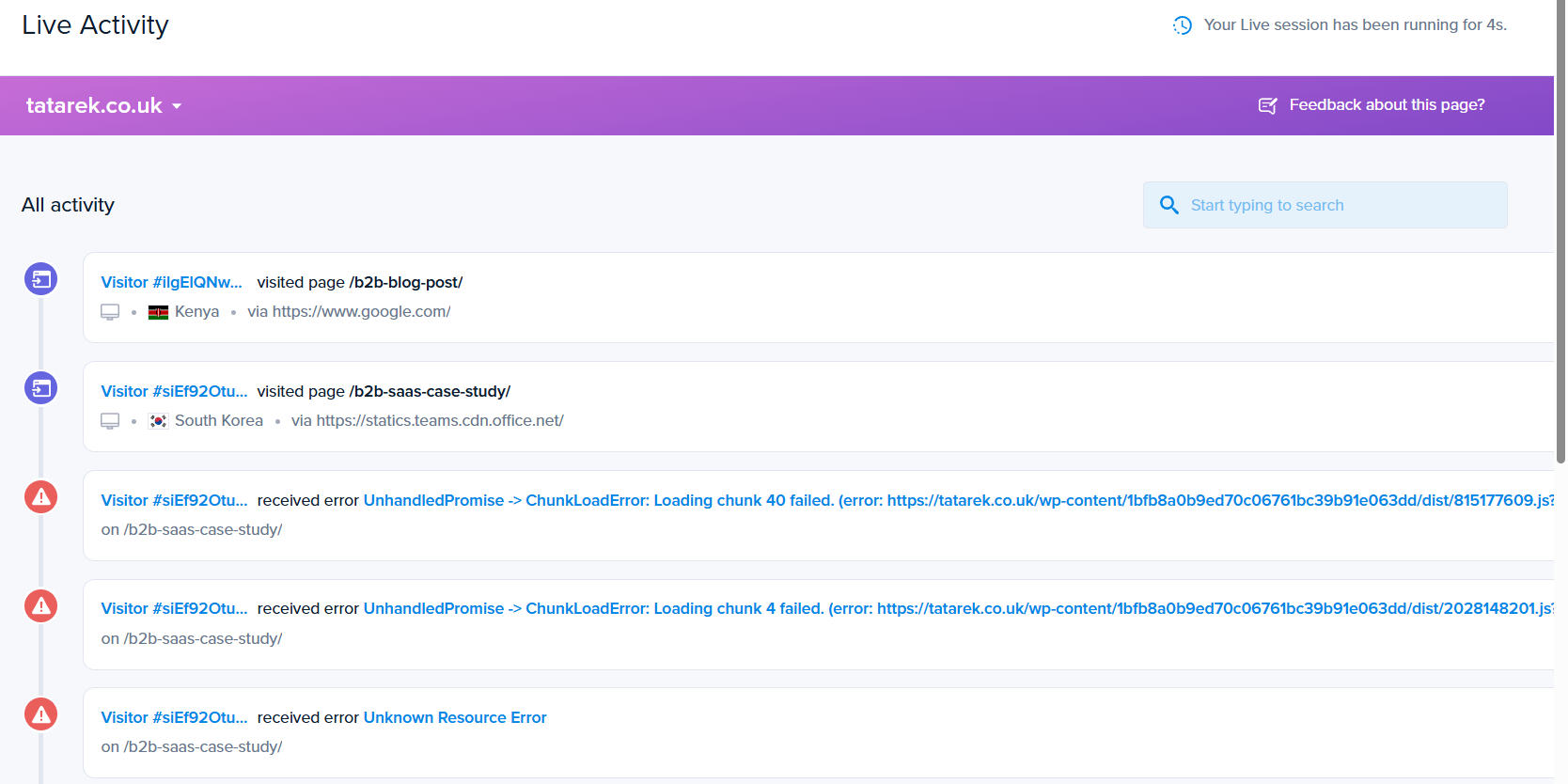
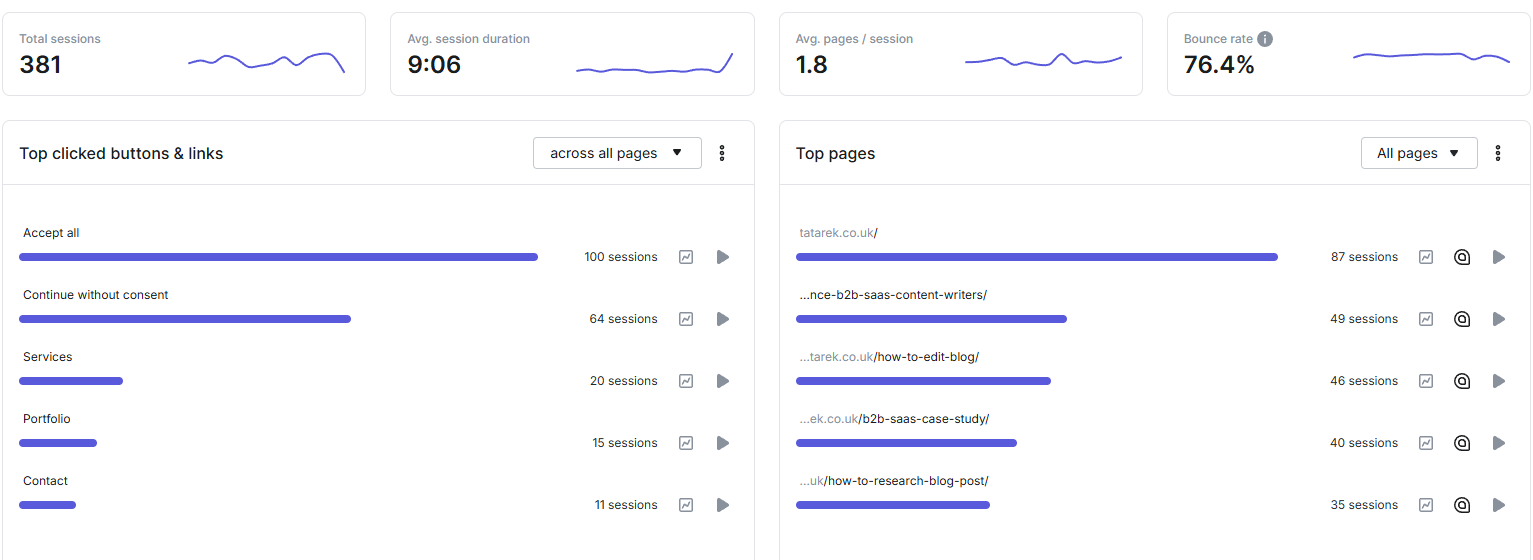
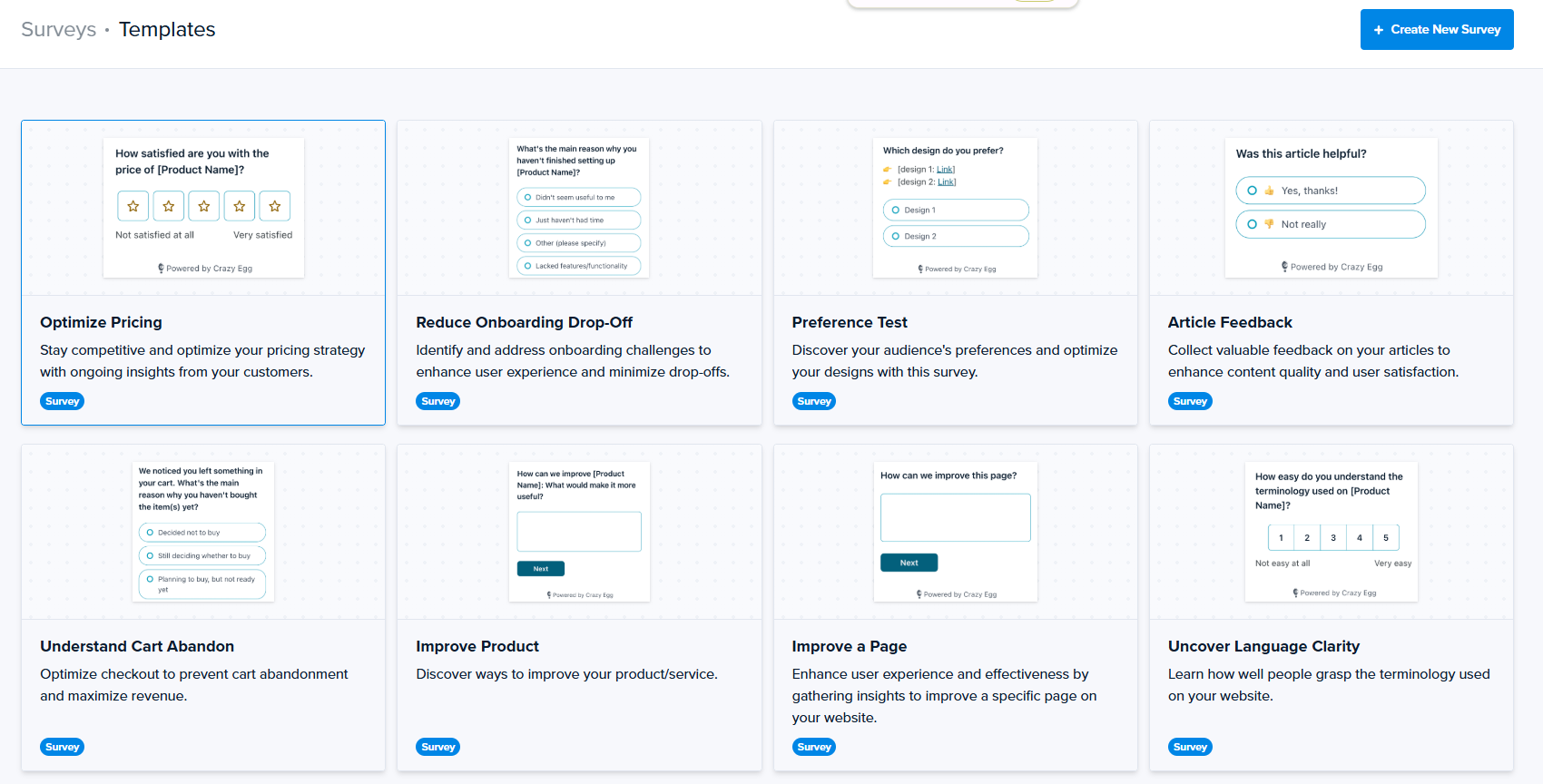
Crazy Egg operates on a philosophy of consolidation. It serves as a comprehensive "all-in-one" platform that bundles heatmaps, session recordings, A/B testing, surveys, error tracking, and web analytics into a single, transparent subscription. It is designed for teams that require immediate, actionable data without the overhead of managing a disparate tech stack.

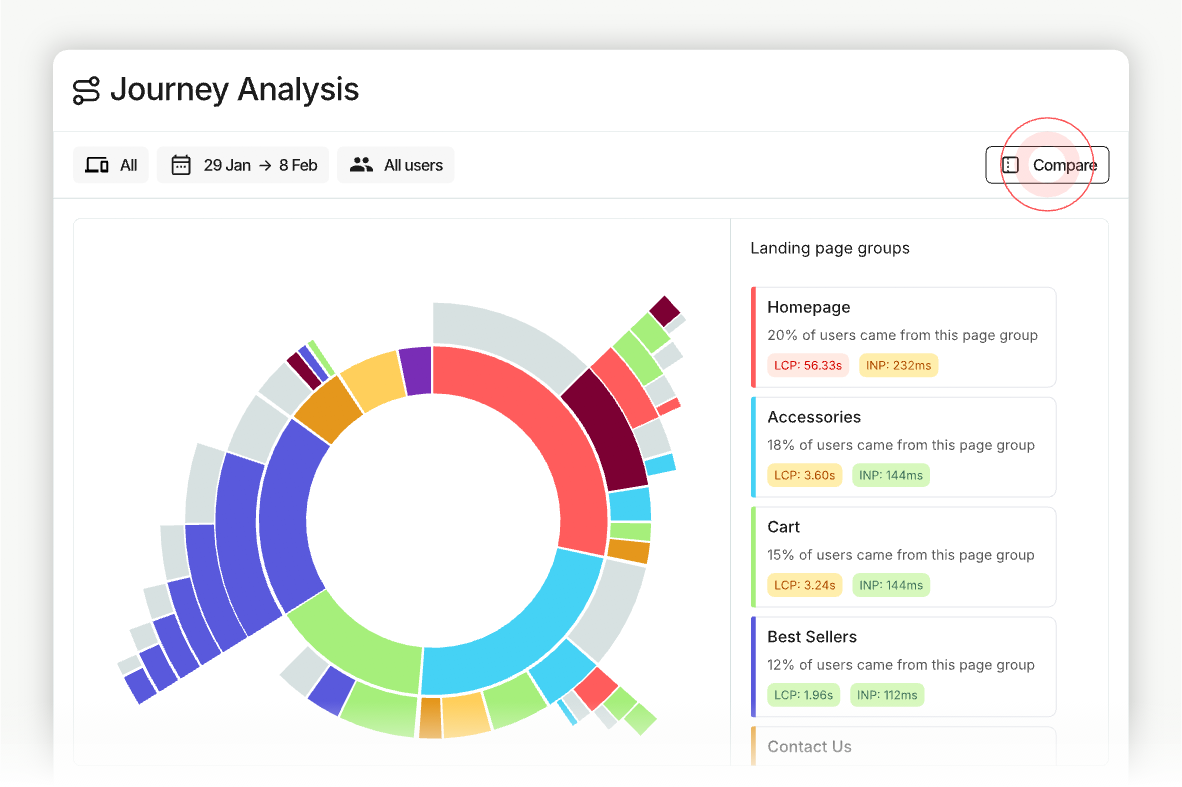
Contentsquare, by contrast, positions itself as a "Digital Experience Analytics" powerhouse. Following its aggressive expansion—most notably the 2021 acquisition of Hotjar and the 2023 acquisition of Heap—Contentsquare offers a tiered architecture. Its Free and Growth tiers provide essential behavioral insights, while its Pro and Enterprise tiers leverage sophisticated "zone-based" analytics, journey mapping, and product analytics capabilities. It is a solution built for massive, multi-faceted organizations that require granular data at the scale of millions of sessions.
Chronology: The Evolution of Digital Analytics
The competitive landscape between these two platforms has shifted significantly over the last decade:
- 2006–2015: Crazy Egg established itself as the pioneer of the "heatmap," democratizing the ability to see where users click. During this period, it focused on visual simplicity and immediate feedback for SMBs and mid-market companies.
- 2012–2018: Contentsquare (founded in Paris) began its ascent by focusing on the "science of experience," introducing the concept of revenue-attribution per UI zone. This made it a favorite among enterprise retailers who needed to prove the ROI of specific page elements.
- 2021: Contentsquare’s acquisition of Hotjar signaled an attempt to capture the mid-market, effectively creating a tiered bridge between entry-level behavioral tools and high-end enterprise analytics.
- 2023–Present: The integration of AI has become the new battleground. Both platforms have pivoted to "agentic" analytics, where AI no longer just reports on what happened, but actively suggests or executes optimization tasks.
Supporting Data: Feature Benchmarking
To understand the practical differences, one must look at how these platforms handle the core pillars of CRO.
Heatmap Methodology
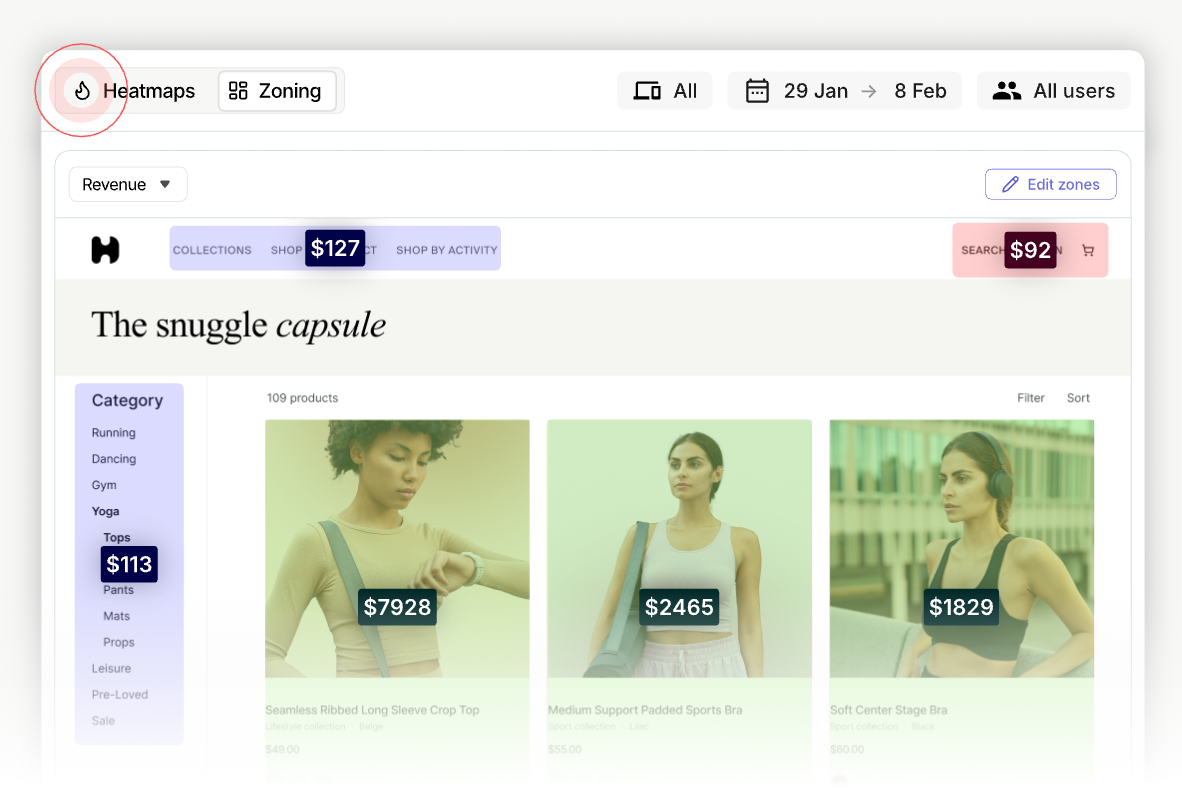
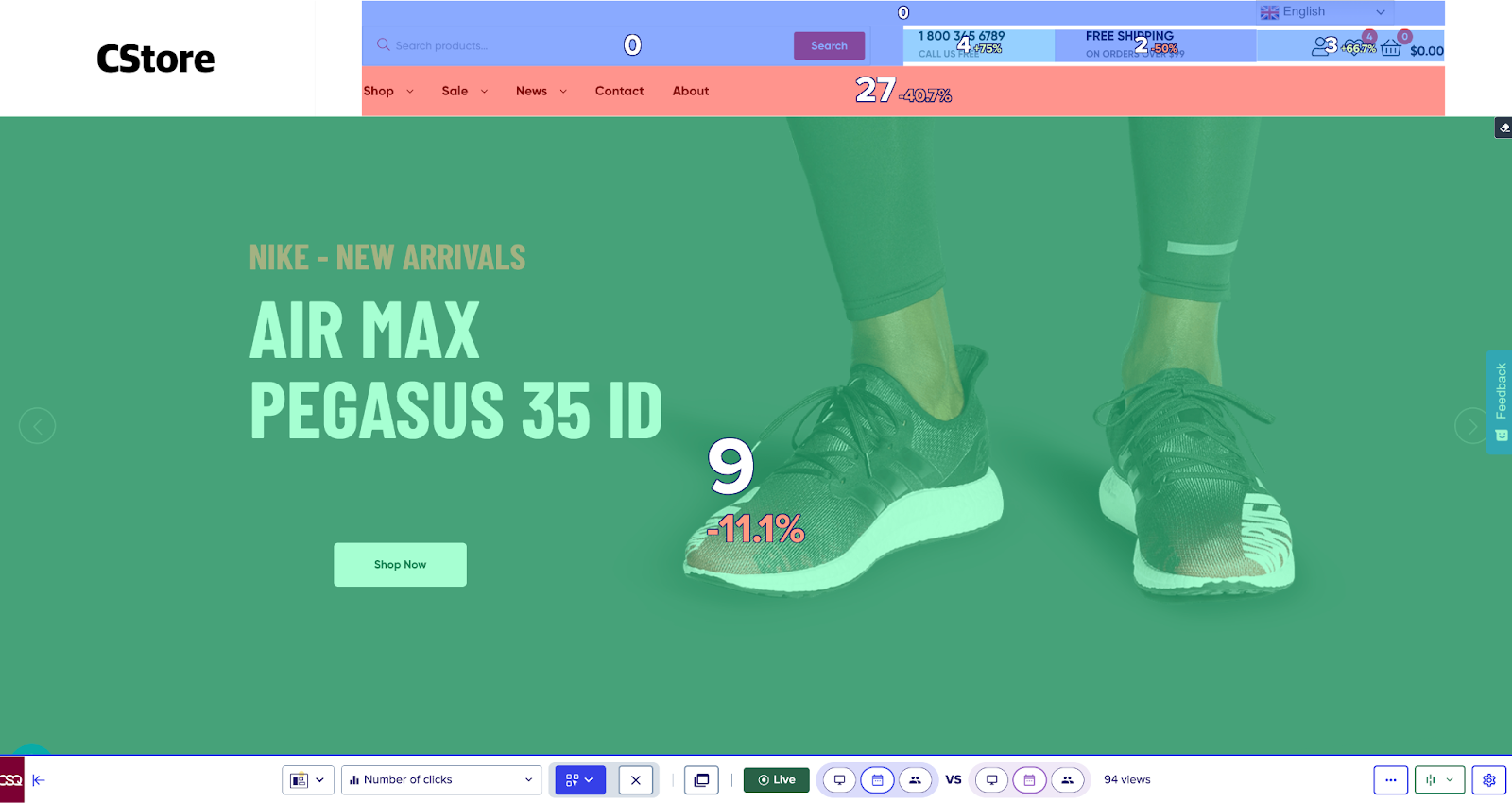
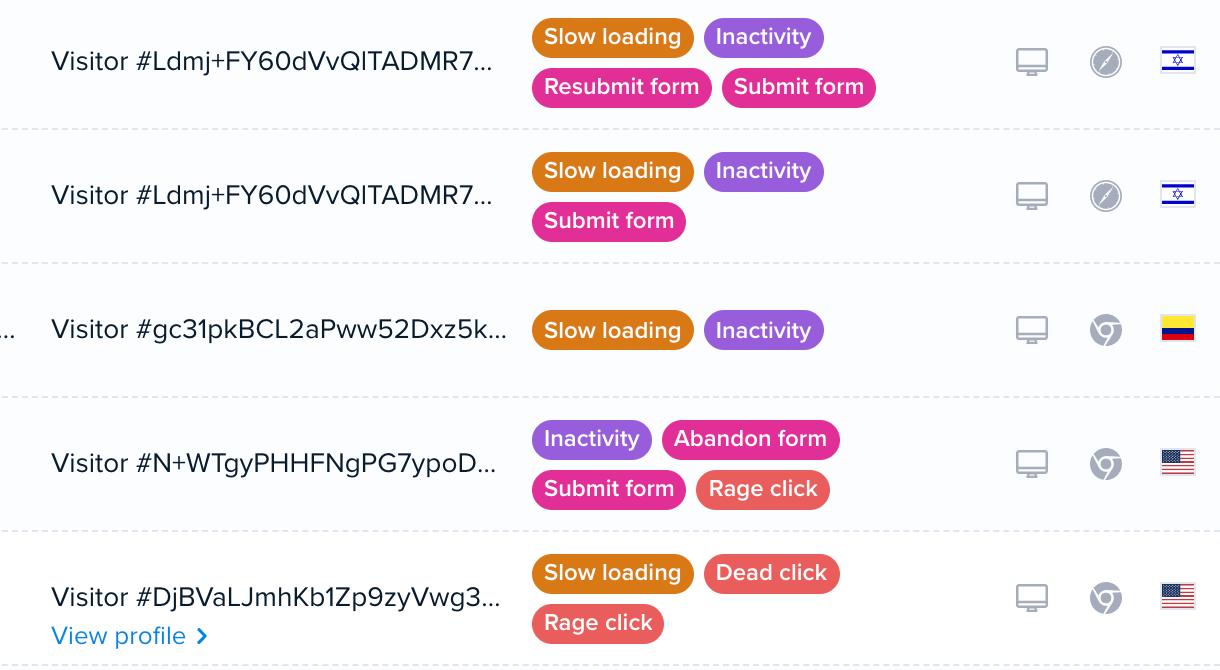
Crazy Egg offers five distinct heatmap types, including the "Confetti Map," which allows for sophisticated segmentation—such as comparing mobile vs. desktop behavior on the same page. Contentsquare’s differentiator is its "Zone-Based" heatmap. By drawing rectangles around page elements, Contentsquare attaches revenue metrics directly to UI components. While highly valuable for e-commerce, it is less impactful for service-based websites where revenue is not tied to a specific click-to-cart action.

Session Replay and Retention
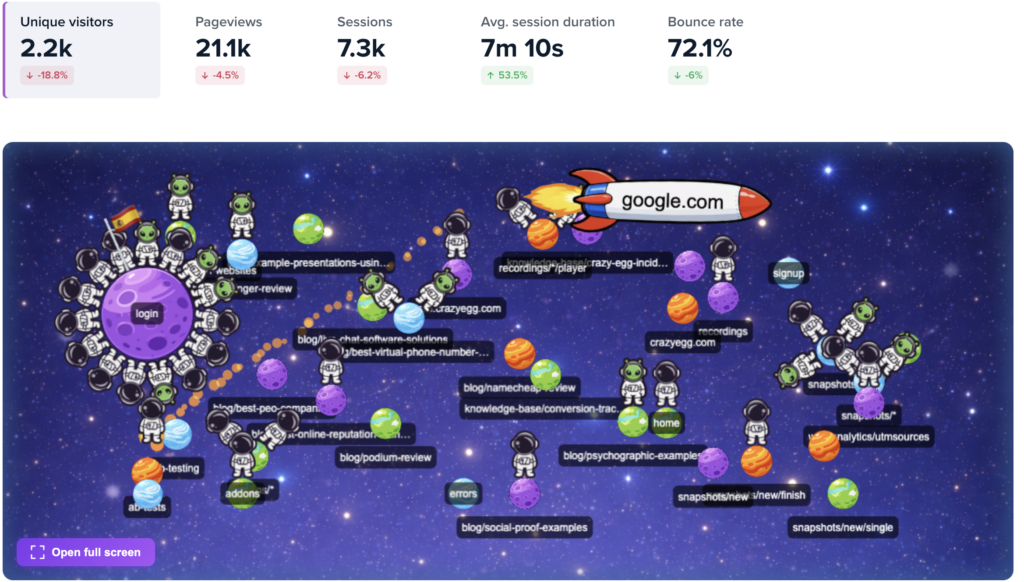
Data retention is a critical point of divergence. Crazy Egg offers default retention periods of 6 to 24 months. Contentsquare typically defaults to 30–90 days on its standard tiers, requiring premium enterprise contracts for long-term storage. Furthermore, Crazy Egg allows granular sampling control, enabling teams to record 100% of checkout flows while sampling only a fraction of informational blog traffic—a feature that preserves budget without sacrificing data integrity.

The A/B Testing Gap
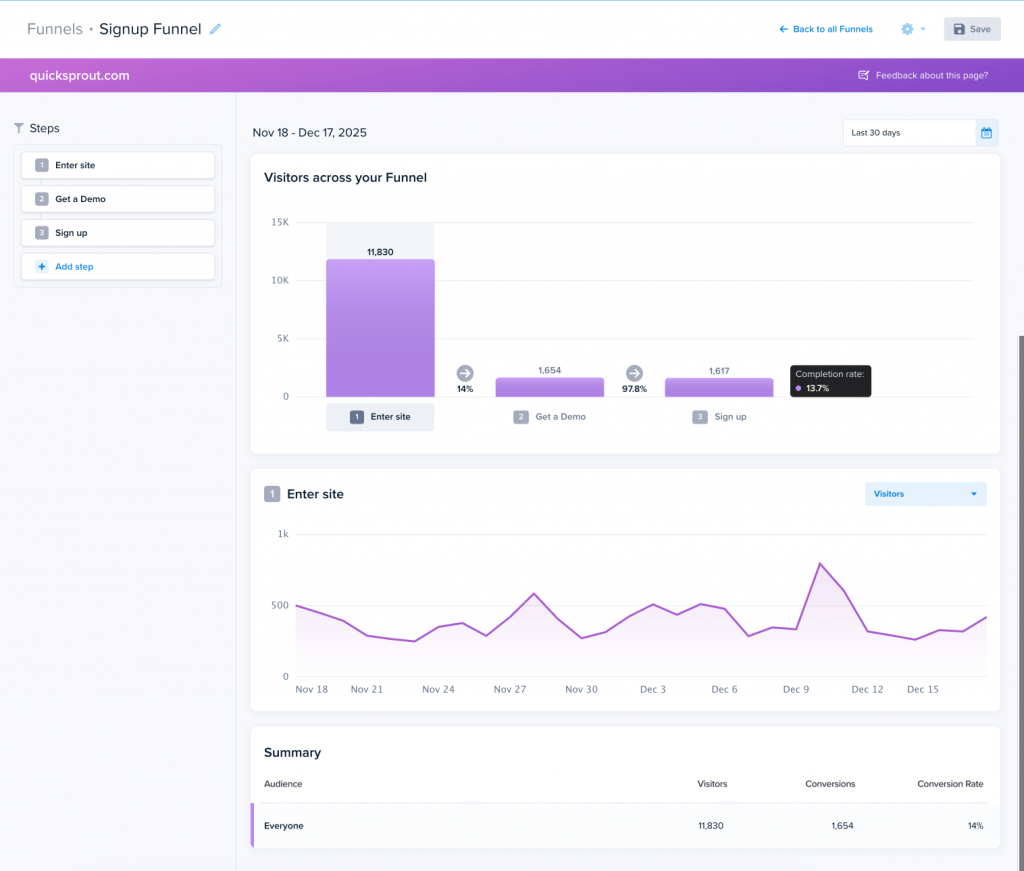
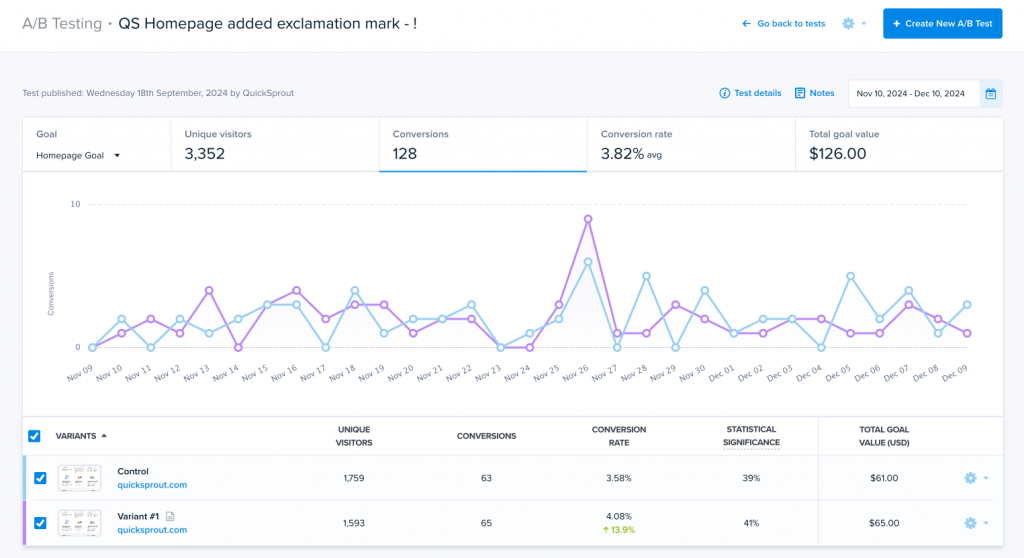
A major divide exists in native functionality. Crazy Egg includes a native visual editor for A/B and multi-armed bandit (MAB) testing within its mid-tier plans. Contentsquare lacks a native A/B testing engine, instead offering an "A/B Test Analysis" layer that integrates with third-party tools like Optimizely or AB Tasty. For a team seeking a unified subscription, this makes Crazy Egg the more cost-effective option for active experimentation.
AI Integration and "Agentic" Workflows
Both companies have integrated AI, but with different deployment strategies. Crazy Egg’s "Tasks" (currently in early access) represents a move toward automated optimization, where the platform identifies a drop-off, drafts a variant, and prepares it for deployment. Contentsquare’s AI, centered around "Sense Analyst," is powerful but often gated behind expensive, separate add-on contracts, even for existing enterprise clients.
Official Responses and Strategic Positioning
When asked about the "enterprise suitability" of these platforms, industry analysts often point to the "Buy-vs-Build" dilemma.
"For an enterprise, the cost of a platform is not just the subscription fee; it is the cost of integration, training, and specialized talent required to manage the data," notes an industry expert.
Crazy Egg’s official stance emphasizes time-to-value. Their leadership often highlights that the platform can be deployed and producing insights in minutes, not months. Conversely, Contentsquare’s documentation and support structures are optimized for complex, multi-departmental rollouts where data governance, SAML/SSO integration, and professional services are mandatory requirements.
Implications for the Enterprise Buyer
The decision between these two platforms carries long-term financial and operational implications:
- Total Cost of Ownership (TCO): A one-year subscription to Crazy Egg’s Enterprise tier typically peaks around $7,000–$8,000. Data from platforms like SpendHound and Vendr suggest that Contentsquare enterprise contracts frequently range from $150,000 to over $500,000 annually, depending on session volume and add-on modules. The "Hidden Cost" of Contentsquare is the necessity of purchasing separate modules (e.g., Voice of Customer) to achieve parity with the features included in Crazy Egg’s standard plans.
- Scalability: If your organization operates a mobile app and a complex web architecture that must be analyzed as a single, unified journey, Contentsquare is the industry standard for a reason. Its ability to stitch together cross-platform touchpoints is superior. However, if your focus is primarily web-based conversion optimization, the added complexity of Contentsquare may actually result in "analysis paralysis."
- Procurement and Renewal: Enterprise buyers should be aware of the "price escalator" common in high-end contracts. Multi-year agreements with platforms like Contentsquare often carry 3–5% annual increases. Procurement teams should compare this against the more predictable, transparent pricing models of platforms like Crazy Egg.
Final Verdict: Strategic Alignment
The "right" choice is determined by your team’s maturity and specific optimization goals:
- Choose Contentsquare if you are a large-scale enterprise with a dedicated analytics team, significant mobile-web integration needs, and a requirement for warehouse-grade data exports. It is the tool of choice for organizations that view digital experience as a massive, multi-platform logistical challenge.
- Choose Crazy Egg if your priority is speed, efficiency, and a unified toolset. It is the ideal choice for marketing and product teams that want to bridge the gap between "seeing" user behavior and "testing" solutions without navigating a complex enterprise procurement process or managing multiple vendor relationships.
As the industry moves toward more autonomous, AI-driven optimization, the gap between these two will continue to narrow. However, the current reality remains clear: for those who value agility and consolidated costs, Crazy Egg offers an unmatched value proposition. For those who prioritize scale and deep-funnel architectural insights, the investment in a Contentsquare enterprise deployment remains the definitive, albeit premium, choice.
