
Beyond the Silo: How Social Video Intelligence is Rewriting the Playbook for Cross-Category Brand Partnerships
In the modern digital economy, the traditional consumer persona is dead. For decades, marketing textbooks and media planners relied on rigid demographic and psychographic silos to categorize audiences: beauty enthusiasts only cared about cosmetics, gamers were hyper-focused on consoles and esports, and foodies lived exclusively in the domain of culinary recipes and kitchenware. These neat, predictable boxes dictated media spends and shaped corporate partnership strategies across the globe.
Today, however, consumer behavior is vastly more multidimensional, fluid, and complex. Modern audiences consume content across a dizzying array of verticals, cultivating diverse, overlapping passions that defy legacy segmentation. When modern marketers ask, "How do I identify the best partnerships to reach our brand goals?" the answer no longer lies in surface-level metrics like basic views, vanity follower counts, or broad engagement rates. Instead, the key to unlocking exponential growth is data-driven audience insights—specifically, social video intelligence.
Recent comprehensive research released by Tubular Labs into cross-category partnerships demonstrates definitively that analyzing deep social media data leads to smarter, high-impact collaborations. By leveraging advanced social video analytics, brands can peel back the layers of consumer behavior to discover unexpected, non-traditional collaboration opportunities that bridge seemingly disparate industries—such as beauty, gaming, food, and motorsports—in ways that are both surprising and wildly effective.
Main Facts: The Shift from Siloed Marketing to Cross-Pollination
The core thesis of the modern data-driven marketing movement is simple: traditional audience targeting is obsolete. Brands that continue to restrict their partnership strategies to direct industry peers are leaving massive market share and cultural relevance on the table.
According to Tubular Labs’ latest data intelligence reports, social video analytics allow brands to map the actual viewing habits of their target consumers across the entire digital ecosystem. Rather than assuming what a demographic likes based on broad market assumptions, video intelligence tracks what specific audience segments are actually watching, sharing, and engaging with across platforms like YouTube, TikTok, and Meta.
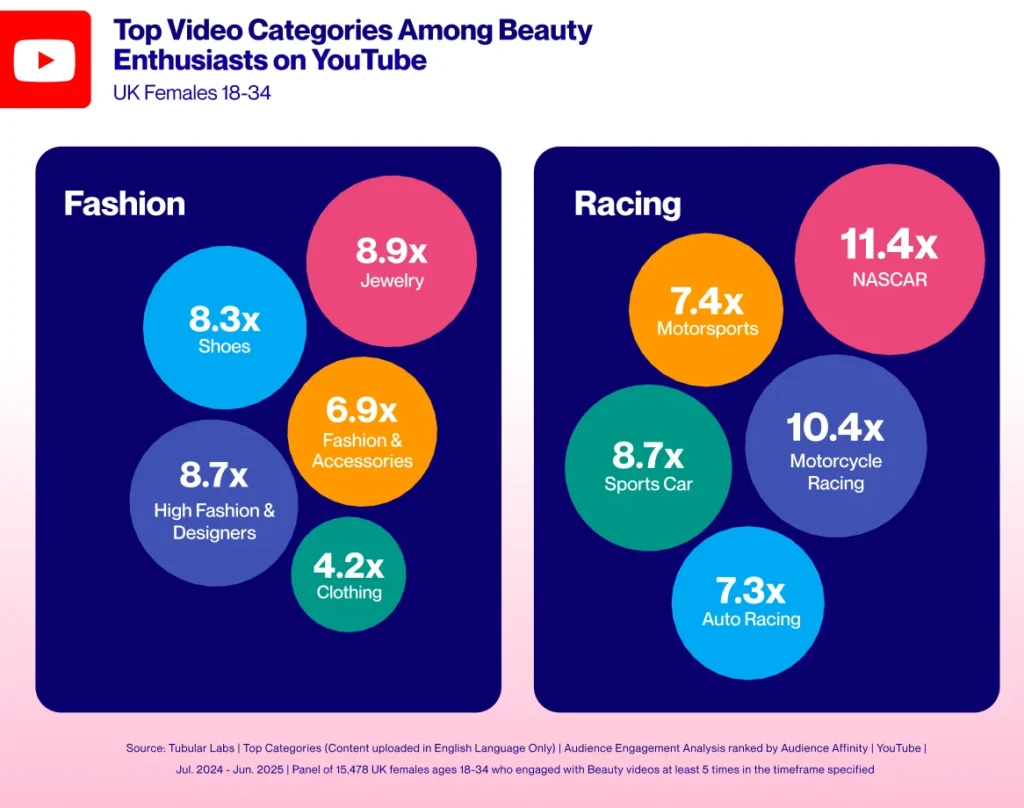
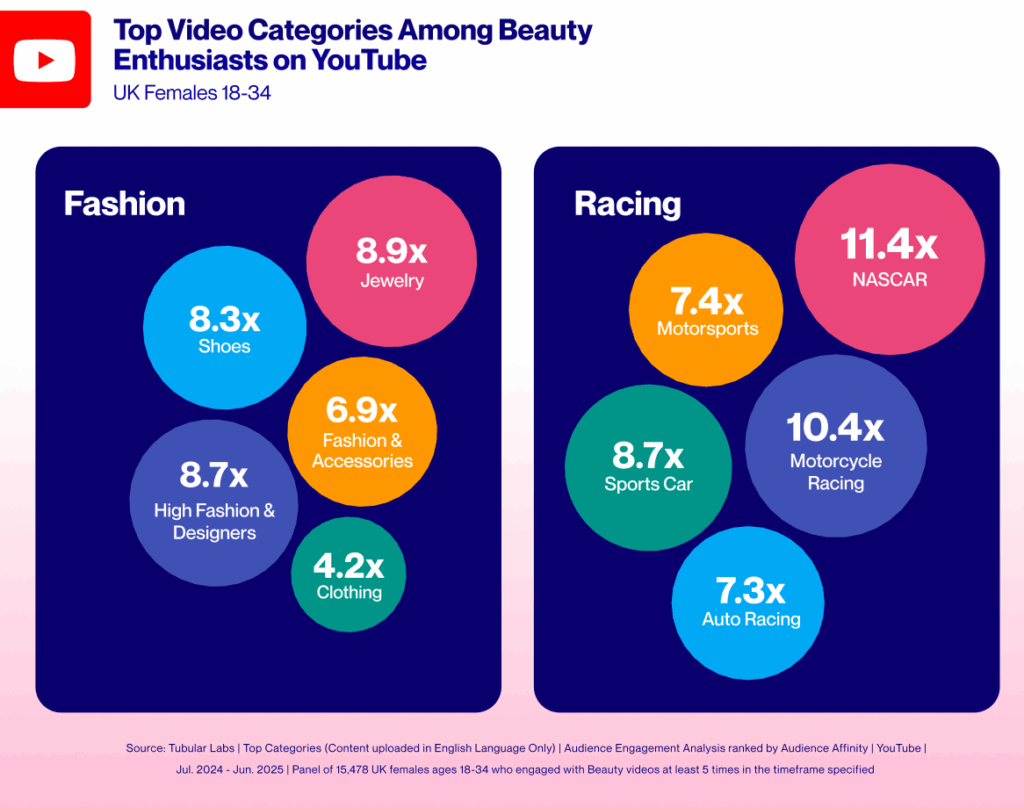
The findings are groundbreaking. When data scientists analyzed the viewing habits of YouTube beauty consumers in the UK, they anticipated the predictable, highly saturated overlap with fashion and jewelry content. However, the data revealed a striking, non-obvious affinity: UK female beauty viewers were 11.4 times more likely to watch motorsports content than the average digital consumer.

This single data point shatters conventional marketing wisdom, proving that deep audience intelligence can uncover hidden bridges between completely unrelated verticals. Armed with these insights, visionary brands are moving past legacy collaborations to architect historic, culture-shifting partnerships that command consumer attention and drive unprecedented commercial success.
Chronology: The Evolution of Brand Collaborations
To understand the revolutionary nature of today’s cross-category partnerships, it is helpful to examine the historical evolution of brand collaborations over the past two decades.
- Early 2000s (The Co-Branding Era): Collaborations were largely confined to direct industry adjacencies. Fast-food chains partnered with toy manufacturers for kid’s meal promotions, or fashion houses collaborated with complementary apparel designers. These partnerships relied heavily on gut instinct, shared retail footprints, and surface-level demographic overlap.
- 2010s (The Influencer Era): With the rise of social media influencers, brands shifted toward creator partnerships. However, these were still largely siloed. Beauty brands worked exclusively with beauty vloggers; tech brands partnered strictly with gadget reviewers. The strategy was about reaching an influencer’s existing followers rather than discovering new audience segments.
- 2020 to Present (The Social Video Intelligence Era): Driven by the explosion of short-form video and advanced data analytics, modern brands can now look beneath the hood of consumer attention. Platforms like Tubular Labs have enabled marketers to track cross-pollination across disparate interest graphs, transforming partnerships from risky creative gambles into data-backed strategic imperatives.
Supporting Data & Case Studies: When Worlds Collide
The proof of this data-driven strategy lies in the execution of high-profile cross-category campaigns that have dominated the cultural zeitgeist. Two standout case studies illustrate the immense power of marrying unexpected industries through video intelligence.
Beauty Meets Motorsports: Charlotte Tilbury x Formula 1 Academy
At first glance, the luxury cosmetics world and high-octane motorsport racing appear to occupy entirely different universes. Yet, guided by the insight that UK female beauty consumers possess an 11.4x higher affinity for motorsports content, luxury brand Charlotte Tilbury made a historic move.
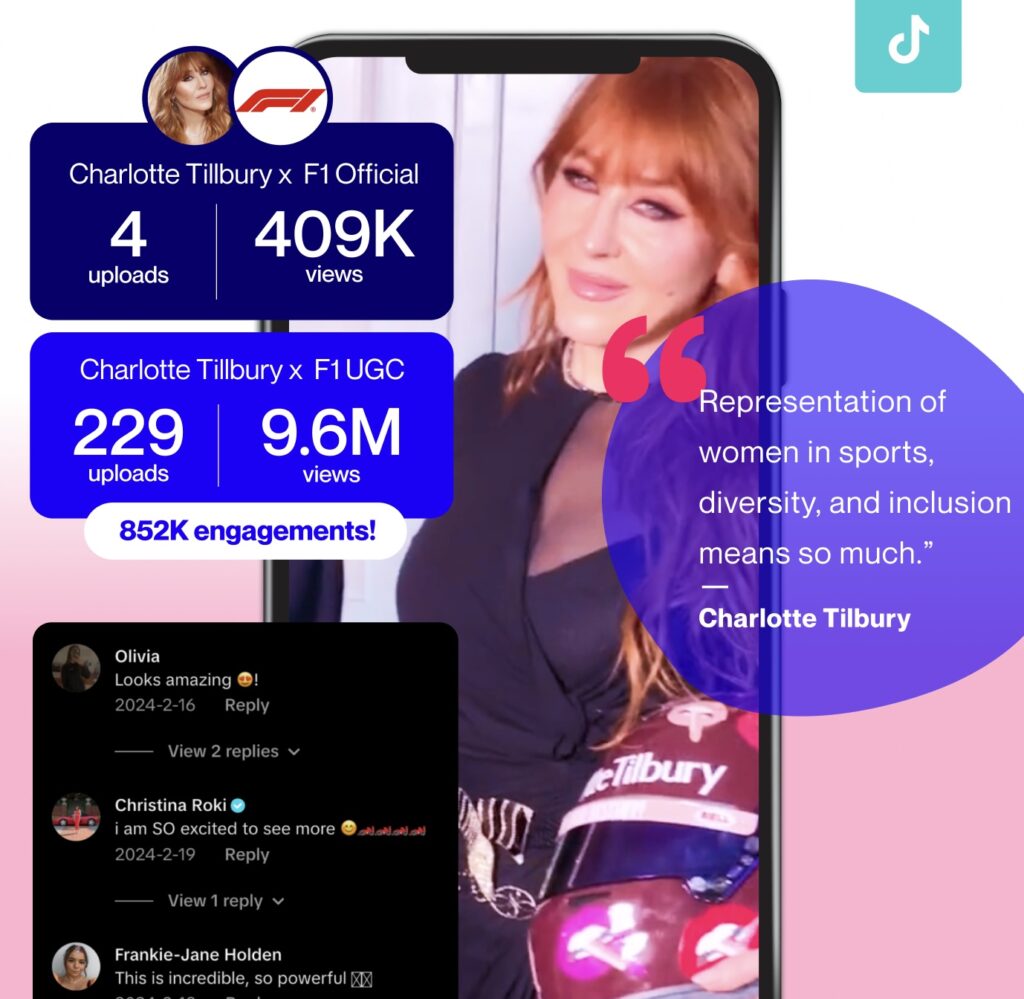
Charlotte Tilbury became the first-ever beauty brand to partner directly with the Formula 1 Academy, an all-female driver category aimed at developing and preparing young female drivers to progress to higher levels of competition.
- The Impact: The campaign shattered the outdated notion that female sports fans and beauty consumers are mutually exclusive. By embedding its brand into the high-speed world of F1 Academy, Charlotte Tilbury captured the attention of a highly engaged, underserved demographic, generating massive earned media value, millions of social video impressions, and establishing a powerful precedent for female empowerment branding.
Gaming Meets Glamour: Riot Games x Fenty Beauty
Female gamers represent one of the fastest-growing yet historically underserved demographics in the entertainment and technology sectors. Tubular Labs’ social video analytics revealed profound behavioral affinities between women deeply engaged in gaming and major prestige beauty giants like Yves Saint Laurent, NYX, and L’Oréal.
Capitalizing on this intelligence, Riot Games joined forces with Fenty Beauty to launch a limited-edition makeup collection inspired by Arcane, the critically acclaimed animated series based on Riot’s flagship game League of Legends.
- The Impact: The collaboration went viral globally. By tapping into the intersection of gaming culture and high-fashion glamour, the campaign resonated deeply with fans who felt seen and catered to by brands that understood their multifaceted identities.
Bonus Insights: Food Meets Nostalgic Entertainment
In another striking example of cross-category success, recent market analysis highlights the explosive potential of merging culinary cookware with pop-culture entertainment nostalgia. By analyzing cross-viewing data, a leading cookware brand partnered with a beloved cinematic and television franchise, leveraging shared emotional touchpoints to drive millions of unexpected views, heightened social engagement, and record-shattering product sales.
Official Responses and Industry Perspectives
Marketing leaders and data scientists are increasingly vocal about the paradigm shift toward social video intelligence. Industry analysts note that as ad fatigue grows and traditional targeting mechanisms—such as third-party cookie deprecation and privacy updates—make standard digital tracking harder, brands must find smarter ways to connect with consumers authentically.
"When you look at modern audiences through the lens of traditional demographics, you are essentially flying blind," notes a leading digital media strategist. "Consumers are complex, multi-passionate individuals. Social video intelligence doesn’t just tell you who is watching a video; it tells you what else they care about on a visceral level. That is the holy grail for modern partnership marketing."
Furthermore, executives from major global brands emphasize that risk-taking in marketing must be calculated. The days of spending millions on a celebrity endorsement just because it feels right are fading fast. Today’s CMOs demand empirical proof that a partnership will resonate before capital is deployed. Video analytics provide that exact roadmap, turning creative hunches into verifiable science.
Implications: The Future of Brand Strategy
The rise of data-backed, cross-category partnerships carries profound implications for the future of marketing, media agencies, and content creators.
1. The Death of the Niche Monopoly
Brands can no longer rely solely on swimming in their own lanes. To capture cultural mindshare, companies must be willing to explore collaborations with seemingly unrelated industries. A financial services firm might find unexpected synergy with gaming communities; an automotive brand might discover vital resonance within the wellness and mindfulness space.
2. A Shift Toward Participatory Marketing
As seen in the Riot Games and Fenty Beauty collaboration, modern consumers do not want to be passive recipients of marketing messages. They expect to participate in cultural moments where their diverse interests intersect. Partnerships thrive when they invite audiences into a shared narrative rather than simply pushing a product.
3. The Four-Step Framework for Modern Marketers
To successfully identify and execute high-impact influencer or brand partnerships using video intelligence, marketers should follow a rigorous, step-by-step framework:
- Audit Audience Behavior: Look beyond your immediate vertical. Use advanced social video analytics to discover what else your core audience is watching and engaging with across digital platforms.
- Identify Non-Obvious Overlaps: Look for statistical anomalies—such as high affinity multipliers (e.g., beauty fans watching motorsports)—that point to untapped cultural bridges.
- Align Core Values: Ensure that while the industries may be different, the foundational brand ethos, audience mindset, and creative vision share a natural synergy.
- Measure Beyond Impressions: Evaluate partnership success through the lens of community participation, cross-pollination of new audience segments, and long-term brand equity rather than short-term vanity metrics.
Conclusion
With the right social video intelligence, modern marketers no longer need to rely on guesswork, assumption, or outdated demographic stereotypes. By decoding the true behavior of digital audiences, brands can pinpoint exactly where unexpected partnerships will thrive—and confidently invest in creative collaborations that deliver measurable, culture-defining results.
Are you ready to discover unexpected partnership opportunities that will elevate your brand to new heights? Request a demo today and unlock the full power of social video intelligence.
