
Beyond Hotjar: A Comprehensive Guide to Behavioral Analytics Alternatives in 2026
For over a decade, Hotjar served as the gold standard for small-to-medium businesses looking to bridge the gap between quantitative data and qualitative user behavior. Its intuitive heatmaps, session recordings, and feedback widgets democratized conversion rate optimization (CRO). However, as the digital landscape has matured, so too have the requirements of product and marketing teams. Following its acquisition by Contentsquare and the subsequent restructuring of its product tiers in 2025, many organizations are re-evaluating whether Hotjar remains the right fit for their specific operational needs.
This guide provides a deep dive into the top eight alternatives for 2026, analyzing how these platforms compare in terms of feature consolidation, pricing, and specialized use cases.
The Shifting Landscape: Why Teams Are Migrating
The primary catalyst for the current exodus from Hotjar is a fundamental change in the product’s architecture. Since its 2021 acquisition by Contentsquare, the platform has undergone a metamorphosis. By 2025, the brand moved away from its "all-in-one" simplified pricing model toward a modular approach.
Chronology of Change
- 2021: Contentsquare acquires Hotjar, signaling a consolidation in the digital experience analytics market.
- 2024: Integration efforts begin, with Hotjar’s backend infrastructure migrating to leverage Contentsquare’s enterprise-grade data processing.
- 2025: The "Hotjar-branded" plans are officially retired. Features are split into three distinct product lines: Experience Analytics, Voice of Customer, and Product Analytics (powered by the Heap technology stack).
- 2026: Users face a new reality where advanced features now often require enterprise-level contracts, leading many smaller businesses to seek more agile or cost-effective alternatives.
The Financial Implications
Data from procurement platforms like Vendr suggests that while the entry point for basic usage remains accessible, the median annual contract value for the consolidated platform has climbed significantly. For mid-market companies, the shift from a predictable monthly subscription to a modular, quote-based pricing structure has created budget volatility.
Top 8 Alternatives: A Comparative Analysis
When selecting a replacement, it is essential to distinguish between "feature parity" and "strategic fit." Below are the leading contenders for 2026.
1. Crazy Egg: The All-in-One Optimizer
Crazy Egg stands out for teams that want to consolidate the full optimization loop. Unlike competitors that focus strictly on observation, Crazy Egg provides the tools to act on that data.
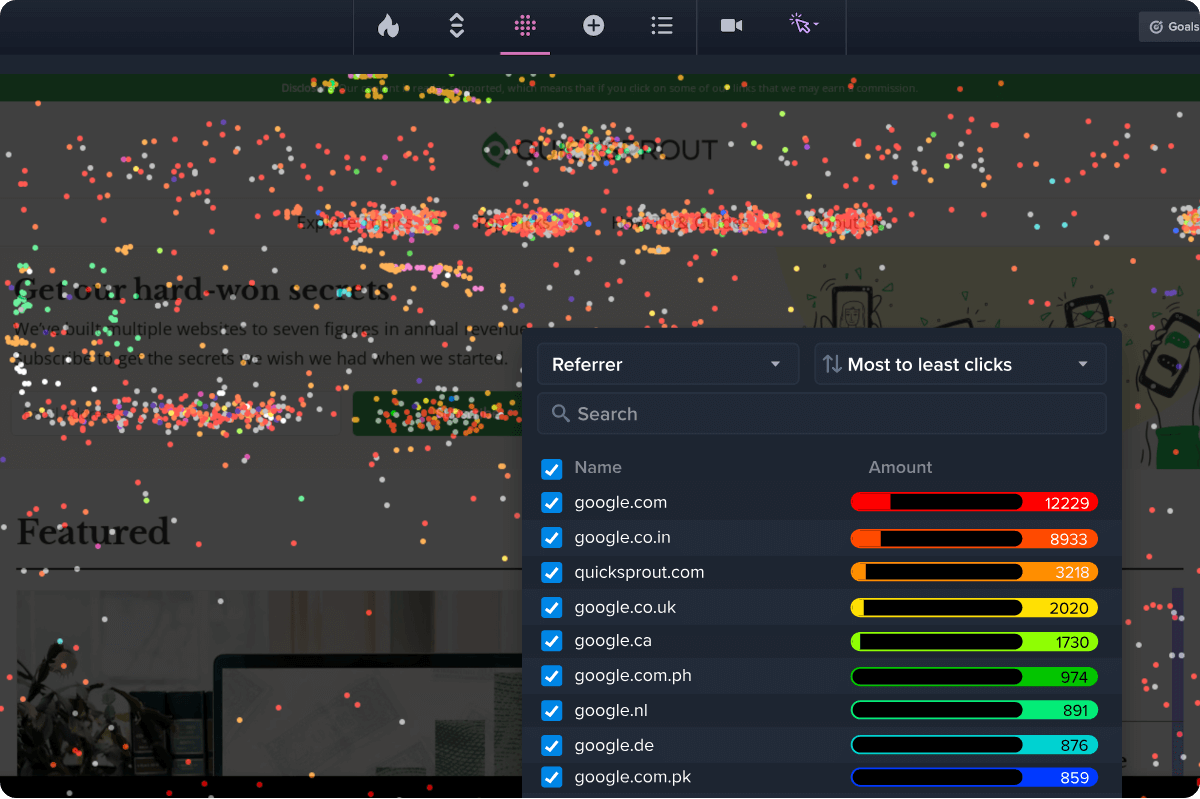
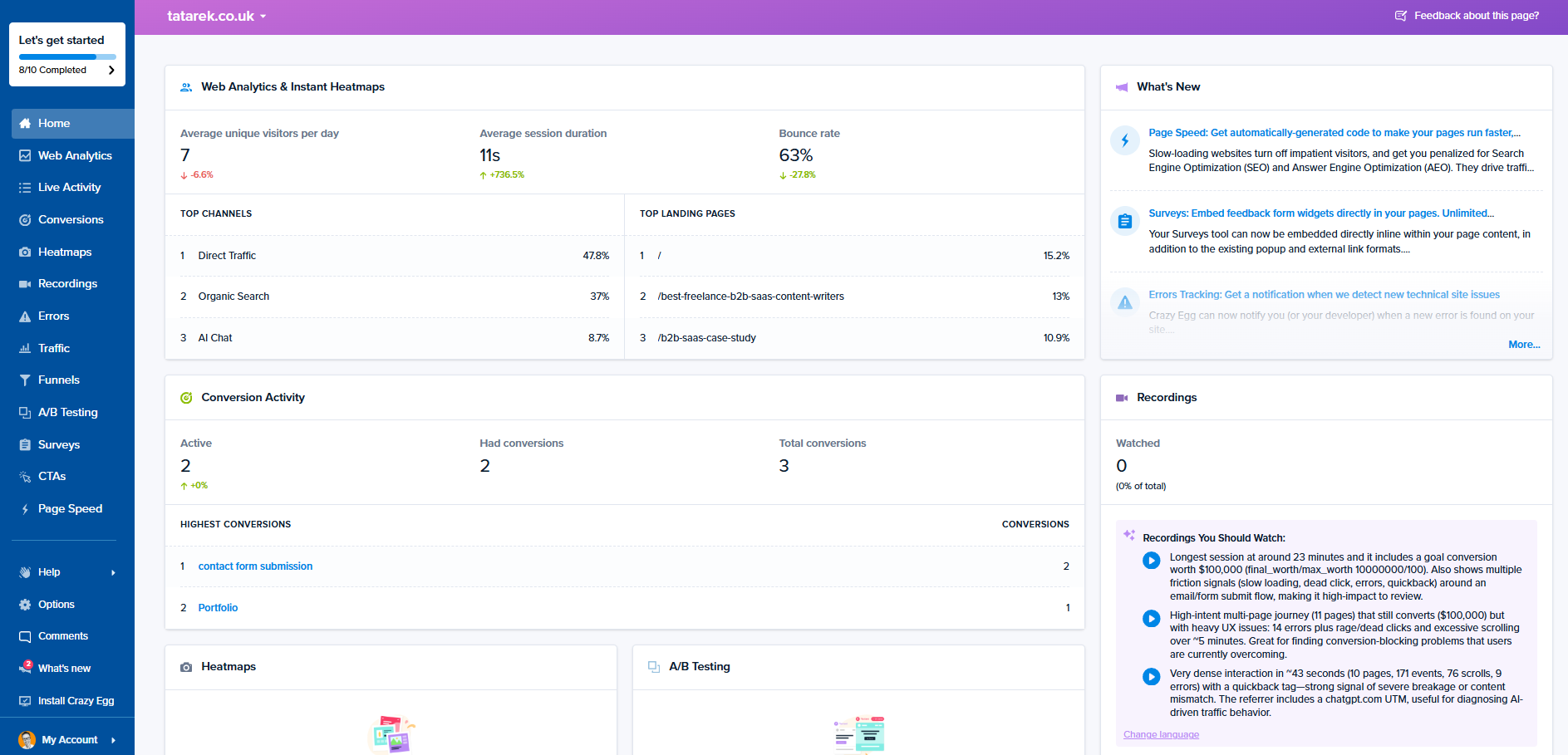
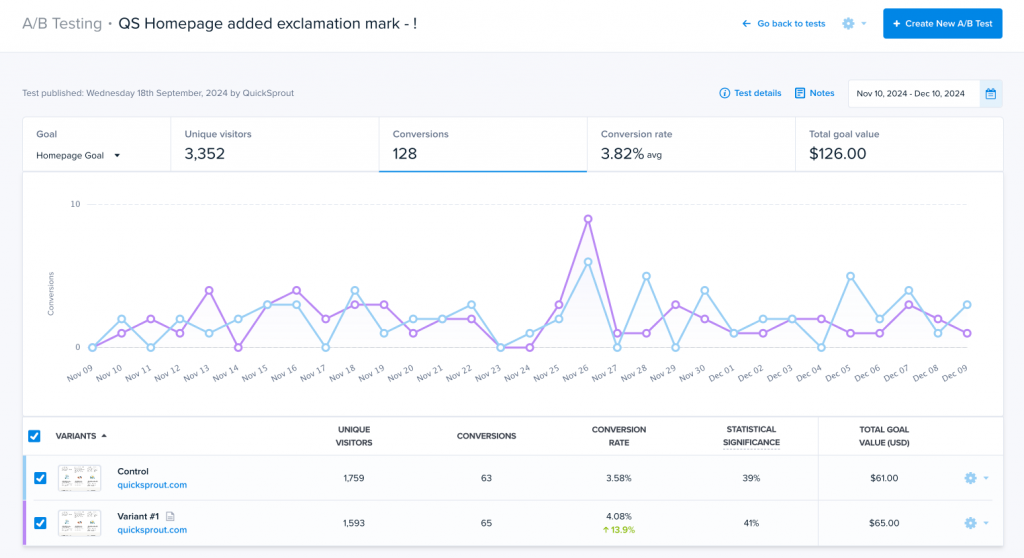
- Best for: Teams looking to combine heatmaps, A/B testing, and popup CTAs in one dashboard.
- The Advantage: It eliminates the need for a separate A/B testing tool, allowing users to move from "diagnosing a problem" to "testing a fix" without leaving the platform.
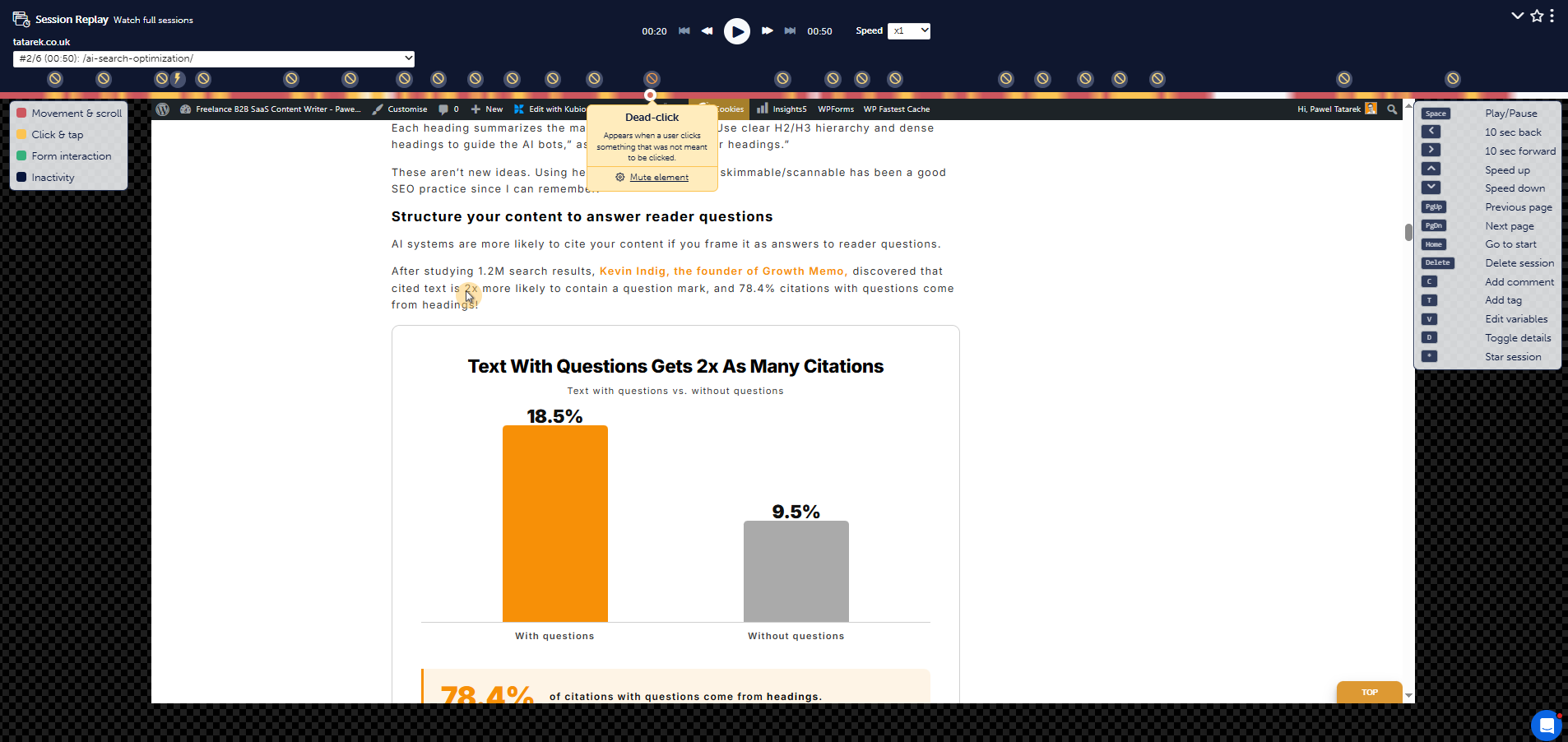
2. Microsoft Clarity: The Zero-Cost Standard
Clarity has become the go-to for startups and hobbyists. Because it is free, it has effectively commoditized session recording and heatmapping.
- Best for: Organizations that need robust behavior analytics without the overhead of a subscription.
- The Limitation: It lacks advanced marketing-centric features like on-site survey triggers or sophisticated funnel attribution found in premium tools.
3. Mouseflow: The Precision Replacement
For those who feel Hotjar has become too enterprise-focused, Mouseflow offers a "like-for-like" experience that prioritizes friction detection.
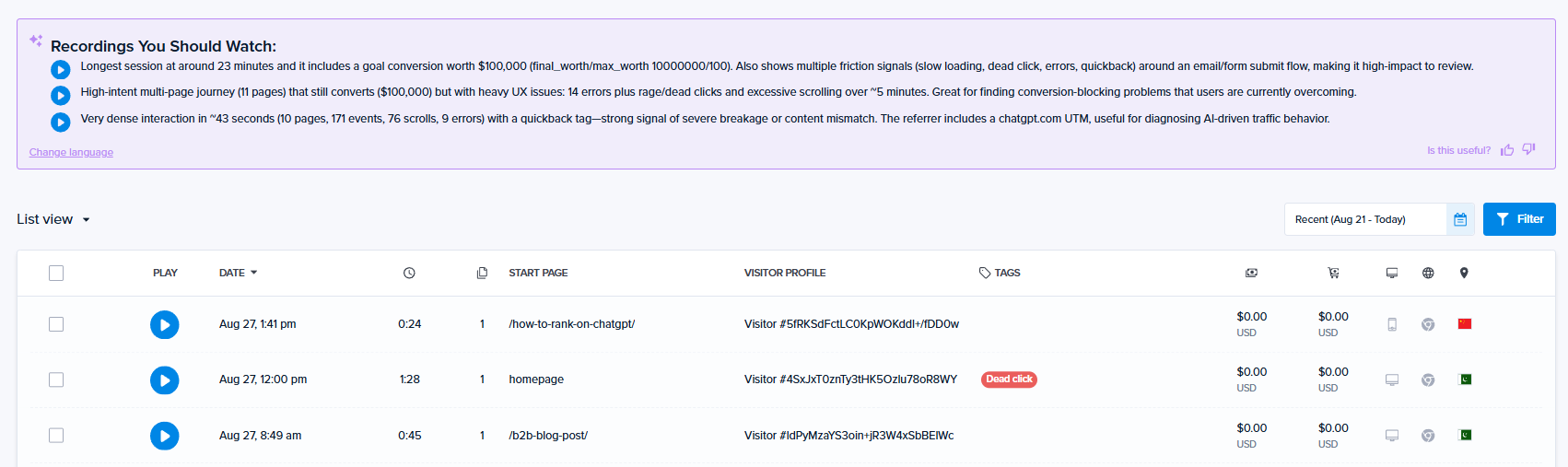
- Best for: Marketers who rely on "Friction Scores" to quickly identify where users are struggling.
- The Advantage: It provides seven different types of heatmaps, offering a more granular view than the standard scroll and click maps.
4. Lucky Orange: The E-commerce Specialist
Lucky Orange was built with the checkout flow in mind. Its integration with platforms like Shopify and BigCommerce is seamless.
- Best for: Small e-commerce teams that need live chat and real-time visitor tracking to boost conversion at the point of sale.
5. FullStory: The Digital Transformation Powerhouse
FullStory is a step up for companies dealing with high-volume digital products. Its ability to index every single user action allows for complex "segment health" analysis.
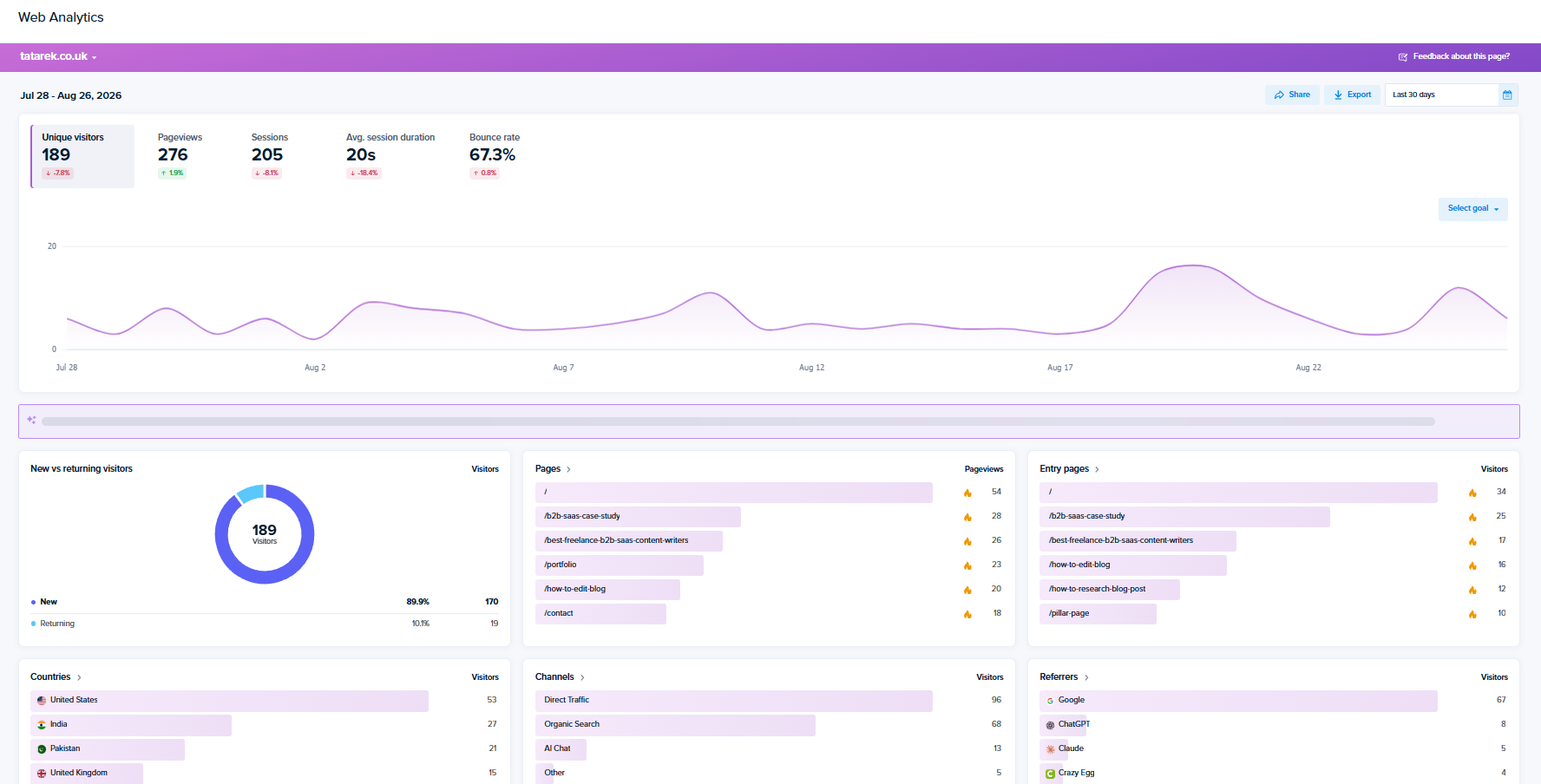
- Best for: Product teams tasked with internal digital transformation and high-level user adoption metrics.
- The Barrier: With entry costs often starting in the five-figure range, this is not a solution for small businesses, but rather for scaling enterprises.
6. PostHog: The Engineering-First Ecosystem
PostHog is arguably the most powerful tool on this list for developers. It is essentially a "data warehouse in a box," bundling feature flags, error tracking, and analytics.
- Best for: Product and engineering teams that want to own their data and integrate analytics into their CI/CD pipeline.
7. VWO: The Experimentation Leader
VWO is less of a behavioral analytics tool and more of an experimentation platform that includes behavioral analytics.
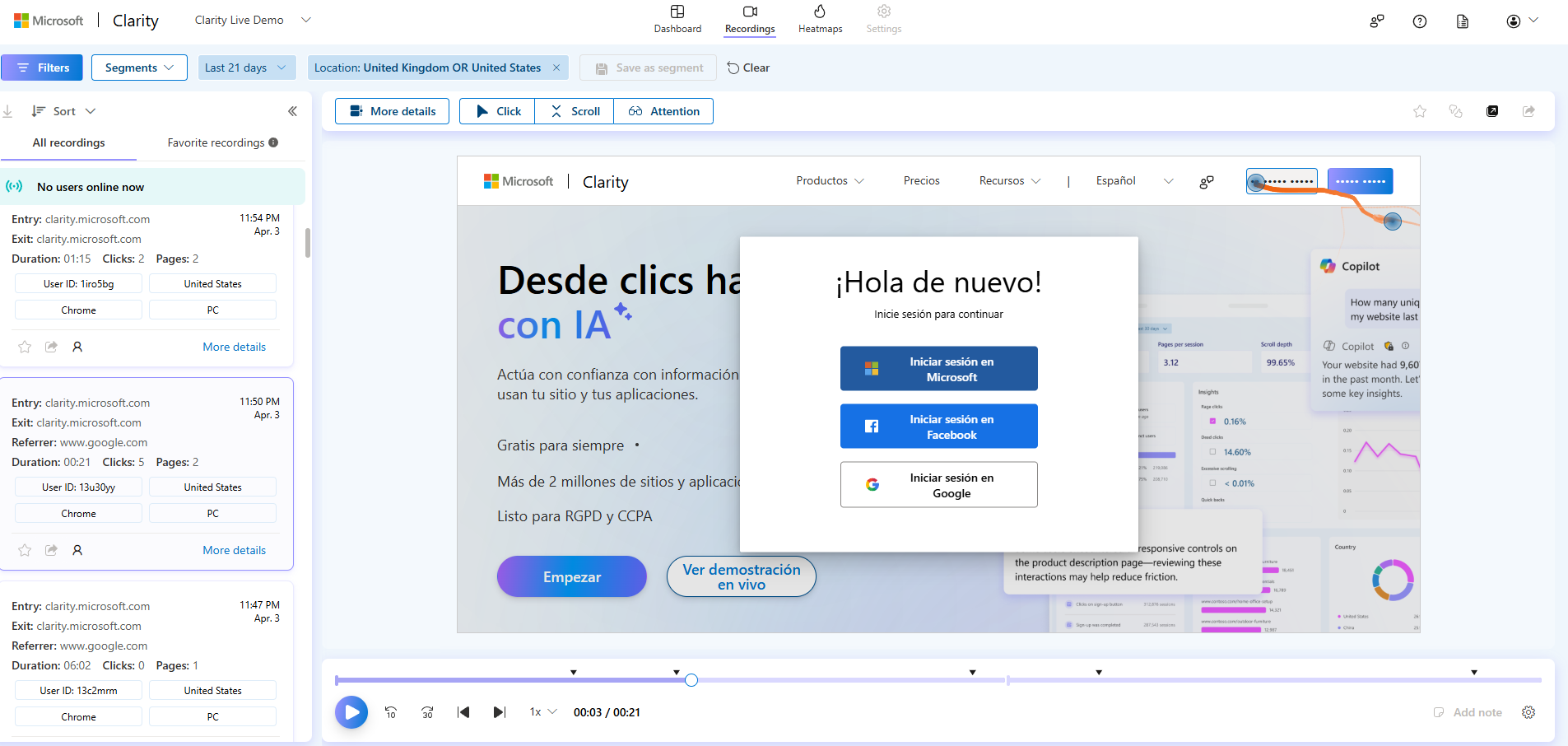
- Best for: Mature organizations that prioritize A/B testing and personalization as their primary CRO levers.
8. Survicate: The Feedback Specialist
If your use of Hotjar was primarily for NPS, CSAT, or exit-intent surveys, Survicate is a superior alternative.
- Best for: Teams that need deep, multi-channel feedback collection (email, mobile, in-product) rather than just session replay.
Strategic Selection: How to Choose?
When deciding which tool to adopt, consider the following decision matrix:
| If your primary goal is… | Consider this tool |
|---|---|
| Budget conservation | Microsoft Clarity |
| CRO Consolidation | Crazy Egg |
| Engineering Integration | PostHog |
| E-commerce Optimization | Lucky Orange |
| High-Scale Product Adoption | FullStory |
Addressing the Migration Challenge
A common concern during migration is data loss. It is important to note that there is no "one-click" migration path between these platforms. Because behavioral data (session replays and raw heatmap clicks) is highly proprietary, it cannot be imported into a new tool.
Recommended Workflow for Switching:
- Export Current Insights: Manually export your existing session lists, tags, and notes into CSV or XLSX format for historical archiving.
- Snapshot Preservation: Download visual heatmap snapshots. While you cannot "re-run" them in a new tool, they provide a visual record of historical performance.
- The "Clean Slate" Strategy: Most teams find that trying to bridge years of historical data is counterproductive. Instead, treat the switch as an opportunity to implement a new tagging structure and tracking plan based on your current 2026 business goals.
Final Thoughts: The Verdict
The era of the "one-size-fits-all" behavior analytics tool is fading. While Hotjar was the pioneer, the market has splintered into specialized camps. If you are a lean team, Microsoft Clarity provides the best baseline. If you are a growth-focused marketing team, Crazy Egg is likely your strongest move for consolidation. If you are a product team building a complex web app, the engineering-centric approach of PostHog will provide the most long-term value.
Regardless of the choice, the focus for 2026 should be on actionable data—ensuring that the tool you choose doesn’t just show you what your users are doing, but empowers you to change it.
