

The Pulse of Profit: Mastering Customer Engagement Analytics to Drive Sustainable Growth
In the digital era, the difference between a thriving business and one that merely survives often boils down to a single, elusive metric: engagement. It is the invisible bridge between a casual visitor and a loyal customer. Yet, for many organizations, the journey of a user remains a "black box"—visitors arrive, browse, and depart, leaving marketers to wonder if they were truly captivated or simply passing through.
Customer engagement analytics has emerged as the definitive solution to this opacity. By systematically collecting, tracking, and interpreting data on how users interact with a brand, businesses can move beyond vanity metrics and uncover the underlying drivers of customer behavior. When leveraged correctly, these insights do more than just improve a user interface; they cultivate the kind of brand affinity that turns fleeting interactions into long-term, high-value conversions.
The Anatomy of Engagement: Defining the Data
At its core, customer engagement analytics is the practice of quantifying the relationship between a user and a brand. Whether through a website, a mobile application, a social media channel, or an offline touchpoint, every click, scroll, and video view serves as a data point.
In the context of modern digital marketing, engagement is defined by the "mid-funnel" behavior—the critical actions taken after a user discovers a brand but before they commit to a final purchase or subscription. By focusing on these interactions, companies can map the customer journey with precision, identifying not just where users drop off, but why they choose to stay.
The Strategic Importance: Why Engagement Matters
Engagement is the lifeblood of sustainable growth. Without it, the marketing funnel becomes a leaky bucket. Most users are not impulse buyers; they require multiple touchpoints to build the trust and familiarity necessary for a conversion.

The Mid-Funnel Bridge
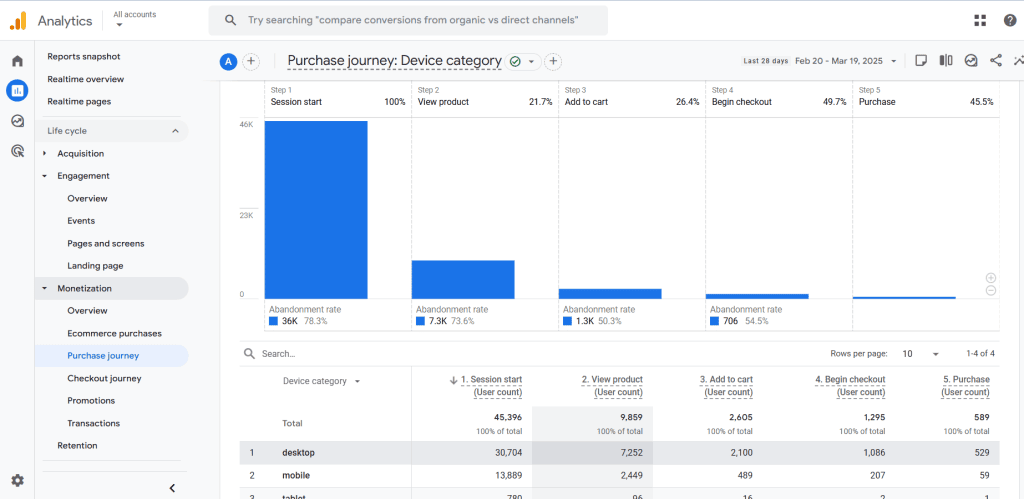
Engagement analytics serves as the essential link between top-of-funnel awareness and bottom-of-funnel conversion. By analyzing the behavior of users as they progress, businesses can identify friction points—such as a confusing navigation menu or a slow-loading landing page—that hinder the path to purchase.
Building Brand Affinity
Beyond simple conversion rates, engagement builds the emotional equity that creates brand loyalty. Frequent, positive interactions foster a sense of trust. When a user interacts with your content repeatedly, they are not just consuming information; they are participating in your brand narrative. This familiarity is the bedrock of customer retention, ensuring that even if a user doesn’t convert on their first visit, they are significantly more likely to return.
Implementation: A Structured Approach
Effective engagement analytics requires more than just installing a tracking script; it demands a strategic framework.
1. Defining Stakeholder Requirements
The process begins with a cross-departmental audit. Marketing, product development, and sales teams often define "engagement" differently. For a content team, engagement might mean "time on page," while for an e-commerce lead, it might mean "product view to cart-add ratio." By aligning these definitions early, organizations can ensure that their analytics strategy supports overarching business objectives.
2. Creating an Implementation Guide
Data integrity is paramount. A comprehensive Implementation Guide serves as the "source of truth" for web analysts and developers. This document should detail exactly what events are being tracked, the naming conventions for those events, and the specific business logic behind them. By standardizing this process, teams avoid the common pitfall of "data silos," where different departments work with inconsistent metrics.
3. Custom Configuration
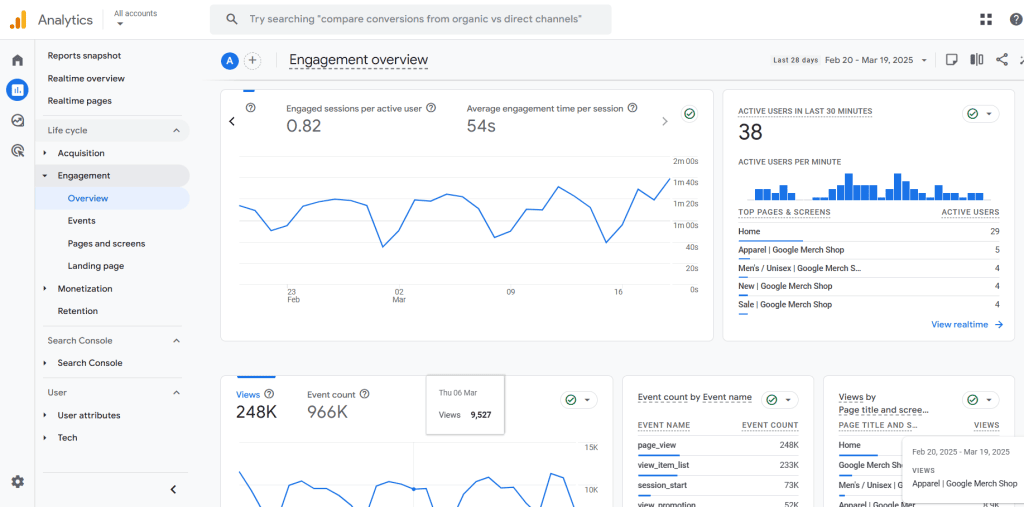
While tools like Google Analytics 4 (GA4) offer robust out-of-the-box tracking, they are rarely sufficient for complex business models. High-maturity organizations often require custom event tracking—such as monitoring engagement with a specific game feature, a video player, or an interactive pricing calculator. These custom configurations are where the most valuable insights are often found.
Key Metrics: A Comprehensive Breakdown
To master engagement, one must master the metrics. These are divided into four primary domains, each offering a different lens through which to view user behavior.
Web and App Engagement
- Page Views: The foundational metric. While useful for scale, it lacks depth.
- Sessions: A period of active user engagement. In GA4, this is typically defined as 30 minutes of activity, though this can be customized.
- Engagement Time: This is the "gold standard" for content-heavy sites. It measures the duration that a page is in the foreground, providing a much more accurate picture of consumption than simple bounce rates.
- Pages per Session: An indicator of exploration. A user who visits three pages is inherently more engaged than one who exits after viewing a single landing page.
- Engaged Sessions: A sophisticated metric that filters for users who stayed longer than 10 seconds, converted, or viewed multiple pages.
Social Media Engagement
Social media metrics—such as shares, comments, and likes—serve as a proxy for brand sentiment. These interactions indicate that the user has moved from a passive viewer to an active participant, a critical indicator of community health.
Paid Ads and Email Performance
- Click-Through Rate (CTR): The ultimate test of relevancy. A high CTR suggests that the creative and the offer are perfectly aligned with the target audience’s needs.
- Open Rate: For email marketing, this is the first gate. It measures the effectiveness of subject lines and brand recognition.
Product Engagement
For e-commerce and SaaS, engagement happens within the product itself. Metrics like "Add to Cart" frequency, product view depth, and feature usage patterns are vital. If a user views a product three times but never adds it to the cart, the data tells a story of intent hindered by a barrier—perhaps price, lack of social proof, or unclear product descriptions.
Implications for Future Growth
The shift toward engagement-focused analytics represents a maturation of the digital marketing landscape. We are moving away from the era of "traffic for the sake of traffic" toward an era of "meaningful interaction."
Predictive Power
As organizations collect more granular engagement data, they gain the ability to build predictive models. By identifying the specific sequence of actions that most commonly leads to a conversion, companies can proactively nudge users toward those same actions.
The Ethical Consideration
While data is powerful, it must be handled with care. Transparency regarding how user interactions are tracked is not only a regulatory requirement (under frameworks like GDPR and CCPA) but a consumer expectation. Building trust through privacy-conscious analytics is, in itself, a form of engagement that strengthens the brand-customer relationship.
Conclusion: The Path Forward
Customer engagement analytics is not a one-time project; it is an ongoing dialogue with your audience. It requires a commitment to constant testing, learning, and optimization. By focusing on the nuances of how users interact with your brand—rather than just the final result—you can build a sustainable, resilient growth engine.
Ultimately, the businesses that succeed in the coming decade will be those that view their customers not as statistics, but as individuals on a journey. By providing the right content, the right tools, and the right experience at every touchpoint, you don’t just secure a transaction; you earn a relationship.
As we look toward the future of data-driven marketing, the question is no longer "How much traffic can we drive?" but rather, "How deeply can we engage the traffic we already have?" The answer lies in the data, waiting to be uncovered.
