
The Optimization Showdown: Choosing Between Crazy Egg and Fullstory for Digital Growth
In the rapidly evolving landscape of digital experience analytics, selecting the right platform is no longer just about tracking clicks—it is about synthesizing vast streams of user behavior into actionable business intelligence. As businesses shift from simple traffic monitoring to complex, intent-driven optimization, two heavyweights often emerge in the selection process: Crazy Egg and Fullstory.
While both tools promise to demystify the user experience, they approach the challenge from fundamentally different philosophies. Crazy Egg positions itself as the all-in-one "optimizer’s workbench," designed for teams looking to consolidate web analytics, testing, and feedback under a single, transparent pricing model. Conversely, Fullstory serves as a robust digital experience intelligence (DXI) platform, built for product managers and engineering teams who need deep, granular visibility into mobile apps and complex, multi-step digital product journeys.
Main Facts: Defining the Core Capabilities
To understand which tool aligns with your organizational goals, one must first distinguish between "website optimization" and "product experience intelligence."
The Case for Crazy Egg
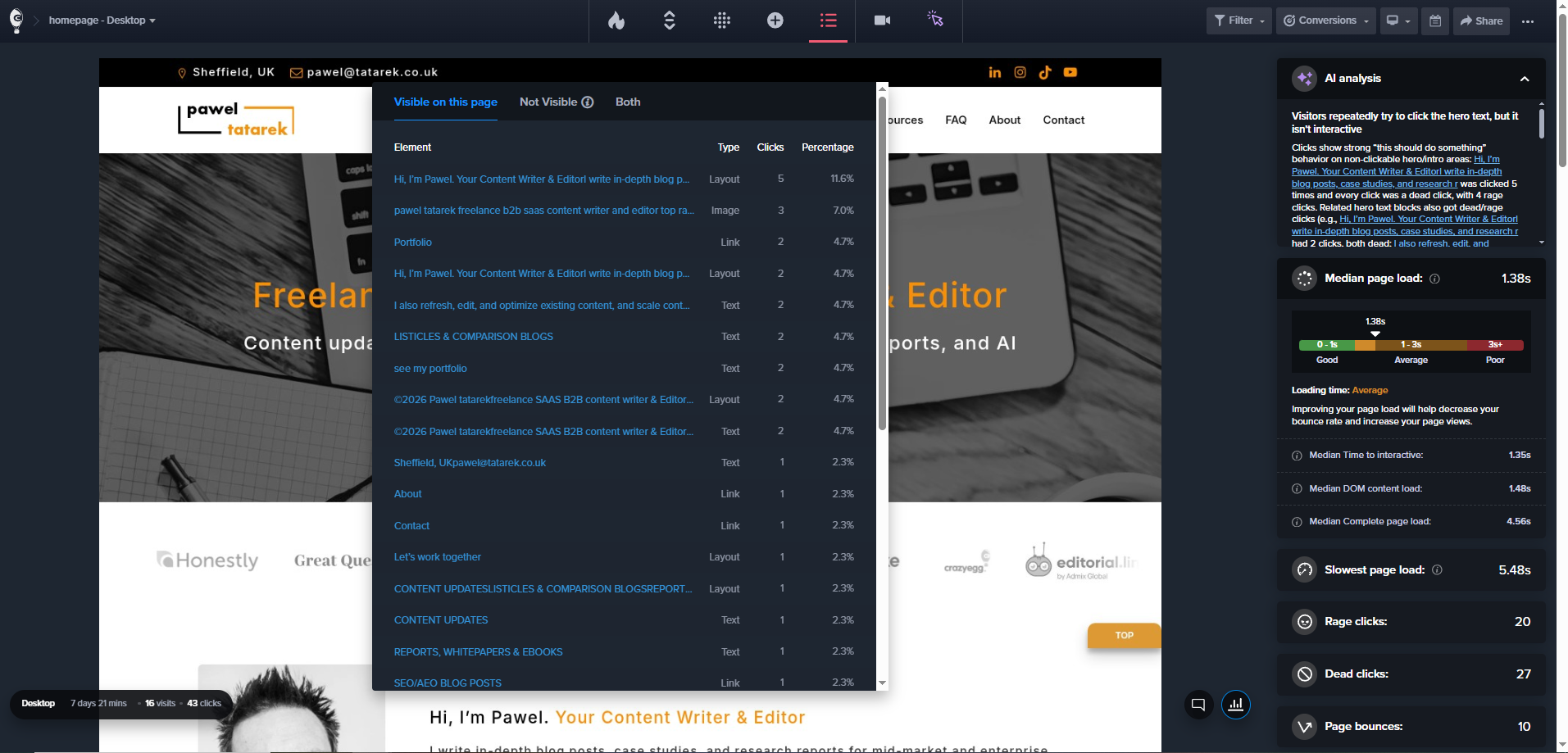
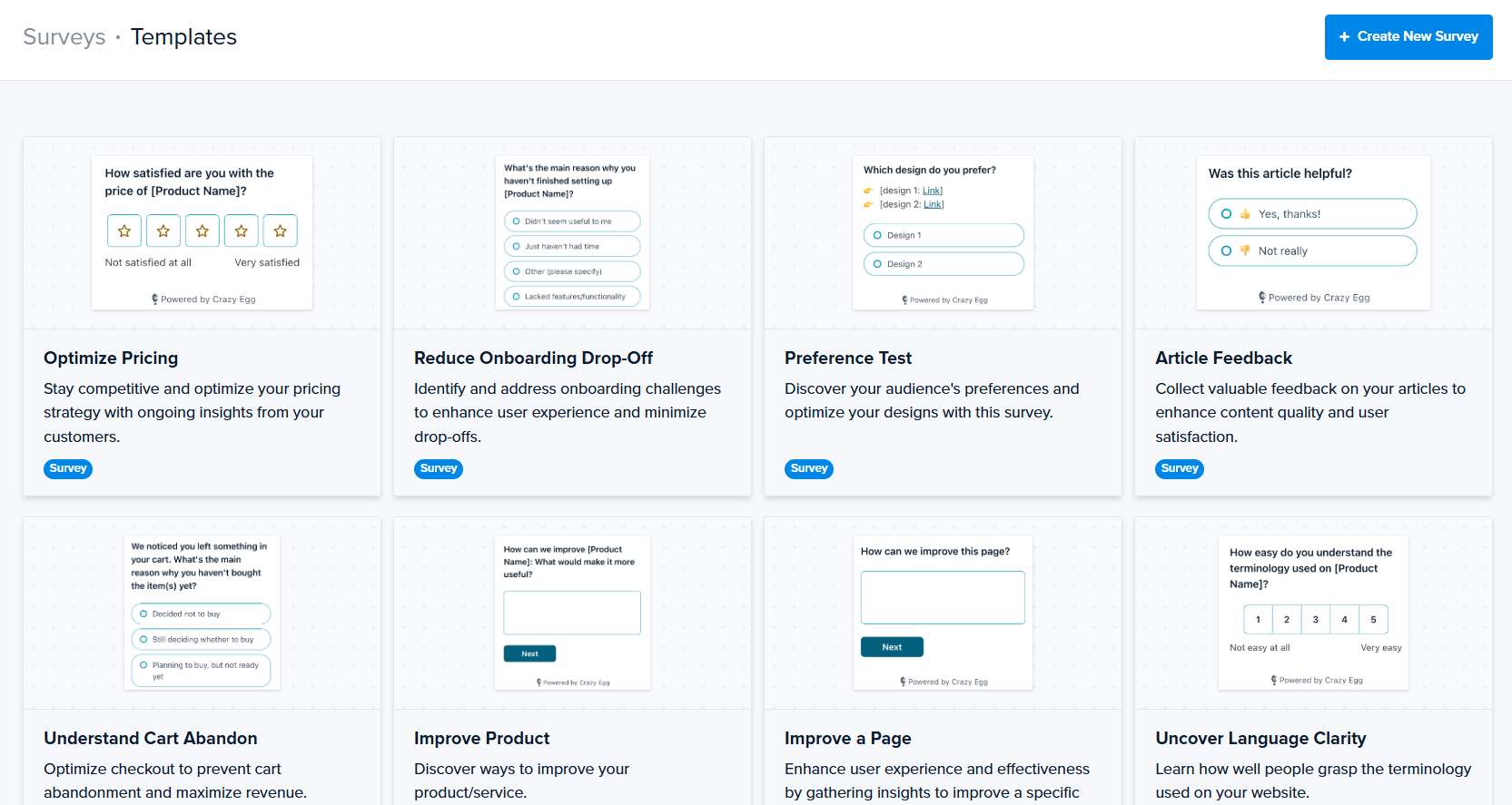
Crazy Egg excels in the realm of web-based conversion rate optimization (CRO). Its primary strength lies in its ability to combine visual feedback—such as heatmaps, scroll maps, and confetti maps—with a native, code-free experimentation suite. It is built for teams that need to quickly identify a bottleneck on a landing page, deploy a survey to understand the "why" behind the drop-off, and launch an A/B test to validate a fix, all within the same dashboard. Its reliance on "tracked pageviews" rather than "session counts" offers a predictable cost structure that appeals to marketing and growth teams.

The Case for Fullstory
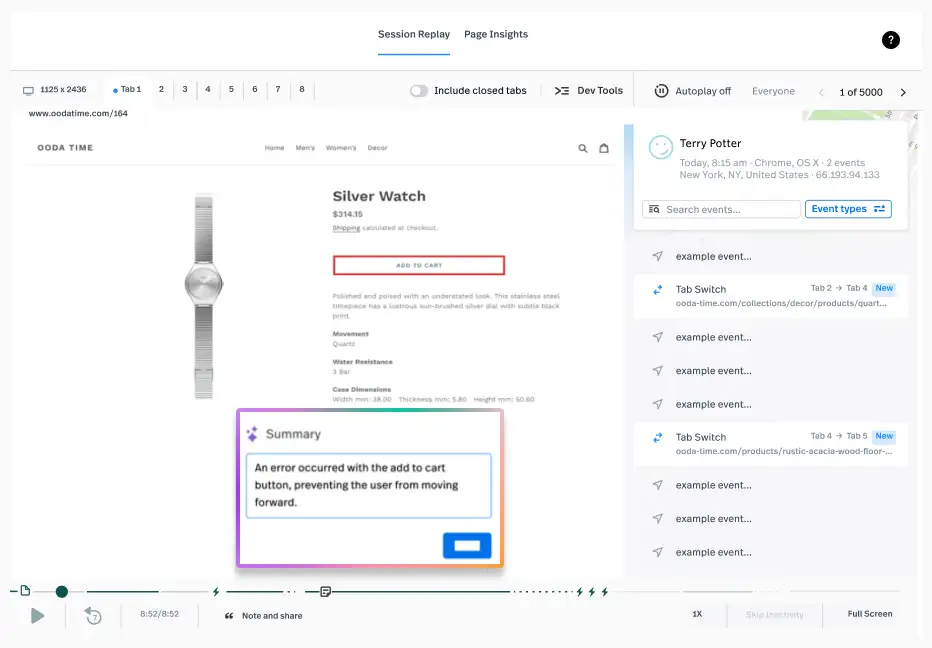
Fullstory is engineered for the product-centric enterprise. Its "Fullcapture" technology records every interaction within web and mobile applications, including complex native environments like React Native and Flutter. It does not just track clicks; it maps the entire user journey. For organizations managing complex SaaS products or mobile-first applications, Fullstory provides a level of depth that includes network error logging, performance telemetry, and complex funnel orchestration. It is a tool for developers and product owners who need to debug the "how" and "why" behind a user’s failure to complete a task.
Chronology: The Evolution of Digital Intelligence
The trajectory of these two companies highlights the divergence of the market.
- The Early Days: Crazy Egg established itself as the pioneer of heatmap technology, democratizing access to behavioral data for small and medium-sized businesses. It focused on the "visual" aspect of web optimization.
- The Rise of DXI: Fullstory entered the market during the explosion of SaaS, focusing on the "digital experience." By building a platform that treats user sessions as searchable data, it moved beyond heatmaps into the era of "session replay" as a core product feature.
- The AI Integration Phase (2024–2026): Both companies have spent the last two years aggressively integrating Generative AI. While Crazy Egg focused on "Agentic Workflows" to automate the creation of optimization tests, Fullstory leaned into "Ask StoryAI" to allow users to query complex datasets using natural language.
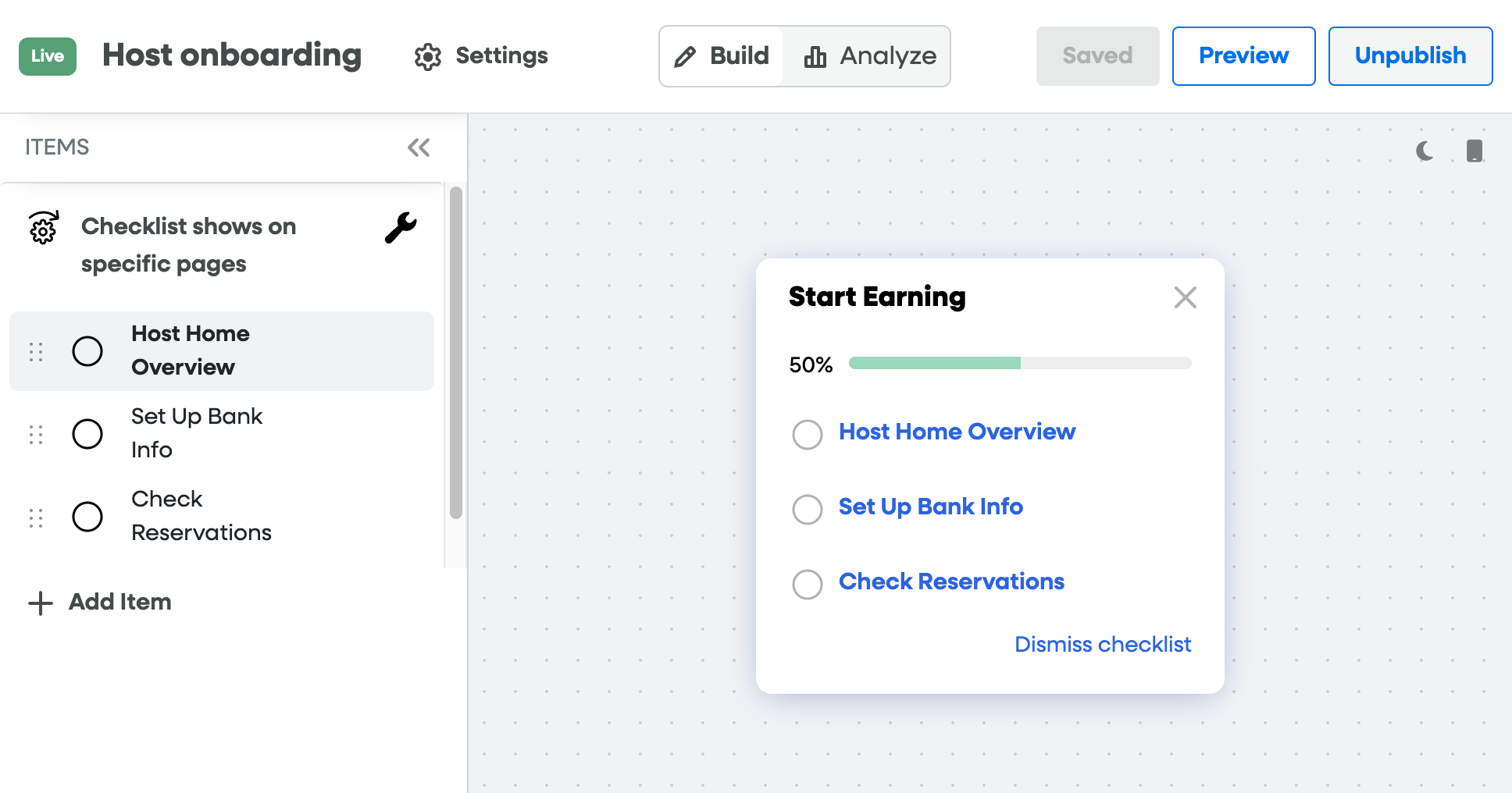
- Expansion of Scope: A significant inflection point occurred in late 2025, when Fullstory acquired Usetiful to bolster its "Guides" functionality, effectively moving into the product adoption and onboarding space—a move that further distanced its feature set from traditional CRO tools.
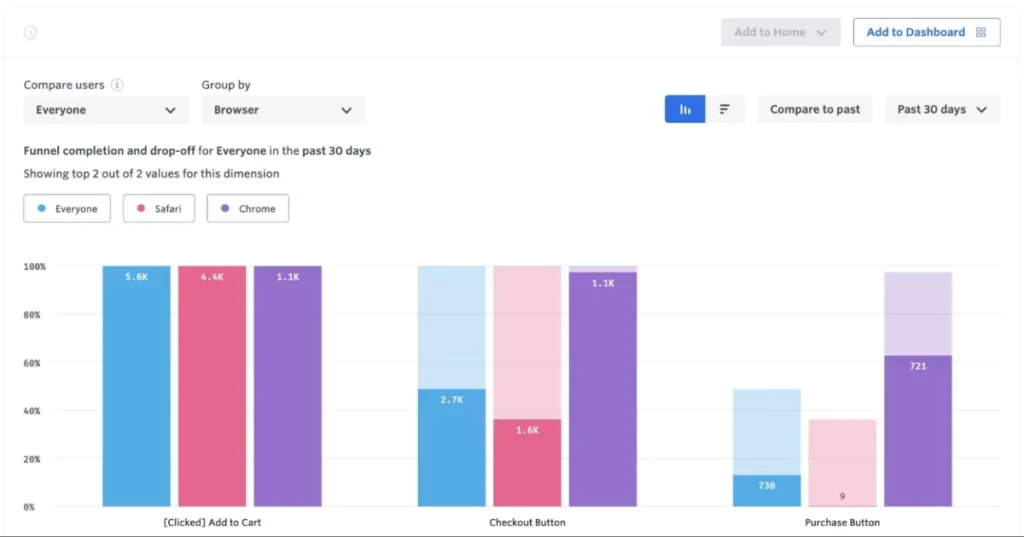
Supporting Data: Comparative Metrics
When evaluating these tools, the difference in data philosophy becomes apparent through their feature sets.
Heatmaps and Visualization
Crazy Egg provides five distinct map types, including its proprietary "Confetti" map, which allows for per-click segmentation. This is ideal for identifying why a specific demographic is ignoring a Call-to-Action (CTA). Fullstory, meanwhile, ranks elements by their contribution to revenue. This "Conversion Map" approach is less about the visual layout of the page and more about the financial impact of specific UI elements.
Session Replays and Performance
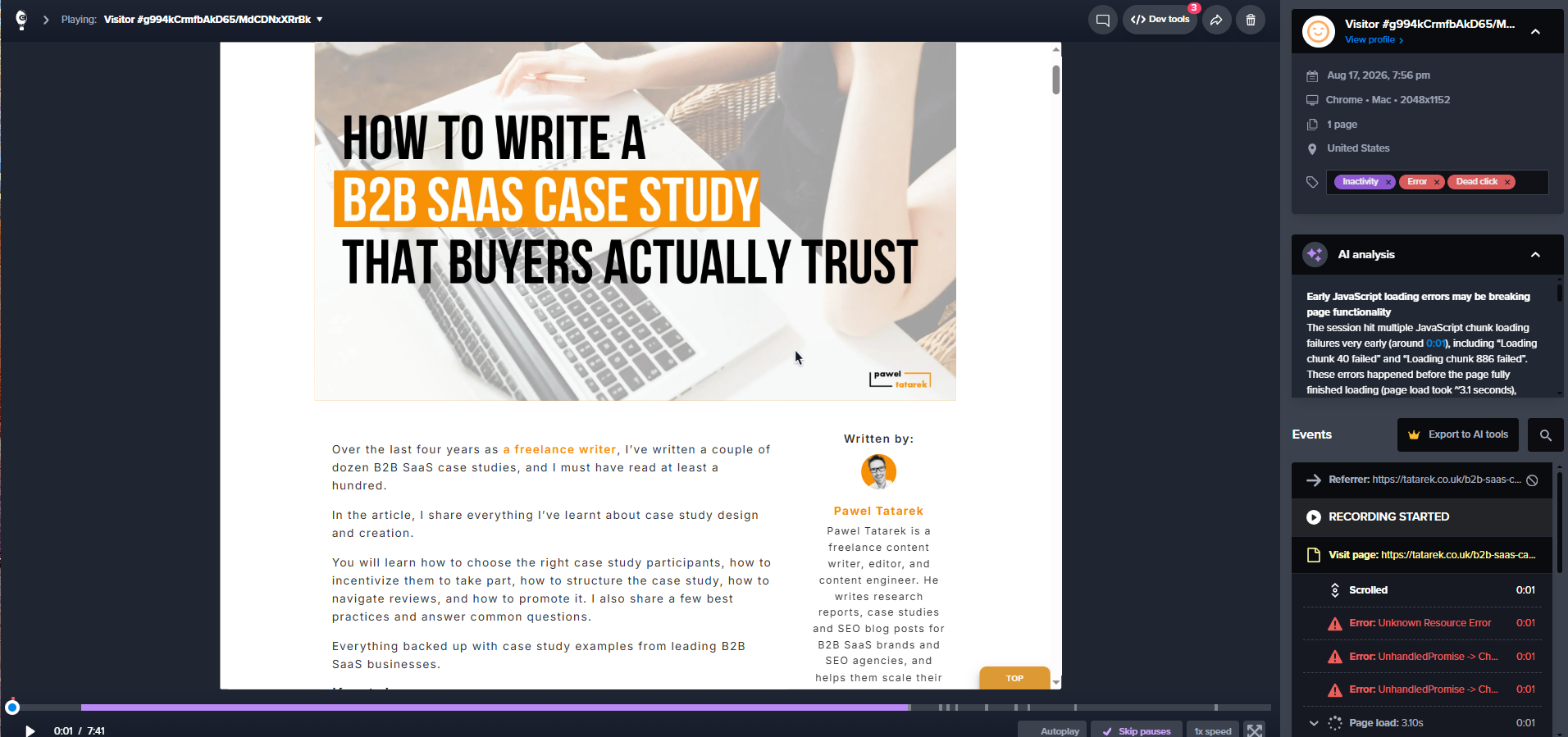
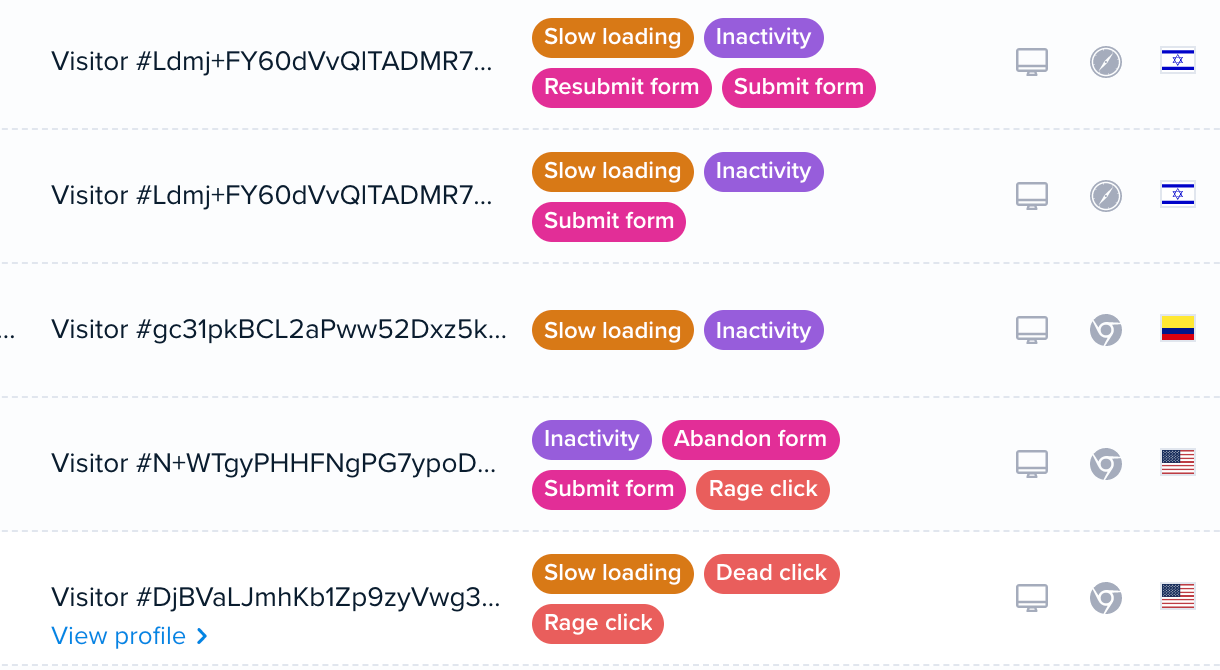
Fullstory holds a distinct advantage in mobile app support. If your business relies on a native iOS or Android app, Fullstory is the industry standard for capturing technical errors (like network failures) that impact user retention. Crazy Egg limits its recording to web browsers, focusing heavily on the marketing-facing performance of the site rather than the underlying infrastructure of an application.
Pricing and Scalability
The economic divide is stark. Crazy Egg operates with public, tiered pricing, making it accessible for startups and mid-market companies ($29–$599/mo). Fullstory follows an enterprise-sales model. According to market data from platforms like Vendr, the median annual contract for Fullstory often exceeds $28,000, and can climb significantly higher for high-volume enterprise deployments.
Official Responses and Strategic Positioning
In recent briefings, spokespeople for both platforms have clarified their strategic focus:
The Crazy Egg Perspective:
"Our mission is to provide an accessible, all-in-one suite that eliminates the ‘tool bloat’ currently plaguing marketing departments. By keeping experimentation, feedback, and analytics in one place, we allow teams to move from insight to action in minutes, not days."
The Fullstory Perspective:
"Digital products are increasingly complex. Our focus is on the ‘Fullstory’ of every user’s journey. Whether it’s a failed form submission on a mobile app or a friction point in a B2B SaaS onboarding flow, we provide the technical depth required to ensure that product teams can ship with confidence."
Implications: Which Tool Should You Choose?
The decision between Crazy Egg and Fullstory ultimately hinges on your organizational structure and the nature of your digital footprint.
Choose Crazy Egg If:
- You are primarily a web-based business: Your core operations happen on landing pages, blogs, and marketing sites.
- You need an all-in-one solution: You want to avoid managing three separate vendors for heatmaps, A/B testing, and surveys.
- You prioritize budget transparency: You need a predictable, fixed-cost subscription that allows for unlimited team members and domains.
- You are a Marketing/Growth team: You need to iterate quickly on page design to drive conversion rates.
Choose Fullstory If:
- You are a Product-led organization: Your primary value is delivered through a SaaS platform or a native mobile application.
- You have a dedicated engineering/product team: You have the bandwidth to utilize deep, technical analytics and want to integrate those insights into your development sprints.
- You already use specialized tools: You are already committed to an experimentation platform (like Optimizely or VWO) and want a DXI tool to act as a "coordination layer."
- You are an Enterprise: You have the budget to support high-cost, high-value contracts and require advanced security certifications (ISO 42001, SOC 2/3) and EU data residency.
Conclusion
The market for user behavior analytics has matured, and the era of "one-size-fits-all" is over. Crazy Egg has doubled down on the Growth Marketer, providing a streamlined, efficient, and cost-effective path to web optimization. Fullstory has doubled down on the Product Manager, providing an exhaustive, enterprise-grade data layer that excels in complex, multi-platform environments. By assessing your specific pain points—whether they are centered on landing page conversions or deep-product retention—you can align your choice with the platform that will deliver the highest ROI for your specific digital ecosystem.
